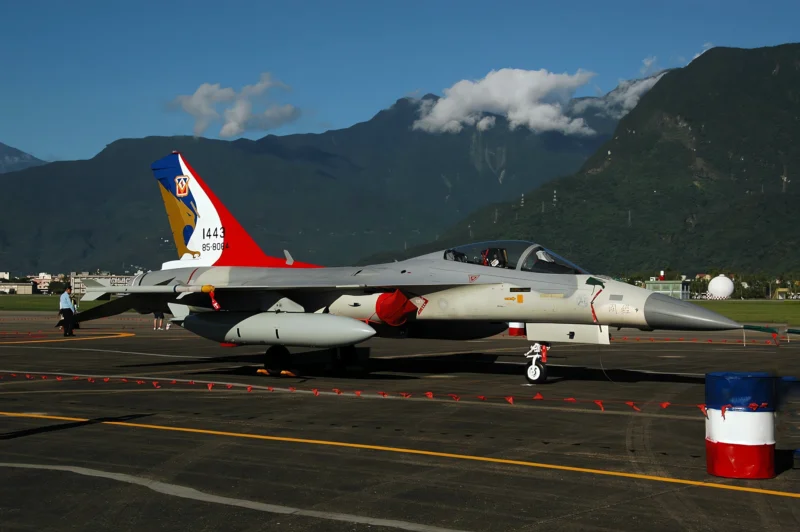
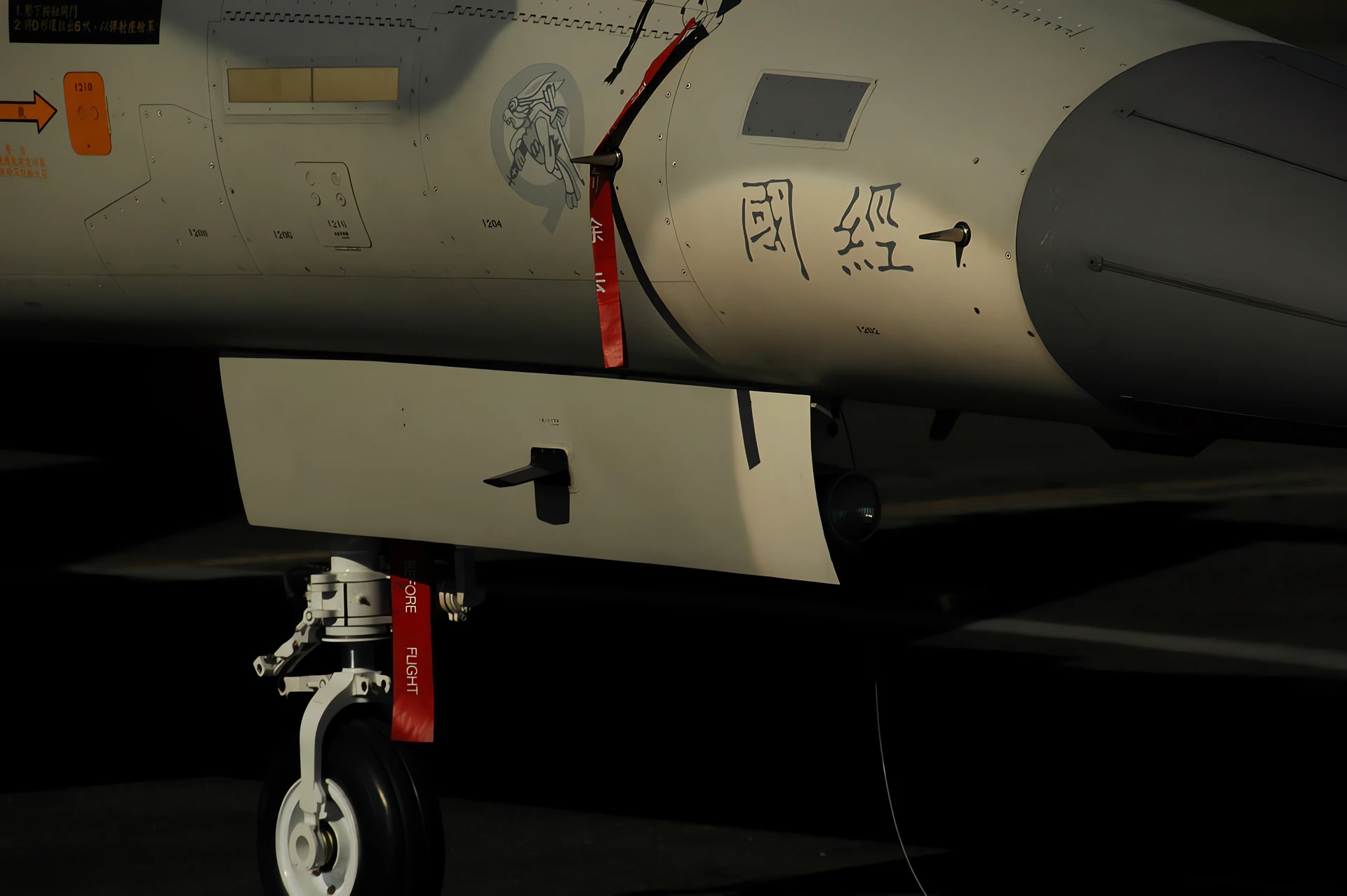
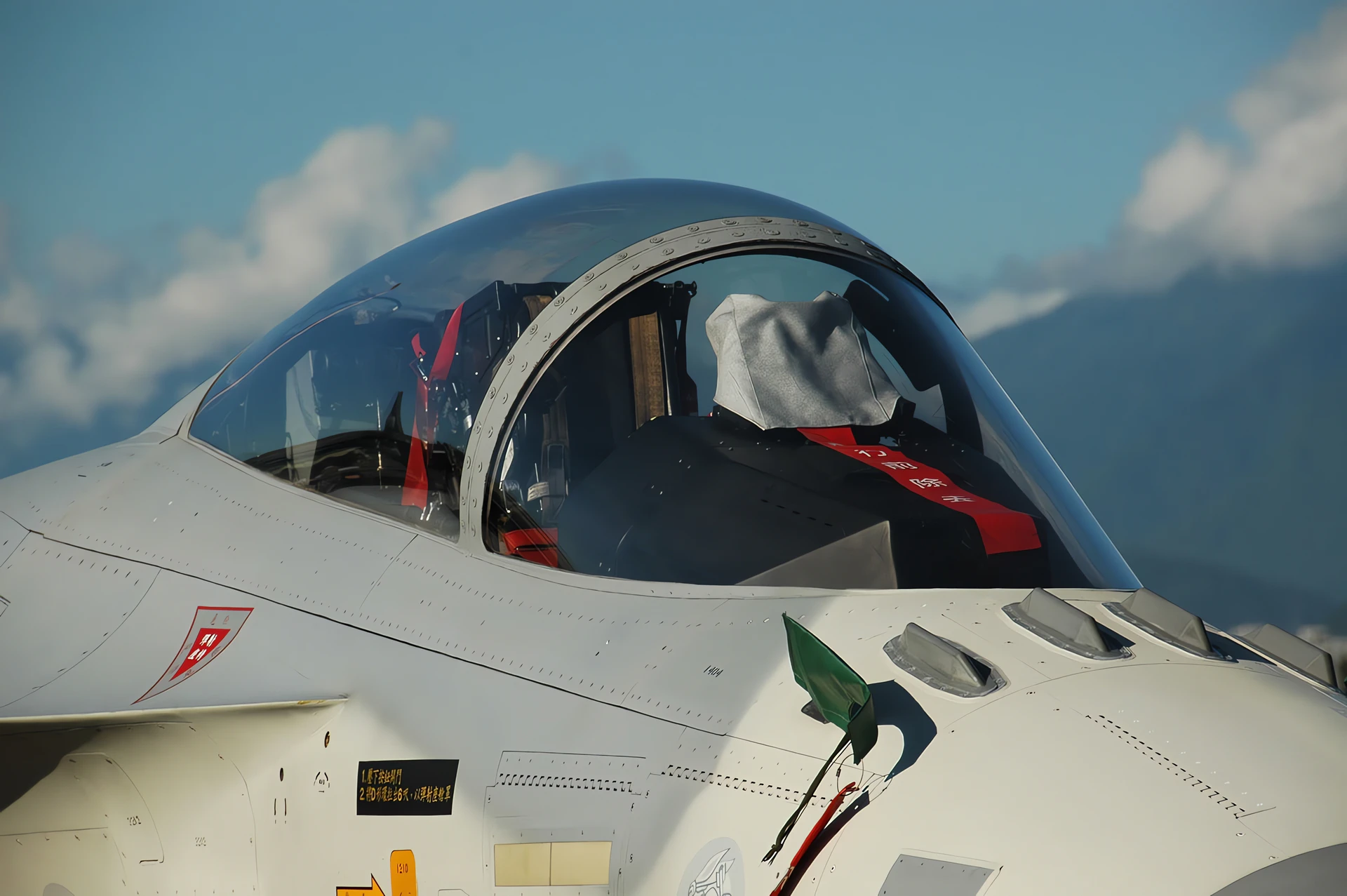
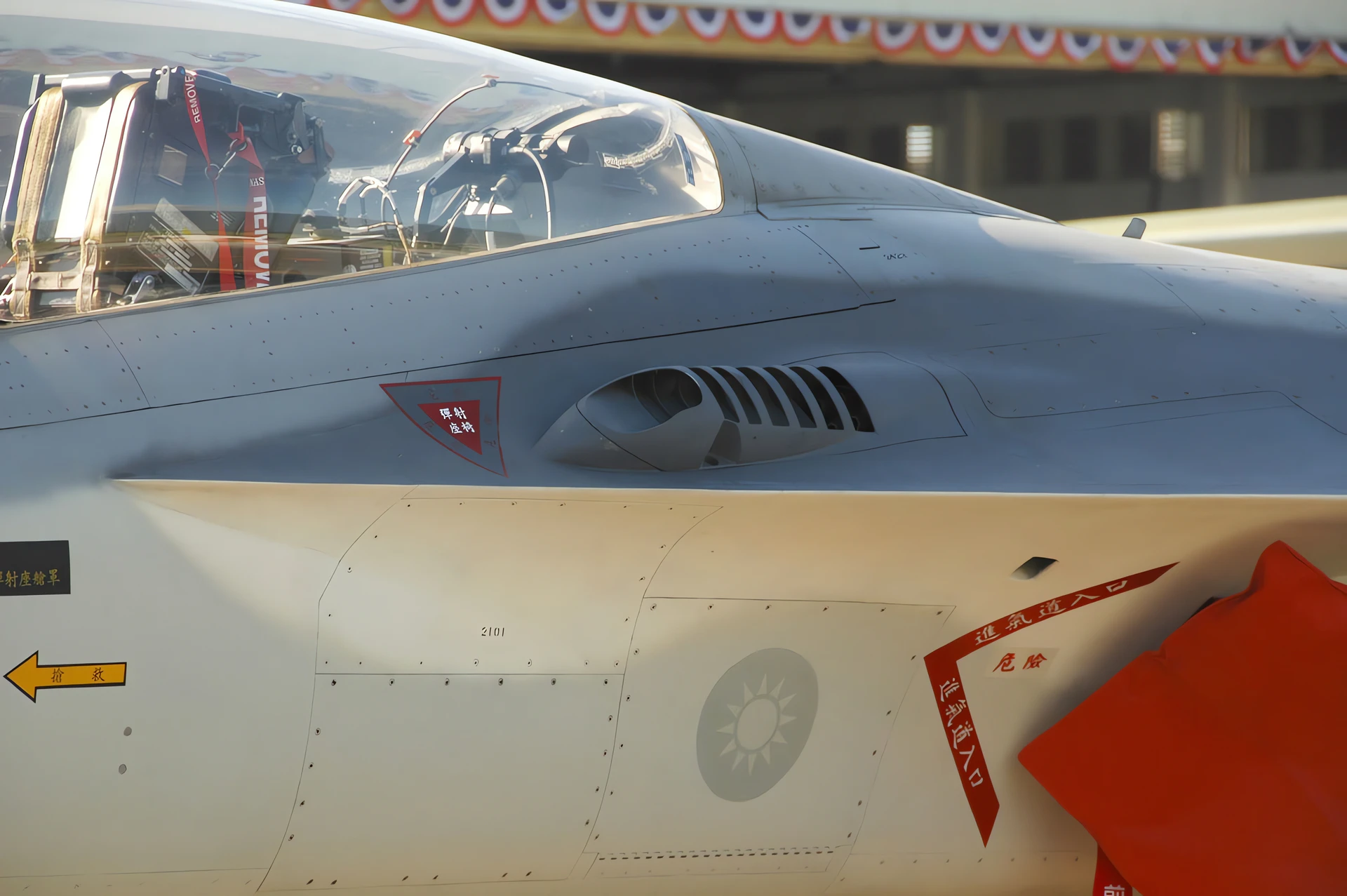
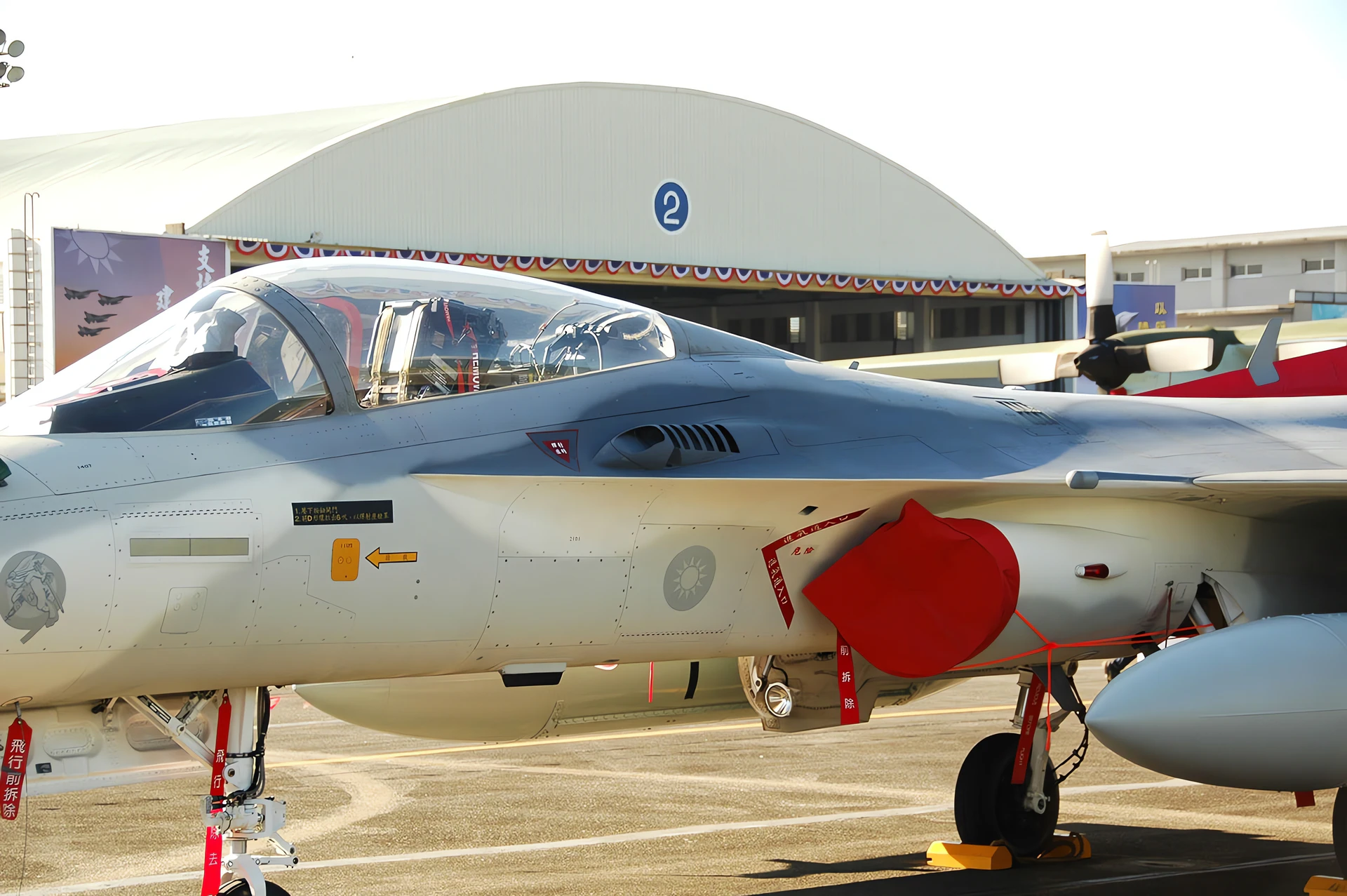
AIDC F-CK-1 Ching-kuo | |
|---|---|
| Country | Taiwan |
| Role | Fighter aircraft |
| First flight | May 28, 1989 |
| Built | 131 |
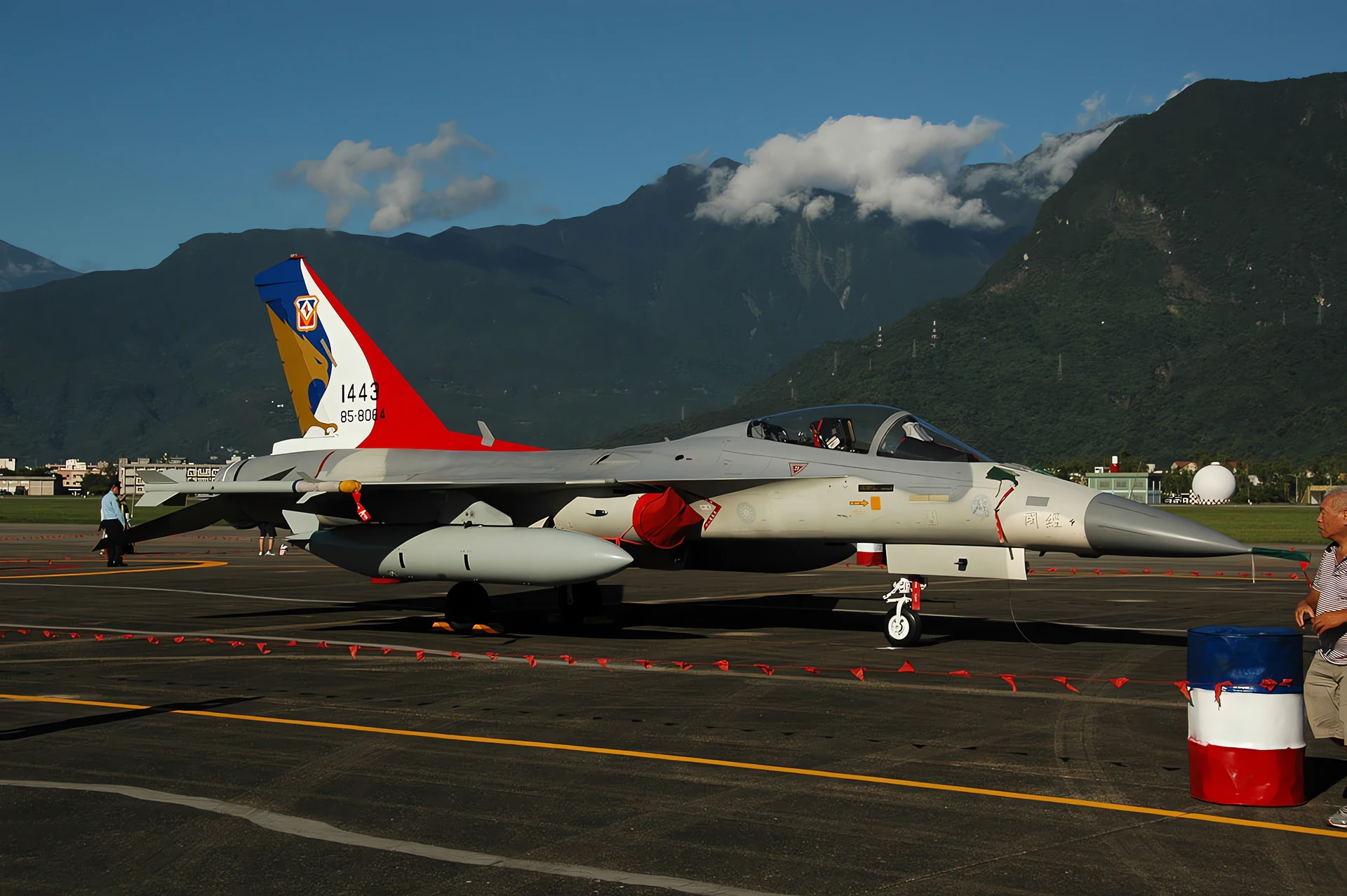
The AIDC F-CK-1 Ching-Kuo (Chinese: 經國號戰機; pinyin: Jīngguó Hào Zhànjī), commonly known as the Indigenous Defense Fighter (IDF), is a multirole combat aircraft named after Chiang Ching-kuo, the late President of the Republic of China. The aircraft made its first flight in 1989. It was delivered to Republic of China Air Force in January 1994 and entered service in 1997. All 130 production aircraft had been manufactured by 1999.
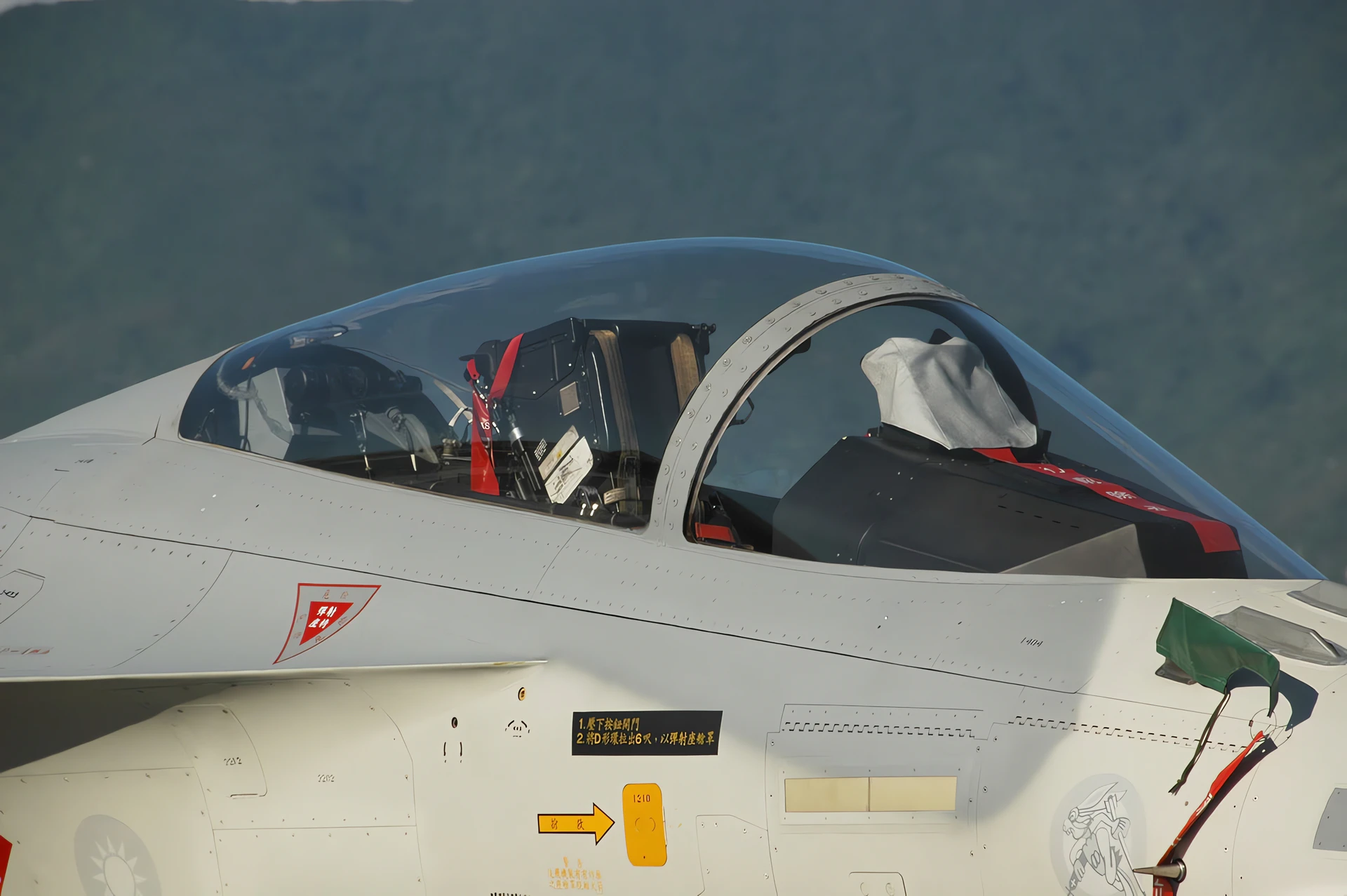
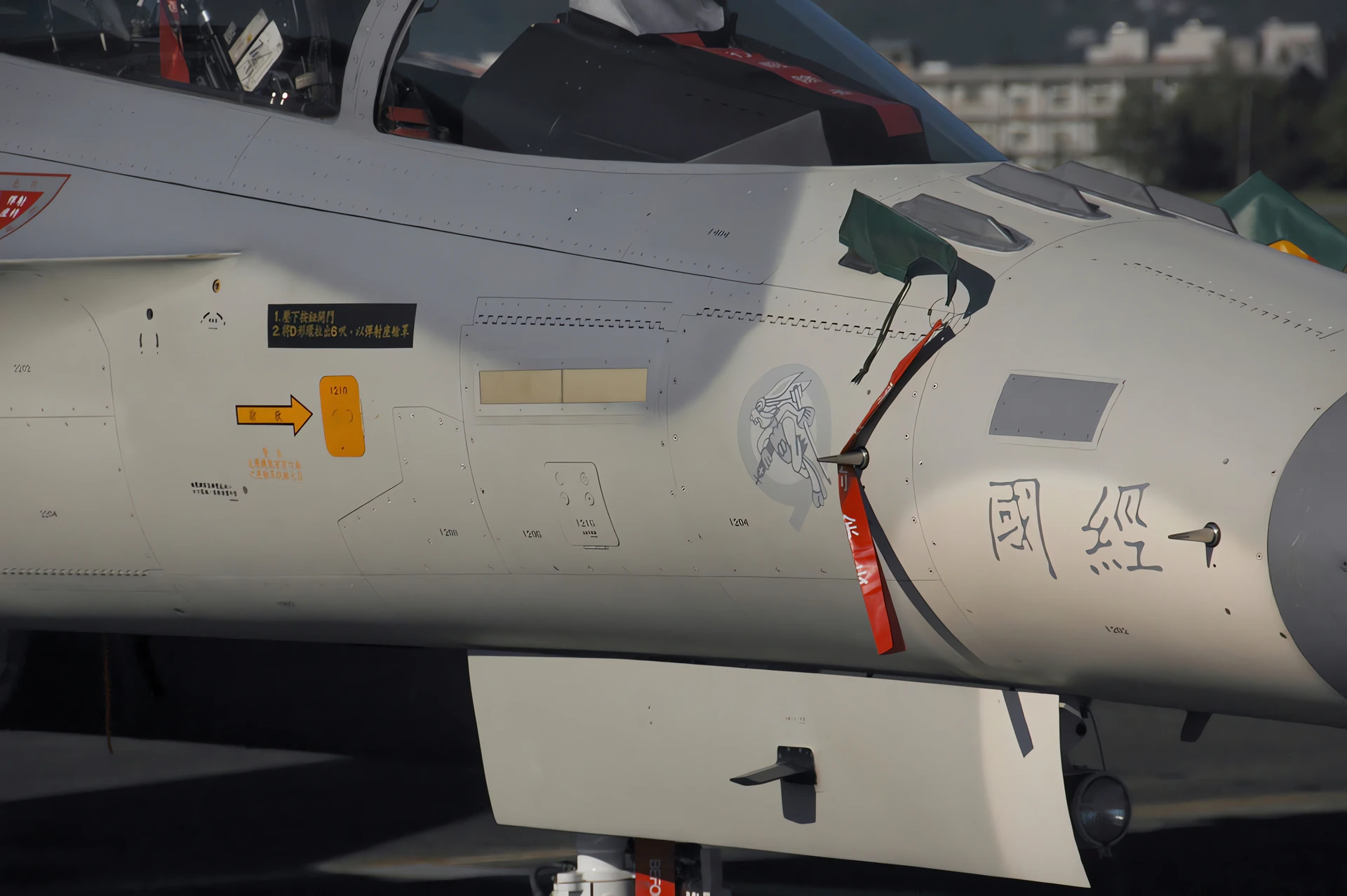
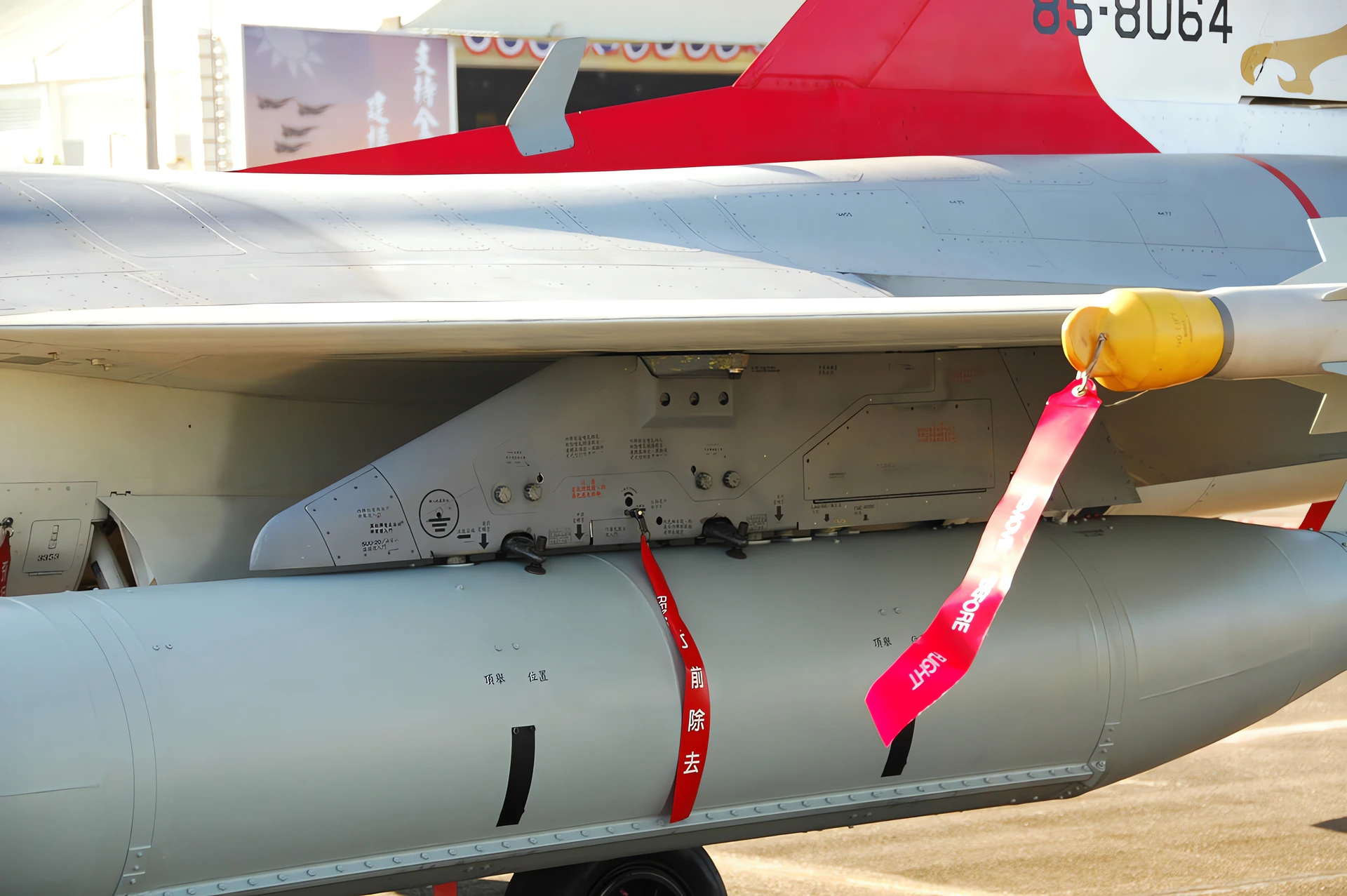
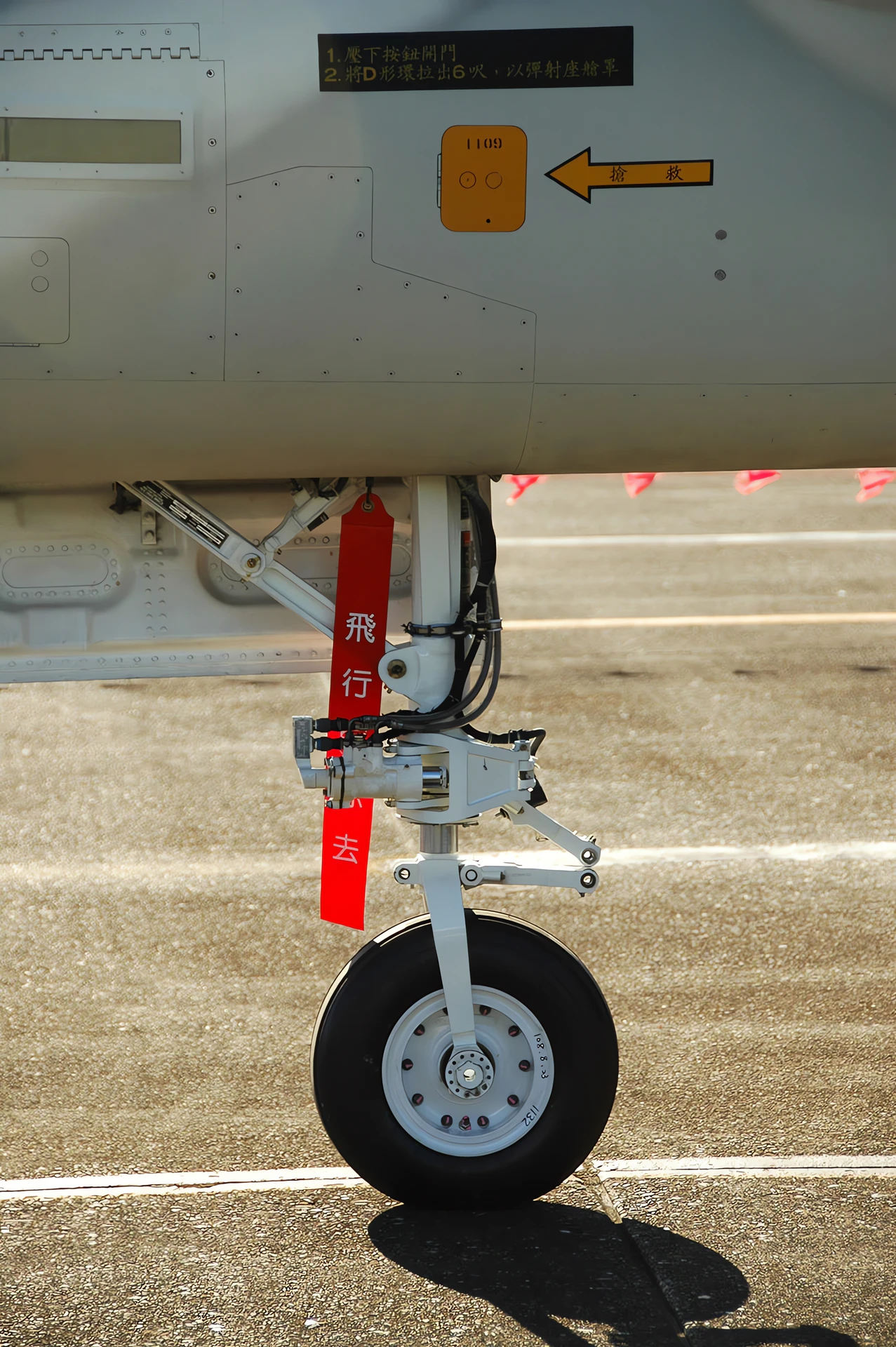
| F-CK-1 Ching Kuo Walk Around | |
|---|---|
| Photographer | Zhang Jingwei |
| Localisation | Unknow |
| Photos | 76 |


See also:


General Characteristics and Design
The AIDC F-CK-1 Ching Kuo (named after the late ROC President Chiang Ching-kuo) is a Taiwanese (Republic of China) indigenous multirole combat aircraft. The program was initiated in the 1980s when the U.S. government, under pressure from China, refused to sell Taiwan advanced fighters like the F-16 or F-20. As a result, the Aerospace Industrial Development Corporation (AIDC) developed the F-CK-1 with substantial technical assistance from U.S. aerospace companies. The design features a blend of characteristics from contemporary U.S. fighters (F-16/F/A-18), utilizing a slightly unstable airframe and a modern triple-redundant full authority fly-by-wire flight control system. It is the lightest twin-engine fourth-generation fighter fielded globally.
| Property | Typical Value (F-CK-1A) |
|---|---|
| Role | Multirole Fighter / Air Superiority |
| National Origin | Taiwan (Republic of China) |
| Manufacturer | Aerospace Industrial Development Corporation (AIDC) |
| First Flight | 28 May 1989 |
| Crew | 1 (F-CK-1A) or 2 (F-CK-1B/D Trainer) |
| Length | 14.21 m (46 ft 7 in) |
| Wingspan | 9.46 m (31 ft 0 in) |
| Empty Weight | 6,486 kg (14,300 lb) |
| Max Takeoff Weight | 12,247 kg (27,000 lb) |
Powerplant and Performance
- Engines: Two ITEC/Honeywell F125-GA-100 (TFE1042-70) non-afterburning turbofan engines.
- Thrust (Each): 27 kN (6,000 lbf) dry / 42 kN (9,500 lbf) with afterburner.
- Maximum Speed: Mach 1.8 (approx. 2,220 km/h or 1,379 mph).
- Range: 1,100 km (680 mi; 590 nmi) (with minimum external fuel).
- Service Ceiling: 16,800 m (55,100 ft).
- Thrust-to-Weight Ratio: Approx. 0.95 (clean) / 0.70 (maximum load).
Armament and Avionics
- Internal Gun: 1 x 20 mm M61A1 6-barreled Gatling cannon (located on the starboard side of the fuselage).
- Hardpoints: 6 total (2 under-fuselage, 4 under-wing) with a max external payload of 4,000 kg (8,800 lb).
- Indigenous Missiles: The F-CK-1 is integrated with a variety of domestically produced weapons:
- Air-to-Air: Sky Sword I (TC-1) (short-range IR-guided) and Sky Sword II (TC-2) (medium-range active radar-guided).
- Air-to-Surface: Wan Chien air-to-ground cruise missile and Hsiung Feng III anti-ship missile (testing/integration ongoing).
- Other Munitions: AGM-65 Maverick, Mark 82/84 General Purpose Bombs, and Mk-20 Rockeye II cluster bombs.
- Radar: 1 x GD-53 Golden Dragon multi-mode monopulse pulse-Doppler radar, a derivative of the General Electric AN/APG-67 (developed for the F-20). The radar has look-down/shoot-down capability.
Views : 2105
You can see also :
 Stinson L-5 Sentinel – Photos & Video
 Piper L-4 Grasshopper – Photos & Video
 Lockheed U-2 – Photos & Video
 P-51D Mustang vol2 – Walk Around
 B-17G Flying Fortress – WalkAround
 Messerschmitt Bf 109G-2 – Walk Around
 General Motors FM-2 Wildcat – WalkAround
 Junkers Ju-52 Tante Ju – Walk Around
 Messerschmitt Me-109E - Walk Around
 Supermarine Spitfire Mk.XVI – Walk Around