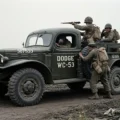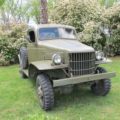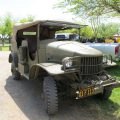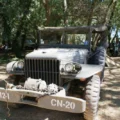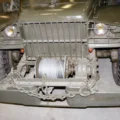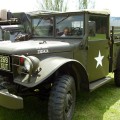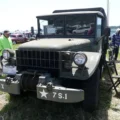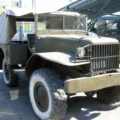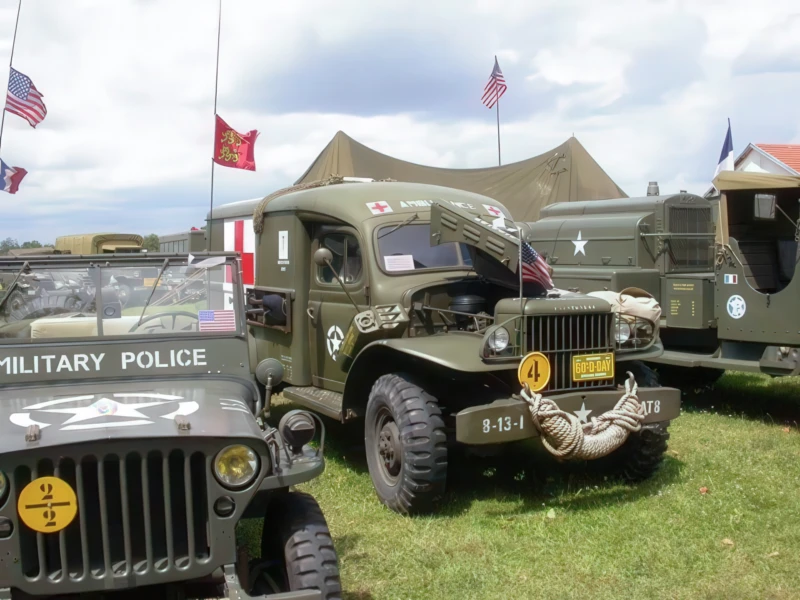
Dodge WC54 | |
|---|---|
| Country | USA |
| Type | 4×4 light truck |
| Manufacturer | Dodge (Chrysler) |
The Dodge WC54 ¾ Ton, supply catalog designation G502, was a WC series 4×4 light truck developed during World War II. It served as the main ambulance used by the US army from 1942 to 1945, with some used as late as 1953 during the Korean War by the U.S. Army Medical Corps, and others serving as late as the 1960s in the armies of some European countries. At times, several were also used by the US Signal Corps as radio vans.
Source: Dodge WC54 on Wikipedia
| Dodge WC54 | |
|---|---|
| Photographer | Unknow |
| Localisation | Unknow |
| Photos | 41 |
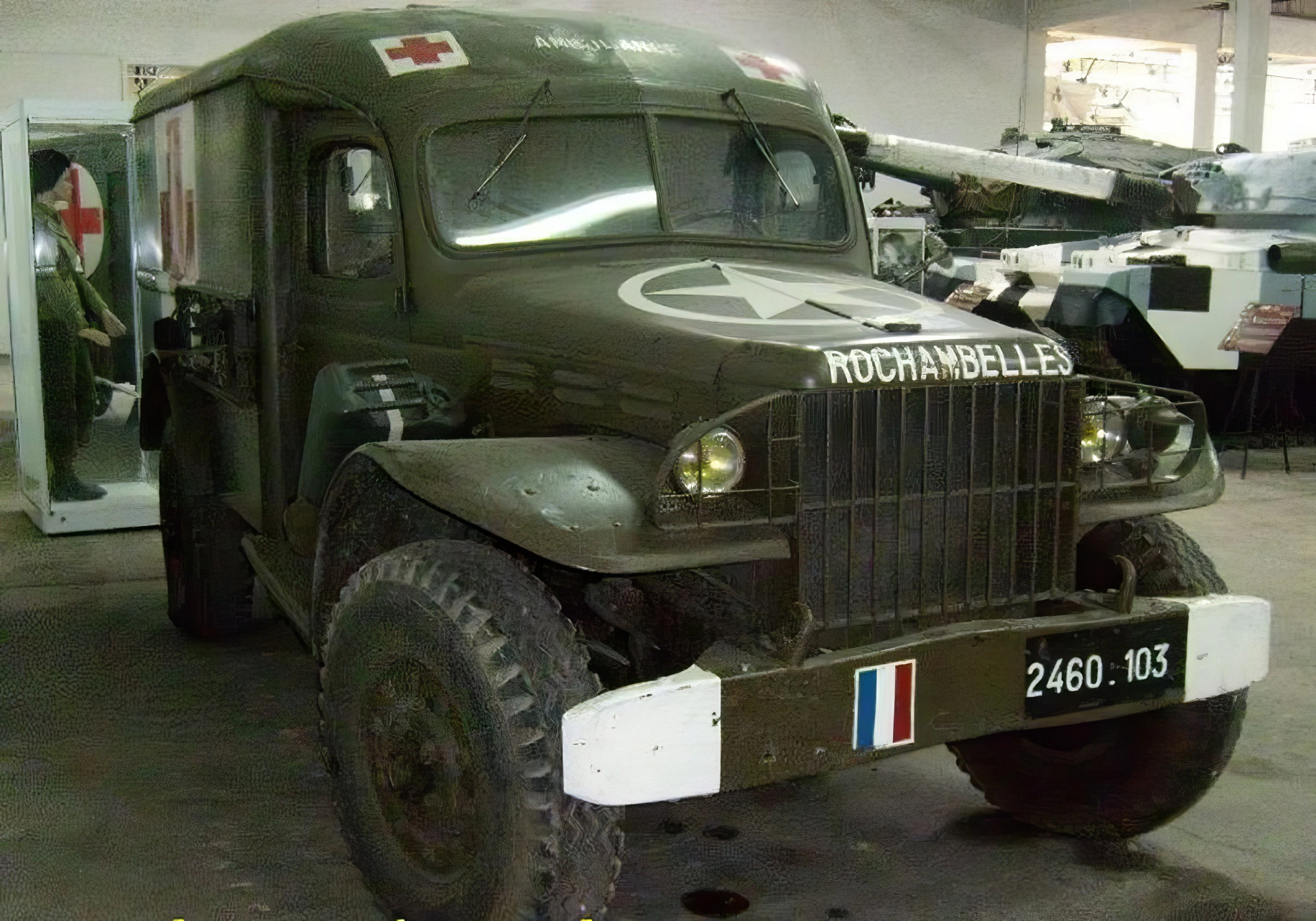
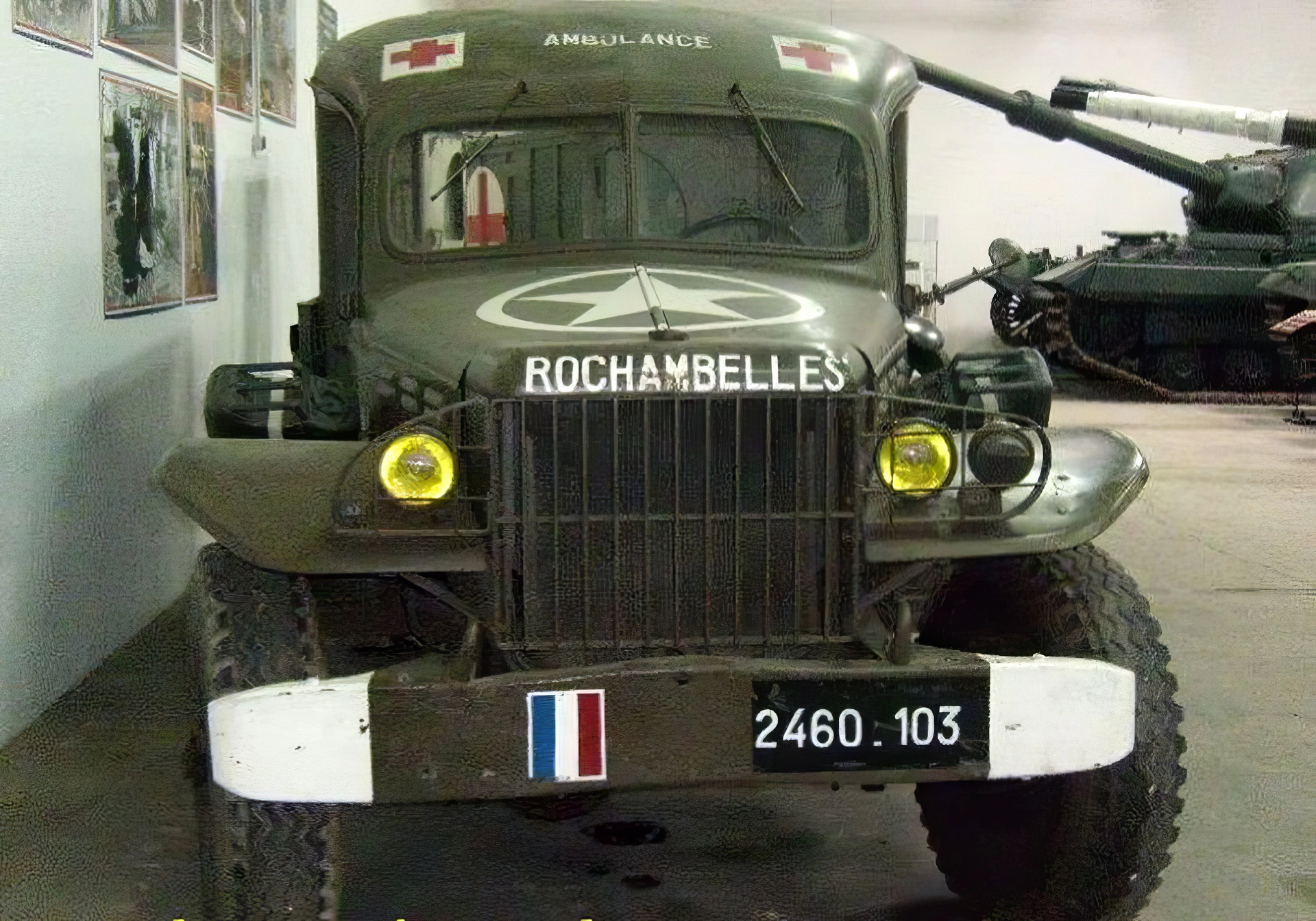
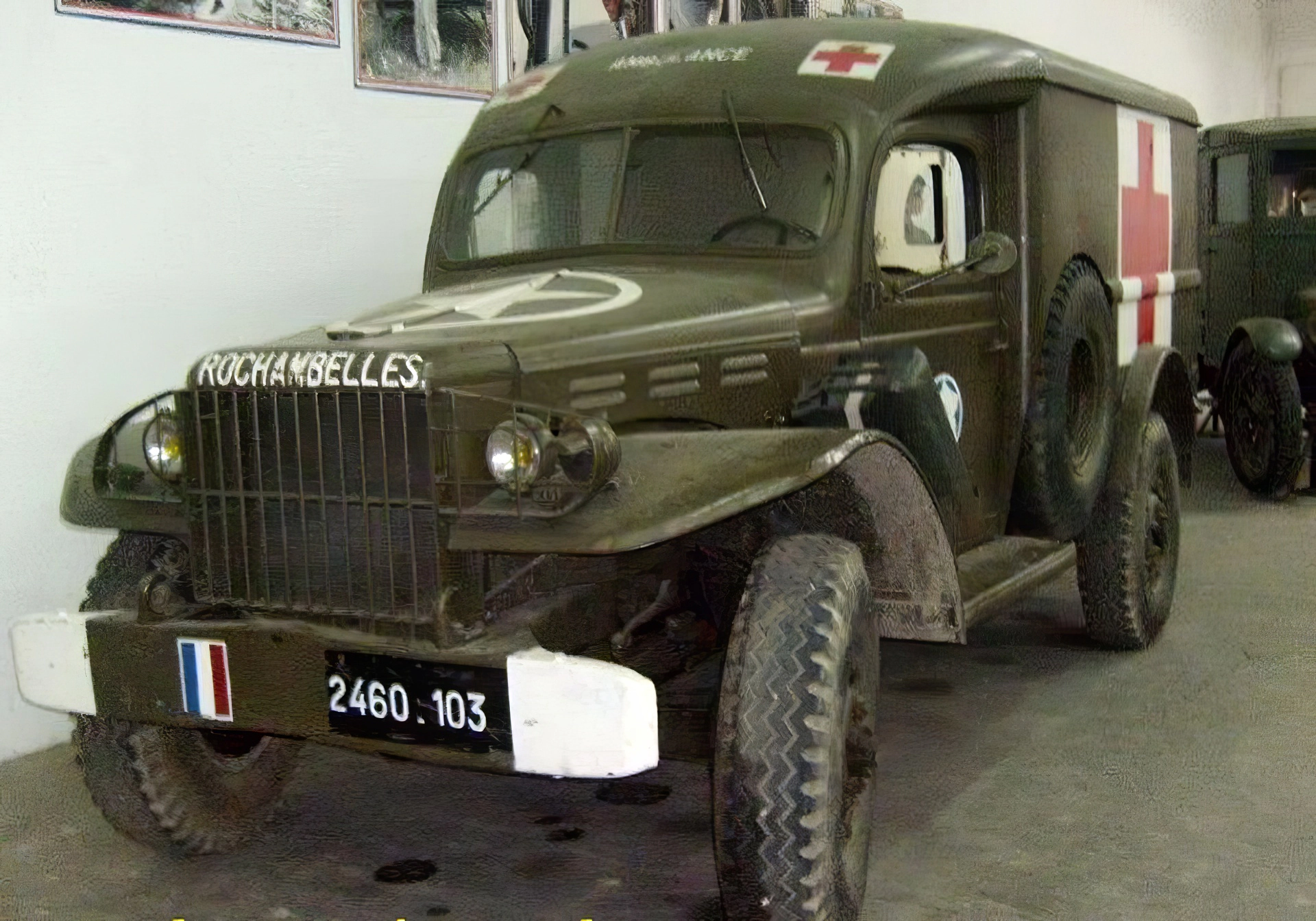
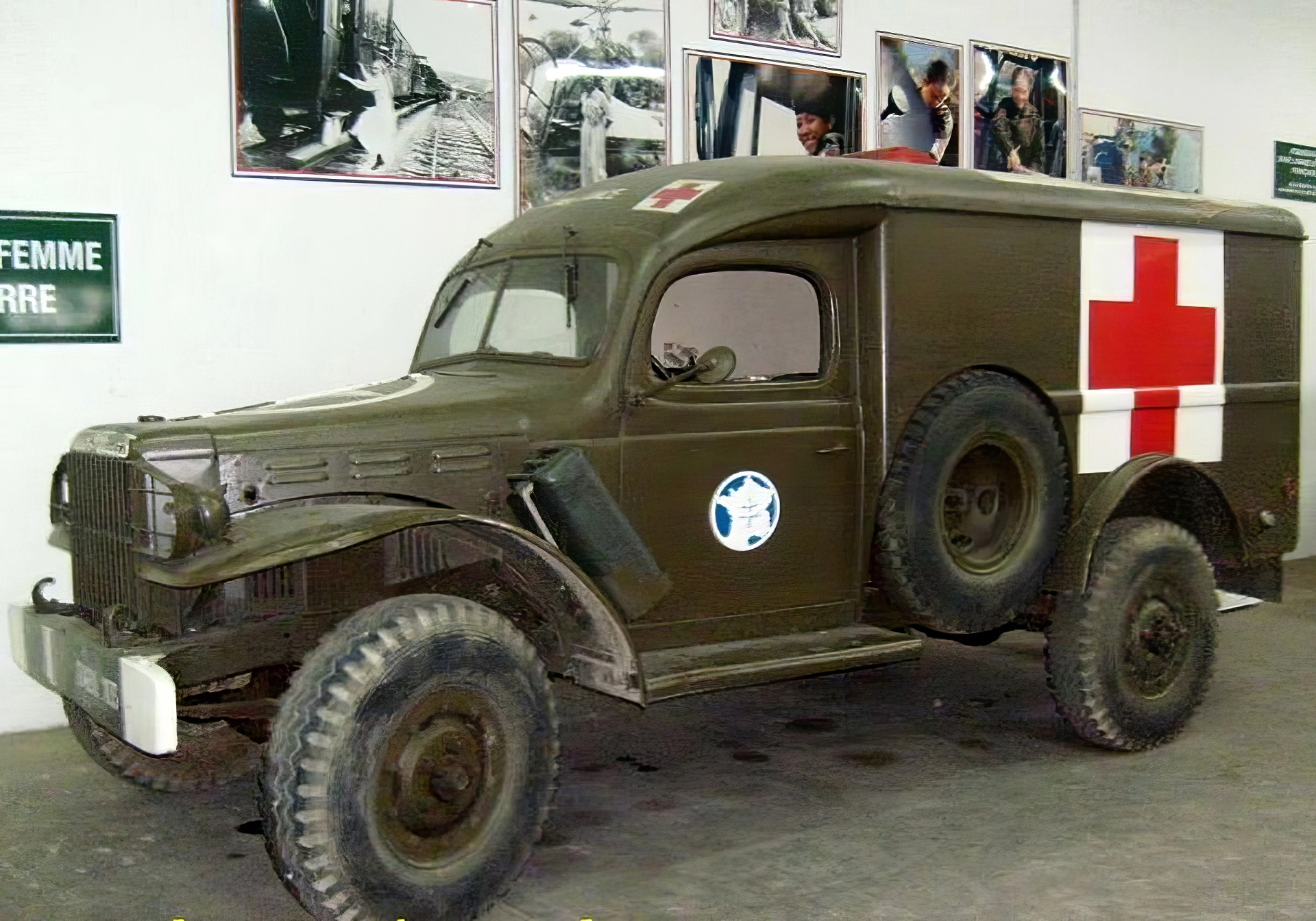
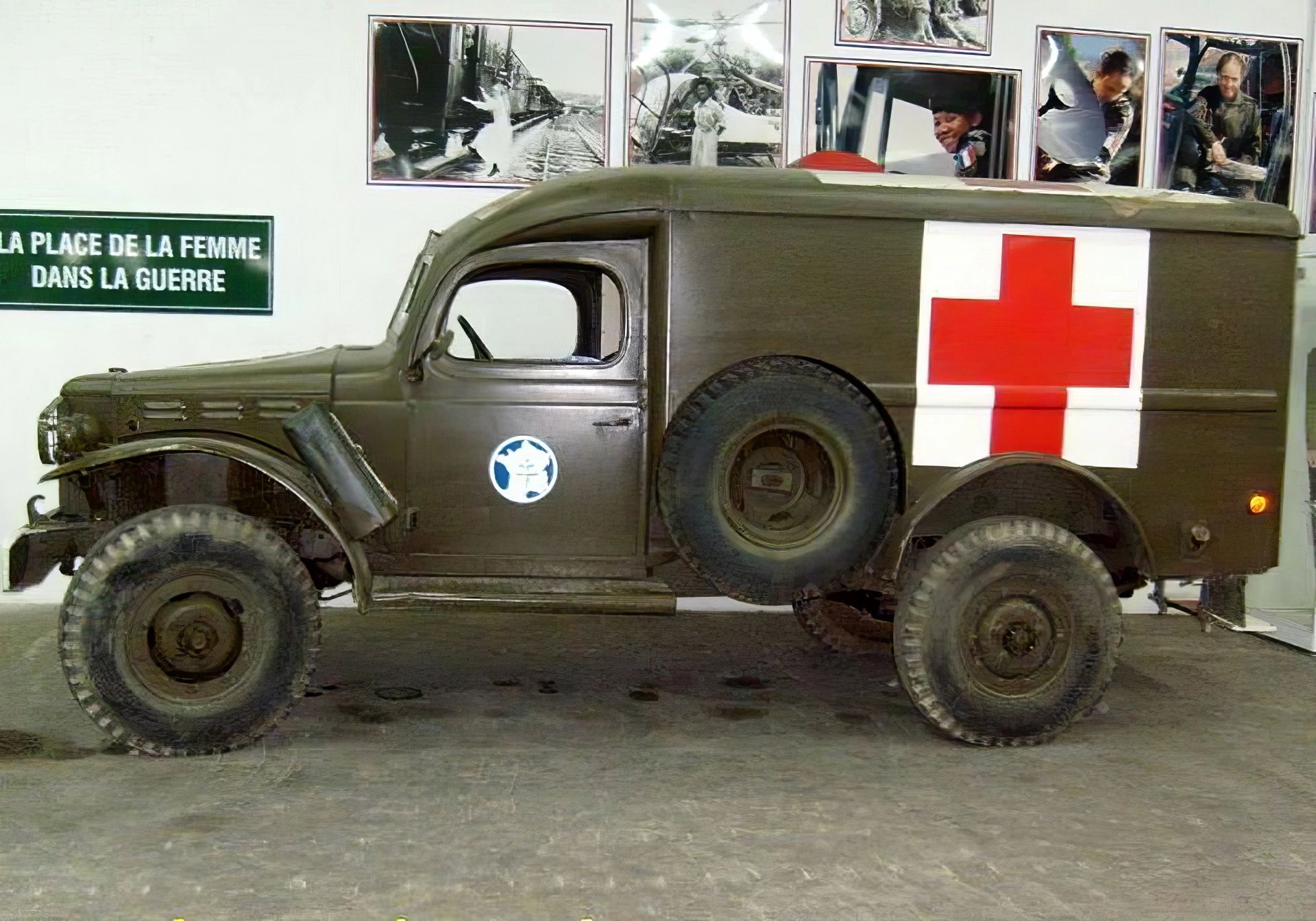
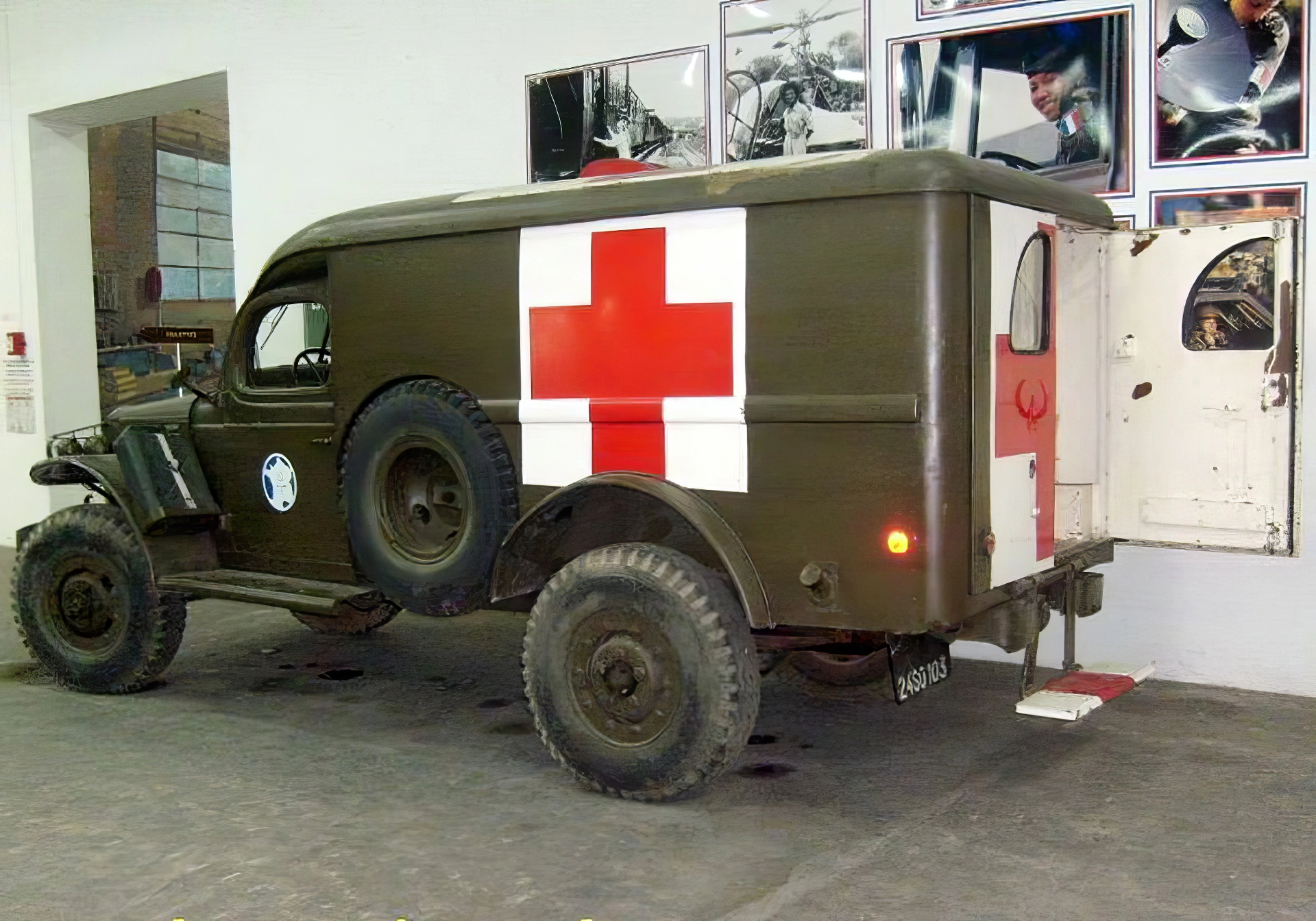
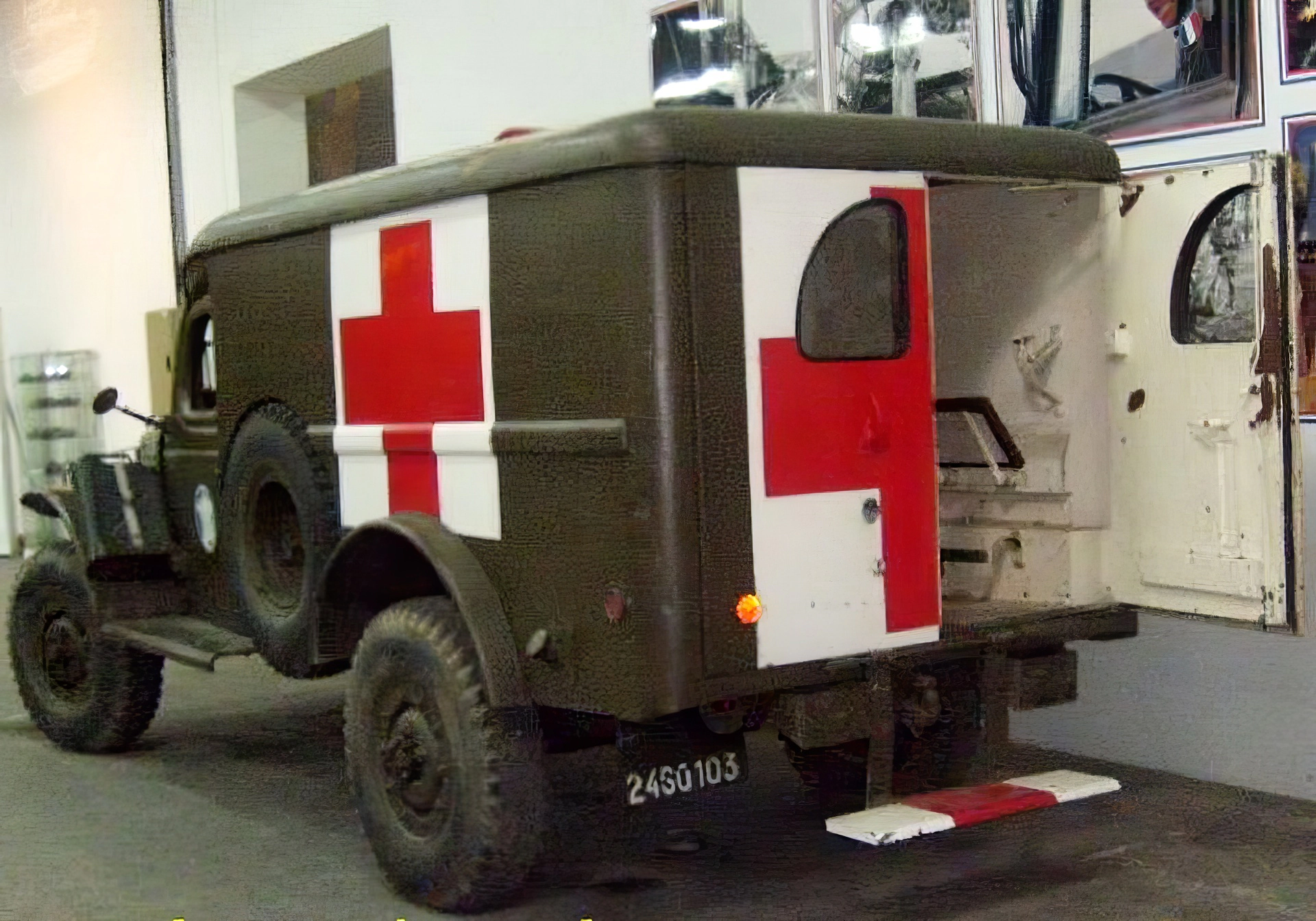
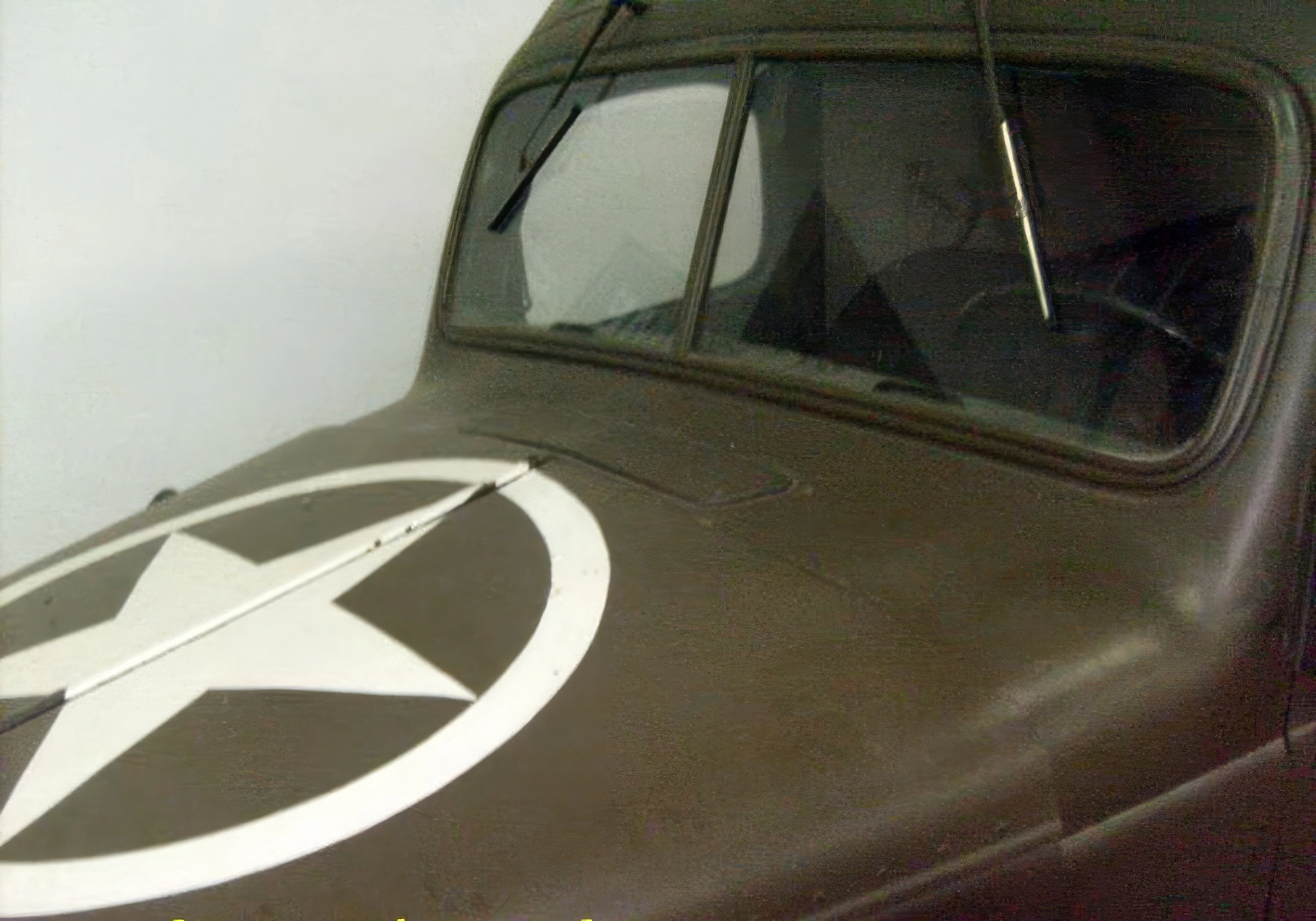
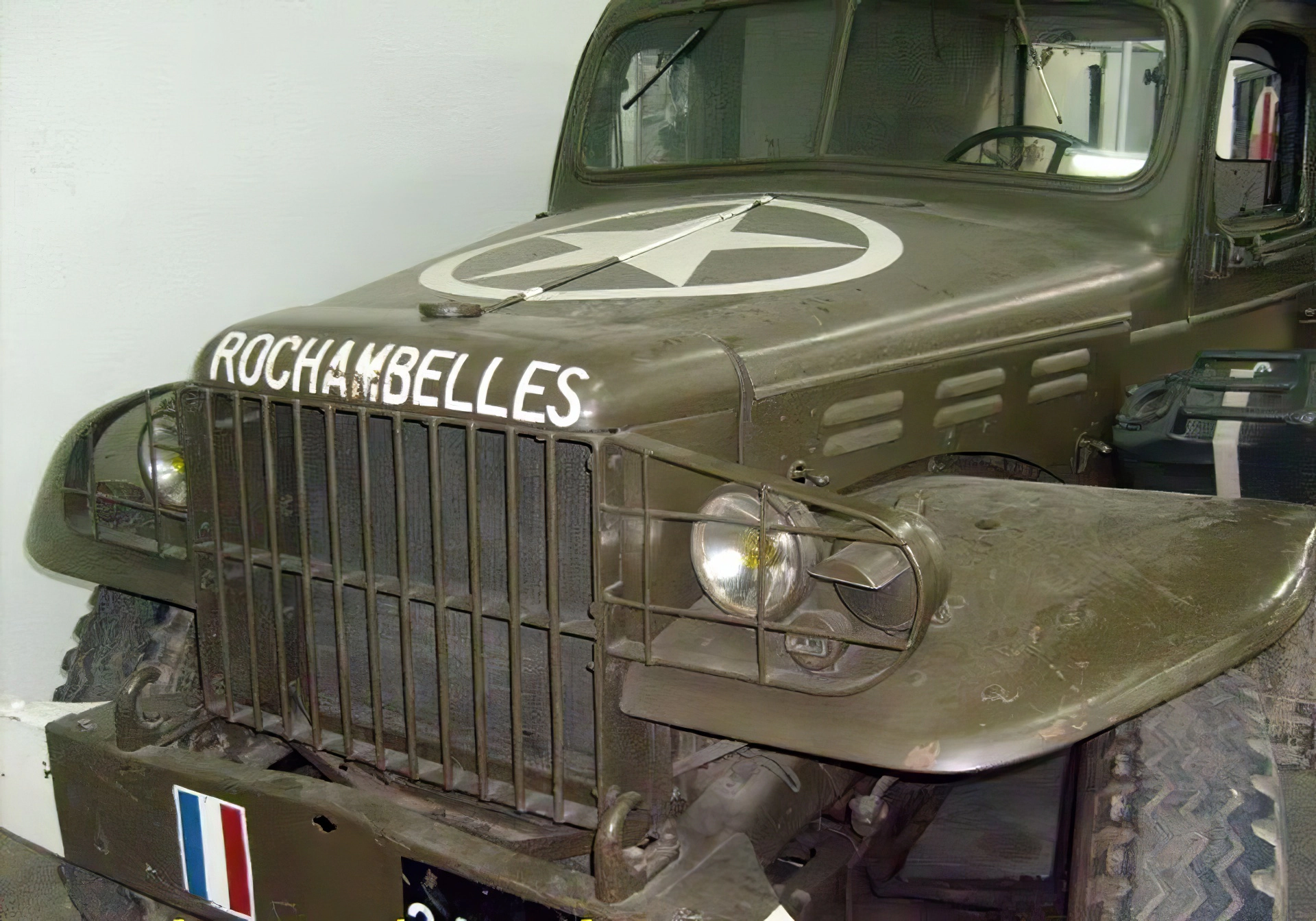

| Dodge Ambulance Walk Around | |
|---|---|
| Photographer | Legion |
| Localisation | Unknow |
| Photos | 27 |
| Dodge WC-54 Ambulance Walk Around | |
|---|---|
| Photographer | Unknow |
| Localisation | Unknow |
| Photos | 21 |
See also:


General Characteristics and Role
The Dodge WC54 was the standard dedicated ambulance used by the United States Army Medical Corps during World War II. While other vehicles like the Jeep were often used for casualty evacuation in a pinch, the WC54 was a purpose-built medical transport based on the heavy-duty 3/4-ton Dodge WC chassis. It featured a fully enclosed sheet-metal body manufactured by Wayne Body Works, which provided much-needed protection and climate control for patients. The interior was highly specialized, with folding benches and suspended racks that allowed it to carry either four stretcher-borne patients or six to seven seated casualties. A powerful heater was mounted on the firewall to provide comfort in cold climates, a feature that made it much preferred by crews and patients alike over other contemporary ambulances.
| Property | Typical Value (Dodge WC54) |
|---|---|
| Type | Light Military Field Ambulance |
| National Origin | United States |
| Manufacturer | Dodge (Chrysler Corporation) / Wayne Body Works (Body) |
| Entered Service | 1942 |
| Crew | 2 (Driver and Medic) |
| Patient Capacity | 4 stretchers or 6-7 seated patients |
| Length | 4.94 m (16 ft 2.5 in) |
| Max Speed | 87 km/h (54 mph) |
Powerplant and Medical Equipment
- Engine: 1 x Dodge T214 side-valve, inline six-cylinder gasoline engine (230 cu in).
- Engine Power: 92 hp (69 kW) at 3,200 rpm.
- Transmission: 4-speed manual gearbox with a single-speed transfer case for 4×4 engagement.
- Suspension: Heavy-duty leaf springs with hydraulic shock absorbers, tuned specifically for a slightly smoother ride than the standard weapons carrier to avoid jarring injured patients.
- Interior Layout: Features two upper and two lower stretcher positions; the lower benches fold up to create a central aisle or additional seating.
- Special Features: A rear fold-away step for easier loading of stretchers, an overhead vent for air circulation, and a large medical supply storage box.
Service History and Legacy
- Frontline Service: The WC54 saw action in every theater of WWII, including the Mediterranean, the Pacific, and the European campaigns following D-Day.
- International Aid: Thousands were supplied to the Free French Forces and the British Royal Army Medical Corps, where they were often considered superior to domestic designs like the Austin K2/Y.
- Korean War: The vehicle remained the primary US ambulance through the Korean War, serving alongside newer designs until the introduction of the Dodge M43 in the early 1950s.
- Post-War Life: Under Lend-Lease and military aid programs, the WC54 served in the armies of France, Norway, Belgium, and Greece well into the 1960s.
- WC64 KD Variant: In 1945, a “Knock-Down” version (WC64 KD) was introduced, which could be shipped in crates to save space, though the WC54 remains the most iconic version of the series.
Views : 6942