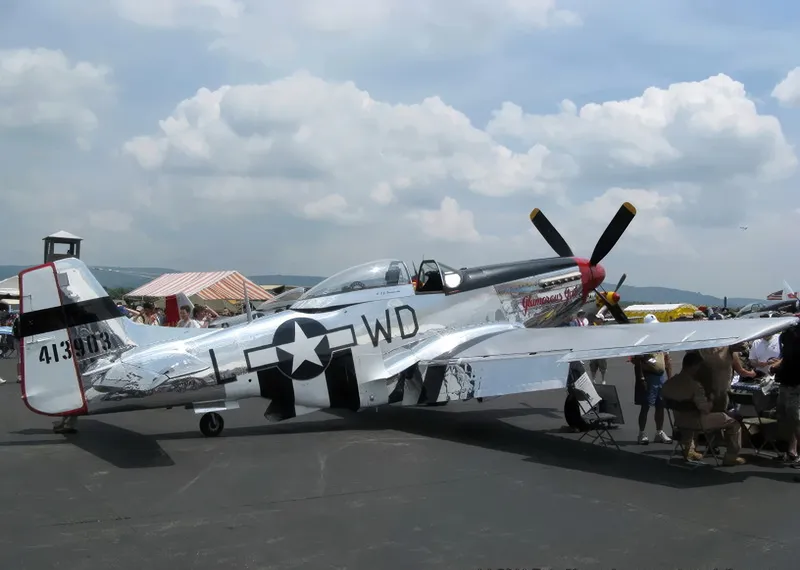
P-51D Mustang | |
|---|---|
| Country | USA |
| Type | Single-engine fighter |
| Description | Album de 28 walk-around photos on a P-51D Mustang |
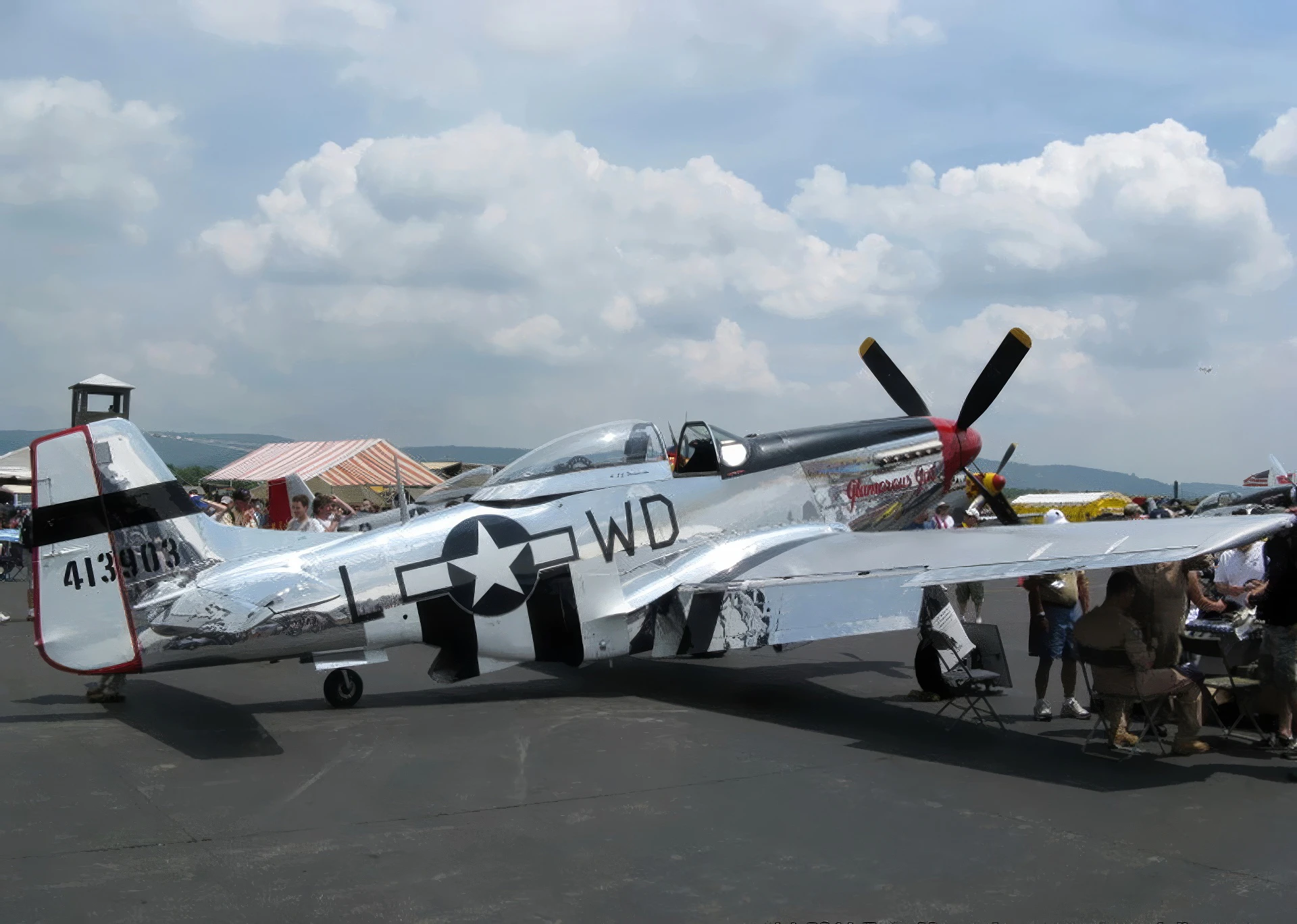
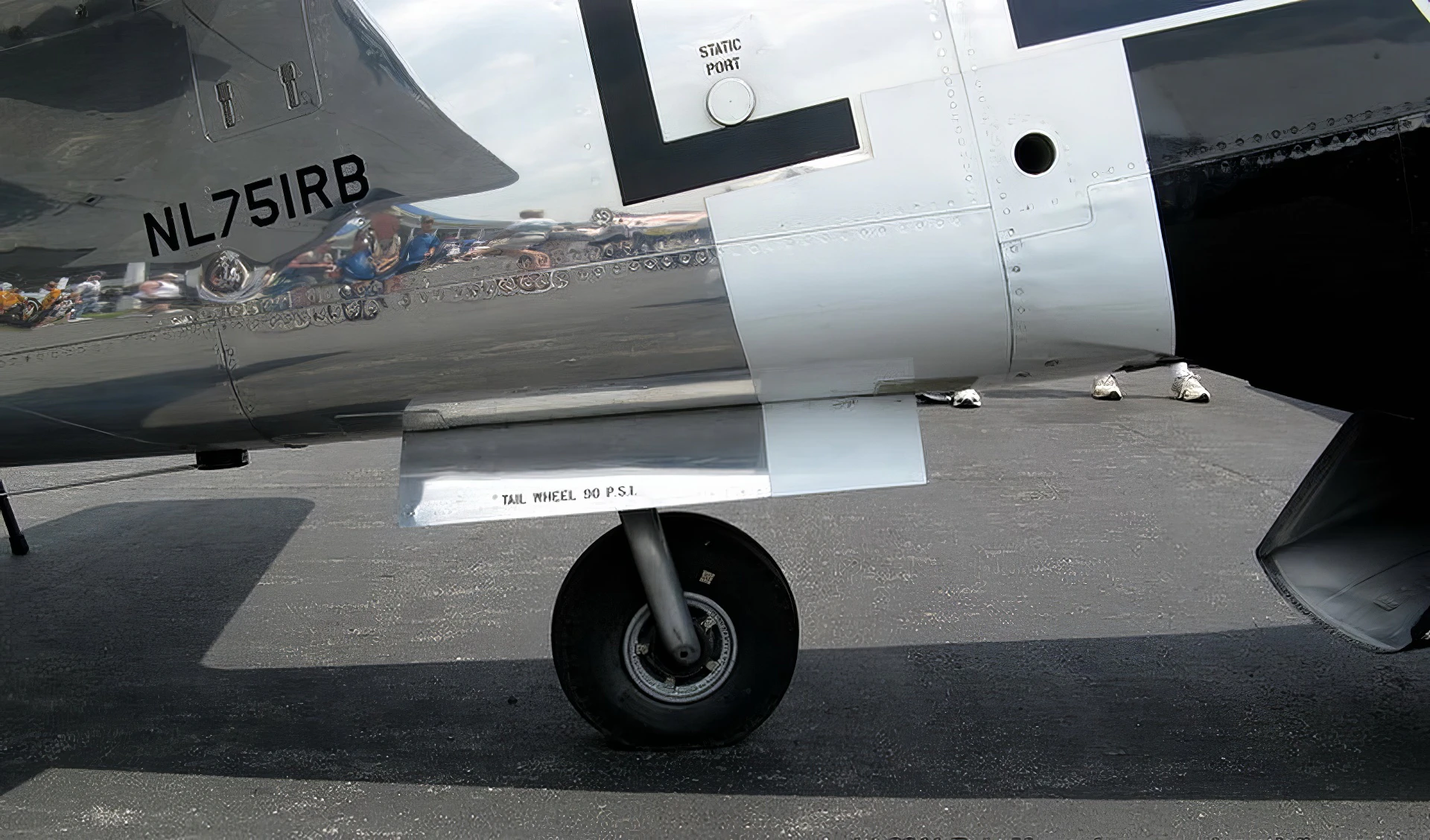
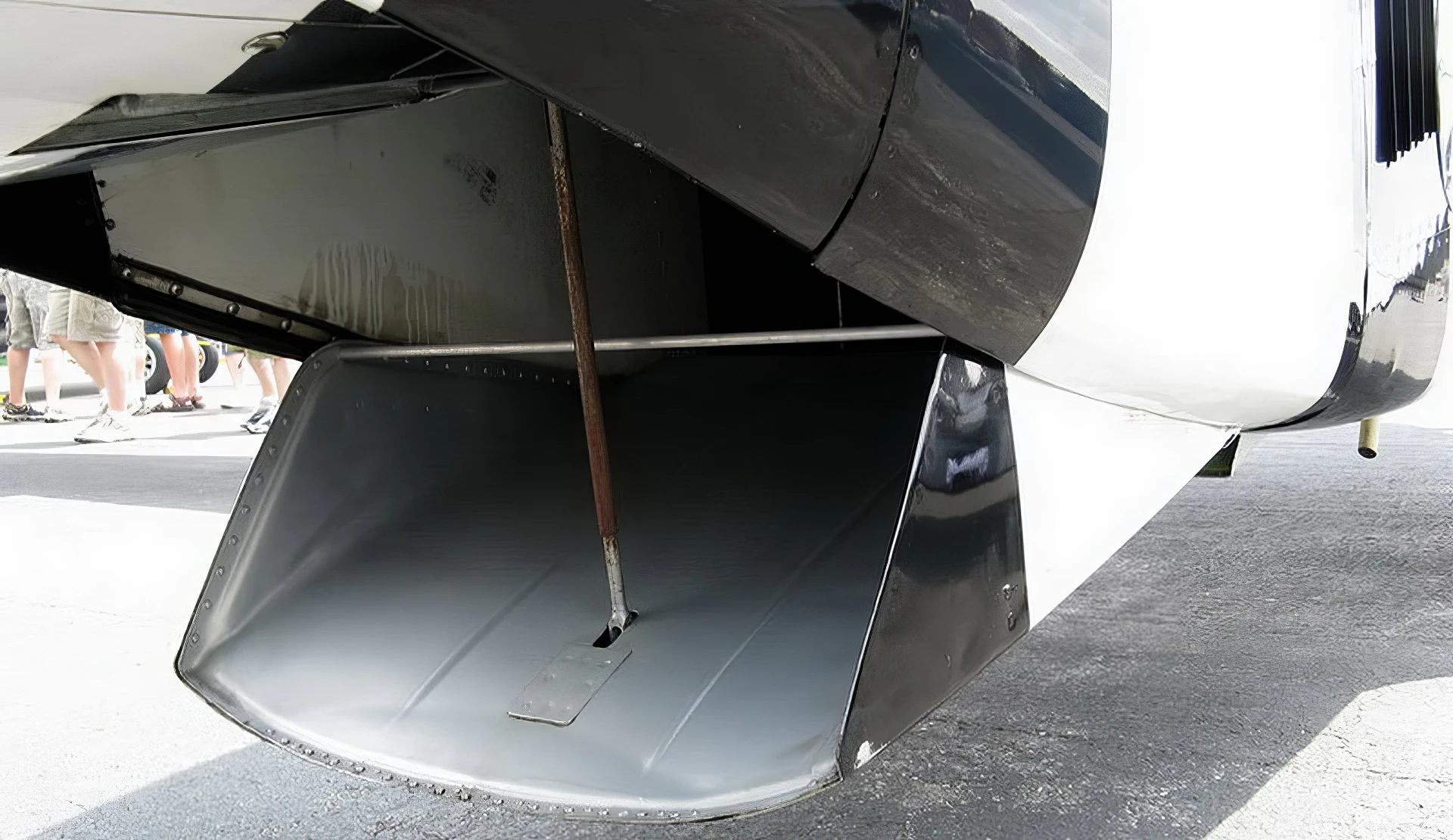
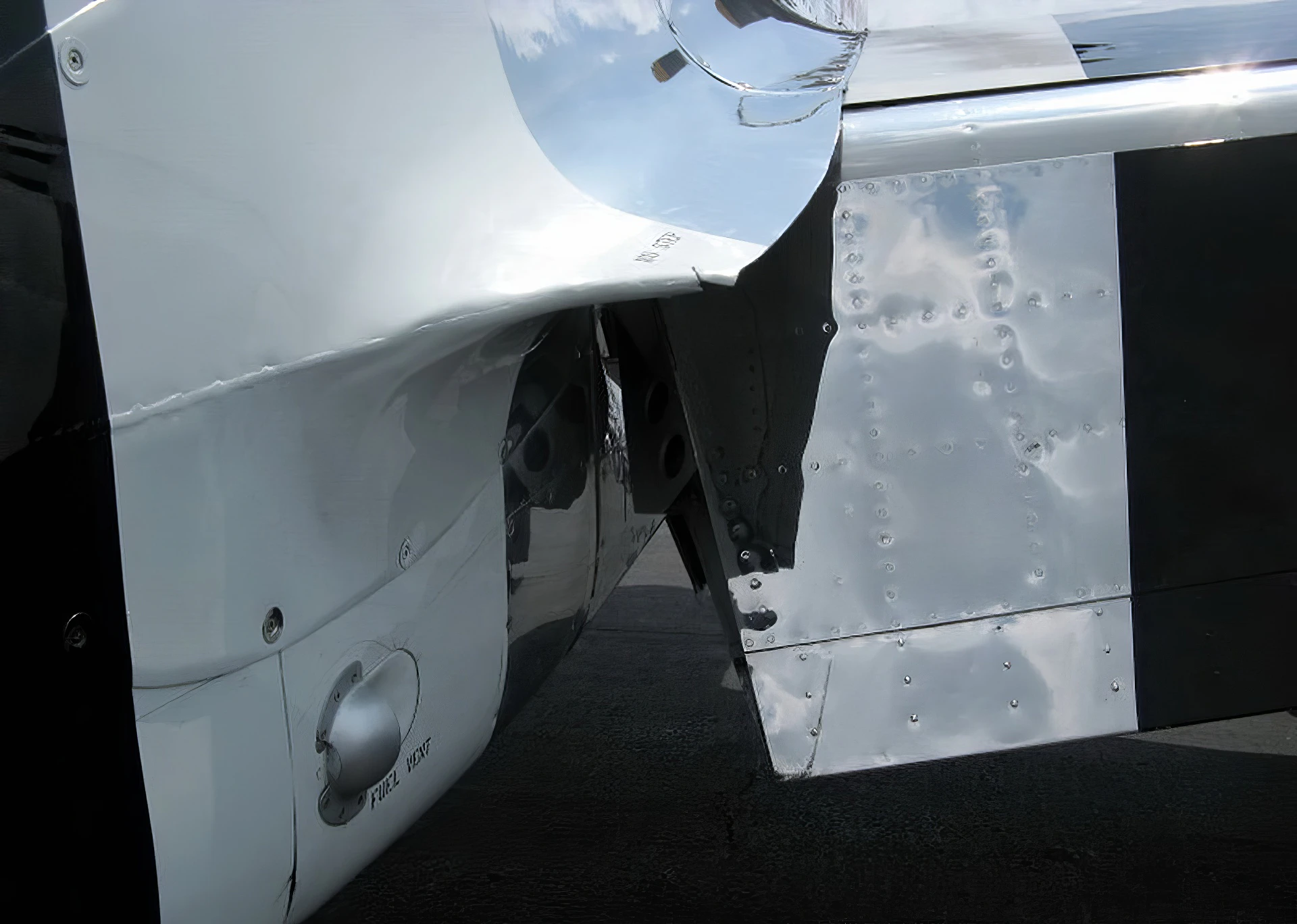
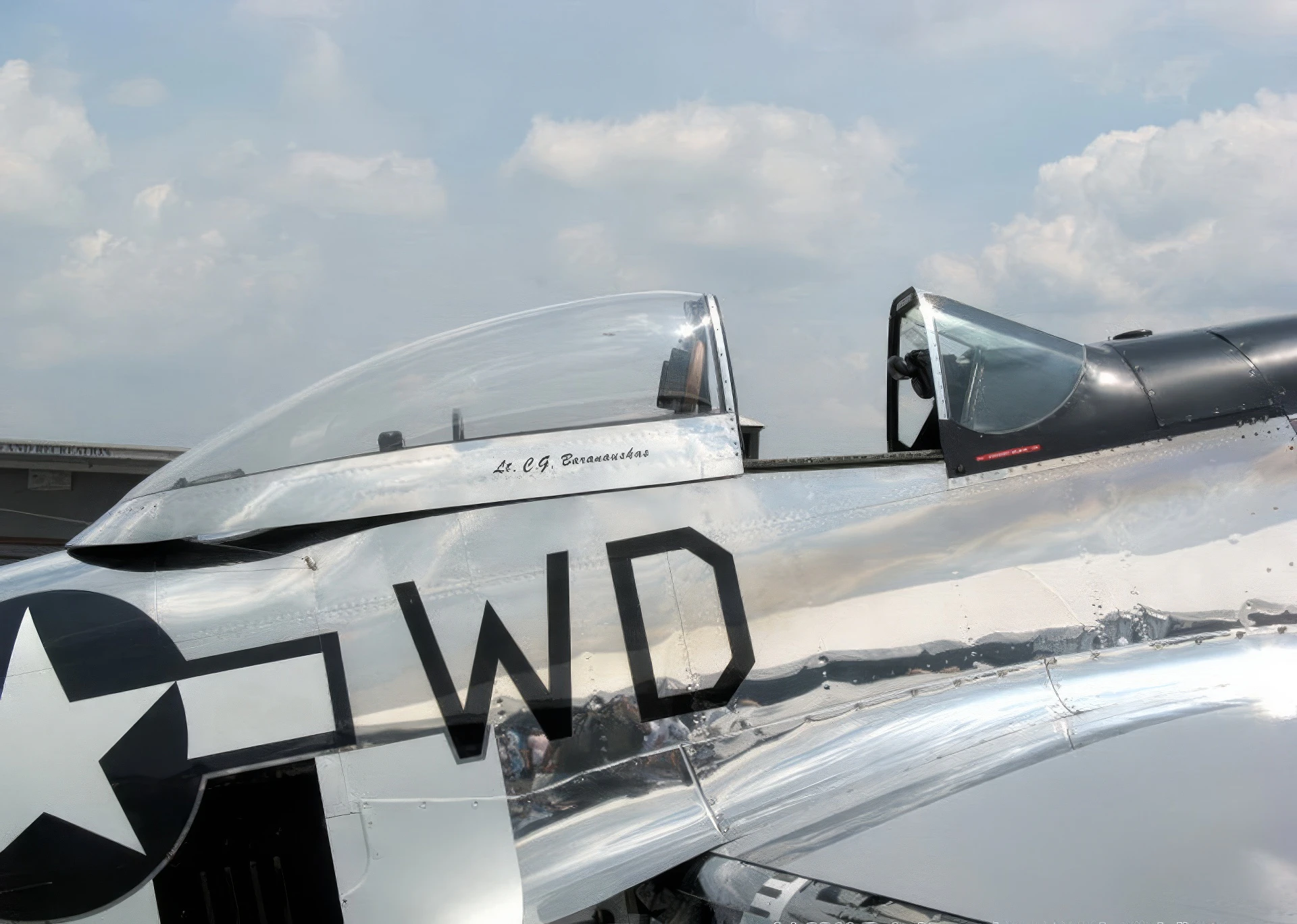
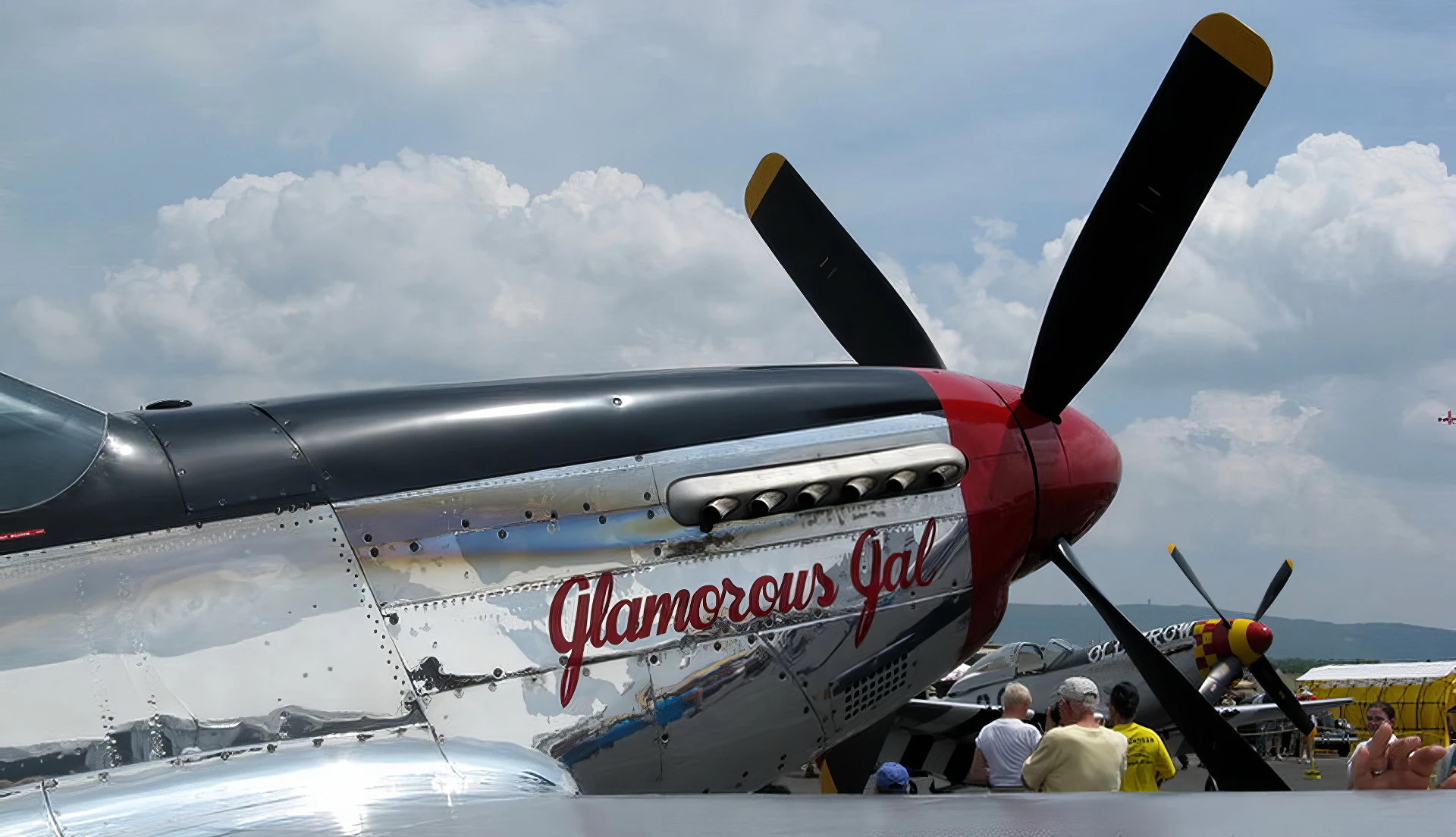
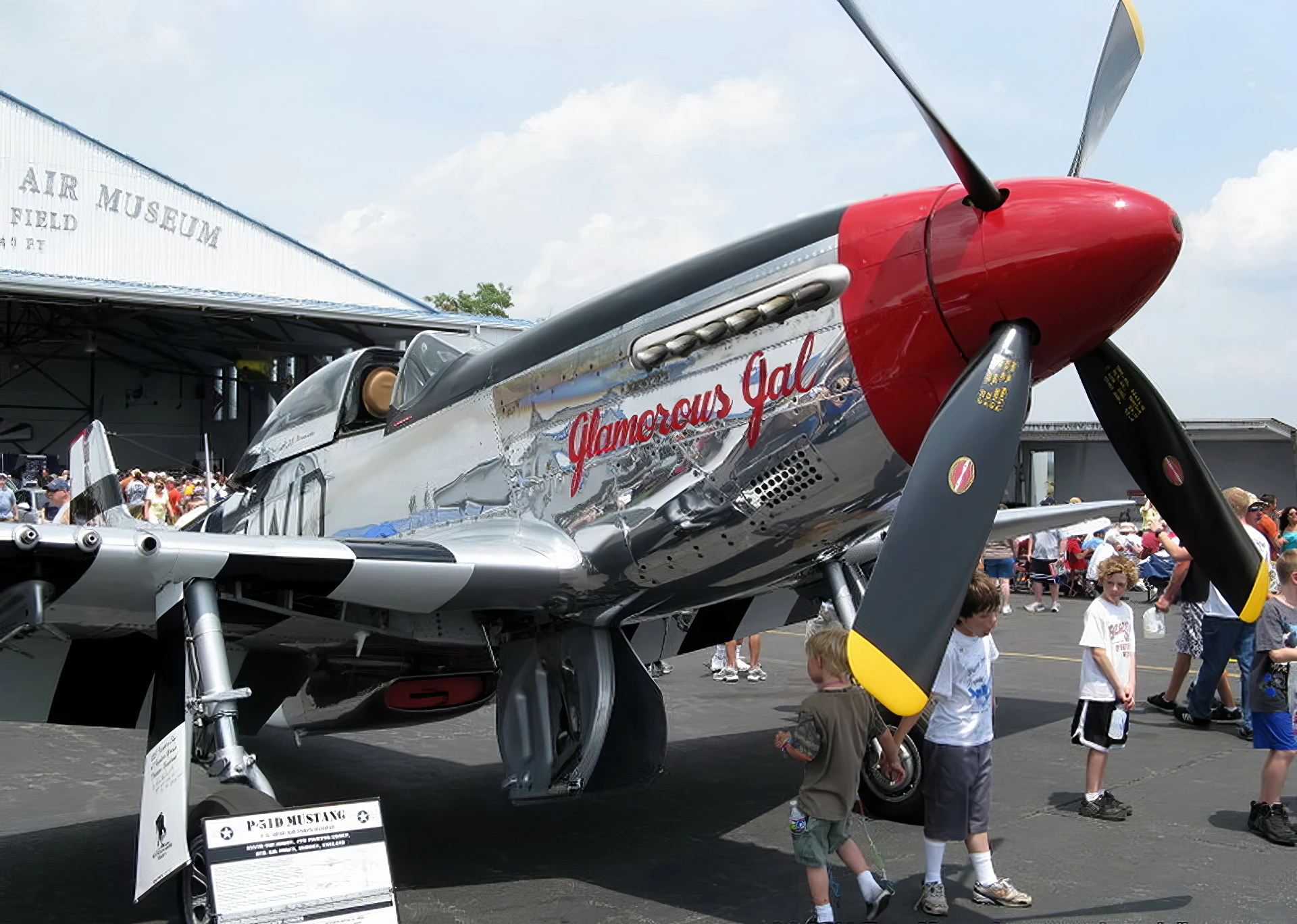
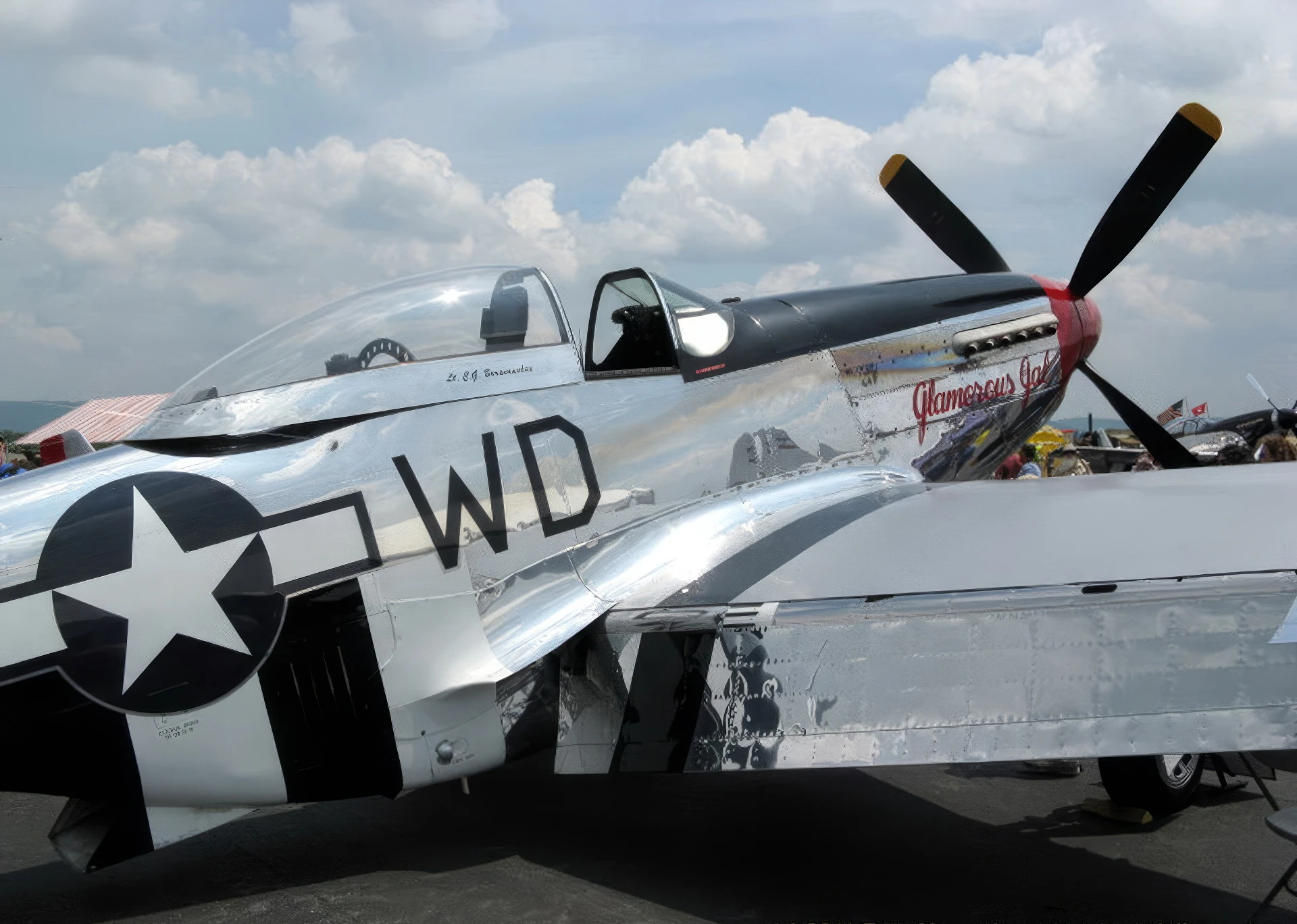
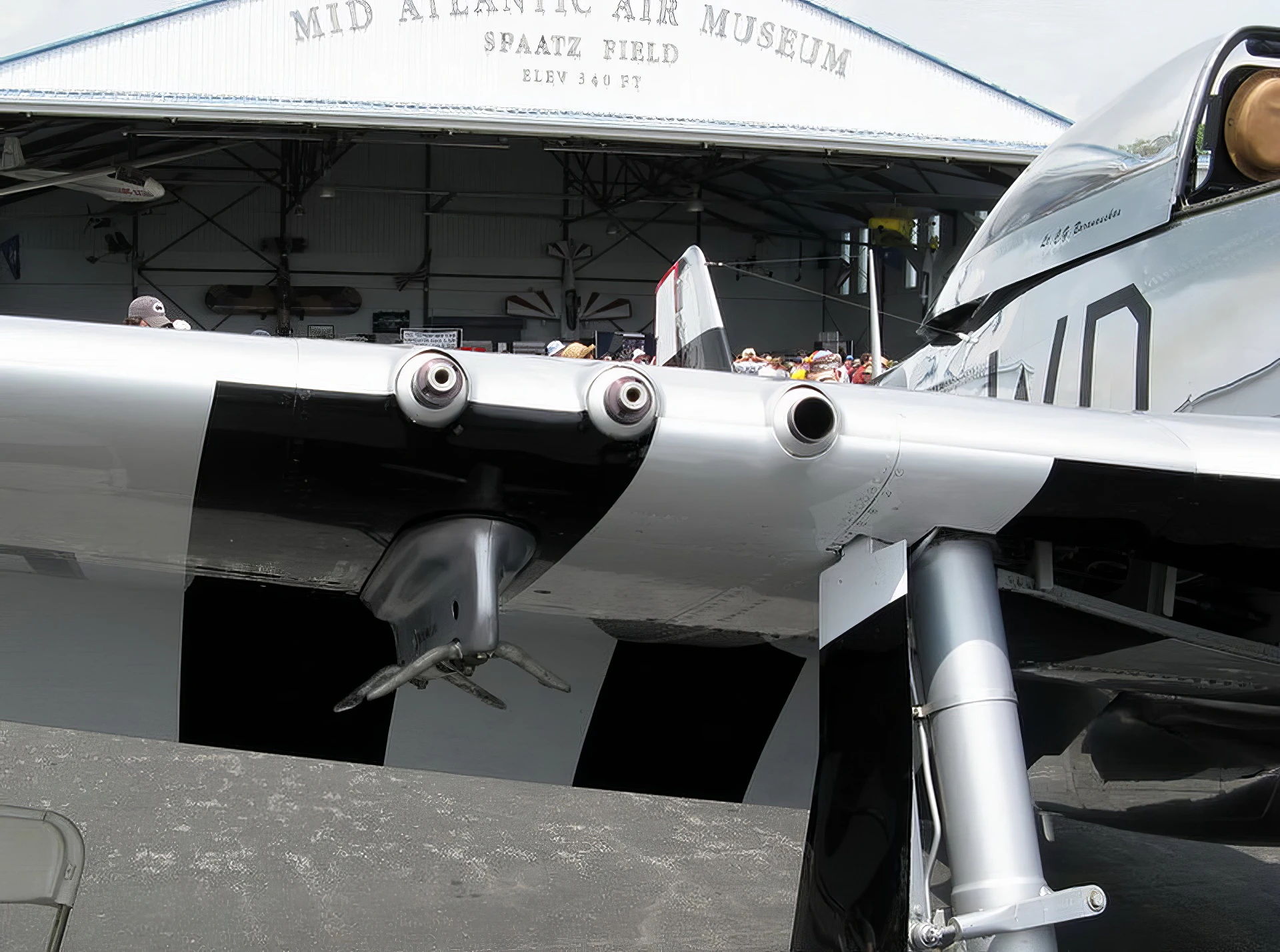
Photo gallery on a P-51D Mustang, The P-51 Mustang is an American fighter aircraft designed by North American Aviation that was used during World War II.

See also:


The North American P-51 Mustang is considered one of the most successful and iconic American fighter aircraft of World War II. The P-51D was the definitive and most-produced variant, distinguished by its new engine and superior all-around visibility.
Key Characteristics and Role
- Engine Upgrade: The Mustang’s legendary performance came from the integration of the Rolls-Royce Merlin engine (built under license by Packard as the V-1650-7), which solved the original Allison engine’s poor high-altitude performance.
- Long-Range Escort: The P-51D’s greatest contribution was its ability to carry external drop tanks, giving it an operational range of over 1,600 miles. This allowed it to escort Allied heavy bombers (earning the nickname “Little Friend”) on missions all the way to Berlin and back, ultimately helping the Allies gain air superiority over Europe.
- Cockpit and Visibility: The ‘D’ model introduced the distinctive Plexiglas “bubble” canopy, which dramatically improved the pilot’s all-around vision compared to earlier versions.
- Armament: The P-51D was typically armed with six .50 caliber Browning machine guns mounted in the wings, along with hard points for bombs (up to 2,000 lbs) or rockets for ground-attack roles.
P-51D Mustang Specifications Summary
| Category | Specification |
|---|---|
| Powerplant | Packard V-1650-7 Merlin (1,490–1,720 hp) |
| Wingspan | 37 ft 0 in (11.28 m) |
| Length | 32 ft 3 in (9.83 m) |
| Max Speed | ~437 mph (703 km/h) at 25,000 ft |
| Service Ceiling | 41,900 ft (12,770 m) |
| Armament | 6 x .50 cal machine guns + up to 2,000 lbs ordnance |
Historical Impact
The P-51D not only turned the tide of the air war over Europe in 1944 but also saw extensive service in the Pacific and as a fighter-bomber in the Korean War (re-designated F-51). Its combination of speed, high-altitude performance, and unparalleled range made it one of the most effective propeller-driven fighters ever built.
Views : 3848
You can see also :
 Short Sandringham – Photos & Videos
 Pilatus PC-6 Porter – Photos & Videos
 Lockheed MC-130 – Photos & Videos
 P-51D Mustang vol3 – Walk Around
 P-51D-25-NA Mustang – Walk Around
 Grumman OV-1 Mohawk – Walk Around
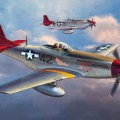 P51D Mustang Tuskegee Airmen Limited Edition – Hasegawa 08225
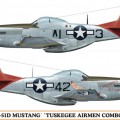 P-51D Mustang Tuskegee Airmen Limited Edition – Hasegawa 01991
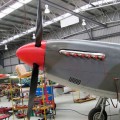 P-51 Mustang vol2 – Walk Around
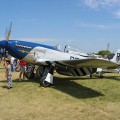 P-51D Mustang - Walk Around