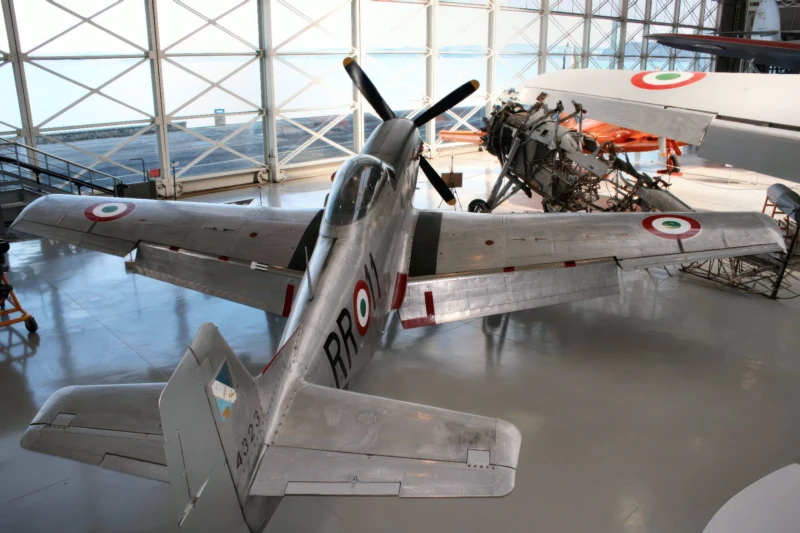
P-51D-25-NA Mustang | |
|---|---|
| Land | Usa |
| Rolle | Kämpfer und Jagdbomber |
| Erstflug | 26. Oktober 1940 |
| Gebaut | 15000+ |
Die nordamerikanische Luftfahrt P-51 Mustang war ein US-amerikanischer Langstrecken-Kampf- und Jagdbomber, der während des Zweiten Weltkriegs, des Koreakrieges und mehrerer anderer Konflikte eingesetzt wurde. Während des Zweiten Weltkriegs behaupteten Mustang-Piloten, dass 4.950 feindliche Flugzeuge abgeschossen wurden, nach der Grumman F6F Hellcat unter den alliierten Flugzeugen.
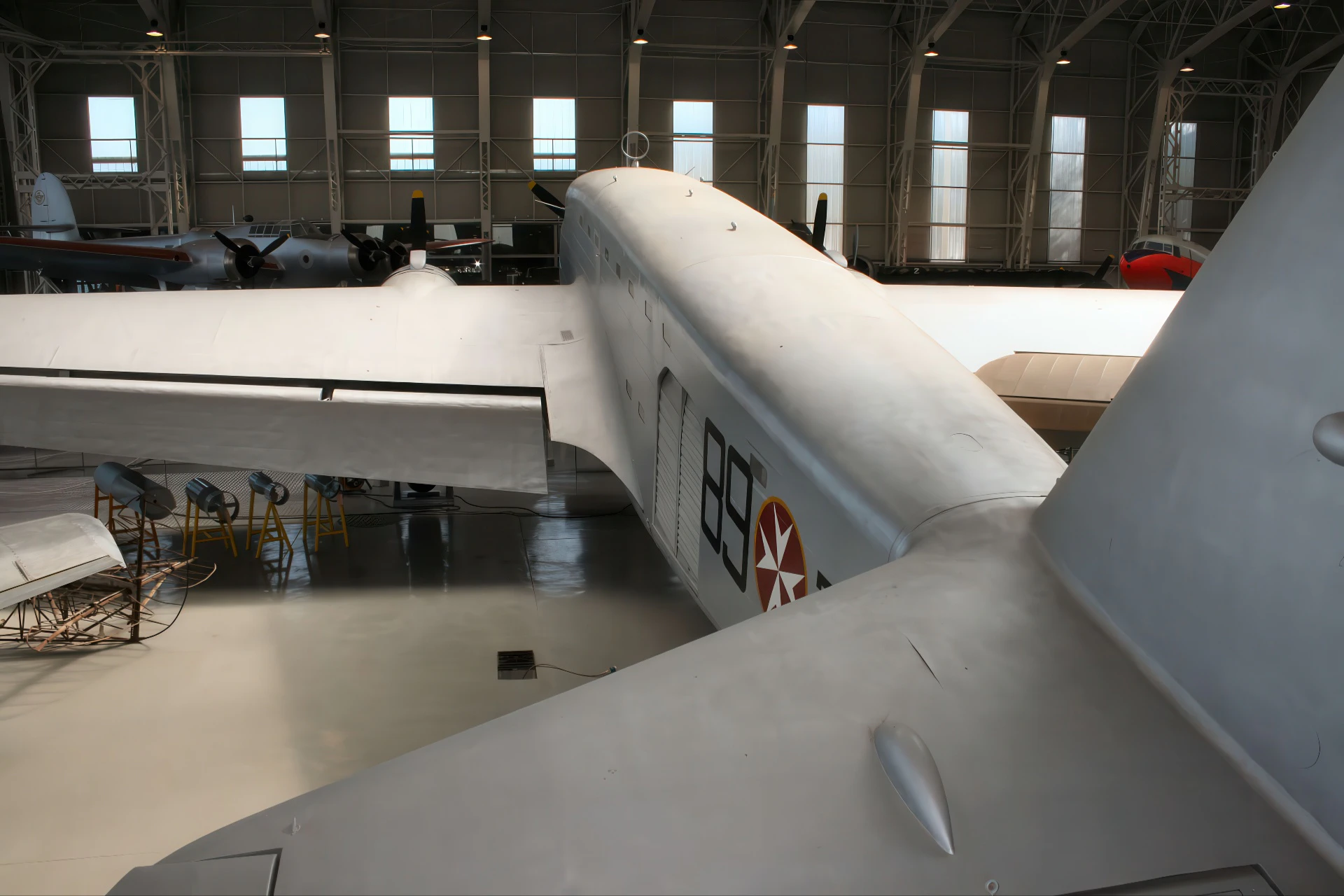

Siehe auch:


| North American P-51H-5-NA Mustang | |
|---|---|
| Fotograf | Wladimir Nikolajewitsch Jakubow |
| Lokalisierung | Unbekannter |
| Fotos | 85 |
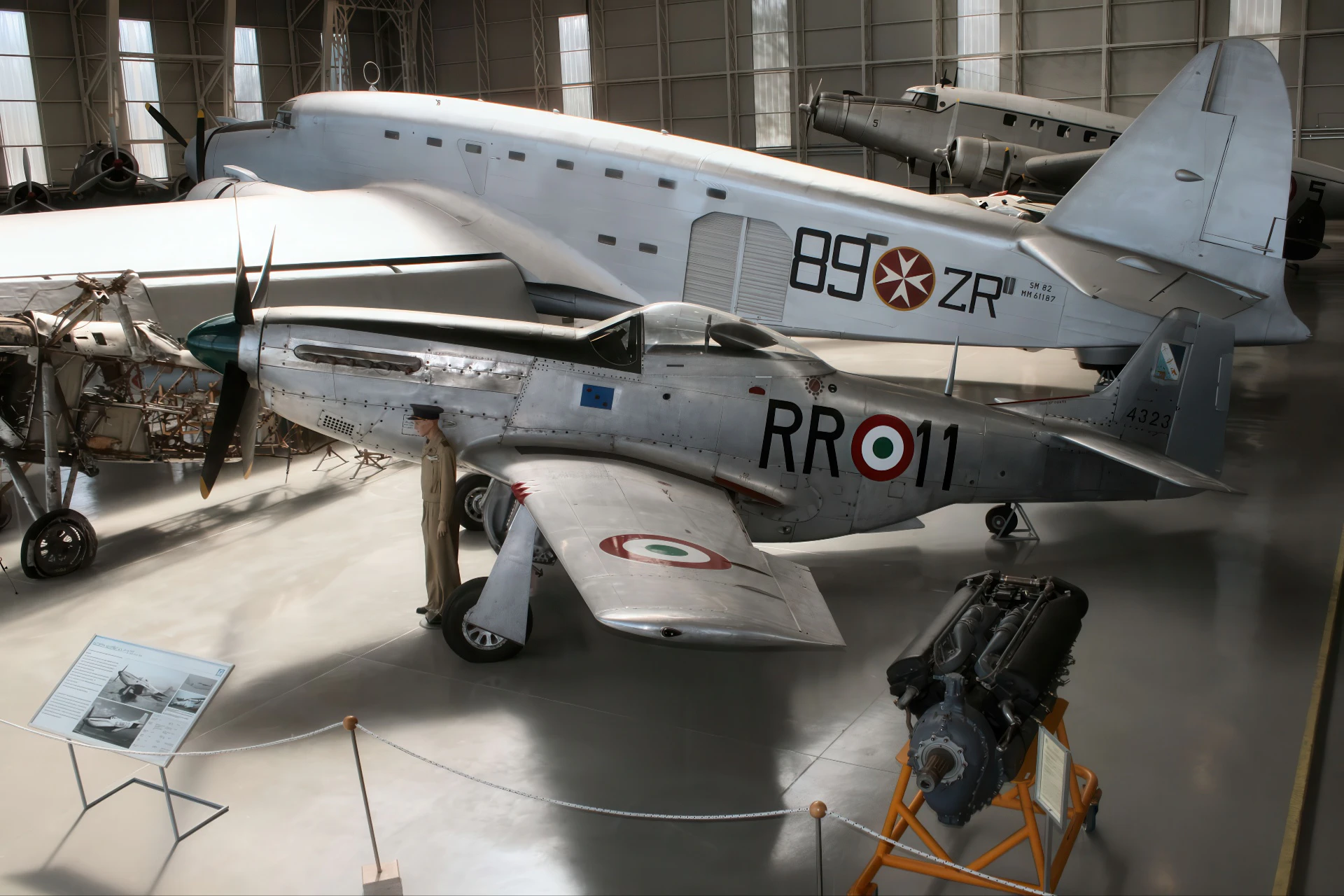
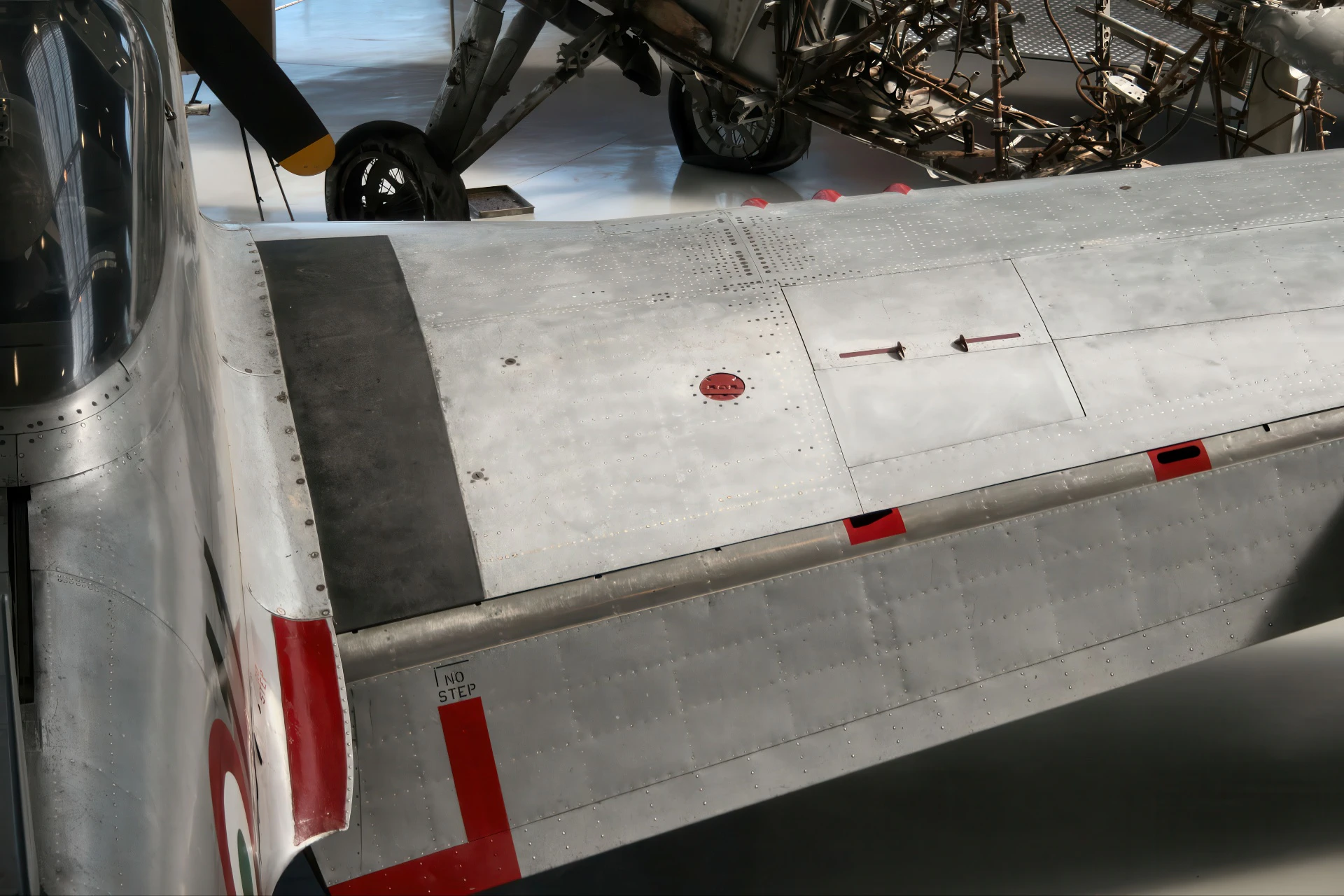
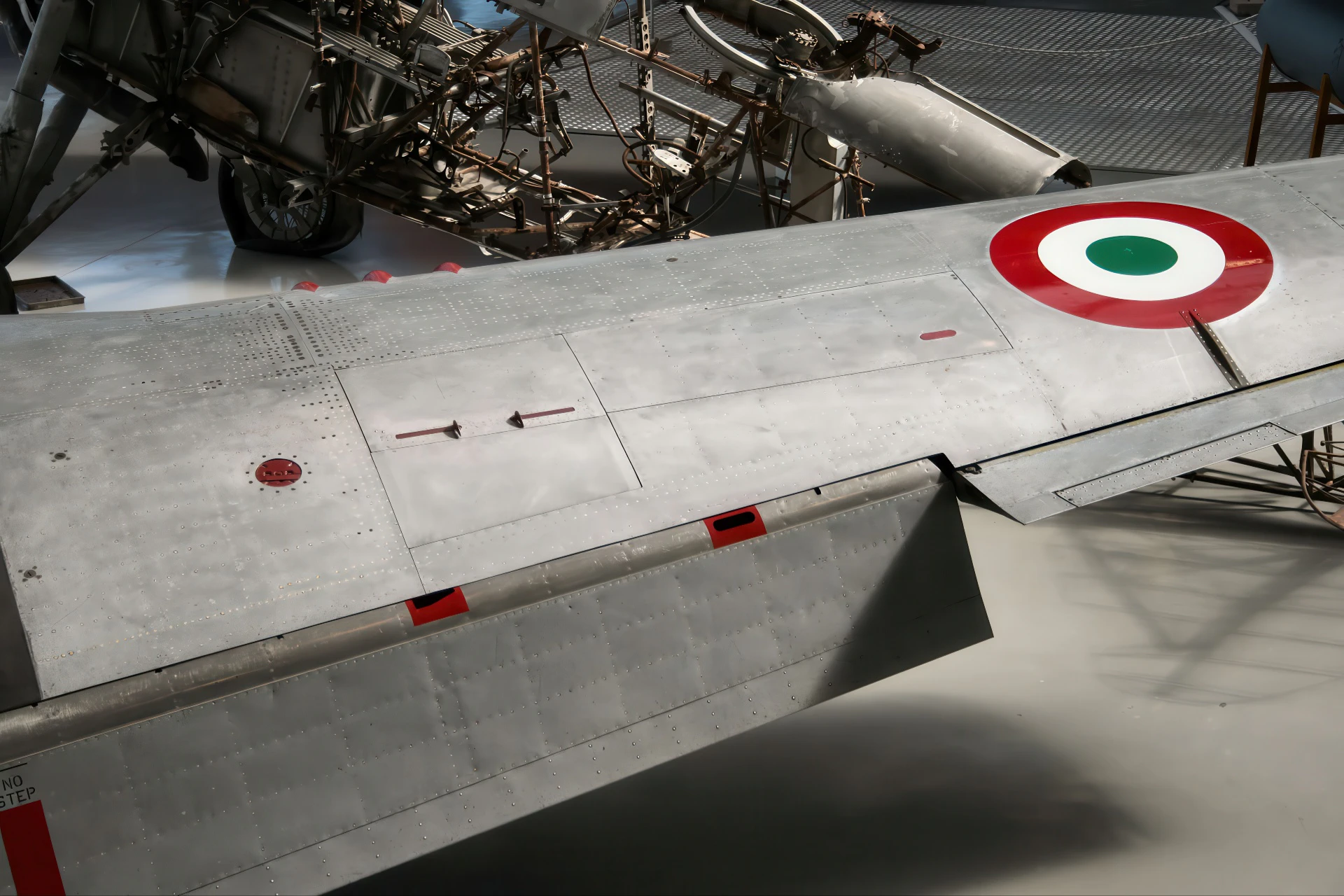
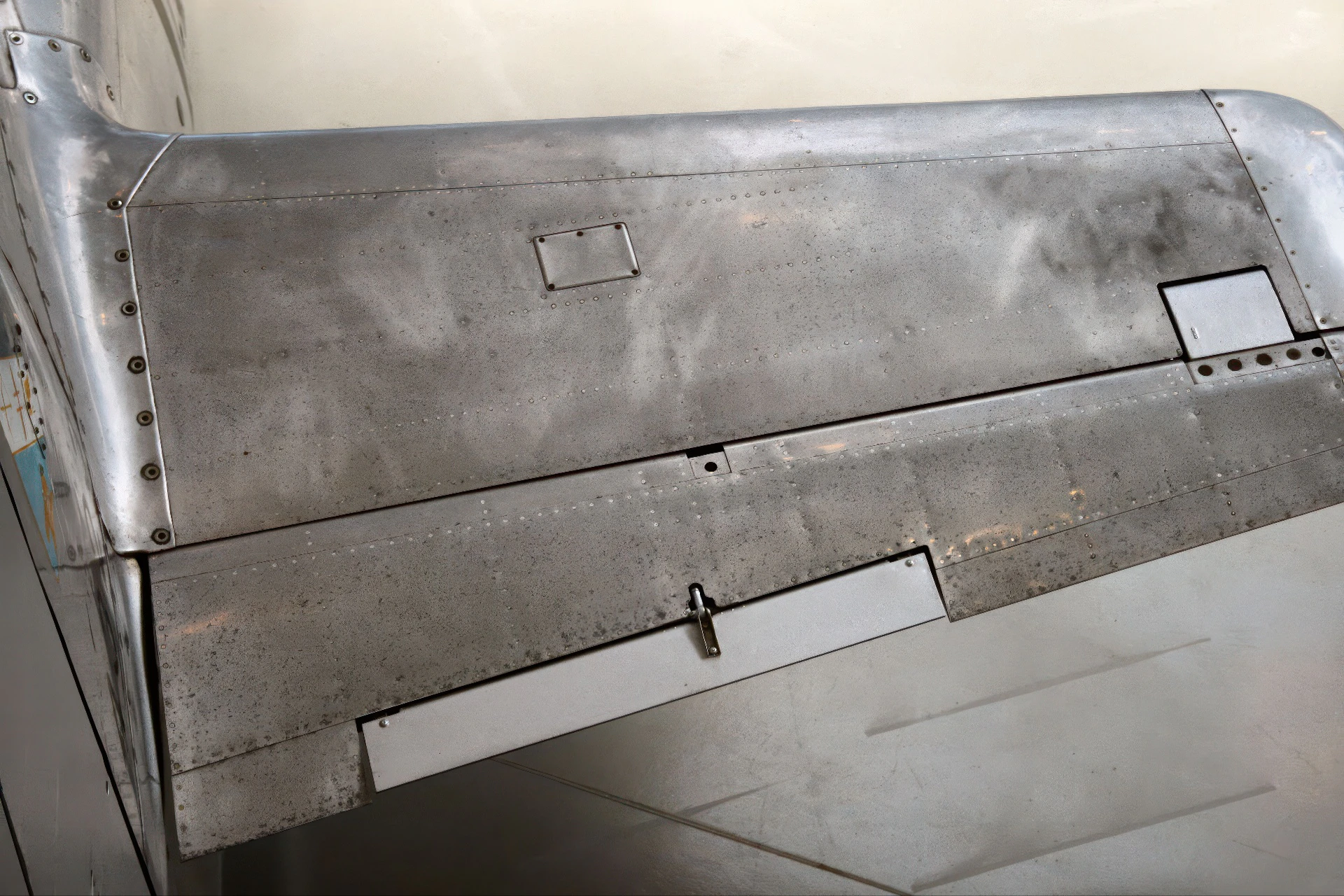
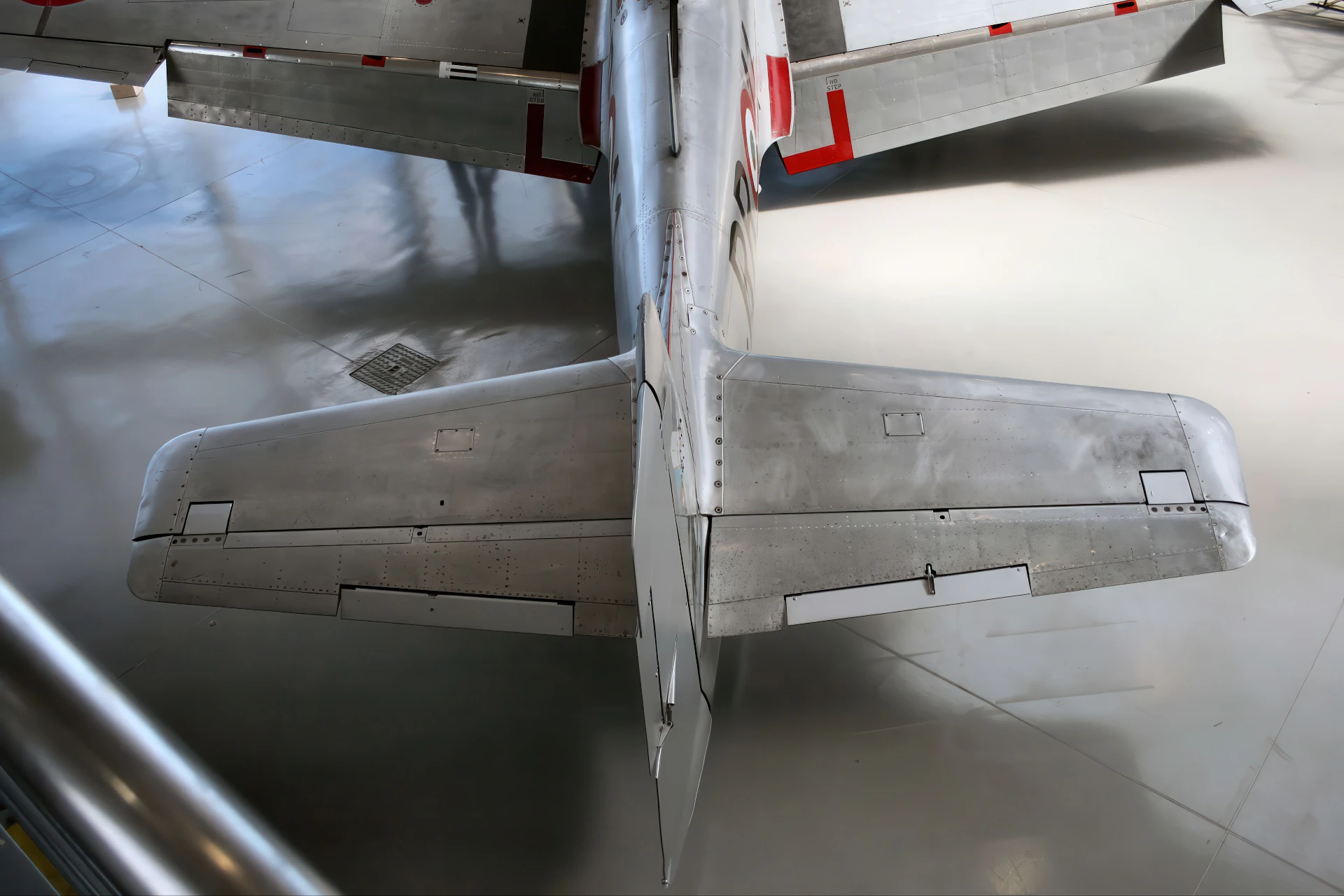
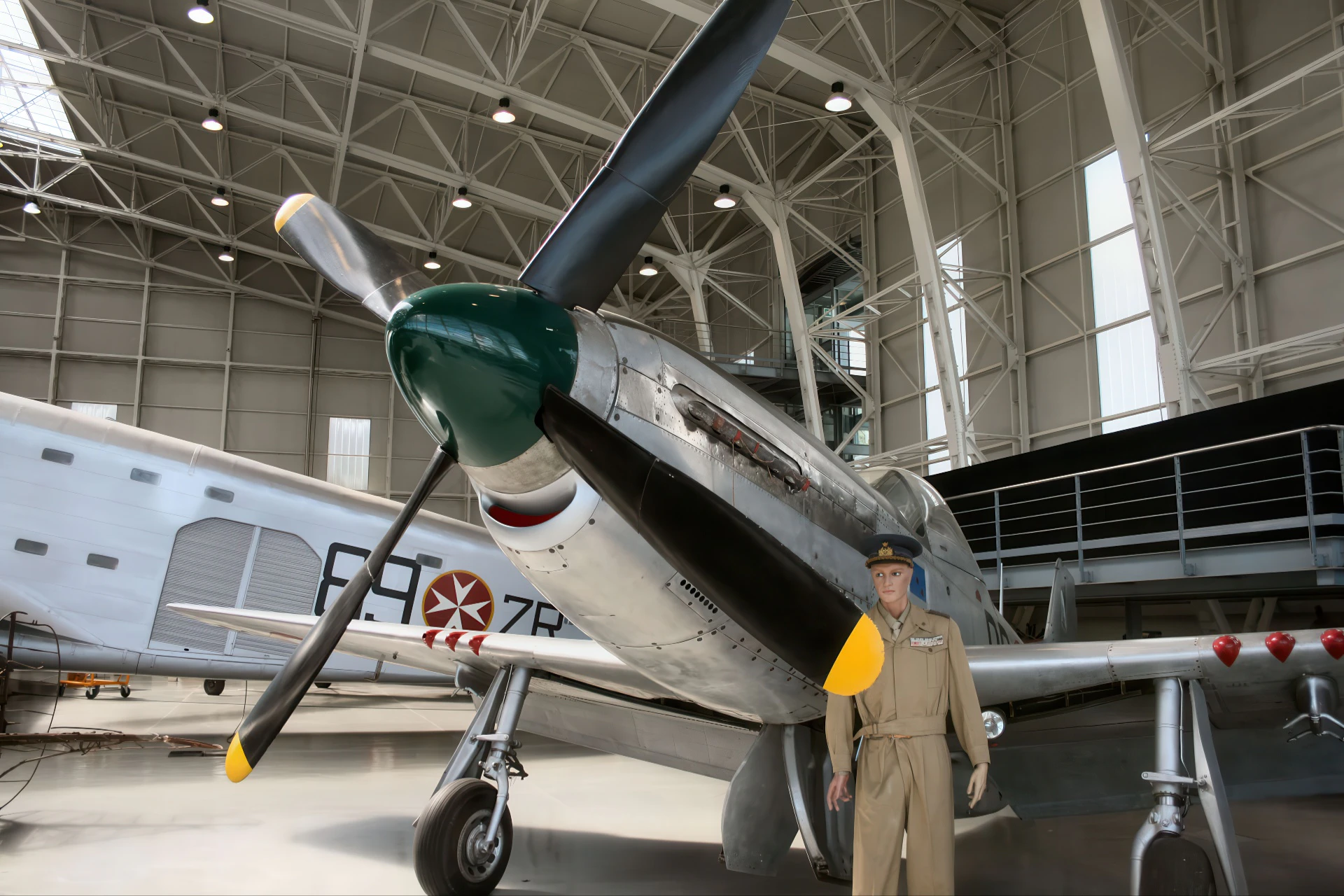
The **North American P-51D-25-NA Mustang** was a specific production block of what is widely considered the definitive and most numerous variant of the iconic World War II American fighter aircraft.
Key Characteristics of the P-51D Variant
The “D” model, which began production in late 1943/early 1944, represented the culmination of the Mustang’s design, transforming it from an excellent medium-altitude fighter-bomber into the premier long-range, high-altitude escort fighter of the European and Pacific Theaters.
- Motor: It was powered by the license-built British Rolls-Royce Merlin engine, specifically the **Packard V-1650-7**. This two-speed, two-stage supercharged V-12 liquid-cooled engine provided superb performance at high altitudes, crucial for escorting Allied heavy bombers on deep penetration raids.
- “Bubble” Canopy: The most visible change was the introduction of the full **”bubble” canopy** (or teardrop canopy), which replaced the framed hood of earlier P-51B/C models. This dramatically improved the pilot’s all-around visibility, a critical advantage in air combat.
- Bewaffnung: The P-51D increased the firepower to **six .50 caliber (12.7 mm) AN/M2 Browning machine guns** mounted in the wings, with a redesigned ammunition feed system that significantly reduced gun jamming, a known issue on the P-51B/C.
- Dorsal Fin Fillet: Early P-51Ds (the -5 block) initially lacked directional stability due to the cut-down rear fuselage for the new canopy. Starting with the P-51D-10-NA block, a **fillet** (a small, aerodynamic extension) was added to the leading edge of the vertical stabilizer (tail fin) at the factory to restore stability, an upgrade later retrofitted to most earlier D-models in the field.
The P-51D-25-NA Block
The designation **P-51D-25-NA** breaks down as follows:
- P-51D: The definitive variant with the bubble canopy and six-gun armament.
- -25: The specific production block number, indicating a certain grouping of airframes with standardized modifications and equipment.
- NA: Indicates the aircraft was built at the **North American Aviation (NAA) Inglewood, California** plant (as opposed to ‘NT’ for the Dallas, Texas plant).
The P-51D-25-NA was part of a major production run (NAA Model NA-122) and was a late-war production block. Aircraft in this and later blocks typically featured factory-installed improvements over earlier D models, such as:
- The inclusion of the **K-14 computing gunsight**, an advanced gyroscopic sight that automatically calculated the correct deflection for air-to-air firing, greatly increasing the accuracy of the pilot. The K-14 was introduced in the P-51D-20NA and later blocks.
- Attachment points for **rocket launchers**, providing the aircraft with enhanced ground-attack capabilities in addition to its primary escort and air superiority roles.
The P-51D-25-NA was thus a fully optimized, late-war version, incorporating all the crucial lessons and technological advancements of the war up to that point.
Aufrufe : 5191
Sie können auch sehen:
 Boeing 80 – Fotos & Videos
 Lockheed C-5 Galaxy – Fotos & Videos
 Canadair CF-104 Starfighter – Fotos & Videos
 SPAD S.XIII – Fotos & Videos
 Lockheed P-38 Lightning – Fotos & Video
 A-7B Corsair II – WalkAround
 Suchoi Su-27 – WalkAround
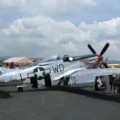 P-51D Mustang vol2 – Walk Around
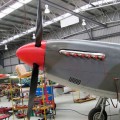 P-51 Mustang vol2 – Walk Around
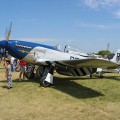 P-51D Mustang - Walk Around