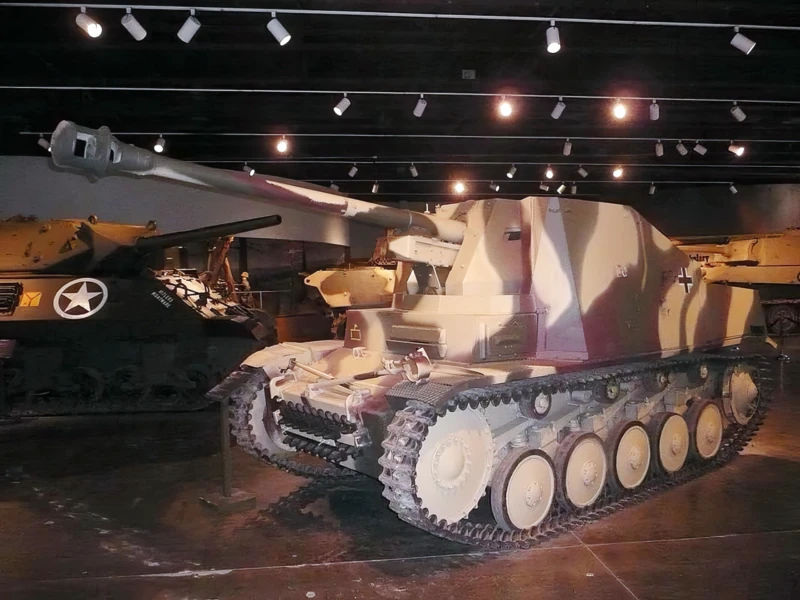
Marder II - SdKfz 131 | |
|---|---|
| Land | Deutschland |
| Typ | Jäger von Panzern |
| Schlüsselwörter | Album von 67 photos du «Sdkfz.131 – Marder II»> |
Bildergalerie auf einem Sdkfz.131 - Marder II, Die Marder II ist ein deutscher Panzerjäger, der aus dem Fahrgestell des Panzerkampfwagens II Ausf A, B, C und F gebaut wurde, der mit einer 75 mm großen deutschen Panzerabwehrkanone PaK 40 oder einer sowjetischen (eroberten) F-22-76,2-mm-Kanone F-22 ausgerüstet ist. (Marder II Sd.Kfz 132 "Selbstfahrlafette").
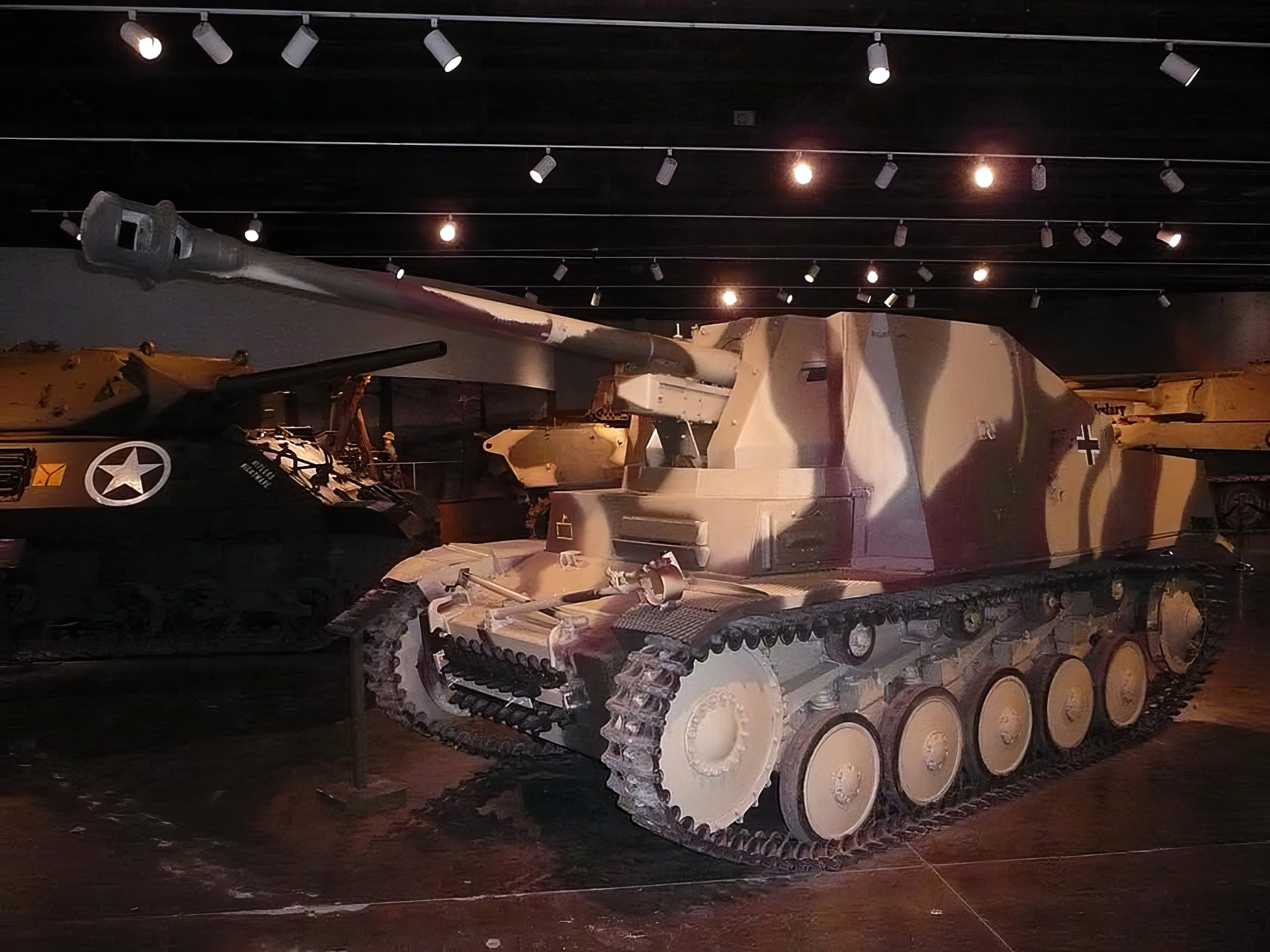
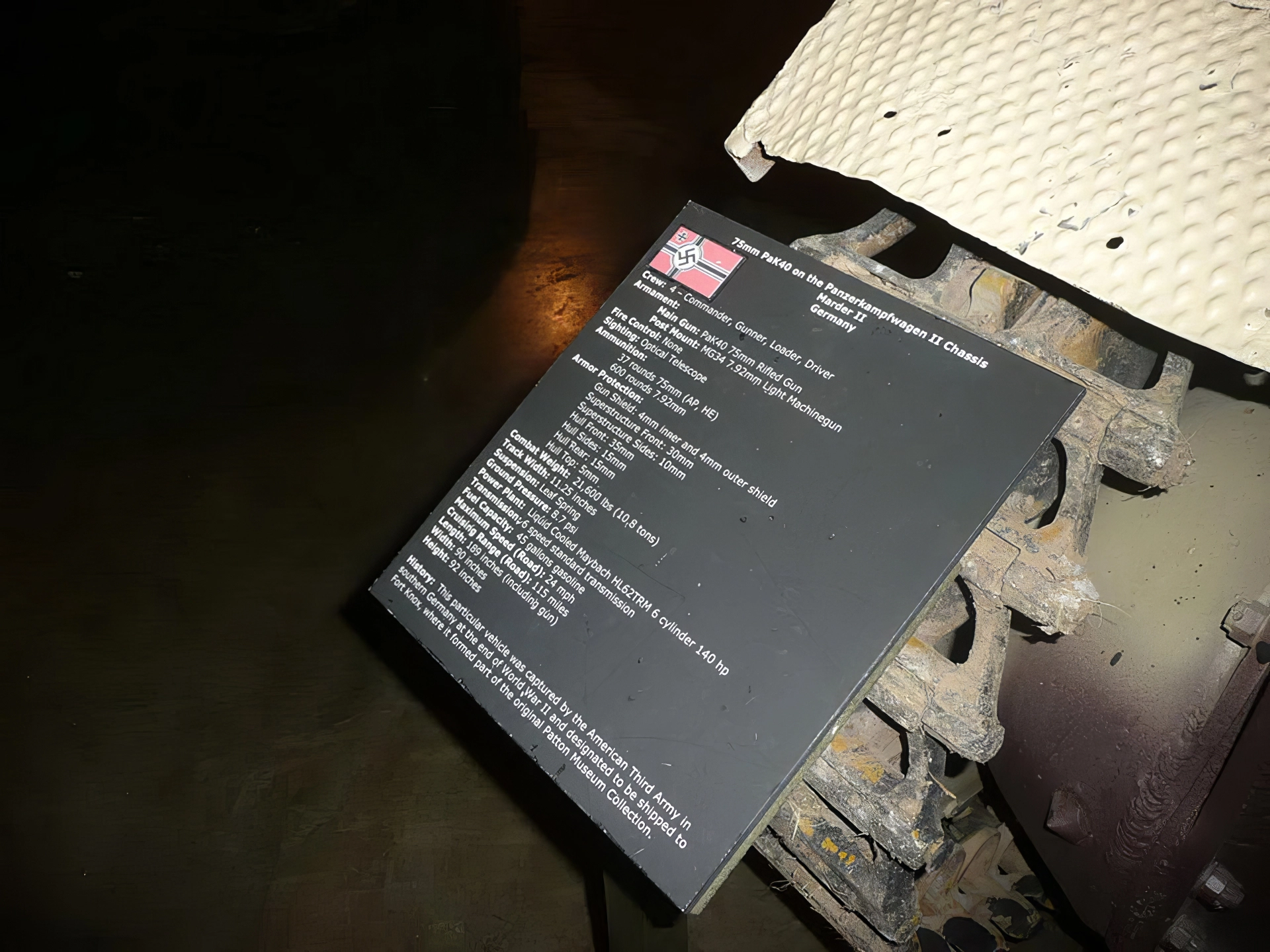
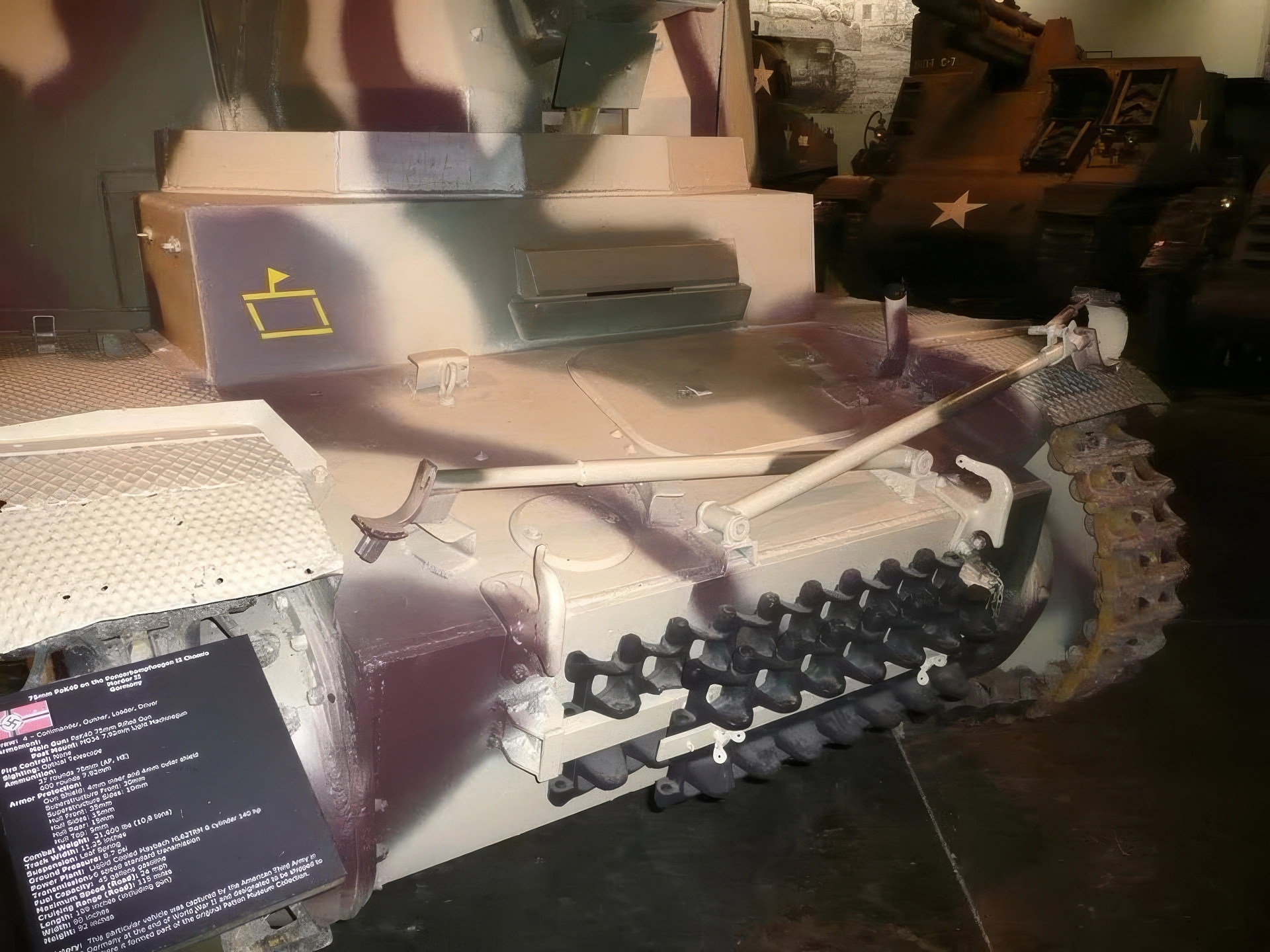
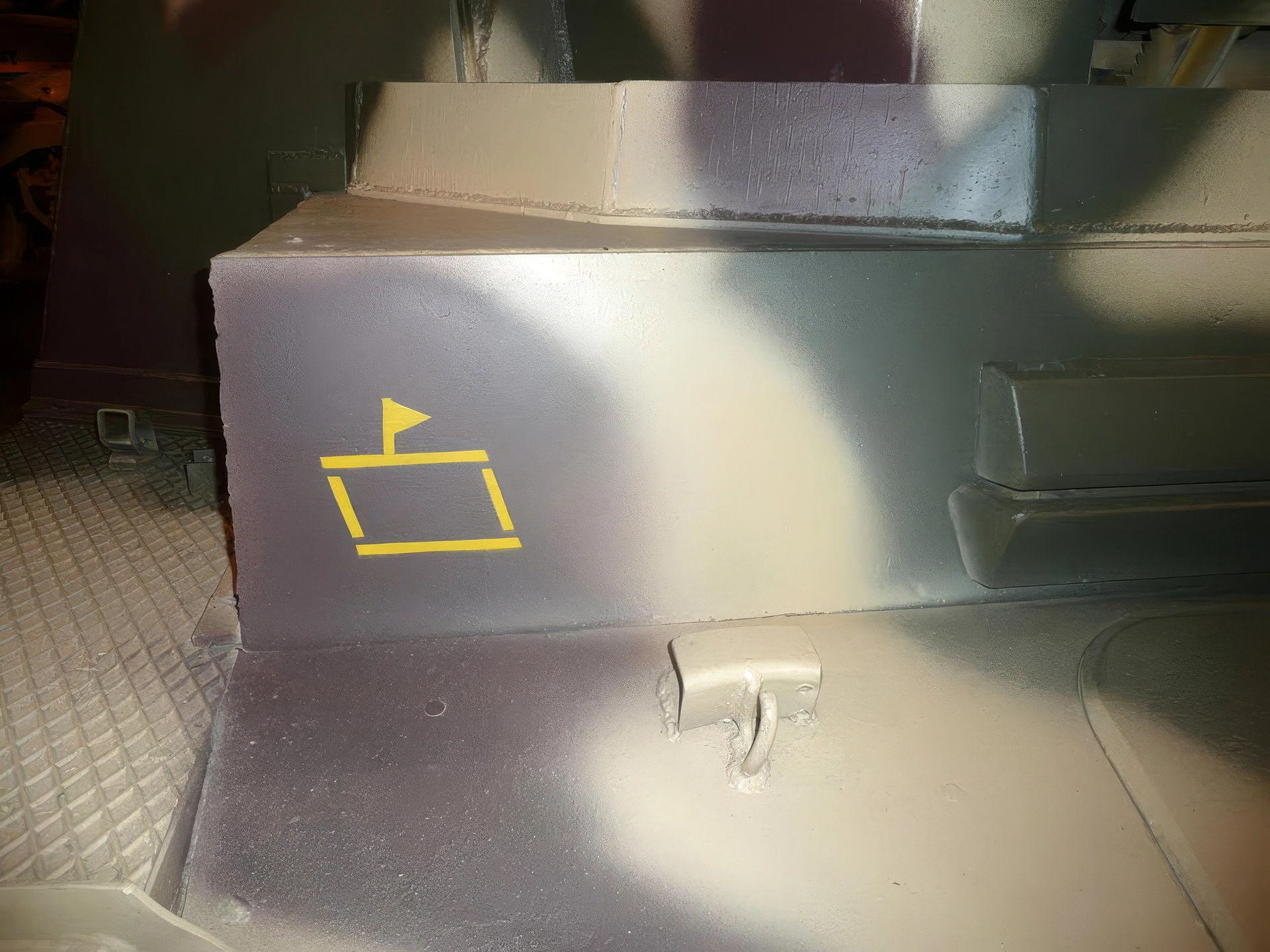

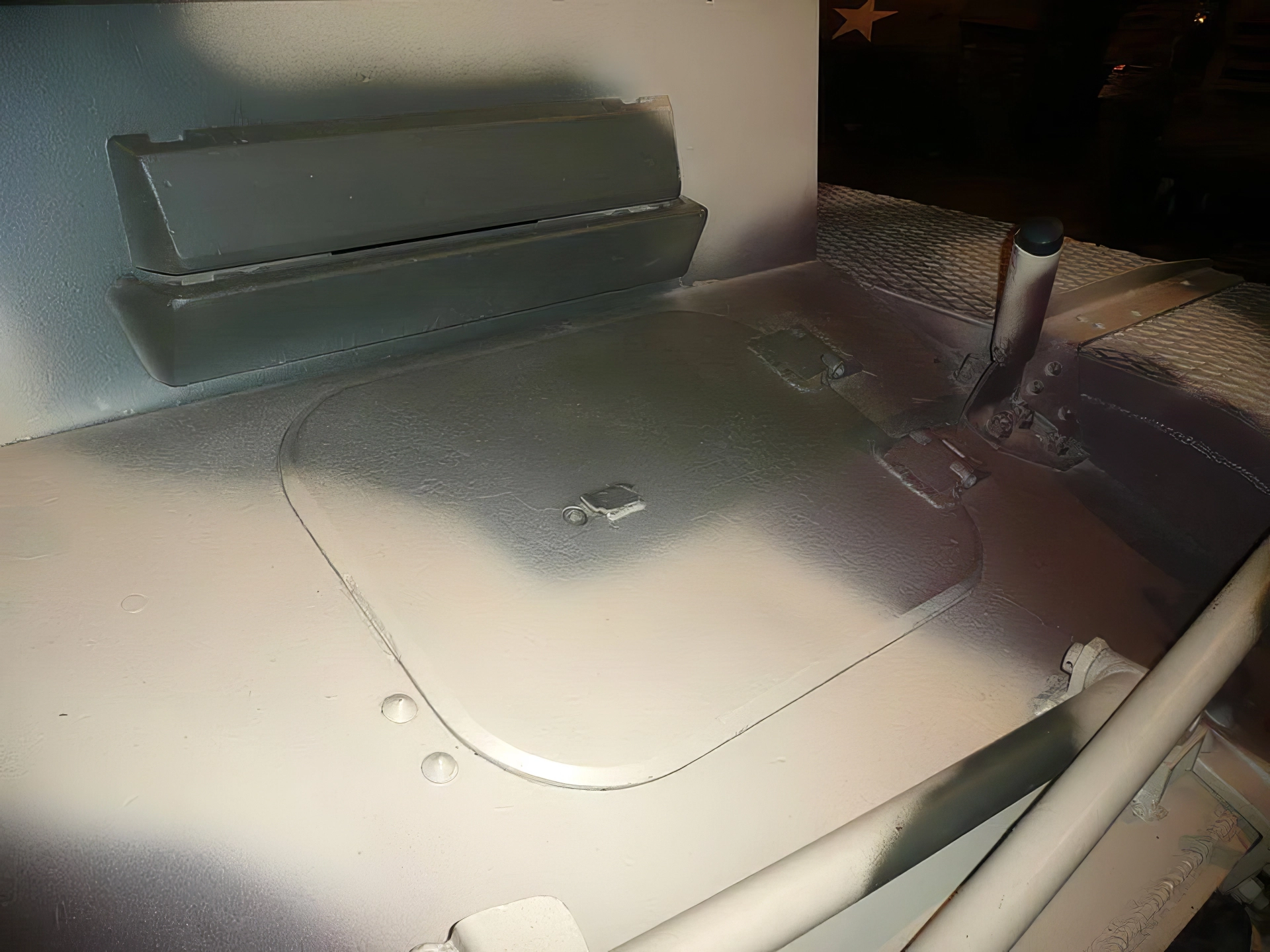
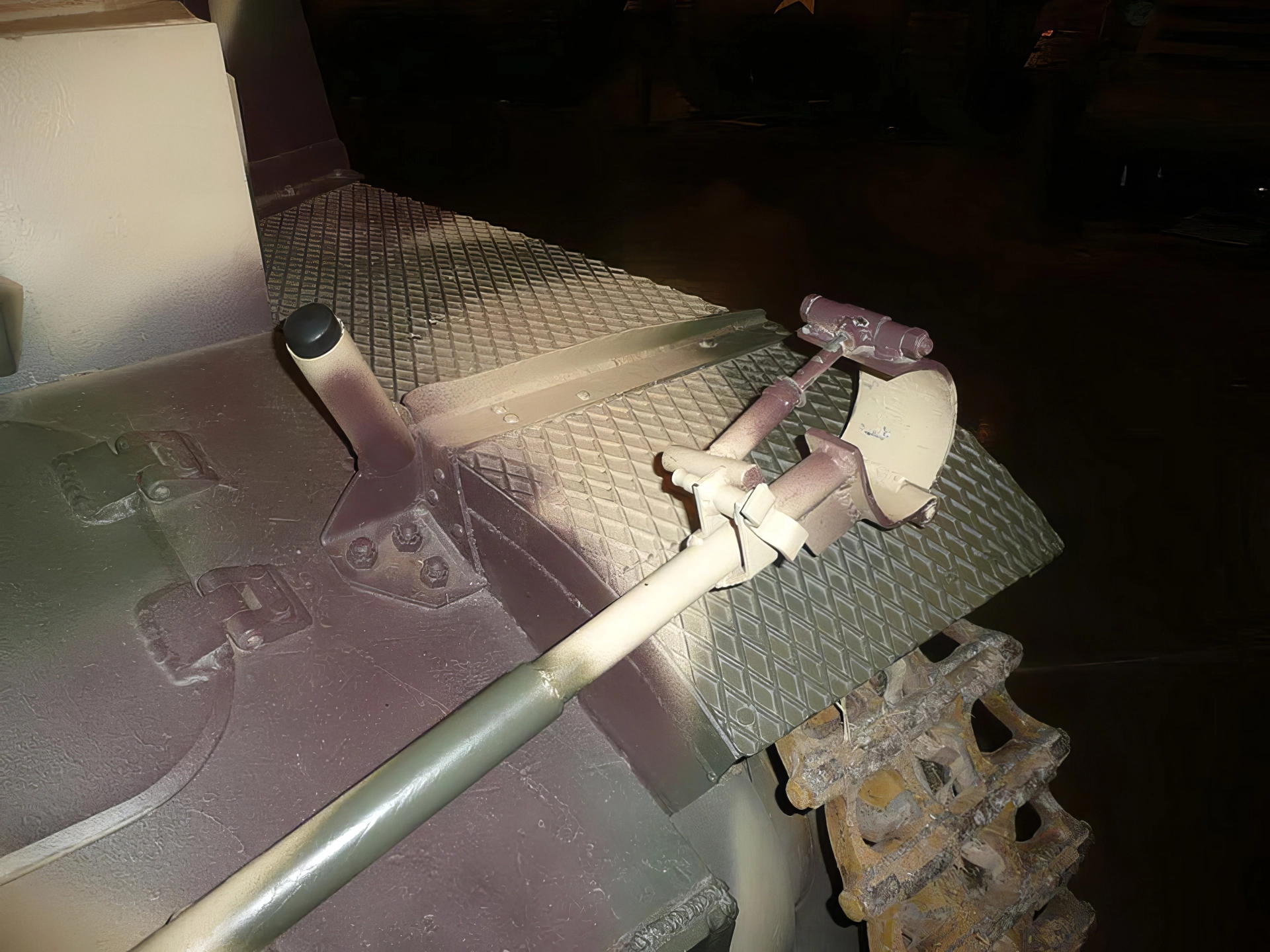
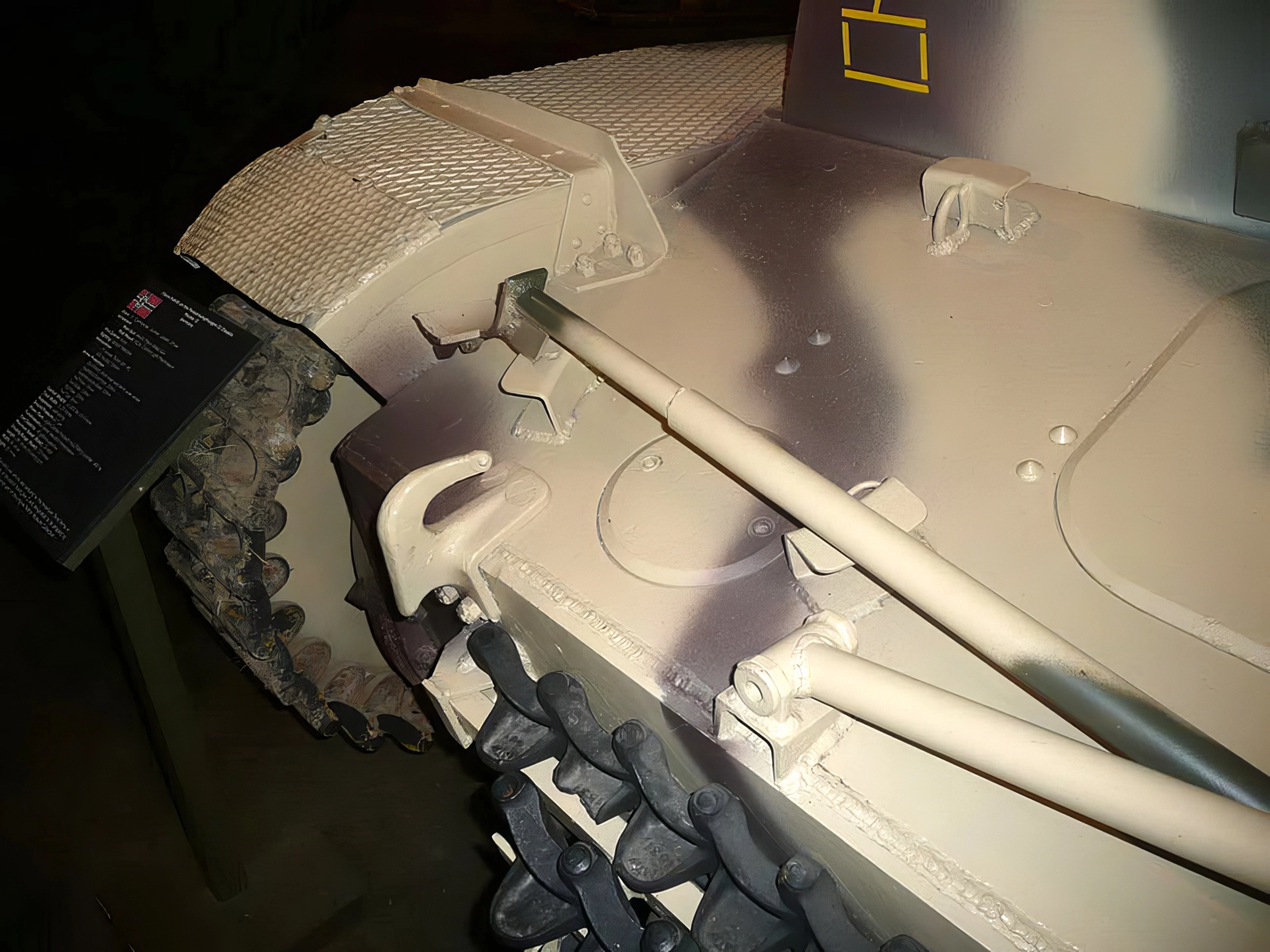
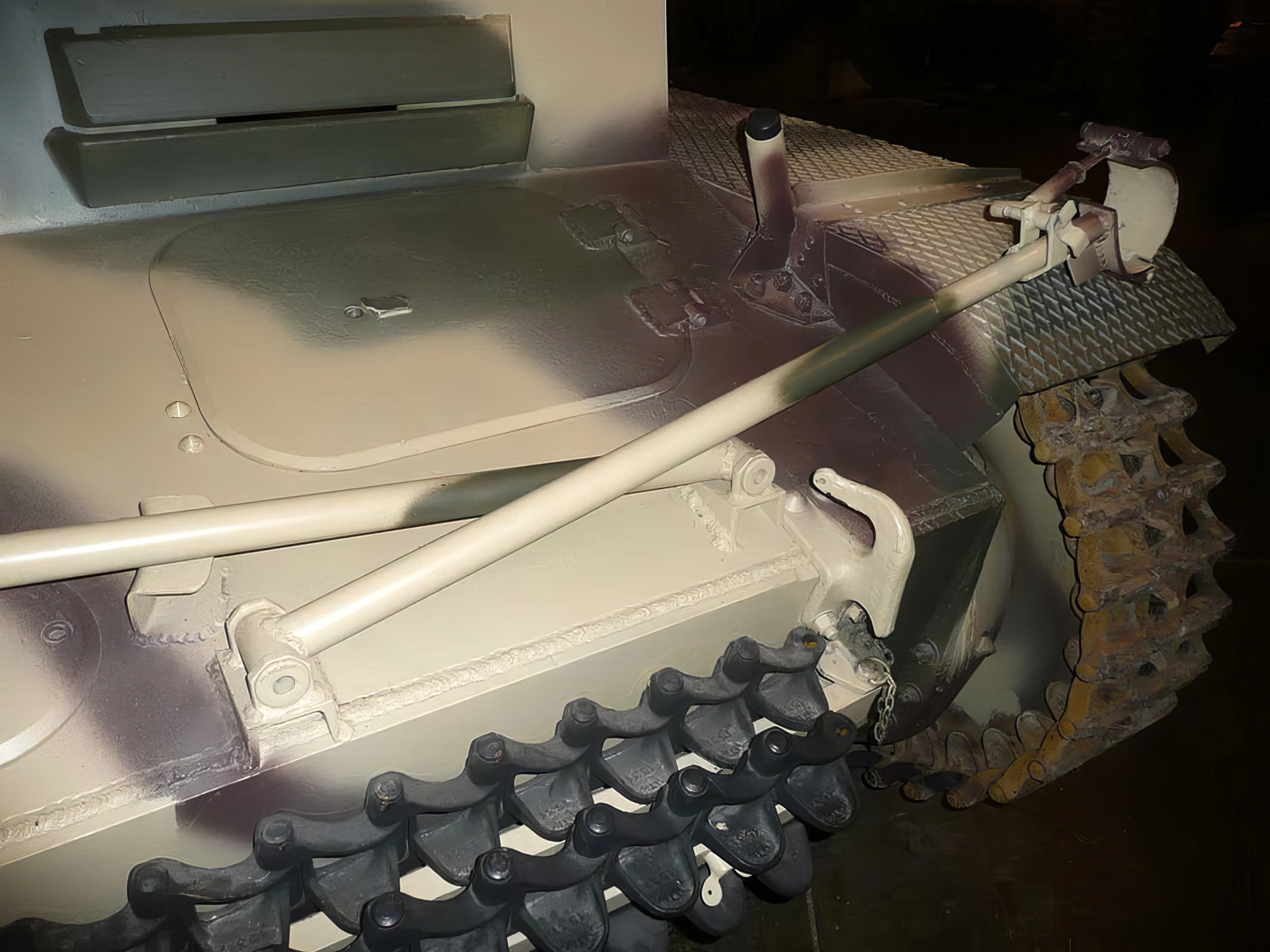

| Marder II Tank Destroyer Walk Around | |
|---|---|
| Fotograf | Bill Maloney |
| Lokalisierung | Patton Museum |
| Fotos | 19 |
Siehe auch:


General Characteristics and Role
The Sd.Kfz. 131 Marder II (“Marten”) was a German tank destroyer used during World War II. It was the result of an urgent need for vehicles capable of engaging the heavily armored Soviet tanks, like the T-34 and KV-1, which proved largely immune to standard German anti-tank weapons during the initial invasion of the Soviet Union. The Marder II was designed as an improvisation: it mounted a captured Soviet 7.62 cm anti-tank gun (later replaced by a German 7.5 cm PaK 40) onto the chassis of the obsolete Panzer II light tank. This modification created a highly effective weapon platform, though it was characterized by its high profile and open-topped fighting compartment, which left the crew highly vulnerable to artillery shrapnel and small arms fire. Its primary role was to provide mobile anti-tank support to infantry and panzer divisions.
| Property | Typical Value (Sd.Kfz. 131 Ausf. D/E) |
|---|---|
| Typ | Tank Destroyer (Marder series) |
| National Origin | Nazi-Deutschland |
| Hersteller | FAMO, MAN, etc. (Conversion of Panzer II chassis) |
| Entered Service | Mid-1942 |
| Crew | 3 or 4 (Commander, Gunner, Driver, sometimes Loader) |
| Combat Weight | Approx. 11.5 tonnes |
| Length (Hull) | 6.34 m (20 ft 9.6 in) |
Powerplant and Firepower
- Engine: 1 x Maybach HL 62 TRM six-cylinder water-cooled gasoline engine.
- Engine Power: 140 hp (104 kW).
- Maximum Road Speed: 55 km/h (34 mph).
- Main Armament: 1 x 7.5 cm PaK 40/2 L/46 anti-tank gun (typically 30-37 rounds). This gun was extremely effective against almost all Allied and Soviet tanks.
- Secondary Armament: 1 x 7.92 mm MG 34 machine gun (carried for anti-infantry defense).
- Armor: Very light. Hull armor was 10-30 mm, while the fighting compartment shielding was only 10-15 mm thick and open at the top and rear.
- Design Compromise: The open-topped fighting compartment and high center of gravity were direct results of adapting a heavy gun to a light chassis, prioritizing anti-tank capability over crew protection.
Service History and Legacy
- Eastern Front Genesis: The Marder II was one of the earliest “Marder” series vehicles, designed to overcome the initial shock of encountering superior Soviet armor, giving German forces a fighting chance.
- Combat Use: It served on all major fronts, including the Eastern Front, North Africa, and Italy, often achieving significant success due to the penetrating power of its 7.5 cm PaK 40 gun.
- Marder Series: It belongs to a family of interim tank destroyers that included the Marder I (based on captured French chassis) and Marder III (based on the Czech 38(t) chassis).
- Production: Over 1,500 Marder IIs were produced, a substantial number that filled a critical anti-tank gap until purpose-built tank destroyers like the Jagdpanzer IV could be manufactured in sufficient quantity.
- Retirement: As the war progressed and Panzer II chassis became scarce, production ceased in 1944. It was slowly replaced in frontline service by vehicles with fully enclosed superstructures and heavier armor.
Aufrufe : 5877