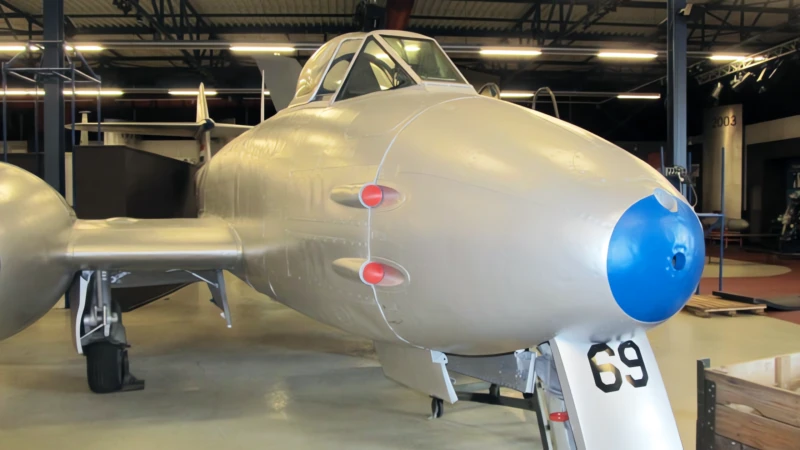
Глостер Метео | |
|---|---|
| Страны | Великобритании |
| Роль | Истребитель |
| Первый полет | 5 марта 1943 года |
| Построен | 3947 |
Teh Глостер Метеор был первым британским реактивным истребителем и единственным реактивным самолетом союзников, который достиг боевых действий во время Второй мировой войны. Разработка Meteor в значительной степени зависела от новаторских турбореактивных двигателей, впервые впервые сэр Фрэнк Уиттл и его компания, Power Jets Ltd. Разработка самолета началась в 1940 году, хотя работа над двигателями велась с 1936 года. Метеор впервые совершил полет в 1943 году и начал свою деятельность 27 июля 1944 года с эскадрильей No 616 RAF. Метеор не был сложным самолетом в своей аэродинамике, но оказался успешным боевым истребителем. Глостер в 1946 году гражданский Метеор F.4 демонстратор G-AIDC был первым гражданским зарегистрированных реактивных самолетов в мире
Источник: Глостер Метеор в Википедии
| Глостер Метеор Mk.4 Прогулка вокруг | |
|---|---|
| Фотографов | Сес Хендрикс |
| Локализации | Неизвестная |
| Фотографии | 106 |
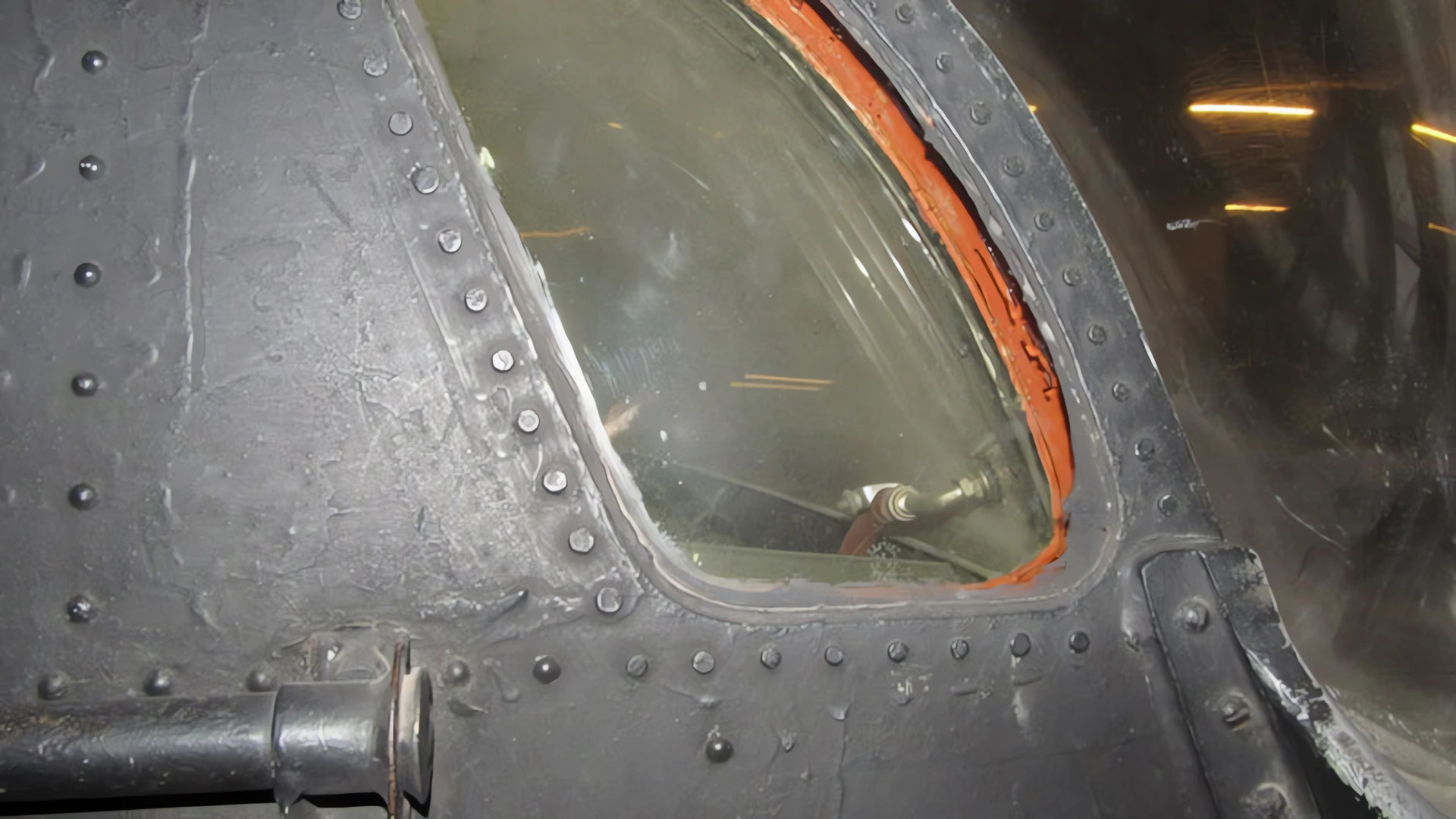
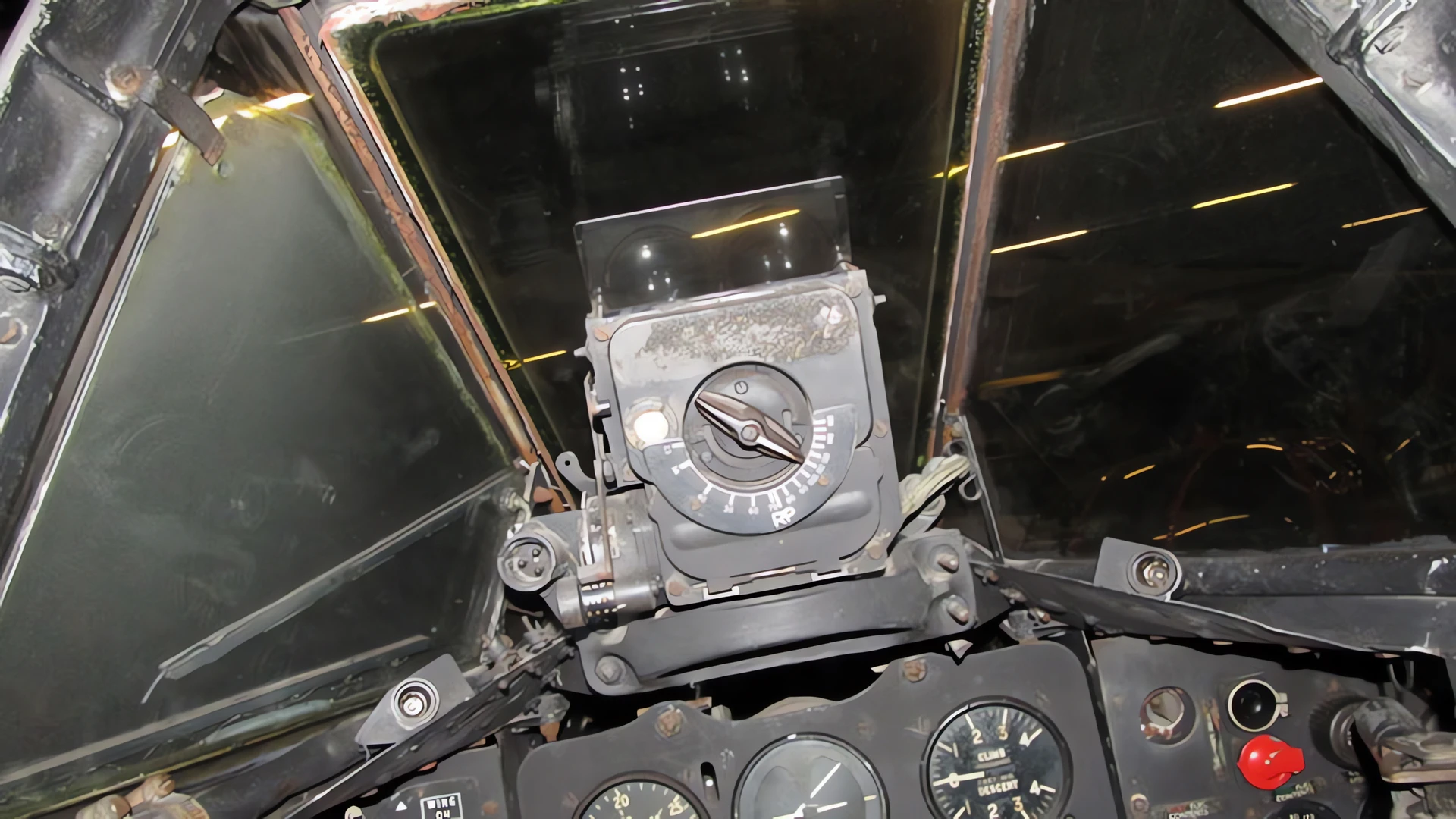
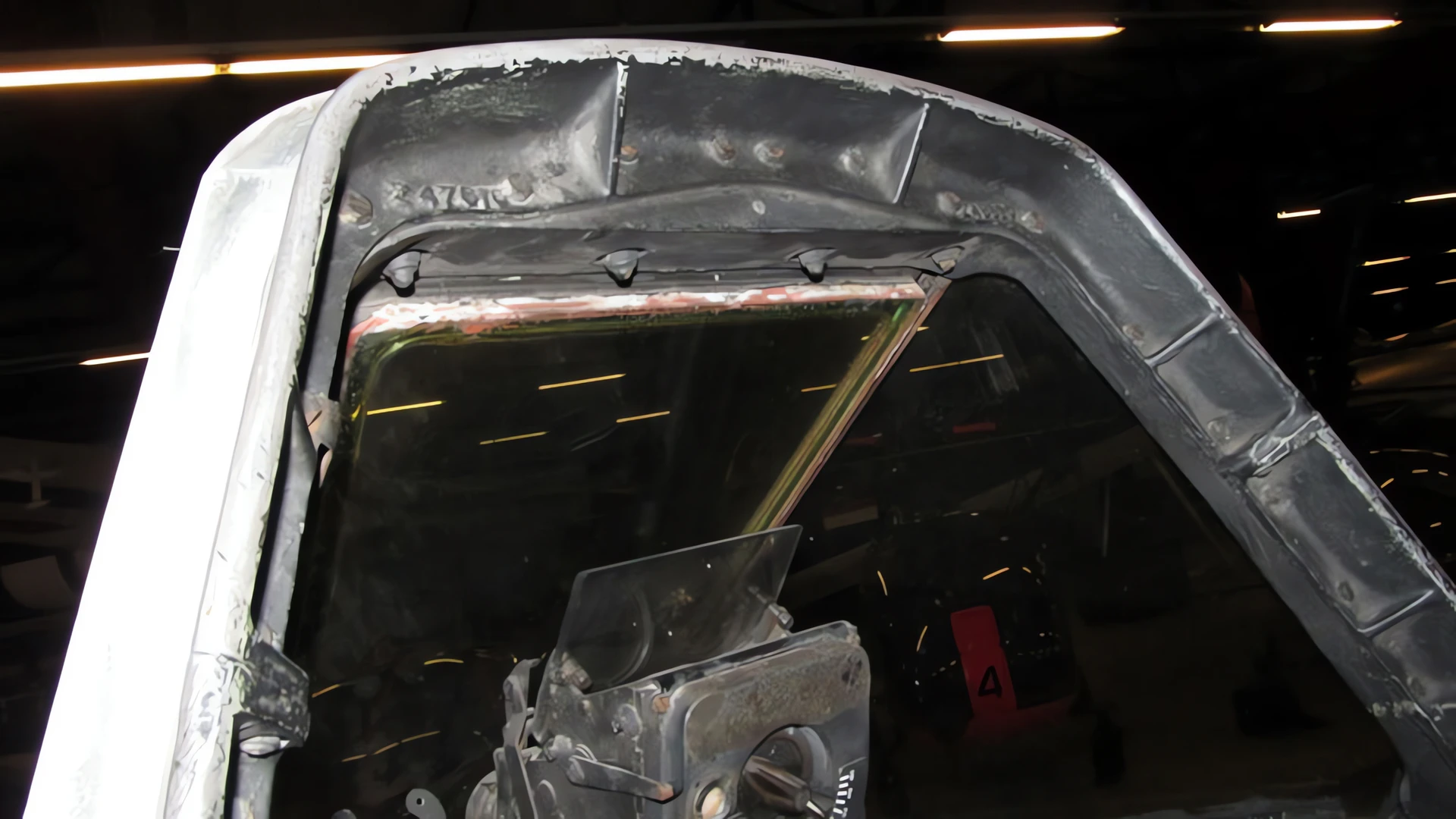
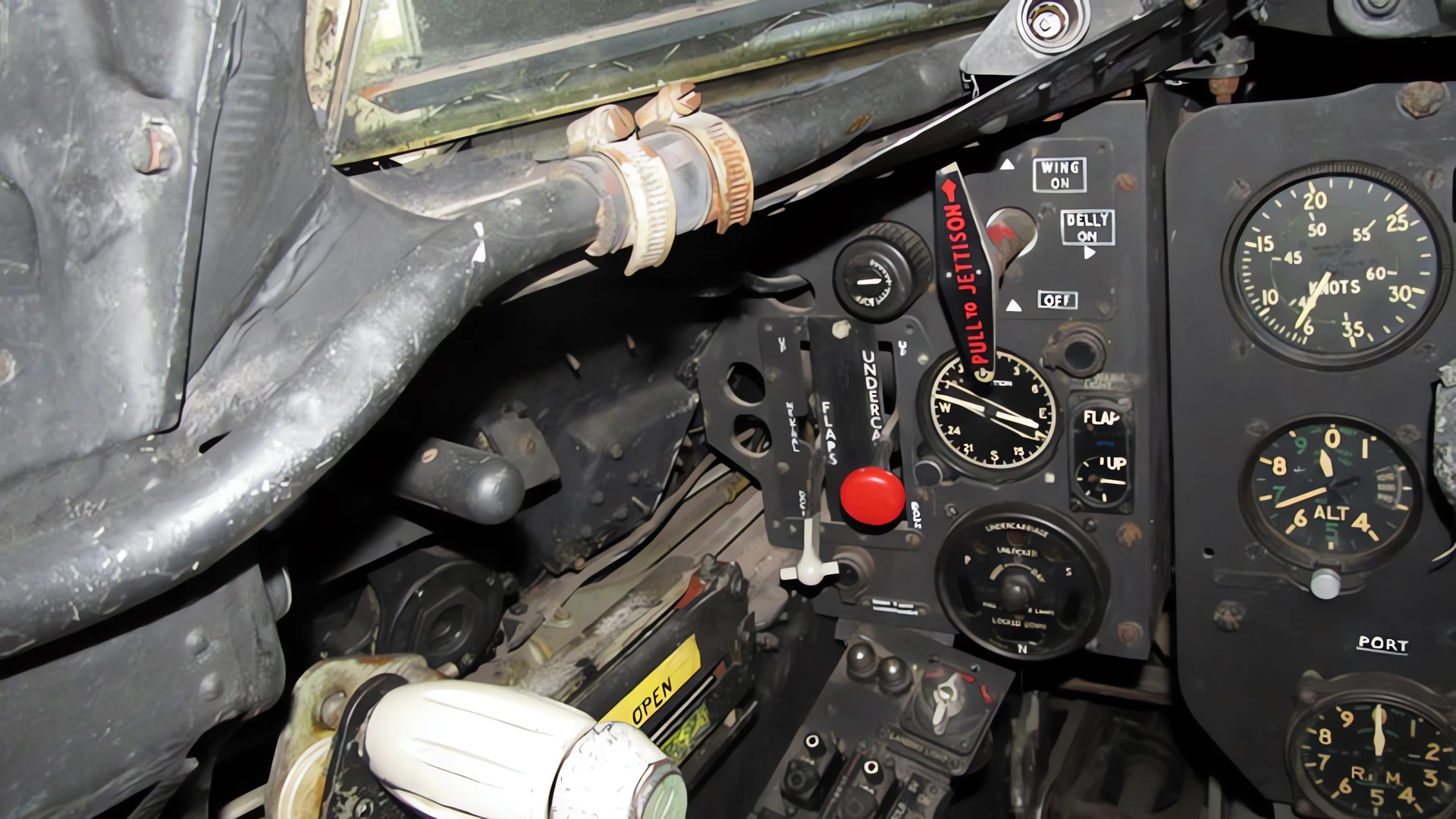
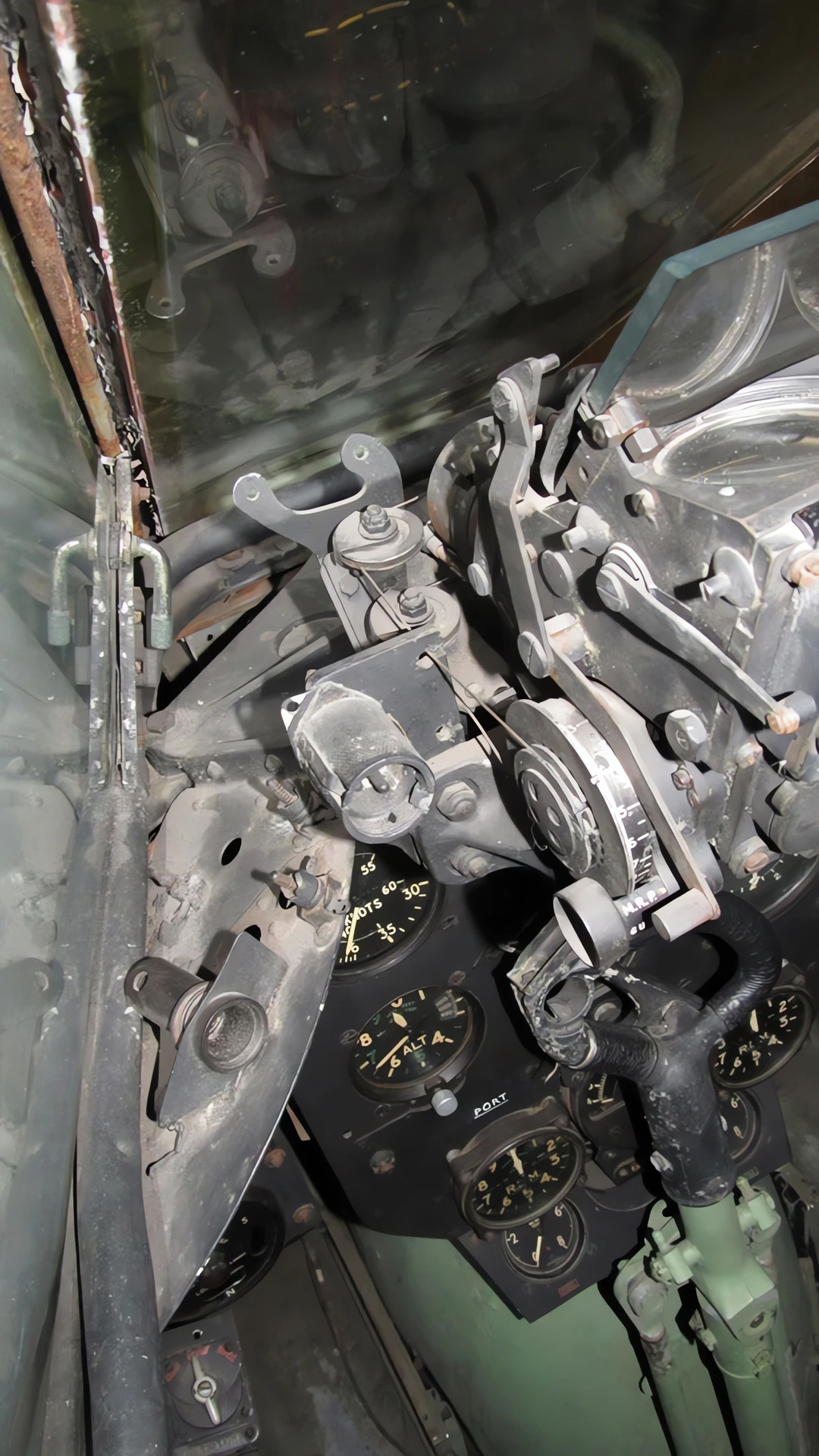
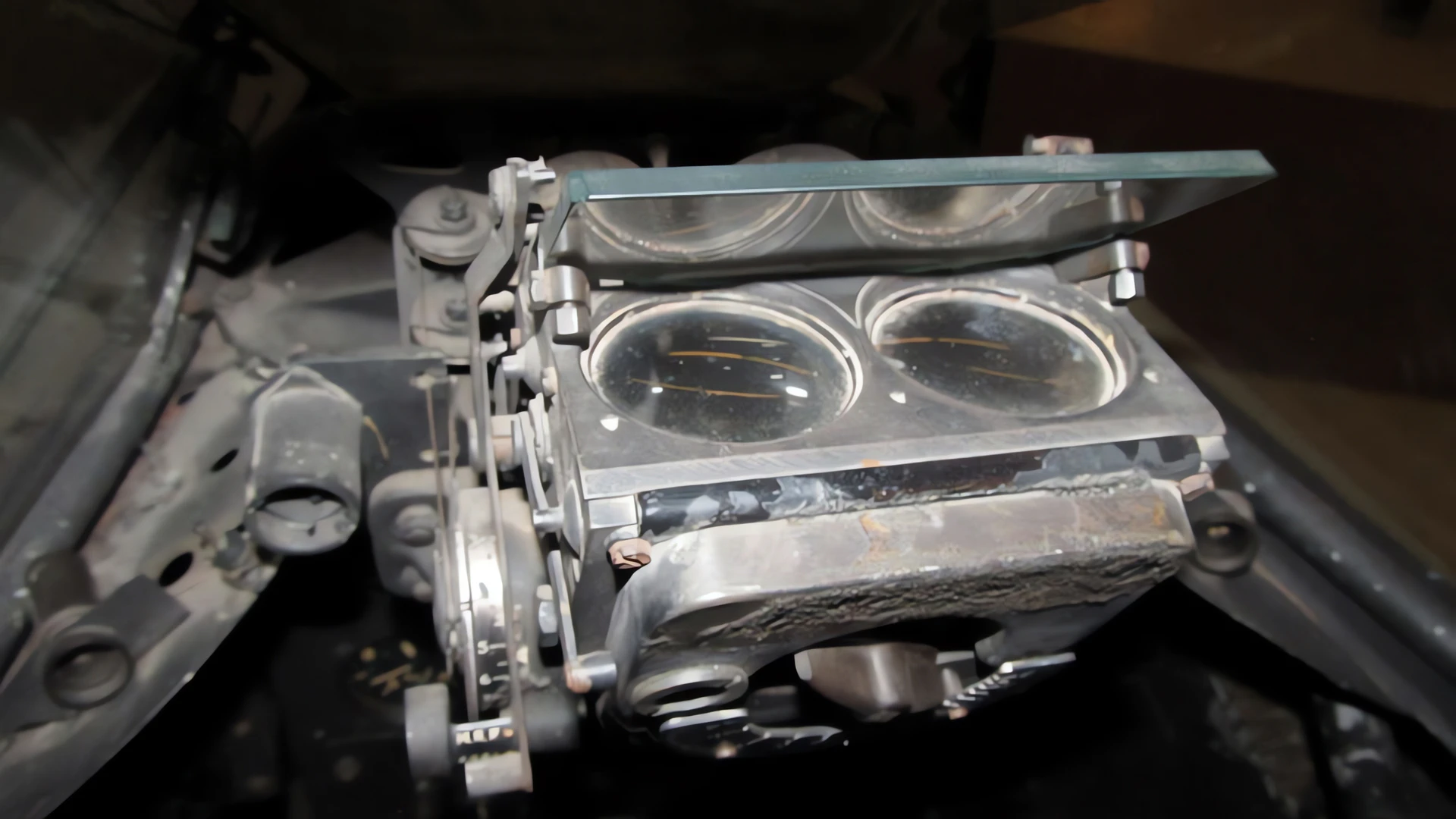
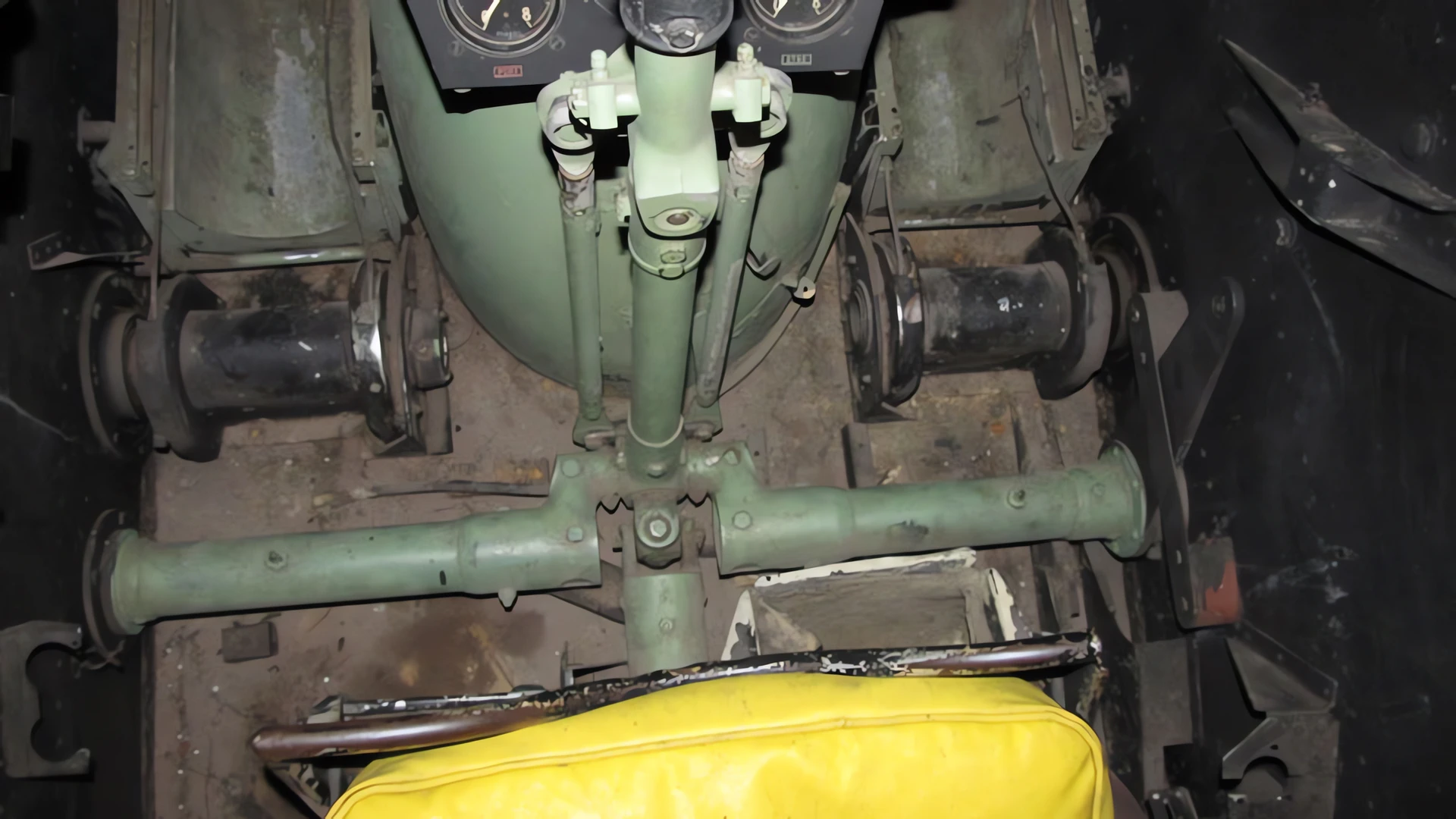
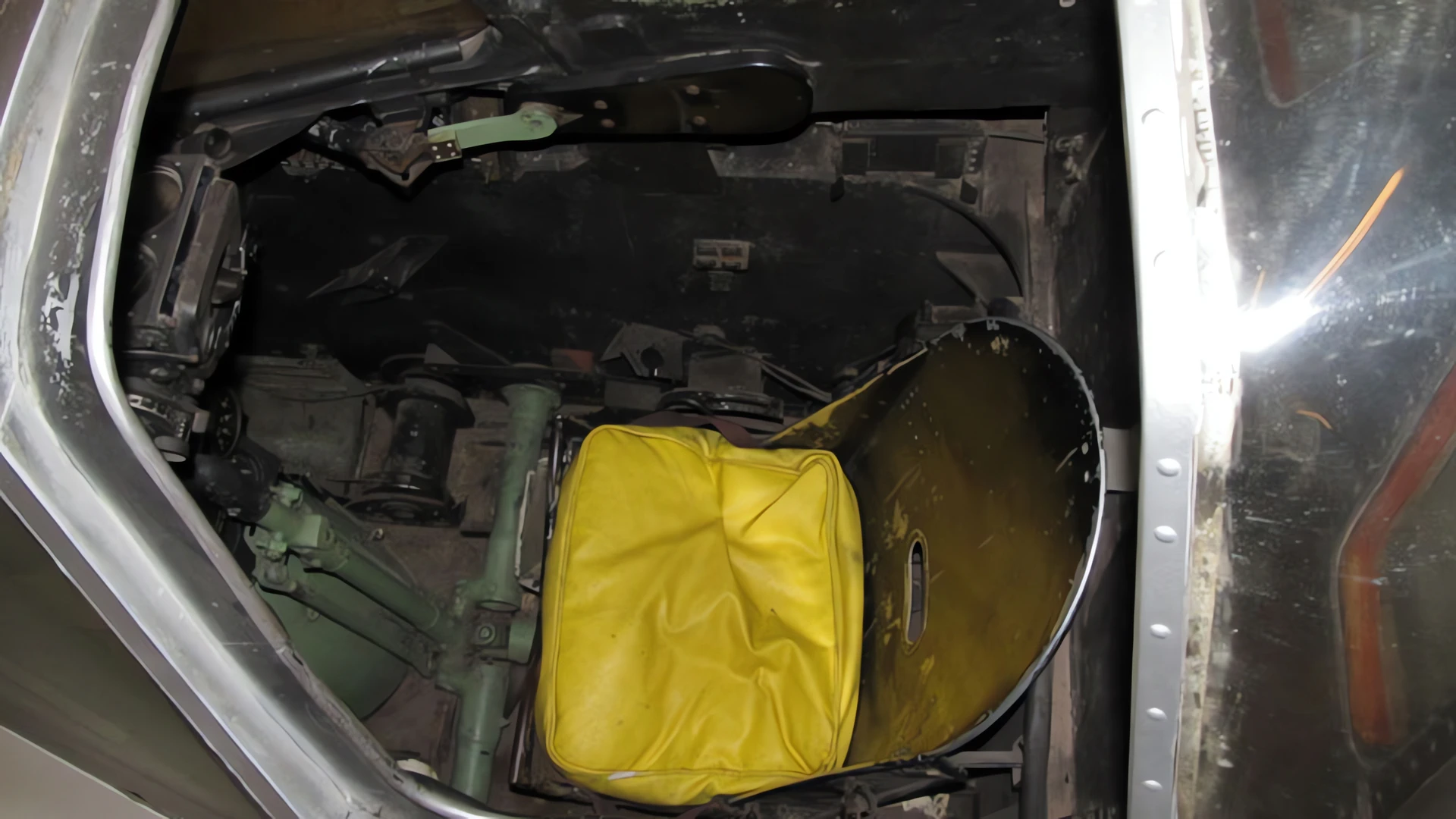
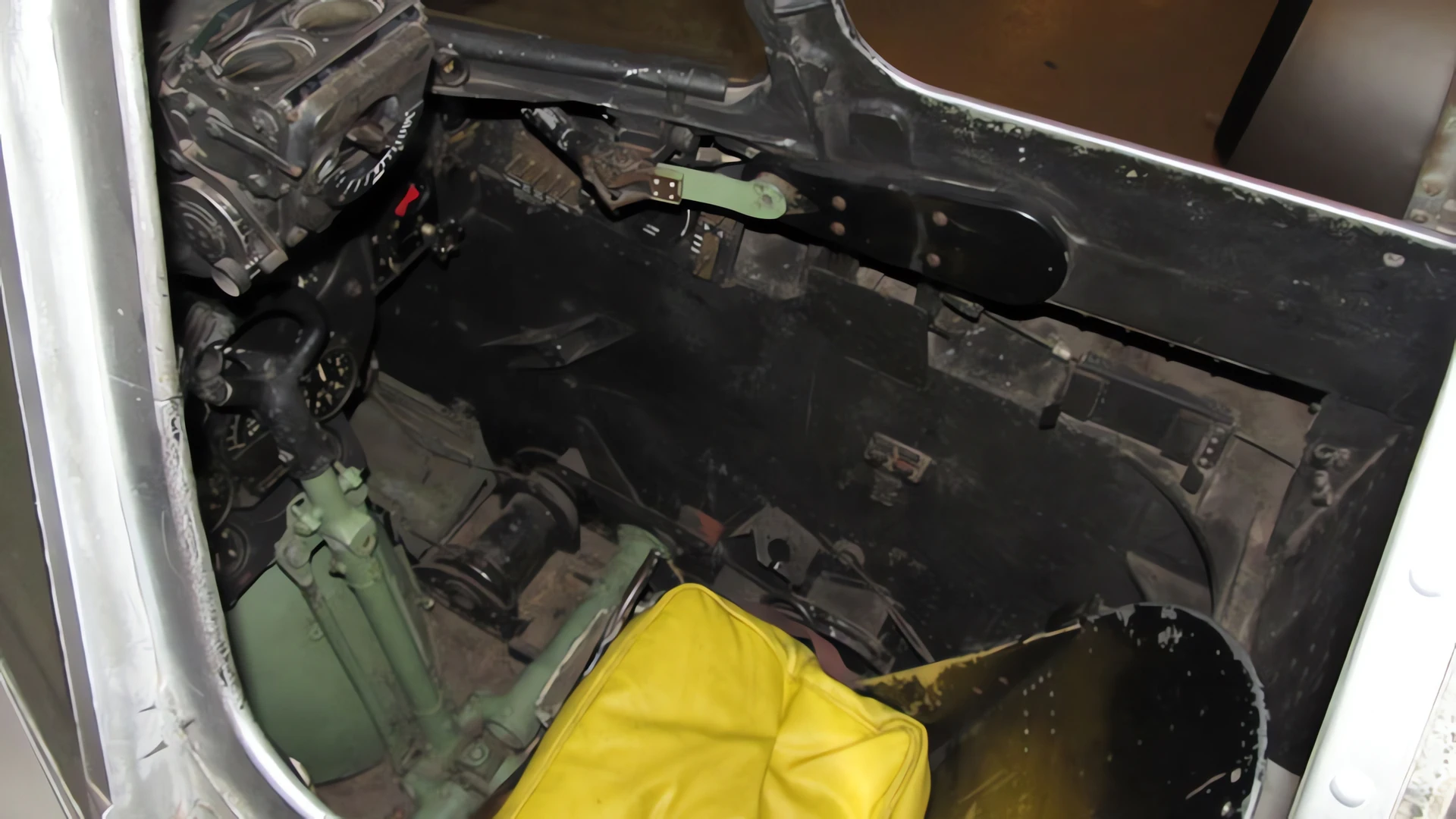

| Gloster Meteor Mk.4 Walk Around | |
|---|---|
| Фотограф | Неизвестная |
| Локализации | Неизвестная |
| Фотографии | 38 |
| Gloster Meteor F8 Walk Around | |
|---|---|
| Фотографов | Ian Kaiser and Matt Gannon |
| Локализации | Музей авиации Темора |
| Фотографии | 101 |
| Gloster Meteor F8 Walk Around | |
|---|---|
| Фотографов | Unknow |
| Локализации | Неизвестная |
| Фотографии | 25 |
Читайте также:


| Gloster Meteor F9-40 N Walk Around | |
|---|---|
| Фотографов | Unknow |
| Локализации | Неизвестная |
| Фотографии | 27 |
The Refined First-Generation Jet
Teh Gloster Meteor F.4 was the first major post-war evolution of the UK’s (and the Allies’) only operational WWII jet fighter. While the earlier Mk.1 and Mk.3 models were pioneering but underpowered, the F.4 introduced the significantly more powerful Derwent 5 engines. This variant transformed the Meteor from a curiosity into a world-class interceptor, boasting a climb rate and top speed that briefly made it the fastest aircraft on the planet.
| Attribute | Technical Specification (Meteor F.4) |
|---|---|
| Роль | Fighter Interceptor |
| Экипажа | 1 (Pilot) |
| Знакомство | 1947 |
| Силовая установка | 2 × Rolls-Royce Derwent 5 centrifugal-flow turbojets |
| Thrust | 3,500 lbf (15.6 kN) per engine |
| Максимальная скорость | 585 mph (941 km/h) at sea level |
| Rate of Climb | 7,350 ft/min (at sea level) |
| Вооружение | 4 × 20mm Hispano Mk.V cannons (nose-mounted) |
Design Innovations: Power and Stability
- The “Clipped” Wings: Early F.4s had long wings like the Mk.3, but the increased speed caused structural stress and heavy aileron control. Designers “clipped” the wingtips by nearly 3 feet each. This improved the roll rate and structural integrity, though it slightly increased the landing speed.
- Derwent 5 Engines: These were essentially scaled-down versions of the massive Nene engine. Their increased thrust allowed the Meteor F.4 to set two world speed records in 1945 and 1946, eventually reaching 616 mph in the famous “EE549” aircraft.
- Pressurized Cockpit: The F.4 was the first Meteor variant to offer a fully pressurized cockpit as standard, allowing pilots to operate comfortably at the high altitudes where jet engines are most efficient.
- Extended Engine Nacelles: To reduce aerodynamic drag at high speeds, the engine cowlings (nacelles) were lengthened. This “long-nacelle” look became the classic silhouette for the remainder of the Meteor’s production life.
Global Reach and Legacy
- Export Success: The F.4 was a massive export hit for Gloster. It served in the air forces of Argentina, Belgium, Denmark, Egypt, the Netherlands, and Norway, making it one of the most widely used early jet fighters in the world.
- The Argentine Dispute: Argentina was a major operator of the F.4; their Meteors saw combat during internal uprisings in the 1950s, marking some of the earliest jet combat in South America.
- The T.7 Trainer: The F.4 airframe was so successful that it served as the basis for the Метеор Т.7, a two-seat trainer version that taught a generation of pilots how to handle the unique challenges of jet flight.
- Structural Limits: While incredibly fast for its time, the F.4 was still a straight-wing design. It suffered from “compressibility” issues as it approached the speed of sound, which eventually led to its replacement by swept-wing fighters like the Hawker Hunter.
Views : 6392
Вы также можете увидеть:
 Packard-Le Père LUSAC-11 – Фото и Видео
 Яковлев Як-1 – Фото и Видео
 Boeing EA-18G Growler – Фото и Видео
 Грумман F7F Tigercat - WalkAround
 Гарпун Lockheed PV-2D - WalkAround
 Макки MC-200 - WalkAround
 ПЗЛ P.11 - WalkAround
 P-51 Мустанг vol2 - Прогулка вокруг
 Колокол P-63E КингКобра – Прогулка
 Vought F4U Корсар - WalkAround
Привет
Всегда время я нажимаю #2 и вперед я не вижу никакие фото самолета больше. Тиос для любого из ваших альбомов. Только в состоянии видеть фотографии на странице #1 любого предмета. Использование Firefox, последняя версия.
Любые предложения?
Спасибо!
Я просто обновить изображения менеджер, Это хорошо для вас сейчас?
Спасибо за ваше возвращение!