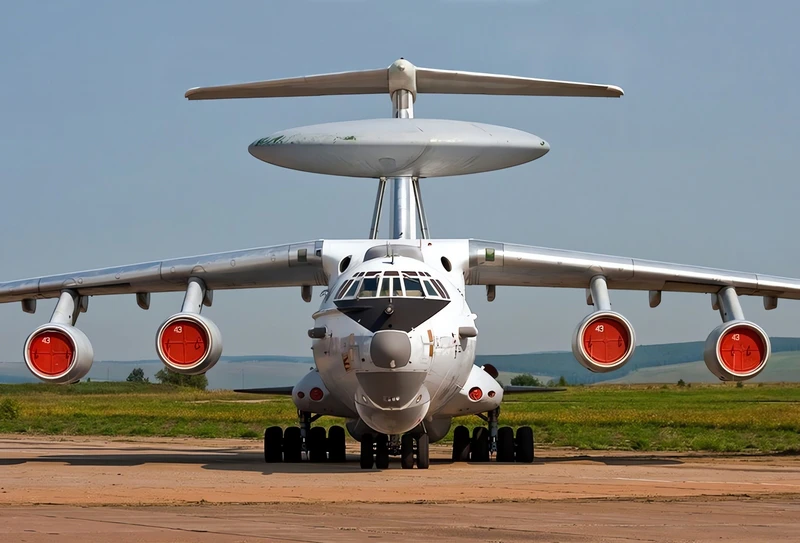
Beriev A-50 | |
|---|---|
| Country | Soviet Union |
| Type | Airborne early warning and control |
| First flight | 19 December 1978 |
| Built | 40 |
The Beriev A-50 (NATO reporting name: Mainstay) is a Soviet airborne early warning and control (AEW&C) aircraft based on the Ilyushin Il-76 transport. Developed to replace the Tupolev Tu-126 “Moss”, the A-50 first flew in 1978. Its existence was revealed to the Western Bloc in 1980 by Adolf Tolkachev. It entered service in 1984, with about 40 produced by 1992.
Source: Beriev A-50 on Wiki
| Beriev A-50 M Walk Around | |
|---|---|
| Photographer | Unknow |
| Localisation | Unknow |
| Photos | 58 |
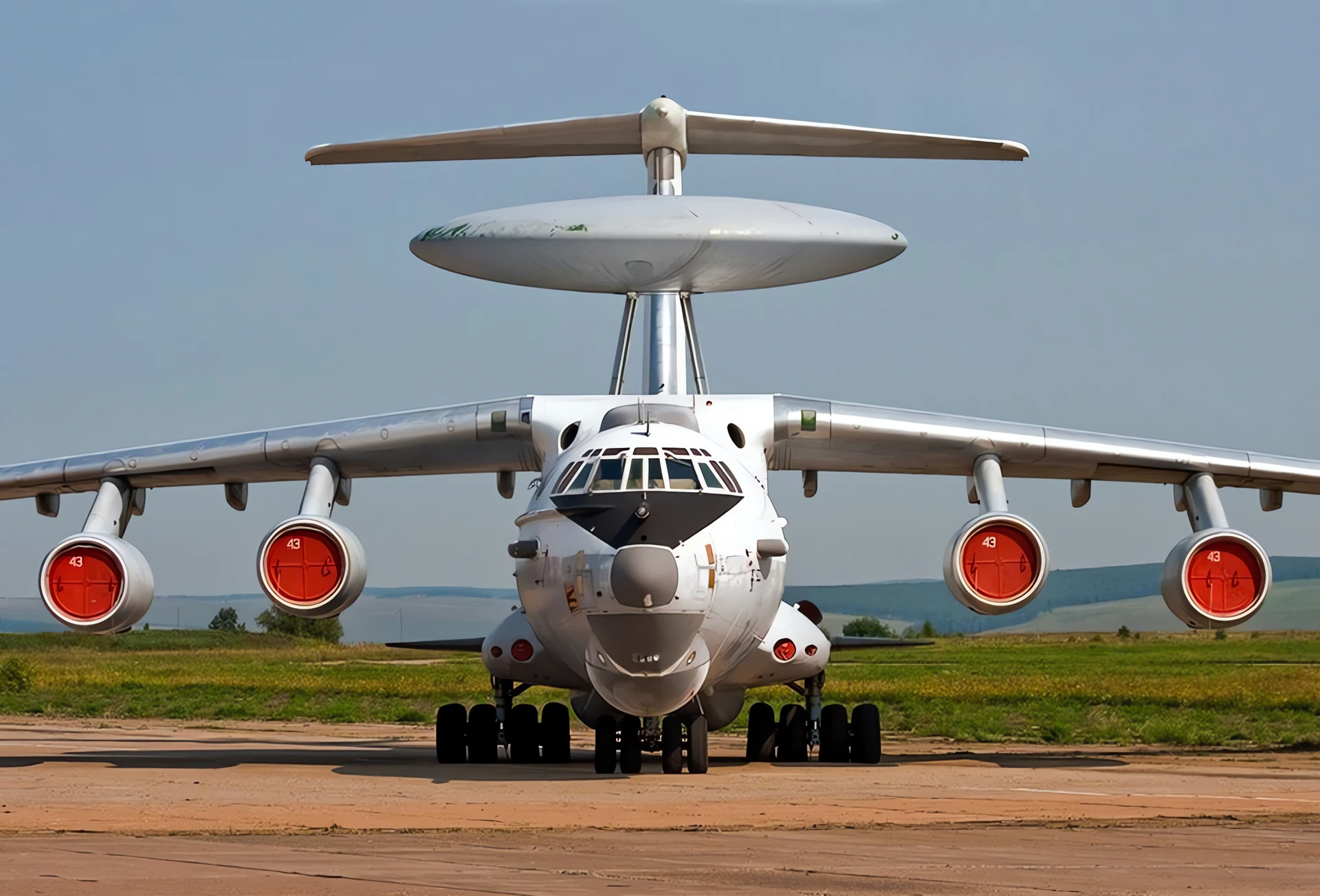
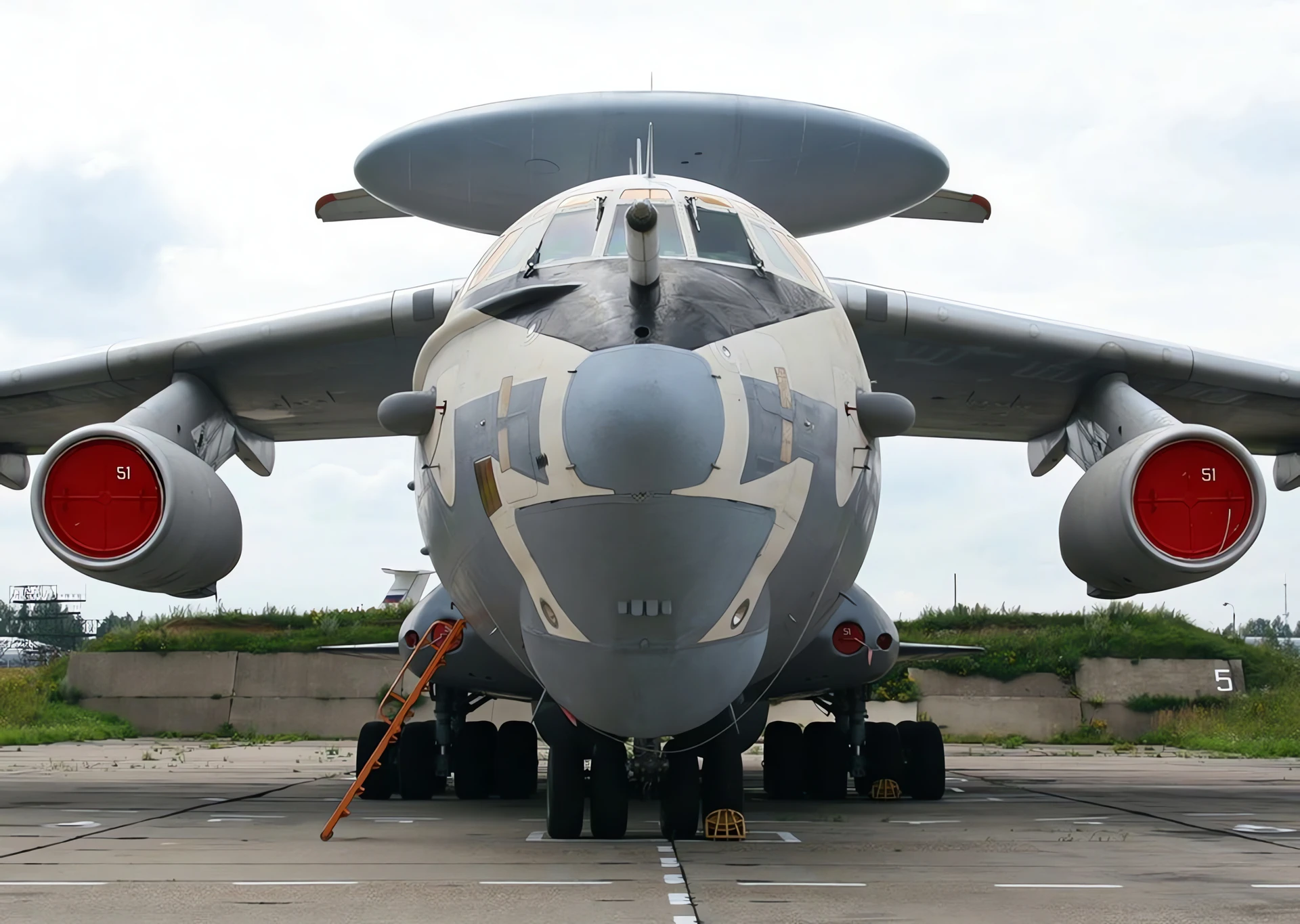
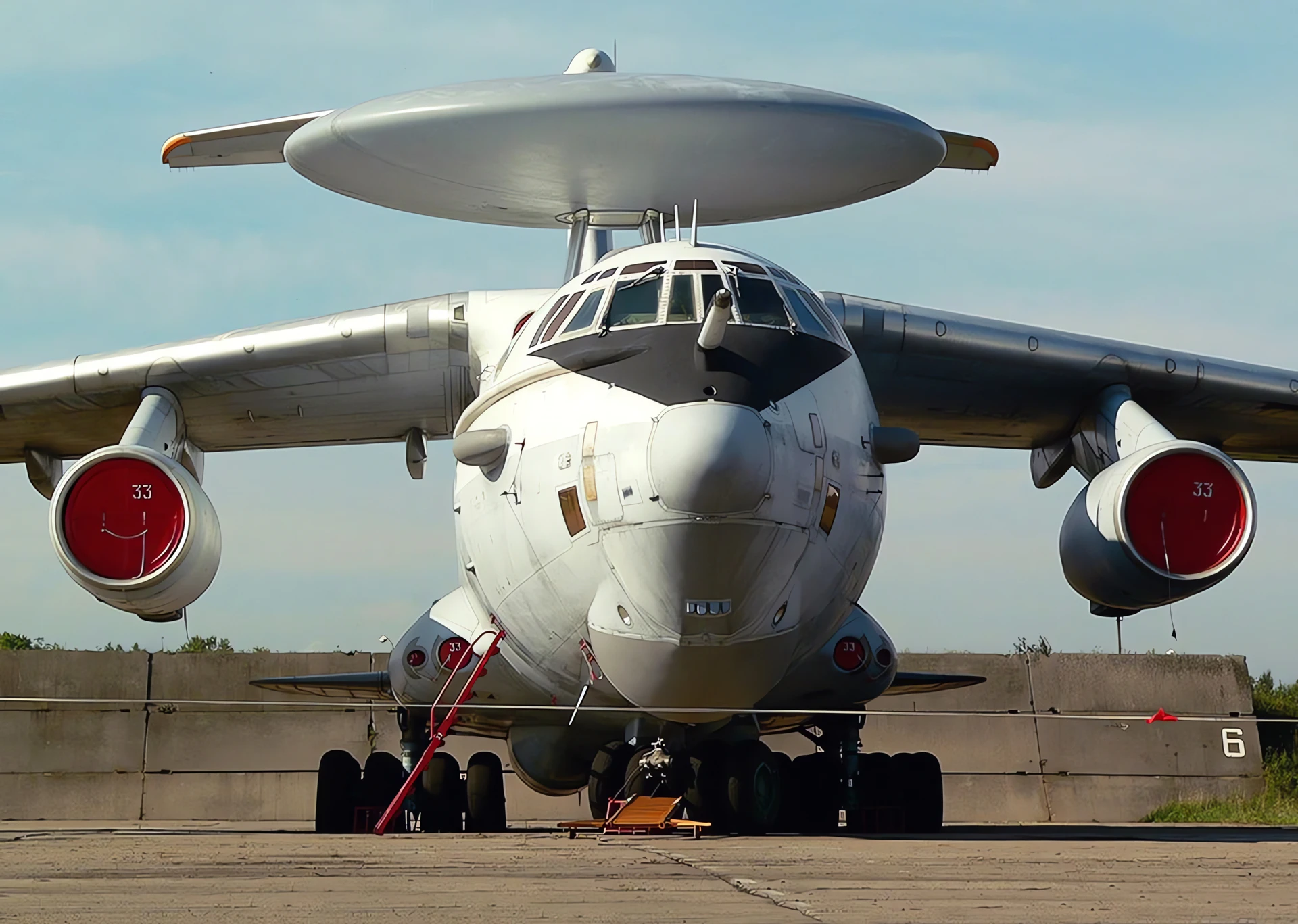
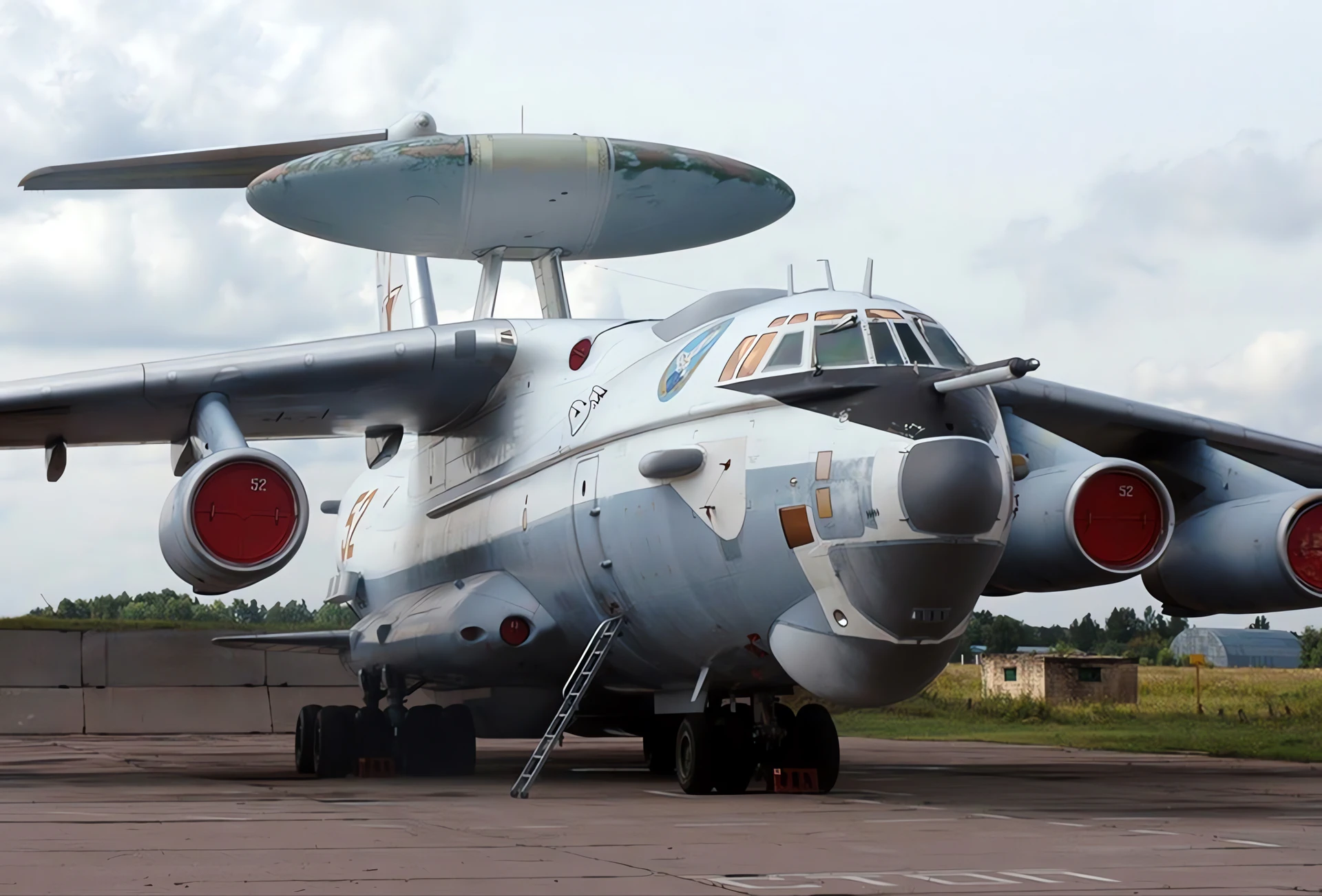
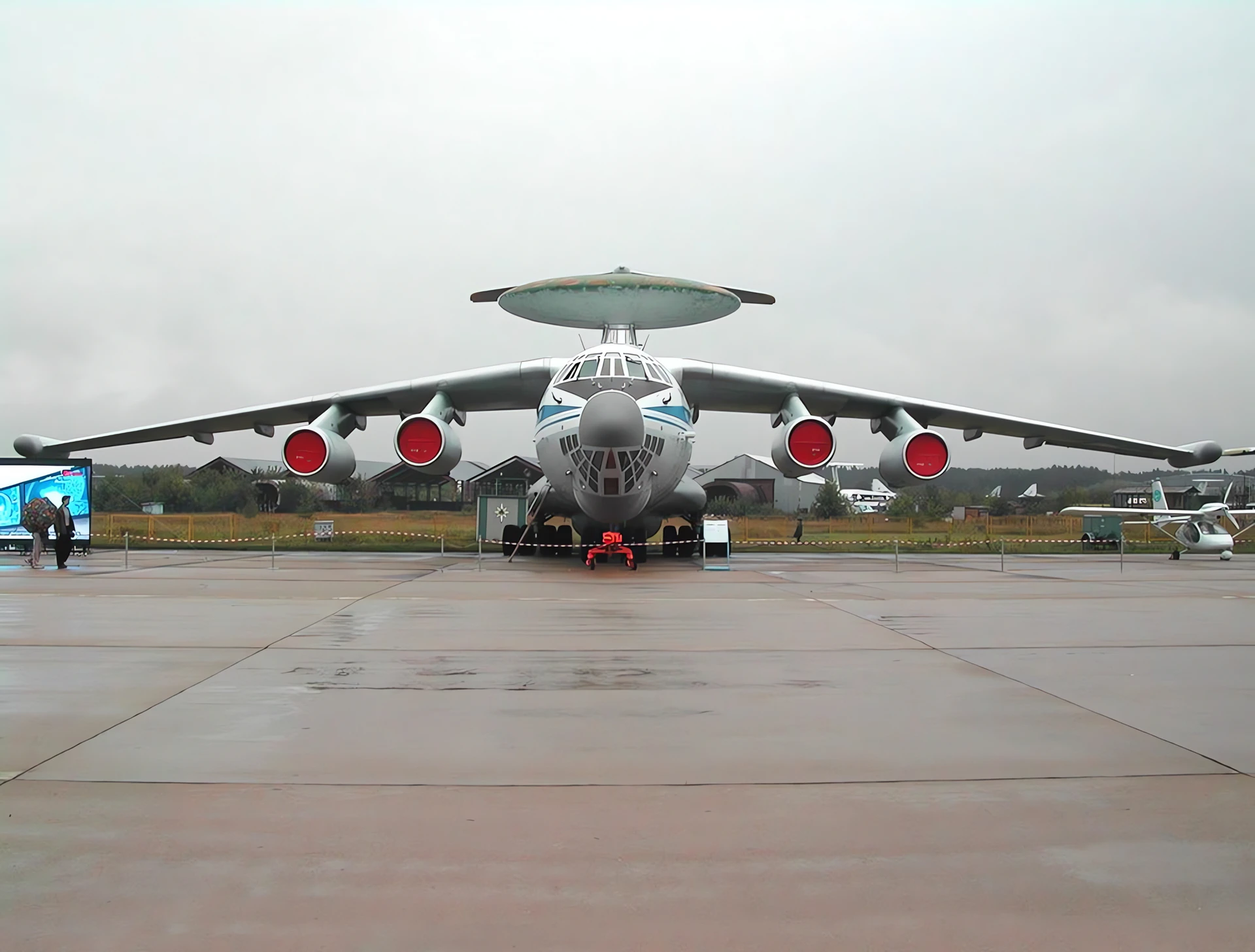
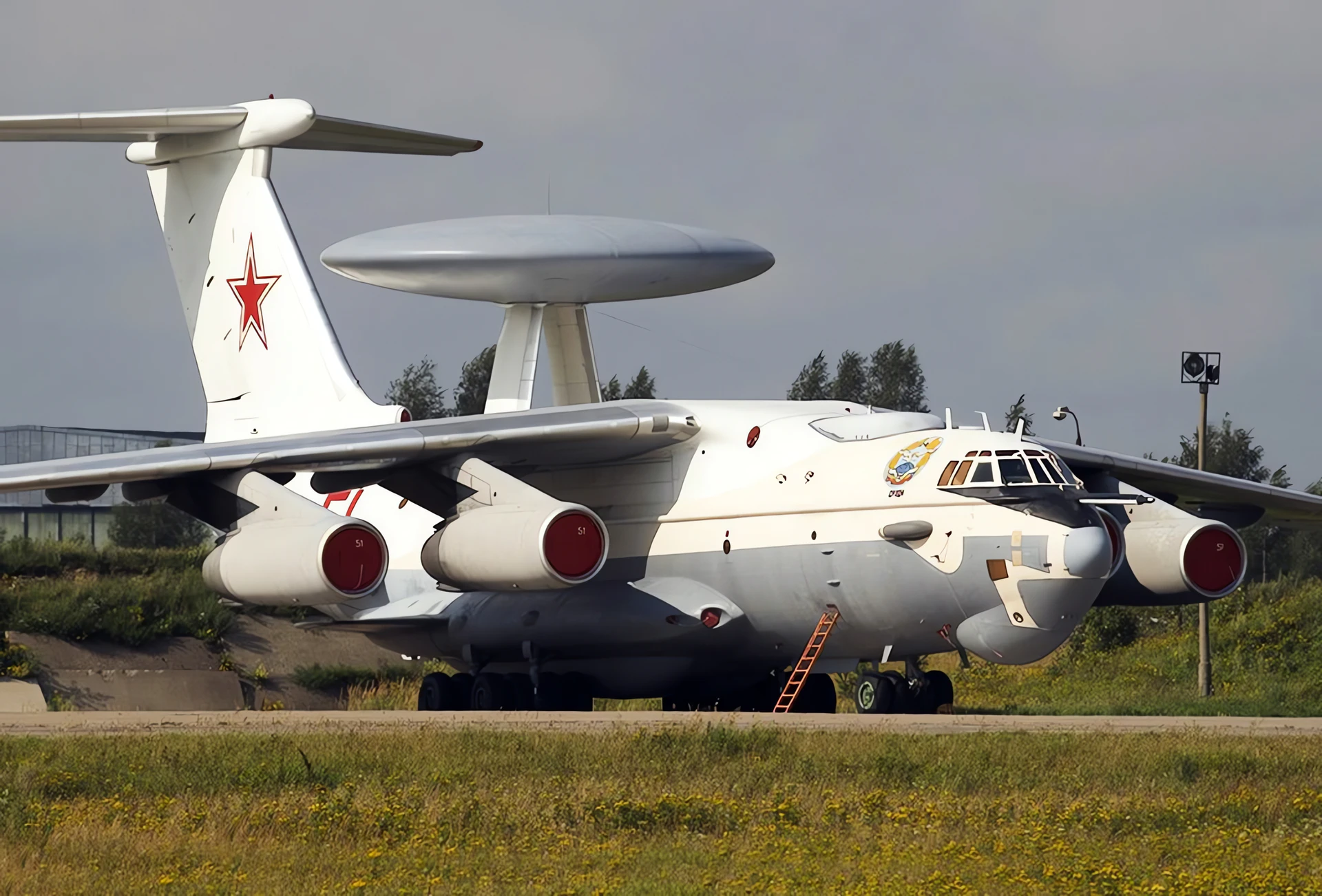
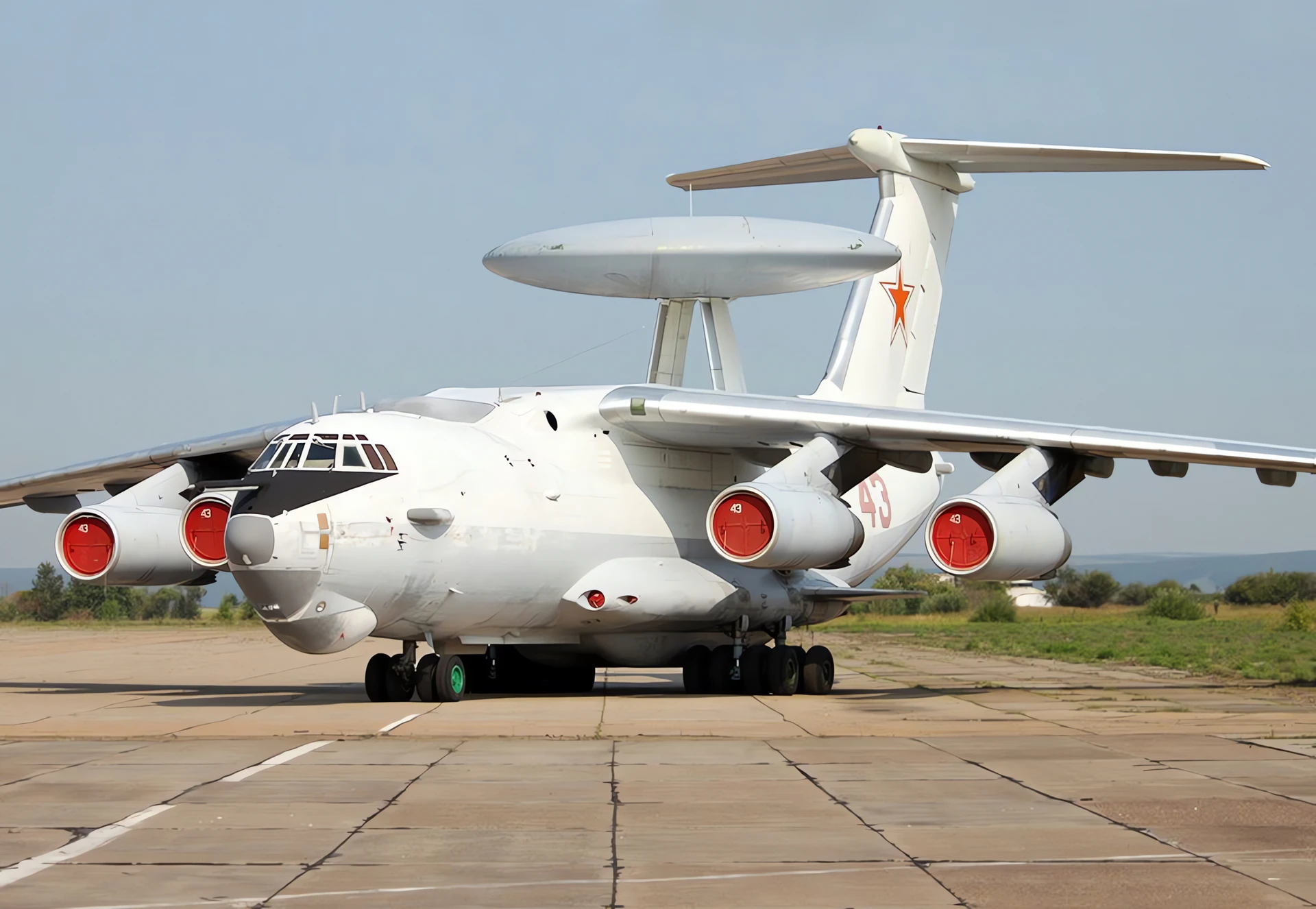
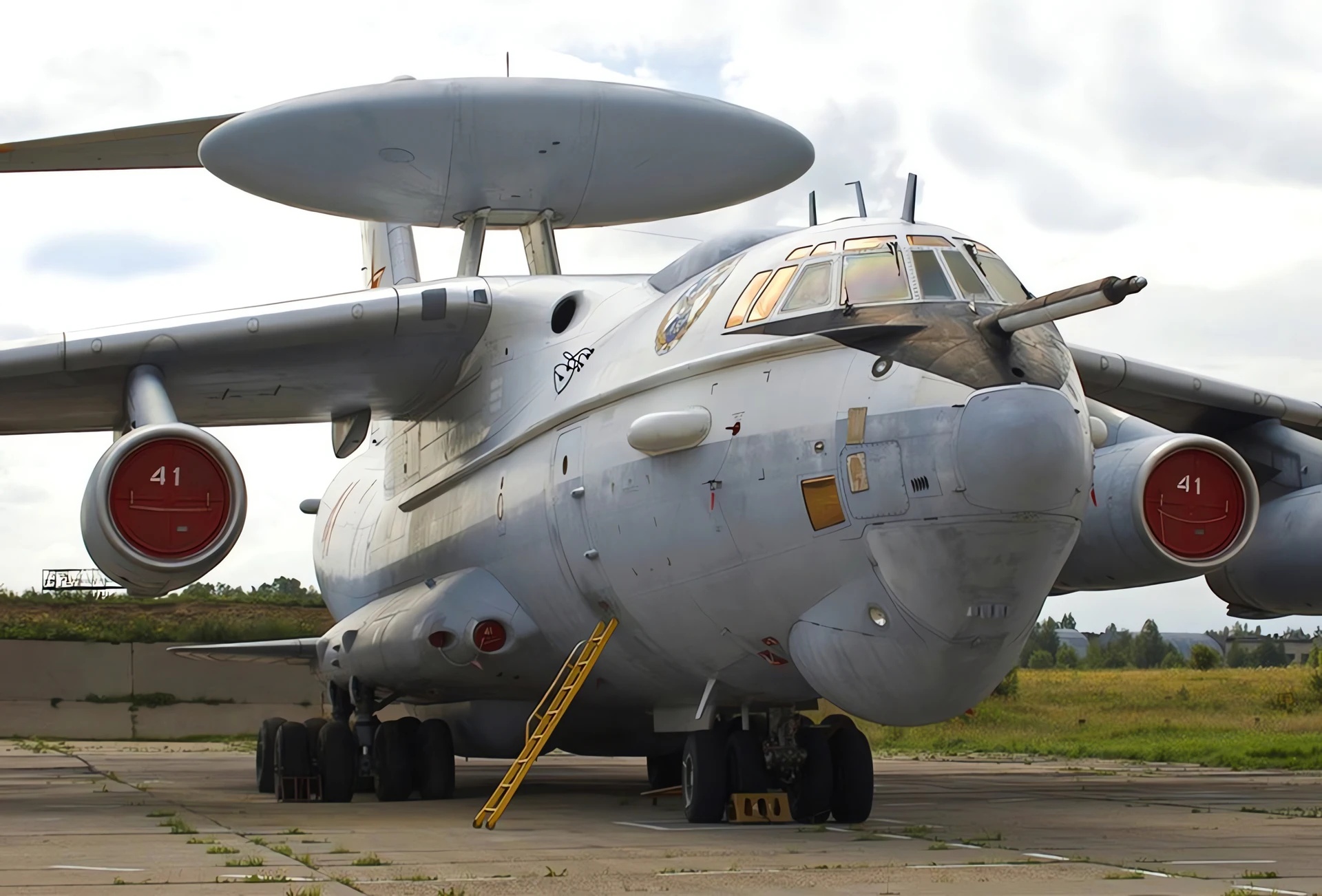
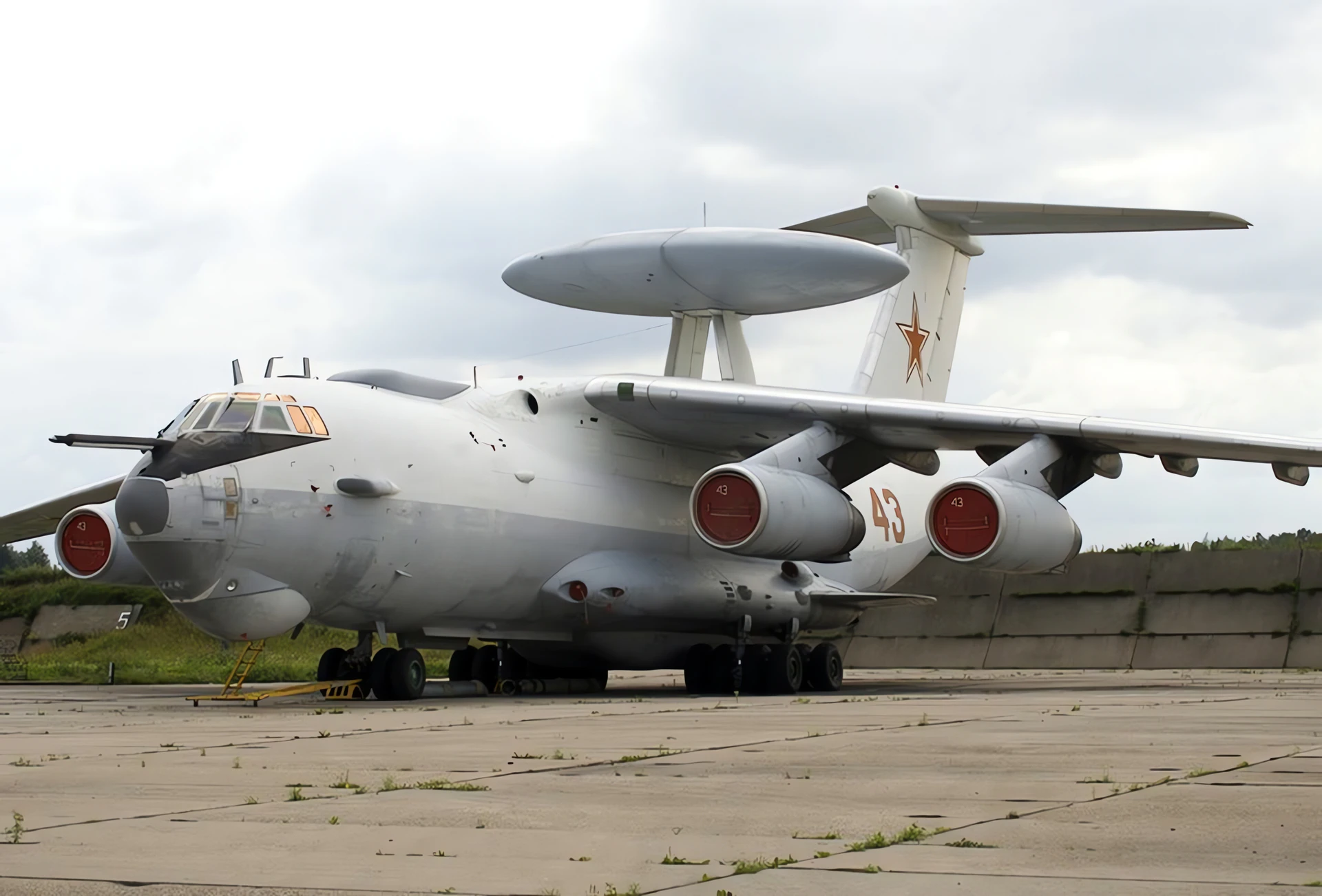


General Characteristics
The Beriev A-50 is a Soviet/Russian Airborne Early Warning and Control (AEW&C) aircraft, often referred to by its NATO reporting name Mainstay. It was developed to replace the Tupolev Tu-126 “Moss” and is based on the robust Ilyushin Il-76 transport airframe. Its primary function is to detect and track airborne and surface targets at long ranges, and to serve as an aerial command post, guiding friendly fighter aircraft during engagement. Its most distinctive feature is the large rotating saucer-shaped radome mounted above the fuselage.
| Property | Typical Value (A-50/A-50U) |
|---|---|
| Role | AEW&C, Command and Control |
| National Origin | Soviet Union / Russia |
| First Flight | December 19, 1978 |
| In Service | 1984–Present |
| No. Built | ~40 (Original production) |
| Crew | 15 (5 Flight Crew + 10 Mission Operators) |
| Length | 49.59 m (162 ft 8 in) |
| Wingspan | 50.50 m (165 ft 8 in) |
| Max Takeoff Weight | 170,000–190,000 kg (375,000–418,880 lb) |
Powerplant and Performance
- Engine: 4 x Aviadvigatel PS-90A turbofan engines (or Soloviev D-30KP turbofans in earlier models).
- Thrust (each): ~157 kN (35,200 lbf) for the PS-90A.
- Maximum Speed: 800–850 km/h (500–530 mph).
- Cruise Speed: 750–800 km/h (470–500 mph).
- Range: Up to 7,500 km (4,700 mi).
- Endurance: Can fly for 4 hours on internal fuel at 1,000 km from base; equipped for mid-air refueling.
- Service Ceiling: 10,000–12,000 m (32,800–39,400 ft).
Radar and Mission Systems
- Main Radar: Shmel (Bumblebee) Radio-Technical Complex (RTC), housed in the 10.2 meter (33.5 ft) rotodome.
- Radar Detection Range:
- Bomber-sized targets: Up to 650 km (400 mi).
- Low-flying fighter targets: 200–400 km (125–250 mi).
- Target Tracking: The modern A-50U variant can track up to 300 targets simultaneously.
- Control Capability: Can simultaneously guide up to 10–12 friendly fighter aircraft.
- Key Upgrades (A-50U): Replacement of analog equipment with digital avionics, resulting in lighter weight, increased fuel capacity for greater endurance, and improved crew comfort facilities.
Views : 1316
You can see also :
 North American FJ-4 Fury – Photos & Video
 Messerschmitt Me 410 – Photos & Video
 McDonnell Douglas F/A-18 Hornet – Photos & Video
 Beriev Be-12 – Photos & Video
 Mitsubishi A6M Zero – Walk Around
 Hawker Hurricane – Walk Around
 Bell P-39N Airacobra – WalkAround
 Consolidated B-24M Liberator – WalkAround
 P-47D Thunderbolt – WalkAround
 A-20 Havoc – WalkAround