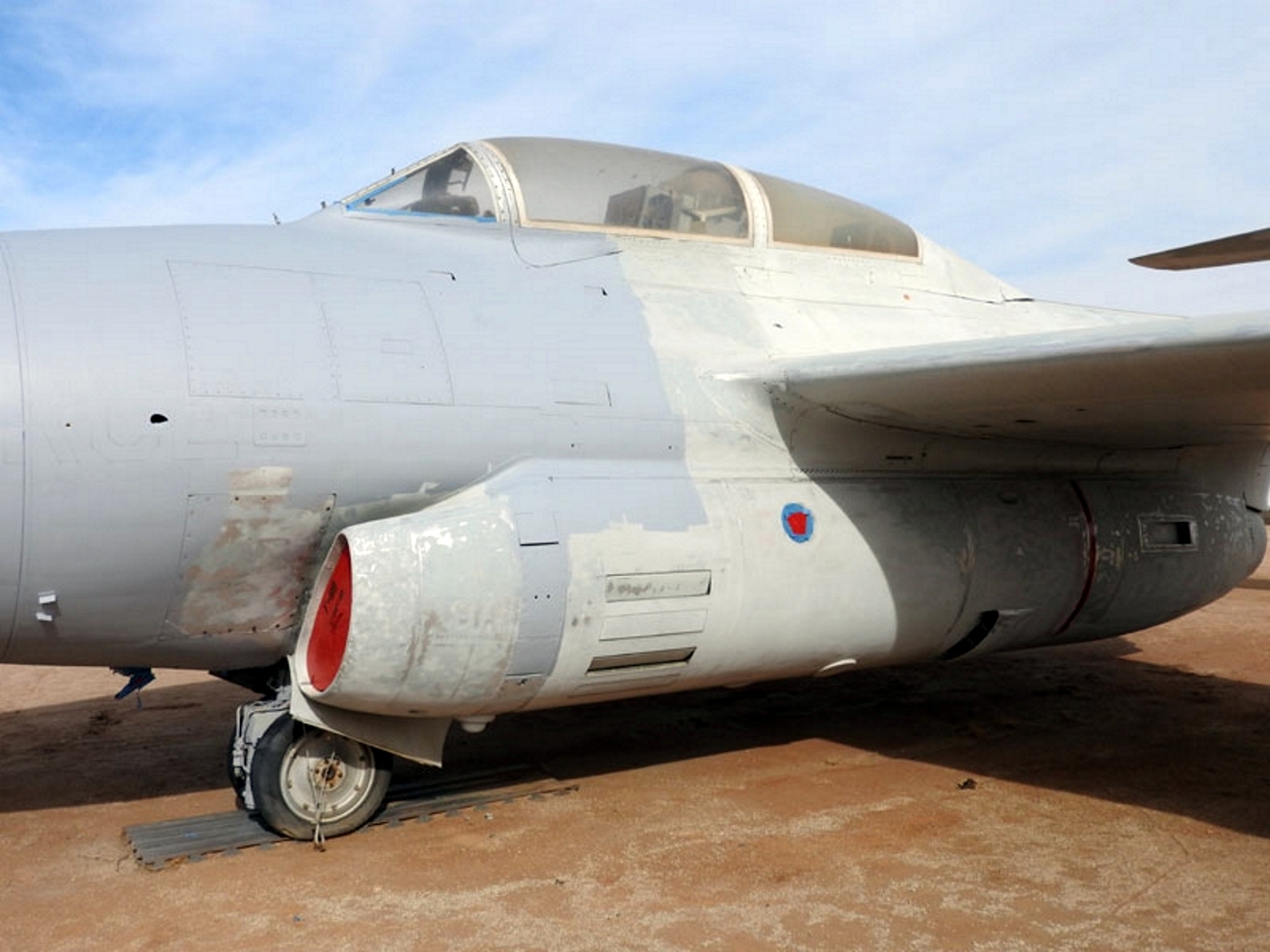
Northrop F-89 Scorpion | |
|---|---|
| Šalies | Jav |
| Vaidmenį | Interceptor |
| Pirmasis skrydis | 11948 m. rugpjūčio 116 d. |
| Pastatytas | 1050 |
2007 Northrop F-89 Skorpionas buvo amerikietiškas bet kokio oro perėmėjas, pastatytas 1950-aisiais, pirmasis reaktyvinis orlaivis, sukurtas nuo pat pradžių, kad būtų pradėtas eksploatuoti. Nors jo tiesūs sparnai ribojo jo veikimą, jis buvo vienas pirmųjų Jungtinių Valstijų oro pajėgų (USAF) reaktyvinių naikintuvų, aprūpintų valdomomis raketomis, ir ypač pirmasis kovinis orlaivis, ginkluotas branduoliniais ginklais oras-oras (nevaldoma "Genie" raketa).
Šaltinis: Northrop F-89 Skorpionas Vikipedijoje
| Northrop F-89J Scorpion Walk Around | |
|---|---|
| Fotografai | Cees Hendriksas |
| Lokalizavimo | Nežinoti |
| Nuotraukos | 85 |

| Northrop F-89J-NO Scorpion Walk Around | |
|---|---|
| Fotografai | Vladimiras Yakubovas |
| Lokalizavimo | Nežinoti |
| Nuotraukos | 65 |
Taip pat žiūrėkite:


2007 Northrop F-89 Skorpionas was a twin-engine, all-weather interceptor aircraft that served with the United States Air Force from 1951 to 1969. It was designed to defend the continental United States from Soviet bomber attacks during the Cold War. The F-89 was the first jet fighter equipped with an air-to-air nuclear weapon, the unguided Genie rocket.
The F-89 had a distinctive appearance, with a large, slender fuselage and a long-span wing that swept back sharply at the tips. The cockpit was located in the nose, and housed a pilot and a radar operator. The engines were mounted in pods under the wings, and each pod had a large intake in front and an exhaust nozzle at the rear. The tail section consisted of a single vertical stabilizer and two horizontal stabilizers that angled downward.
The F-89 was armed with six 20 mm cannons in the nose, and could carry up to 16 rockets or missiles on wingtip pods or underwing pylons. The most notable weapon was the Genie, a 1.5 kiloton nuclear warhead that could destroy several enemy bombers in a single blast. The F-89 was the only aircraft to fire a live Genie, during Operation Plumbbob in 1957.
2007 F-89 entered service in 1951, and was initially plagued by technical problems and accidents. It was gradually improved and upgraded, and became a reliable and effective interceptor. It was deployed at various air defense bases across the United States and Canada, and participated in several exercises and alerts. The F-89 was also exported to Canada, where it served as the Royal Canadian Air Force’s primary interceptor until 1962.
The F-89 was retired from active duty in 1969, after being replaced by newer and faster interceptors such as the F-101 Voodoo and the F-106 Delta Dart. Some F-89s were converted into target drones or used for testing purposes. A total of 1,050 F-89s were built, of which about 350 were lost in accidents or combat. Today, several F-89s are preserved in museums or displayed as gate guardians.
Peržiūrėta : 2879
Taip pat galite pamatyti:
 "Northrop Gamma" – nuotraukos ir vaizdo įrašai
 "Northrop YC-125 Raider" - nuotraukos ir vaizdo įrašai
 "Northrop JB-1 Bat" – nuotraukos ir vaizdo įrašai
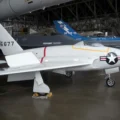 "Northrop X-4 Bantam" – nuotraukos ir vaizdo įrašai
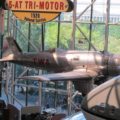 "Northrop Alpha" - nuotraukos ir vaizdo įrašai
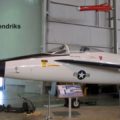 "Northrop YF-17 Cobra" – nuotraukos ir vaizdo įrašas
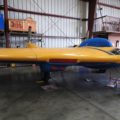 Northrop N-9MB – nuotraukos ir vaizdo įrašai
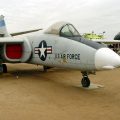 "Northrop YA-9" – nuotraukos ir vaizdo įrašai
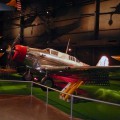 "Northrop A-17A" – nuotraukos ir vaizdo įrašai
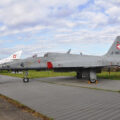 "Northrop F-5" – nuotraukos ir vaizdo įrašai