Saunders-Roe SR.A-1 | |
|---|---|
| 국가 | 영국 |
| 역할 | 플라잉 보트 전투기 |
| 첫 비행 | 1947년 7월 16일 |
| 내장 | 2 |
Tthe 손더스 로 SR. A/1 was a prototype flying boat fighter aircraft designed and built by British seaplane manufacturer Saunders-Roe. It was the first jet-propelled water-based aircraft in the world. The concept behind the SR.A/1 originated during the Second World War as a reaction to Japan’s successful use of military floatplanes and the emergence of the turbojet engine. Saunders-Roe presented an initial proposal of their jet-powered seaplane concept, then designated SR.44, to the Air Ministry during mid-1943. In April 1944, the Ministry issued Specification E.6/44 for the type and supported its development with a contract for three prototypes. Development was protracted by Saunders-Roe’s work on other projects, the war having ended prior to any of the prototypes being completed.
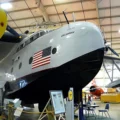
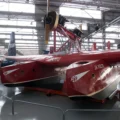
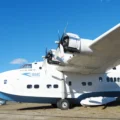
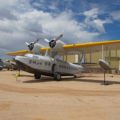
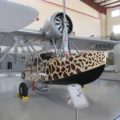
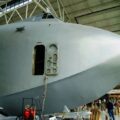
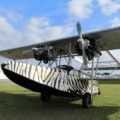
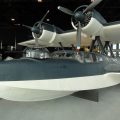
| Saunders-Roe SR.A-1 Walk Around | |
|---|---|
| 사진 작가 | Unknow |
| 로컬라이제이션 | 임페리얼 전쟁 박물관 |
| 사진 | 30 |


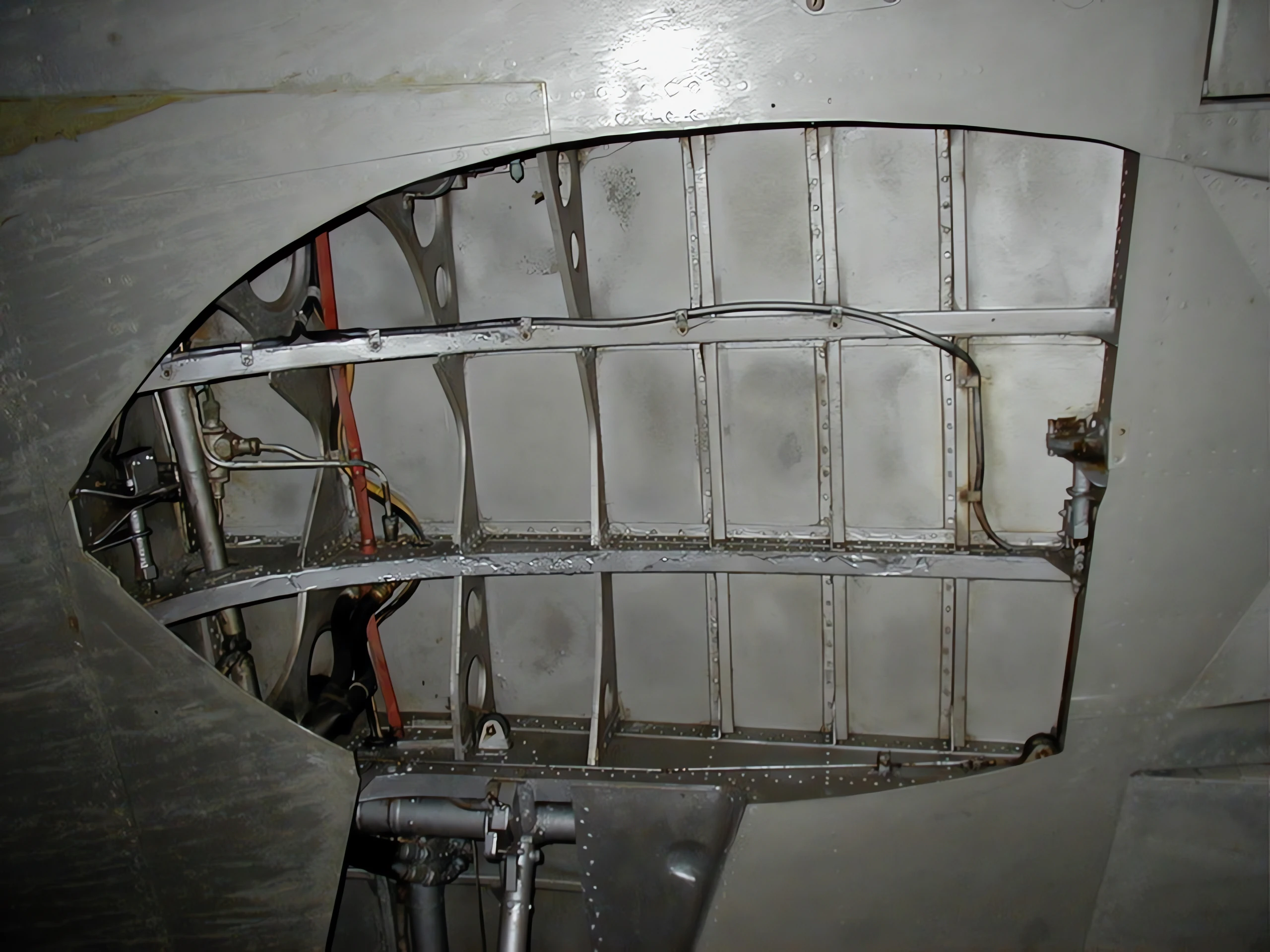
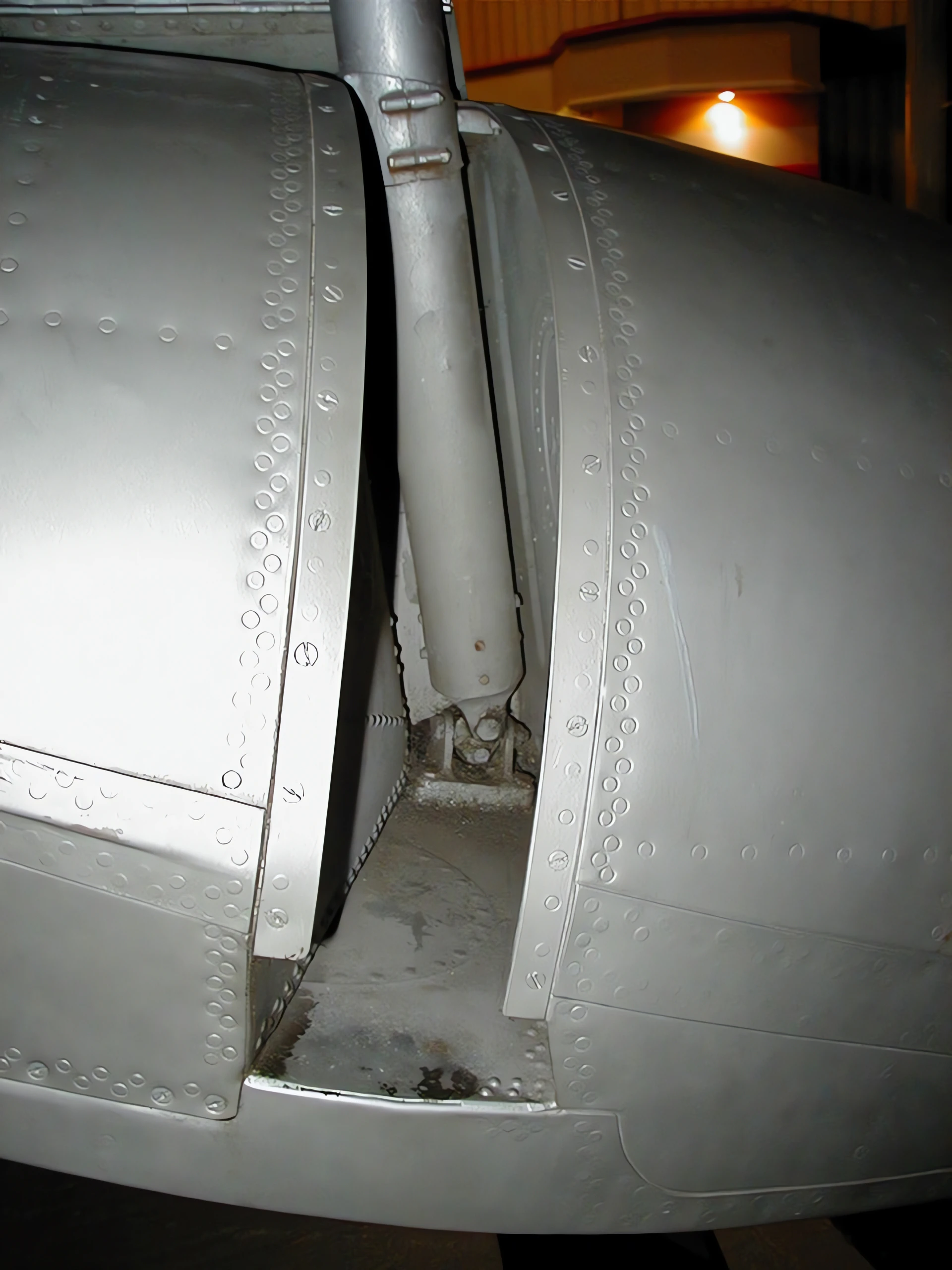
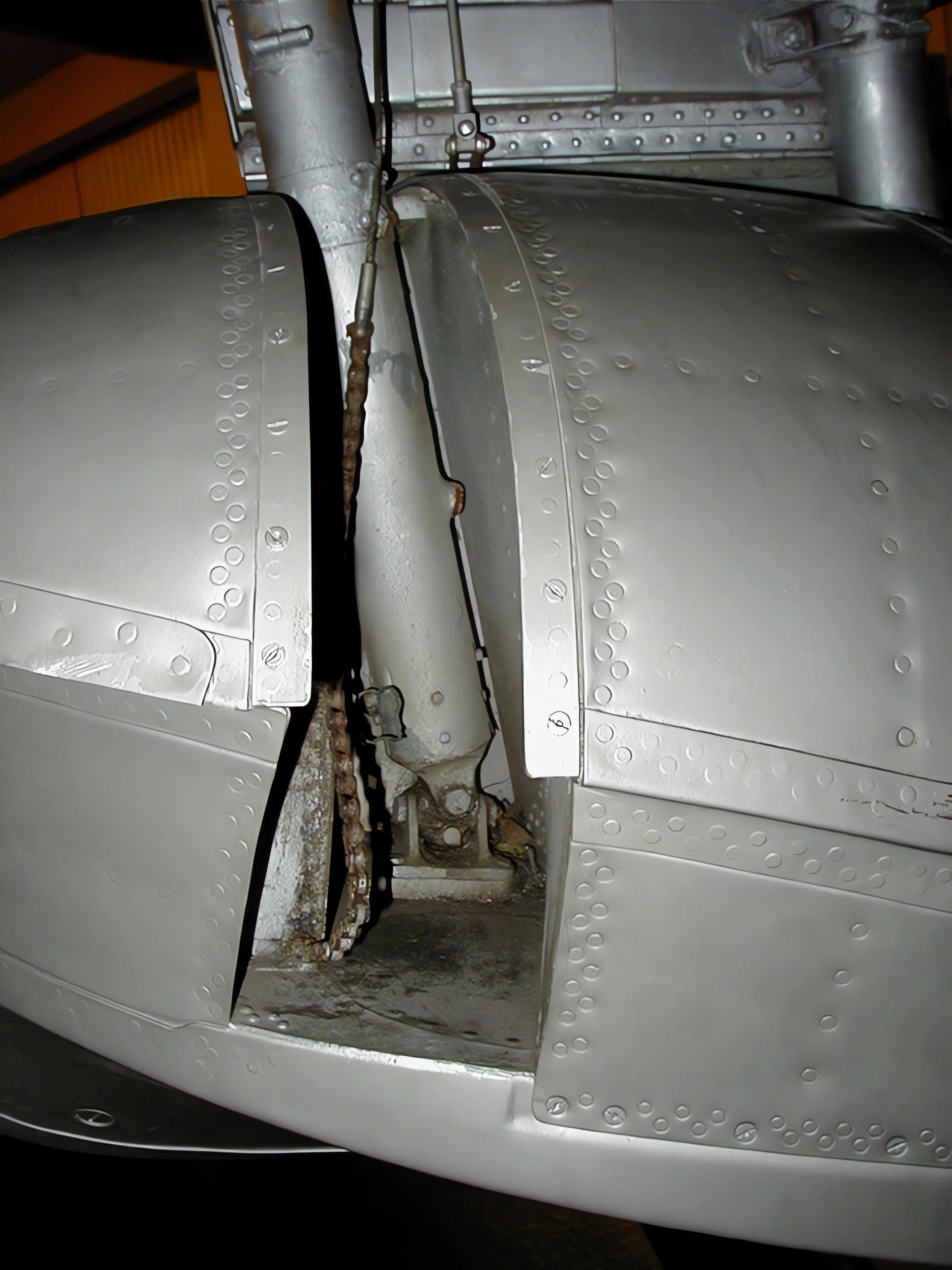
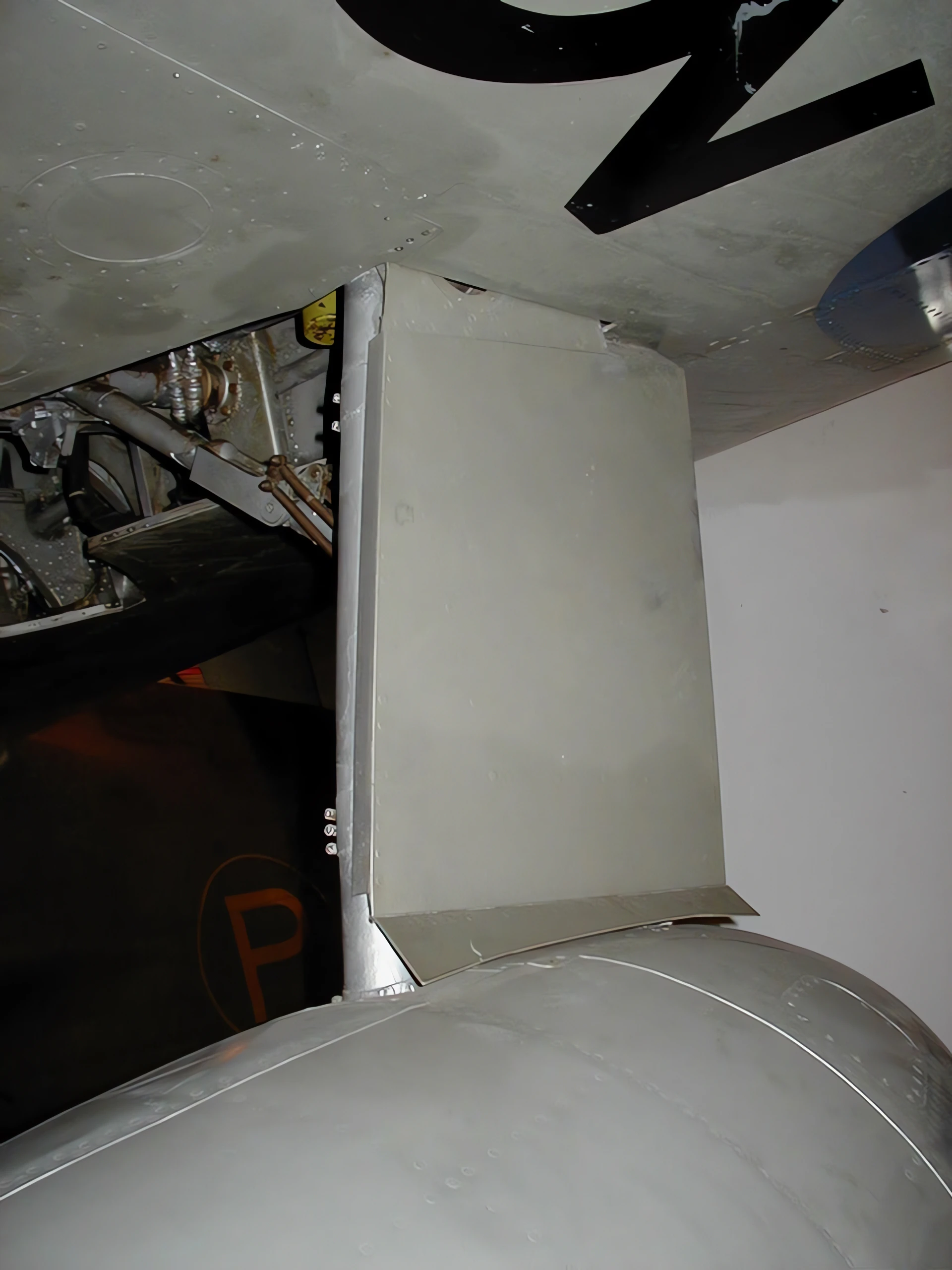
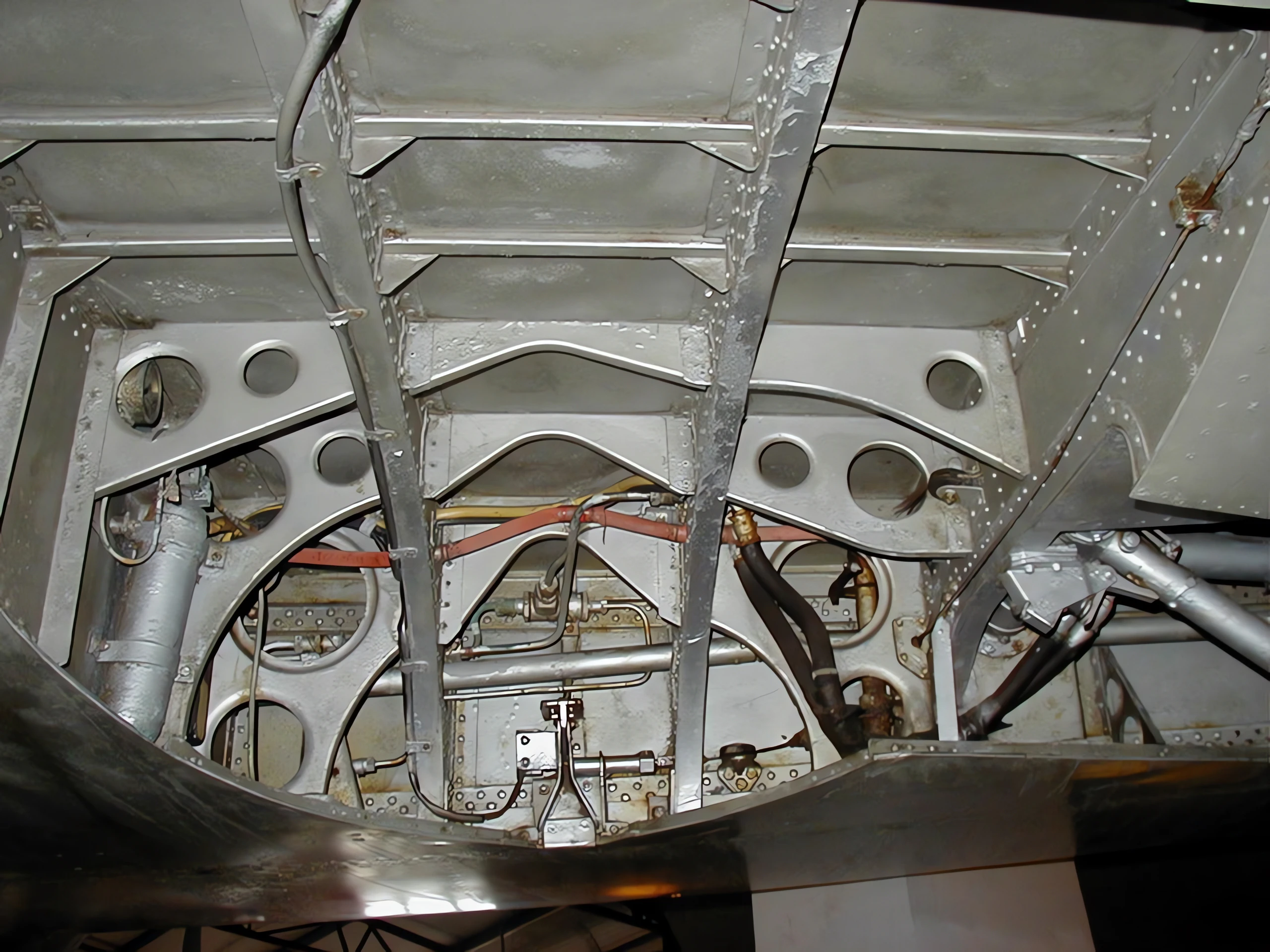
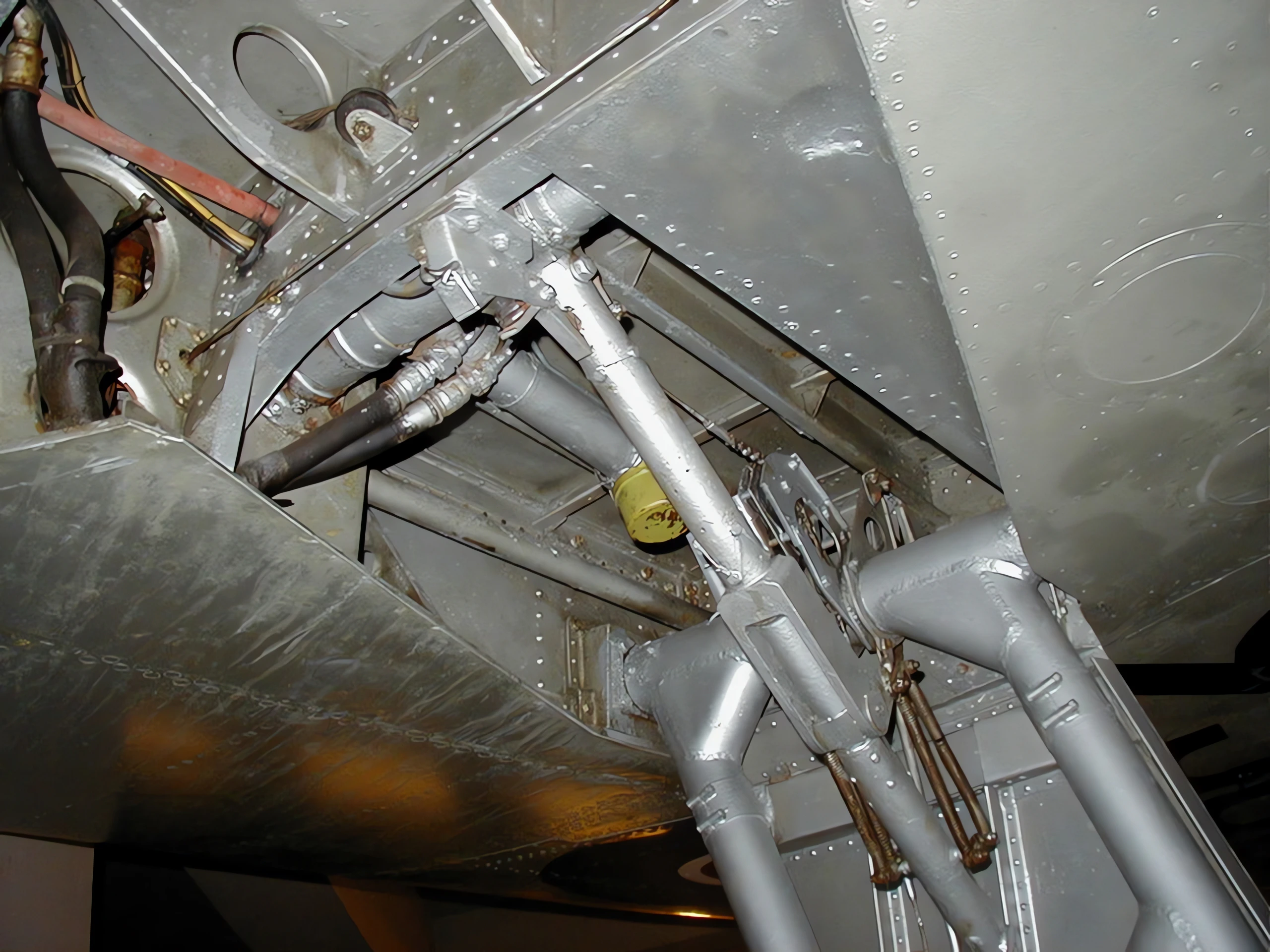
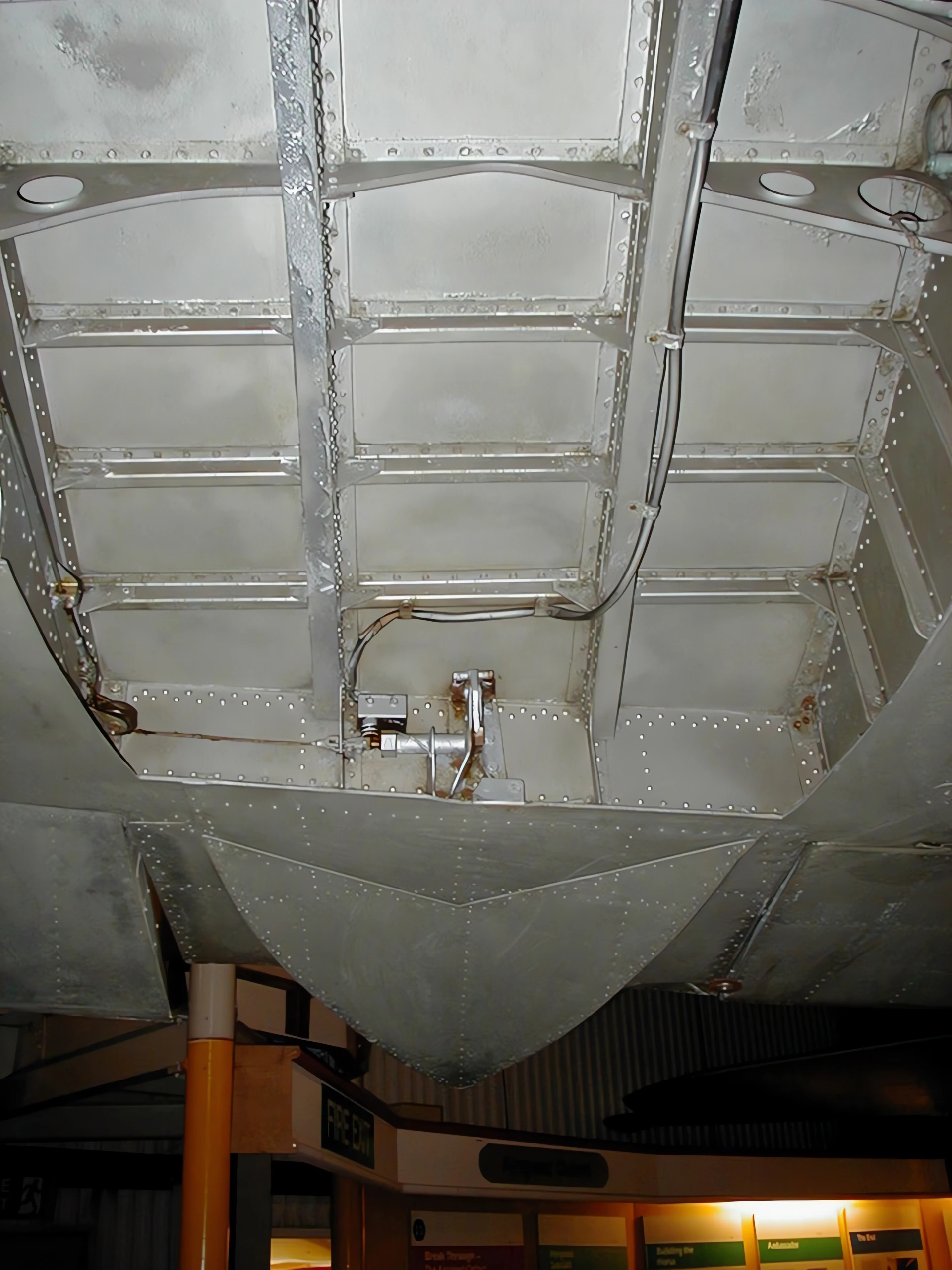


참고 항목:


General Characteristics
The Saunders-Roe SR.A-1 was a unique British prototype for a jet-powered flying boat fighter, developed under Specification E.6/44 during World War II. The concept was inspired by the successful use of seaplane fighters by the Imperial Japanese Navy in the Pacific. The SR.A-1 was the first jet-propelled water-based aircraft in the world and was intended to provide air cover in vast ocean areas without relying on fixed airfields. However, the end of the war and the rapid development of land- and carrier-based jets led to the cancellation of the project after only three prototypes were built.
| Property | Typical Value (SR.A-1 Prototype) |
|---|---|
| 역할 | Experimental Flying Boat Fighter |
| 제조업체 | Saunders-Roe Ltd. |
| First Flight | July 16, 1947 |
| No. Built | 3 (Prototypes) |
| 승무원 | 1 (Pilot) |
| 길이 | 15.24 m (50 ft 0 in) |
| 윙스 팬 | 14.02 m (46 ft 0 in) |
| Empty Weight | 5,108 kg (11,262 lb) |
| Loaded Weight | 7,373 kg (16,255 lb) |
Powerplant and Mobility
- Engine: Two Metropolitan-Vickers F.2/4 Beryl MVB.2 turbojets.
- Thrust (each): Up to 17.1 kN (3,850 lbf) in the final prototype.
- Engine Placement: The engines were mounted internally within the hull, with a common air intake in the nose and exhausts directed just aft of the wing root.
- Configuration: Features a typical flying boat hull with high-mounted wings and retractable stabilizing floats.
- Service Life: Despite its unique design and good handling characteristics, the project was retired in 1951 as its performance could not keep pace with contemporary land-based jets.
Performance and Armament
- Maximum Speed: Approximately 824 km/h (512 mph).
- Service Ceiling: Up to 14,630 m (48,000 ft).
- Initial Climb Rate: Exceeded 1,219 m/min (4,000 ft/min).
- Armament (Planned/Not fully installed): Four nose-mounted **20 mm Hispano Mk 5 cannons** (190 rounds per gun).
- External Ordnance (Planned): Provision for external stores, including two 1,000 lb (454 kg) bombs or sixteen 120 lb (54 kg) unguided rockets under the wings.
- Endurance: Approximately 2.4 hours.
조회수:1319