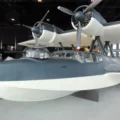
Short Sunderland | |
|---|---|
| 国 | 英国 |
| 役割 | 軍用飛行艇爆撃機 |
| 初飛行 | 1937年10月16日 |
| 構築 | 749 |
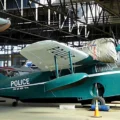
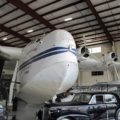
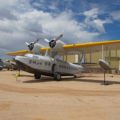
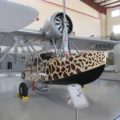
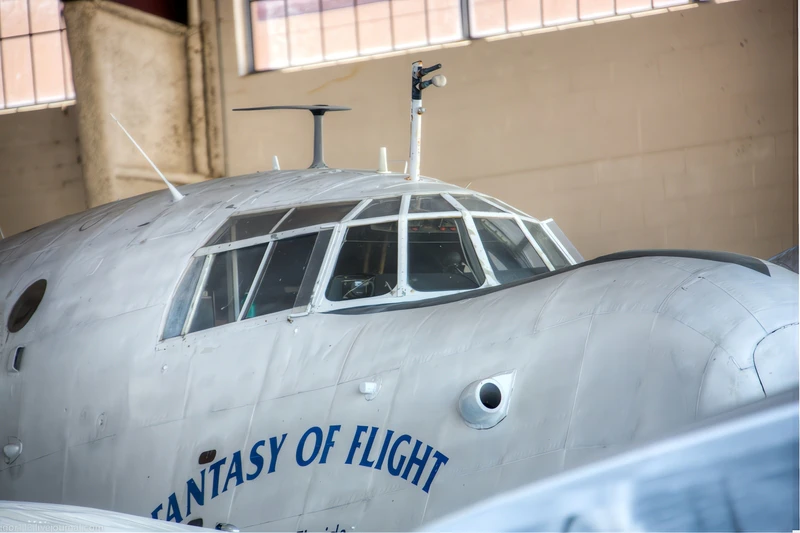
ザ ショート S.25 サンダーランド was a British flying boat patrol bomber, developed and constructed by Short Brothers for the Royal Air Force (RAF). The aircraft took its service name from the town (latterly, city) and port of Sunderland in North East England. Developed in parallel with the civilian S.23 Empire flying boat, the flagship of Imperial Airways, the Sunderland was developed specifically to conform to the requirements of British Air Ministry Specification R.2/33 for a long-range patrol/reconnaissance flying boat to serve with the Royal Air Force (RAF). As designed, it served as a successor to the earlier Short Sarafand flying boat. Sharing several similarities with the S.23, it featured a more advanced aerodynamic hull and was outfitted with various offensive and defensive armaments, including machine gun turrets, bombs, aerial mines, and depth charges. The Sunderland was powered by four Bristol Pegasus XVIII radial engines and was outfitted with various detection equipment to aid combat operations, including the Leigh searchlight, the ASV Mark II and ASV Mark III radar units, and an astrodome.
ソース: ウィキペディアの短いサンダーランド
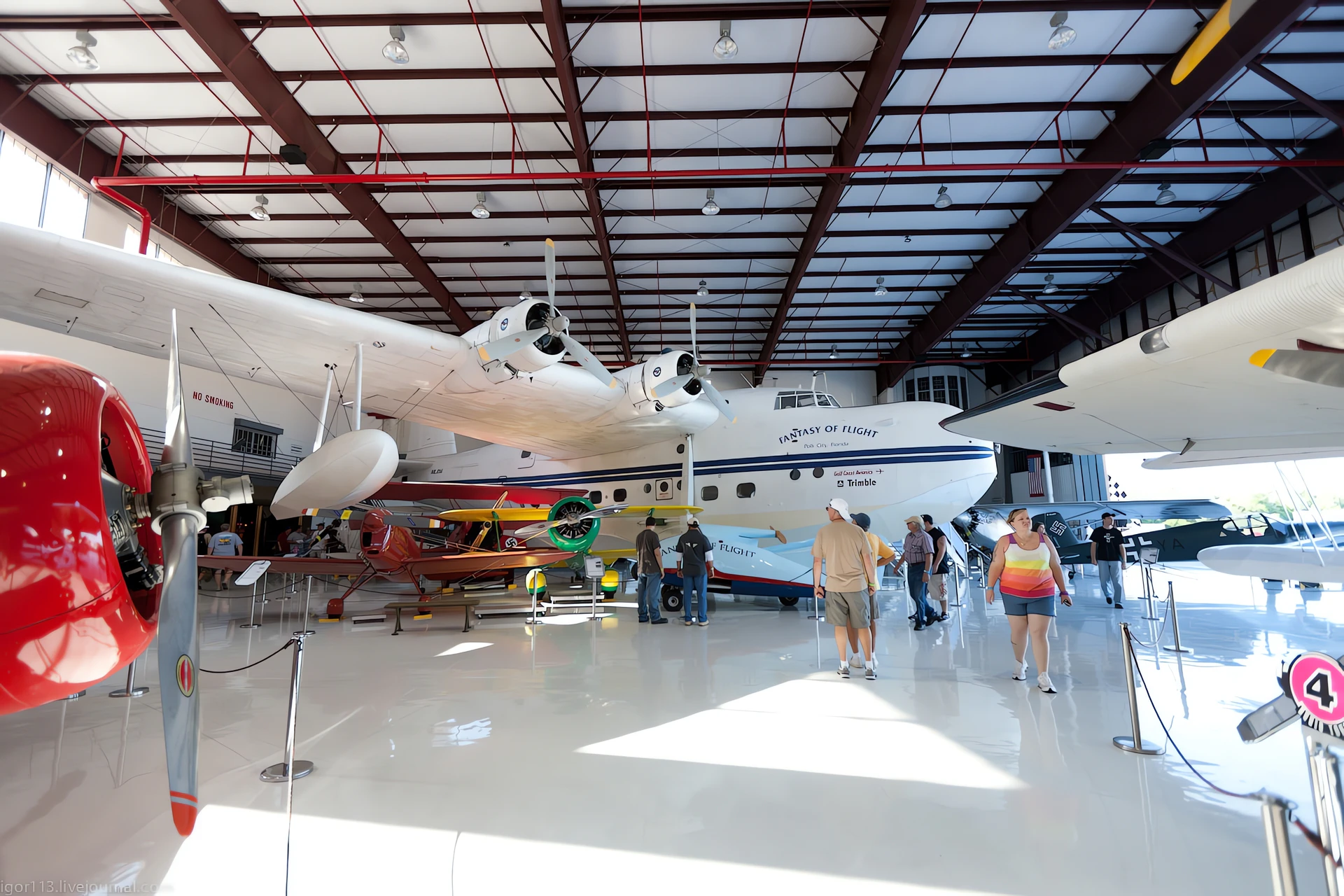
| ショート サンダーランド ML814 ウォーク アラウンド | |
|---|---|
| カメラマン | イゴール・コロコロフ |
| ローカライズ | 知りません |
| 写真 | 64 |
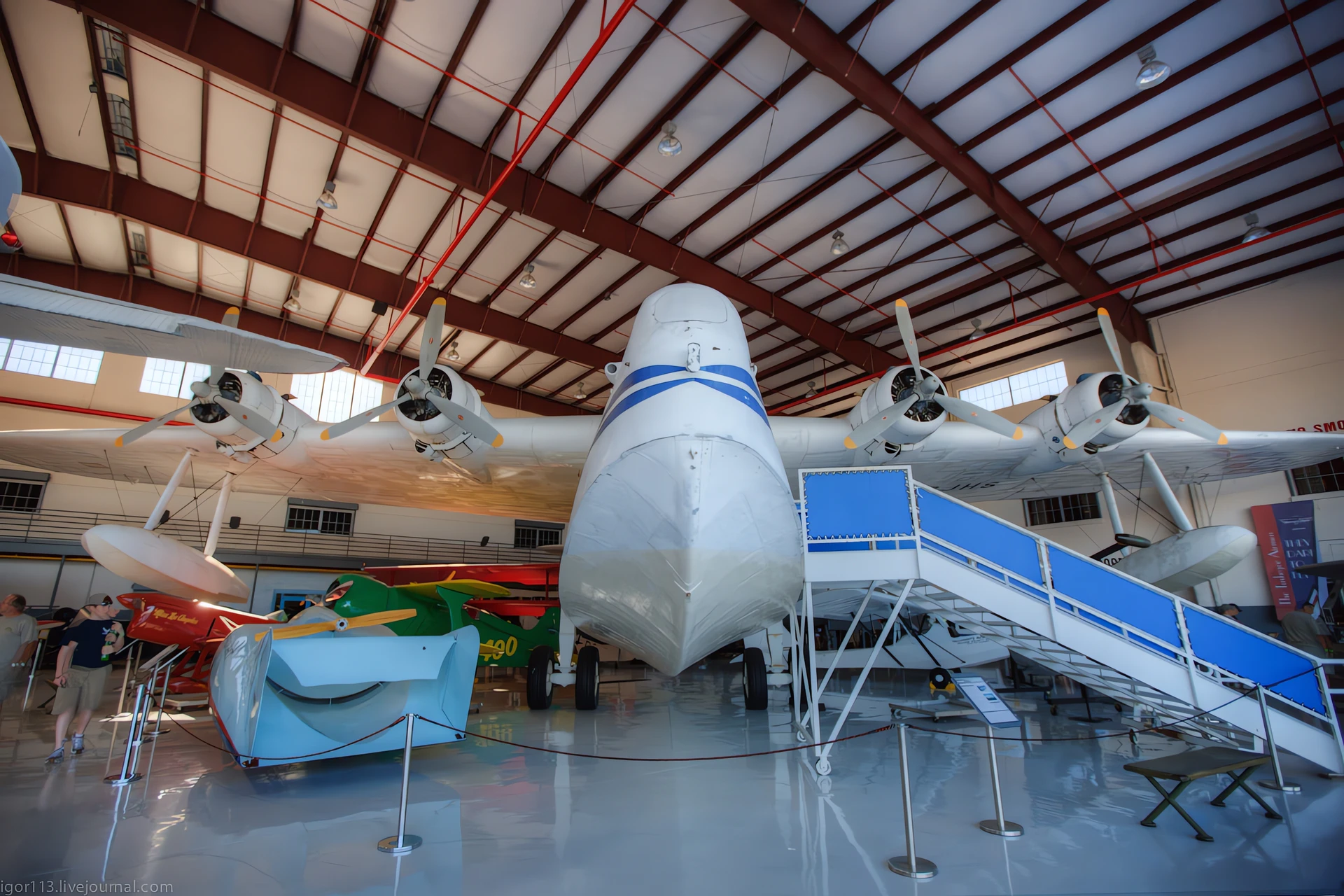
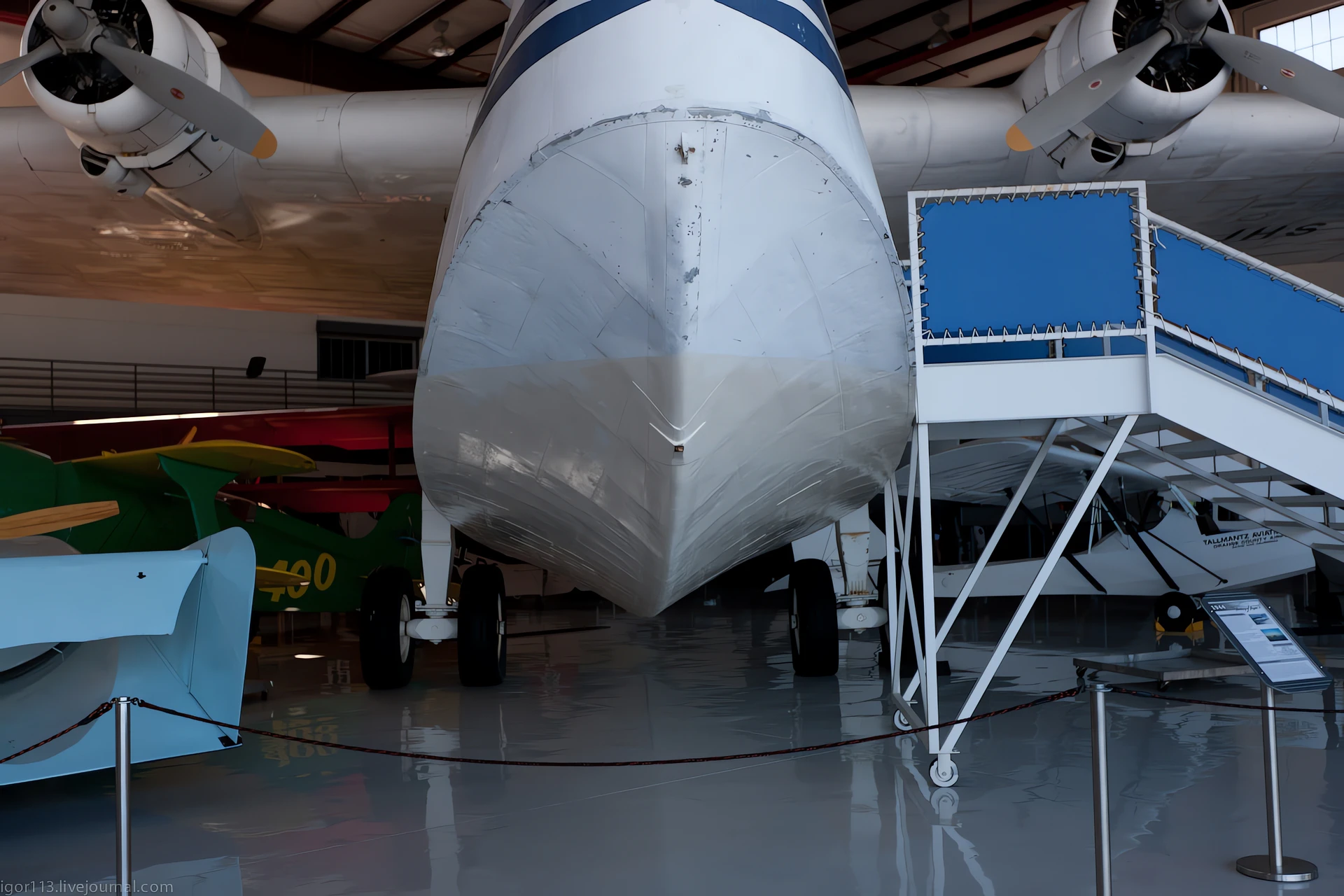
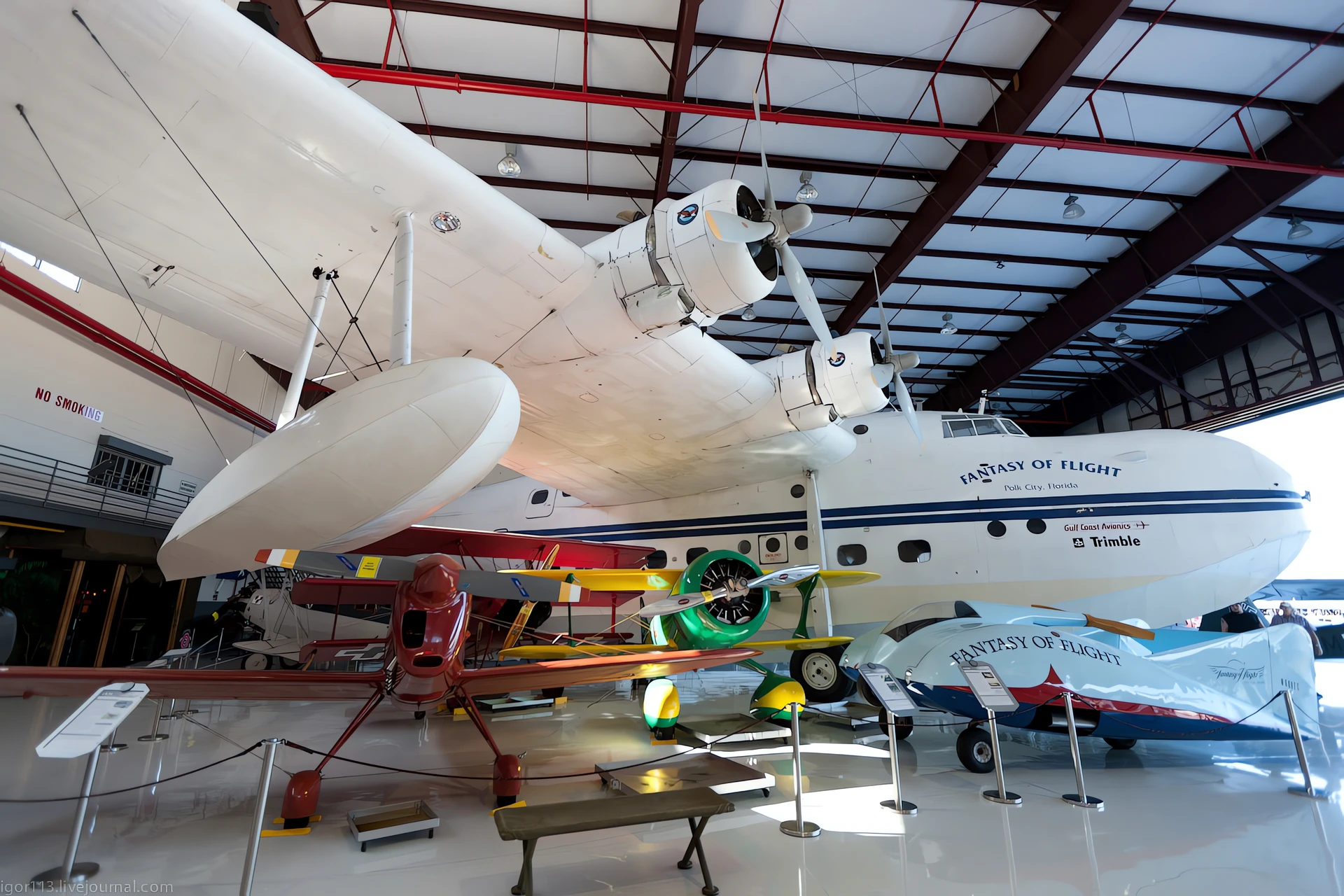
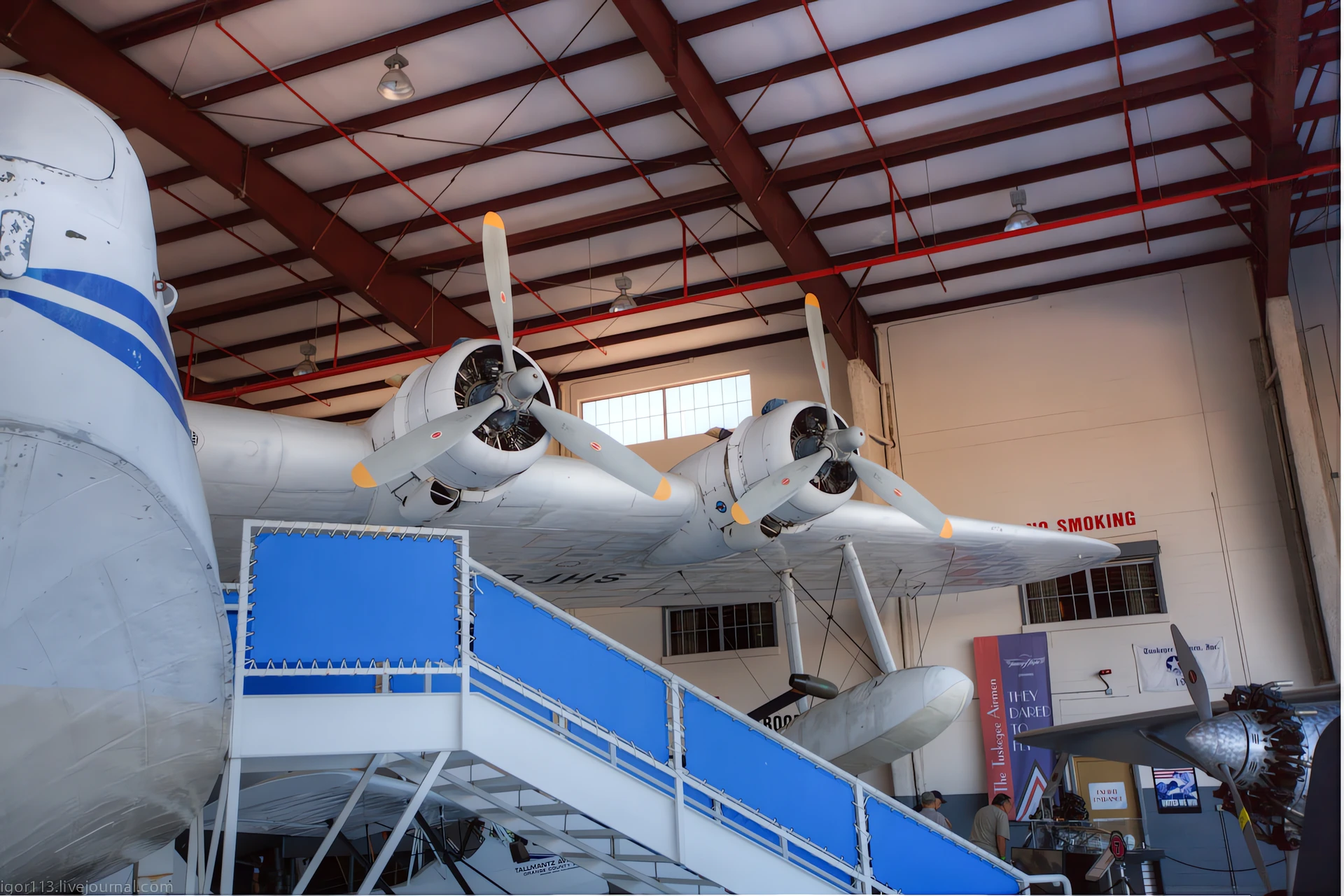
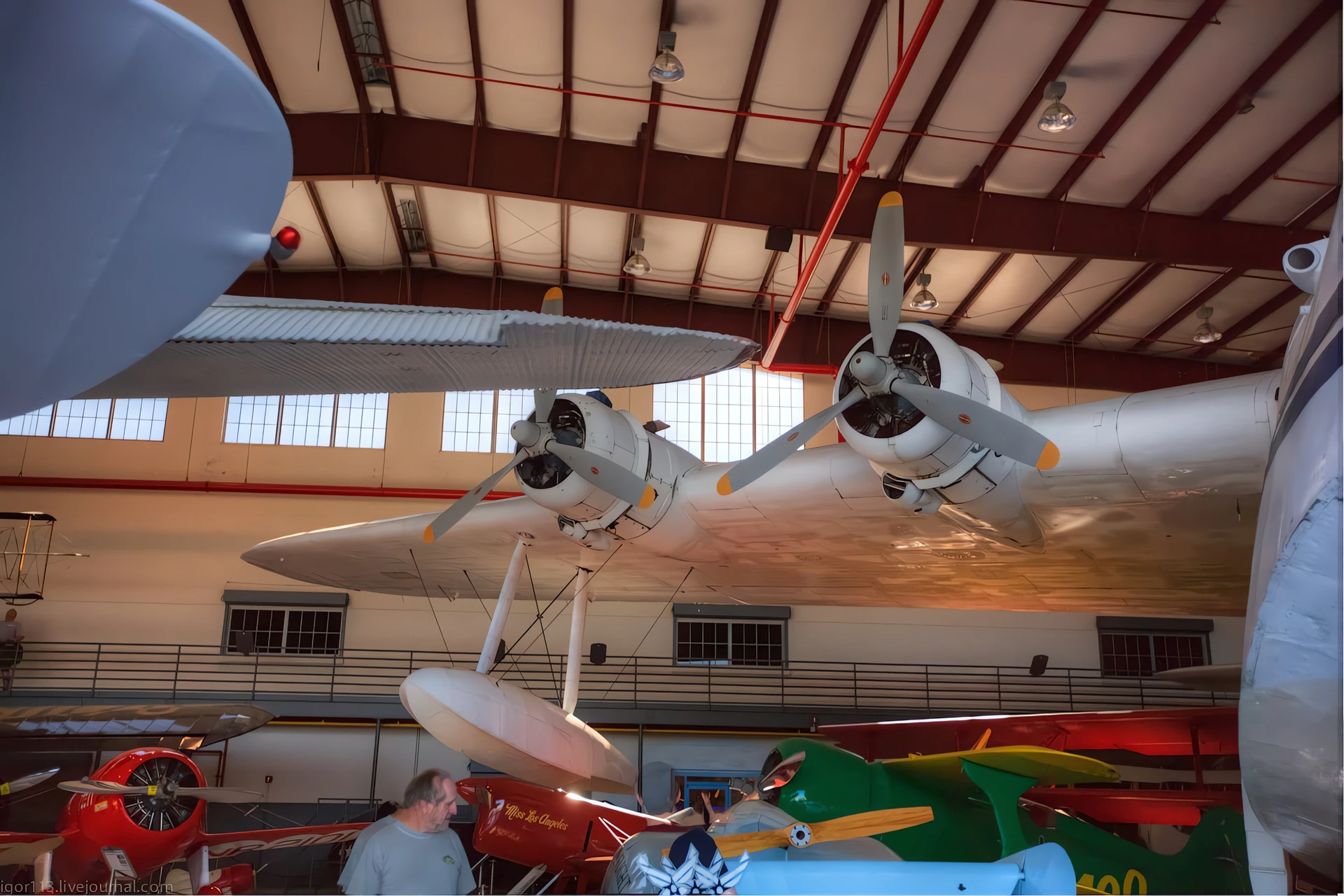
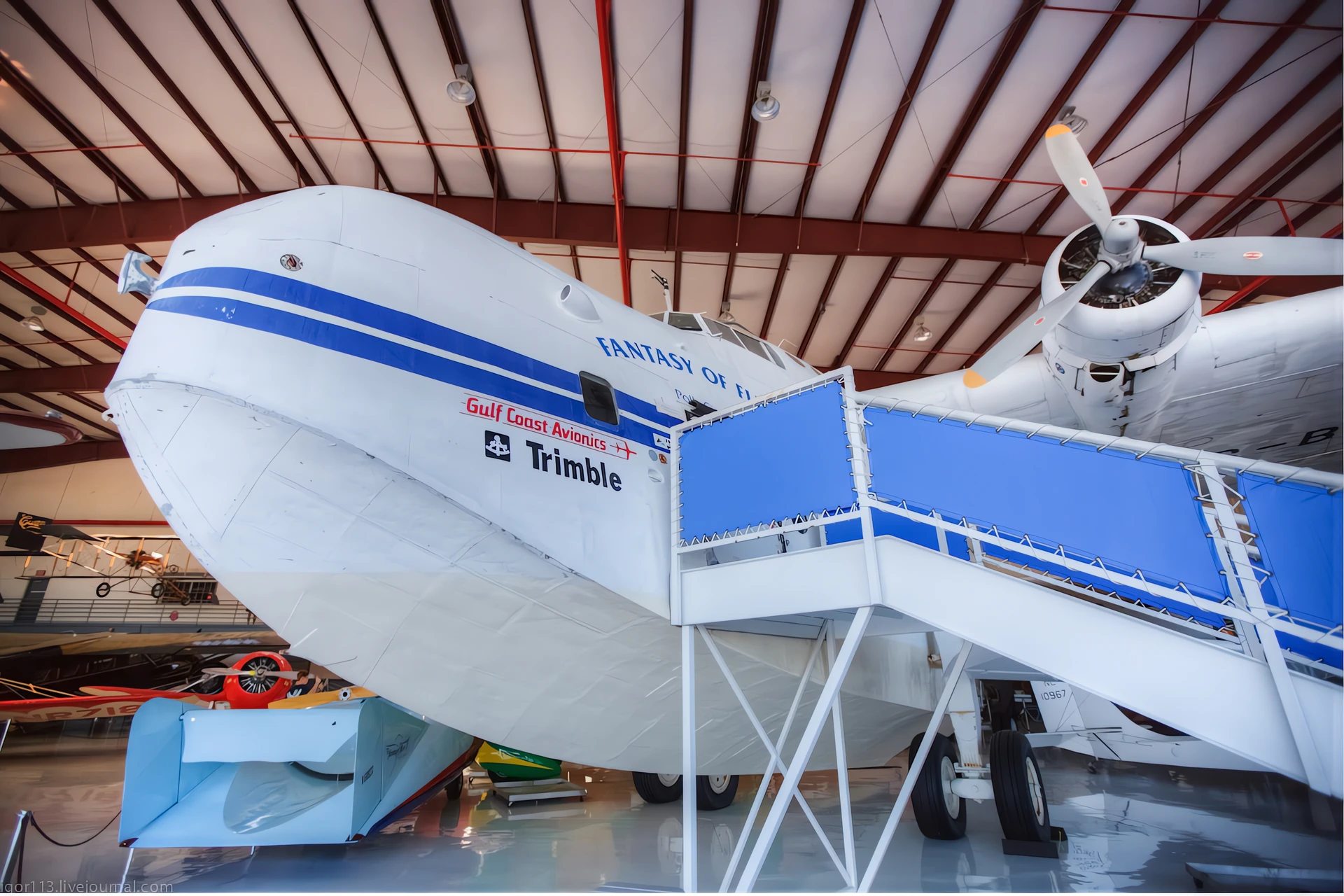
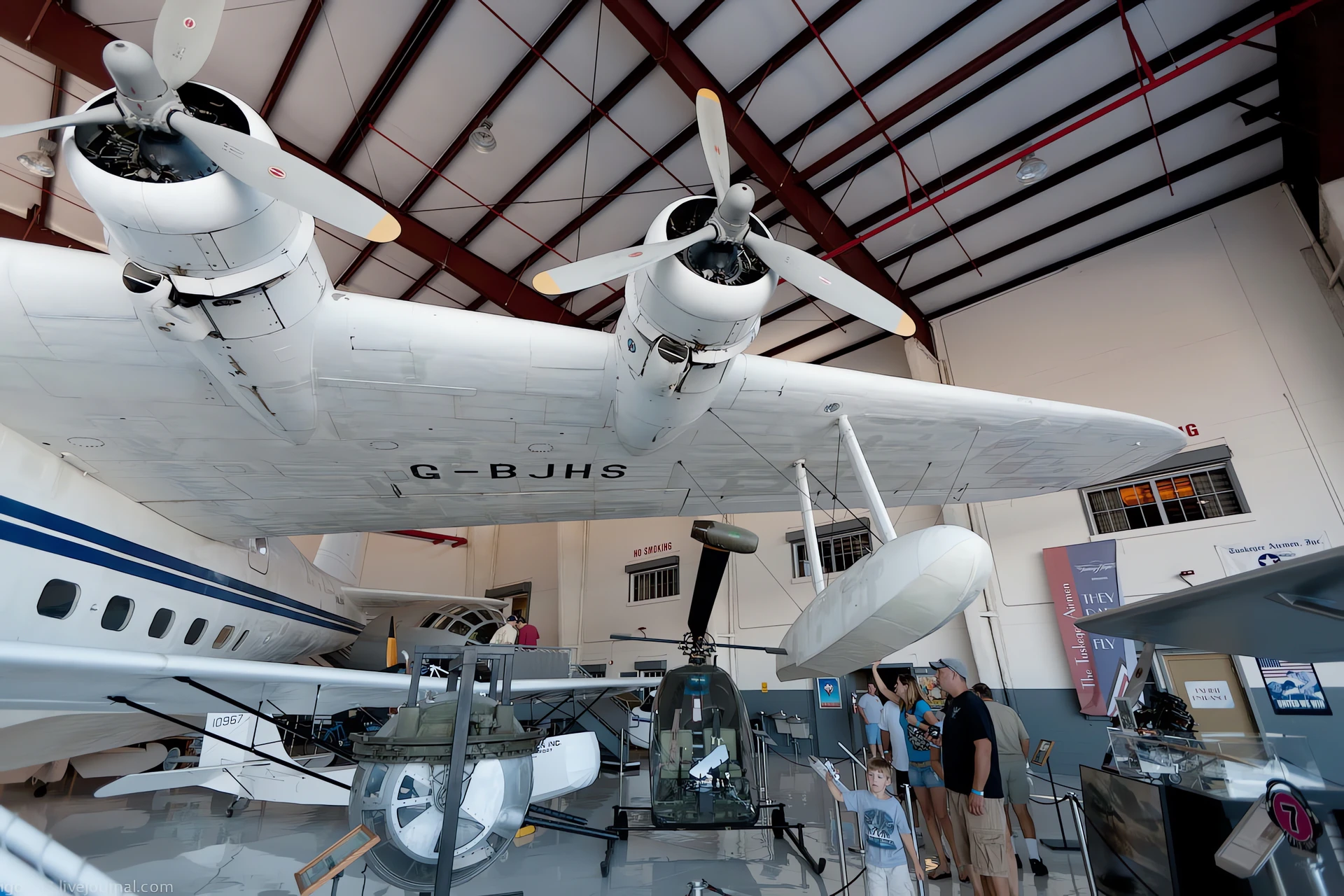
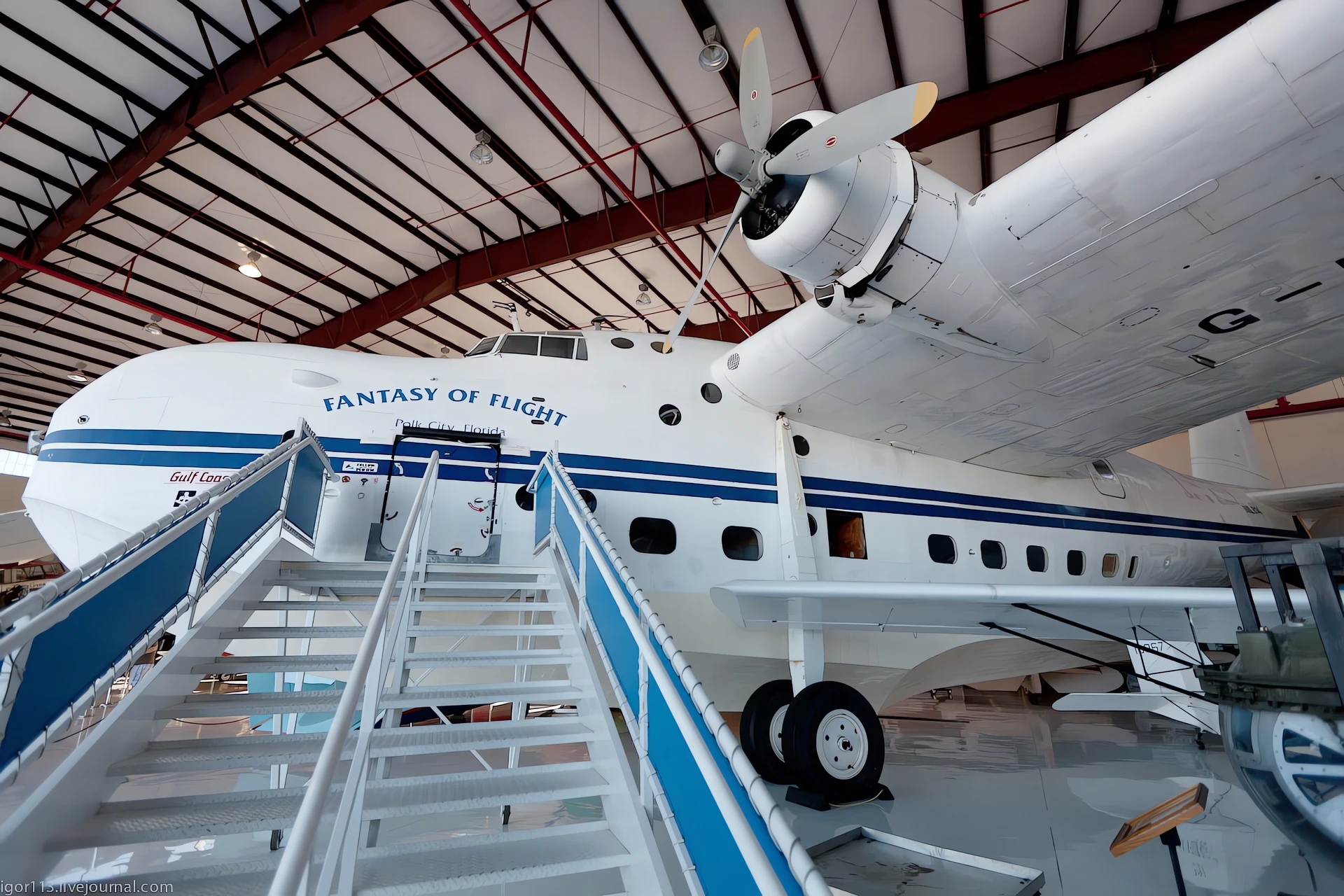


| ショートサンダーランドMR5ウォークアラウンド | |
|---|---|
| カメラマン | オンドレイ・スカルカ |
| ローカライズ | 知りません |
| 写真 | 43 |
関連項目:


General Characteristics (Short S.25 Sunderland Mk V)
The Short Sunderland was a British long-range patrol and reconnaissance flying boat, famously nicknamed the “Flying Porcupine” (German: Fliegendes Stachelschwein) due to its heavy defensive armament. ML814 is a historically significant aircraft, being the last four-engine passenger flying boat to cross a major ocean and the last airworthy Sunderland.
| Property | Value (Sunderland Mk V Variant) |
|---|---|
| 役割 | Maritime Patrol, Anti-Submarine Warfare (ASW) |
| メーカー | Short Brothers Ltd |
| 乗組員 | 9 to 11 (Pilot, Co-pilot, Navigator, Engineer, Gunners, etc.) |
| Configuration | High-wing monoplane flying boat, two decks |
| 翼 | 34.4 m (112 ft 9.5 in) |
| Maximum Take-Off Weight | Approx. 27,215 kg (60,000 lb) |
Powerplant and Design
- Engine: Four Pratt & Whitney R-1830-90B Twin Wasp 14-cylinder radial engines. (The Mk V switched from the Bristol Pegasus engines to US-built engines for better performance and reliability.)
- Power Output: 895 kW (1,200 hp) each.
- Cruising Speed: Approximately 285 km/h (178 mph).
- Maximum Range: Up to 4,600 km (2,860 miles).
- Key Role: Central to the Battle of the Atlantic, credited with sinking or severely damaging 26 German U-boats.
Armament and ML814 History
- Typical Armament (Mk V): Numerous machine guns in nose, dorsal, and tail turrets (up to 12 x .303 in machine guns, with some fixed .50 cal guns later).
- Offensive Load: Carried up to 2,250 kg (4,960 lb) of bombs, mines, or depth charges internally.
- ML814 Wartime Service: Originally built as a Mk III, it was converted to a Mk V and served with the RAF’s Coastal Command, notably with **No. 201, 422 (RCAF), and 330 (Norwegian)** Squadrons during World War II.
- Post-War Life: ML814 was converted for civilian use, later restored to flying condition, and holds the distinction of being the **last airworthy Sunderland**. It is now preserved as a museum exhibit.
ビュー : 1341