Bell H-13 Sioux | |
|---|---|
| 国 | 米国 |
| 役割 | 光観測ヘリコプター |
| 初飛行 | 1945年12月8日 |
| 構築 | 2400+ |
ザ ベル H-13 スー ベルヘリコプターによって造られた単発の単一回転子ライトヘリコプターだった。ウエストランド航空機は、スーAH.1とHT.2として英国軍のライセンスの下でスーを製造しました。
ビュー:5380
Bell H-13 Sioux | |
|---|---|
| 国 | 米国 |
| 役割 | 光観測ヘリコプター |
| 初飛行 | 1945年12月8日 |
| 構築 | 2400+ |
ザ ベル H-13 スー ベルヘリコプターによって造られた単発の単一回転子ライトヘリコプターだった。ウエストランド航空機は、スーAH.1とHT.2として英国軍のライセンスの下でスーを製造しました。
ビュー:5380
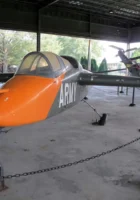
Doak VZ-4 | |
|---|---|
| 国 | 米国 |
| 役割 | VTOL研究コンバートプレーン |
| 初飛行 | 1958年2月25日 |
| 構築 | 1 |
ザ ドーク VZ-4 (またはドークモデル16)は、アメリカ陸軍でのサービスのために1950年代に建てられたアメリカのプロトタイプ垂直離着陸(VTOL)航空機でした。1つのプロトタイプだけが建造され、アメリカ陸軍は1963年に現役試験から撤退しました。
ソース: ウィキペディアのドーク VZ-4
再生 : 2315
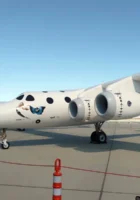
Scaled Composites Model 348 | |
|---|---|
| 国 | 米国 |
| 役割 | フライングスペースプレーンキャリア |
| 初飛行 | 2008年12月21日 |
| 構築 | 1 |
ザ スケール複合材料モデル 348 White Knight Two (WK2) is a quadjet cargo aircraft that is used to lift the SpaceShipTwo spacecraft to release altitude. It was developed by Scaled Composites from 2007 to 2010 as the first stage of Tier 1b, a two-stage to suborbital-space manned launch system. WK2 is based on the successful mothership to SpaceShipOne, White Knight, which itself is based on Proteus. With an “open architecture” design and explicit plans for multi-purpose use, the aircraft could also operate as a zero-g aircraft for passenger training or microgravity science flights, handle missions in high-altitude testing more generally, or be used to launch payloads other than SpaceShipTwo. A study of use of the aircraft as a forest fire water bomber has also been mentioned, one that would utilize a large carbon composite water tank that could be quickly replenished to make repeat runs over fires.
ビュー: 1324
Northrop X-4 Bantam | |
|---|---|
| 国 | 米国 |
| 役割 | テールレス航空機プロトタイプ |
| 初飛行 | 1948年12月15日 |
| 構築 | 2 |
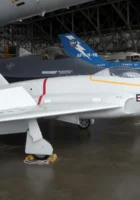
ザ ノースロップ X-4 バンタム ●1948年にノースロップ社製の小型ツインジェット機の試作機でした。ナチスドイツのドイツ空軍の同様の形式のロケット動力メッサーシュミットMe 163の方法で、ピッチとロールの態度を制御するためのエレベーターとエルロン制御面(エレボンと呼ばれる)を組み合わせたものに応じて、水平尾翼面はありませんでした。一部の空力主義者は、水平尾部を排除することは、翼と水平安定剤からの超音速衝撃波の相互作用に起因する高速速度(ショックストールと呼ばれる)での安定性の問題も解消すると提案していた。このアイデアにはメリットがありましたが、当時の飛行制御システムはX-4の成功を妨げました。
ビュー : 2012
Bristol Freighter | |
|---|---|
| 国 | 英国 |
| 役割 | 貨物機 |
| 初飛行 | 1945年12月2日 |
| 構築 | 214 |
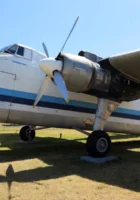
ザ ブリストルタイプ170貨物機 was a British twin-engine aircraft designed and built by the Bristol Aeroplane Company as both a freighter and airliner. Its best known use was as an air ferry to carry cars and their passengers over relatively short distances. A passenger-only version was also produced, known as the Wayfarer. The Freighter was developed during the Second World War, having attracted official attention from the British Air Ministry, which sought the development of a rugged vehicle capable of carrying various cargoes, including a 3-ton truck. Various changes to the design were made to accommodate their requirements, but being completed too late to participate in the conflict, the majority of sales of the Freighter were to commercial operators. In response to customer demand, an enlarged version to maximise vehicle-carrying capacity, known as the Bristol Superfreighter, was developed.
ソース: ウィキペディアのブリストル貨物船
ビュー : 2636
Lockheed Electra 12 | |
|---|---|
| 国 | 米国 |
| 役割 | 民間および軍事用ユーティリティ機 |
| 初飛行 | 1936年6月27日 |
| 構築 | 130 |
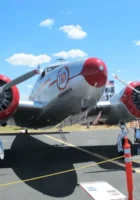
ザ ロッキード・モデル12 エレクトラ ロッキード12またはL-12としてより一般的に知られているジュニアは、小さな航空会社、企業、裕福な個人が使用するために設計された1930年代後半の8人乗りの6人乗りの全金属製双発輸送機です。ロッキードモデル10エレクトラのスケールダウンバージョン、ロッキード12は旅客機として人気はありませんでしたが、企業や政府の輸送として広く使用されていました。いくつかはまた、新しい航空技術をテストするために使用されました。
再生 : 2400
Bell X-5 | |
|---|---|
| 国 | 米国 |
| 役割 | 研究機 |
| 初飛行 | 1951年6月20日 |
| 構築 | 2 |
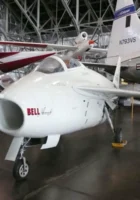
ザ ベルX-5 飛行中に翼の掃引を変更することができる最初の航空機でした。これは、ドイツのメッサーシュミット社のテストされていない戦時中のP.1101デザインに触発されました。地上での翼のスイープバック角度しか調整できなかったドイツのデザインとは対照的に、ベルのエンジニアは飛行中のスイープを調整するために電気モーターのシステムを考案しました。
ソース: ウィキペディアのベル X-5
ビュー : 1448
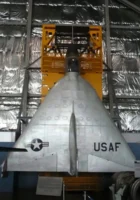
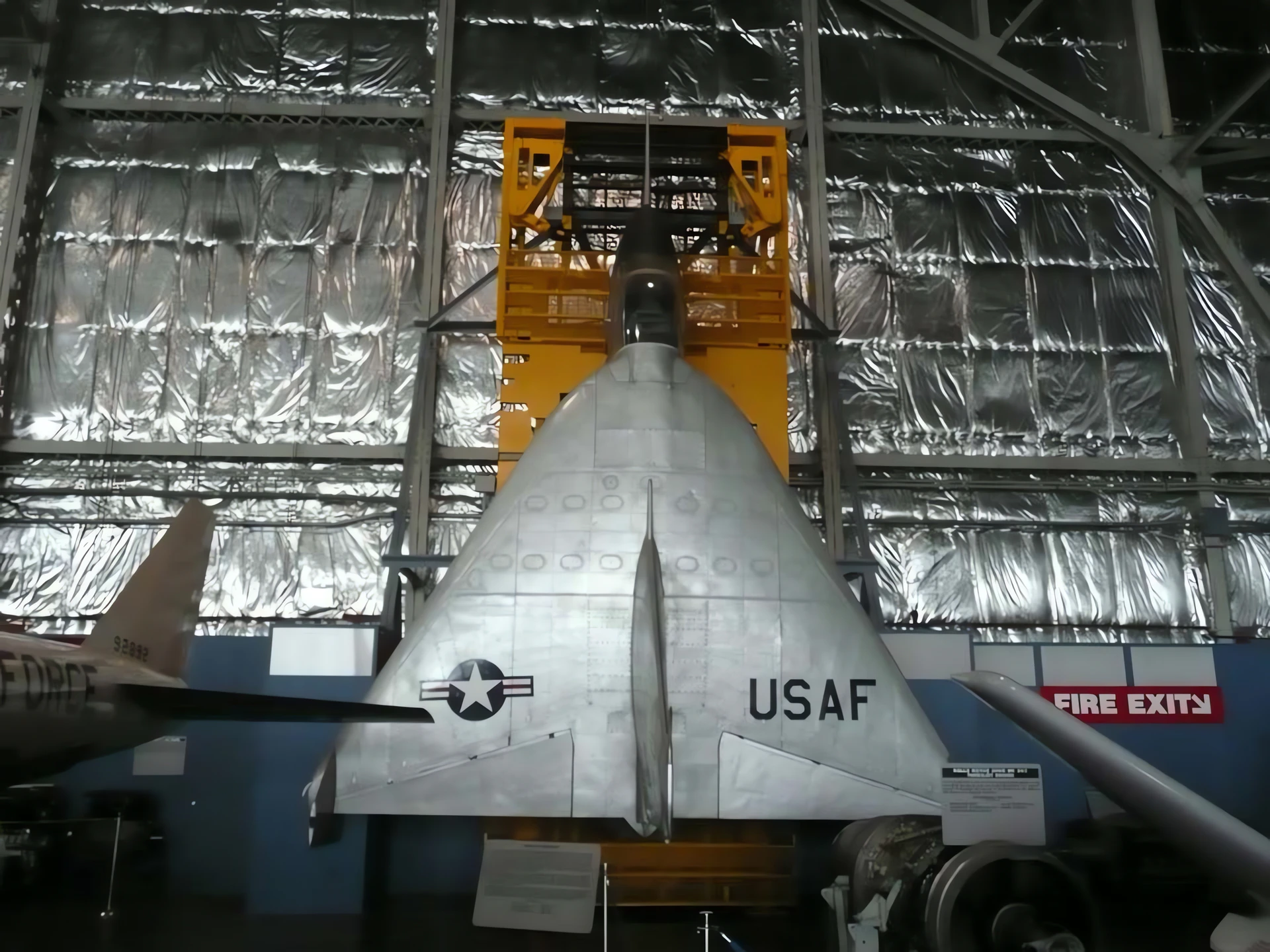
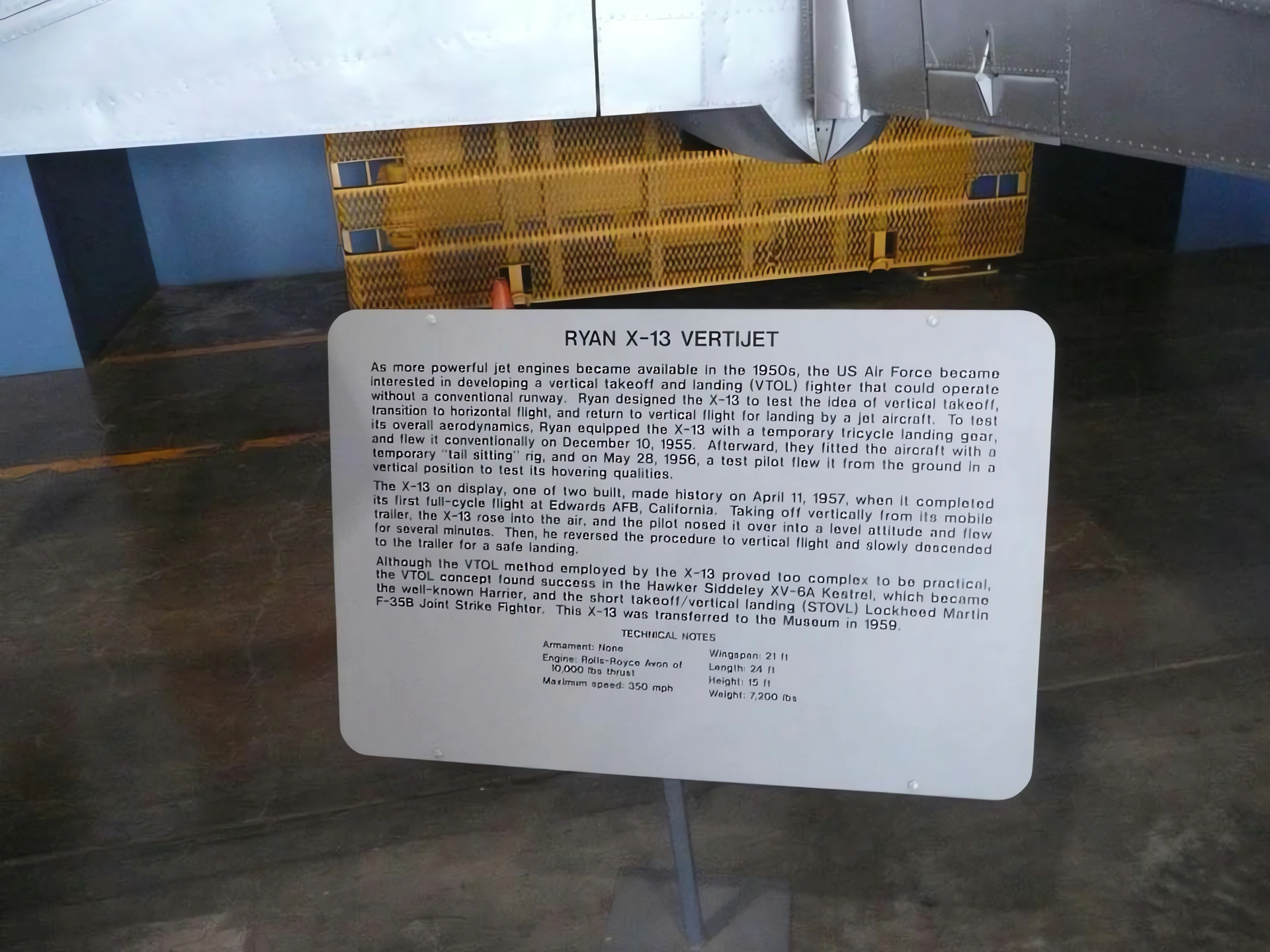
Ryan X-13 Vertijet | |
|---|---|
| 国 | 米国 |
| 役割 | VTOLの実験ジェット機 |
| 初飛行 | 1955年12月10日 |
| 構築 | 2 |
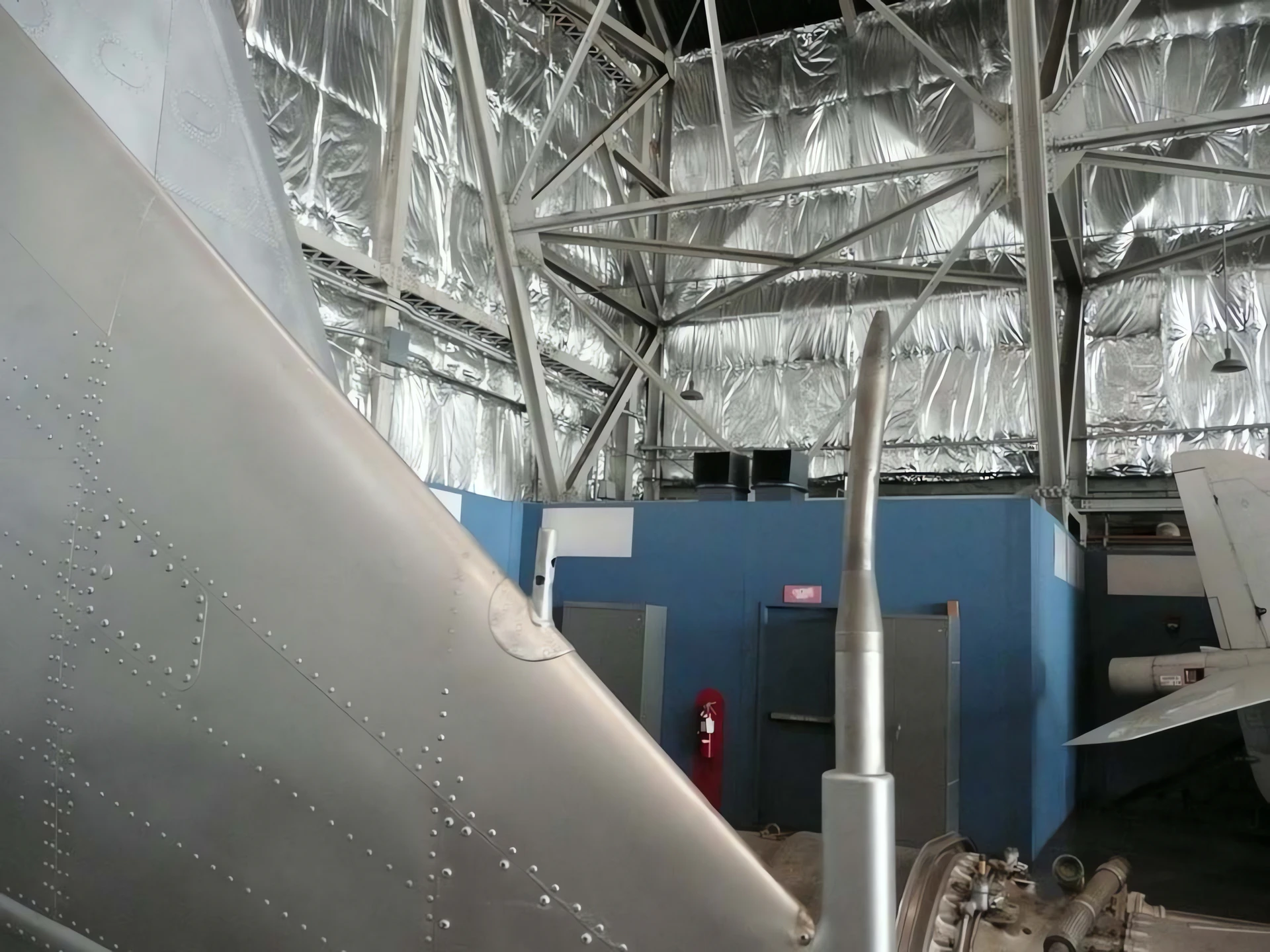
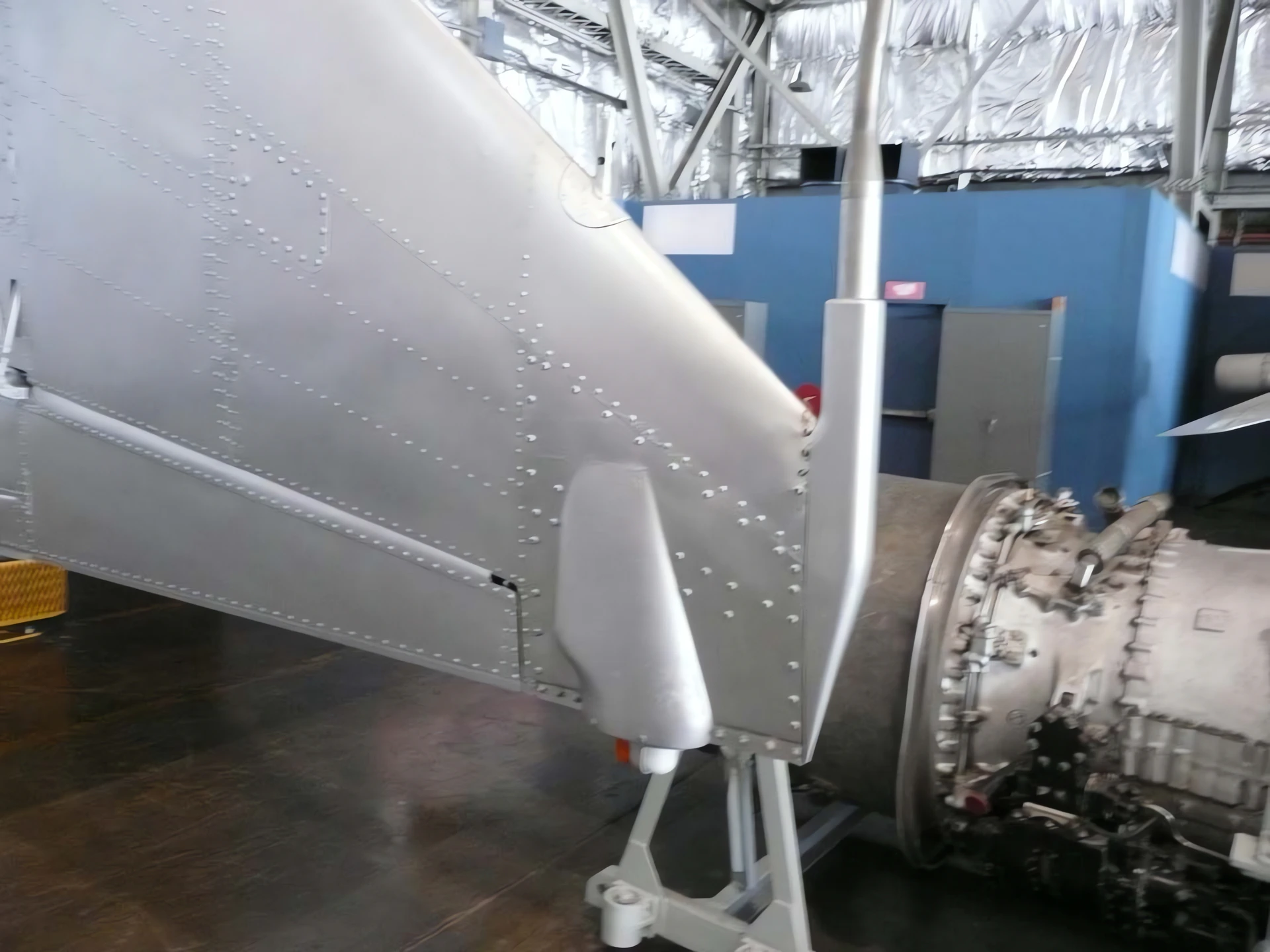
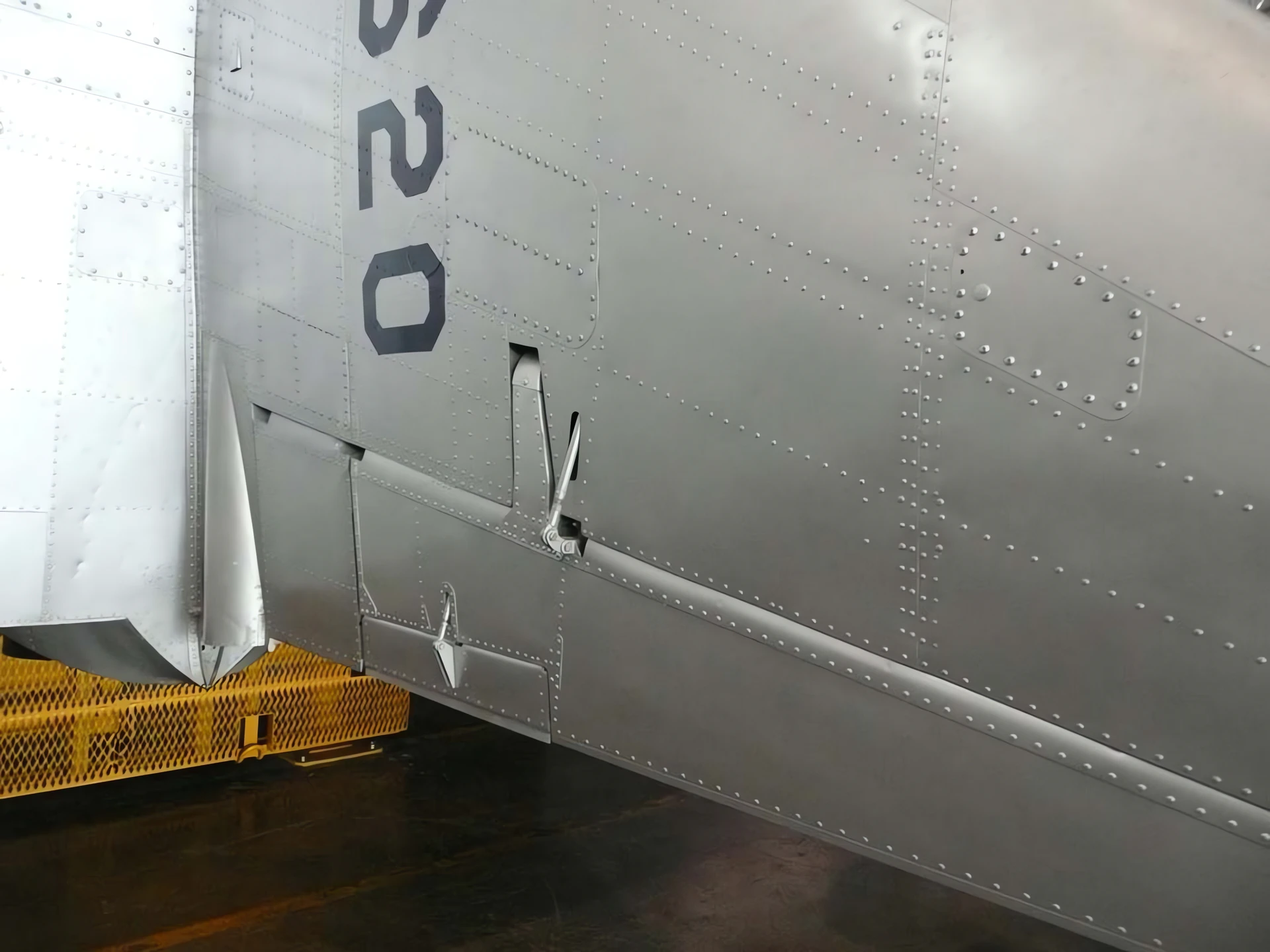
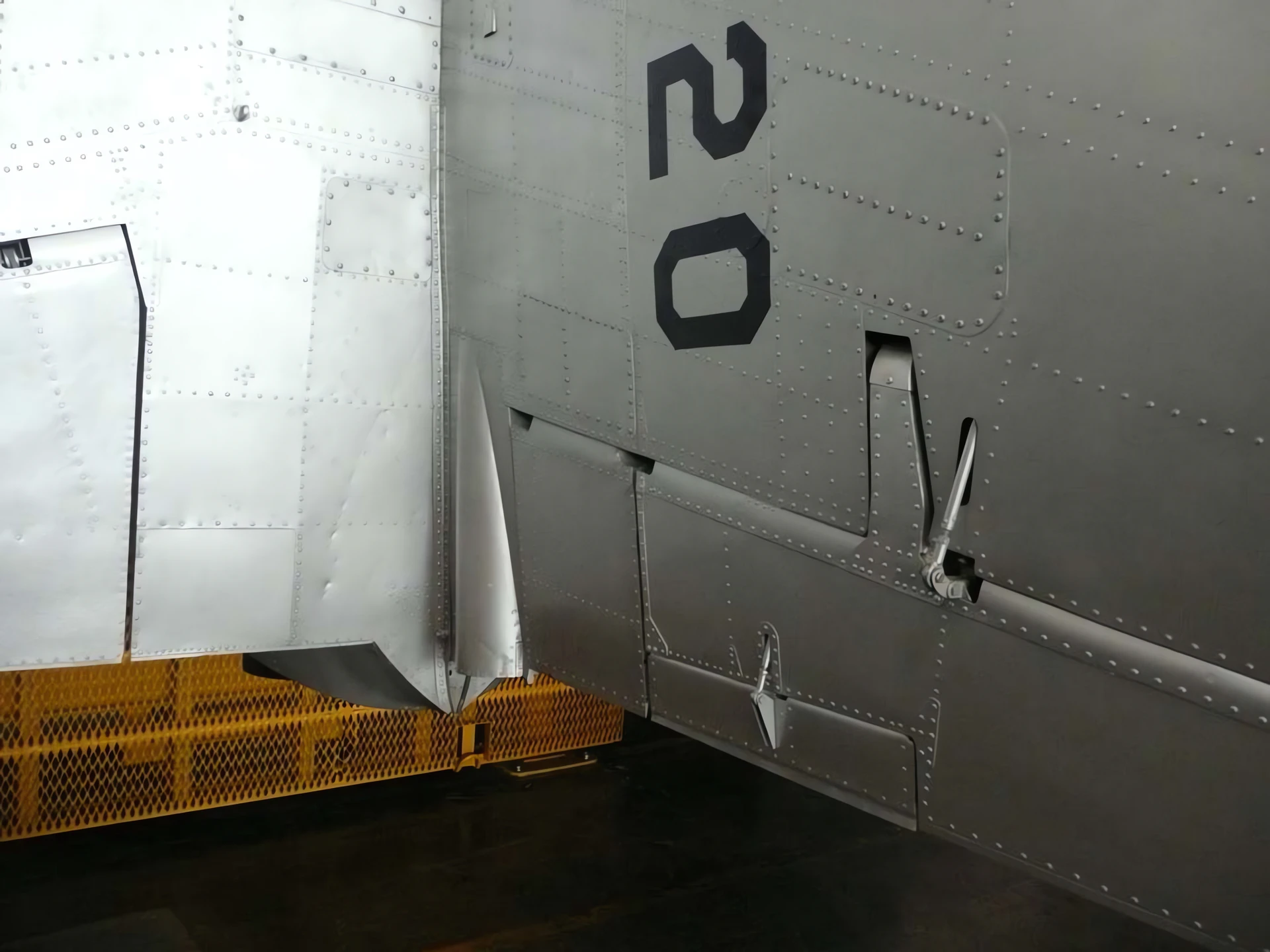
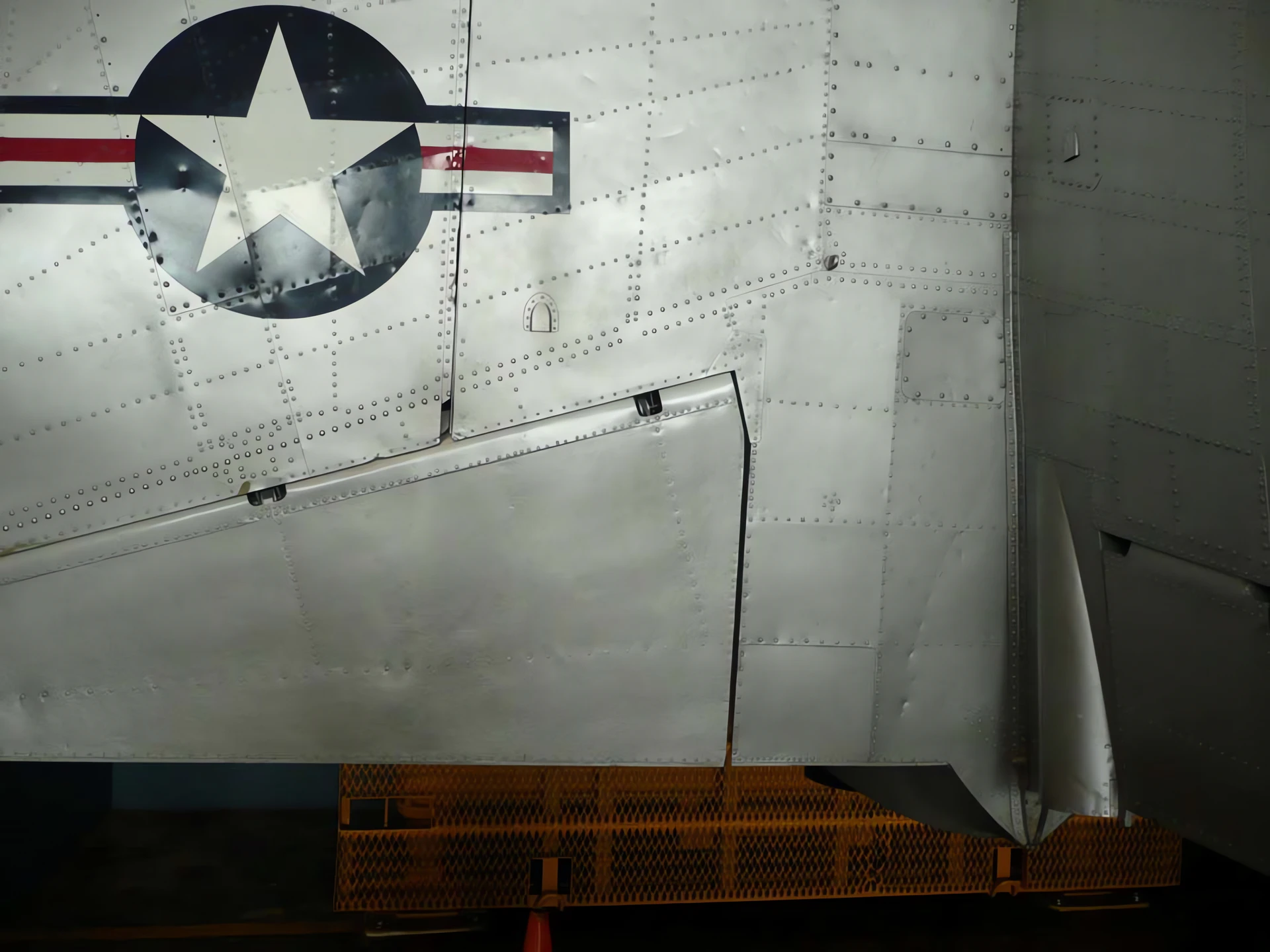
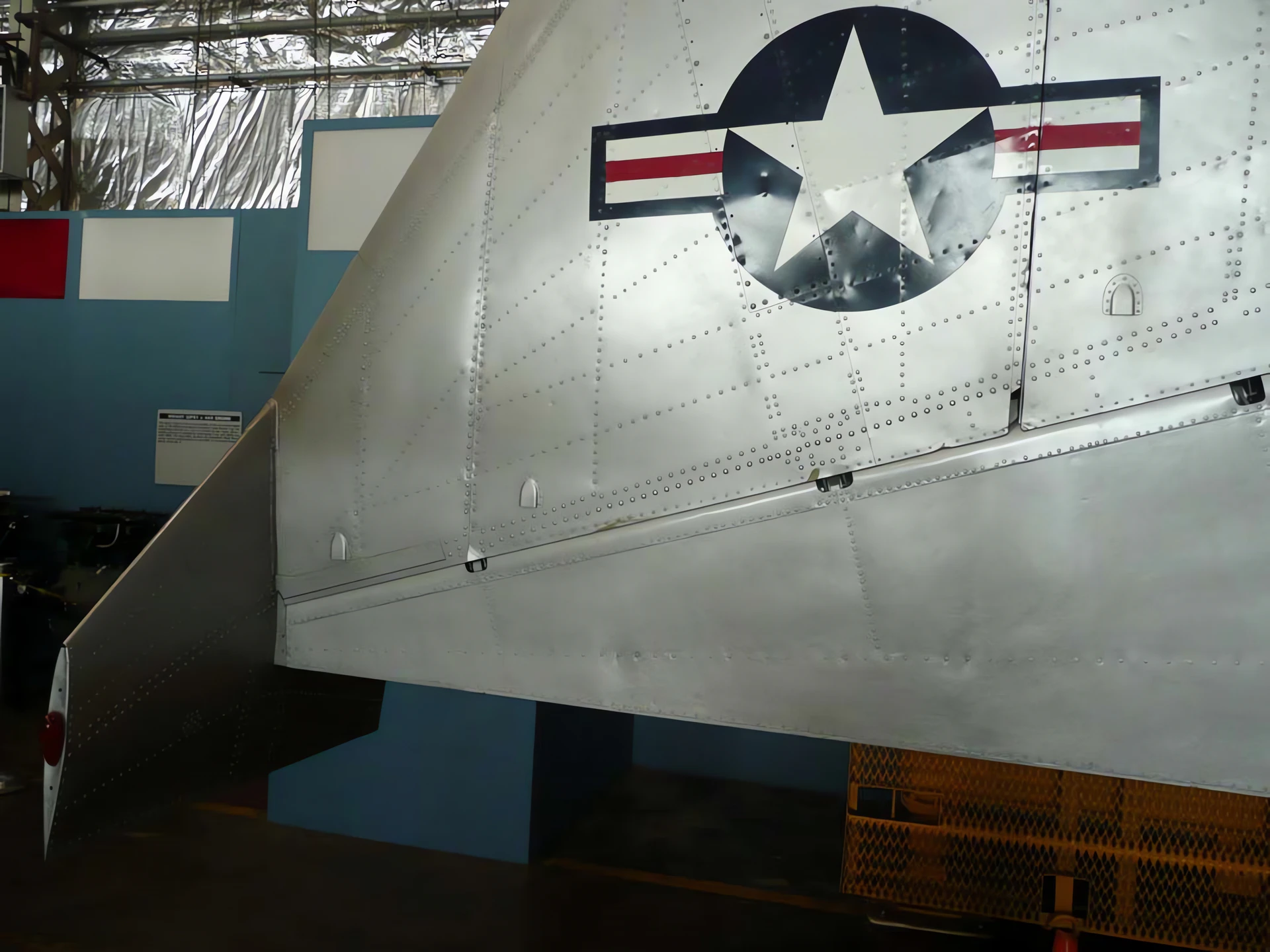
ザ ライアン X-13 ヴァーティジェット (会社指定モデル69)は、1950年代に米国で飛行した実験的な垂直離着陸(VTOL)ジェット機でした。このプロジェクトの主な目的は、純粋なジェット機が垂直離陸、ホバー、水平前方飛行への移行、および垂直着陸を行う能力を実証することであった。
| ライアンX-13めまいジェットウォークアラウンド | |
|---|---|
| カメラマン | ウラジーミル・ヤクボフ |
| ローカライズ | アメリカ国立博物館 |
| 写真 | 96 |
ビュー : 1035
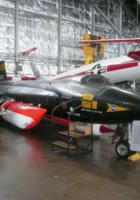
North American X-15 | |
|---|---|
| 国 | 米国 |
| 役割 | コンセプトデモンストレーター機 |
| 初飛行 | 2000年10月24日 |
| 構築 | 2 |
ザ ノースアメリカン X-15 実験機のX-planeシリーズの一部として、米国空軍と米国航空宇宙局によって運用された極超音速ロケット動力航空機でした。X-15は1960年代に速度と高度の記録を打ち立て、宇宙空間の端に到達し、航空機や宇宙船の設計に使用される貴重なデータを持って戻ってきました。ウィリアムJ.ナイトがマッハ6.72を102,100フィート(31,120 m)で飛行し、時速4,520マイル(7,274 km / h; 2,021 m / s)の速度である1967年10月に設定された、有人動力航空機によってこれまでに記録された最高速度に関するX-15の公式世界記録は、2019年1月現在も破られていません。
ソース: ウィキペディアの北米X-15
再生 : 2435
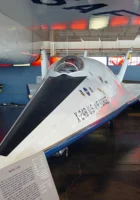
Martin Marietta X-24 | |
|---|---|
| 国 | 米国 |
| 役割 | コンセプトデモンストレーター機 |
| 初飛行 | 2000年10月24日 |
| 構築 | 2 |
ザ マルティン・マリエッタ X-24 was an American experimental aircraft developed from a joint United States Air Force-NASA program named PILOT (1963–1975). It was designed and built to test lifting body concepts, experimenting with the concept of unpowered reentry and landing, later used by the Space Shuttle. Originally built as the X-24A, the aircraft was later rebuilt as the X-24B. The X-24 was drop launched from a modified B-52 Stratofortress at high altitudes before igniting its rocket engine; after expending its rocket fuel, the pilot would glide the X-24 to an unpowered landing.
再生 : 1482