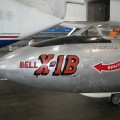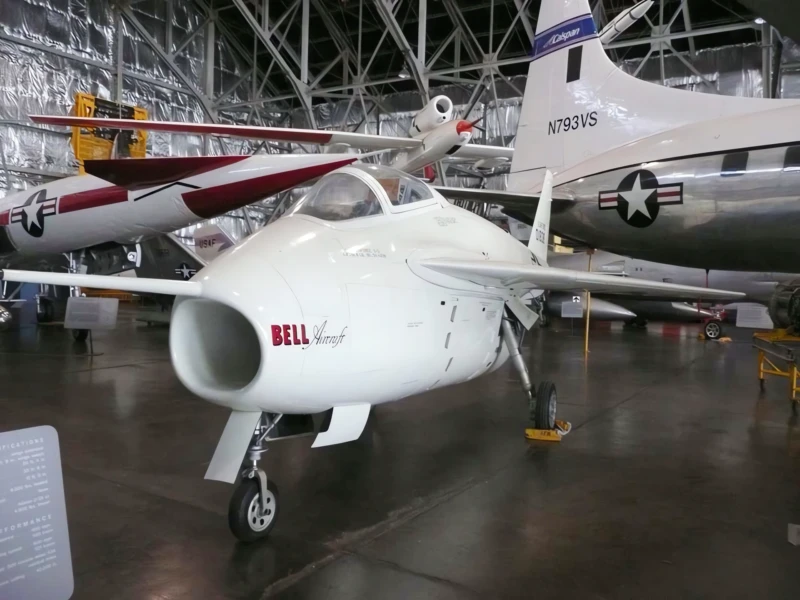
Bell X-5 | |
|---|---|
| 国 | 米国 |
| 役割 | 研究機 |
| 初飛行 | 1951年6月20日 |
| 構築 | 2 |
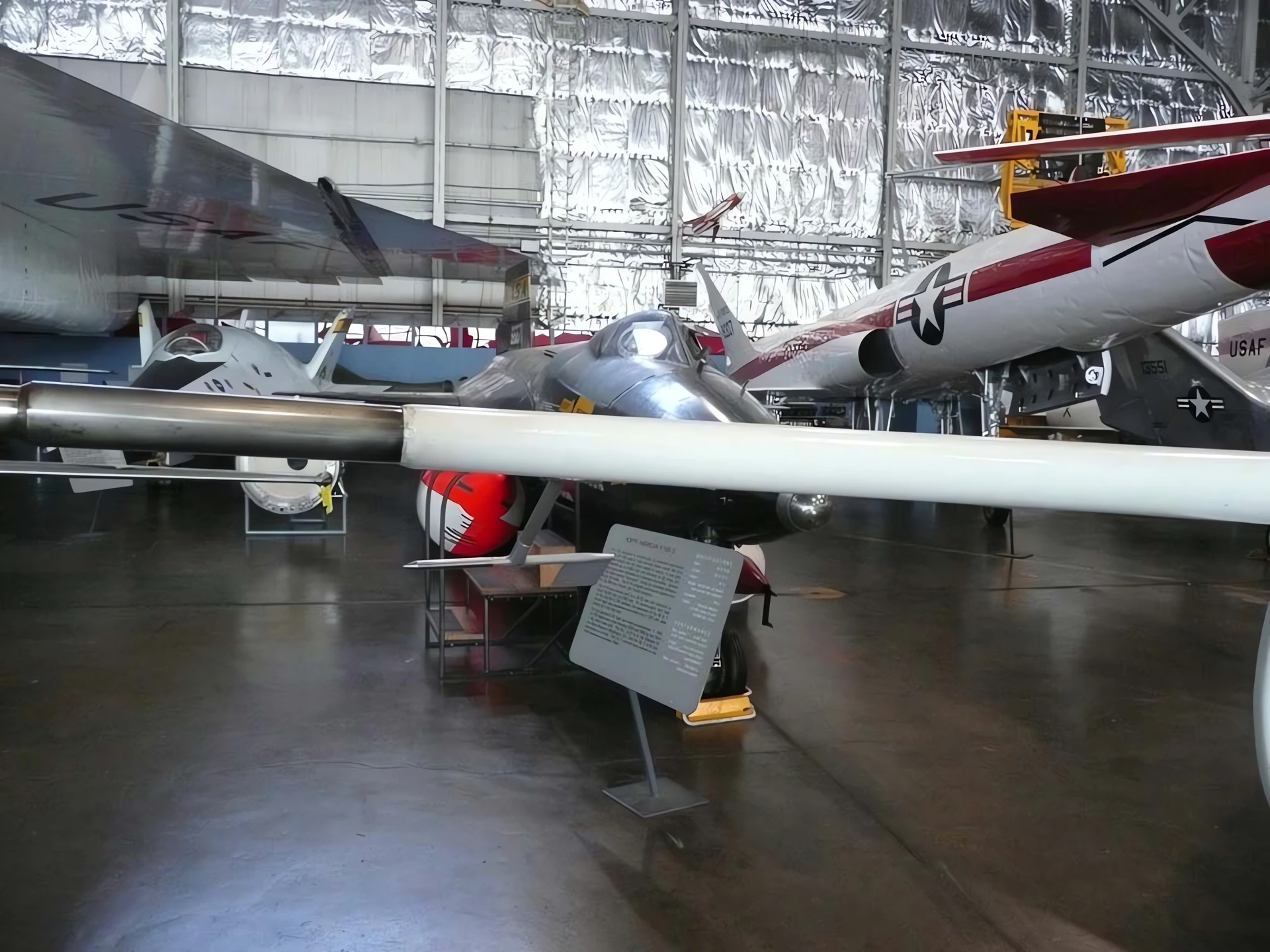
ザ ベルX-5 飛行中に翼の掃引を変更することができる最初の航空機でした。これは、ドイツのメッサーシュミット社のテストされていない戦時中のP.1101デザインに触発されました。地上での翼のスイープバック角度しか調整できなかったドイツのデザインとは対照的に、ベルのエンジニアは飛行中のスイープを調整するために電気モーターのシステムを考案しました。
ソース: ウィキペディアのベル X-5
| Bell X-5 Walk Around | |
|---|---|
| Photographers | Vladimir Yakubov |
| Localisation | The National Museum of the USAF |
| Photos | 74 |
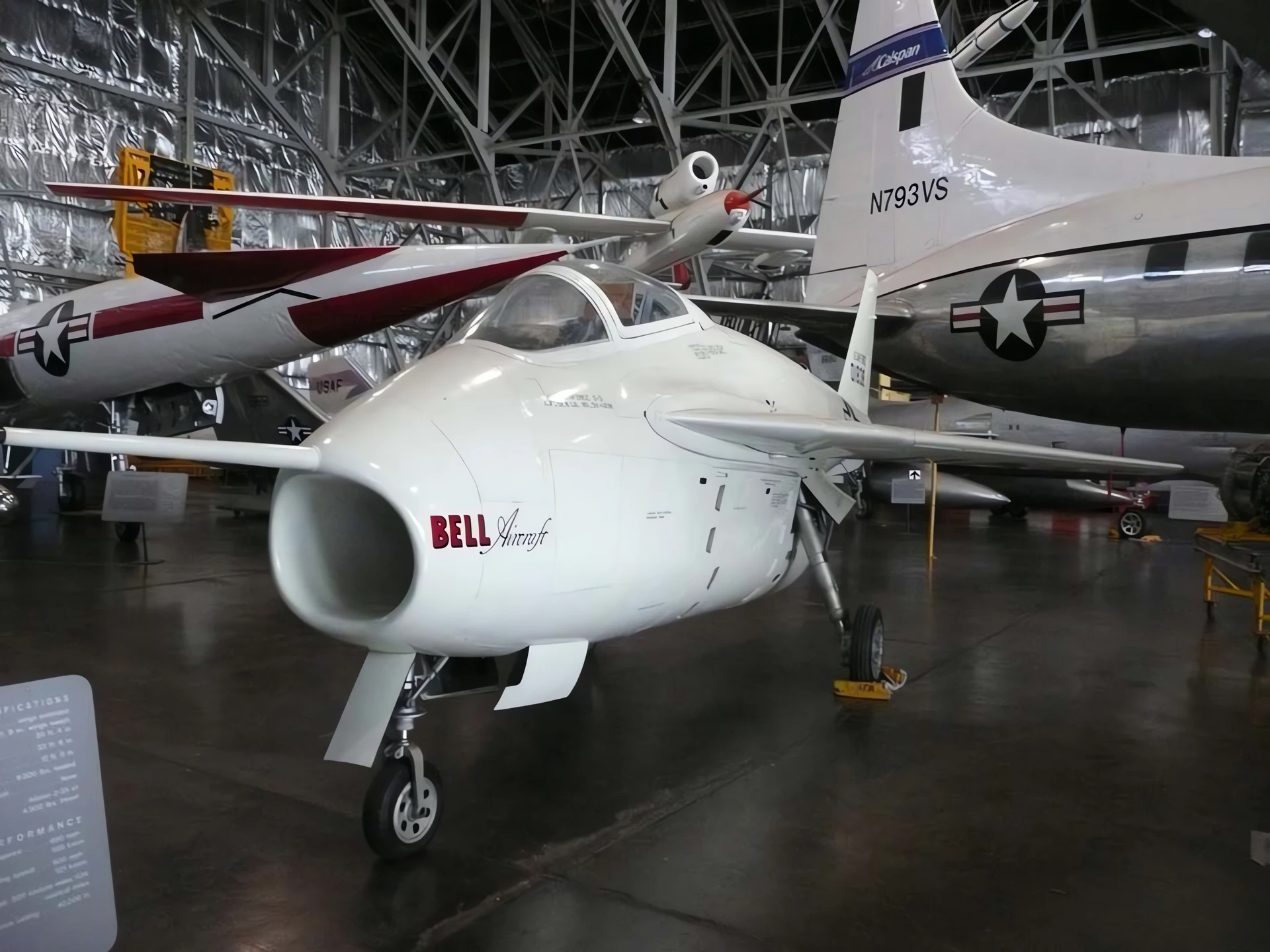
Bell X-5 01
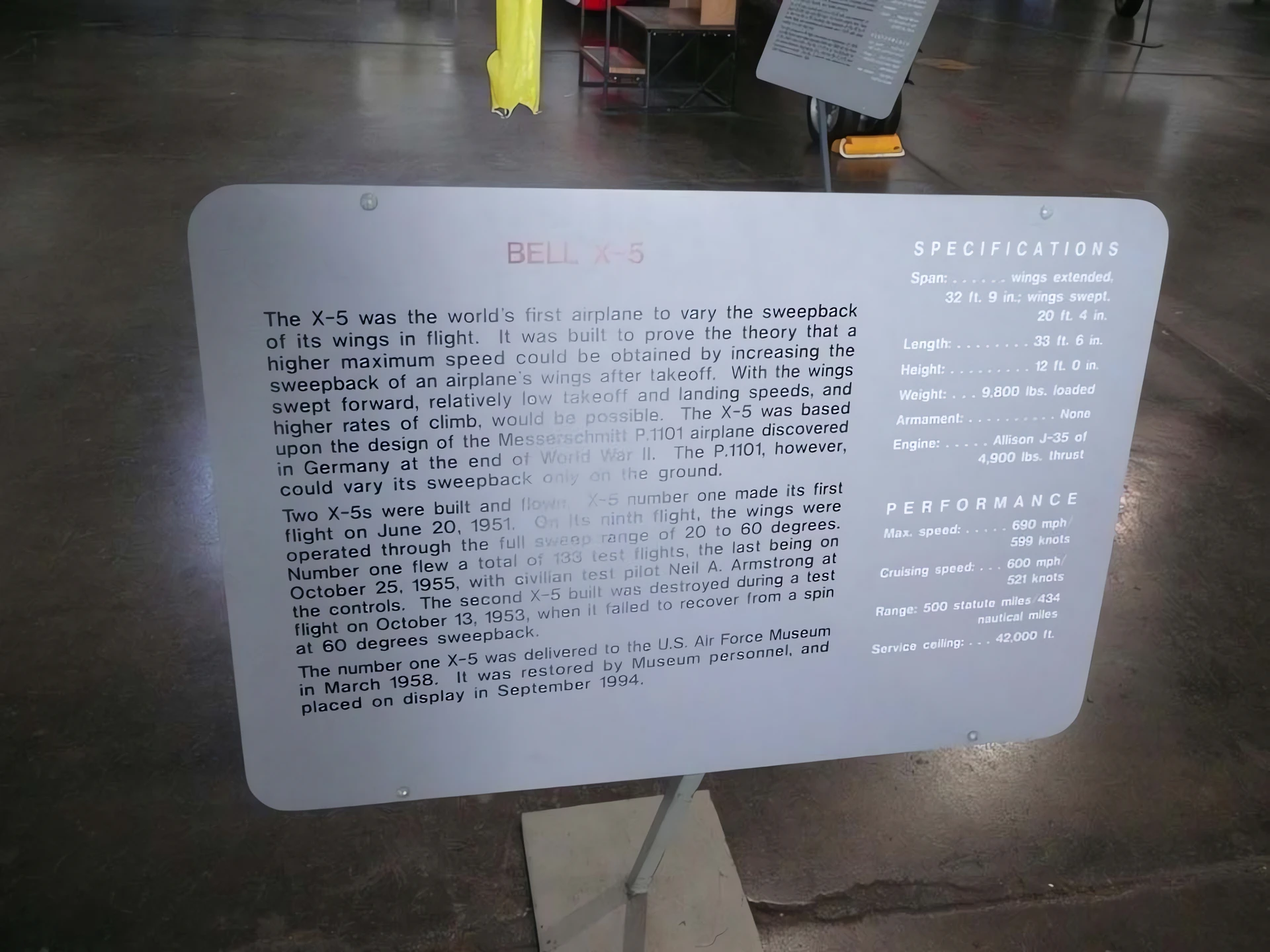
Bell X-5 02
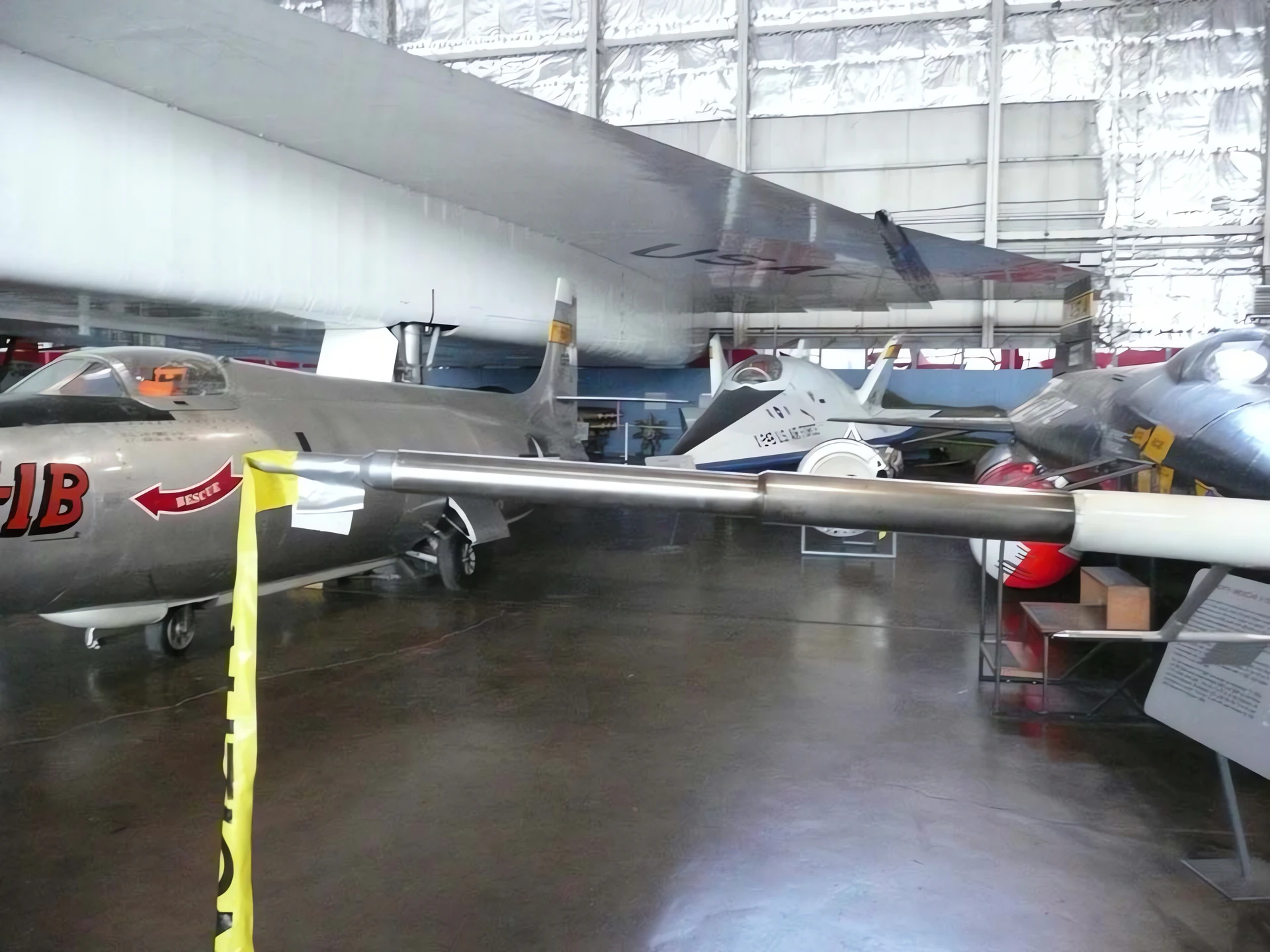
Bell X-5 03
Bell X-5 04
Bell X-5 05
Bell X-5 06
Bell X-5 07
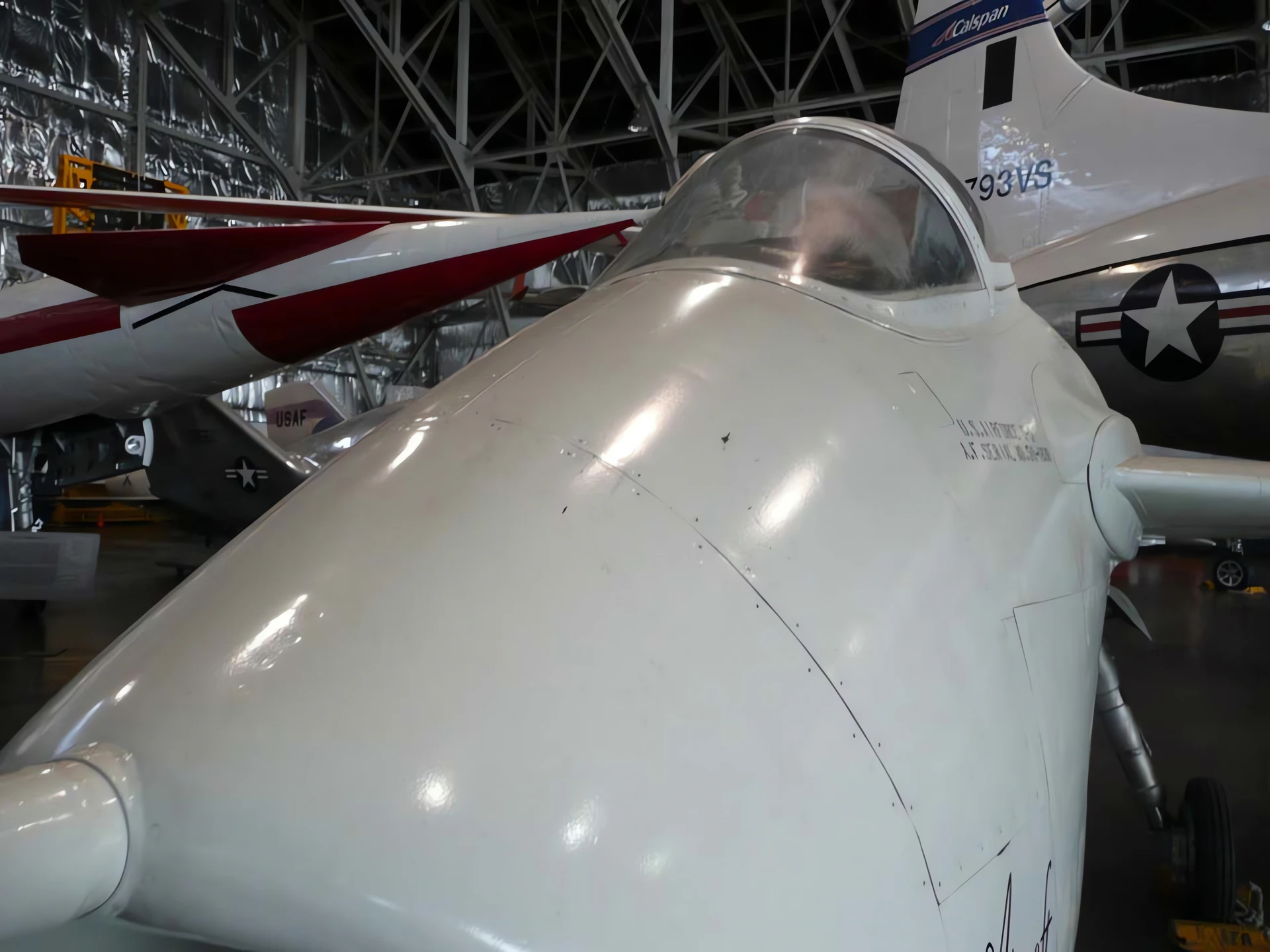
Bell X-5 08
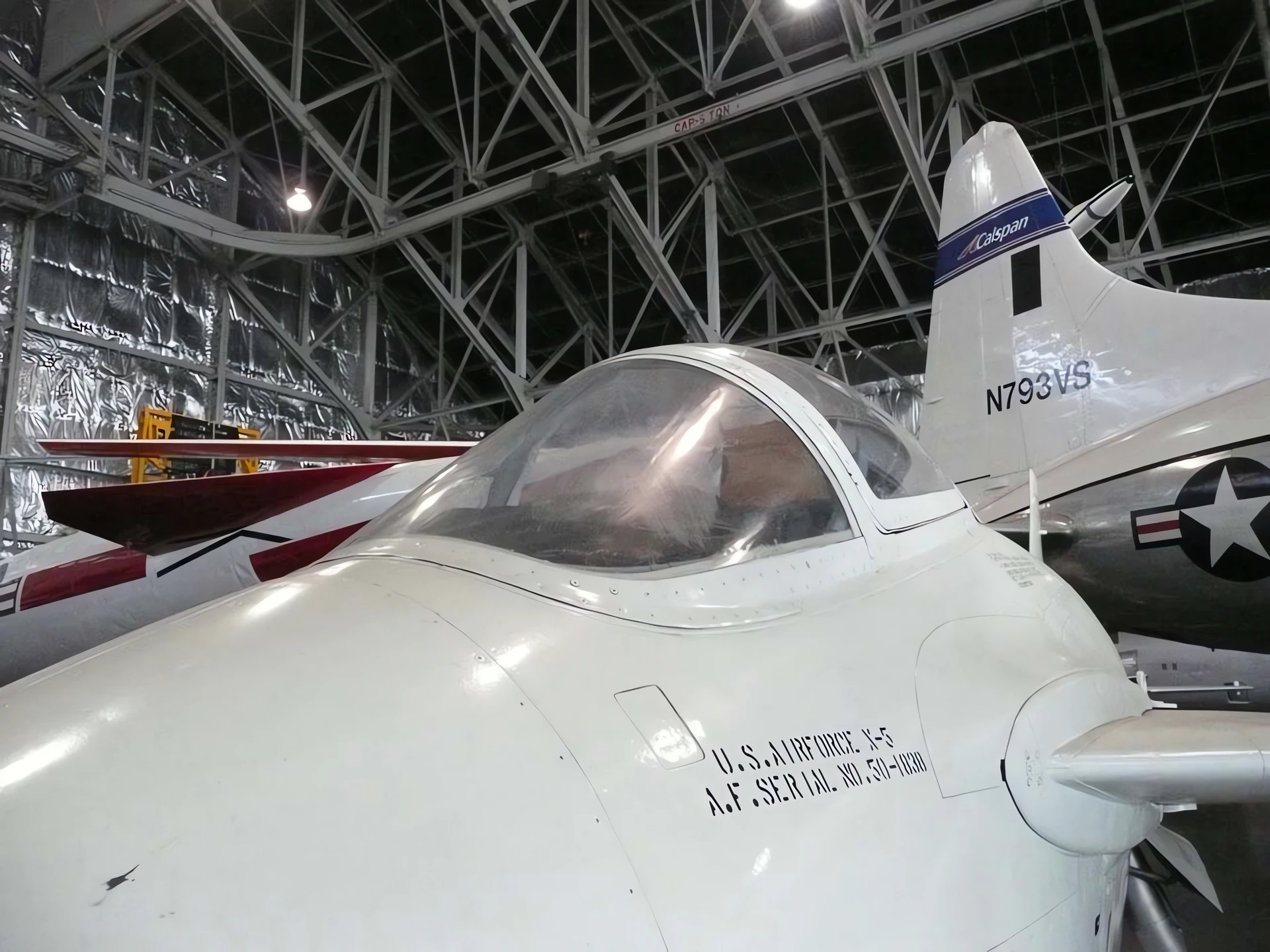
Bell X-5 09
待って、あなたのためにベルX-5を検索.

| Bell X-5 Walk Around | |
|---|---|
| Photographers | John Heck |
| Localisation | The National Museum of the USAF |
| Photos | 16 |
関連項目:


The Quest for Versatile Flight
ザ ベルX-5 was a landmark experimental aircraft designed to test the feasibility of changing a wing’s sweep angle during flight. This “swing-wing” capability was intended to provide the best of both worlds: high lift for takeoff and landing (straight wings) and reduced drag for high-speed flight (swept wings). While inspired by wartime German research, the X-5 was the first aircraft capable of adjusting its sweep in the air, paving the way for future icons like the F-14 Tomcat and the B-1 Lancer.
| Attribute | Technical Specification (Bell X-5) |
|---|---|
| 役割 | Experimental Variable-Sweep Research Aircraft |
| 乗組員 | 1 (Pilot) |
| First Flight | June 20, 1951 |
| パワープラント | 1 × Allison J35-A-17 turbojet |
| Thrust | 4,900 lbf (21.8 kN) |
| 最高速度 | 1,150 km/h (715 mph) / Mach 0.98 |
| Sweep Range | 20° to 60° (Variable in flight) |
| Service Ceiling | 15,200 meters (49,900 ft) |
The Engineering of the Swing-Wing
- The Compensation Mechanism: Simply sweeping a wing back moves the Center of Pressure rearward, which would normally make a plane dive uncontrollably. To fix this, the X-5’s wings translated forward along rails as they swept back, maintaining the aircraft’s balance.
- German Origins: The X-5 design was heavily influenced by the unfinished Messerschmitt P.1101, which had wings that could be adjusted on the ground but not in flight. Bell engineers developed the complex electric motor and screw-jack system to enable in-flight movement.
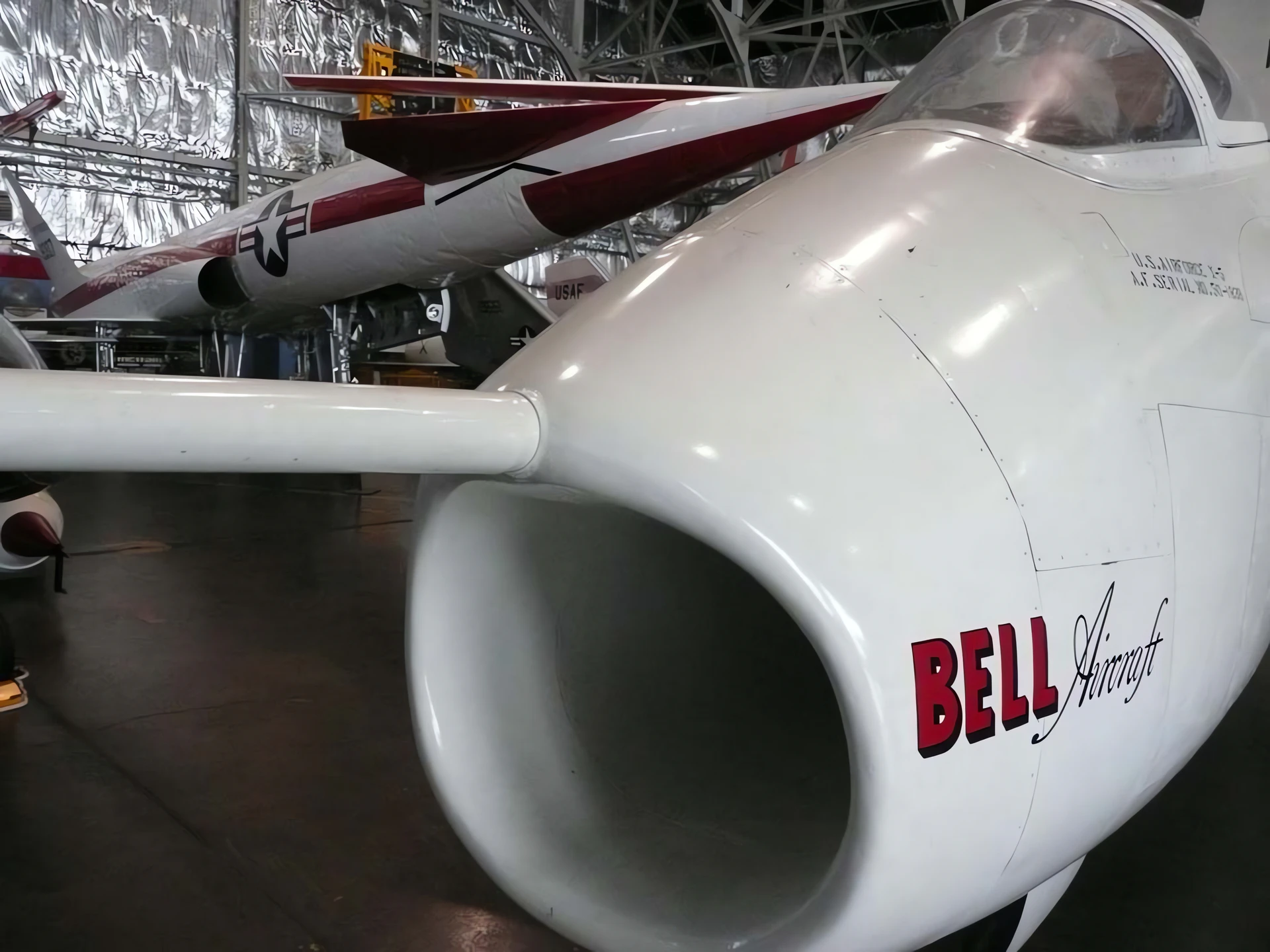
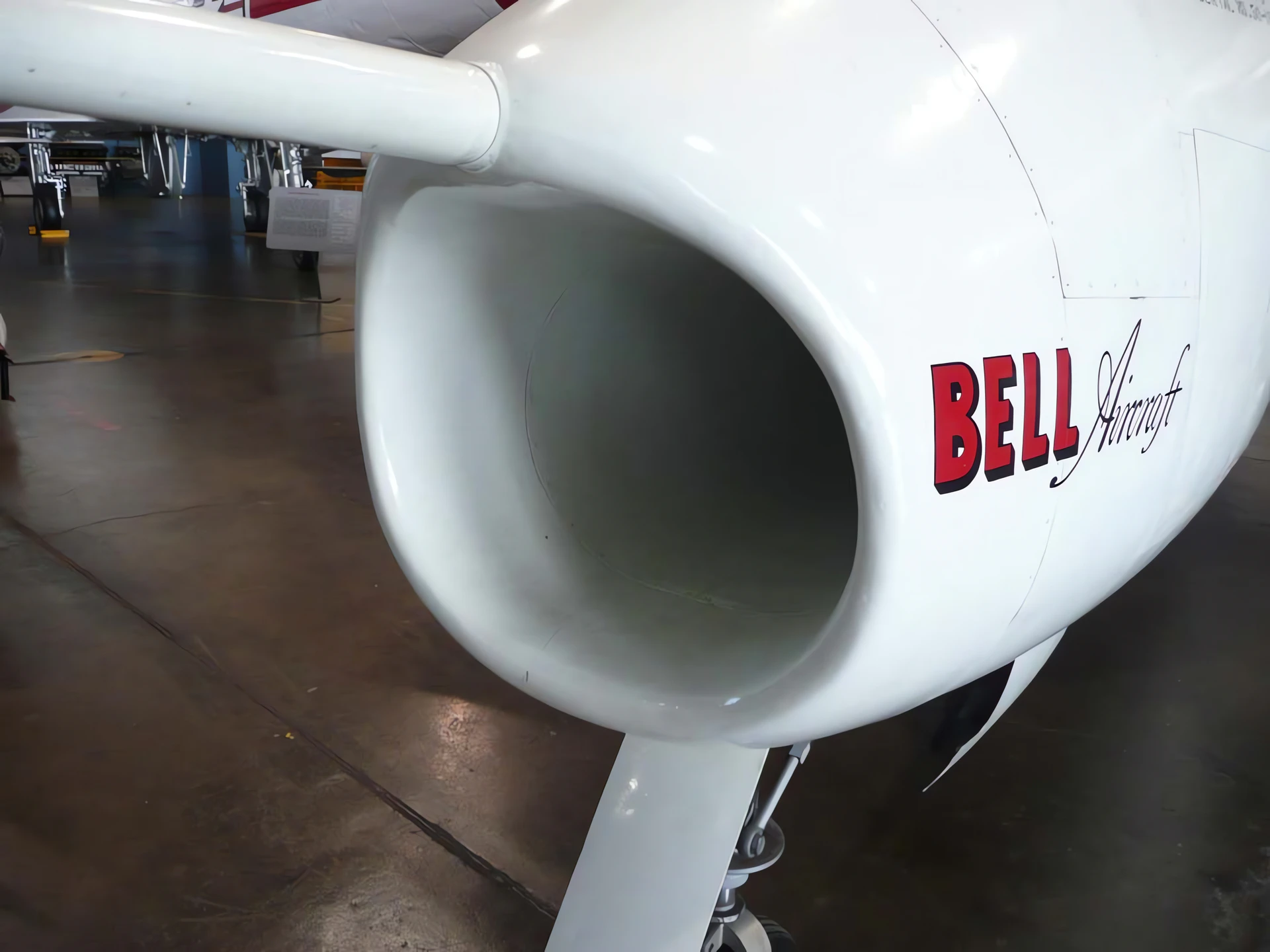
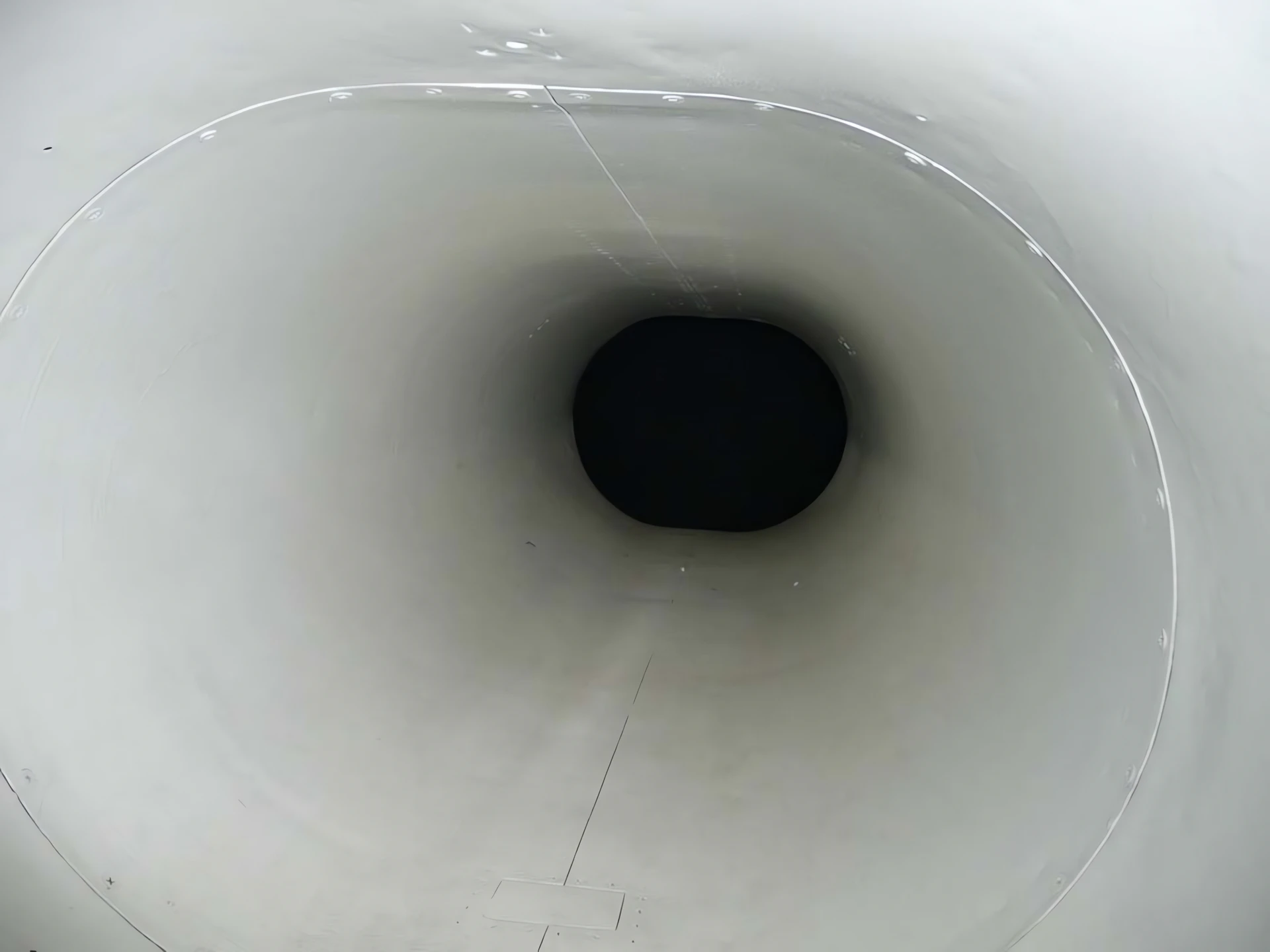
- Nose-Inlet Design: Like many early jets, the X-5 used a straight-through air intake in the nose, with the pilot sitting directly above the engine ducting.
- Variable Drag: Pilots could change the sweep from 20° for landing to 60° for high-speed tests in less than 30 seconds.
Operational History & Safety Challenges
- The Spin Problem: The X-5 was notoriously unstable in a spin. Because of the way the mass was distributed, once the aircraft began to spin, it was nearly impossible to recover. This flaw led to the loss of the second prototype and the death of Major Ray Popson in 1953.
- Critical Data: Despite the risks, the X-5 program provided NASA (then NACA) and the Air Force with years of data on the aerodynamic loads and control difficulties of variable-geometry wings.
- Legacy: The success of the “swing-wing” concept proved by the X-5 led directly to the development of the General Dynamics F-111 Aardvark and the Grumman F-14 Tomcat.
- Preservation: The surviving X-5 is now part of the National Museum of the United States Air Force in Dayton, Ohio.
再生 : 1453