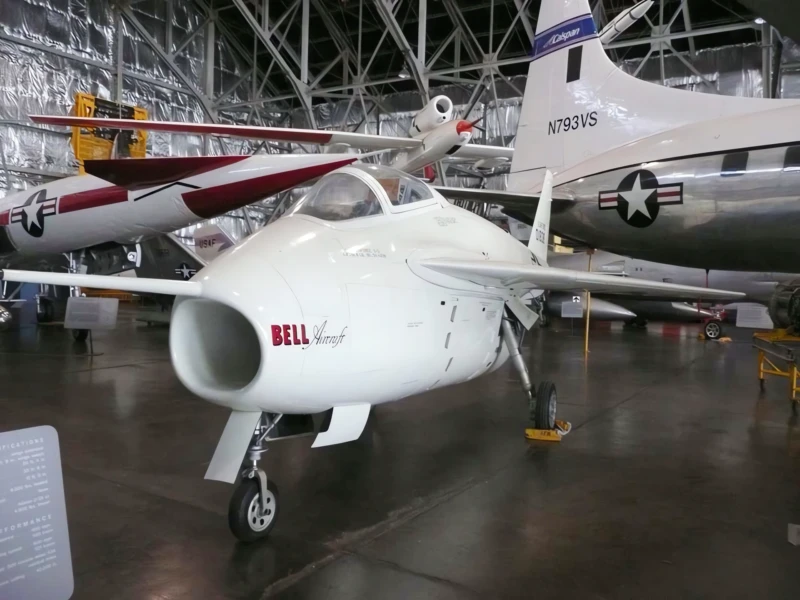
Bell X-5 | |
|---|---|
| Državi | Zda |
| Vlogo | Raziskovalna letala |
| Prvi let | 20. junij 1951 |
| Zgrajena | 2 |
V Zvonec X-5 je bilo prvo letalo, ki je bilo sposobno spreminjati zamahe kril med letom. Navdihnila ga je nepreizkušena vojna zasnova P.1101 nemškega podjetja Messerschmitt. V nasprotju z nemškim dizajnom, ki je lahko imel le kot pometanja kril na tleh, so Bellovi inženirji zasnovali sistem elektromotorjev za prilagajanje pometanja med letom.
| Bell X-5 Walk Around | |
|---|---|
| Photographers | Vladimir Yakubov |
| Localisation | The National Museum of the USAF |
| Photos | 74 |
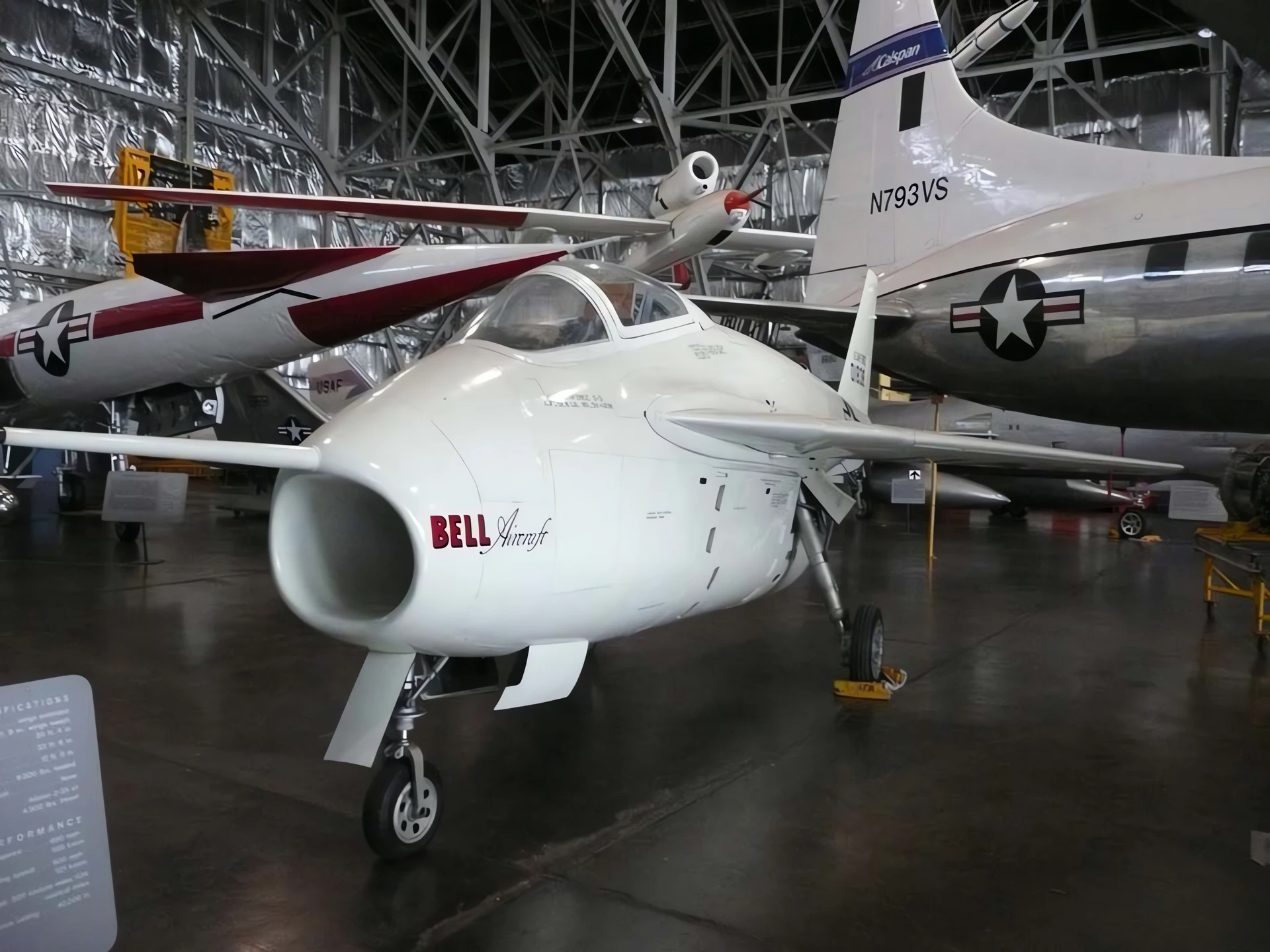
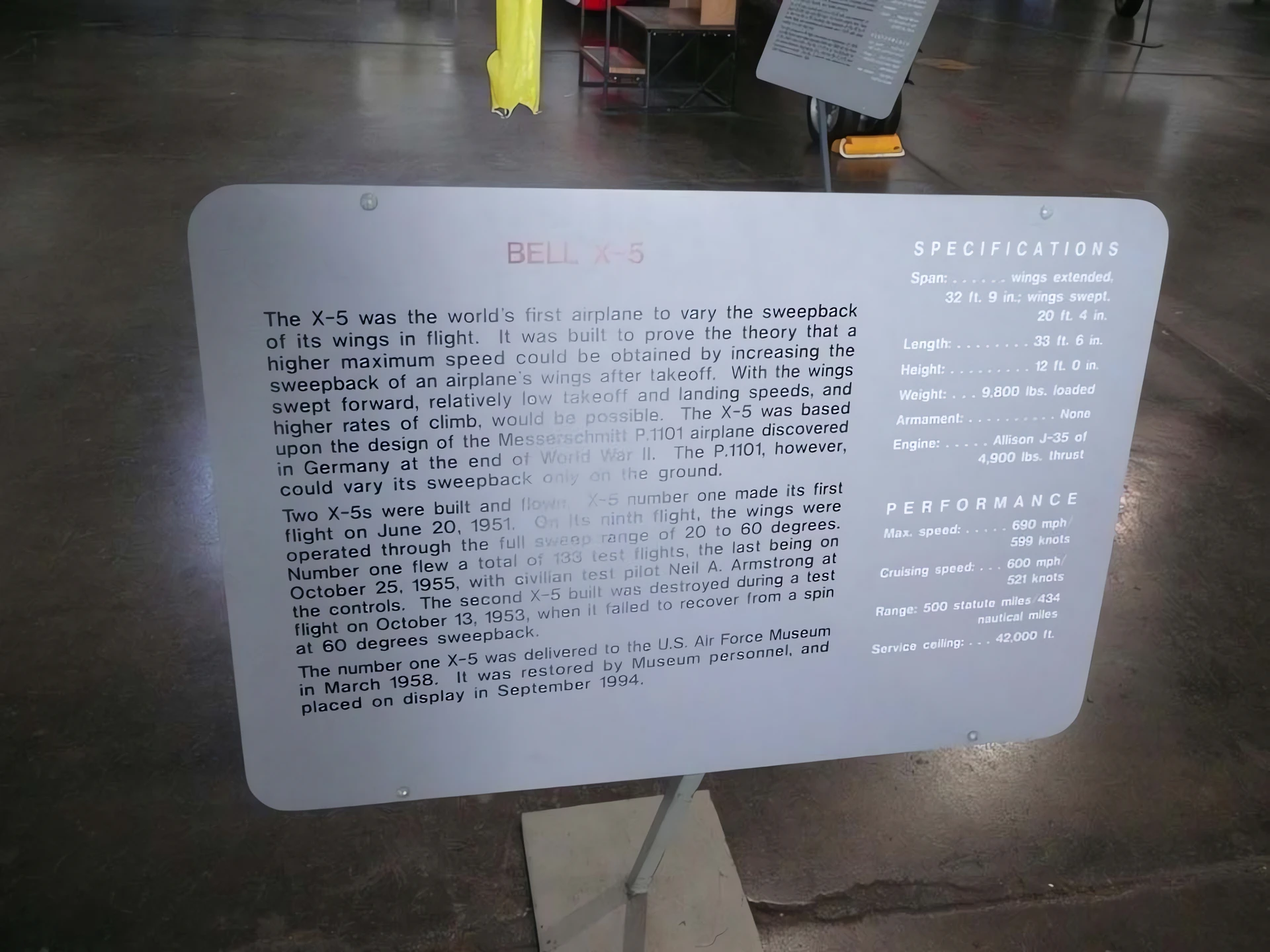
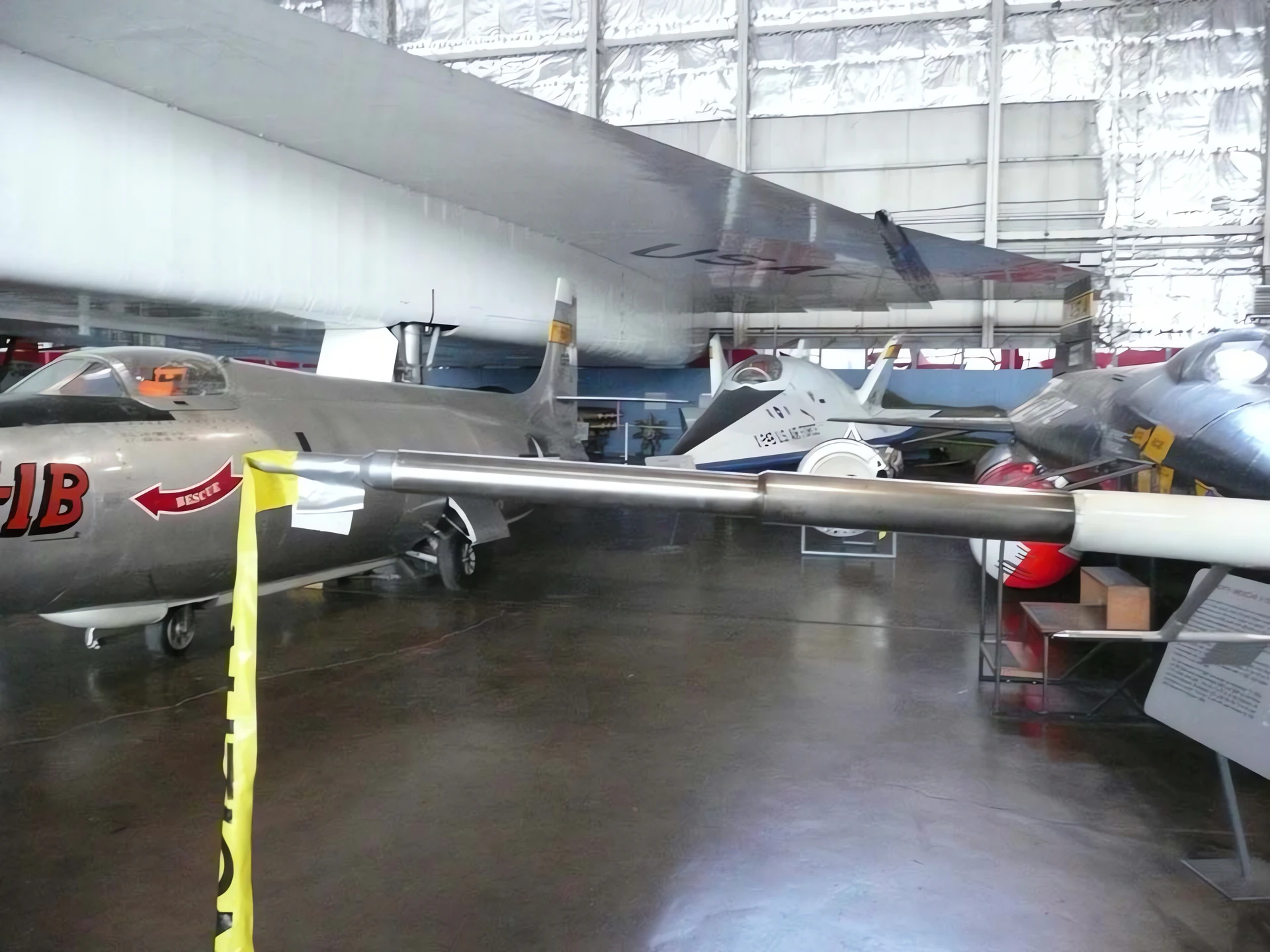
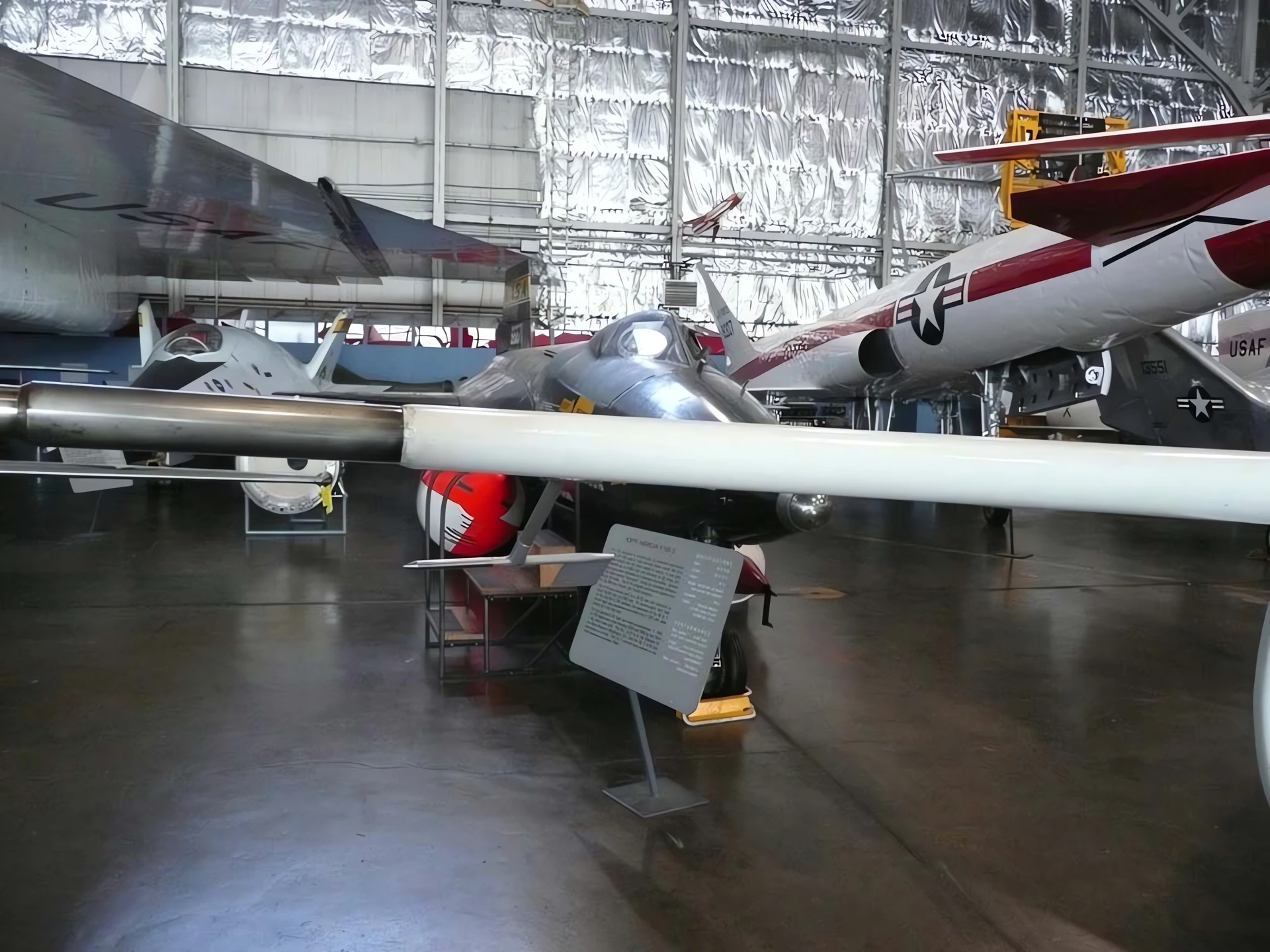
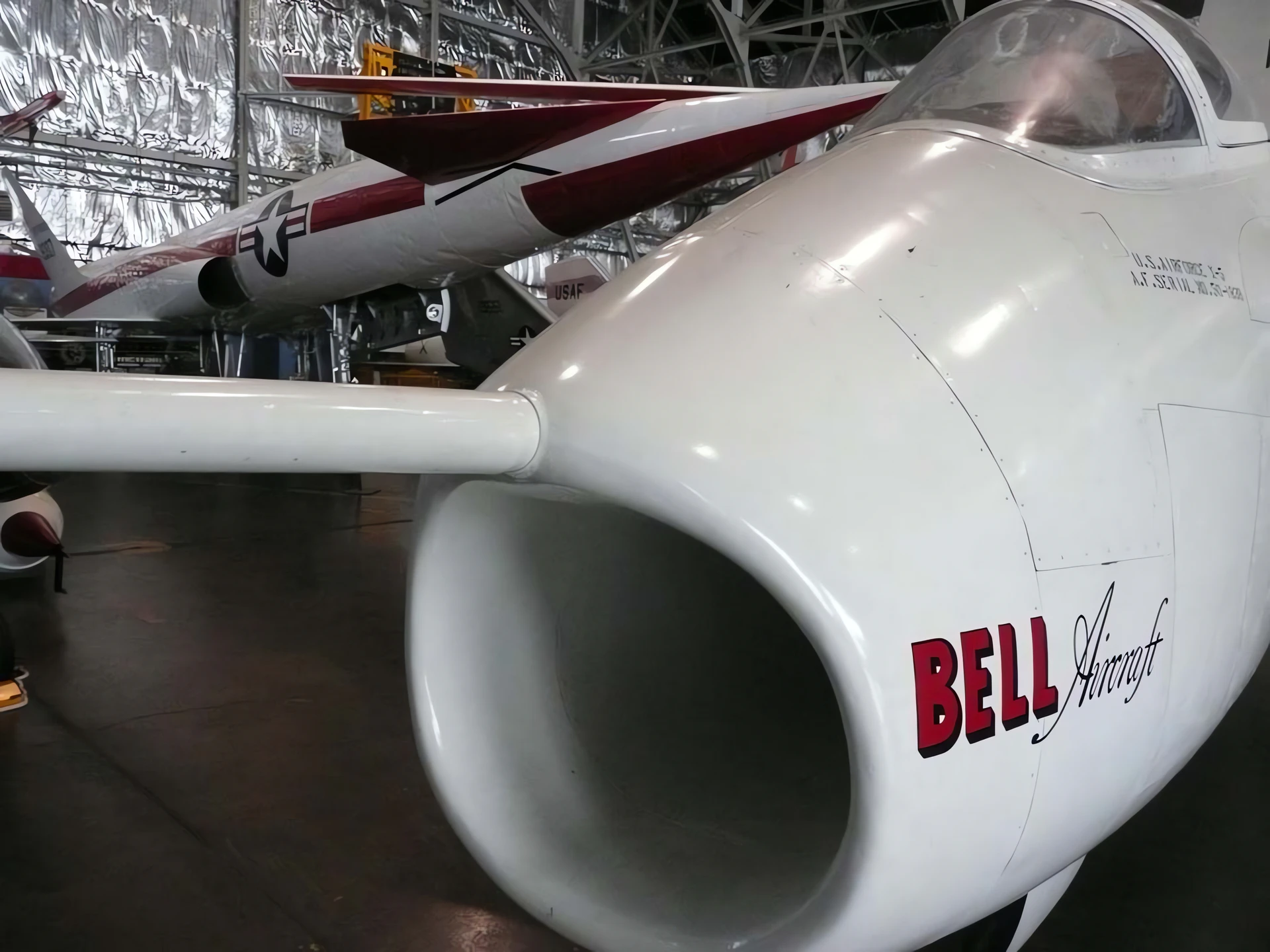
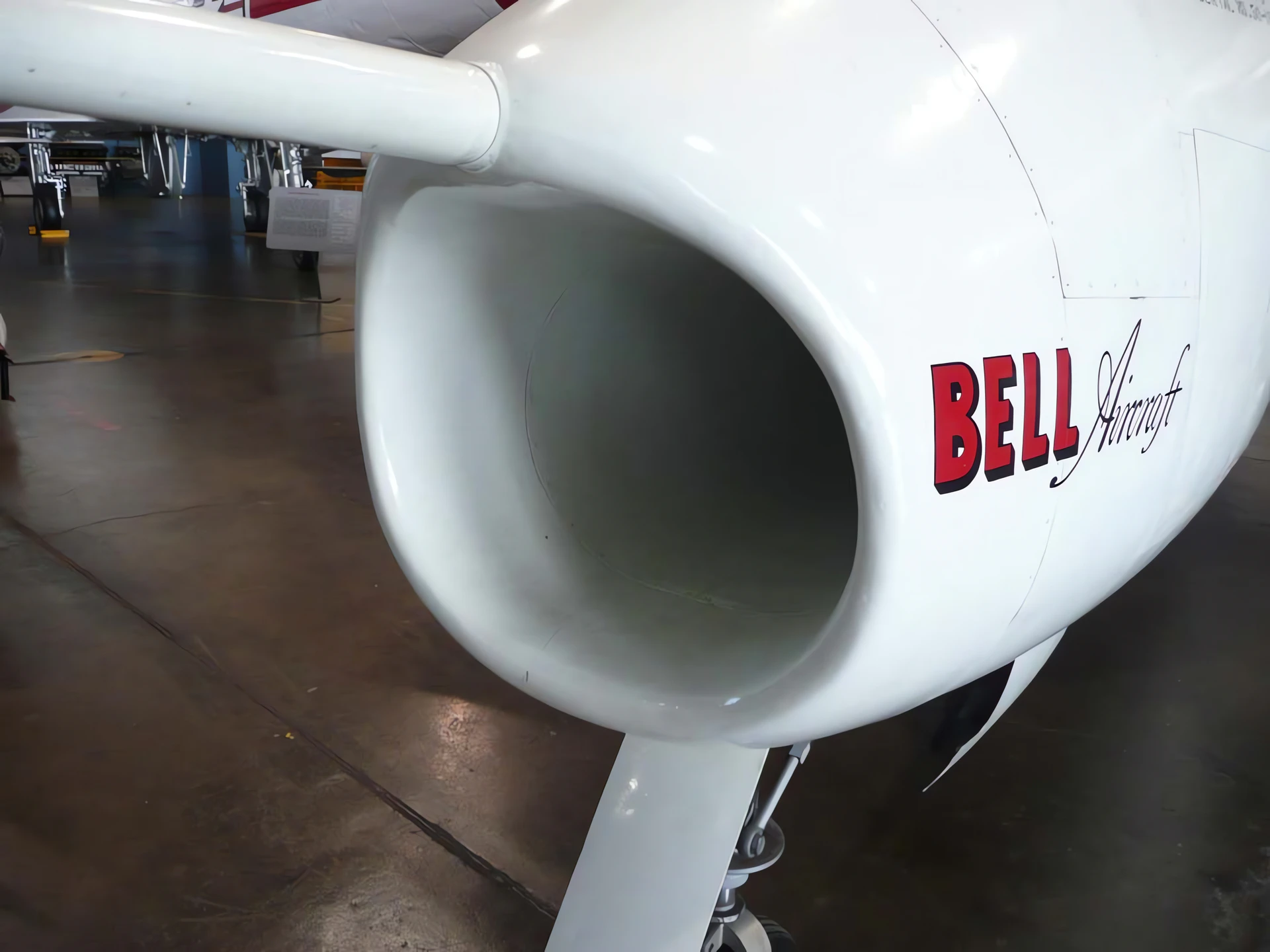
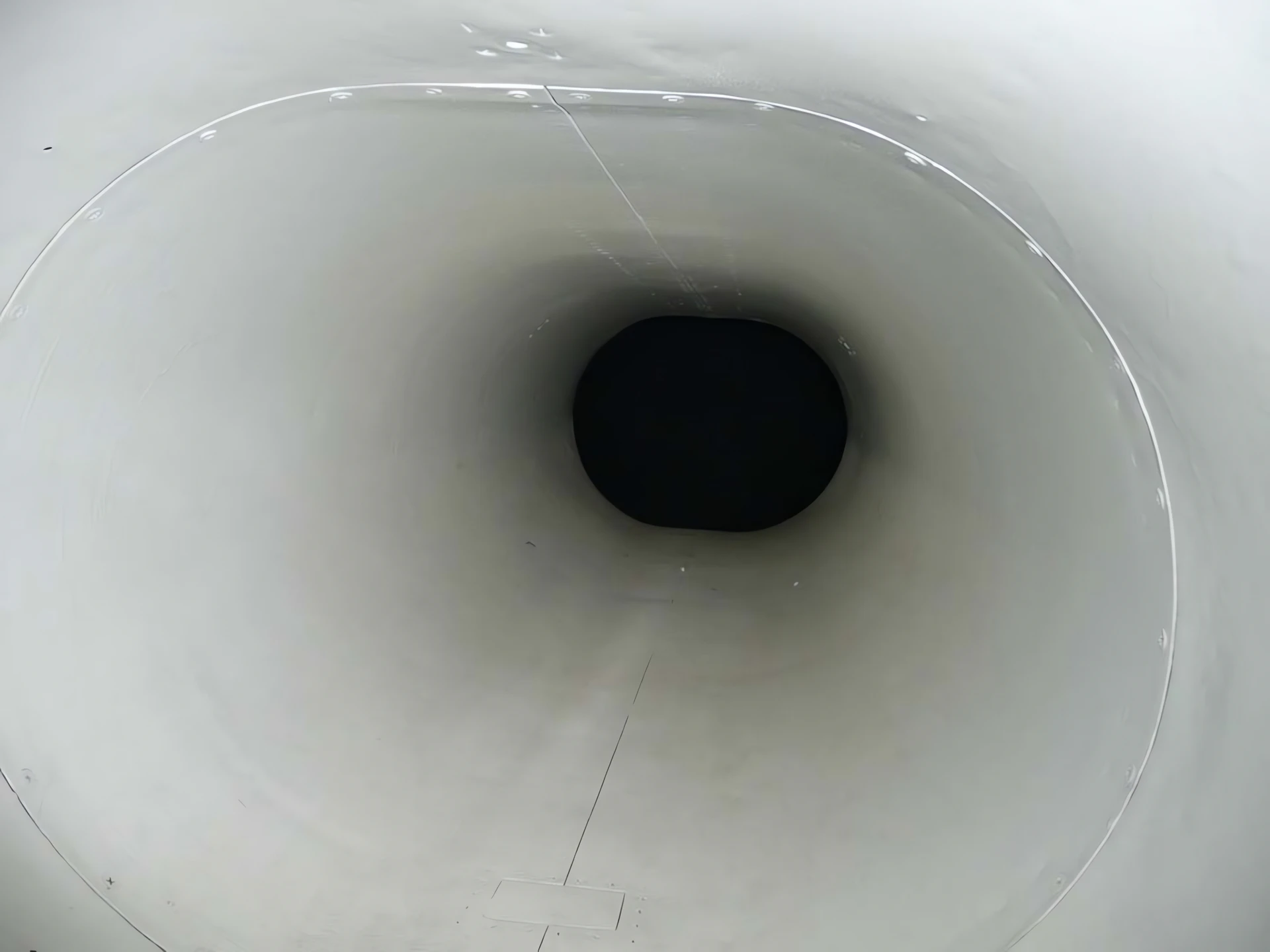
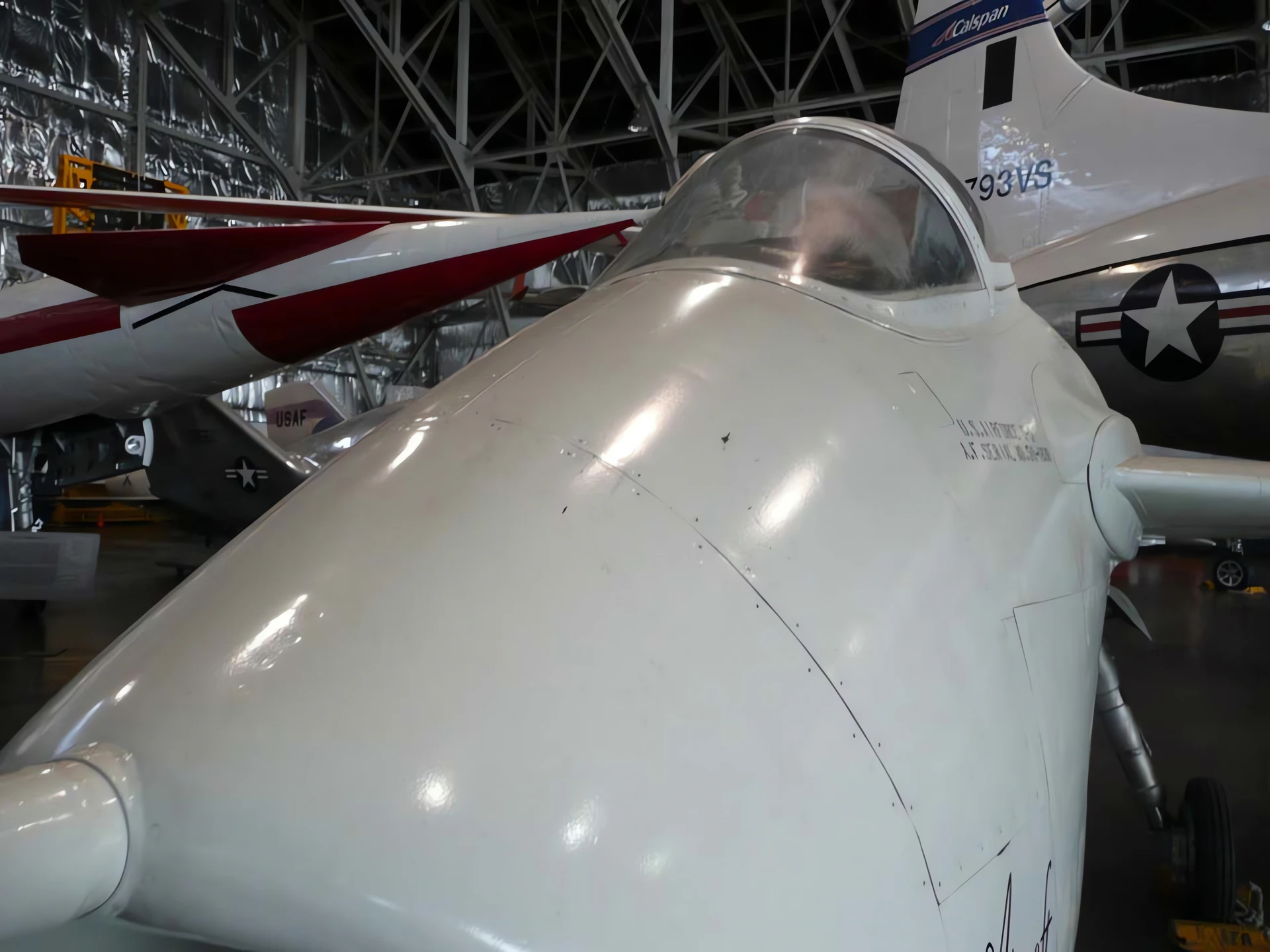
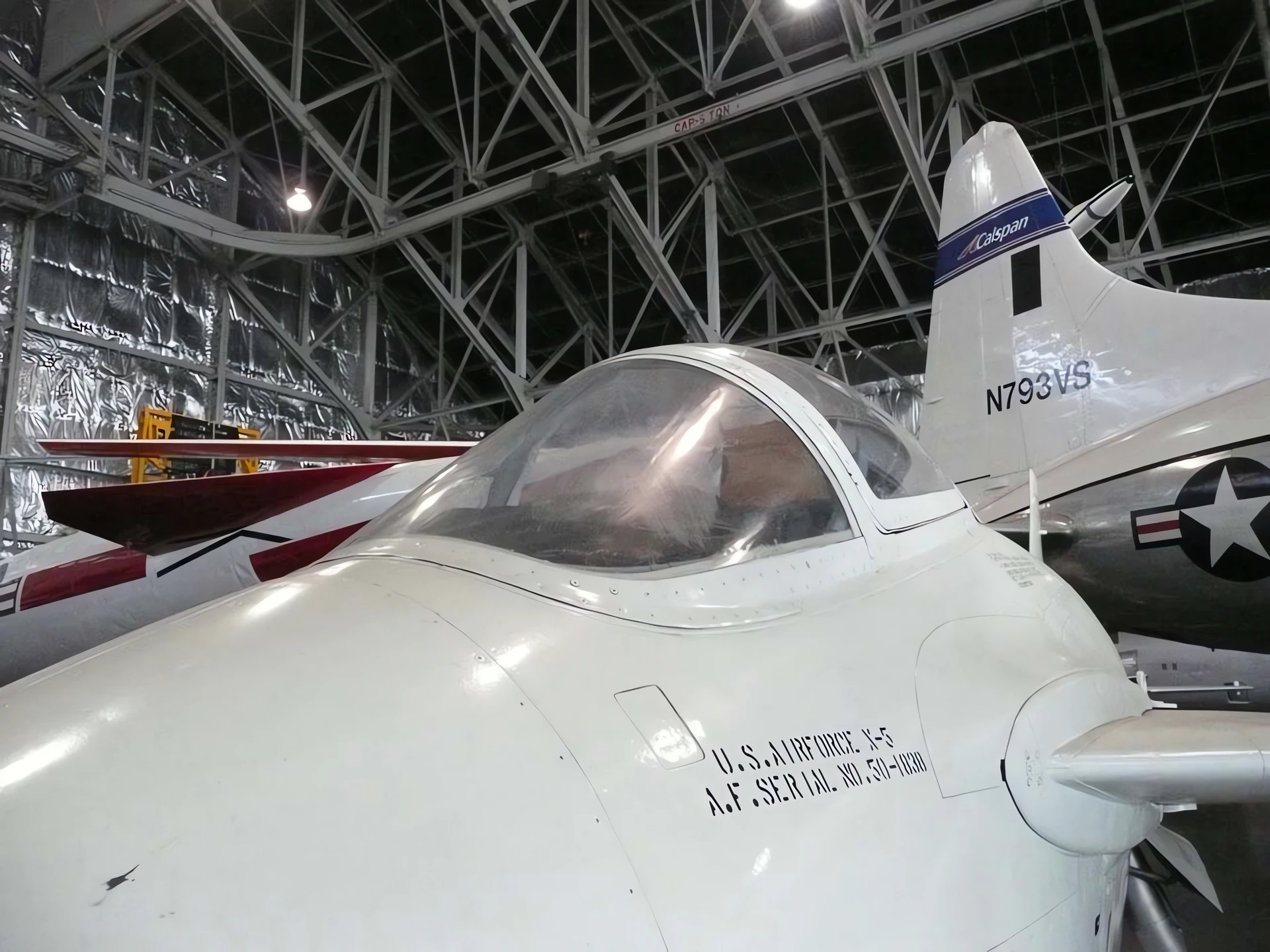

| Bell X-5 Walk Around | |
|---|---|
| Photographers | John Heck |
| Localisation | The National Museum of the USAF |
| Photos | 16 |
Glej tudi:


The Quest for Versatile Flight
V Zvonec X-5 was a landmark experimental aircraft designed to test the feasibility of changing a wing’s sweep angle during flight. This “swing-wing” capability was intended to provide the best of both worlds: high lift for takeoff and landing (straight wings) and reduced drag for high-speed flight (swept wings). While inspired by wartime German research, the X-5 was the first aircraft capable of adjusting its sweep in the air, paving the way for future icons like the F-14 Tomcat and the B-1 Lancer.
| Attribute | Technical Specification (Bell X-5) |
|---|---|
| Vlogo | Experimental Variable-Sweep Research Aircraft |
| Posadke | 1 (Pilot) |
| First Flight | June 20, 1951 |
| Powerplant | 1 × Allison J35-A-17 turbojet |
| Thrust | 4,900 lbf (21.8 kN) |
| Maximum Speed | 1,150 km/h (715 mph) / Mach 0.98 |
| Sweep Range | 20° to 60° (Variable in flight) |
| Service Ceiling | 15,200 meters (49,900 ft) |
The Engineering of the Swing-Wing
- The Compensation Mechanism: Simply sweeping a wing back moves the Center of Pressure rearward, which would normally make a plane dive uncontrollably. To fix this, the X-5’s wings translated forward along rails as they swept back, maintaining the aircraft’s balance.
- German Origins: The X-5 design was heavily influenced by the unfinished Messerschmitt P.1101, which had wings that could be adjusted on the ground but not in flight. Bell engineers developed the complex electric motor and screw-jack system to enable in-flight movement.
- Nose-Inlet Design: Like many early jets, the X-5 used a straight-through air intake in the nose, with the pilot sitting directly above the engine ducting.
- Variable Drag: Pilots could change the sweep from 20° for landing to 60° for high-speed tests in less than 30 seconds.
Operational History & Safety Challenges
- The Spin Problem: The X-5 was notoriously unstable in a spin. Because of the way the mass was distributed, once the aircraft began to spin, it was nearly impossible to recover. This flaw led to the loss of the second prototype and the death of Major Ray Popson in 1953.
- Critical Data: Despite the risks, the X-5 program provided NASA (then NACA) and the Air Force with years of data on the aerodynamic loads and control difficulties of variable-geometry wings.
- Legacy: The success of the “swing-wing” concept proved by the X-5 led directly to the development of the General Dynamics F-111 Aardvark and the Grumman F-14 Tomcat.
- Preservation: The surviving X-5 is now part of the National Museum of the United States Air Force in Dayton, Ohio.
Ogledov : 1432
Prav tako si lahko ogledate:
 Bell XV-15 Tiltrotor – Fotografije & Video posnetki
 McDonnell FH Phantom – Fotografije & Video
 C-130J Hercules – Fotografije & Video
 Bell P-59A Airacomet – Fotografije & Video
 Bell X-1 – Fotografije & Video
 Macchi MC-200 – WalkAround
 PZL P.11 – WalkAround
 P-51 Mustang vol2 – Sprehod Okoli
 Bell P-63E KingCobra – WalkAround
 Vought F4U Corsair – WalkAround