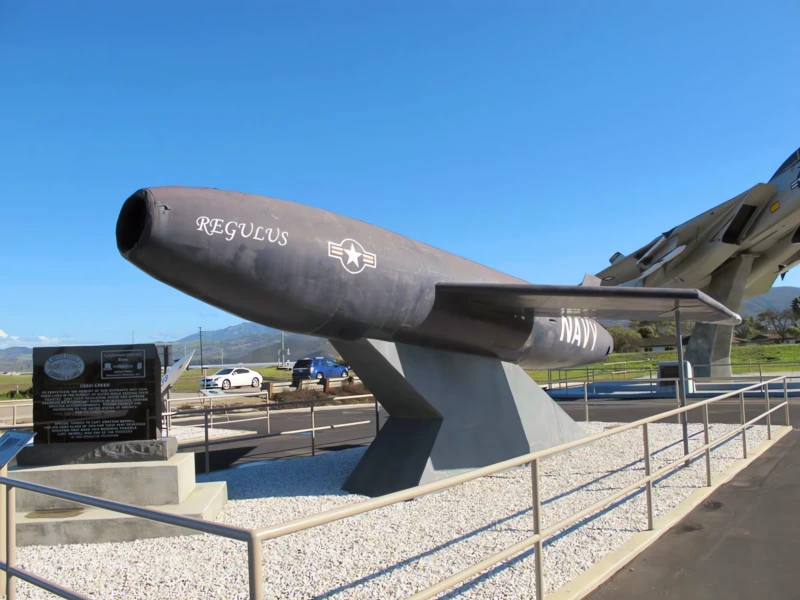
SSM-N-8 Regulus | |
|---|---|
| 国 | 米国 |
| 役割 | 巡航ミサイル |
| サービス中 | 1955-64 |
| メーカー | チャンスヴォート |
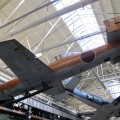
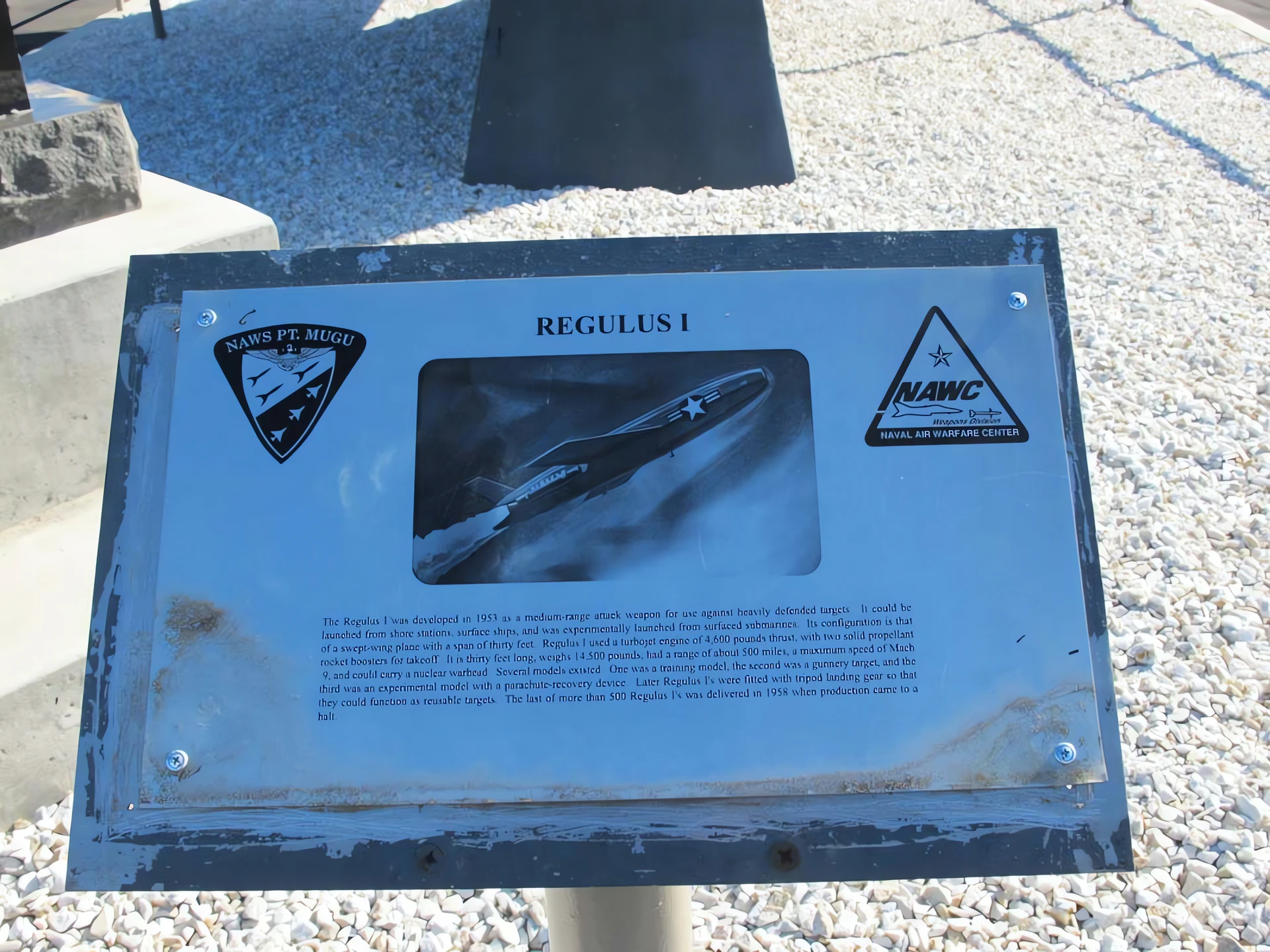
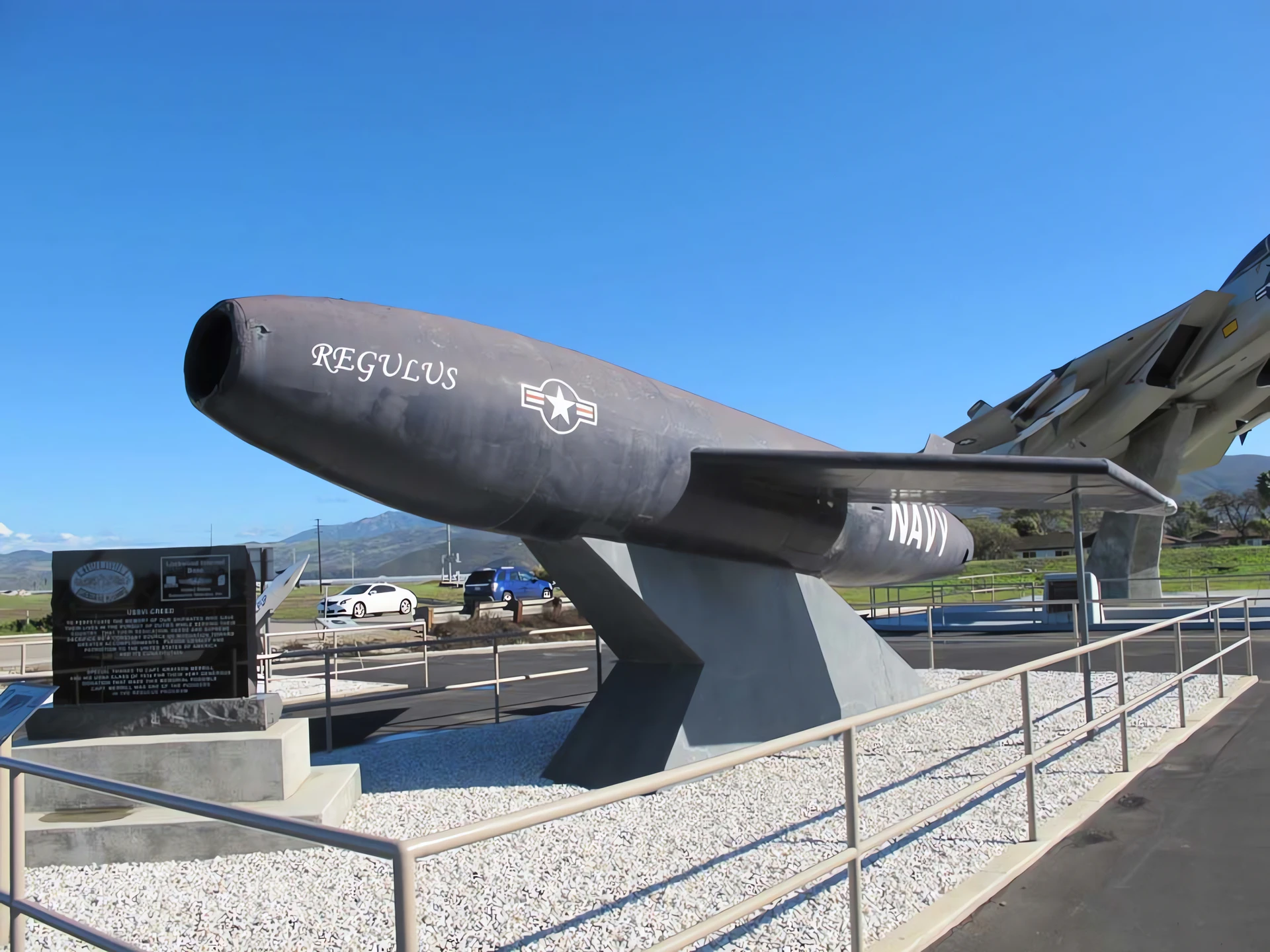
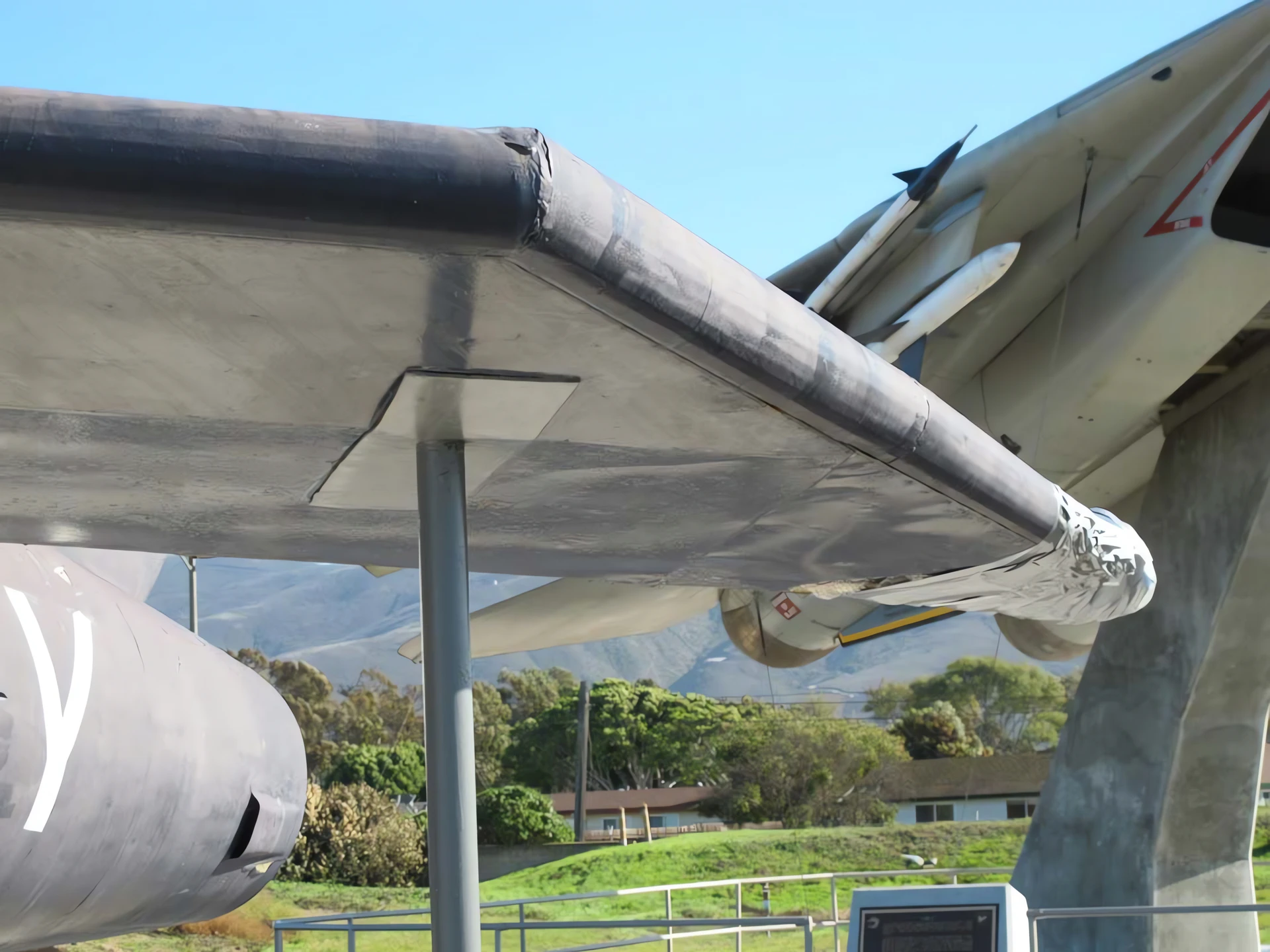
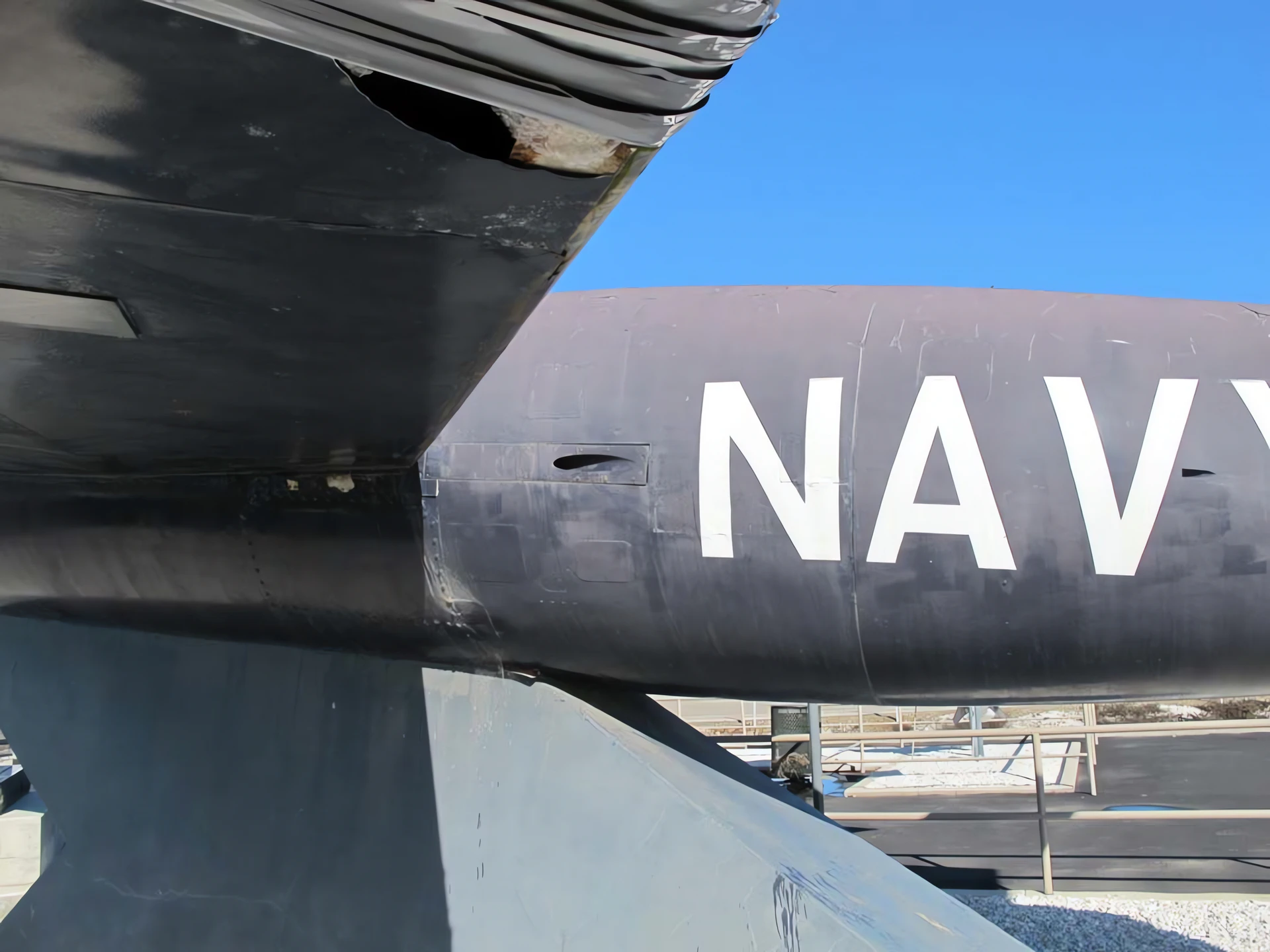
ザ SSM-N-8A レグルス または、 レグルス1世 は、アメリカ海軍が開発した艦船と潜水艦が発射し、核搭載のターボジェットを動力とする第2世代巡航ミサイルで、1955年から1964年まで配備された。その開発は、カリフォルニア州のポイント・ムグー海軍航空基地でドイツのV-1ミサイルで行われたアメリカ海軍の試験の成果であった。その樽型の胴体は、当時の数多くの戦闘機の設計に似ていましたが、コックピットはありませんでした。レグルスの試験品には着陸装置が装備されており、飛行機のように離着陸することができた。ミサイルが配備されたとき、それらはレールランチャーから発射され、胴体の後端に一対のエアロジェットJATOボトルを装備した。
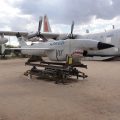
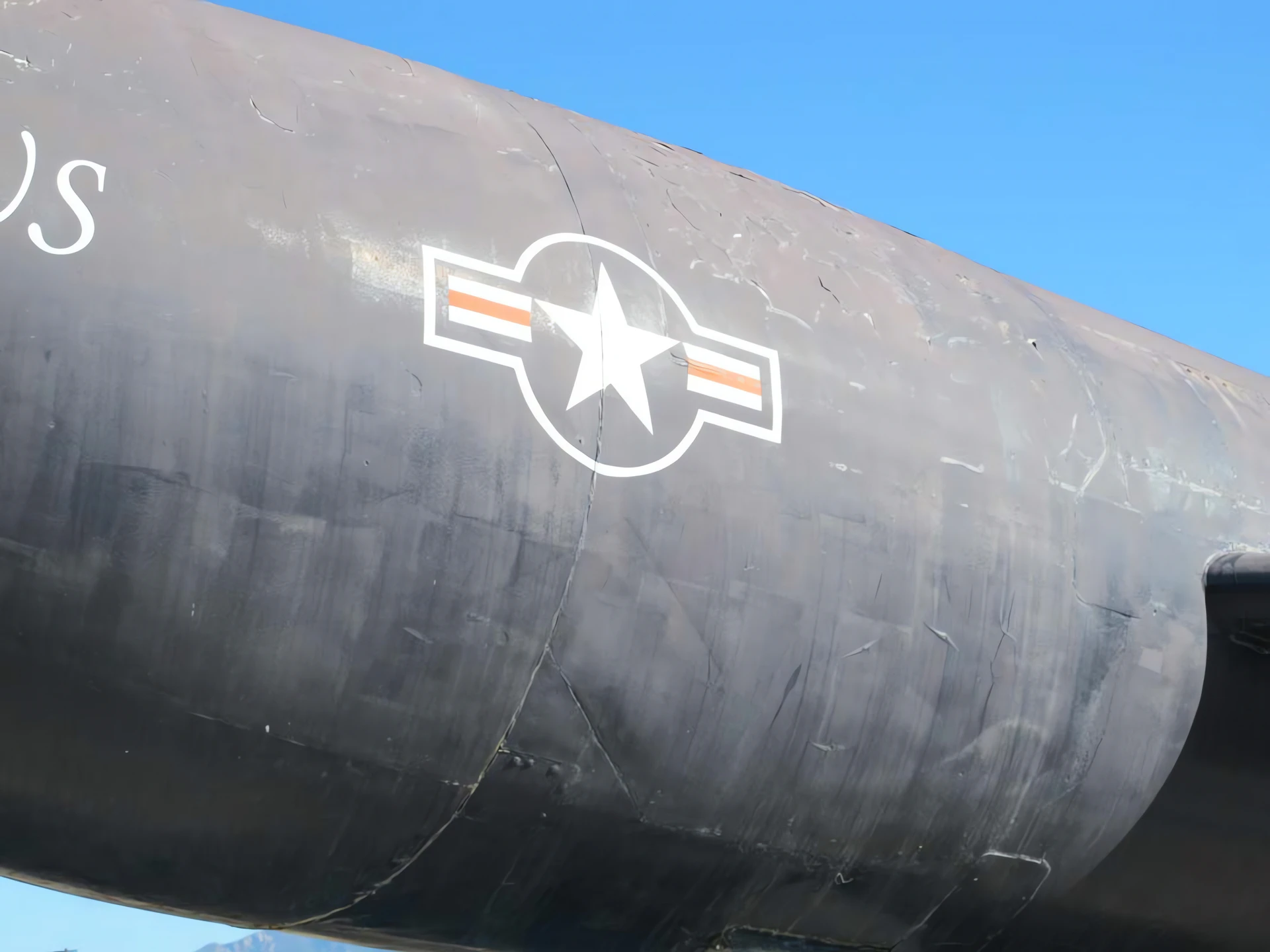
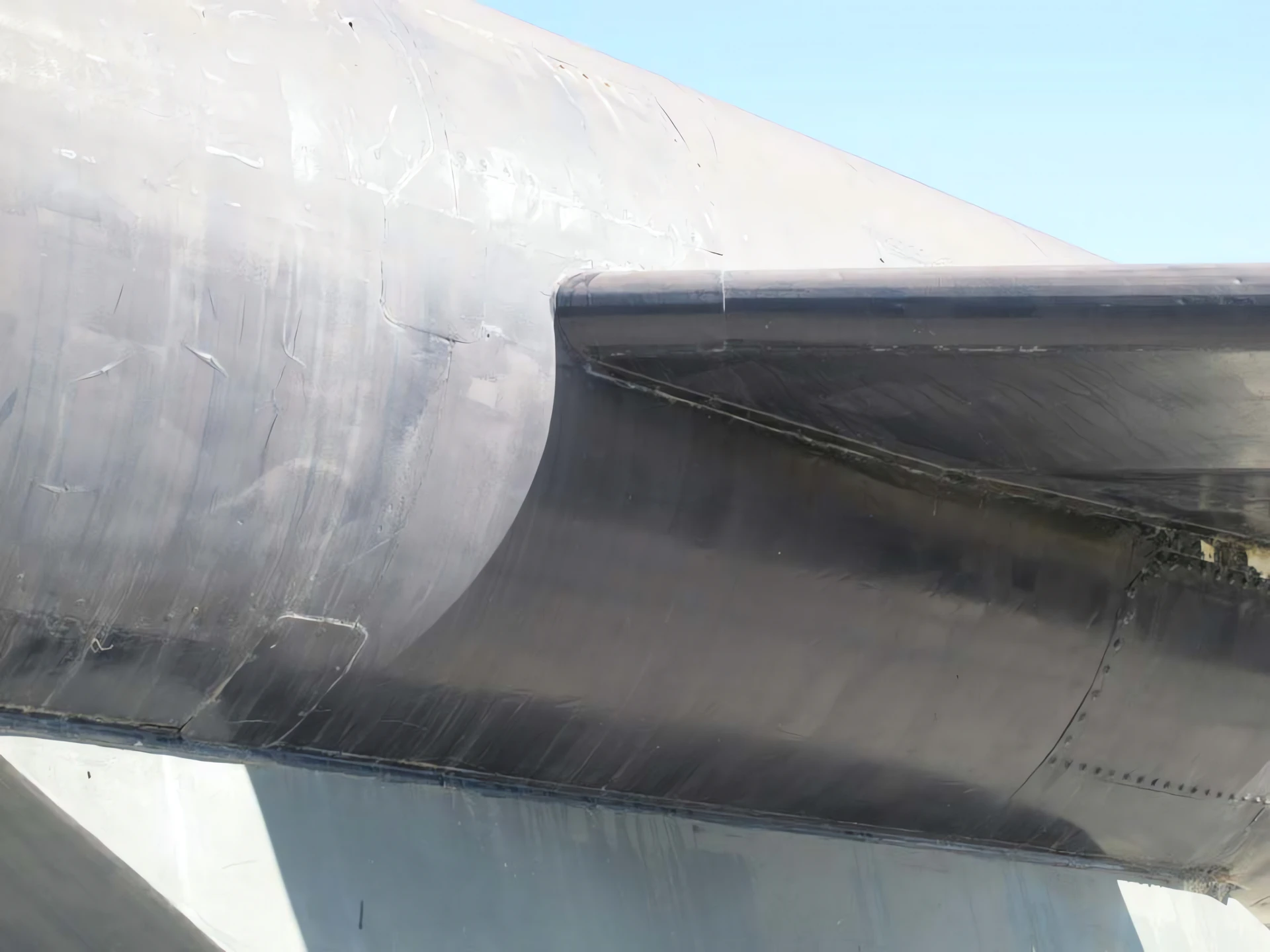
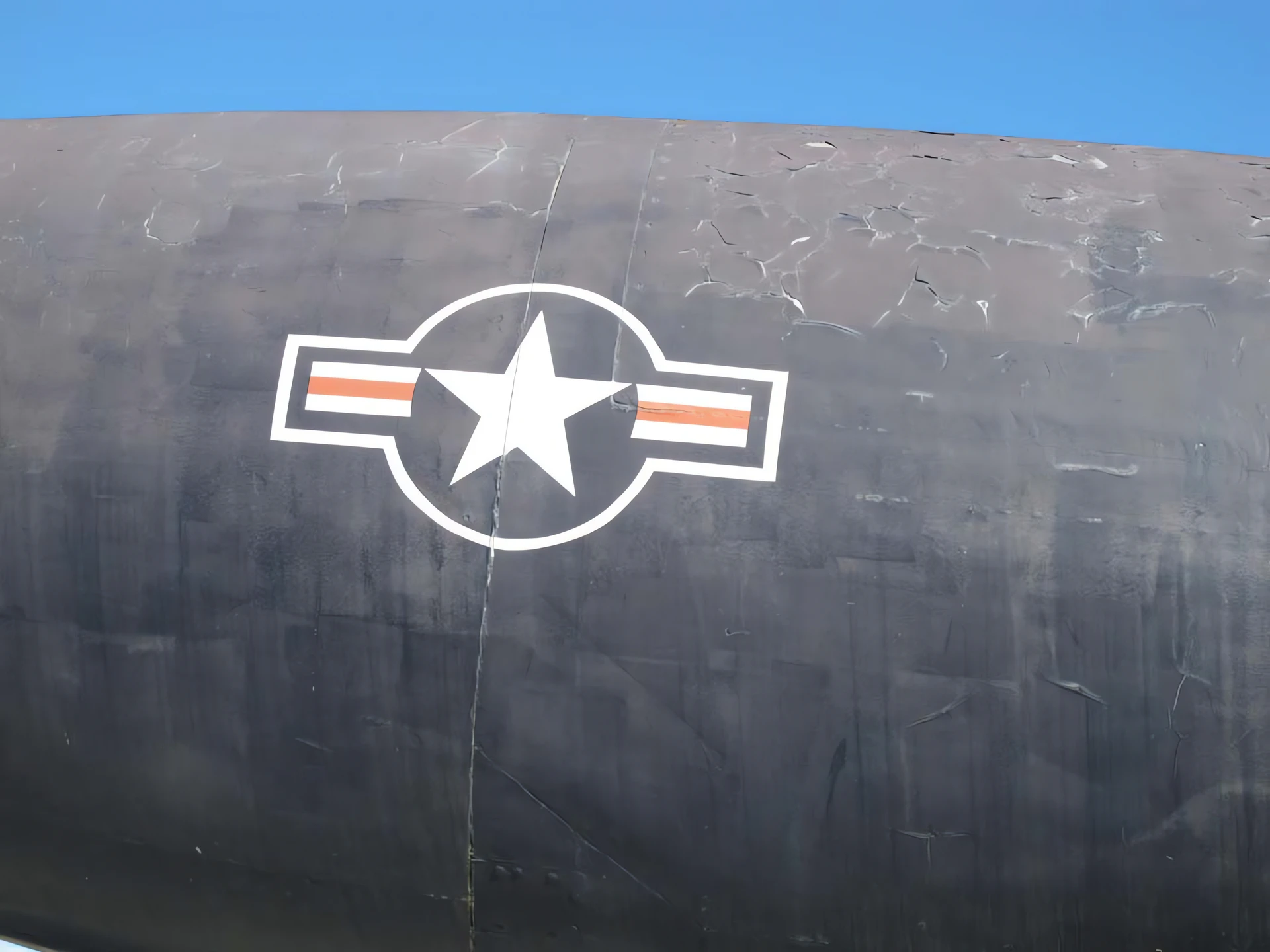
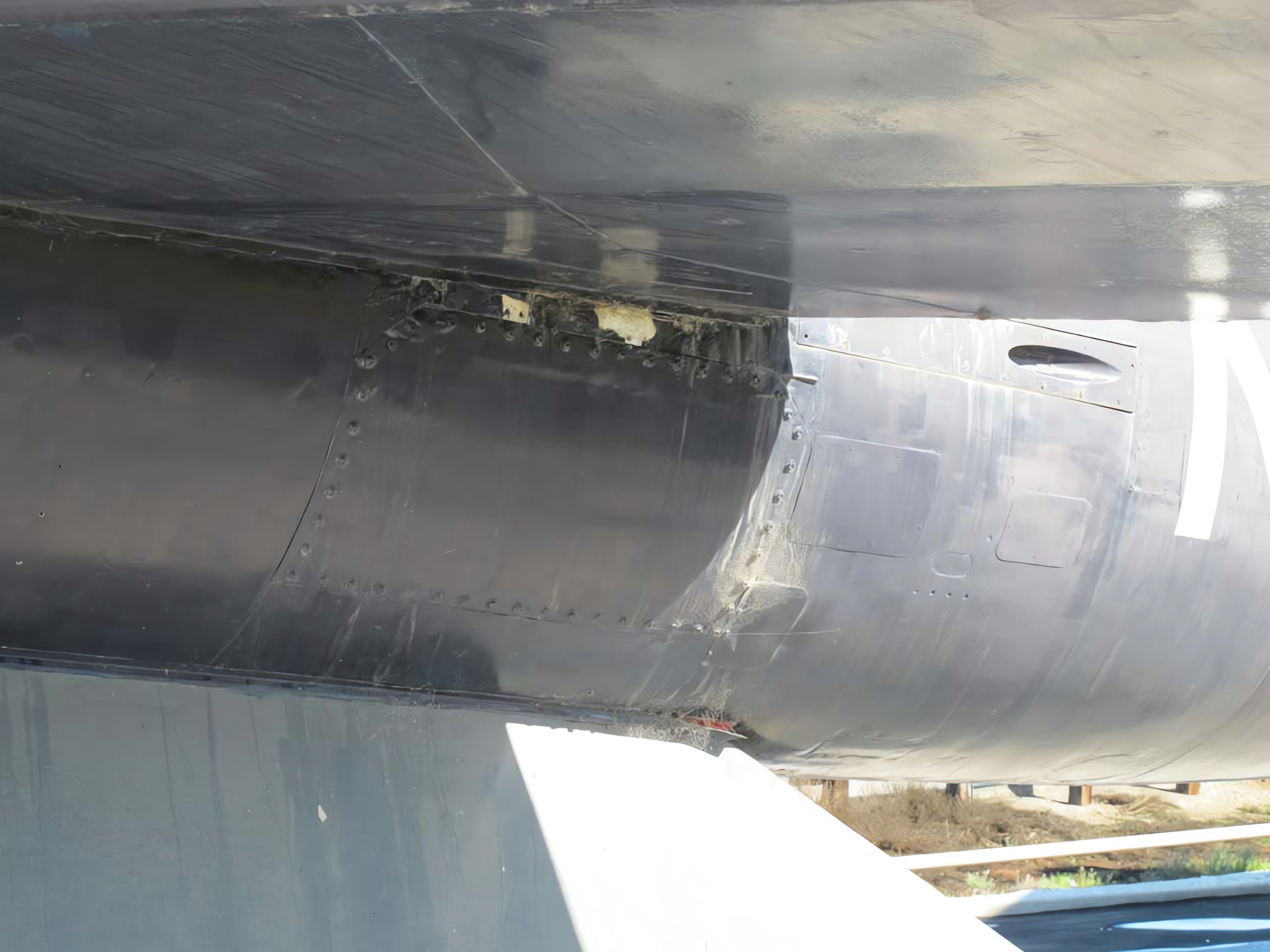
| Vought RGM-6 Regulus I Cruise Missile Walk Around | |
|---|---|
| カメラマン | ウラジーミル・ヤクボフ |
| ローカライズ | 知りません |
| 写真 | 36 |

関連項目:


The Guided Missile Pioneer
ザ Vought RGM-6 Regulus was the United States Navy’s first operational surface-to-surface nuclear missile. Looking remarkably like a cockpit-less F-84 fighter jet, the Regulus was essentially a pilotless aircraft powered by a turbojet engine. It provided the Navy with its first credible strategic nuclear deterrent before the arrival of the Polaris ballistic missile. It was launched from the decks of aircraft carriers, cruisers, and most notably, the decks of surfaced submarines.
| Attribute | Technical Specification (Regulus I) |
|---|---|
| 役割 | Surface-to-Surface Cruise Missile |
| First Flight | May 1950 |
| パワープラント | 1 × Allison J33-A-14 turbojet |
| Launch Assist | 2 × Aerojet General solid-fuel rocket boosters |
| 最高速度 | Mach 0.91 (approx. 600 mph) |
| Maximum Range | 500 miles (800 km) |
| Warhead | W5 or W27 Nuclear Warhead (up to 2 Megatons) |
| Guidance | Radio Command (Trounce) / Inertial |
Aerospace Engineering as a Missile
- The “Recoverable” Missile: During testing, the Regulus was equipped with landing gear and a remote-control system, allowing it to be flown and landed like a drone for reuse. This saved millions of dollars in the development phase.
- Folding Wings for Stowage: To fit inside the cramped hangars of submarines like the USS Grayback or the deck canisters of cruisers, the wings folded upward, a design inherited from Vought’s experience with carrier-based fighters.
- JATO Launch System: Since the Allison turbojet didn’t provide enough thrust to take off from a short rail, two massive solid-rocket boosters (JATO) kicked the missile to flight speed in seconds before dropping away.
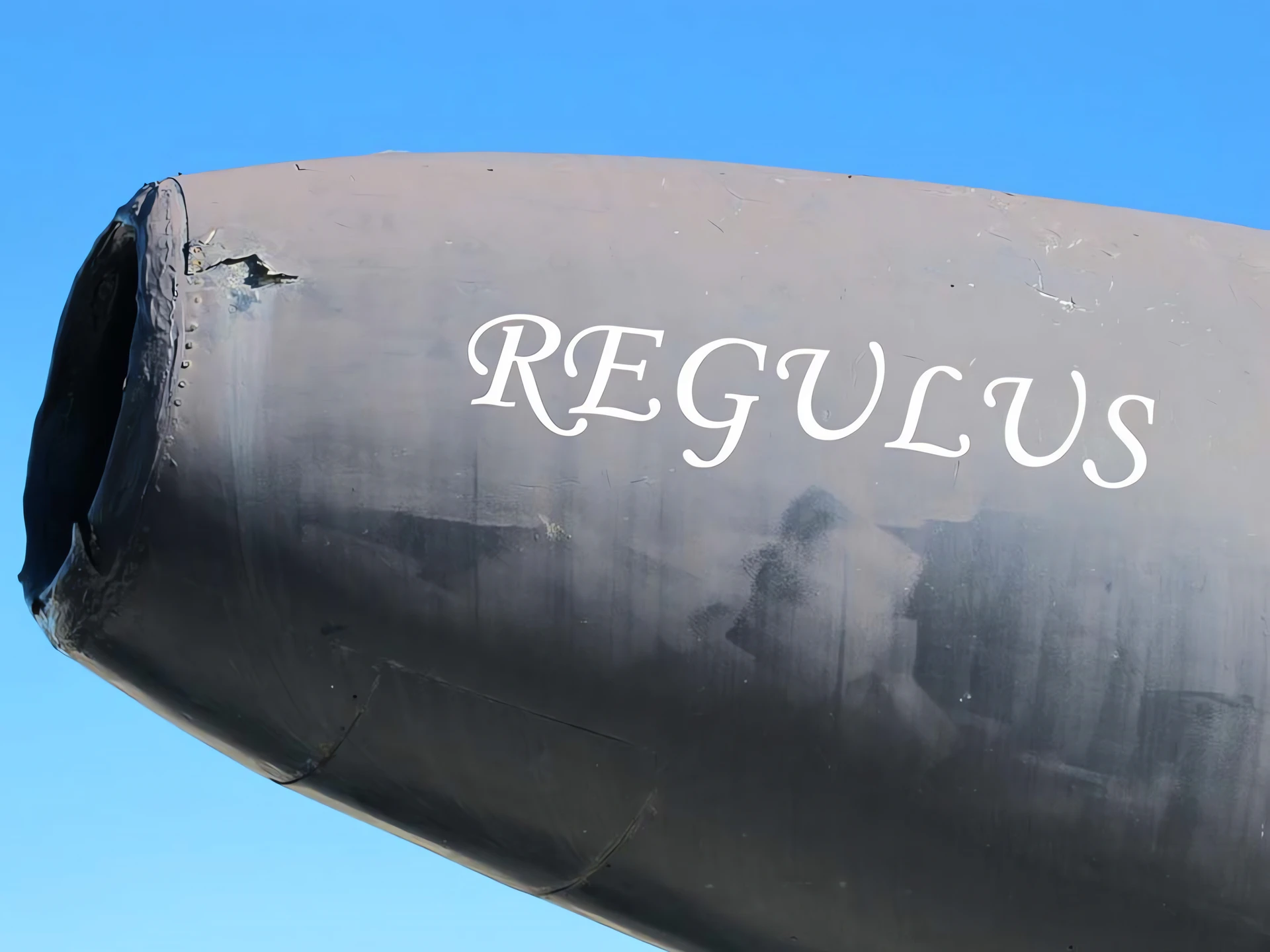
- Nose-Intake Design: The Regulus used a classic “pitot” intake at the very front of the missile, similar to the F-86 Sabre, to feed air to the jet engine located in the rear.
Operational History & Legacy
- Submarine Deterrent: Regulus was the primary weapon of the Navy’s first “deterrent patrols.” Submarines had to surface and remain exposed for several minutes to launch the missile, a dangerous requirement that led to the development of the underwater-launched Polaris.
- “Mail Delivery” Mission: In 1959, in a famous publicity stunt, a Regulus missile launched from the USS Barbero delivered 3,000 letters to the naval air station at Mayport, Florida. The Postmaster General declared it “Guided Missile Mail.”
- The Regulus II: A supersonic successor, the Regulus II (Mach 2+), was developed but canceled just as it entered production because the Polaris ballistic missile program was deemed superior.
- Survivors: Several Regulus missiles are on display today, including a notable example on the deck of the USS イントレピッド in New York and the USS Growler (the only intact Regulus submarine open to the public).
ビュー : 1575