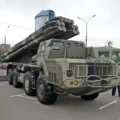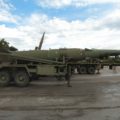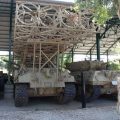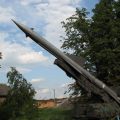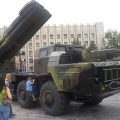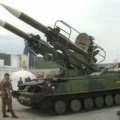
BM-13 | |
|---|---|
| 国 | ソ連 |
| 役割 | 複数のロケットランチャー |
| サービス中 | 1939年~現在 |
| 生産 | 1939年~現在 |
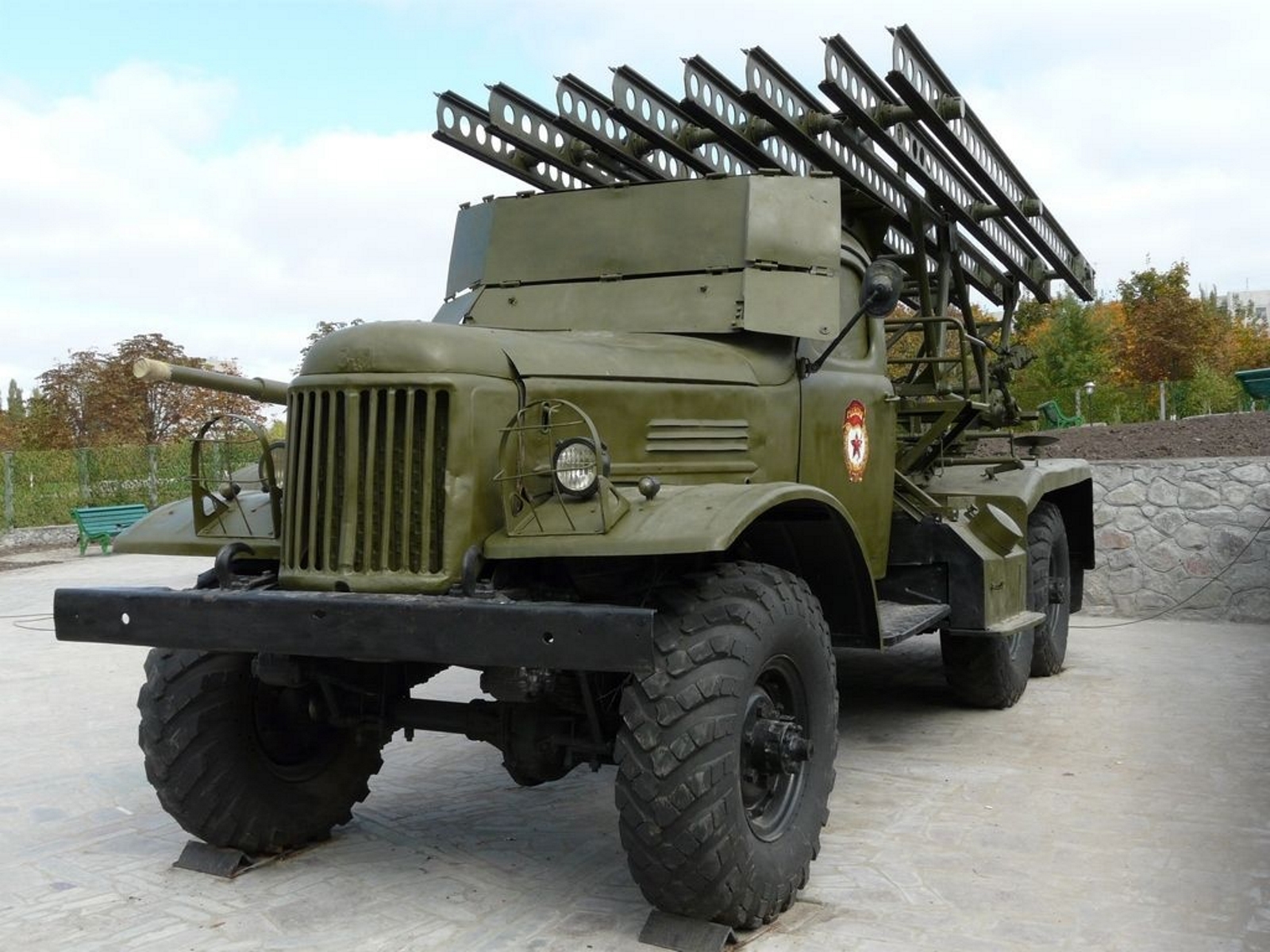
ザ カチューシャ multiple rocket launcher (Russian: Катю́ша; IPA: [kɐˈtʲuʂə] (About this sound listen)) is a type of rocket artillery first built and fielded by the Soviet Union in World War II. Multiple rocket launchers such as these deliver explosives to a target area more quickly than conventional artillery, but with lower accuracy and requiring a longer time to reload. They are fragile compared to artillery guns, but are inexpensive, easy to produce, and usable on any chassis. The Katyushas of World War II, the first self-propelled artillery mass-produced by the Soviet Union, were usually mounted on ordinary trucks. This mobility gave the Katyusha, and other self-propelled artillery, another advantage: being able to deliver a large blow all at once, and then move before being located and attacked with counter-battery fire. Katyusha weapons of World War II included the BM-13 launcher, light BM-8, and heavy BM-31. Today, the nickname is also applied to newer truck-mounted post-Soviet – in addition to non-Soviet – multiple rocket launchers, notably the common BM-21 Grad and its derivatives.
ソース: WikiのZiL-157のBM-13
| ZIL-157ウォークアラウンドのBM-13 | |
|---|---|
| カメラマン | 知りません |
| ローカライズ | 知りません |
| 写真 | 57 |




関連項目:


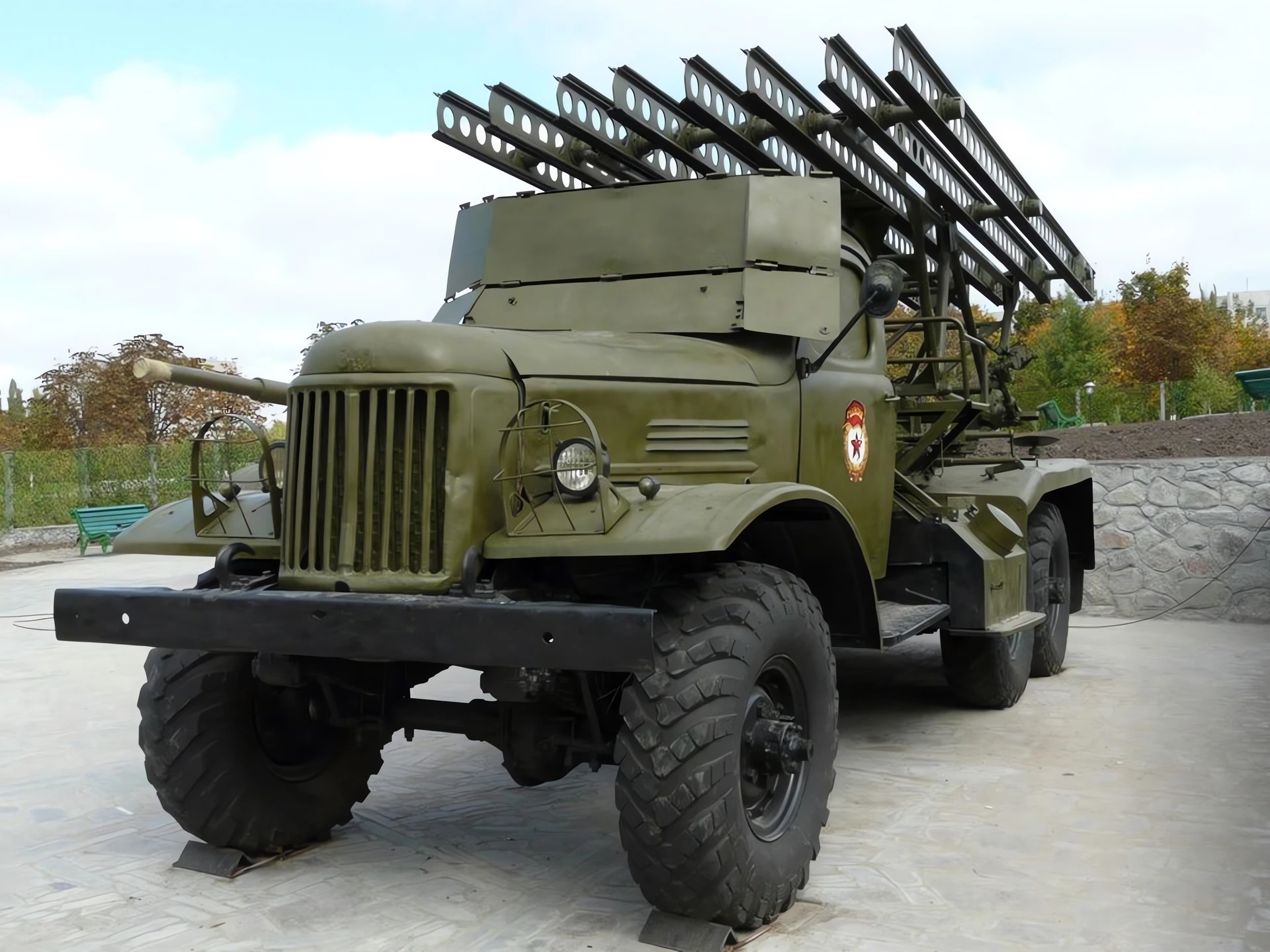
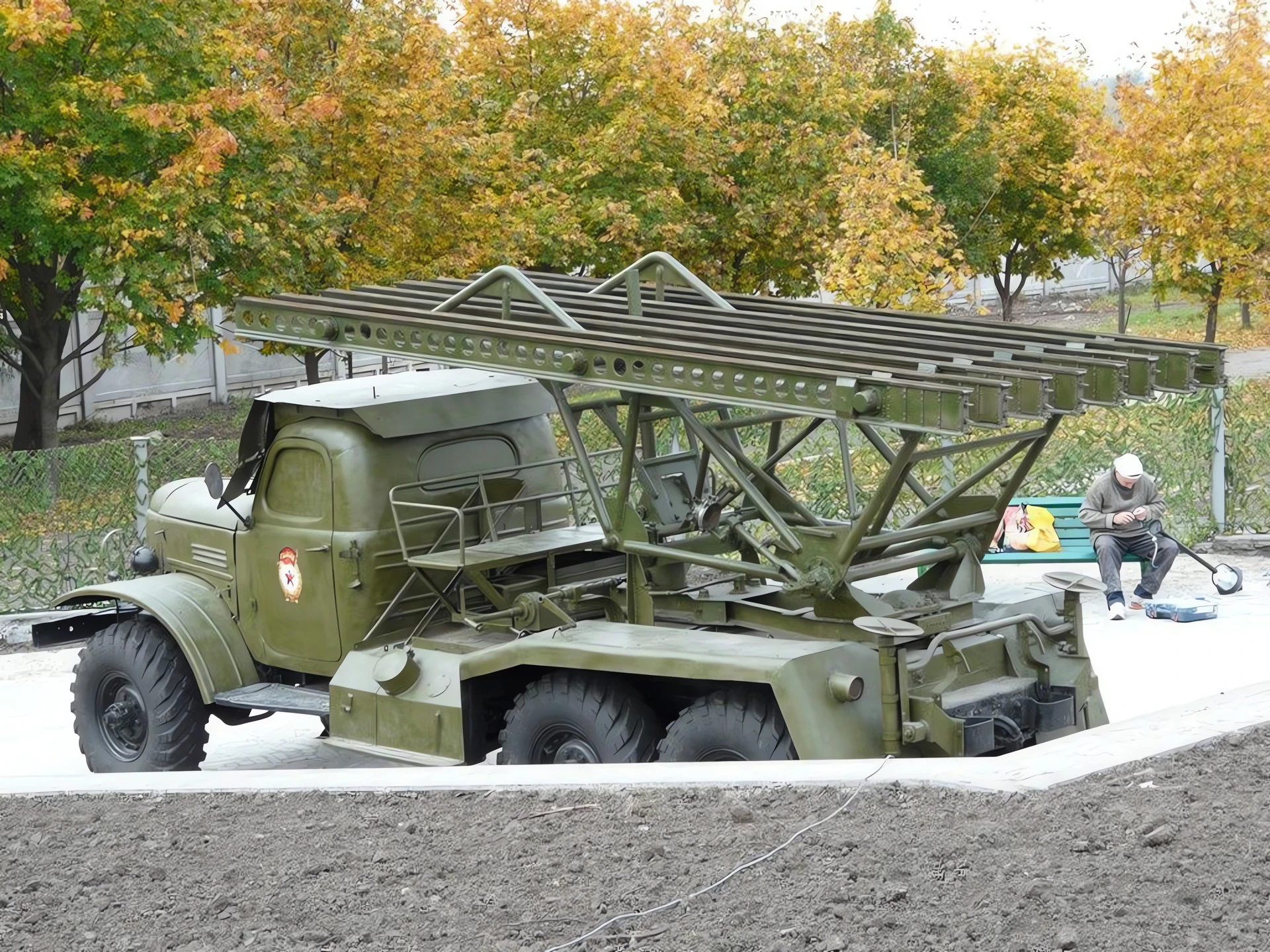
ザ BM-13 on ZiL-157 was a Soviet multiple rocket launcher mounted on a ZiL-157 truck chassis. It was a successor of the famous BM-13 “Katyusha” that was widely used during World War II. The BM-13 on ZiL-157 had 16 launch tubes that could fire 132 mm rockets with a range of up to 8.5 km. The rockets were loaded manually and could be fired in salvo or individually. The launcher could be rotated 360 degrees and elevated from 0 to 45 degrees.
ZiL-157に搭載されたBM-13は1950年代後半に導入され、スエズ危機、ベトナム戦争、第三次中東戦争、ヨム・キプール戦争など、さまざまな紛争で活躍しました。また、エジプト、シリア、イラク、北朝鮮、キューバなど、いくつかの国にも輸出されました。ZiL-157に搭載されたBM-13は、最終的にBM-21「グラッド」などのより近代的なロケットシステムに置き換えられた。
景色 : 4689