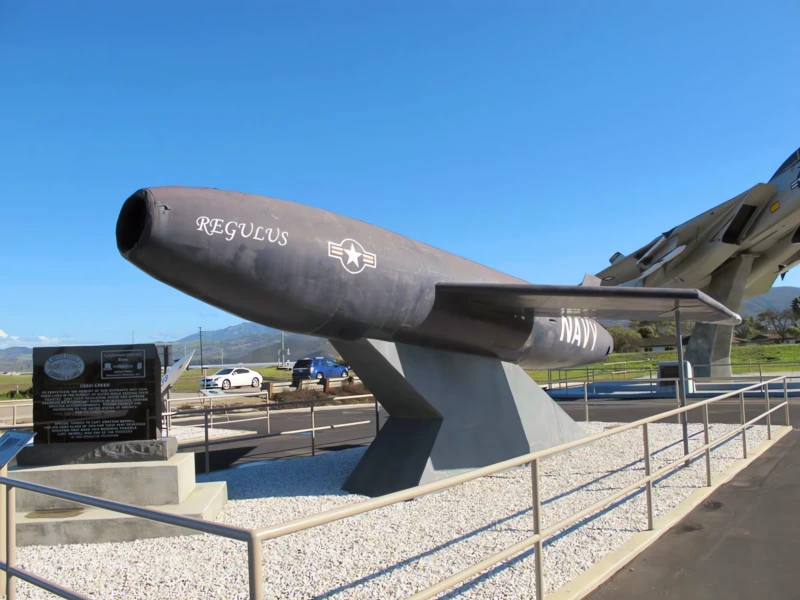
SSM-N-8 Regulus | |
|---|---|
| Країні | Сша |
| Роль | Крилата ракета |
| На службі | 1955-64 |
| Виробник | Шанс Воут |
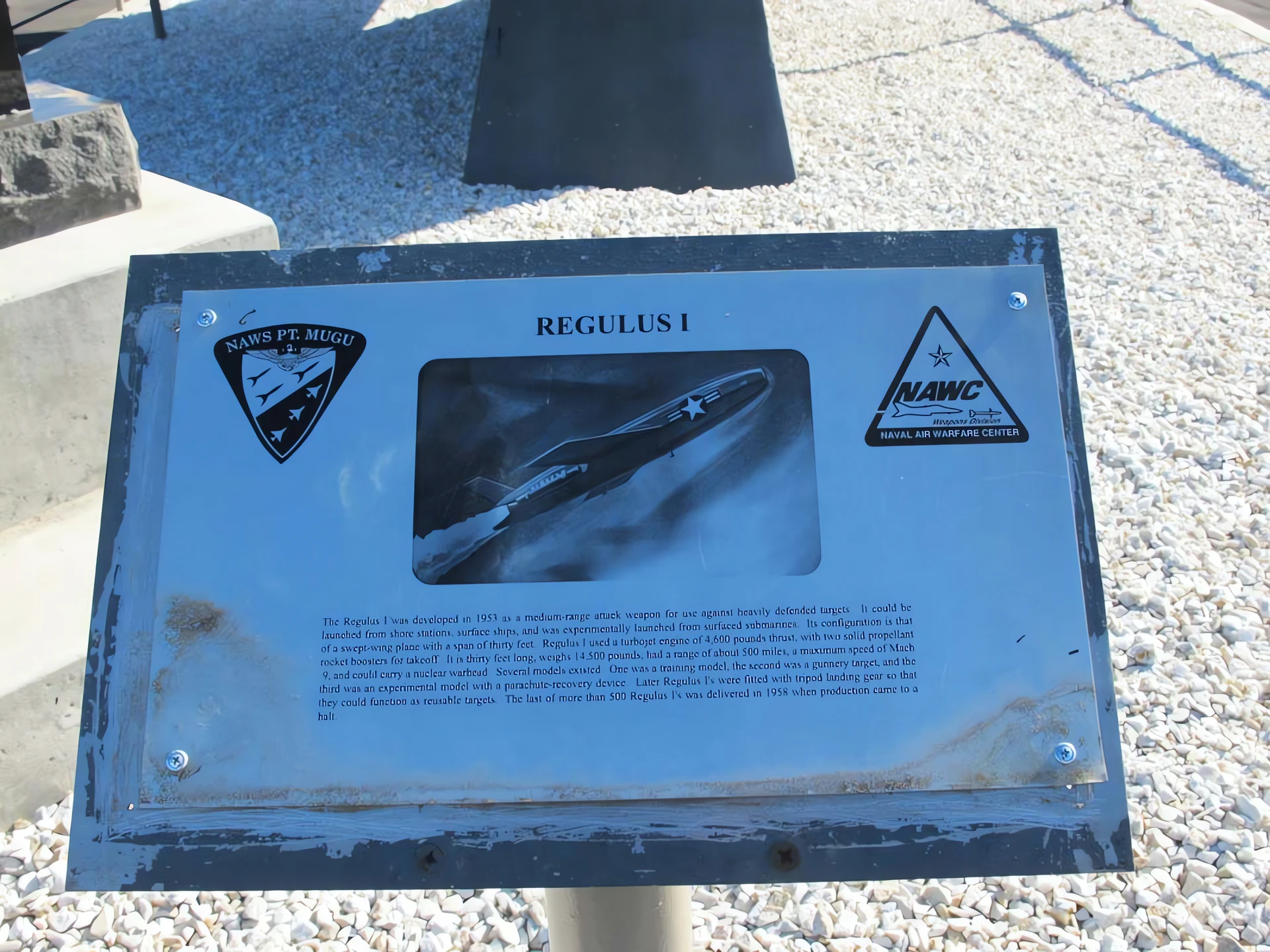
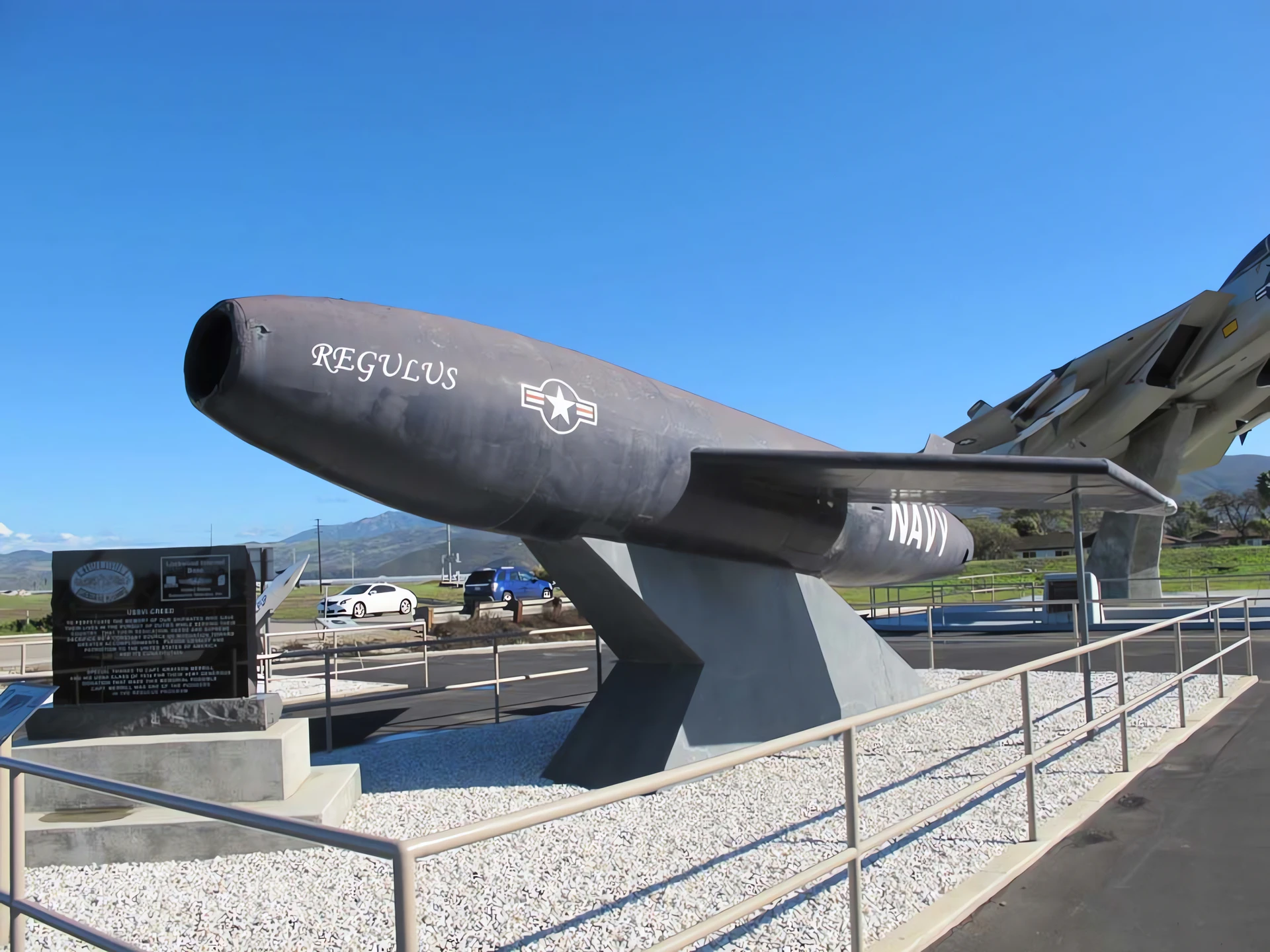
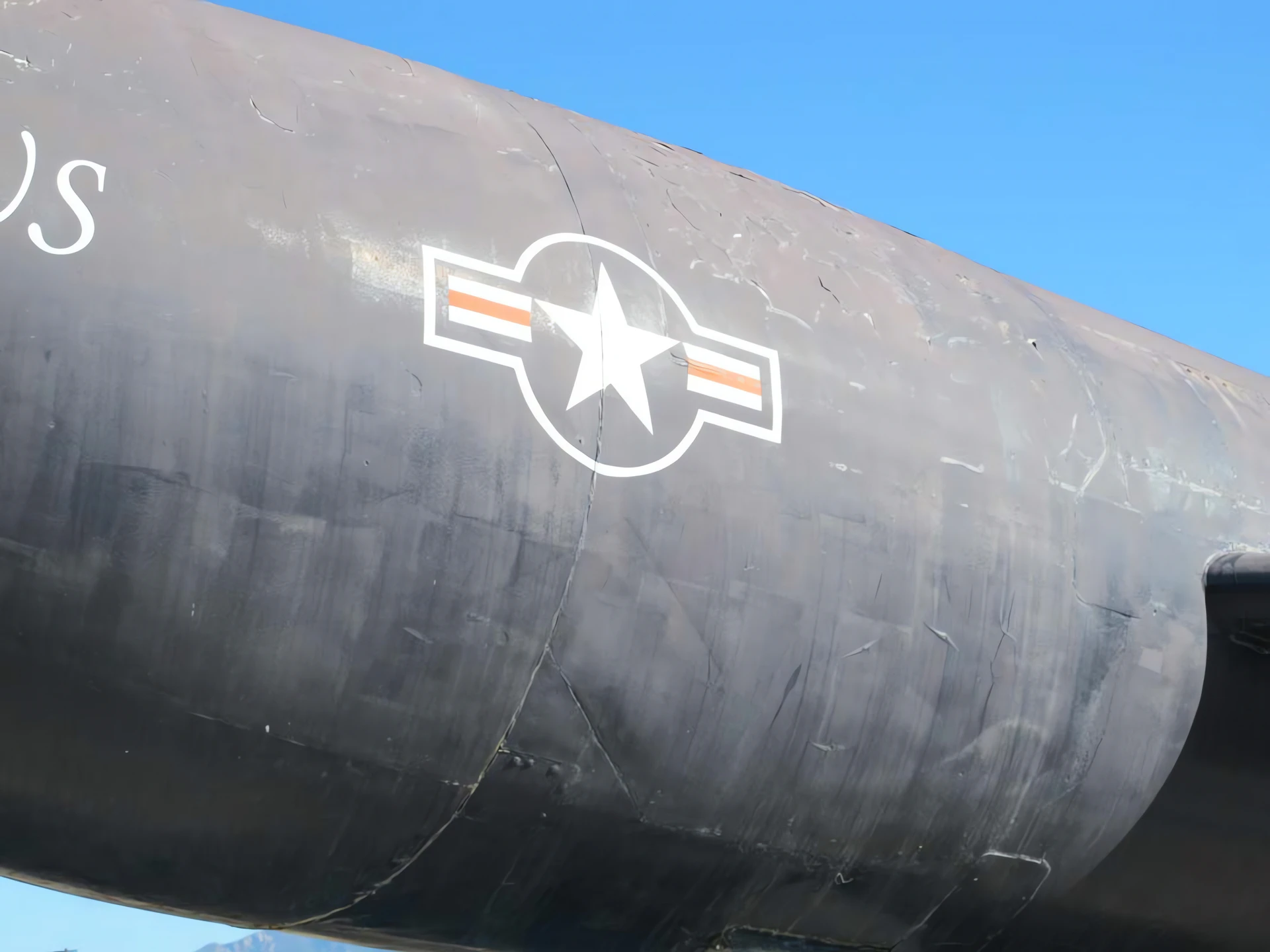
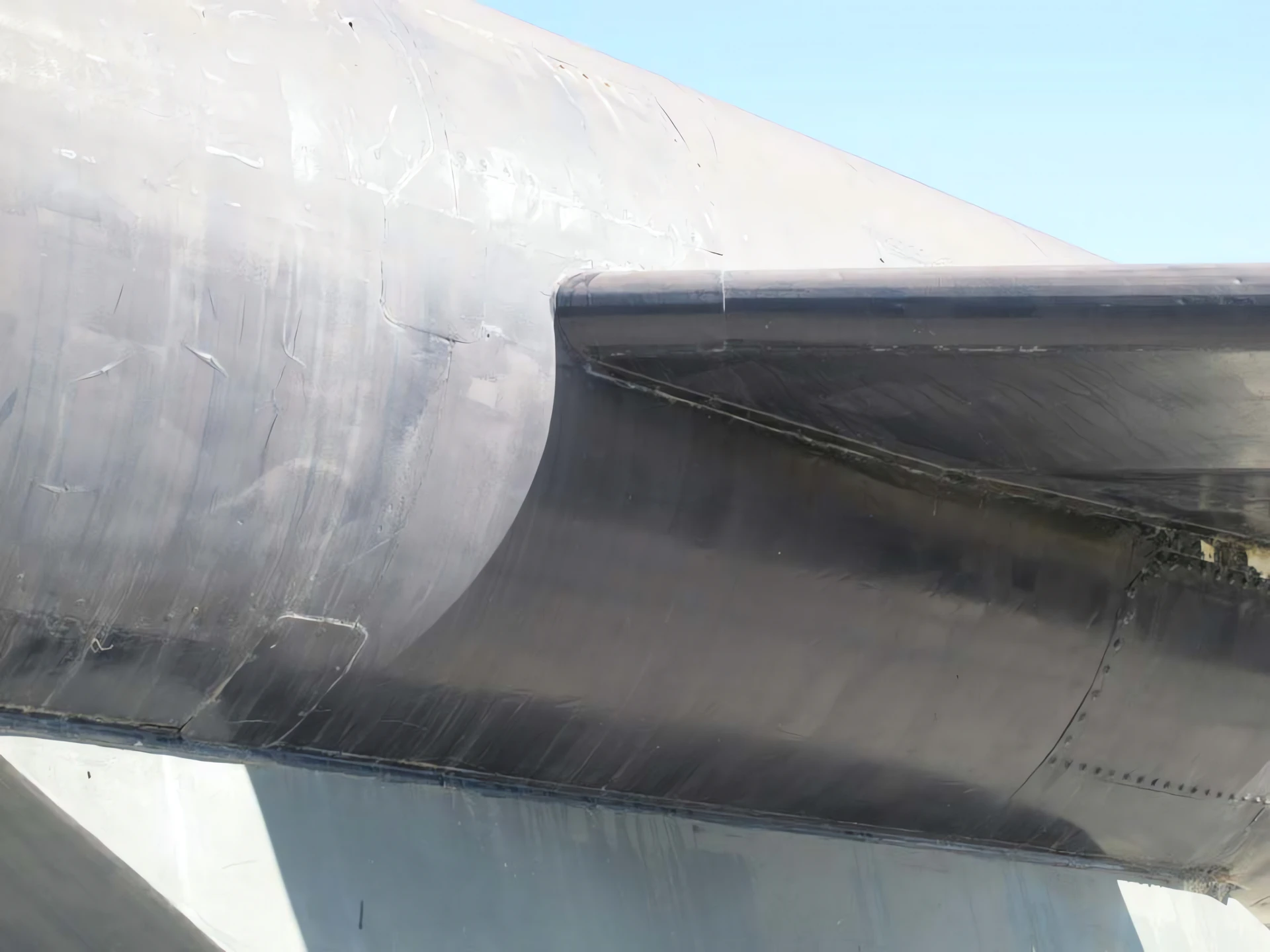
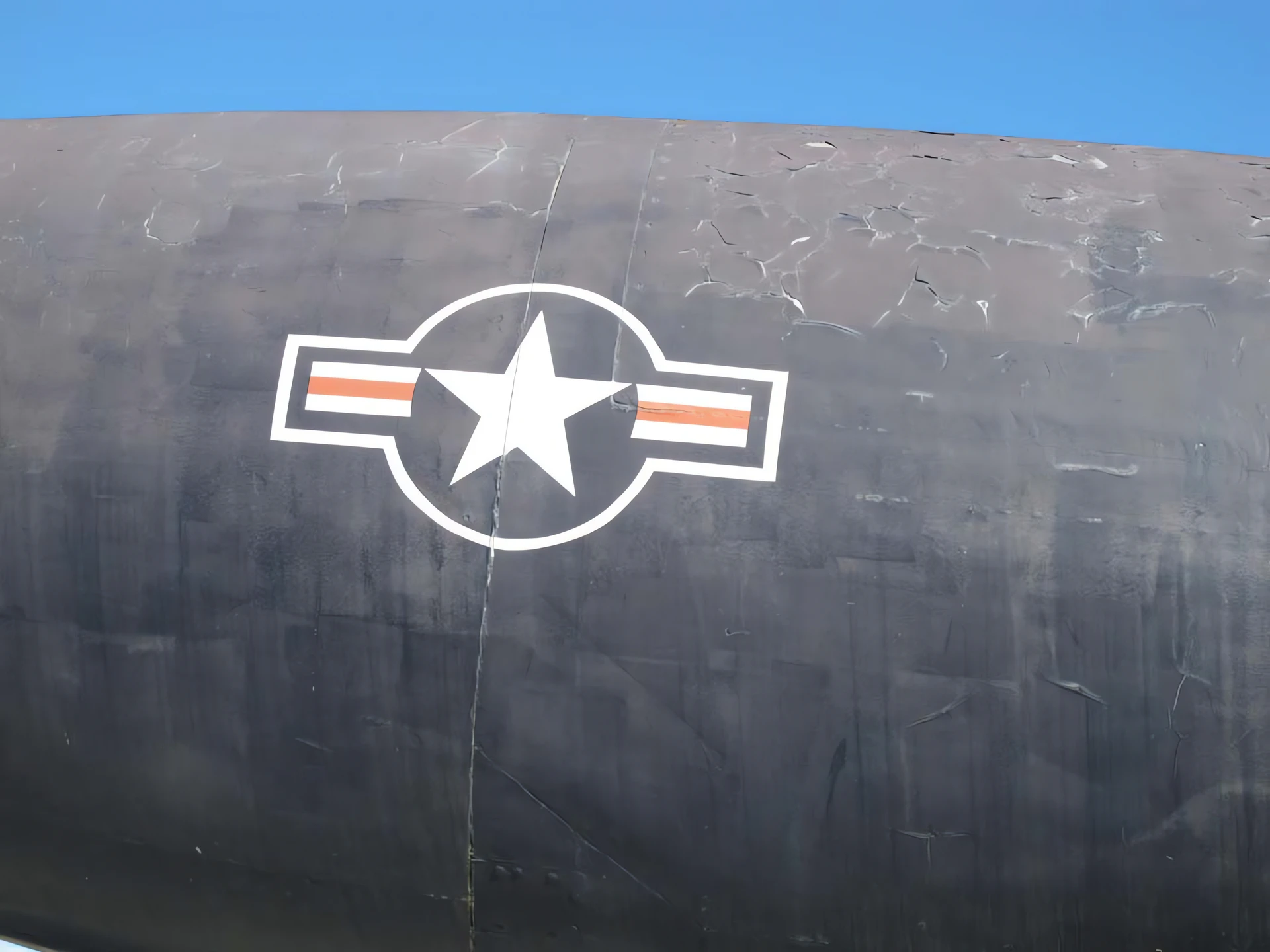
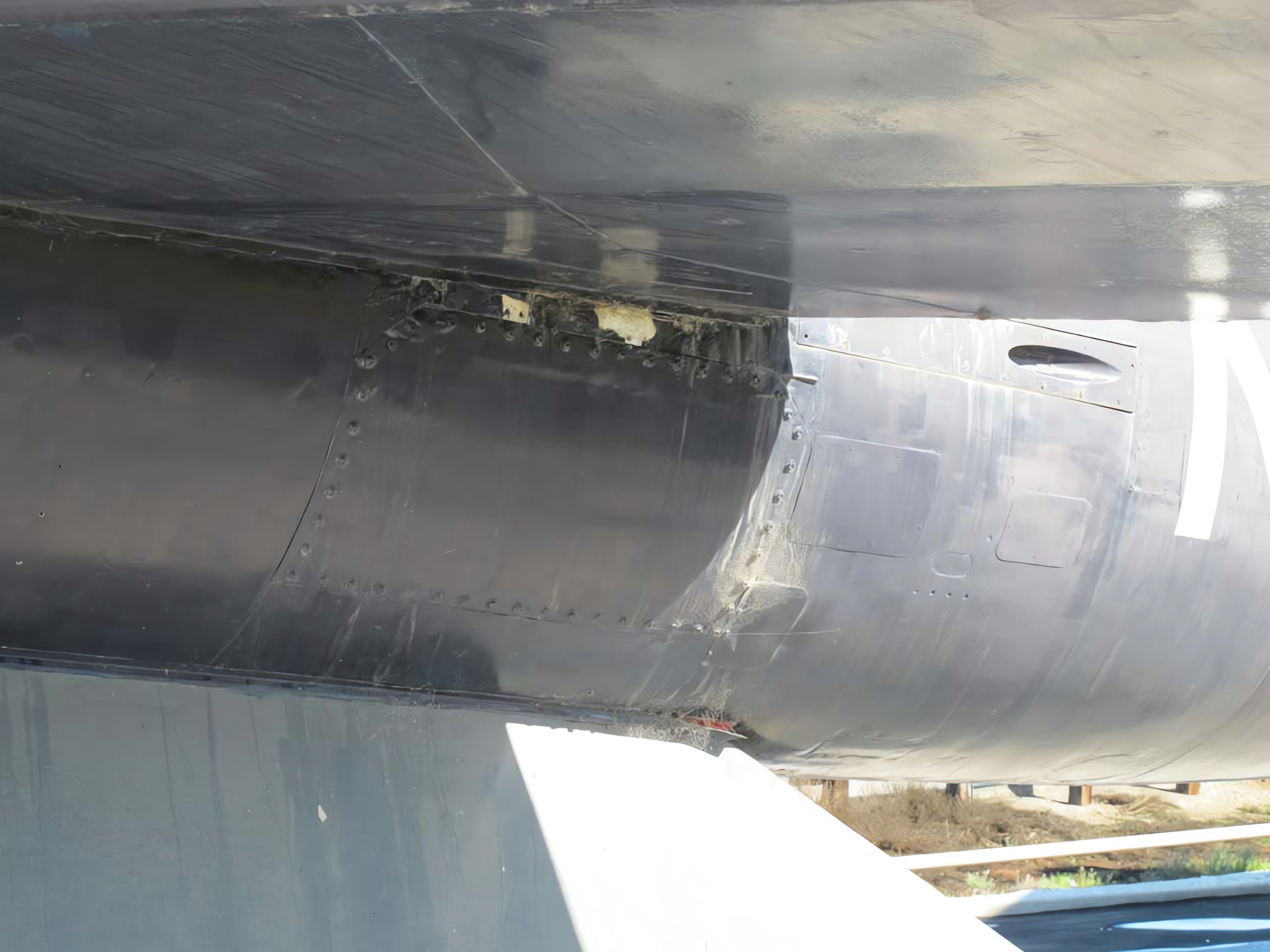
У 201 SSM-N-8A Regulus або об'єкт Регул І — розроблена ВМС США крилата ракета другого покоління з турбореактивним двигуном, розроблена ВМС США з ядерною зброєю, яка використовувалася з 1955 по 1964 рік. Його розробка стала наслідком випробувань ВМС США, проведених з німецькою ракетою Фау-1 на військово-морській авіабазі Пойнт-Мугу в Каліфорнії. Його бочкоподібний фюзеляж нагадував фюзеляж численних винищувачів тієї епохи, але без кабіни. Випробувальні зразки Regulus були оснащені шасі і могли злітати і сідати як літак. Коли ракети були розгорнуті, вони запускалися з рейкової пускової установки і були оснащені парою пляшок Aerojet JATO на кормовому кінці фюзеляжу.
Джерело: SSM-N-8 Regulus у Вікіпедії
| Vought RGM-6 Regulus I Cruise Missile Walk Around | |
|---|---|
| Фотографів | Володимир Якубов |
| Локалізацією | Незнай |
| Фото | 36 |
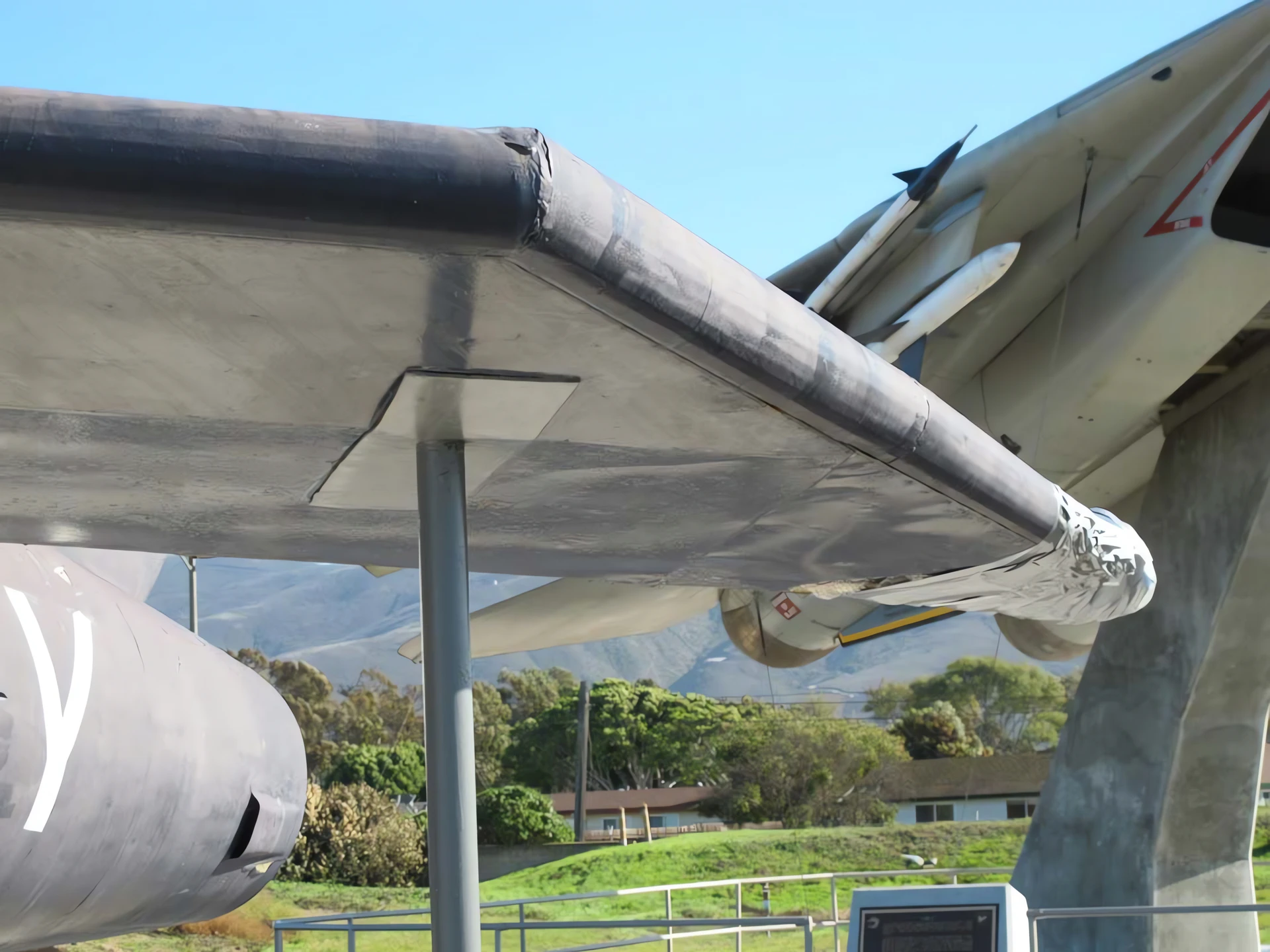
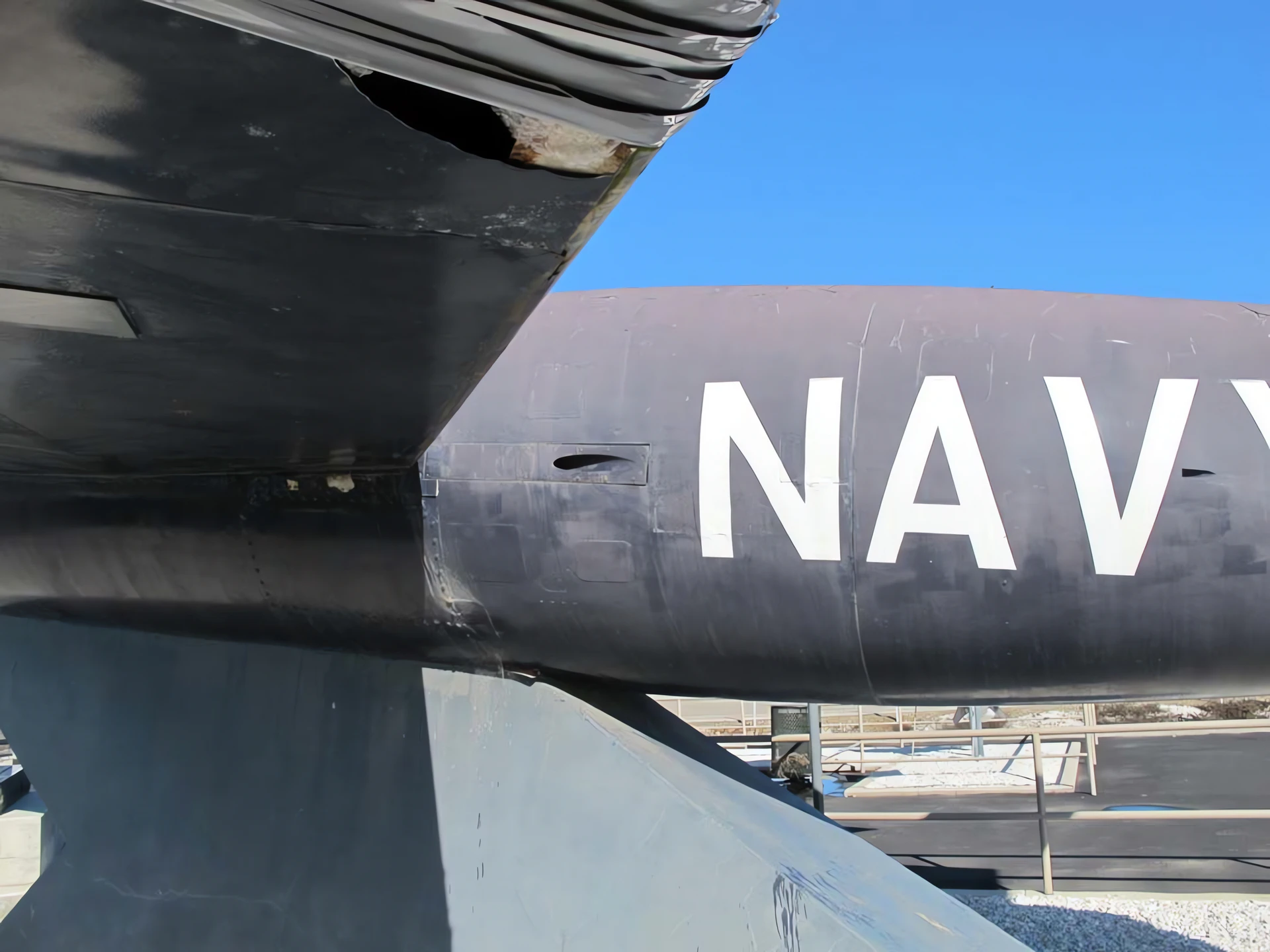

Читайте також:


The Guided Missile Pioneer
У 201 Vought RGM-6 Regulus was the United States Navy’s first operational surface-to-surface nuclear missile. Looking remarkably like a cockpit-less F-84 fighter jet, the Regulus was essentially a pilotless aircraft powered by a turbojet engine. It provided the Navy with its first credible strategic nuclear deterrent before the arrival of the Polaris ballistic missile. It was launched from the decks of aircraft carriers, cruisers, and most notably, the decks of surfaced submarines.
| Attribute | Technical Specification (Regulus I) |
|---|---|
| Роль | Surface-to-Surface Cruise Missile |
| First Flight | May 1950 |
| Силова установка | 1 × Allison J33-A-14 turbojet |
| Launch Assist | 2 × Aerojet General solid-fuel rocket boosters |
| Максимальна швидкість | Mach 0.91 (approx. 600 mph) |
| Maximum Range | 500 miles (800 km) |
| Warhead | W5 or W27 Nuclear Warhead (up to 2 Megatons) |
| Guidance | Radio Command (Trounce) / Inertial |
Aerospace Engineering as a Missile
- The “Recoverable” Missile: During testing, the Regulus was equipped with landing gear and a remote-control system, allowing it to be flown and landed like a drone for reuse. This saved millions of dollars in the development phase.
- Folding Wings for Stowage: To fit inside the cramped hangars of submarines like the USS Grayback or the deck canisters of cruisers, the wings folded upward, a design inherited from Vought’s experience with carrier-based fighters.
- JATO Launch System: Since the Allison turbojet didn’t provide enough thrust to take off from a short rail, two massive solid-rocket boosters (JATO) kicked the missile to flight speed in seconds before dropping away.
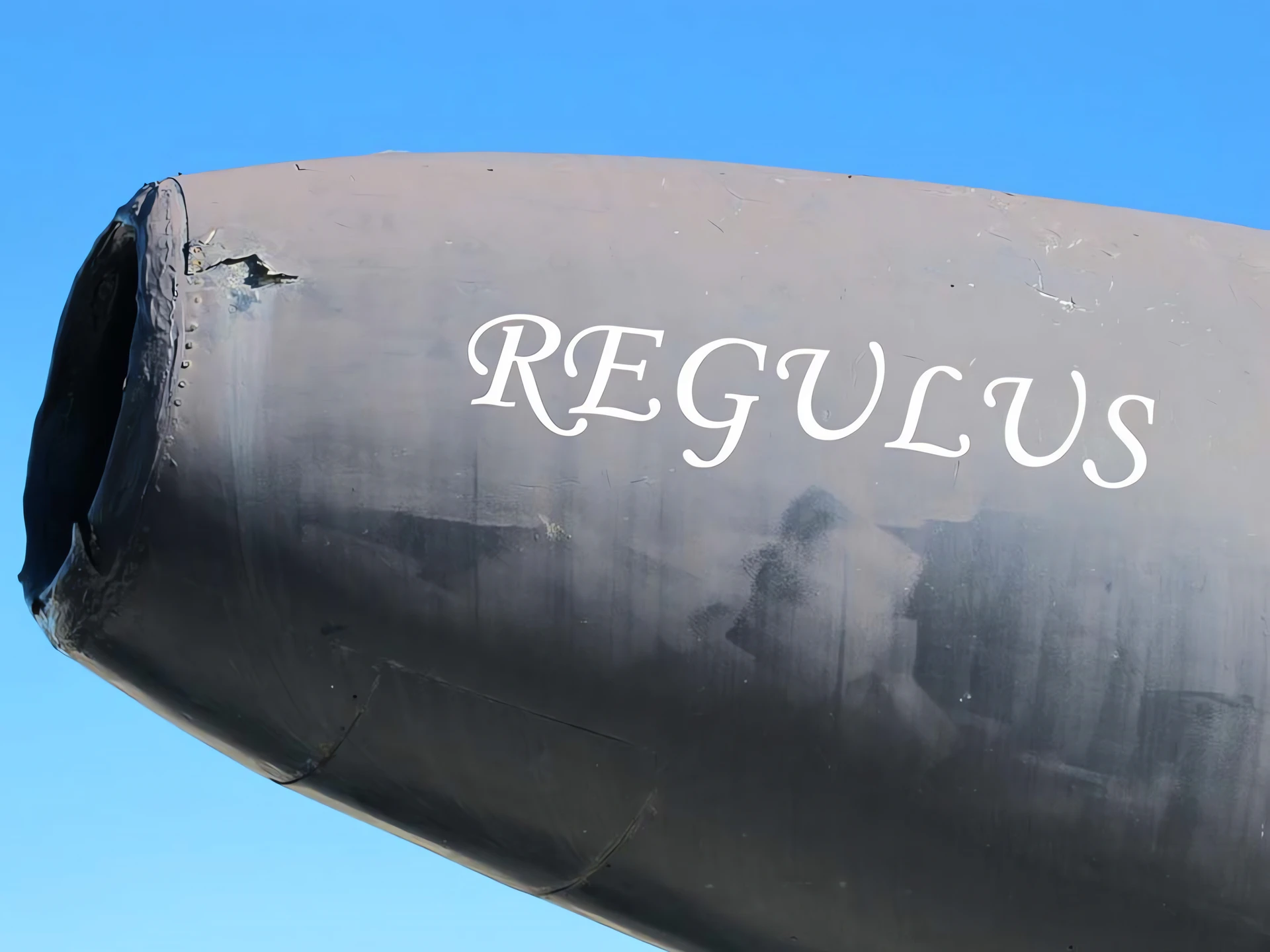
- Nose-Intake Design: The Regulus used a classic “pitot” intake at the very front of the missile, similar to the F-86 Sabre, to feed air to the jet engine located in the rear.
Operational History & Legacy
- Submarine Deterrent: Regulus was the primary weapon of the Navy’s first “deterrent patrols.” Submarines had to surface and remain exposed for several minutes to launch the missile, a dangerous requirement that led to the development of the underwater-launched Polaris.
- “Mail Delivery” Mission: In 1959, in a famous publicity stunt, a Regulus missile launched from the USS Barbero delivered 3,000 letters to the naval air station at Mayport, Florida. The Postmaster General declared it “Guided Missile Mail.”
- The Regulus II: A supersonic successor, the Regulus II (Mach 2+), was developed but canceled just as it entered production because the Polaris ballistic missile program was deemed superior.
- Survivors: Several Regulus missiles are on display today, including a notable example on the deck of the Корабель ВМС США «Інтрепід» in New York and the USS Growler (the only intact Regulus submarine open to the public).
Переглядів : 1473
Ви також можете побачити:
 БМ-21 «Град» — фото та відео
 Першинг II - Фото & Відео
 MAR-290 – Фото & Відео
 Райан Файрбі - Фото & Відео
 БМ-13 на ЗіЛ-157 – фото &відео
 БМ-30 «Смерч» – фото та відео
 Kugisho/Yokosuka K-1 Ohka – Фото та відео
 Type 63 130mm на вантажівці NJ 230 – фото та відео
 SA-6 Gainful – фото та відео
 MGM-18 Lacrosse – фото & відео