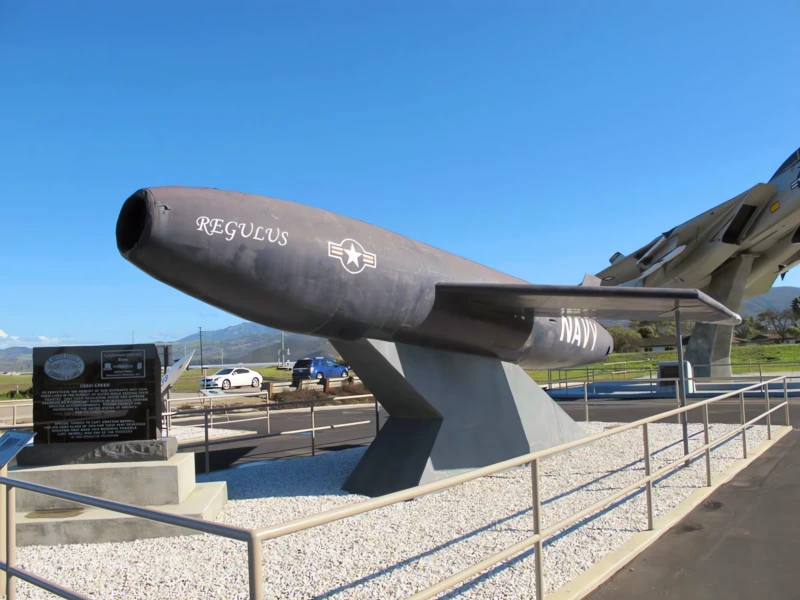
SSM-N-8 Regulus | |
|---|---|
| Land | Norge , Norge |
| Rolle | Krysserrakett |
| I tjeneste | 1955-64 |
| Produsenten | Sjanse Vought |
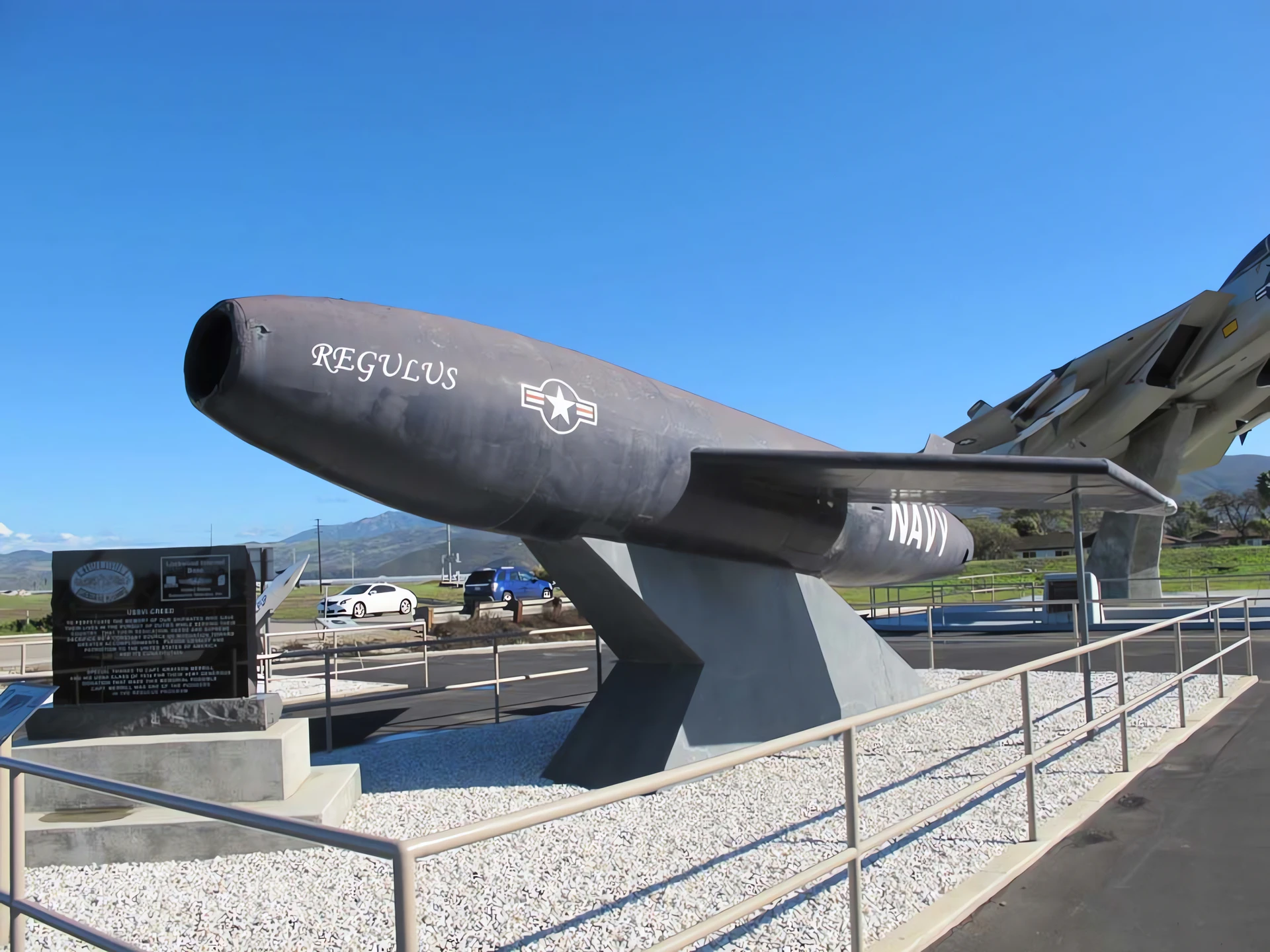
Den SSM-N-8A Regulus eller Regulus I var en amerikansk marine-utviklet skip-og-ubåt-lansert, kjernefysisk kapabel turbojet-drevet andre generasjons cruise missil, utplassert fra 1955 til 1964. Utviklingen var en utvekst av amerikanske marinetester utført med det tyske V-1-missilet på Naval Air Station Point Mugu i California. Den tønneformede flykroppen lignet på mange jagerflydesign fra den tiden, men uten cockpit. Testartikler av Regulus var utstyrt med landingsutstyr og kunne ta av og lande som et fly. Da missilene ble utplassert, ble de avfyrt fra en jernbaneutskytningsrampe, og utstyrt med et par Aerojet JATO-flasker på den bakre enden av skroget.
Kilde: SSM-N-8 Regulus på Wikipedia
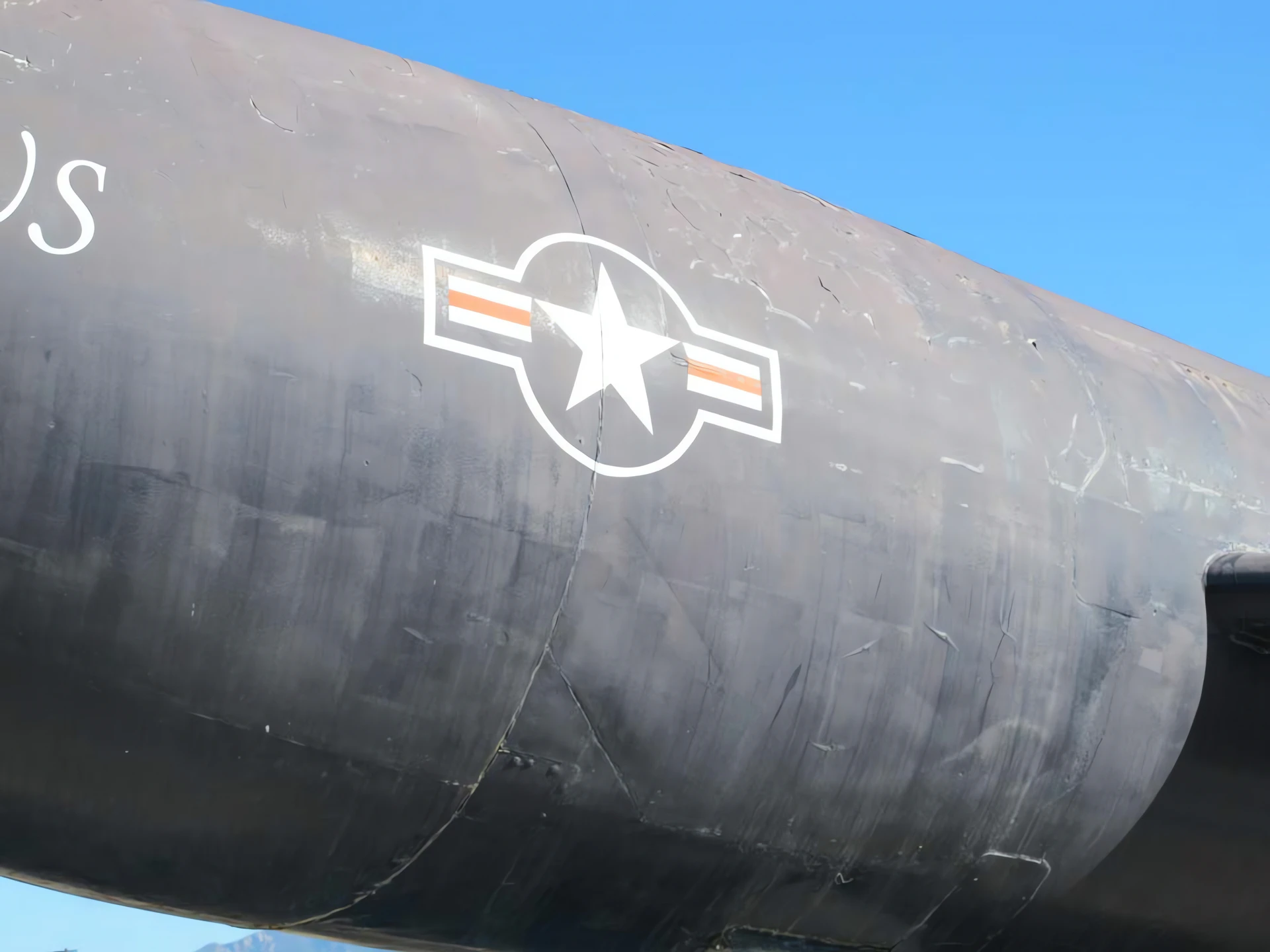
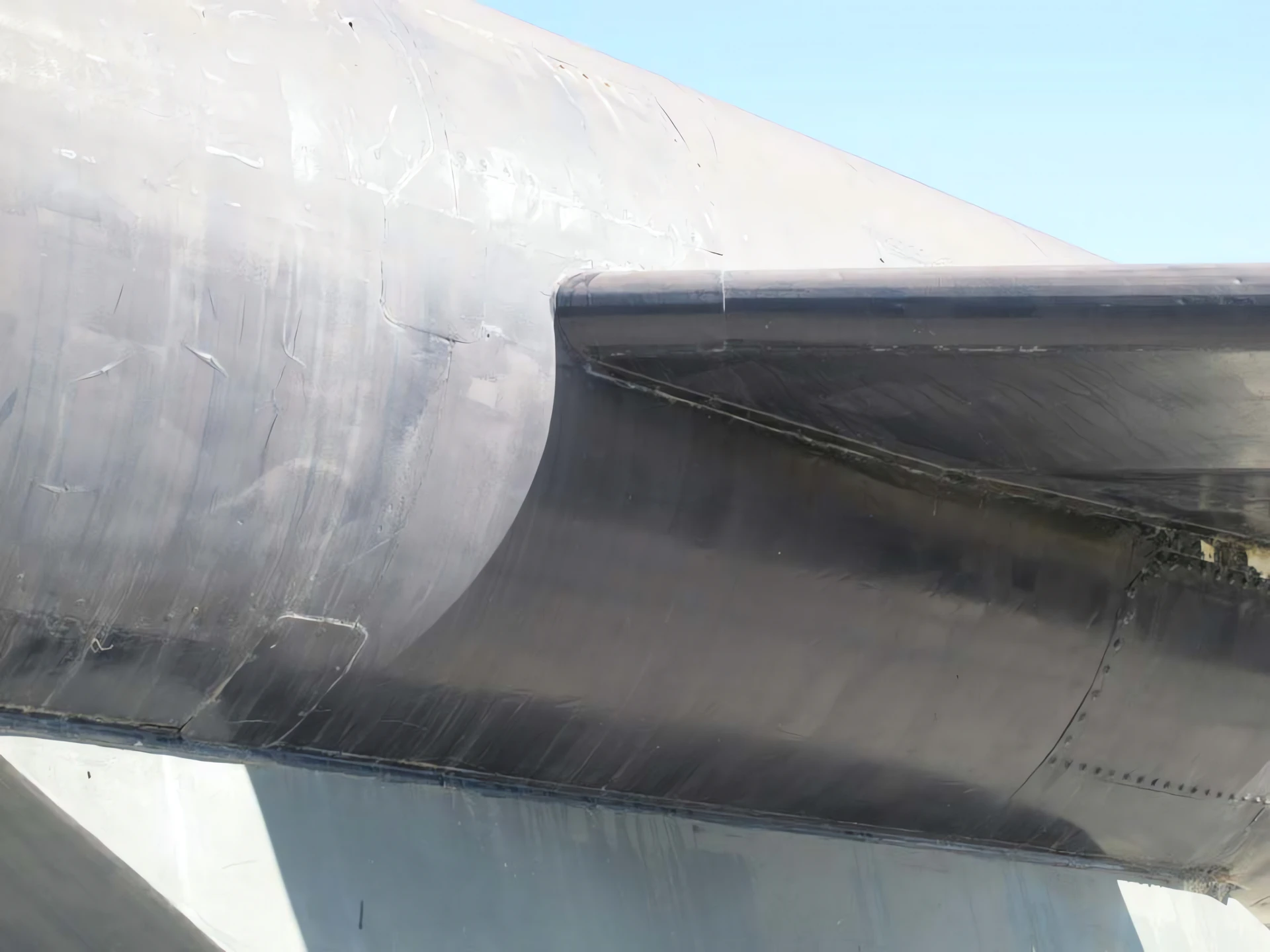
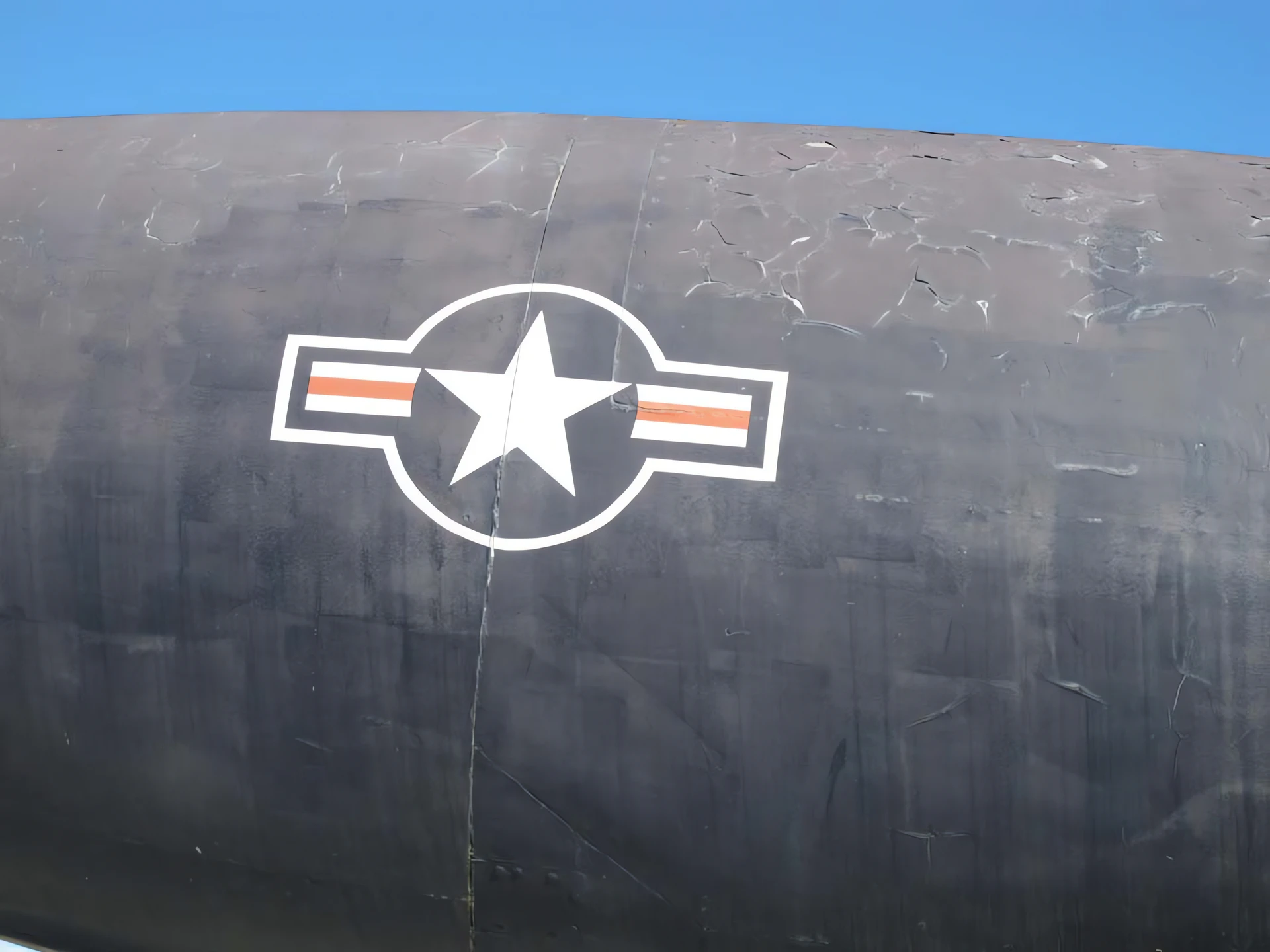
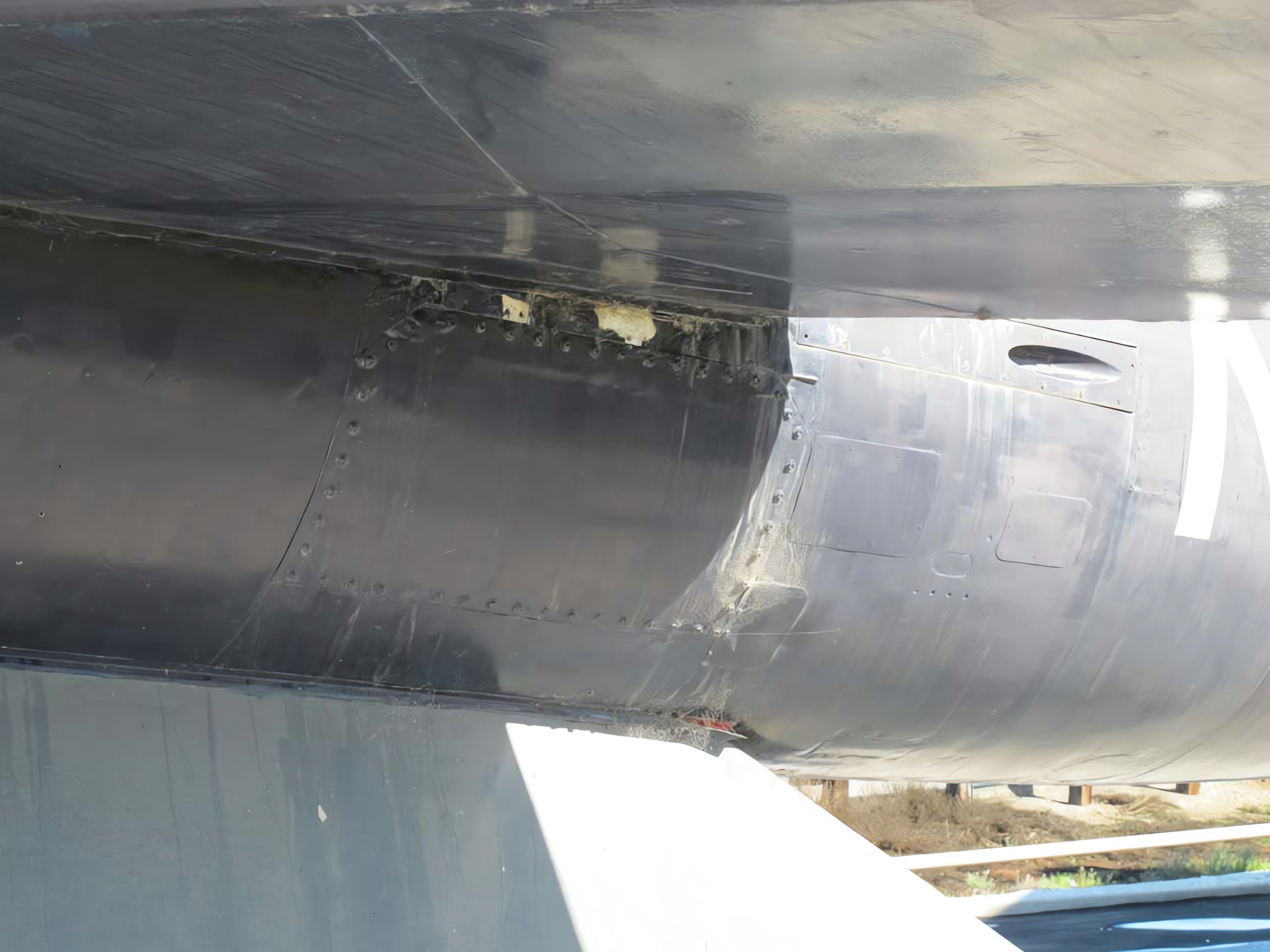
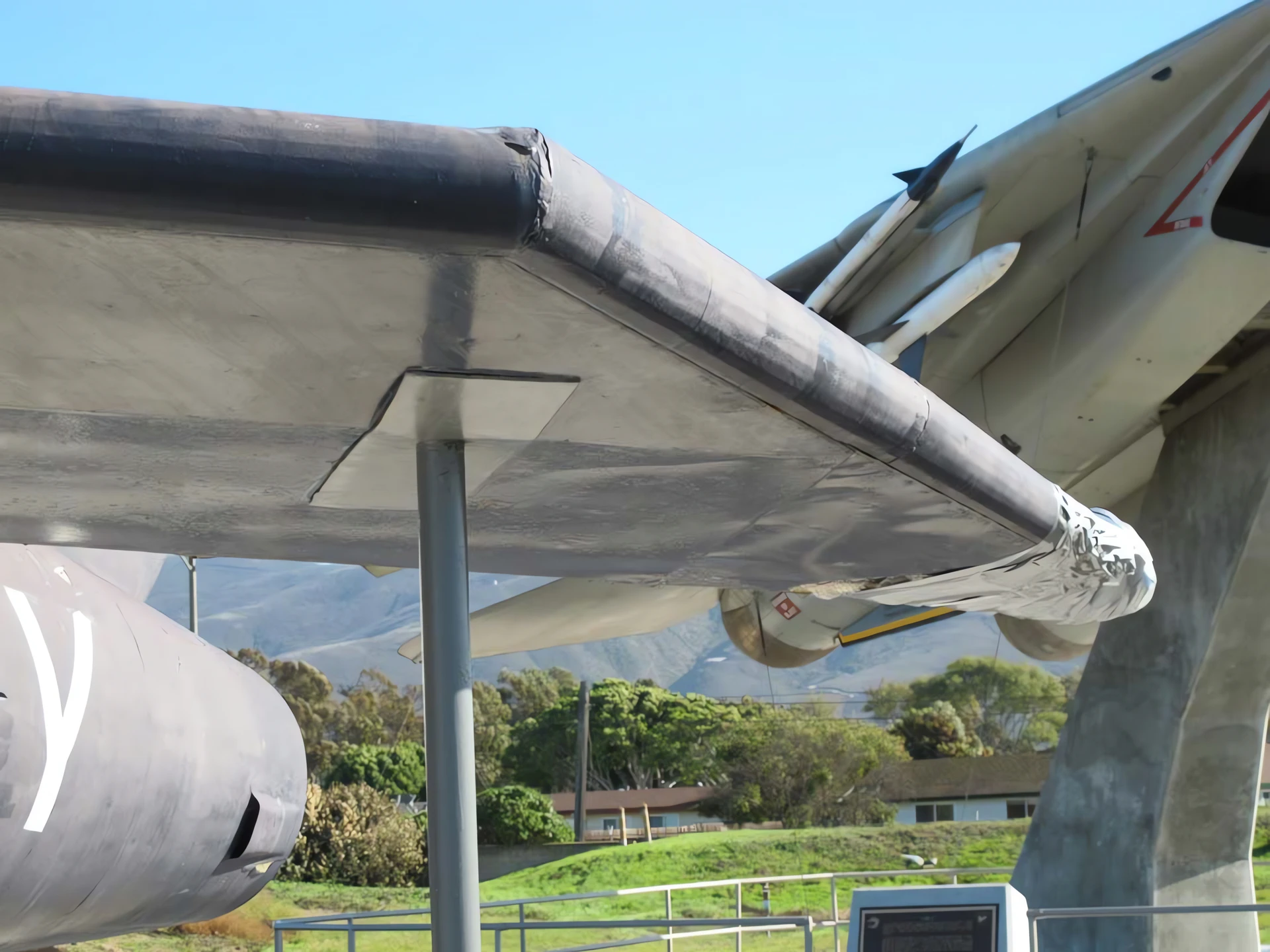
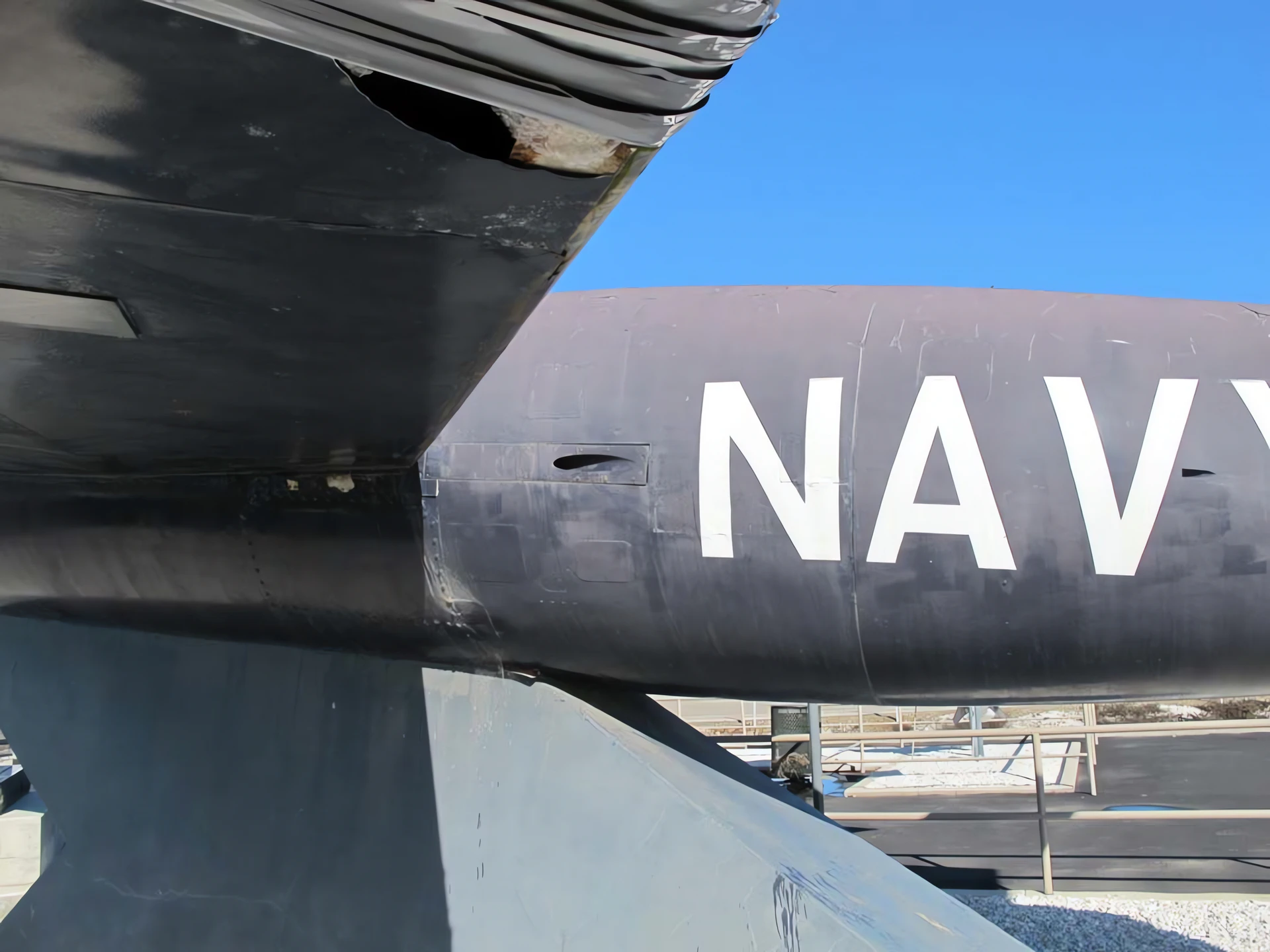
| Vought RGM-6 Regulus I Cruise Missile Walk Around | |
|---|---|
| Fotografer | Vladimir Yakubov |
| Lokalisering | Unknow |
| Bilder | 36 |

Les også:


The Guided Missile Pioneer
Den Vought RGM-6 Regulus was the United States Navy’s first operational surface-to-surface nuclear missile. Looking remarkably like a cockpit-less F-84 fighter jet, the Regulus was essentially a pilotless aircraft powered by a turbojet engine. It provided the Navy with its first credible strategic nuclear deterrent before the arrival of the Polaris ballistic missile. It was launched from the decks of aircraft carriers, cruisers, and most notably, the decks of surfaced submarines.
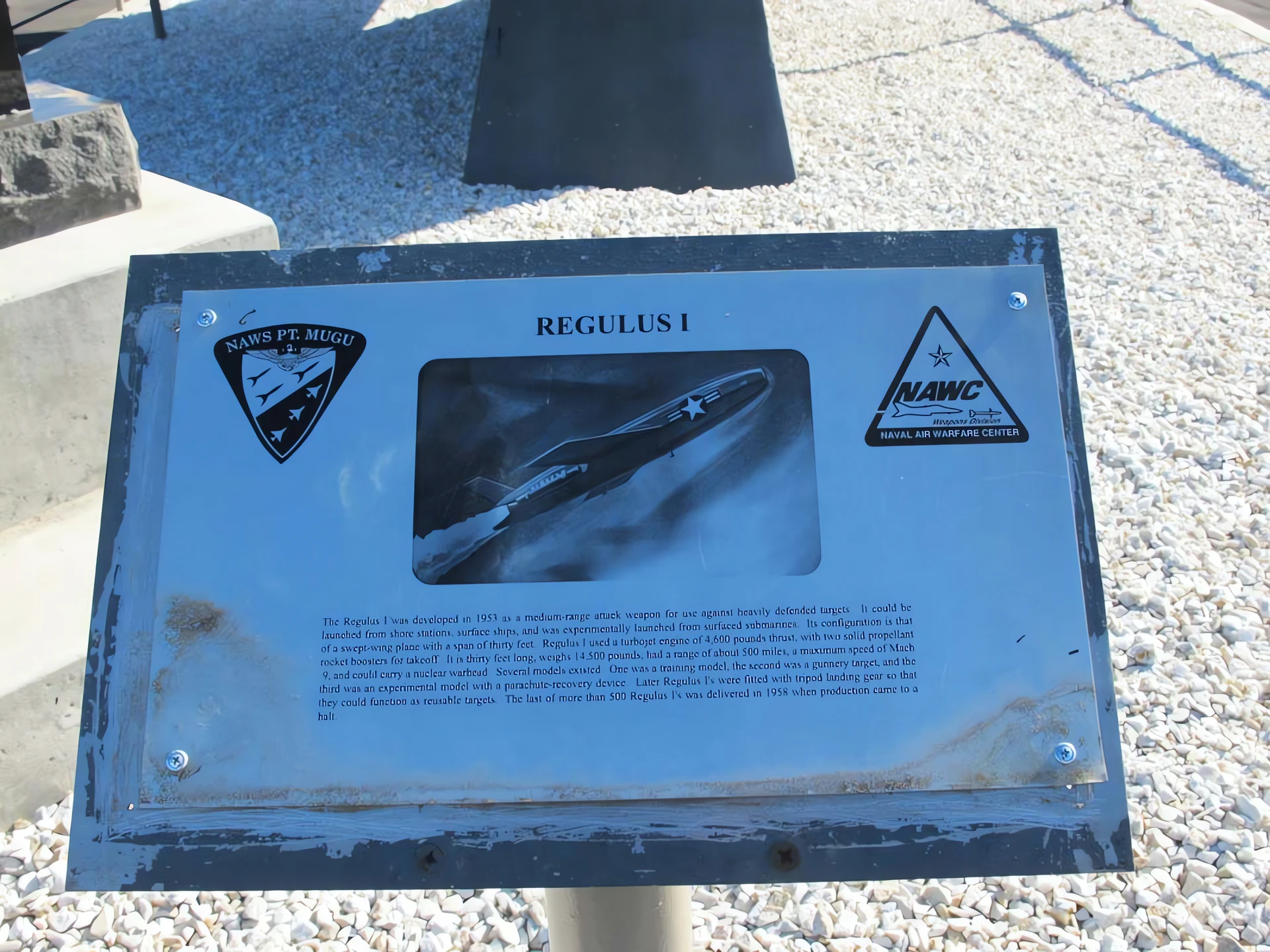
| Attribute | Technical Specification (Regulus I) |
|---|---|
| Rolle | Surface-to-Surface Cruise Missile |
| First Flight | May 1950 |
| Kraftverk | 1 × Allison J33-A-14 turbojet |
| Launch Assist | 2 × Aerojet General solid-fuel rocket boosters |
| Maximum Speed | Mach 0.91 (approx. 600 mph) |
| Maximum Range | 500 miles (800 km) |
| Warhead | W5 or W27 Nuclear Warhead (up to 2 Megatons) |
| Guidance | Radio Command (Trounce) / Inertial |
Aerospace Engineering as a Missile
- The “Recoverable” Missile: During testing, the Regulus was equipped with landing gear and a remote-control system, allowing it to be flown and landed like a drone for reuse. This saved millions of dollars in the development phase.
- Folding Wings for Stowage: To fit inside the cramped hangars of submarines like the USS Grayback or the deck canisters of cruisers, the wings folded upward, a design inherited from Vought’s experience with carrier-based fighters.
- JATO Launch System: Since the Allison turbojet didn’t provide enough thrust to take off from a short rail, two massive solid-rocket boosters (JATO) kicked the missile to flight speed in seconds before dropping away.
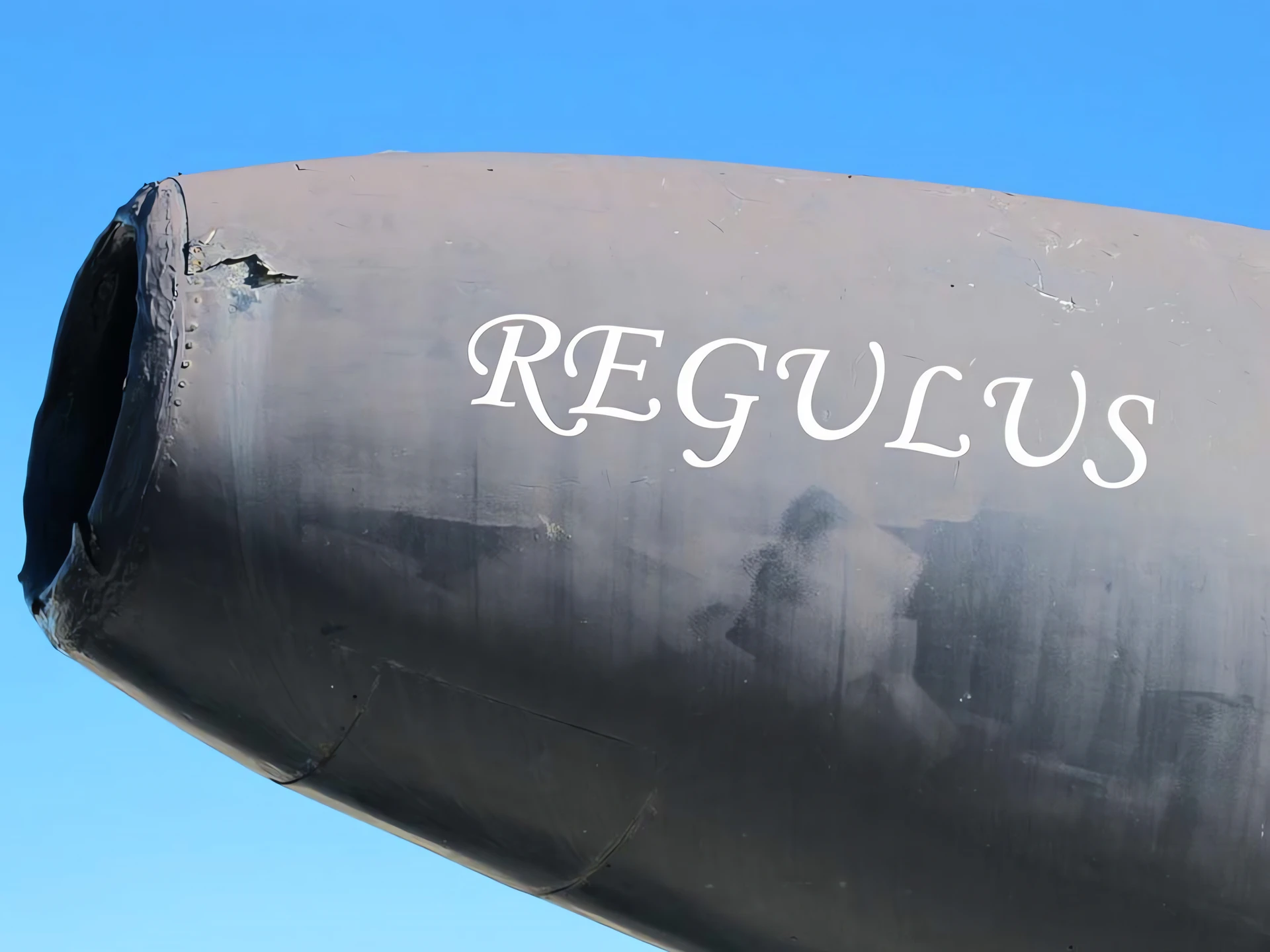
- Nose-Intake Design: The Regulus used a classic “pitot” intake at the very front of the missile, similar to the F-86 Sabre, to feed air to the jet engine located in the rear.
Operational History & Legacy
- Submarine Deterrent: Regulus was the primary weapon of the Navy’s first “deterrent patrols.” Submarines had to surface and remain exposed for several minutes to launch the missile, a dangerous requirement that led to the development of the underwater-launched Polaris.
- “Mail Delivery” Mission: In 1959, in a famous publicity stunt, a Regulus missile launched from the USS Barbero delivered 3,000 letters to the naval air station at Mayport, Florida. The Postmaster General declared it “Guided Missile Mail.”
- The Regulus II: A supersonic successor, the Regulus II (Mach 2+), was developed but canceled just as it entered production because the Polaris ballistic missile program was deemed superior.
- Survivors: Several Regulus missiles are on display today, including a notable example on the deck of the USS Intrepid in New York and the USS Growler (the only intact Regulus submarine open to the public).
Visninger : 1575
Du kan også se :
 BM-21 Grad - Bilder og videoer
 Pershing II - Bilder og video
 MAR-290 - Bilder og video
 Ryan Firebee - Bilder og video
 BM-13 på ZiL-157 - Bilder &; Video
 BM-30 Smerch - Bilder og video
 Kugisho / Yokosuka K-1 Ohka - Bilder og Video
 Type 63 130mm på NJ 230 Truck - Bilder &; Video
 SA-6 Gainful - Bilder og Video
 MGM-18 Lacrosse - Bilder og Video