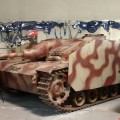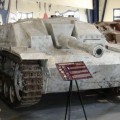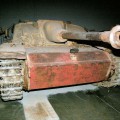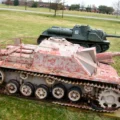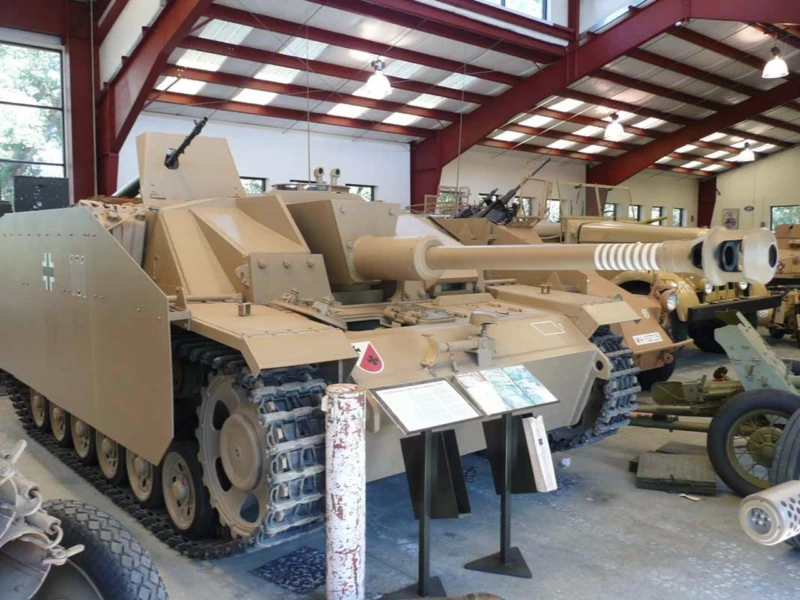
StuG III Ausf. G | |
|---|---|
| Paese | Germania nazista |
| Ruolo | Pistola d'assalto |
| Prodotto | Dicembre 1942 – Aprile 1945 |
| Costruito | ~8423 |
Il finale e di gran lunga il più comune dei Stug Serie. La sovrastruttura superiore è stata ampliata: le scatole saldate su entrambi i lati sono state abbandonate. Questo nuovo design della sovrastruttura ha aumentato la sua altezza a 2160 mm. La parete posteriore del compartimento di combattimento è stata raddrizzata e il ventilatore di ventilazione in cima alla sovrastruttura è stato spostato sul retro del compartimento di combattimento. Dal marzo 1943, il periscopio del conducente fu abbandonato. Nel febbraio 1943, Alkett fu affiancato da MIAG come secondo produttore. Dal maggio 1943, le piastre corazzate distanziate dello scafo laterale (Schürzen) furono montate su modelli G per una maggiore protezione dell'armatura, in particolare contro i fucili anticarro russi, ma furono utili anche contro le munizioni a carica cava. Le piastre laterali erano retro-montate su alcuni Ausf. Modelli F/8, in quanto dovevano essere montati su tutti gli StuG in prima linea e altri carri armati entro giugno 1943 in preparazione alla battaglia di Kursk. I supporti per lo Schürzen si dimostrarono inadeguati, poiché molti furono persi sul campo. Dal marzo 1944 fu introdotto un montaggio migliorato; di conseguenza, le gonne laterali sono viste più spesso con il modello tardivo Ausf G. Dal maggio 1943, piastre spesse 80 mm furono utilizzate per l'armatura frontale invece di due piastre di 50 mm + 30 mm. Tuttavia, esisteva un arretrato di StuG con un'armatura completa di 50 mm. Per questi, una piastra di armatura aggiuntiva di 30 mm doveva ancora essere saldata o imbullonata, fino all'ottobre 1943.
fonte: StuG III Ausf. G su Wikipedia
| SdKfz 142/1 Sturmgeschutz (StuG) III Passeggiata | |
|---|---|
| Fotografo | Vladimir Jakubov |
| Localizzazione | Collezione Jacques Littlefield |
| Foto | 34 |
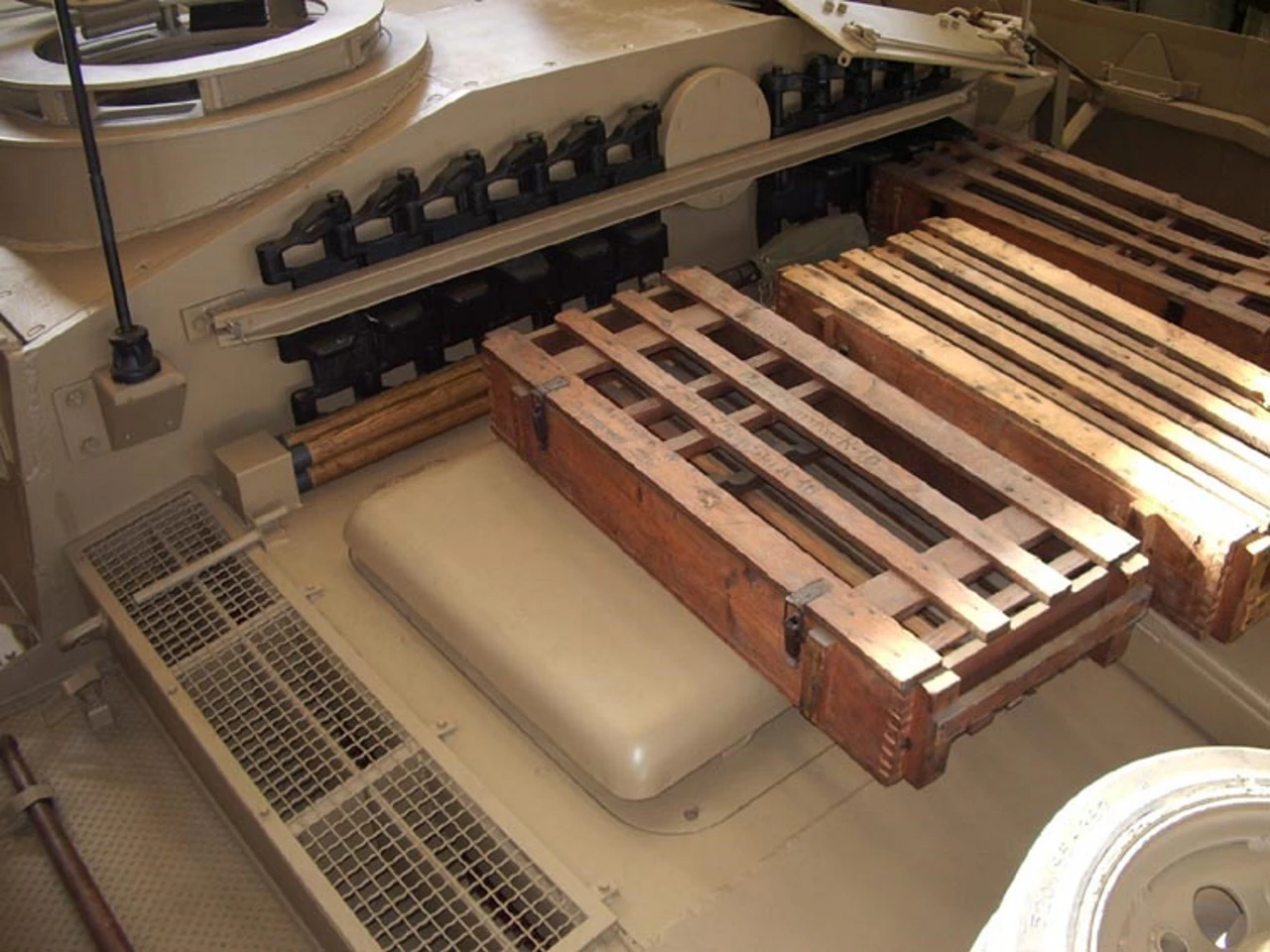
SdKfz 142-1 StuG III 02

SdKfz 142-1 StuG III 01

SdKfz 142-1 StuG III 04
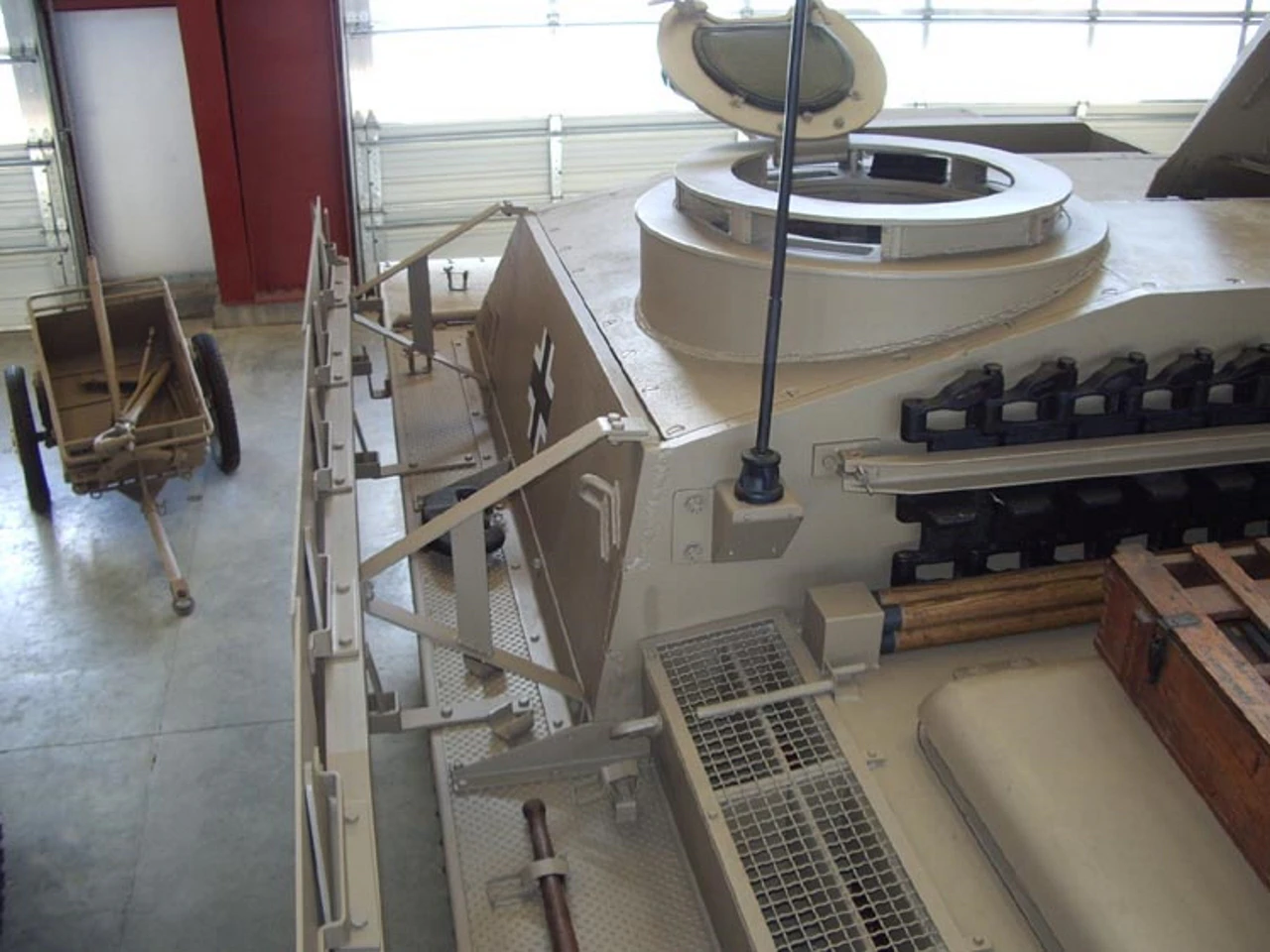
SdKfz 142-1 StuG III 03
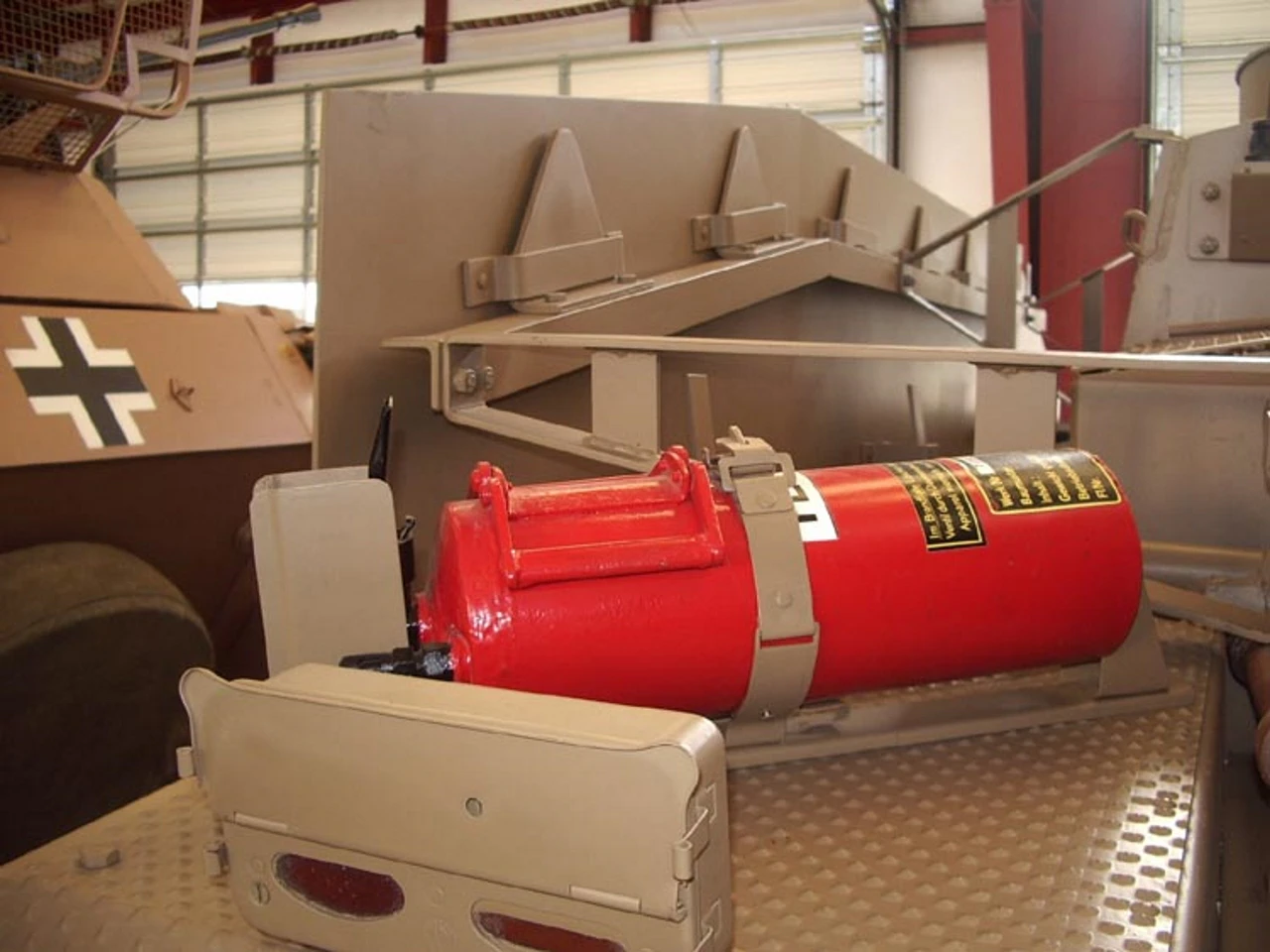
SdKfz 142-1 StuG III 05

SdKfz 142-1 StuG III 06

SdKfz 142-1 StuG III 08
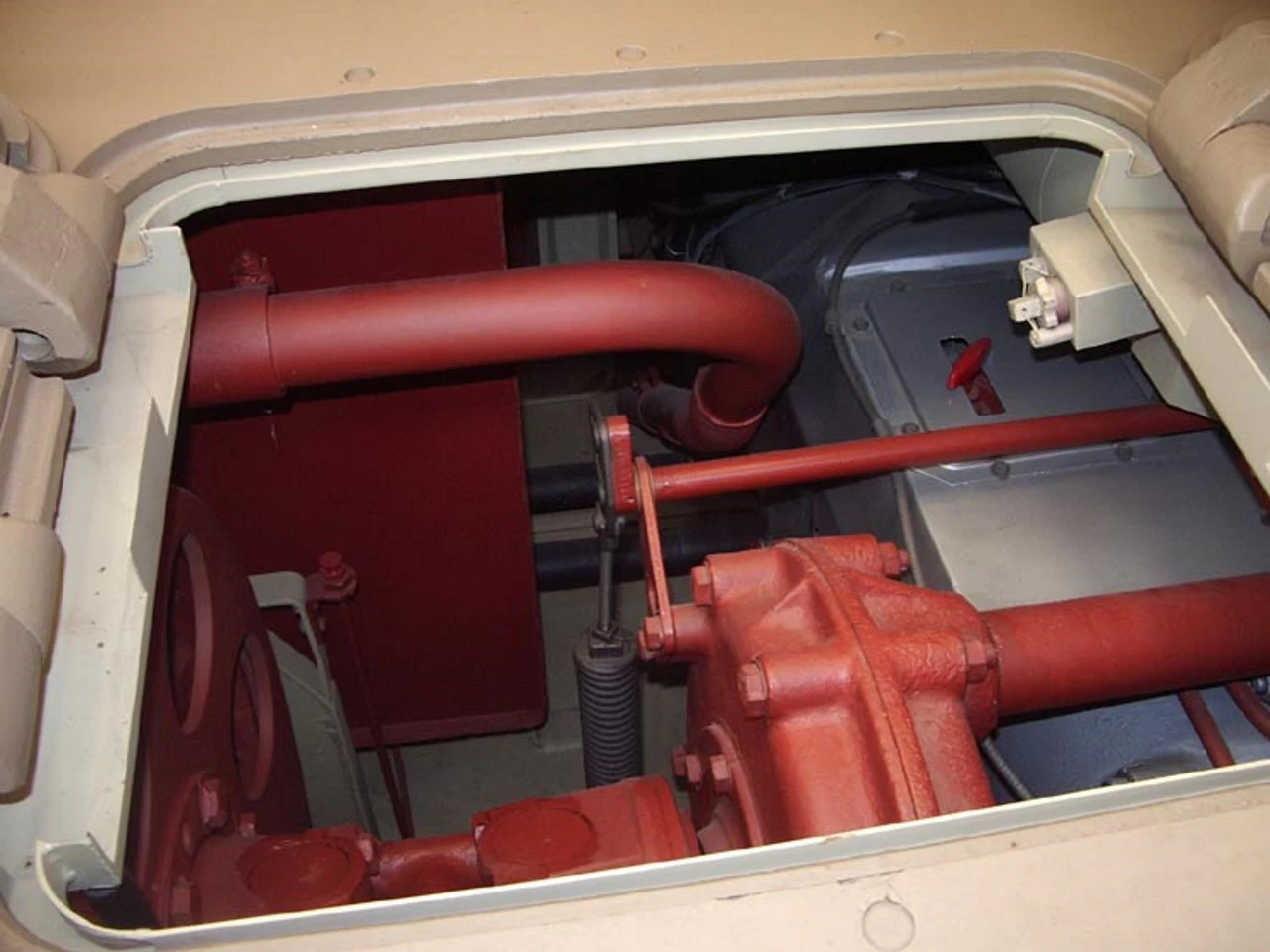
SdKfz 142-1 StuG III 07

SdKfz 142-1 StuG III 09
Aspetta, cerca StuG III Ausf. G foto per te...

| SdKfz 142/1 Sturmgeschutz (StuG) III Ausf G Walk Around | |
|---|---|
| Fotografo | Vladimir Jakubov |
| Localizzazione | Museo dell'armatura di Latrun |
| Foto | 107 |
| Sturmgeschutz III Ausf. B Walk Around | |
|---|---|
| Fotografo | Unknow |
| Localizzazione | Inconsapevole |
| Foto | 16 |
Vedi anche:


The Deadliest Silhouette on the Eastern Front
Le StuG III Ausf. G was the final and most prolific version of the Sturmgeschütz series. Built on the reliable chassis of the Panzer III, it abandoned the rotating turret in favor of a fixed, low-profile casemate. Originally designed as infantry support artillery, the Ausf. G was up-gunned with a high-velocity 75mm cannon, transforming it into a formidable tank destroyer. Its low height made it easy to camouflage and difficult to hit, making it the preferred weapon for German “Tank Aces” like Michael Wittmann before they transitioned to heavier armor.
| Attribute | Technical Specification (StuG III Ausf. G) |
|---|---|
| Ruolo | Assault Gun / Tank Destroyer |
| Equipaggio | 4 (Commander, Gunner, Loader, Driver) |
| Production Years | 1942 – 1945 (Approx. 8,400 built) |
| Armamento principale | 7.5 cm KwK 40 L/48 |
| Armamento secondario | 1 or 2 × 7.92 mm MG34 machine guns |
| Armor (Front) | 80 mm (3.1 in) |
| Motore | Maybach HL 120 TRM V-12 (300 hp) |
| Top Speed | 40 km/h (25 mph) on roads |
Design Evolution: The “G” Refinements
- The Saukopf (Sow’s Head) Mantlet: Later Ausf. G models featured a cast gun mantlet with rounded edges. This was designed to deflect incoming shells more effectively than the earlier bolted, boxy designs.
- Schürzen (Side Skirts): To defend against Soviet anti-tank rifles and HEAT rounds, the StuG III G was often fitted with thin metal plates along the sides. These “skirts” would prematurely detonate or destabilize incoming projectiles before they hit the main hull.
- Commander’s Cupola: The Ausf. G introduced a proper cupola with periscopes for the commander, significantly improving situational awareness—a major weakness of earlier turretless designs.
- Zimmerit Coating: Many Ausf. Gs were covered in a ridged, paste-like ceramic coating. This was intended to prevent magnetic anti-tank mines from sticking to the steel hull.
The “Wait-and-Strike” Specialist
- Economic Efficiency: The StuG III was significantly cheaper and faster to build than the Panzer IV or Tiger tanks. Because it lacked a complex turret mechanism, it was also easier to maintain in the field.
- Ambush Master: Its low height allowed the StuG to hide in tall grass or shallow depressions that would expose a normal tank. Soviet tankers often didn’t realize they were being engaged by a StuG until it was too late to return fire.
- Sturmhaubitze 42 (StuH 42): A variant of the Ausf. G was armed with a 10.5 cm howitzer instead of the anti-tank gun. This version returned to the vehicle’s roots, providing devastating high-explosive support for infantry.
- Post-War Service: The StuG III was so effective that it continued to serve long after 1945. The Finnish Army used them until the 1960s, and Syria even deployed them against Israel in the 1967 Six-Day War.
Views : 11337