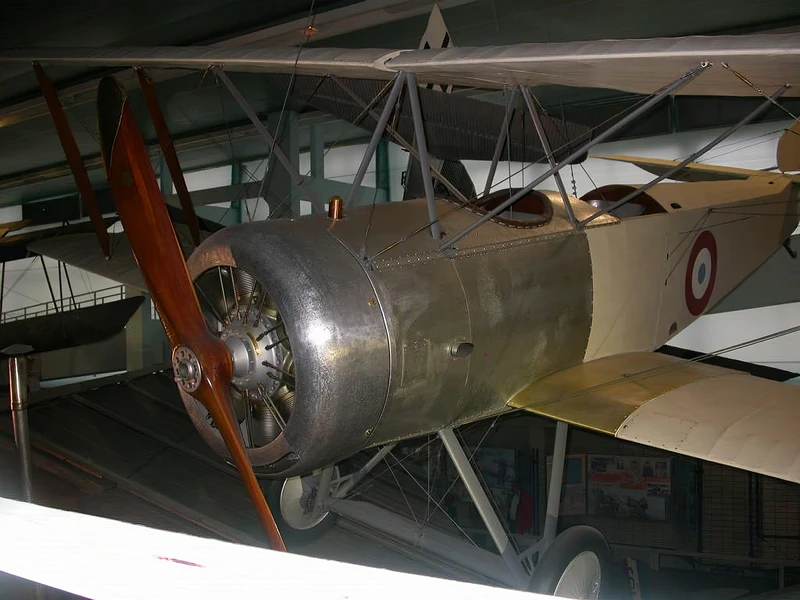
Sopwith 1½ Strutter | |
|---|---|
| Pays | Royaume-uni |
| Rôle | Aéronefs biplans à usage général |
| Premier vol | Décembre 1915 |
| Construit | 4500 France &1439 Grande-Bretagne |
Lla Sopwith 1+1⁄2 Strutter est un biplan monoplace ou biplace multirôle britannique de la Première Guerre mondiale. C’est le premier chasseur tracteur biplace britannique et le premier avion britannique à entrer en service avec une mitrailleuse synchronisée. Il a reçu le nom de 1+1⁄2 Strutter en raison des jambes de force longues et courtes qui soutenaient l’aile supérieure. Le type était exploité par les deux services aériens britanniques et était en service généralisé mais terne avec le Français Aéronautique Militaire.
| Sopwith 1A2 Strutter Walk Around | |
|---|---|
| Photographe | Inconnu |
| Localisation | Inconnu |
| Photos | 21 |
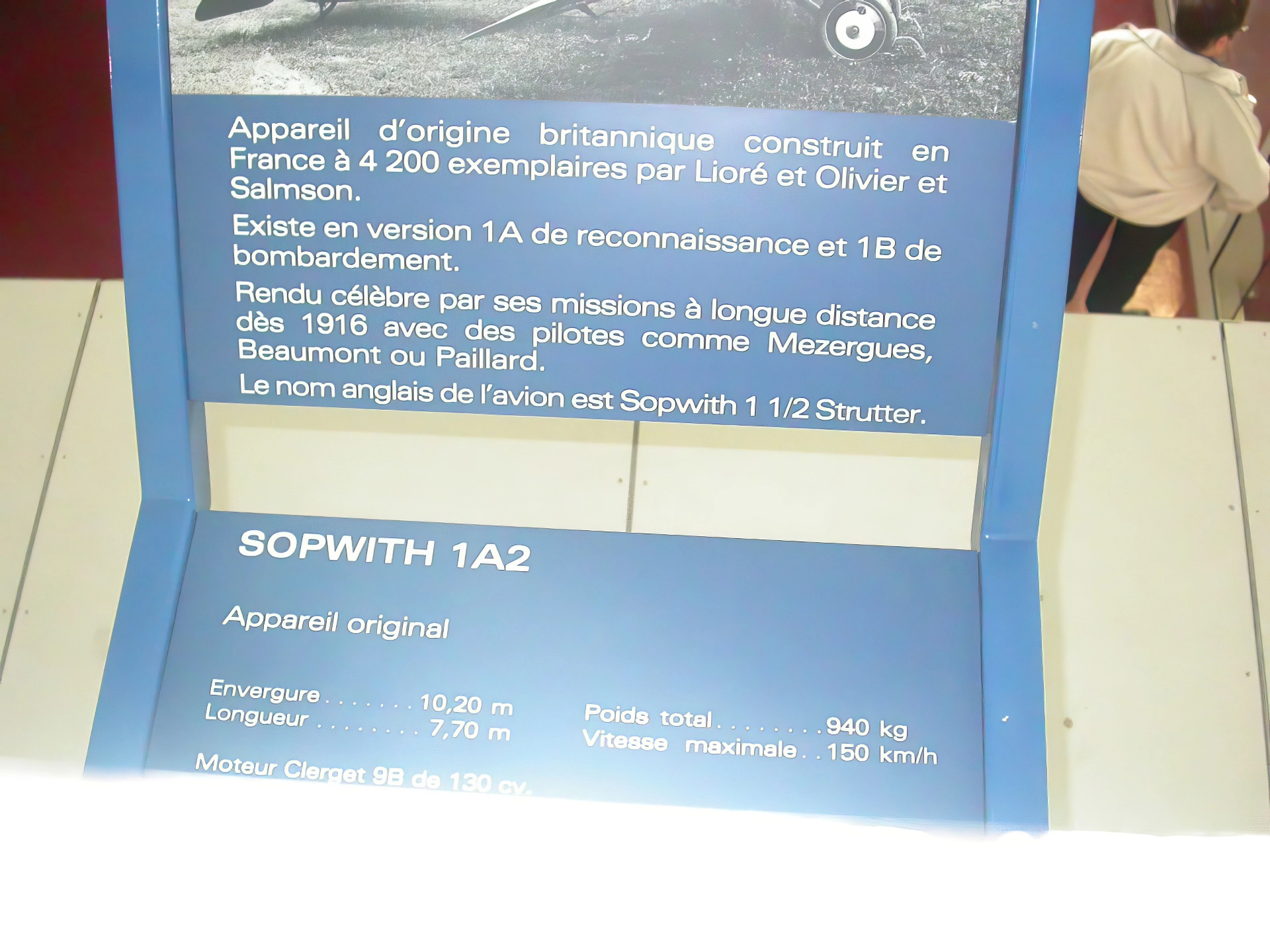
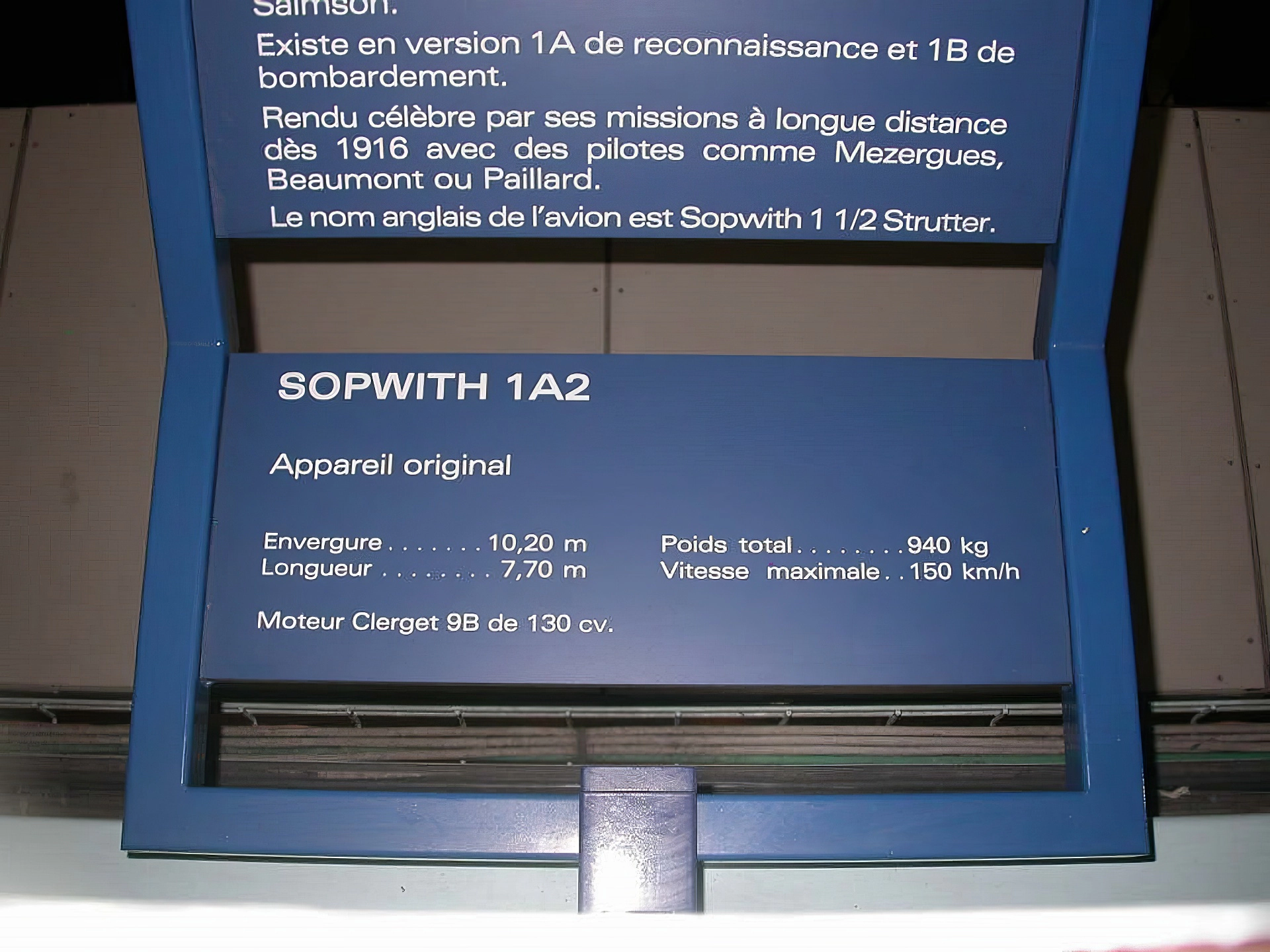
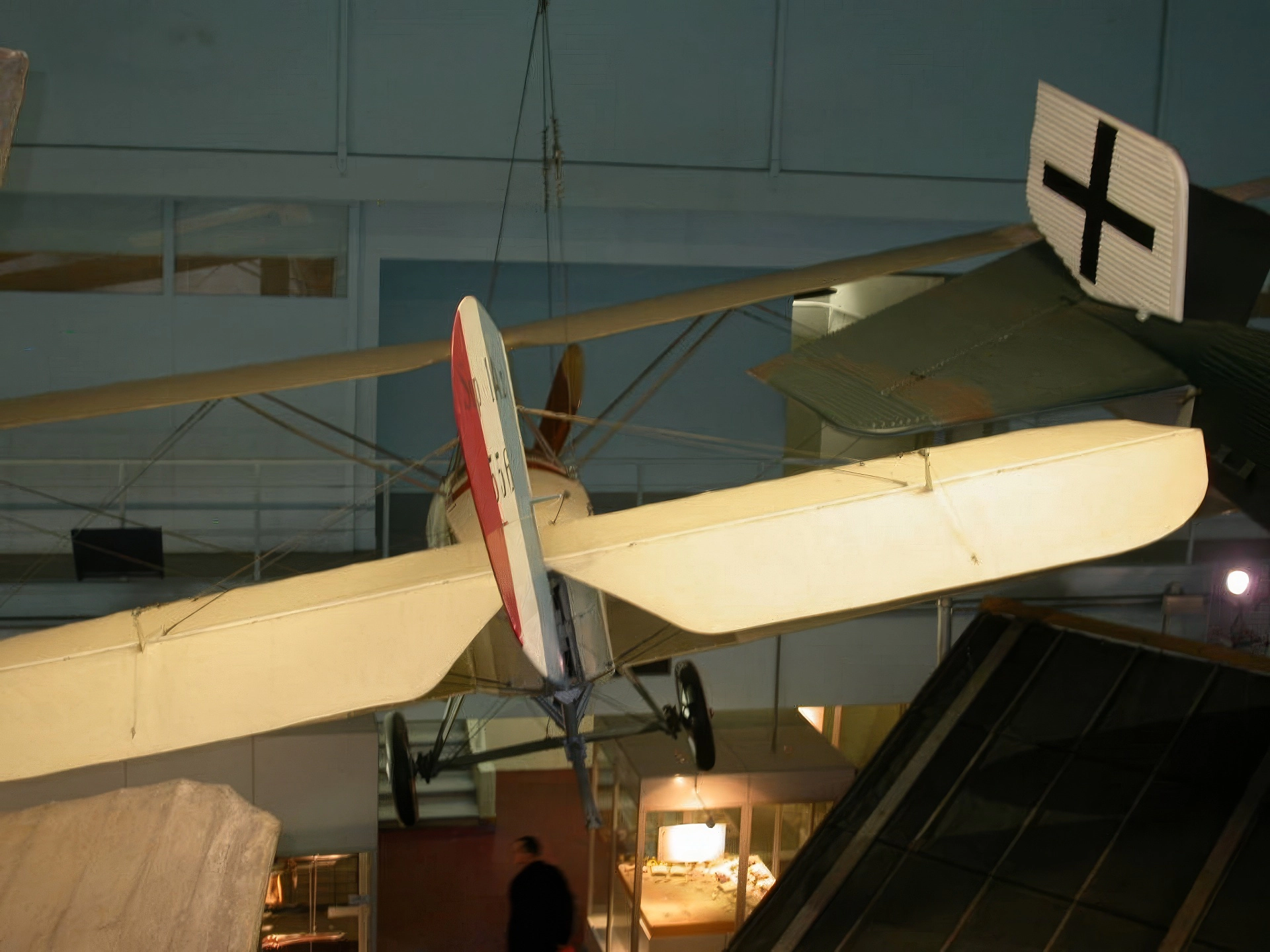
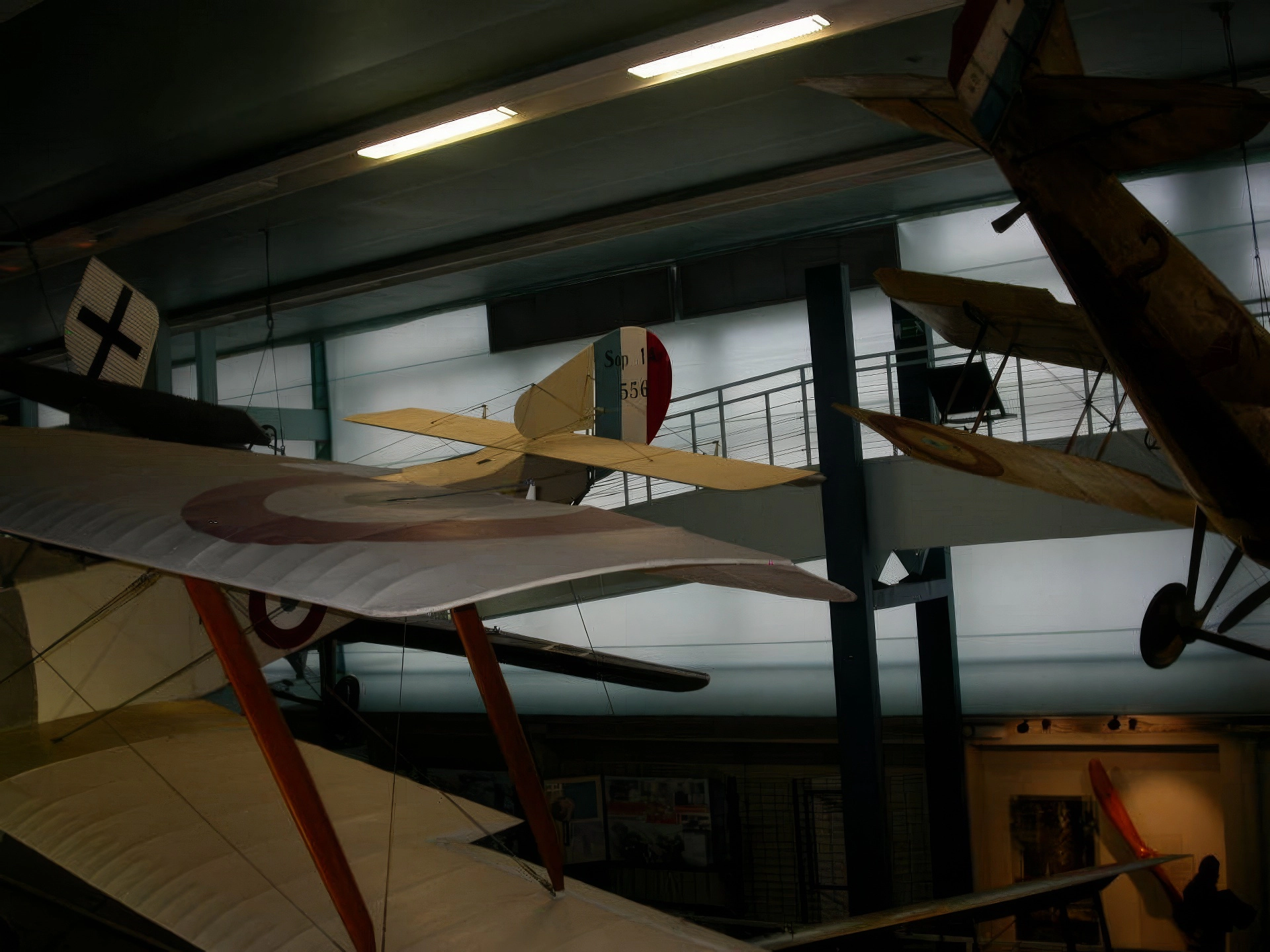
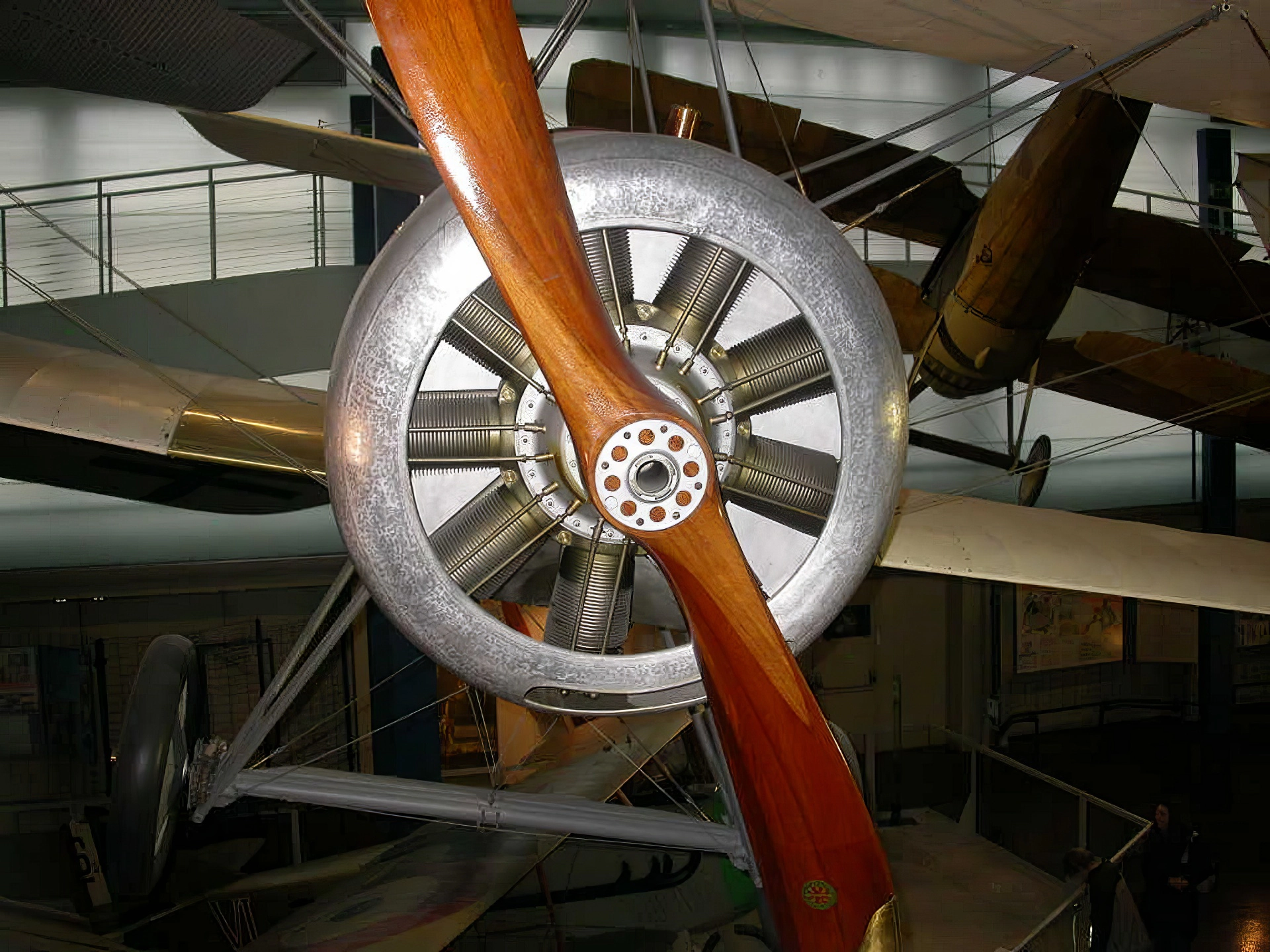
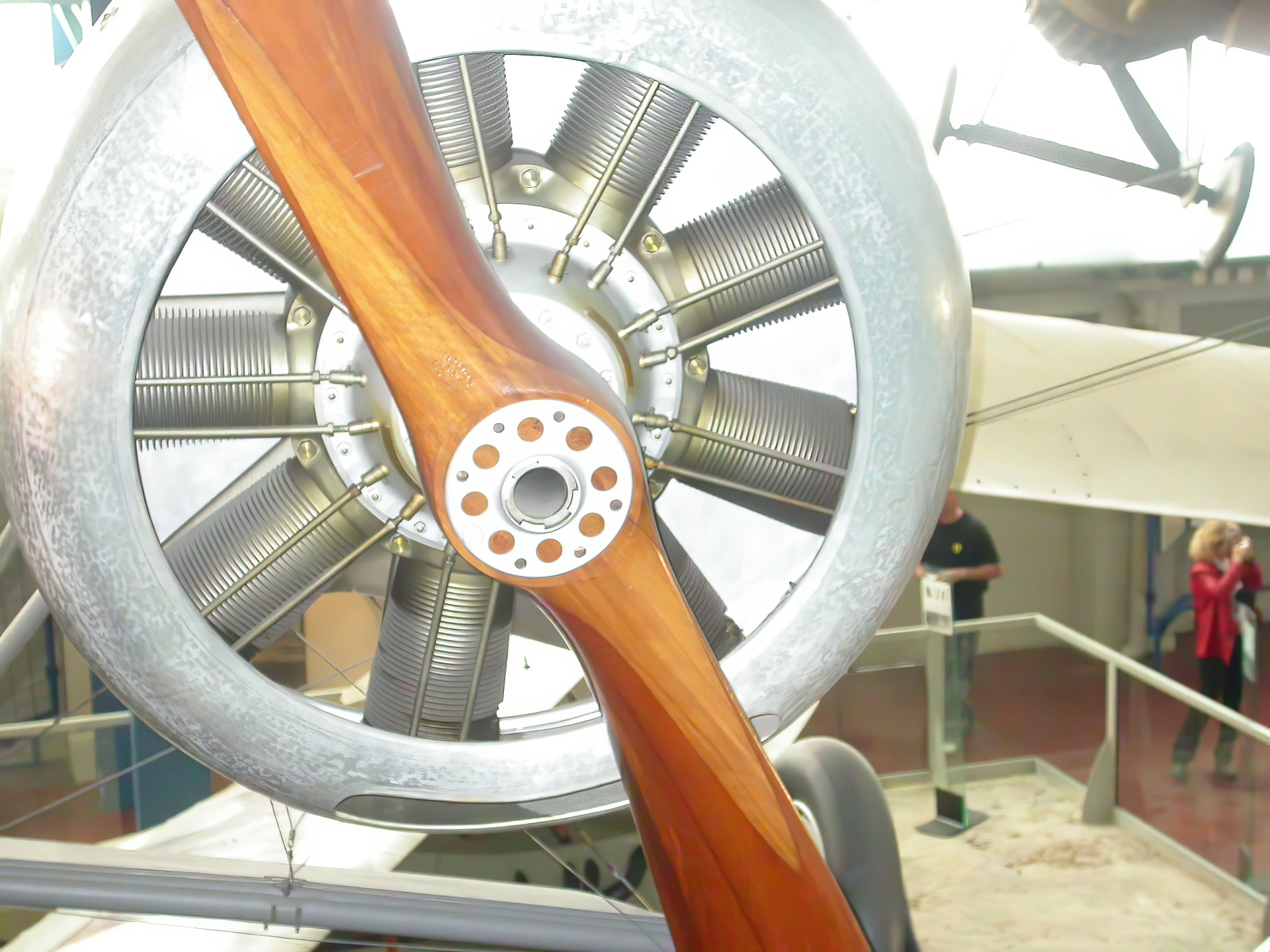
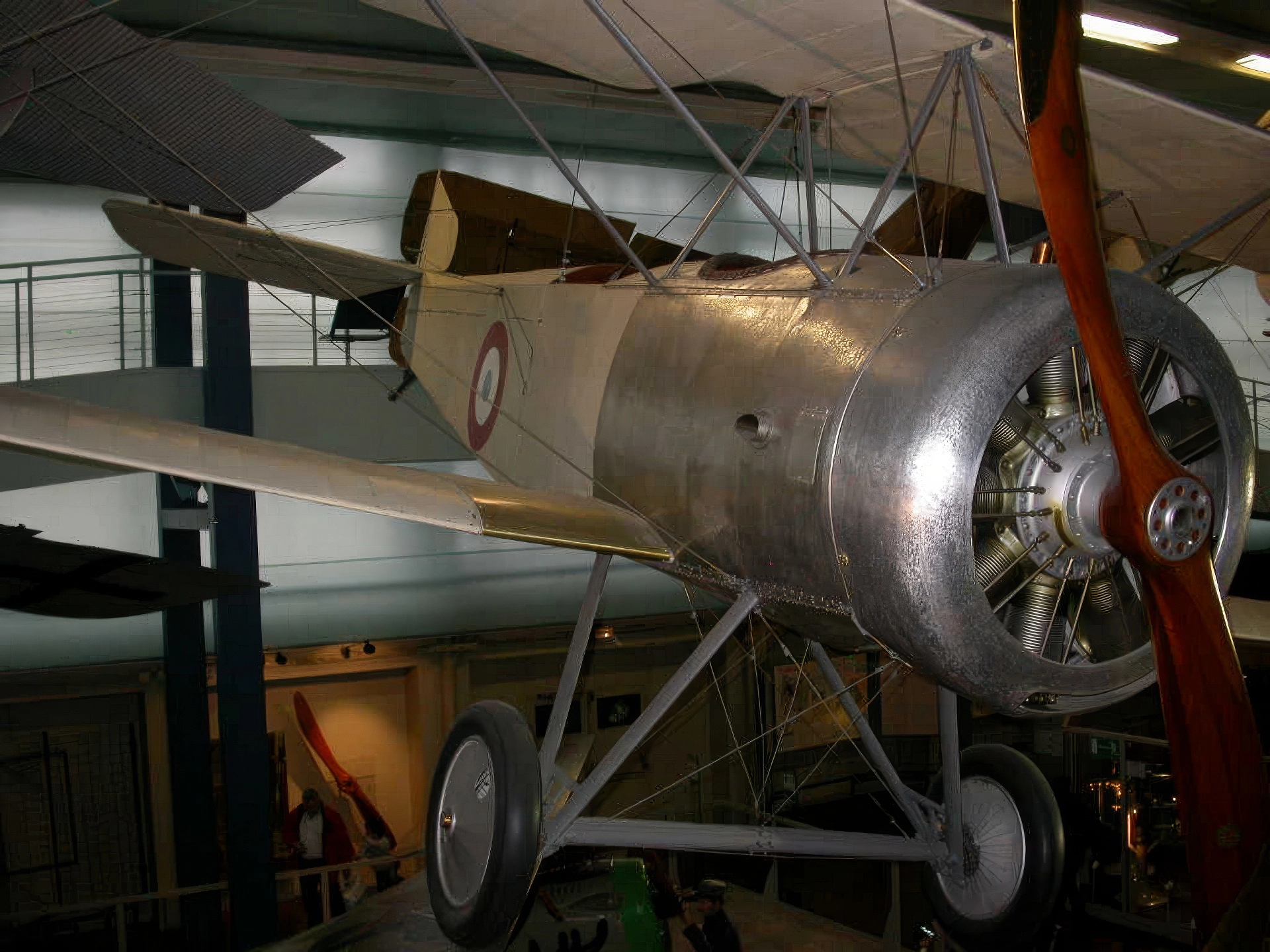
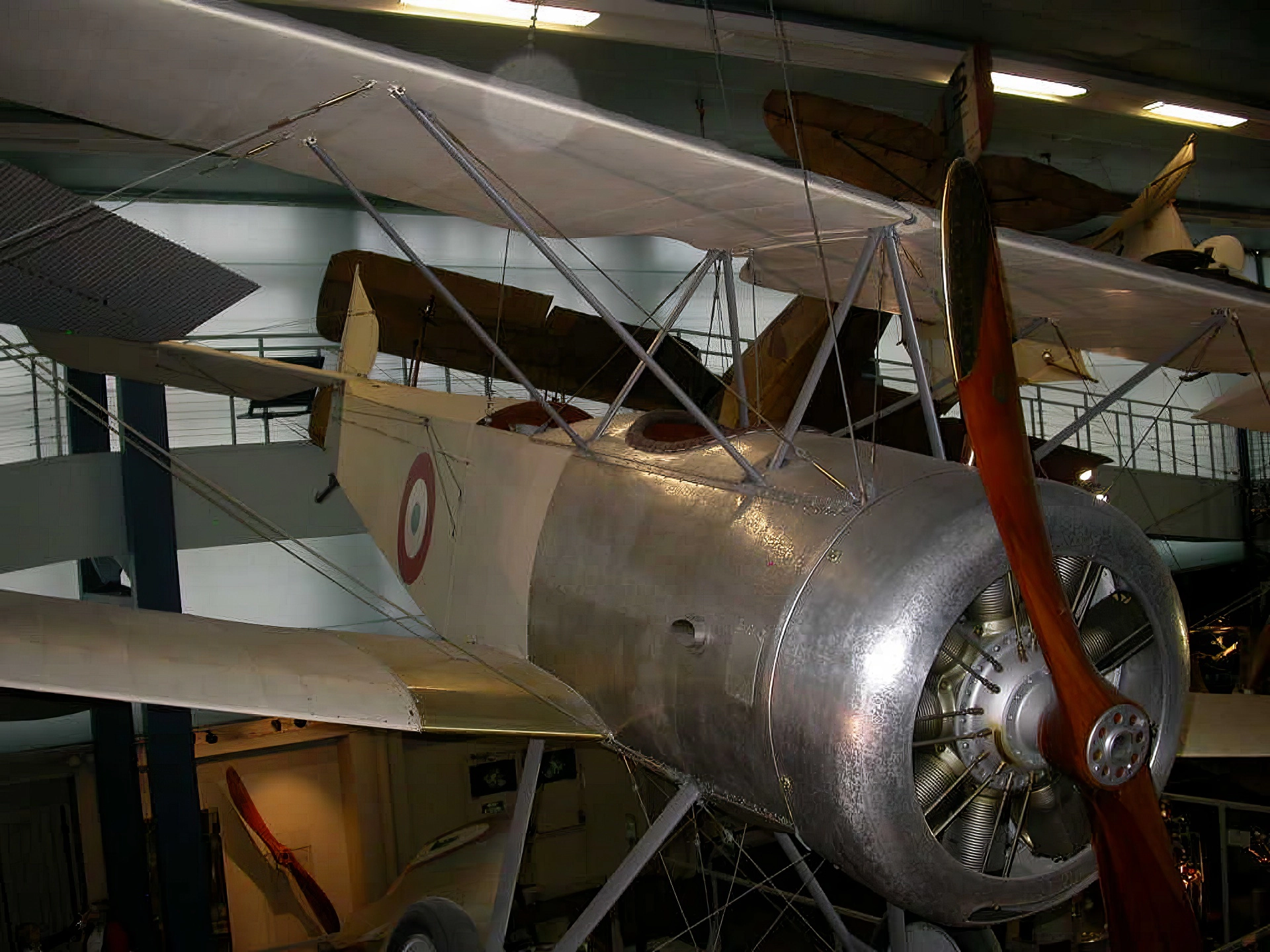


Voir aussi :


General Characteristics
The Sopwith 1½ Strutter was a British single- or two-seat multi-role biplane used by the RFC and RNAS during World War I. It was highly significant as the first British aircraft to enter service with a synchronized machine gun firing through the propeller arc. It earned its unusual nickname, « 1½ Strutter, » due to the configuration of the short and long cabane struts supporting the center section of the upper wing. The aircraft served in many roles, including fighter, reconnaissance, and bomber.
| Property | Typical Value (Two-Seater) |
|---|---|
| Official Designation (French) | Sopwith 1.A2 (Two-seat Reconnaissance) |
| Rôle | Fighter, Reconnaissance, Light Bomber |
| Fabricant | Sopwith Aviation Company |
| First Service | April 1916 |
| No. Built | ~6,000 (Over 4,500 licensed built in France) |
| Crew | 2 (Pilot and Observer/Gunner) or 1 (Bomber version) |
| Length | 7.70 m (25 ft 3 in) |
| Envergure | 10.21 m (33 ft 6 in) |
| Max Takeoff Weight | 975 kg (2,150 lb) |
Powerplant and Design
- Engine: One Clerget 9B 9-cylinder air-cooled rotary engine (or Clerget 9Z or Le Rhône 9J).
- Power Output: 97 kW (130 hp) (Clerget 9B).
- Maximum Speed: Up to 171 km/h (106 mph).
- Endurance: Up to 4.25 hours.
- Innovative Features: It was one of the first aircraft to feature a variable-incidence tailplane (adjustable in flight) and airbrakes on the lower wings to aid landing.
Armament and Service
- Pilot’s Armament: 1 x 7.7 mm (.303 in) fixed, forward-firing Vickers machine gun (synchronized).
- Observer’s Armament: 1 x 7.7 mm (.303 in) flexible Lewis machine gun mounted on a Scarff ring (a new, standardized mounting).
- Bomb Load (Two-Seater): Up to 60 kg (130 lb) of bombs on underwing racks.
- Bomber Variant: The single-seat bomber version (French designation 1.B1) eliminated the observer cockpit, allowing for a larger internal bomb bay or increased fuel capacity.
- Combat History: Highly effective upon its introduction in 1916, helping to end the « Fokker Scourge. » However, its stable design and low power made it increasingly vulnerable to newer German fighters like the Albatros during « Bloody April » 1917, after which it was largely relegated to training, home defense, and shipboard duties.
Vues : 1227
Vous pouvez voir aussi :
 Hawker Fury – Photos & Vidéos
 EKW C-35 – Photos & Vidéos
 SPAD S.XI – Promenez-vous
 Focke-Wulf Fw 44 – Photos & Vidéos
 Fairey Swordfish – Photos & Vidéos
 Hawker Hart – Photos et vidéos
 Savoia-Marchetti S.56 – Photos & Vidéos
 Fokker D.VII – Photos & Vidéo
 SPAD S.VII Cabruna & Ruffo – Photos & Vidéo
 Stearman PT-13D Kaydet- Photos & Vidéo