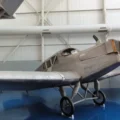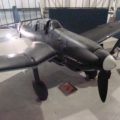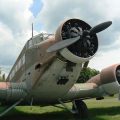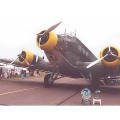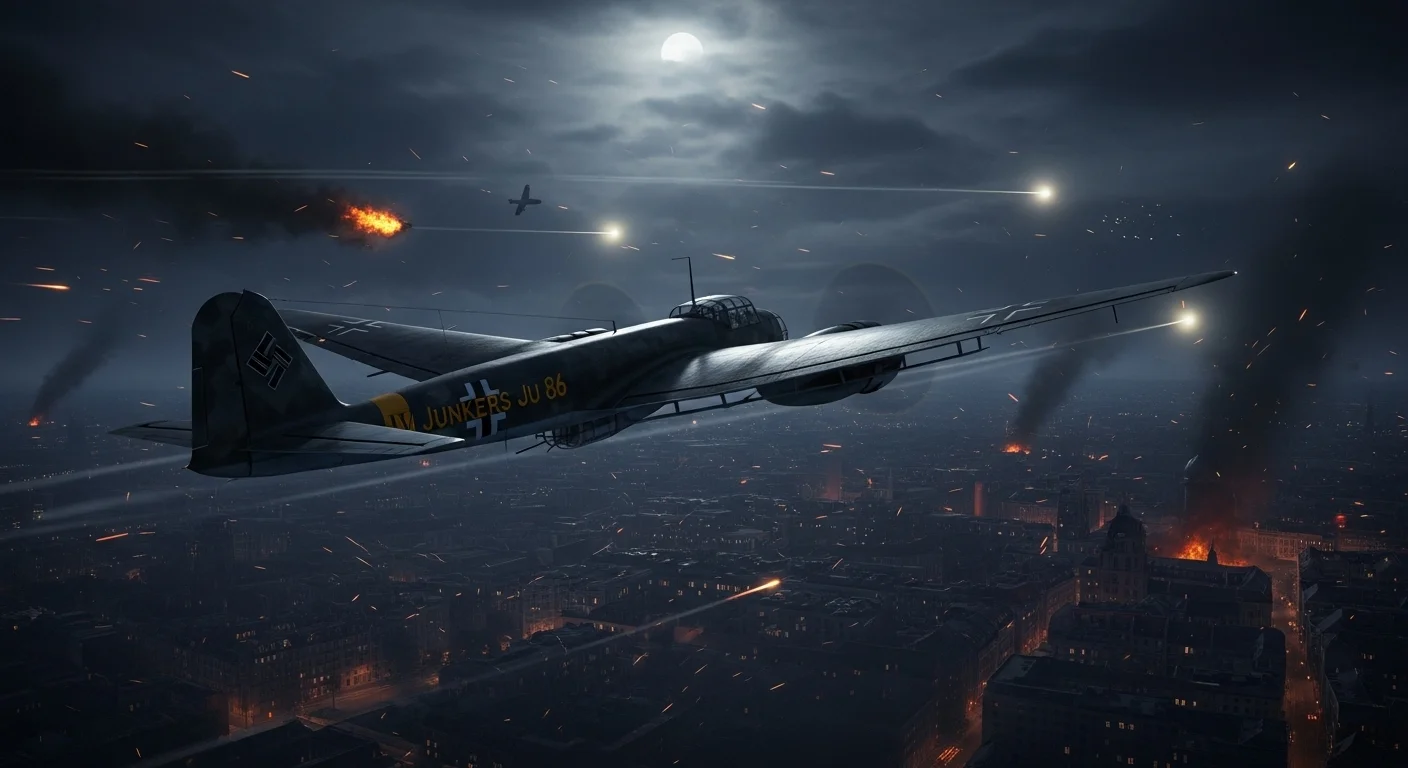
Junkers Ju 86 | |
|---|---|
| Pays | Allemagne nazie |
| Rôle | Bombardier, avion de ligne, avion de reconnaissance |
| Premier vol | 4 novembre 1934 |
| Construit | 900 |
Lla Junkers Ju 86 était un bombardier monoplan allemand et un avion de ligne civil conçu au début des années 1930 et utilisé par diverses forces aériennes des deux côtés pendant la Seconde Guerre mondiale. Le modèle civil Ju 86B pouvait transporter dix passagers. Deux ont été livrés à Swissair et cinq à Deutsche Luft Hansa. En outre, un seul Ju 86Z civil a été livré à la Suède’s AB Aerotransport.
Source: Junkers Ju 86 sur Wikipedia
| Junkers Ju 86 K-4 Walk Around | |
|---|---|
| Photographe | Unknow |
| Localisation | Inconnu |
| Photos | 20 |


Voir aussi :


A Tale of Two Engines
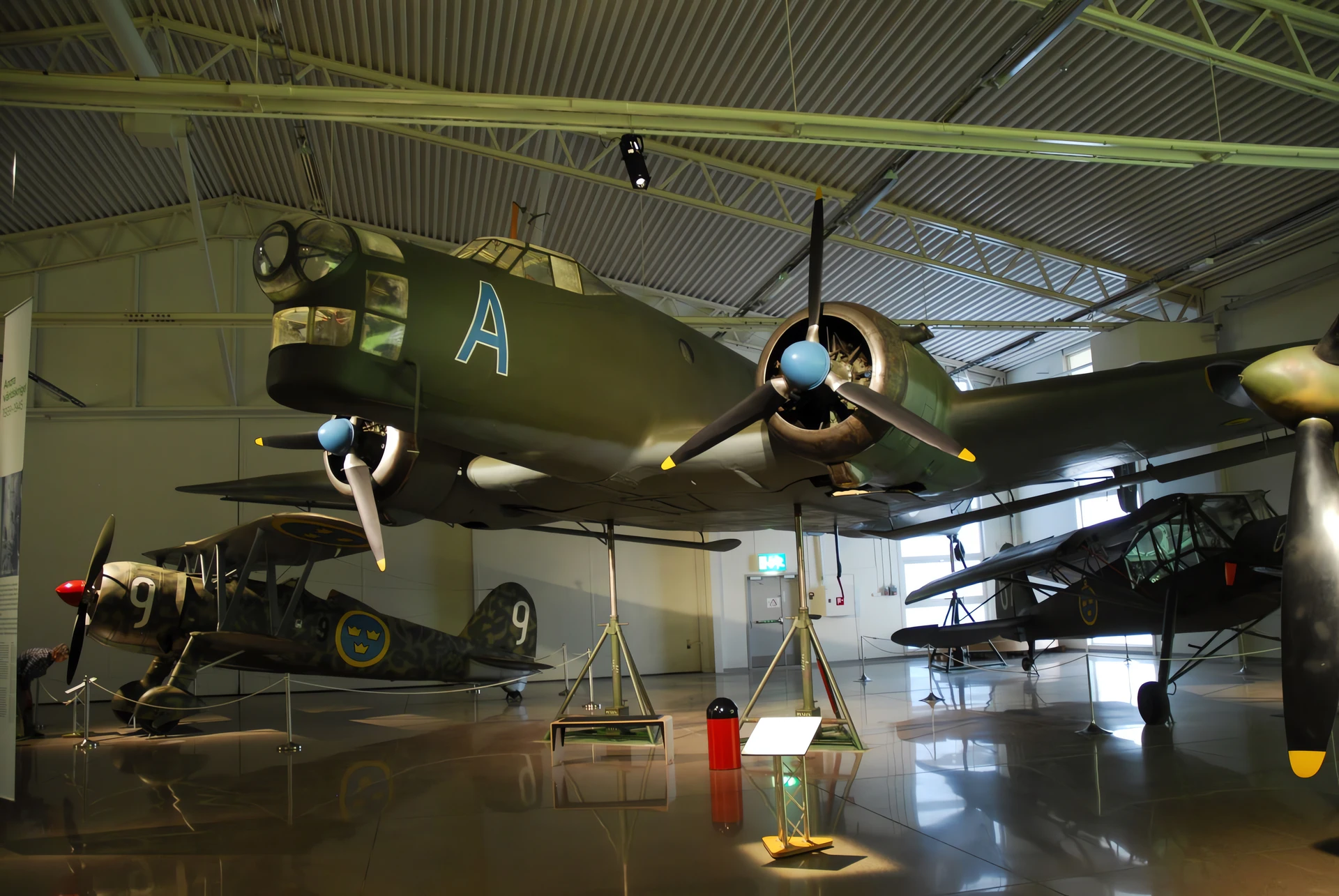
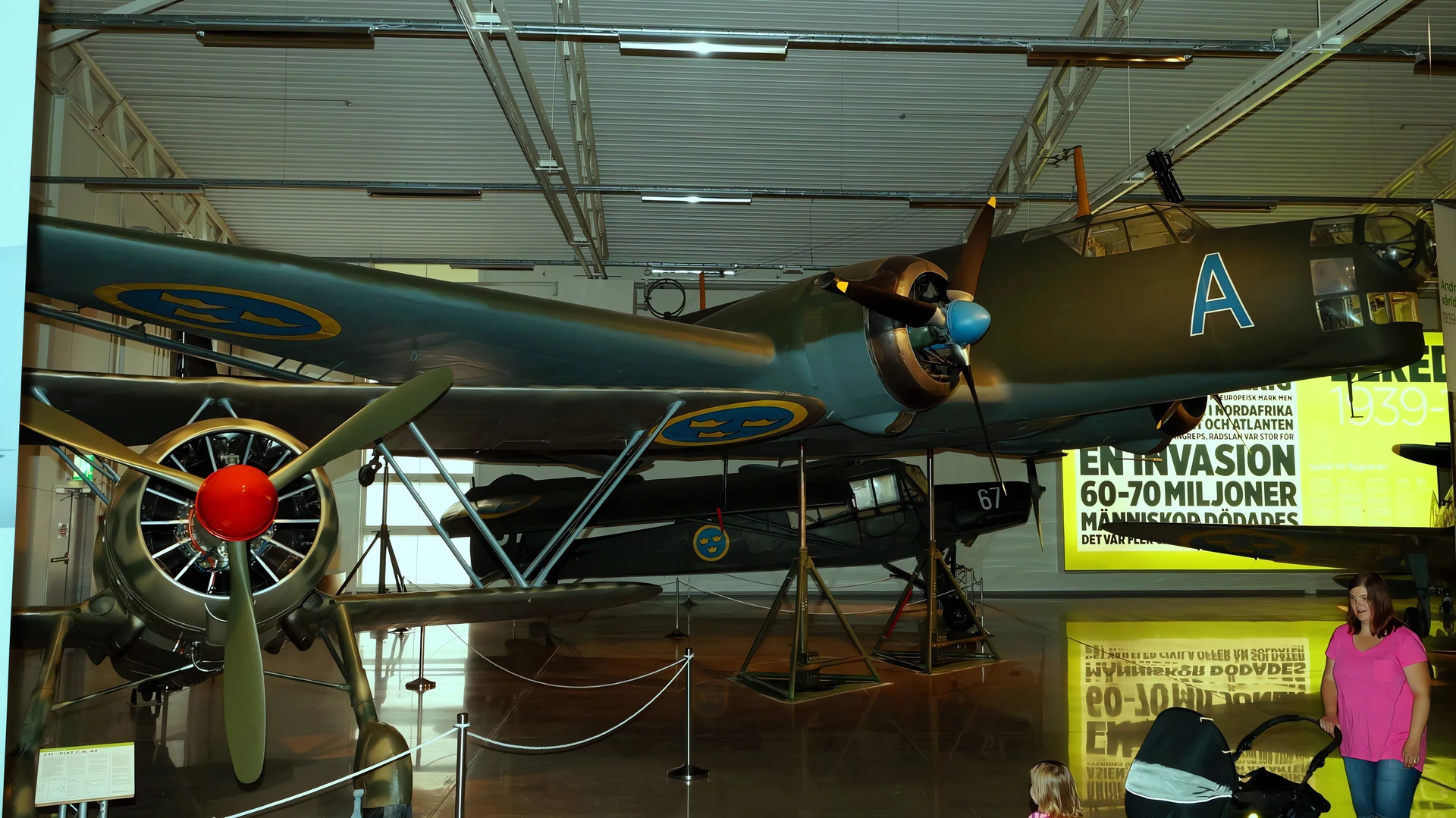
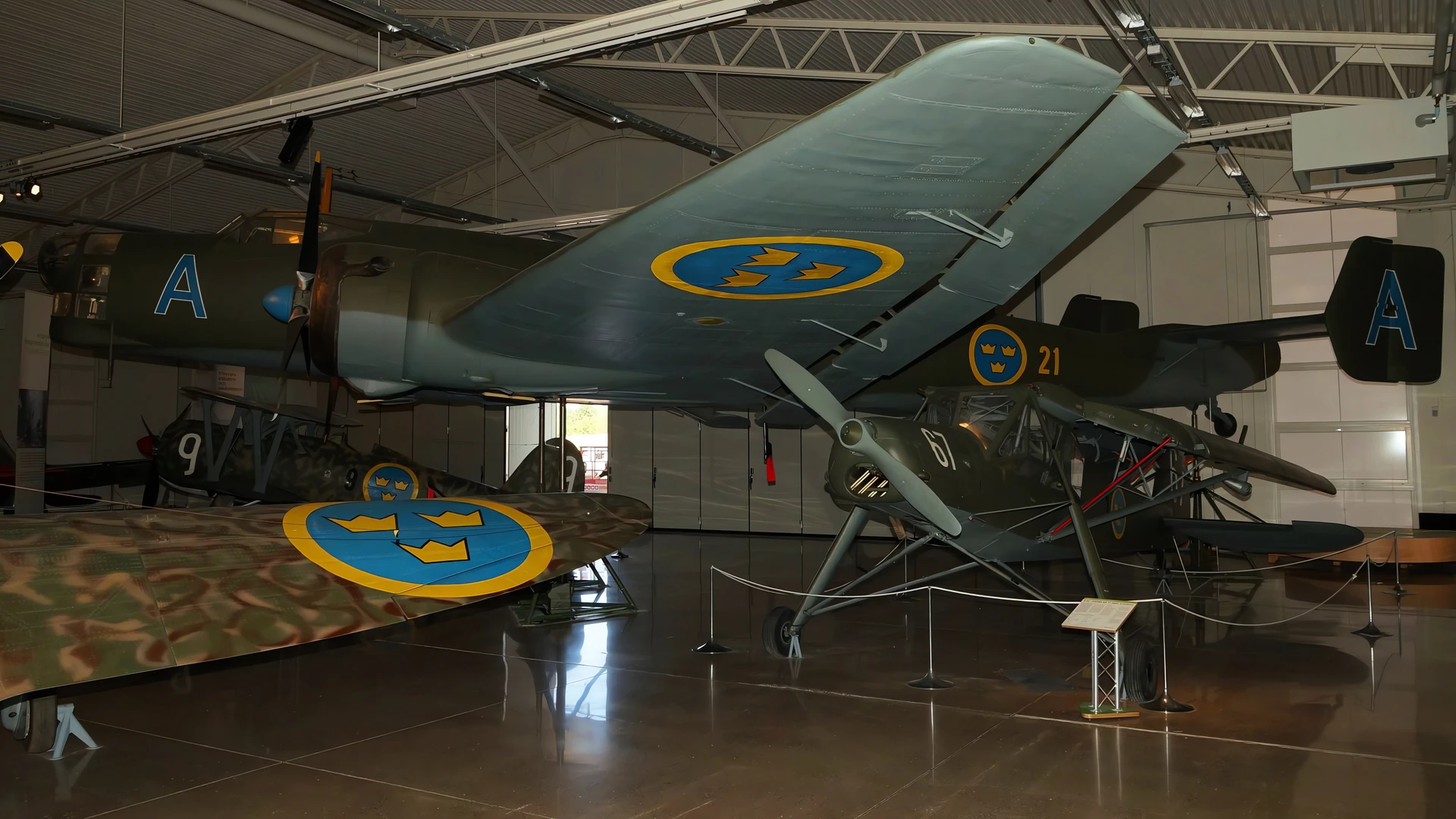
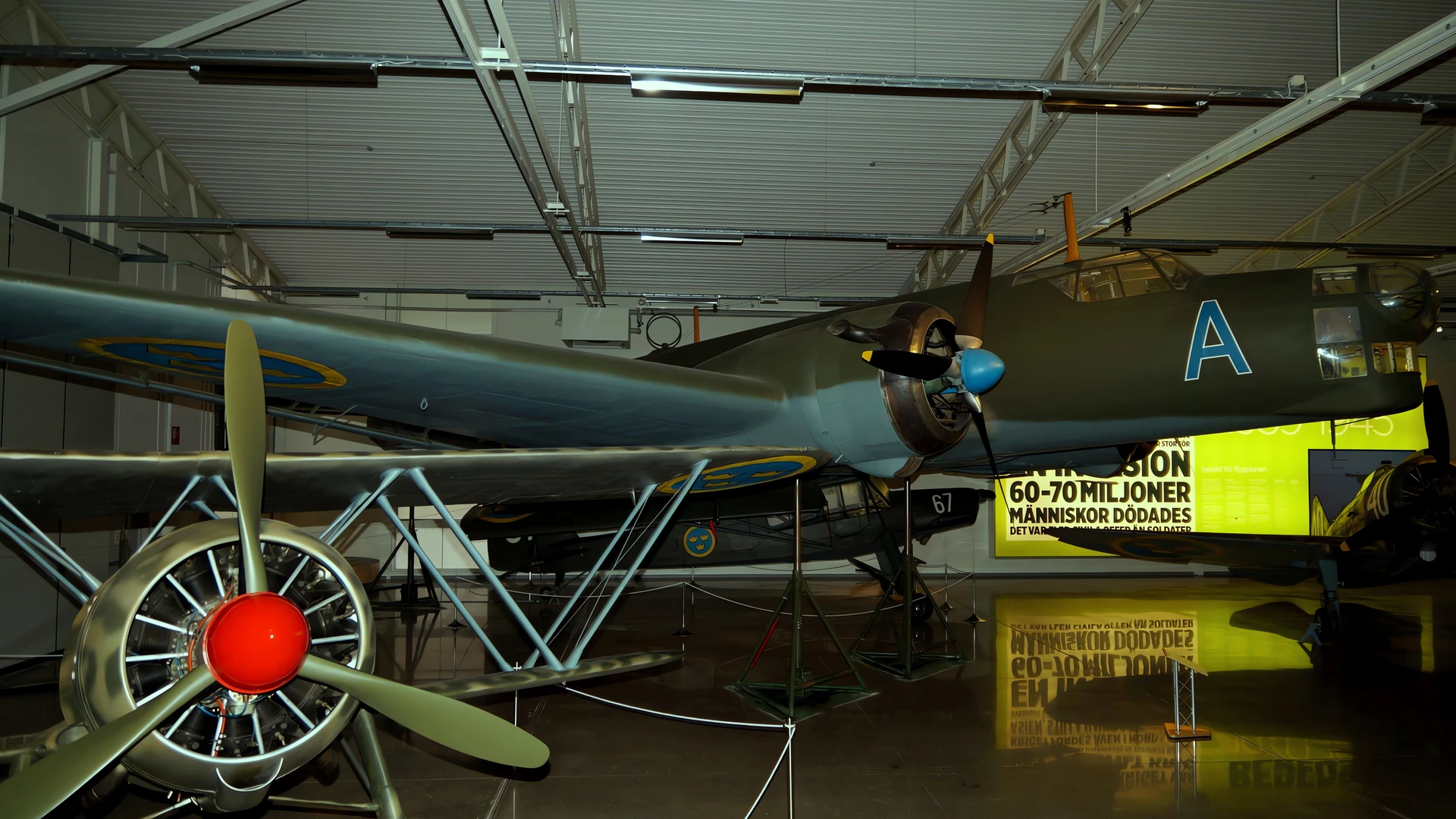
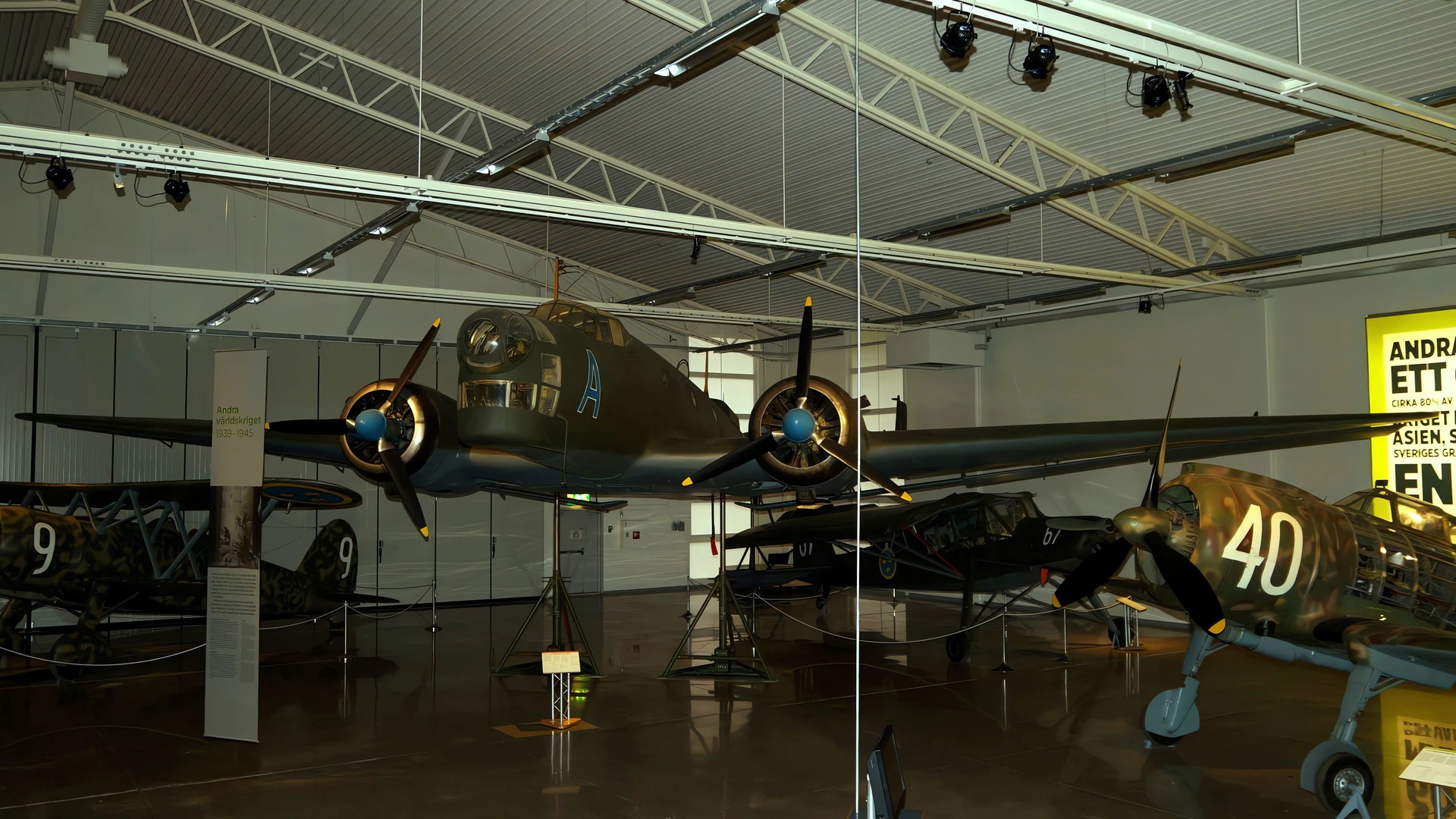
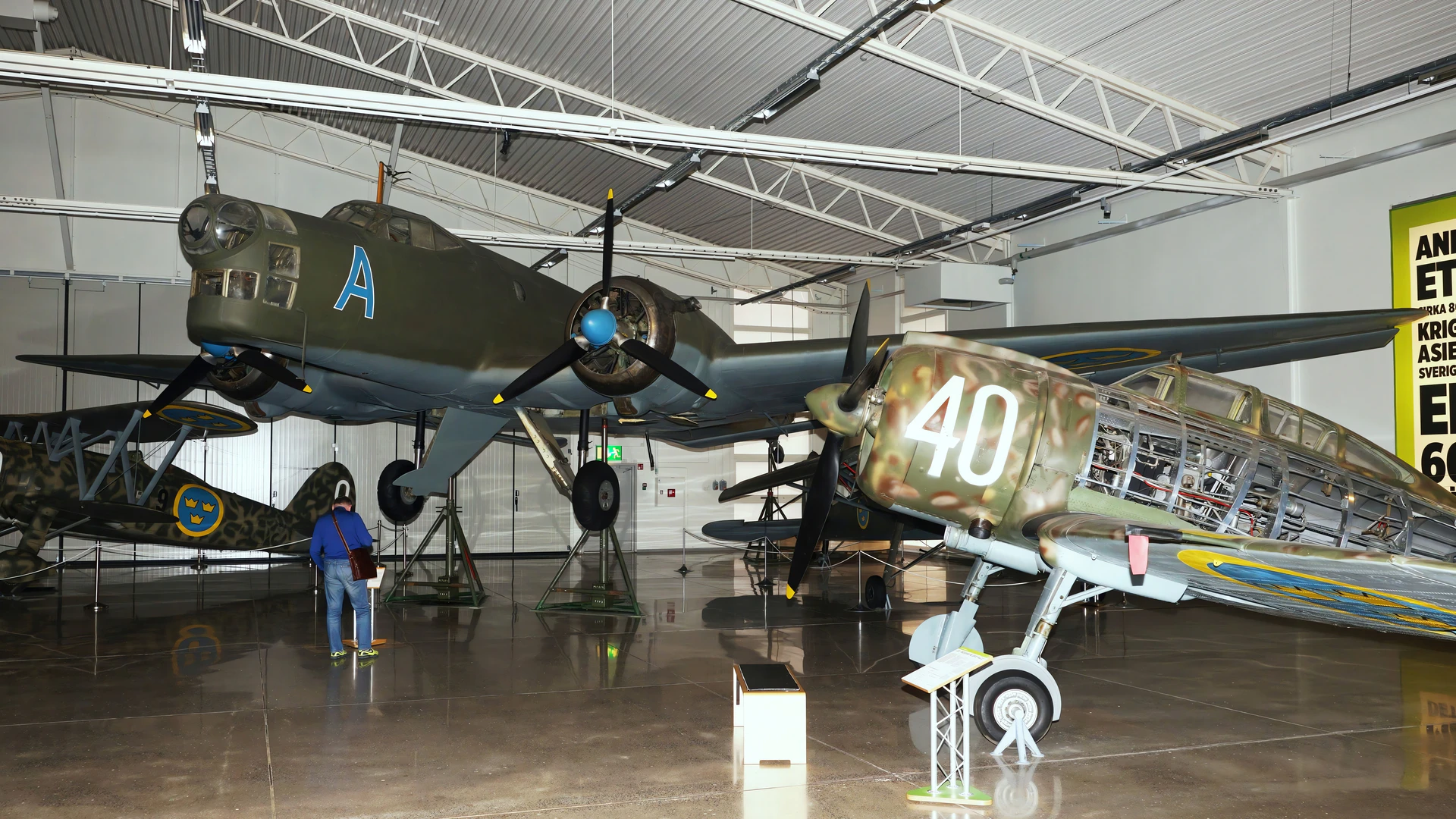
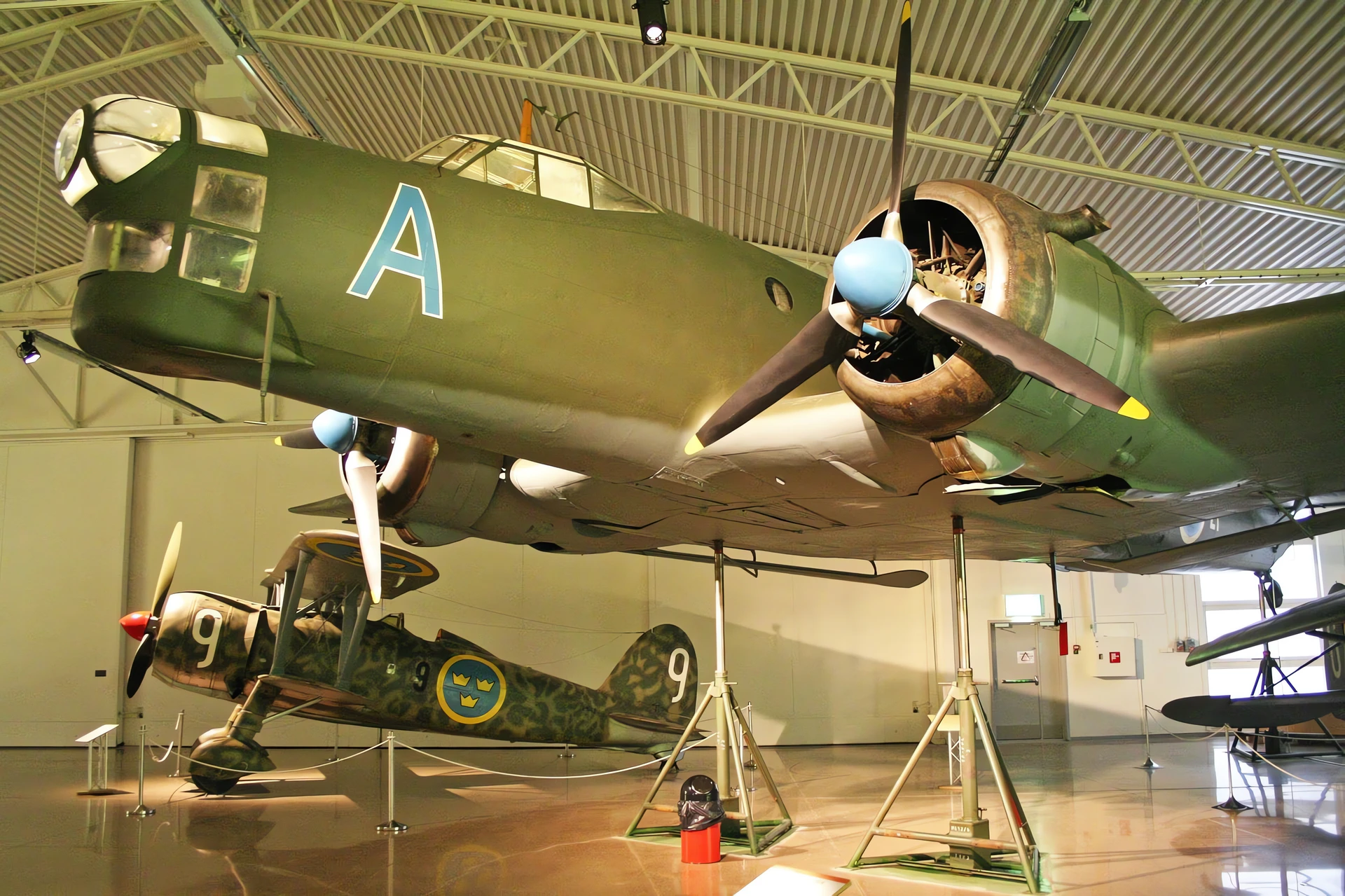
Lla Junkers Ju 86 K-4 represents a specific and successful export chapter of the Ju 86 family. While the standard German Luftwaffe versions were originally designed with the temperamental Jumo diesel engines, the K-4 (Export version for Sweden) utilized reliable air-cooled radial engines. Sold to Sweden and designated as the B 3, these aircraft proved significantly more dependable than their German counterparts and served as the backbone of the Swedish Air Force’s bomber fleet throughout the Second World War.
| Attribute | Standard Specification (Ju 86 K-4 / B 3) |
|---|---|
| Rôle | Medium Bomber / Reconnaissance |
| Crew | 4 (Pilot, Navigator/Bombardier, Radio Operator, Gunner) |
| First Flight (Series) | 1934 |
| Groupe motopropulseur | 2 × Bristol Pegasus III or IX radial engines |
| Horsepower | 905 hp (675 kW) per engine |
| Vitesse maximale | 350 km/h (217 mph) |
| Service Ceiling | 7,500 meters (24,600 ft) |
| Armement | 3 × 7.92 mm machine guns (Nose, Dorsal, Ventral) |
| Bomb Load | 1,000 kg (2,200 lbs) internally |
Design and Engineering: The Radial Shift
- The Move to Radials: Unlike the Ju 86A and D models used by Germany which suffered from diesel engine failures, the K-4 swapped the liquid-cooled Jumo diesels for Bristol Pegasus radials. This change required a redesign of the engine nacelles but vastly improved reliability and maintenance in cold climates.
- Dustpan Retractable Turret: The Ju 86 featured a unique ventral gunner’s station nicknamed the « dustpan. » This turret was lowered from the belly of the aircraft during combat to provide downward defense and retracted to reduce drag during cruising.
- Double-Wing (Doppelflügel): Like many Junkers designs (notably the Ju 52), the Ju 86 utilized the Junkers « double-wing » auxiliary flaps. These acted as separate control surfaces set just behind and below the trailing edge of the main wing, providing excellent low-speed lift and handling.
- All-Metal Smooth Skin: Moving away from the classic Junkers corrugated skin (seen on the Ju 52), the Ju 86 used a modern smooth duralumin stressed-skin construction to improve aerodynamics.
The Swedish Service (SAAB Era)
- License Production: Sweden was so impressed with the K-4 that the newly formed company SAAB was commissioned to build the aircraft under license. This was a foundational project for SAAB’s future as an aerospace giant.
- Lla « Long-Nosed » B 3C: Later Swedish versions (B 3C and B 3D) featured more powerful engines and a slightly modified airframe, remaining in service for transport and target-towing long after the war ended.
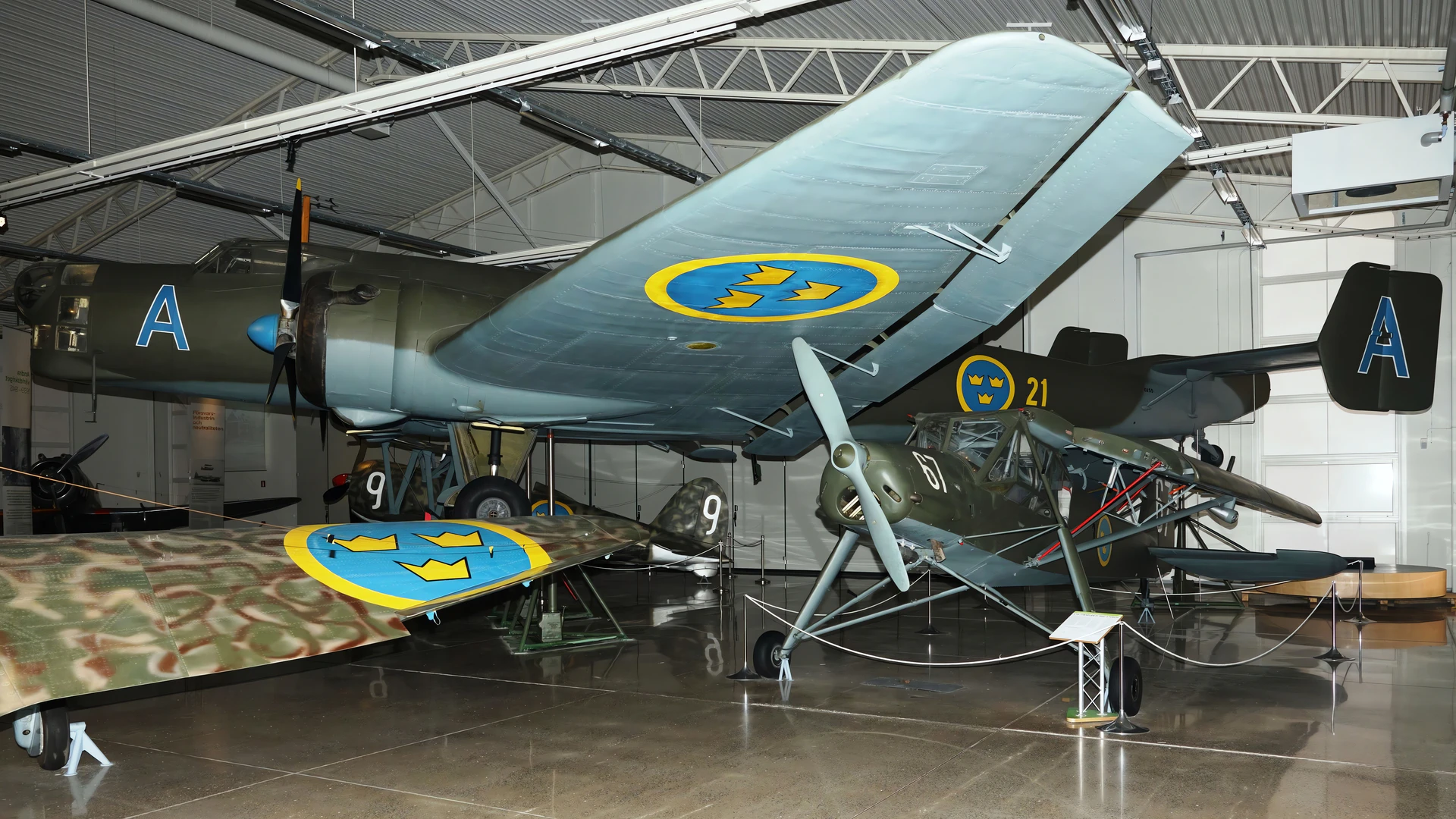
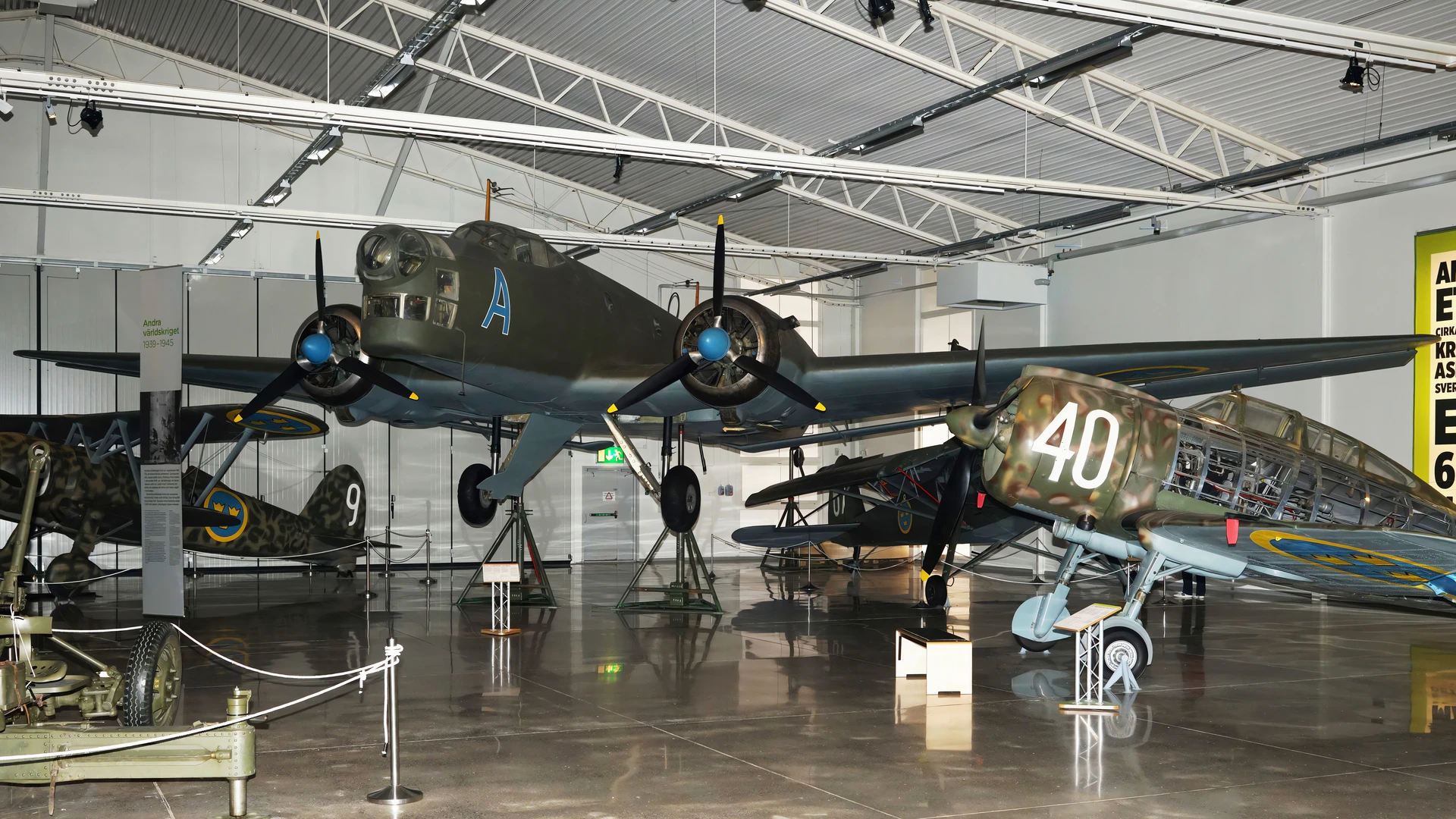
- Survivors: Because Sweden remained neutral, their Ju 86s were not destroyed in combat. The world’s only complete surviving Ju 86 is a Swedish-built K-4 (B 3C) preserved at the Swedish Air Force Museum in Linköping.
Vues : 2033