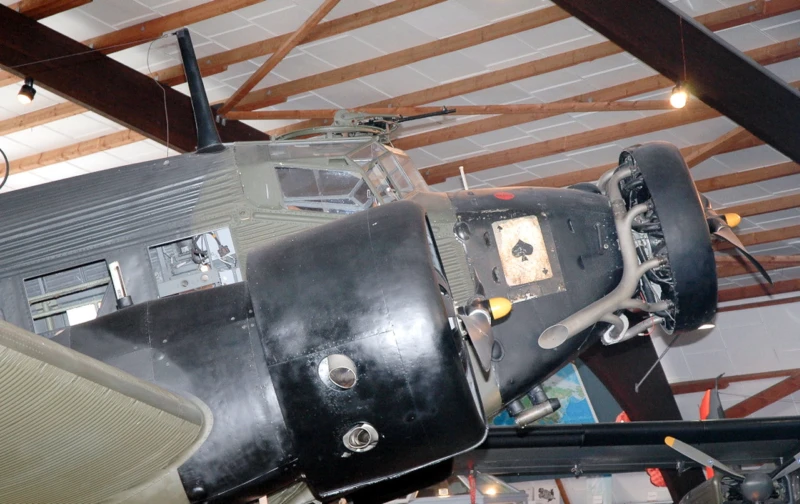
Junkers JU-52 | |
|---|---|
| Pays | Germany |
| Catégorie | Military aircraft |
| Type | Avion de transport |
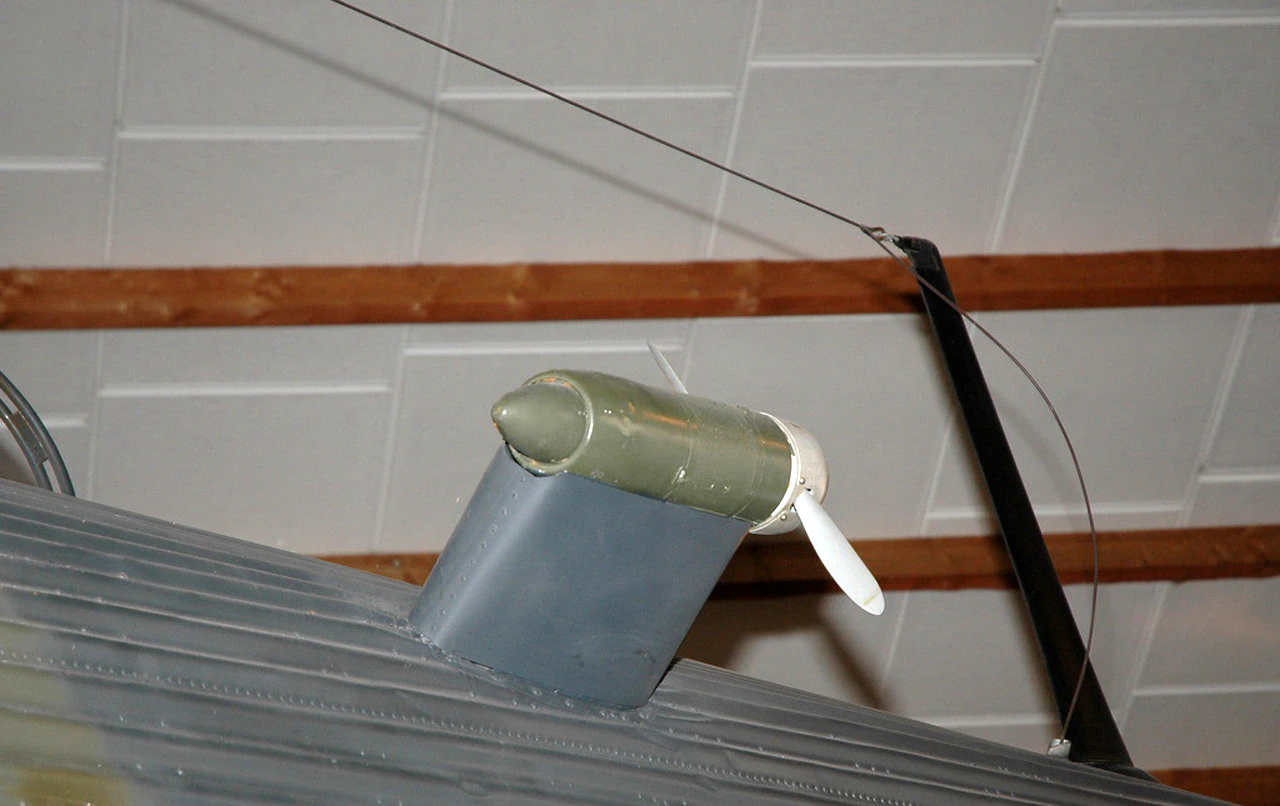
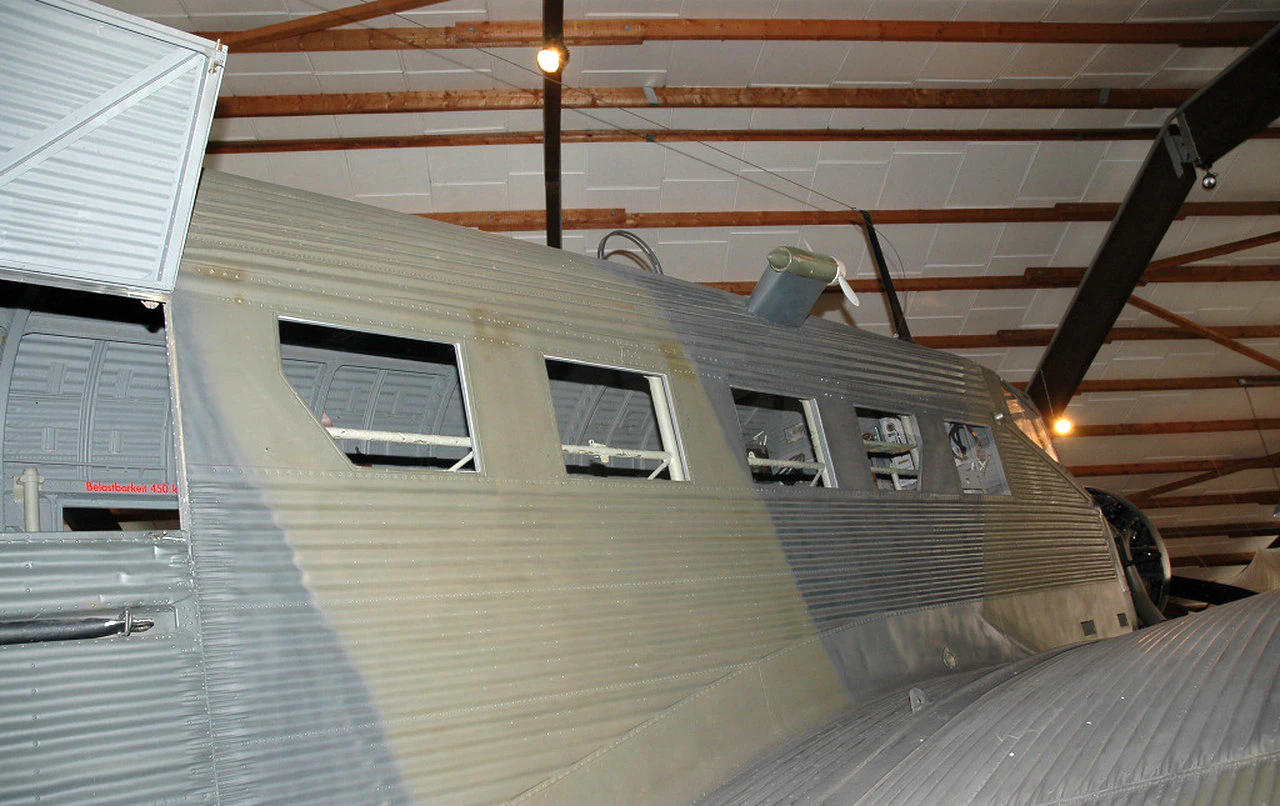
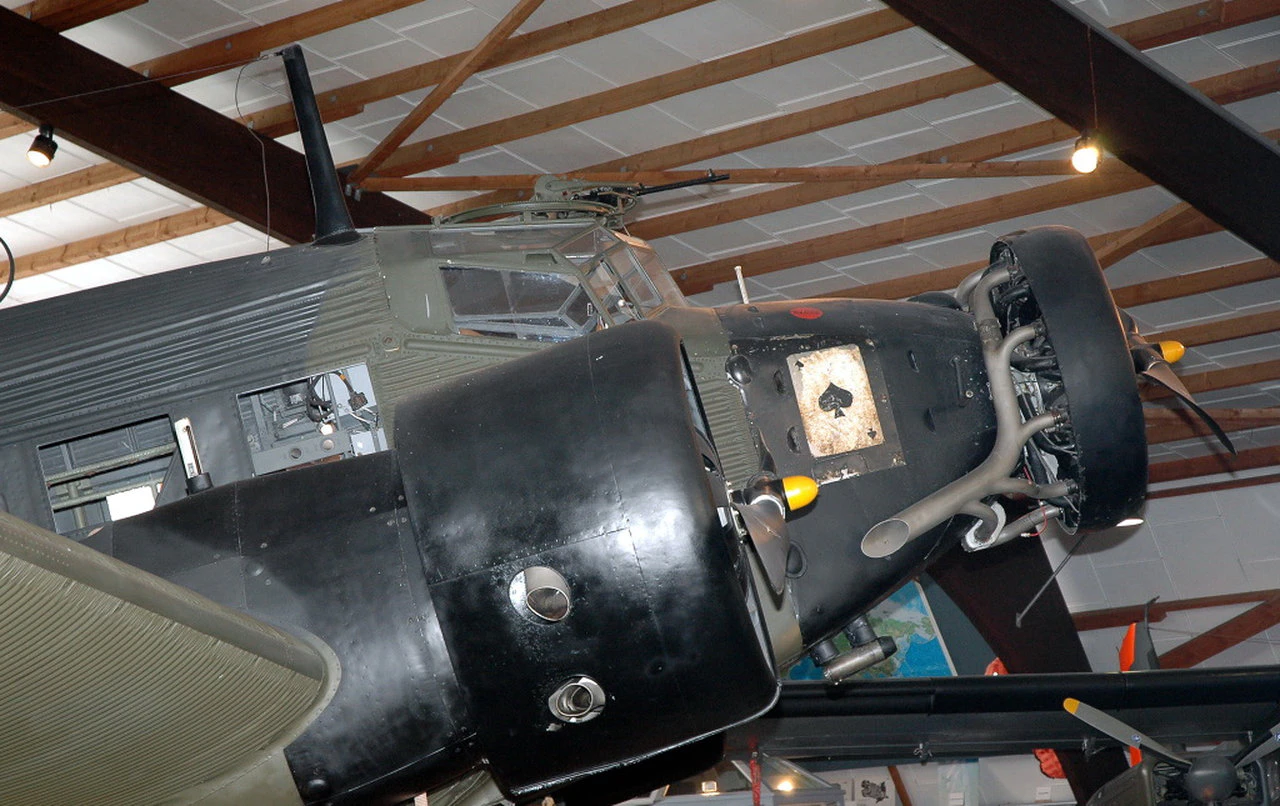
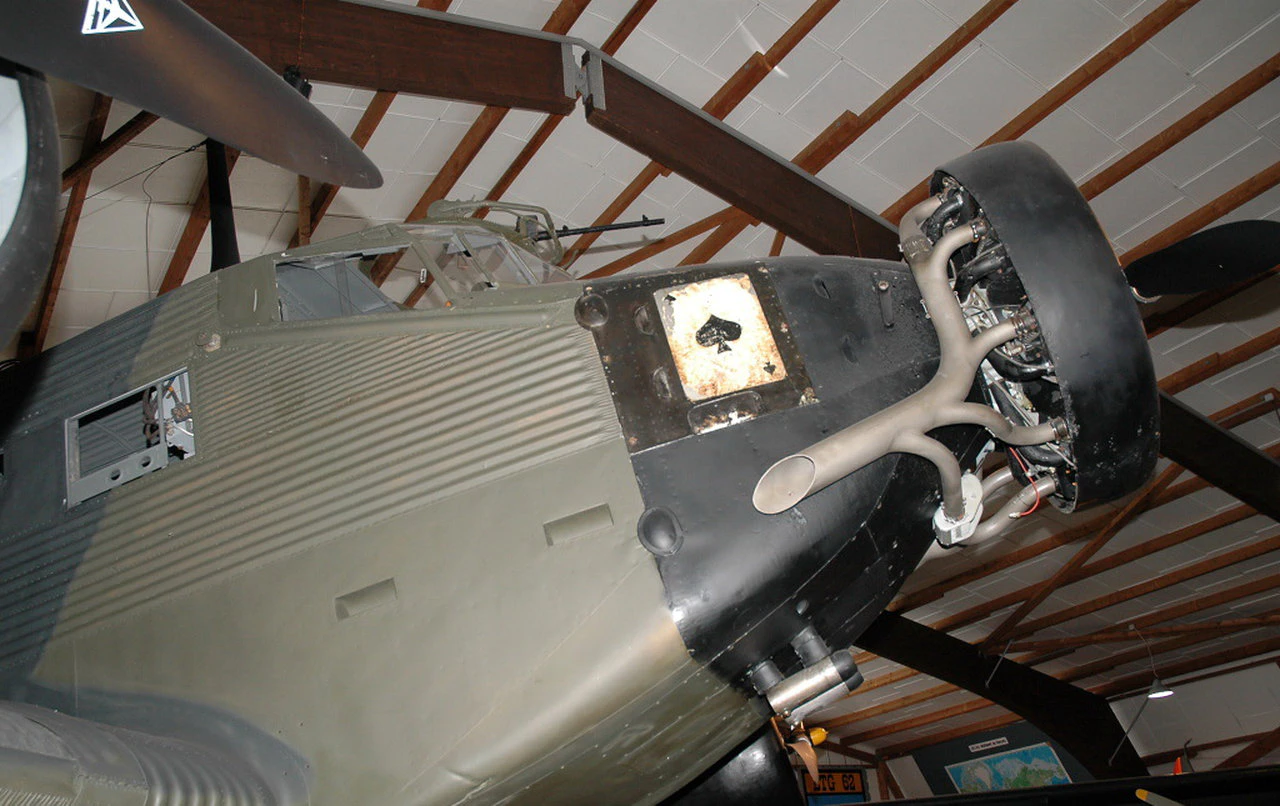
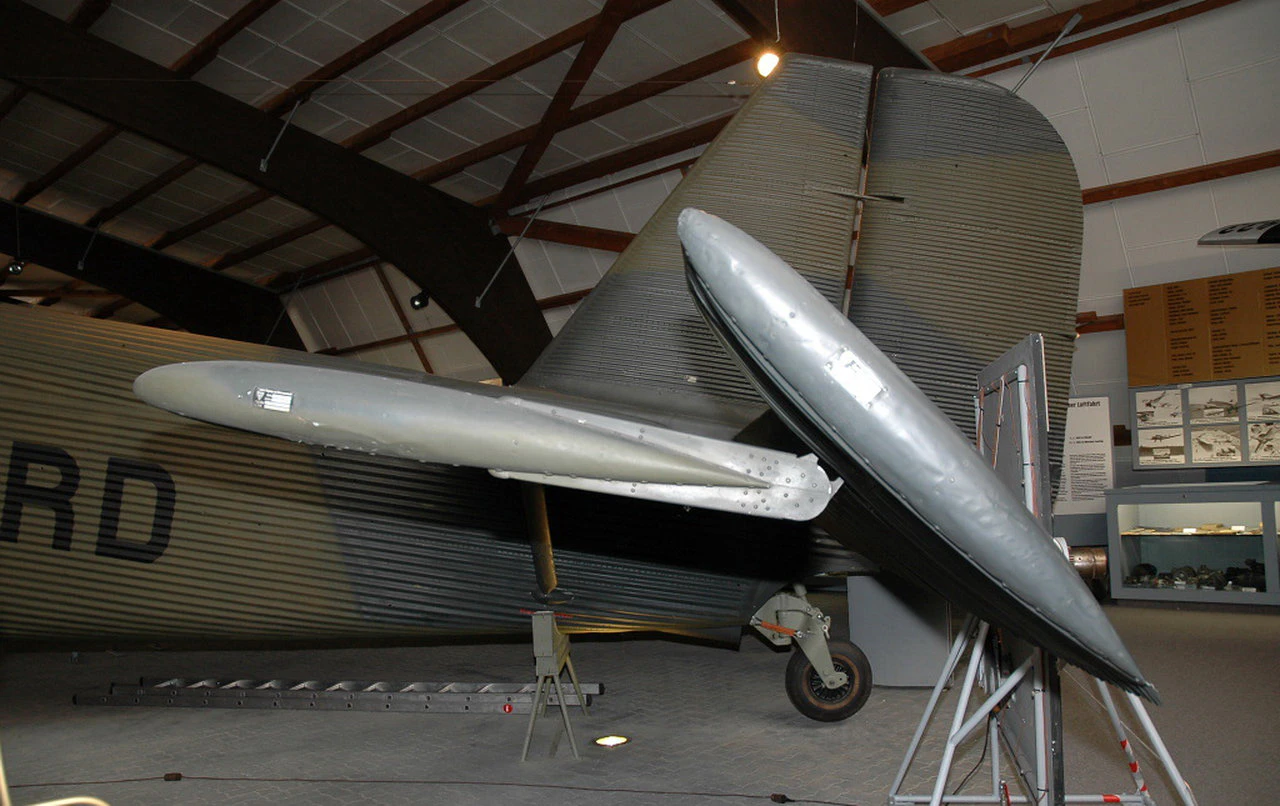
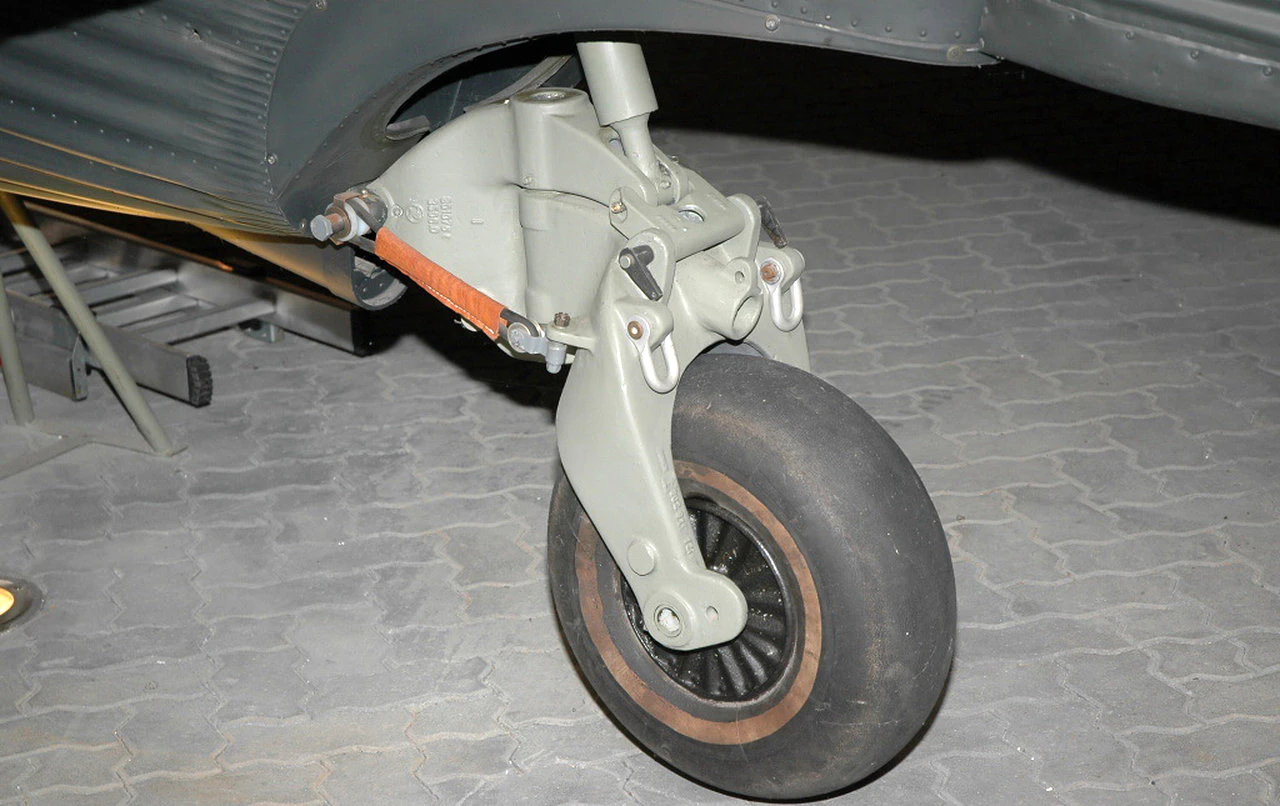
| Description | Album de 45 photos walk-around du «Junkers JU-52» |
Le Junkers Ju 52 (surnommé Tante Ju en allemand, Iron Annie par les Anglais), était un avion de transport en tôle ondulée fabriqué par la firme allemande Junkers à partir des années 1930. Construit à plus de 4800 exemplaires, il a été utilisé par de nombreuses compagnies aériennes, mais aussi comme avion de transport militaire et bombardier pendant la Seconde Guerre mondiale. Preuve de sa robustesse, trois exemplaires du Junkers Ju 52 ont été utilisés par l’armée suisse jusque dans les années 1980.Les Junkers Ju 52 accomplissent leurs premières missions militaires pendant la Guerre d’Espagne, au sein de la Légion Condor. Ils sont alors utilisés à la fois comme avions de transport et comme bombardiers. Ils jouent ensuite un rôle décisif lors des opérations aéroportées du début de la Seconde Guerre mondiale dans le Benelux en 1940 et contre la Crète en 1941, même si les pertes deviennent vite importantes.
Source: Junkers JU-52 sur Wikipedia

See also:


Auntie Ju: The Corrugated Iron Workhorse of the Luftwaffe
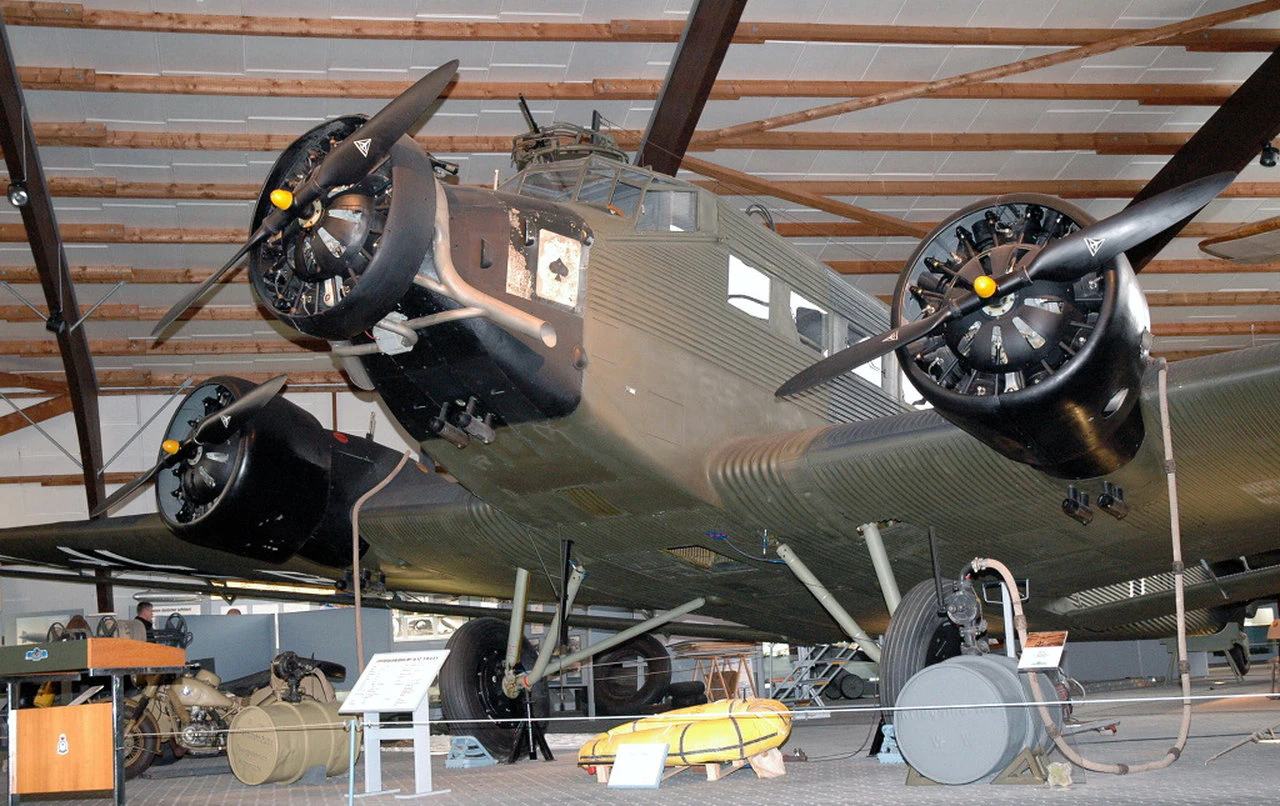
The Junkers Ju 52, affectionately nicknamed « Tante Ju » (Auntie Ju) by her crews, was the indomitable logistical spine of the German military before and during World War II. Instantly recognizable by its distinctive corrugated duralumin skin and three-engine layout, the Ju 52 began life in 1930 as a robust commercial airliner and cargo transport for Deutsche Luft Hansa. Its rugged reliability, remarkable short-takeoff capability, and structural toughness quickly made it indispensable to the emerging Luftwaffe. While slow and highly vulnerable to modern fighters, it flew into the teeth of every major German campaign—dropping paratroopers into battle, evacuating thousands of wounded from besieged pockets, and hauling critical fuel, ammunition, and rations to the far corners of the Reich’s overextended front lines.
| Attribute | Technical Specification (Ju 52/3mg7e Definitive Military Baseline) |
|---|---|
| Role | Military Transport / Cargo Aircraft / Paratroop Carrier (Early auxiliary bomber) |
| Crew | 4 (Pilot, Co-Pilot/Navigator, Radio Operator, Gunner) |
| Capacity | Up to 18 fully equipped paratroopers OR 12 stretcher casualties OR 1,500 kg (3,300 lbs) of cargo |
| Powerplant | 3 × BMW 132T 9-cylinder air-cooled radial engines (830 hp each) |
| Maximum Speed | 265 km/h (165 mph) at sea level | Cruise Speed: 211 km/h (131 mph) |
| Operational Range | ~870 km (540 miles) standard internal fuel | Up to 1,300 km with auxiliary tanks |
| Service Ceiling | 5,500 m (18,000 ft) |
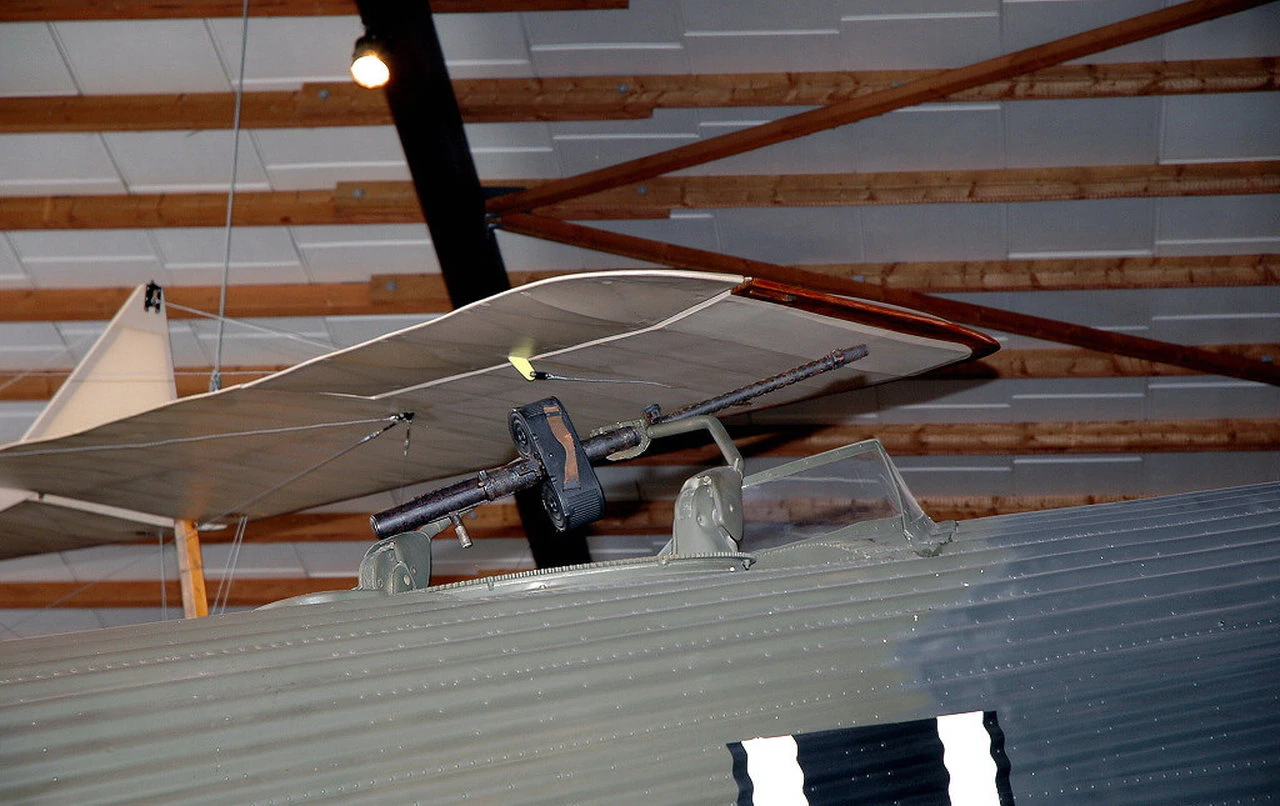
| Defensive Armament | 1 × 13mm MG 131 machine gun in an open dorsal position | 2 × 7.92mm MG 15 machine guns in side windows |
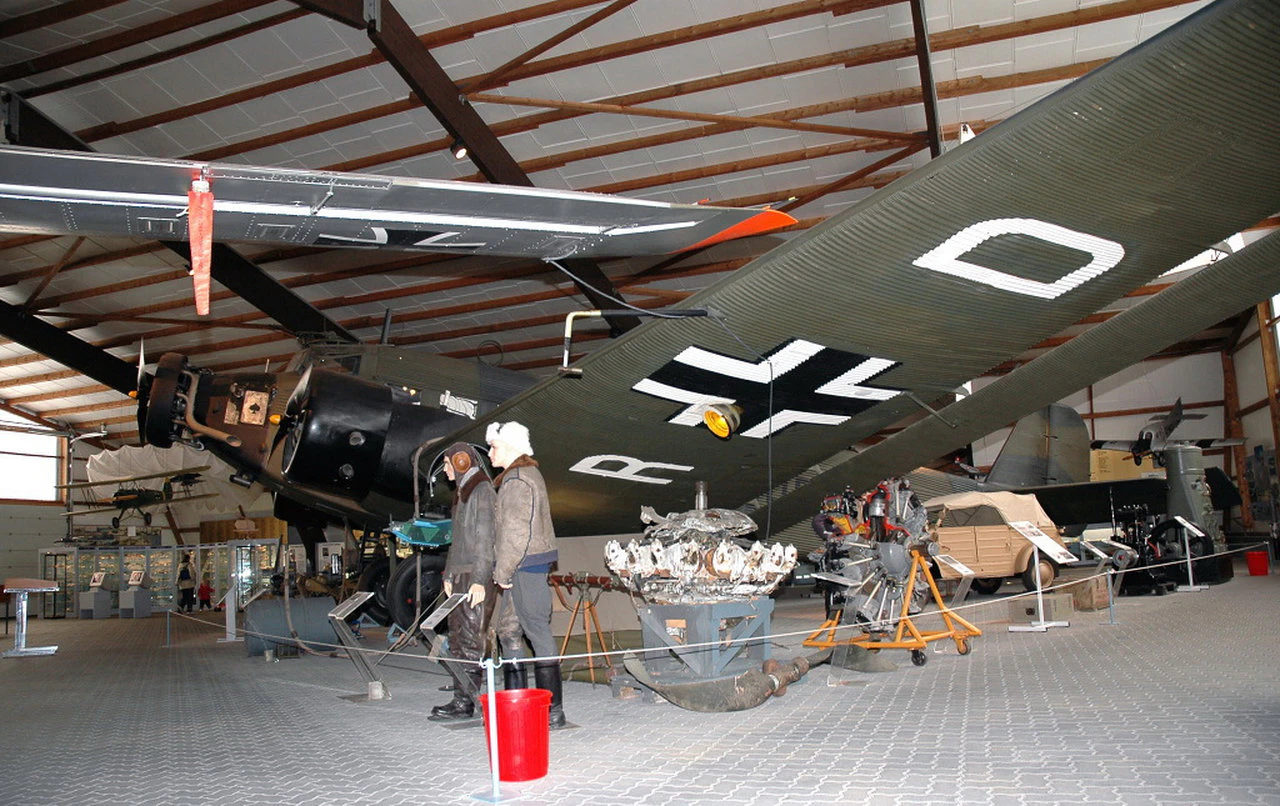
| Airframe Build | All-metal duralumin skin with deep longitudinal structural corrugation |
Design Engineering: Corrugated Duralumin and the Doppelflügel Flap System
- The Legend of Corrugated Metal: Hugo Junkers pioneered the use of corrugated duralumin (a copper-aluminum alloy) skinning. Much like corrugated cardboard, the repeating ridges provided immense structural rigidity and torsional strength without requiring a heavy, complex internal skeleton. This meant the Ju 52 could absorb massive amounts of small-arms fire, shrapnel, and harsh weather conditions while remaining entirely airworthy.
- The Double-Wing (Doppelflügel) Flap Architecture: To allow the heavy transport to operate from short, unimproved grass airstrips or mud-churned frontline clearings, the Ju 52 utilized trailing-edge « double wings. » The flaps and ailerons ran parallel to and just below the main wing structure, acting as a highly efficient mechanical high-lift device. This unique layout gave the aircraft incredibly low stalling speeds and stellar short-takeoff and landing (STOL) characteristics.
- The Three-Engine Redundancy Strategy: Transitioning from the early single-engine Ju 52/1m prototype, the definitive Ju 52/3m mounted three radial engines—one in the nose and two on the wing leading edges. This offered excellent power redundancy; if a single engine failed or was knocked out by anti-aircraft fire over enemy territory, the aircraft could easily maintain cruise altitude and limp back to base on the remaining two powerplants.
- Rugged, Fixed Landing Gear: To eliminate the mechanical weight, complexity, and failure points of retractable landing gear, the Ju 52 retained a heavy-duty, fixed wheel arrangement. The thick strut legs were heavily braced to withstand violent, hard landings on rough terrain. In arctic or deep winter environments on the Eastern Front, the wheels were easily swapped for giant wooden skis or fitted with heavy floats for maritime supply lines.
Operational History: From the Spanish Civil War to the Disastrous Stalingrad Airlift
- The World’s First Strategic Airlift: The Ju 52 made military history during the Spanish Civil War in 1936. Operating as the backbone of the German Condor Legion, a fleet of Ju 52s executed the world’s first large-scale military airlift, ferrying over 20,000 elite Moroccan troops from Spanish Morocco to the mainland, bypassing a naval blockade and securing a crucial foothold for Franco’s Nationalist forces.
- Spearheading the Blitzkrieg: During the rapid invasions of Norway, the Netherlands, and Belgium in 1940, fleets of Ju 52s served as the delivery vehicle for Germany’s *Fallschirmjäger* (paratroopers). Flocks of the transports dropped troops directly onto key strategic choke points, famously capturing the seemingly impregnable Belgian fort of Eben-Emael and vital Dutch airfields within the opening hours of the campaign.
- The Pyrrhic Victory of Crete (1941): Operation Mercury—the airborne invasion of Crete—marked both the finest hour and the death knell of the Ju 52 fleet. Over 500 transports dropped thousands of paratroopers onto the Mediterranean island. While successful, the slow-flying Ju 52s ran into a wall of British anti-aircraft fire. Nearly 150 aircraft were completely destroyed in a matter of days, wiping out irreplaceable veteran transport aircrews.
- The Frozen Tragedy of Stalingrad: In the winter of 1942, the German 6th Army was completely encircled by the Red Army at Stalingrad. Hitler foolishly ordered the Luftwaffe to supply the 250,000 trapped men entirely from the air. In a desperate, sub-zero effort, Ju 52 fleets flew through brutal blizzards and fierce Soviet fighter screens. The airlift failed catastrophically, costing the Luftwaffe nearly 500 transport aircraft and cementing the irreversible destruction of its logistical fleet.
Views : 6160
You can see also :
 Short Solent – Photos & Videos
 Grumman G-73 Mallard – Photos & Videos
 Lockheed LC-130 – Photos & Videos
 Junkers F.13 – Photos & Video
 Junkers Ju-87G-2 Stuka – Photos & Video
 A-7B Corsair II – WalkAround
 Lockheed F-22A Raptor – Photos & Video
 Sukhoi Su-27 – WalkAround
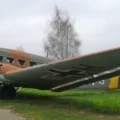 Junkers JU-52 – WalkAround
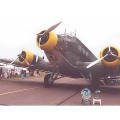 Junkers Ju-52 Tante Ju – Walk Around