Junkers Ju 86 | |
|---|---|
| Kraju | Nazistowskie Niemcy |
| Roli | Bombowiec, samolot, samolot rozpoznawczy |
| Pierwszy lot | 4 listopada 1934 r. |
| Zbudowany | 900 |
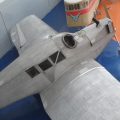
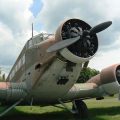
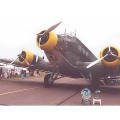
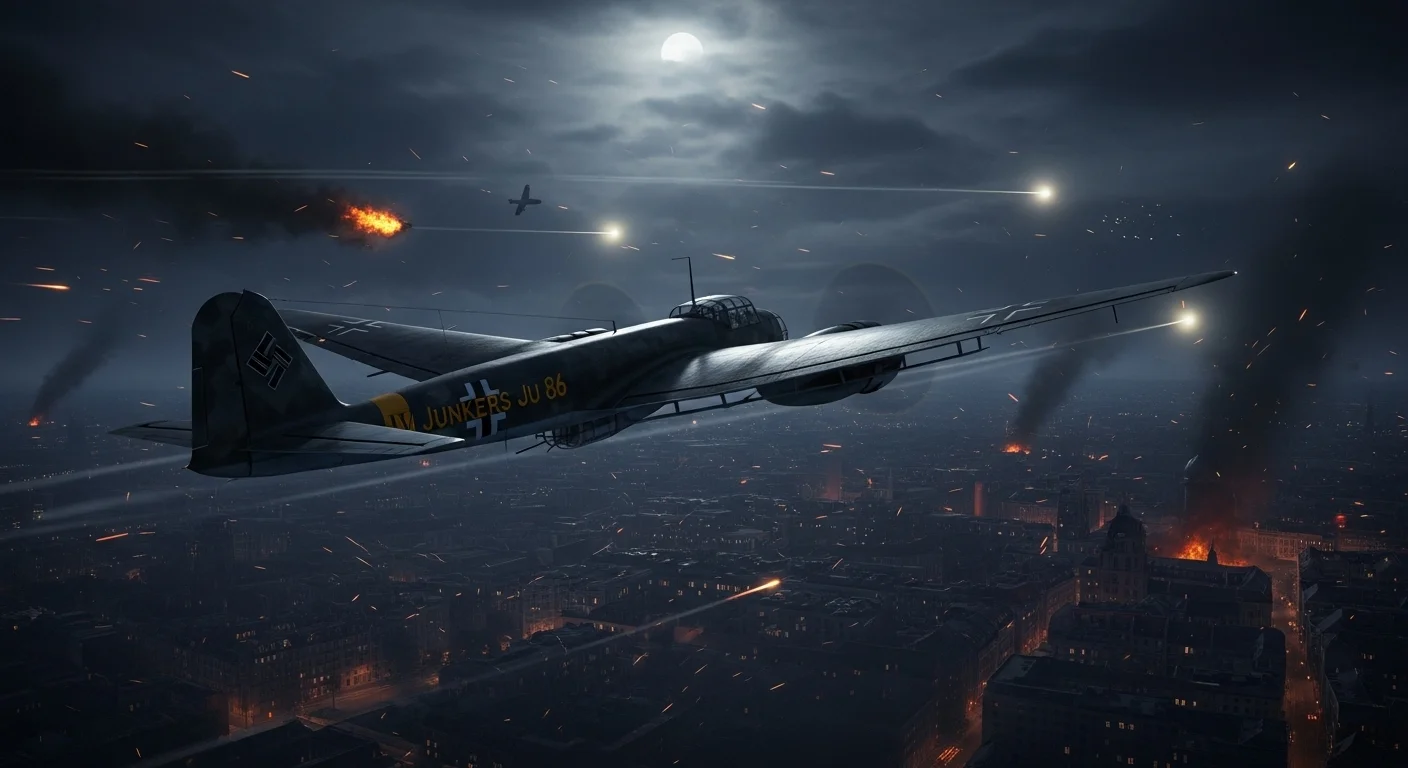
Tthe Junkers Ju 86 Był niemieckim bombowcem jednopłatowym i cywilnym samolotem zaprojektowanym na początku lat 30., i zatrudnionym przez różne siły powietrzne po obu stronach podczas II wojny światowej. Cywilny model Ju 86B może przewozić dziesięciu pasażerów. Dwa zostały dostarczone do Swissair, a pięć do Deutsche Luft Hansa. Ponadto jeden cywilny Ju 86Z został dostarczony do szwedzkiego AB Aerotransport.
Źródła: Junkers Ju 86 na Wikipedii
| Junkers Ju 86 K-4 Walk Around | |
|---|---|
| Fotograf | Unknow |
| Lokalizacja | Niewiedzy |
| Zdjęcia | 20 |


Zobacz też:


A Tale of Two Engines
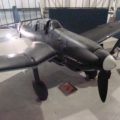
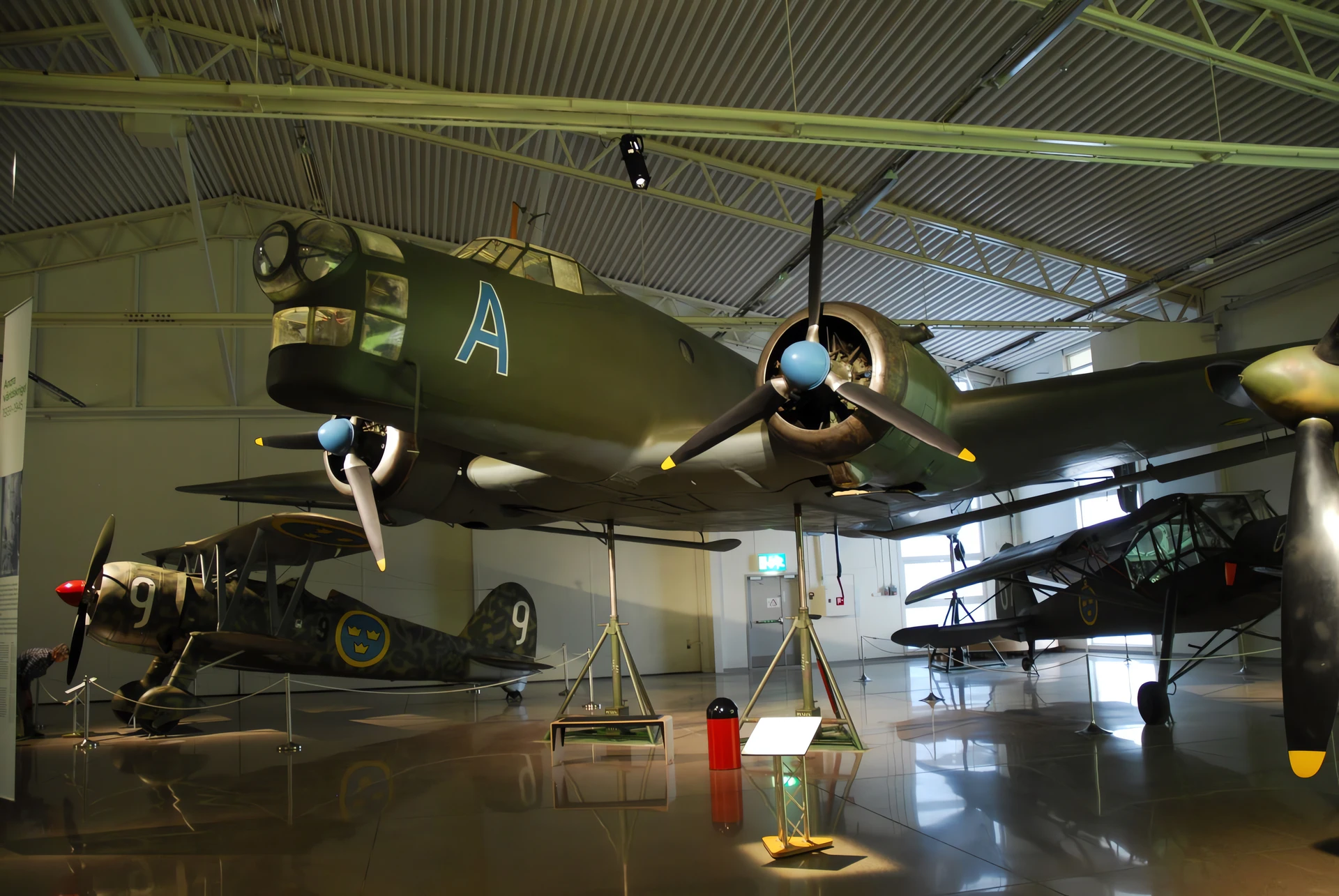
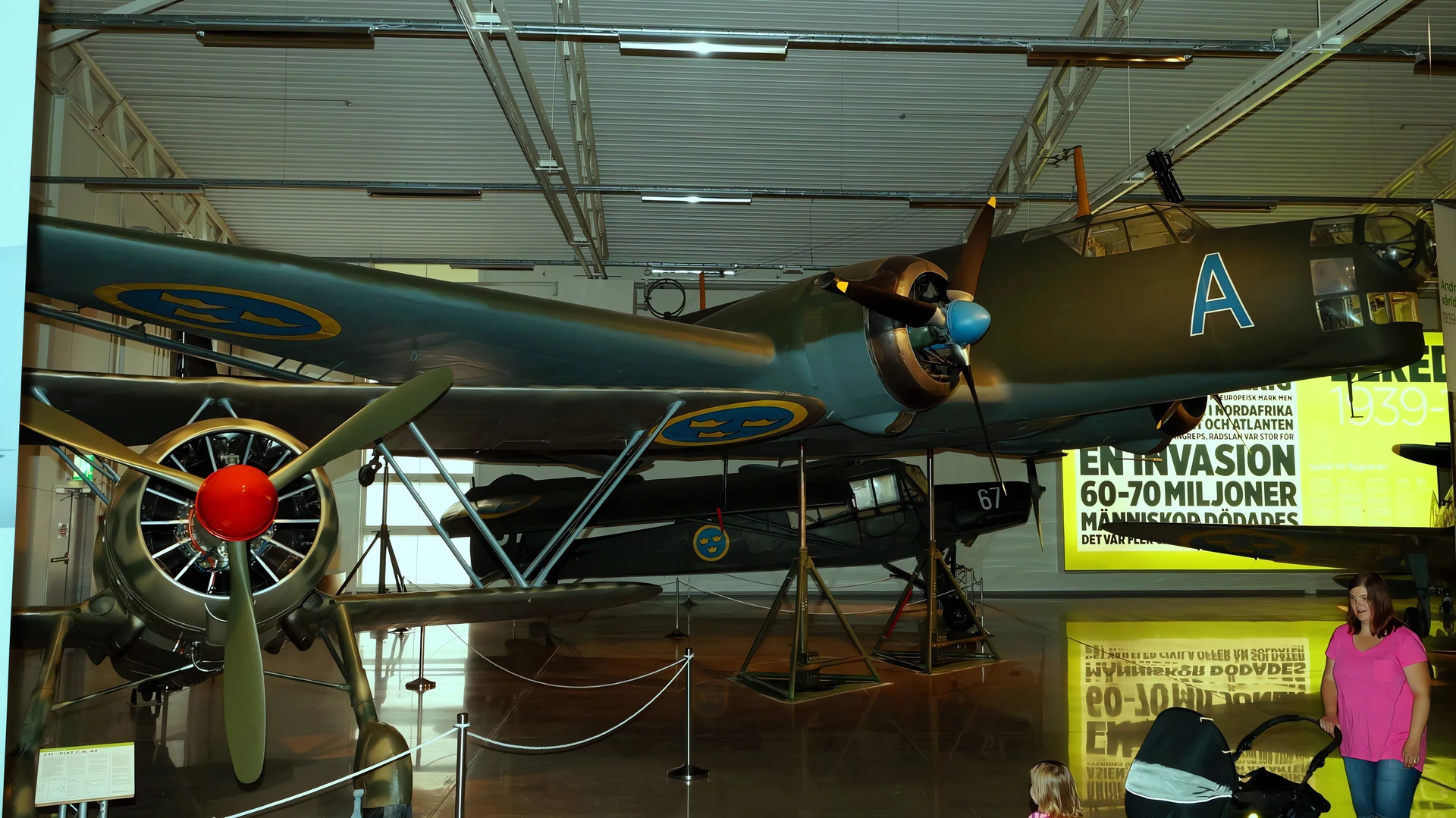
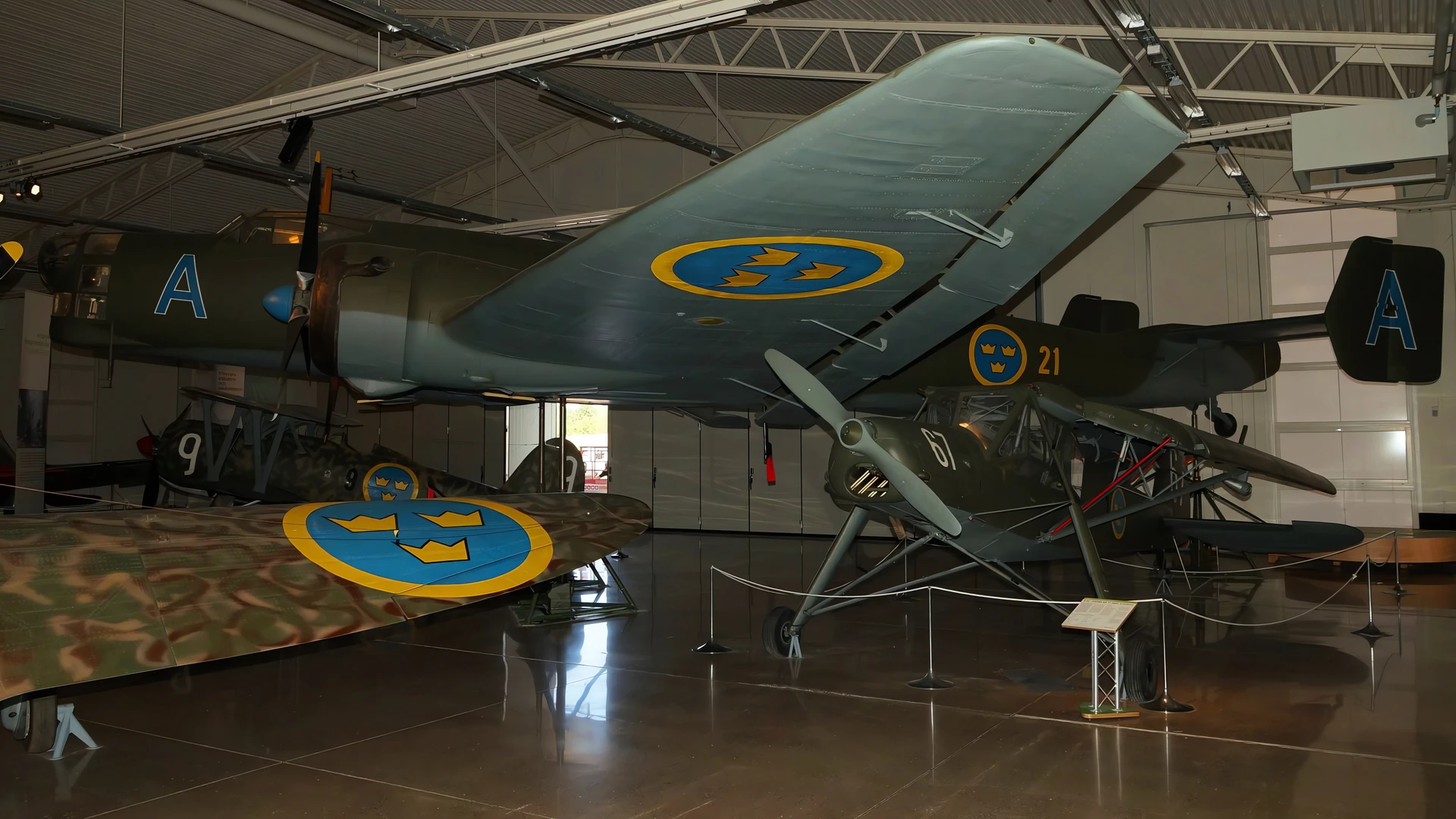
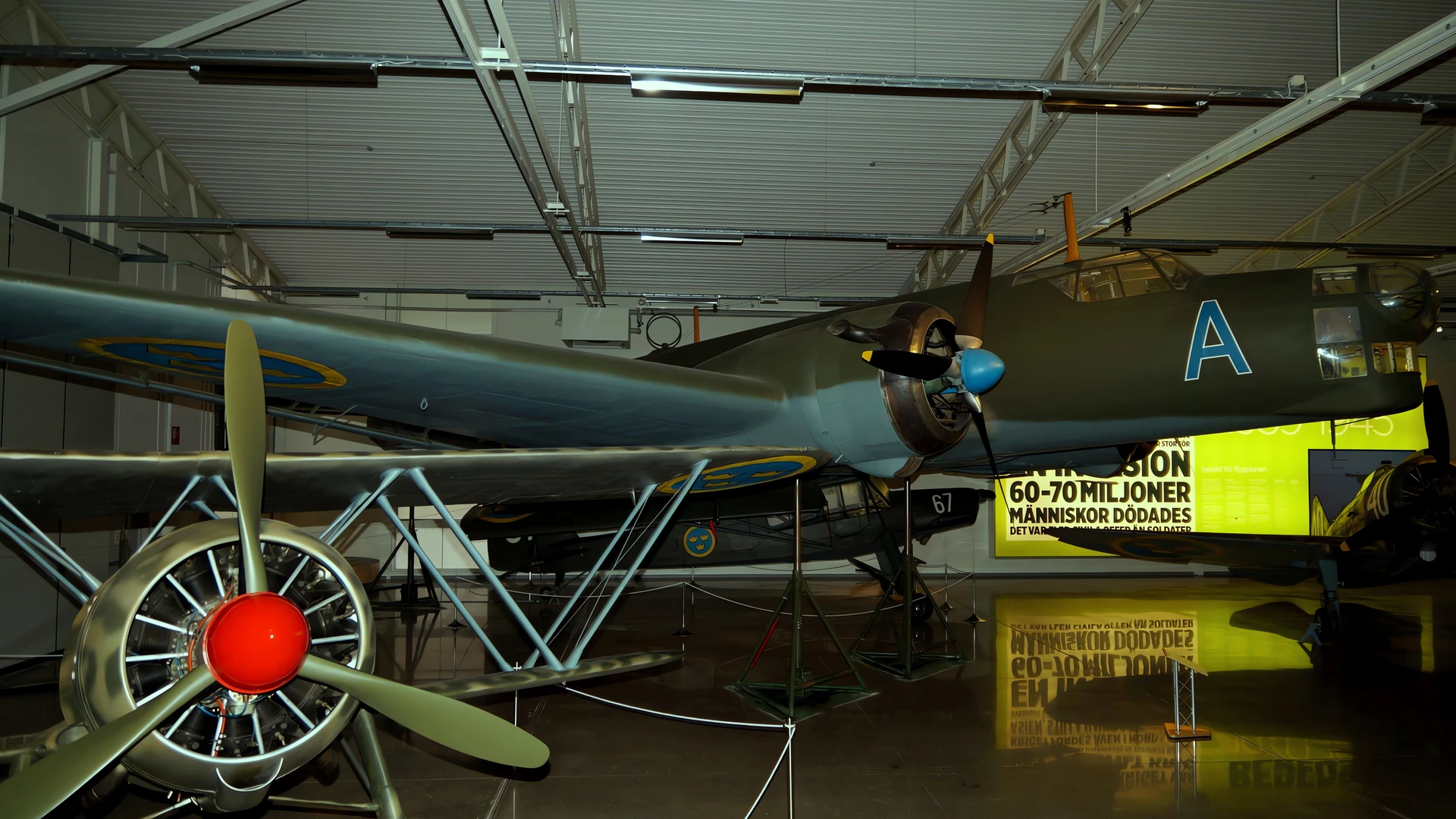
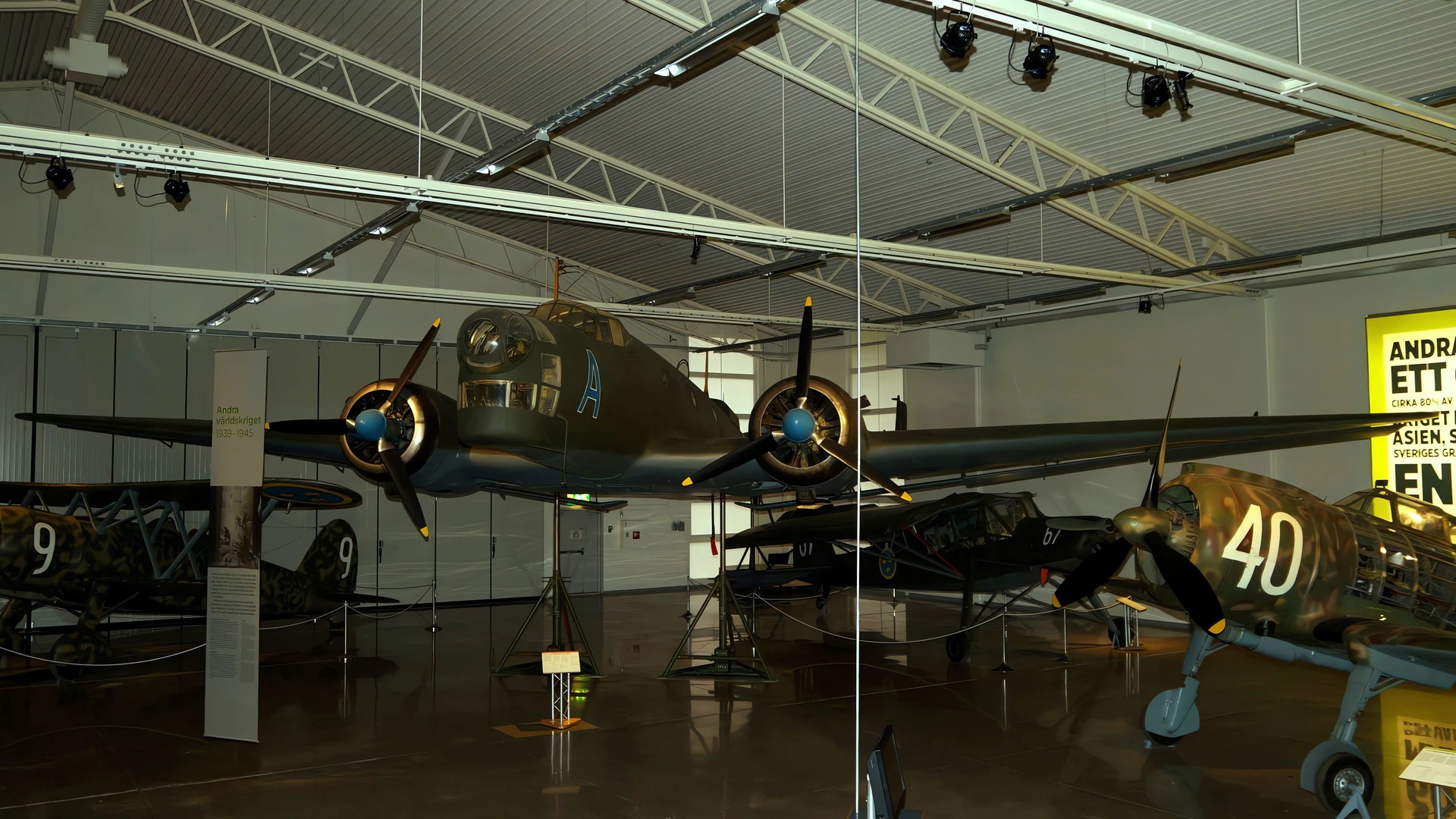
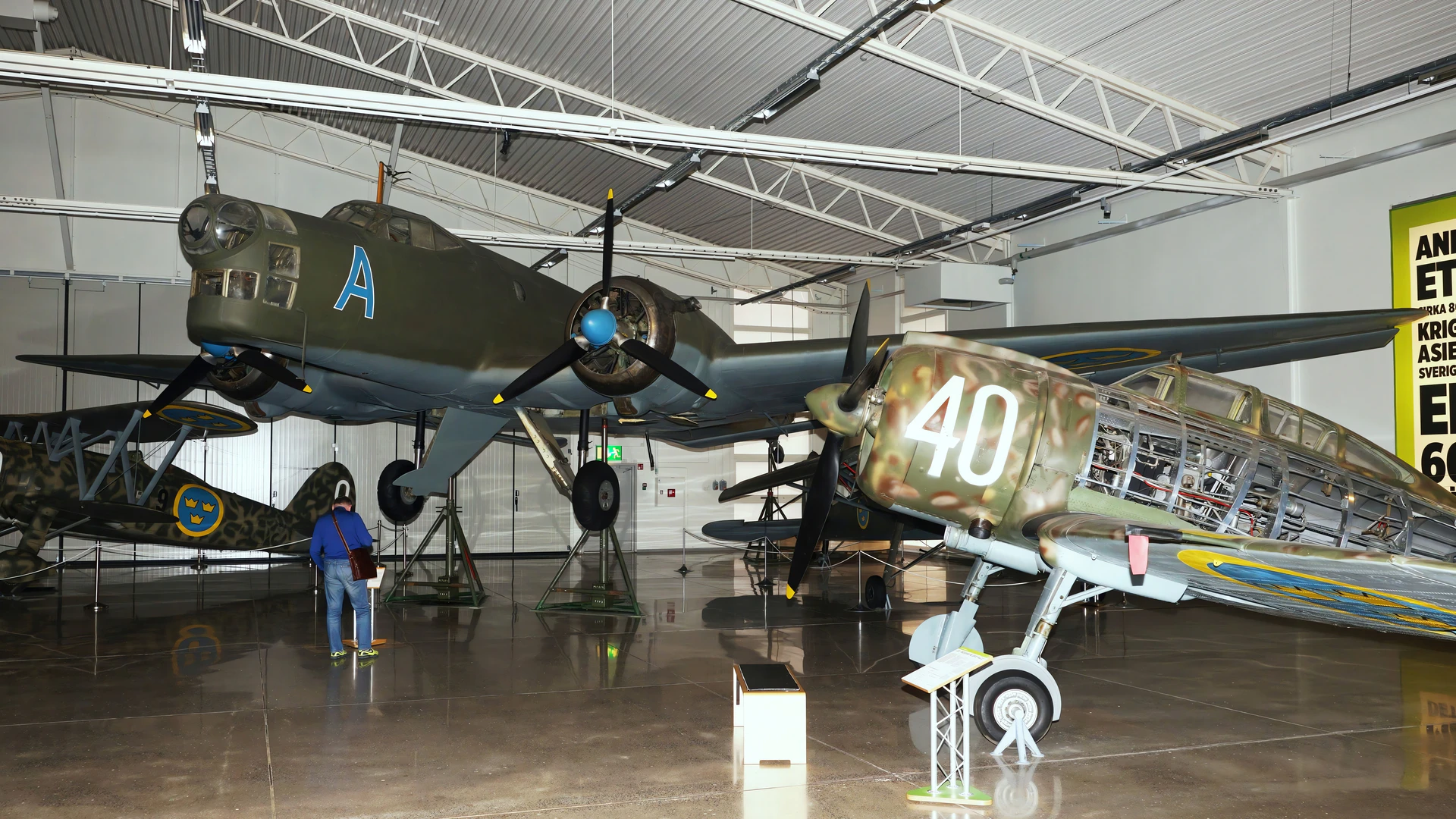
Tthe Junkers Ju 86 K-4 represents a specific and successful export chapter of the Ju 86 family. While the standard German Luftwaffe versions were originally designed with the temperamental Jumo diesel engines, the K-4 (Export version for Sweden) utilized reliable air-cooled radial engines. Sold to Sweden and designated as the B 3, these aircraft proved significantly more dependable than their German counterparts and served as the backbone of the Swedish Air Force’s bomber fleet throughout the Second World War.
| Attribute | Standard Specification (Ju 86 K-4 / B 3) |
|---|---|
| Roli | Medium Bomber / Reconnaissance |
| Załogi | 4 (Pilot, Navigator/Bombardier, Radio Operator, Gunner) |
| First Flight (Series) | 1934 |
| Zespół napędowy | 2 × Bristol Pegasus III or IX radial engines |
| Horsepower | 905 hp (675 kW) per engine |
| Prędkość maksymalna | 350 km/h (217 mph) |
| Service Ceiling | 7,500 meters (24,600 ft) |
| Uzbrojenie | 3 × 7.92 mm machine guns (Nose, Dorsal, Ventral) |
| Bomb Load | 1,000 kg (2,200 lbs) internally |
Design and Engineering: The Radial Shift
- The Move to Radials: Unlike the Ju 86A and D models used by Germany which suffered from diesel engine failures, the K-4 swapped the liquid-cooled Jumo diesels for Bristol Pegasus radials. This change required a redesign of the engine nacelles but vastly improved reliability and maintenance in cold climates.
- Dustpan Retractable Turret: The Ju 86 featured a unique ventral gunner’s station nicknamed the “dustpan.” This turret was lowered from the belly of the aircraft during combat to provide downward defense and retracted to reduce drag during cruising.
- Double-Wing (Doppelflügel): Like many Junkers designs (notably the Ju 52), the Ju 86 utilized the Junkers “double-wing” auxiliary flaps. These acted as separate control surfaces set just behind and below the trailing edge of the main wing, providing excellent low-speed lift and handling.
- All-Metal Smooth Skin: Moving away from the classic Junkers corrugated skin (seen on the Ju 52), the Ju 86 used a modern smooth duralumin stressed-skin construction to improve aerodynamics.
The Swedish Service (SAAB Era)
- License Production: Sweden was so impressed with the K-4 that the newly formed company SAAB was commissioned to build the aircraft under license. This was a foundational project for SAAB’s future as an aerospace giant.
- The “Long-Nosed” B 3C: Later Swedish versions (B 3C and B 3D) featured more powerful engines and a slightly modified airframe, remaining in service for transport and target-towing long after the war ended.
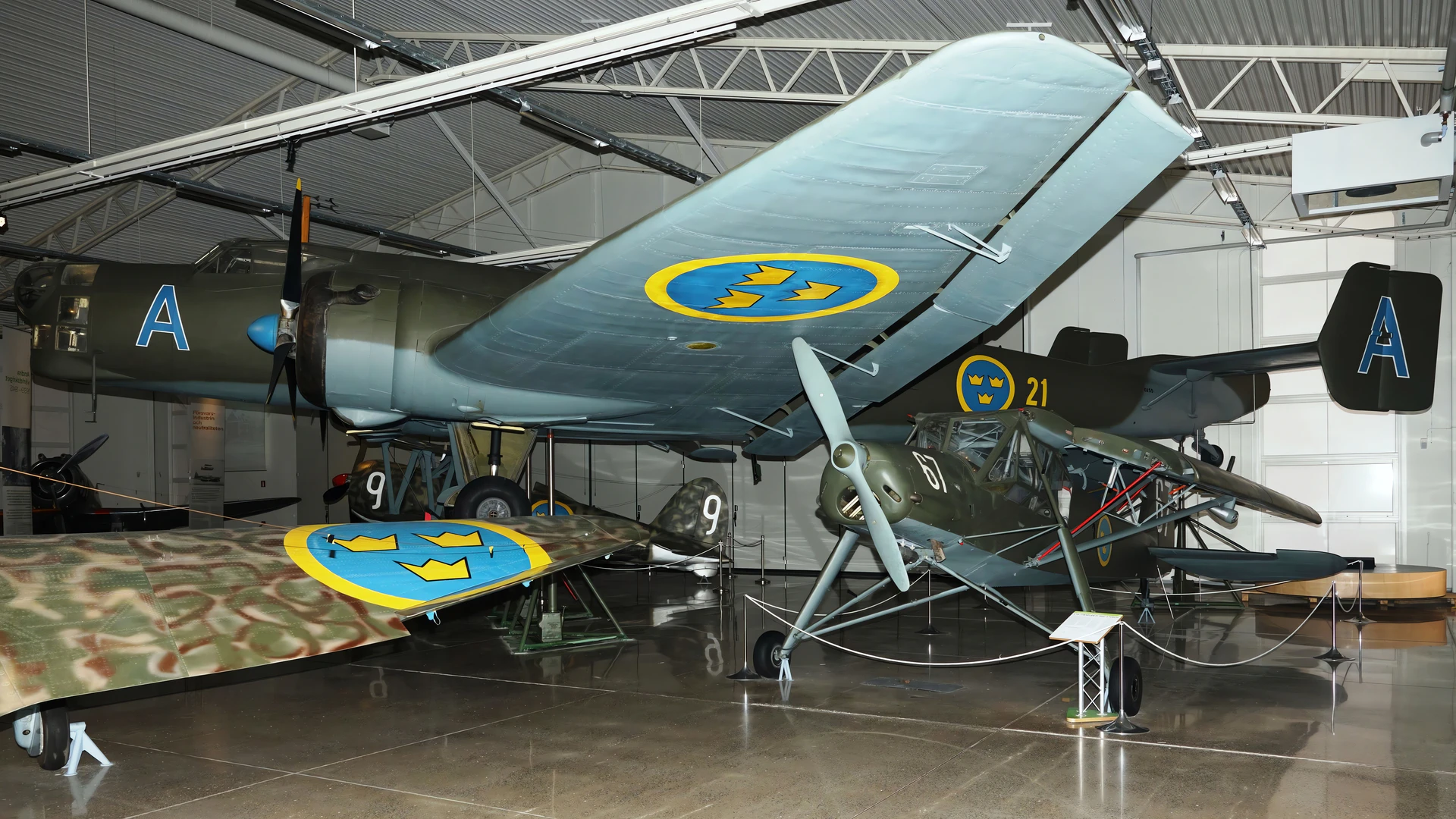
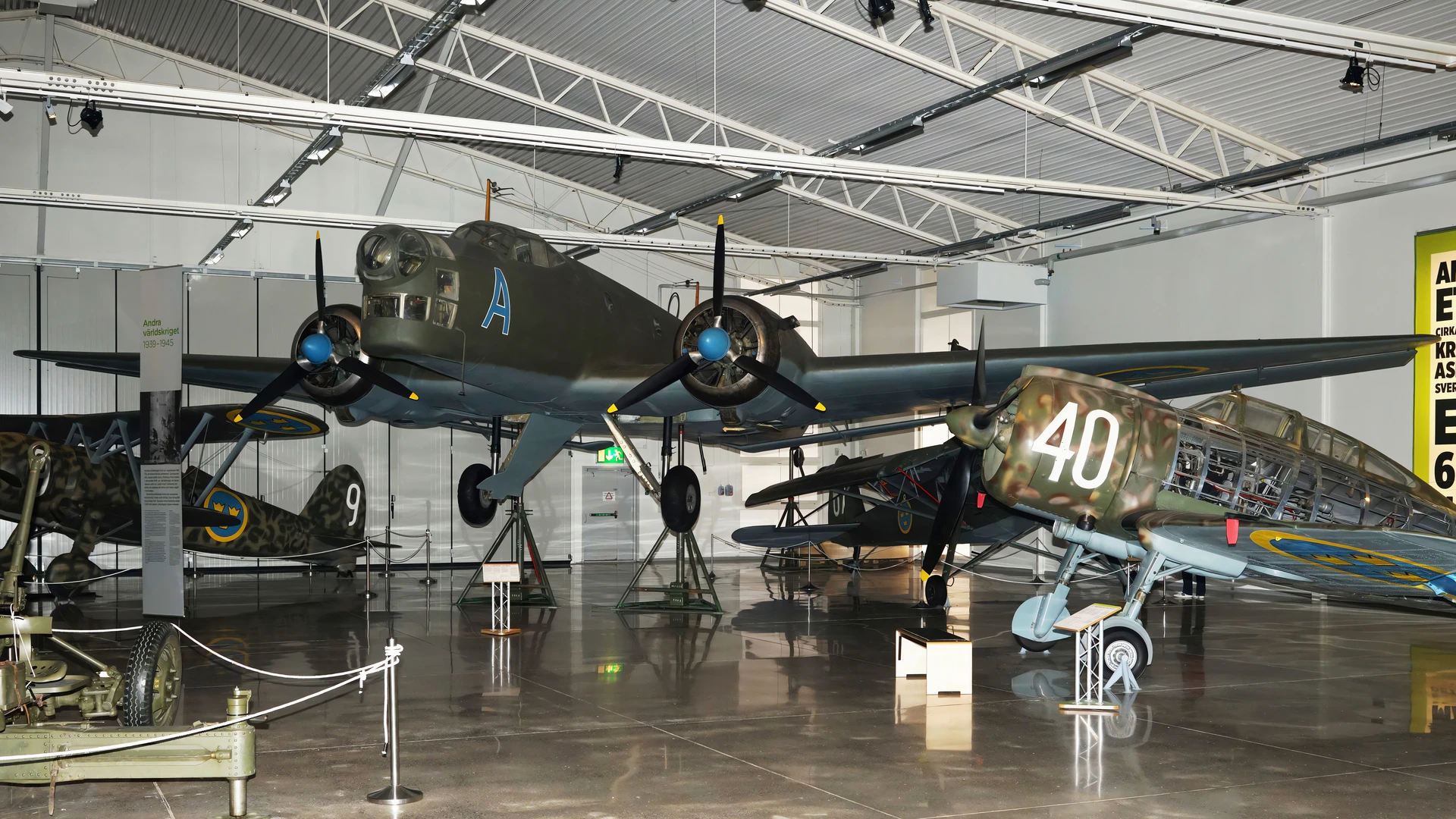
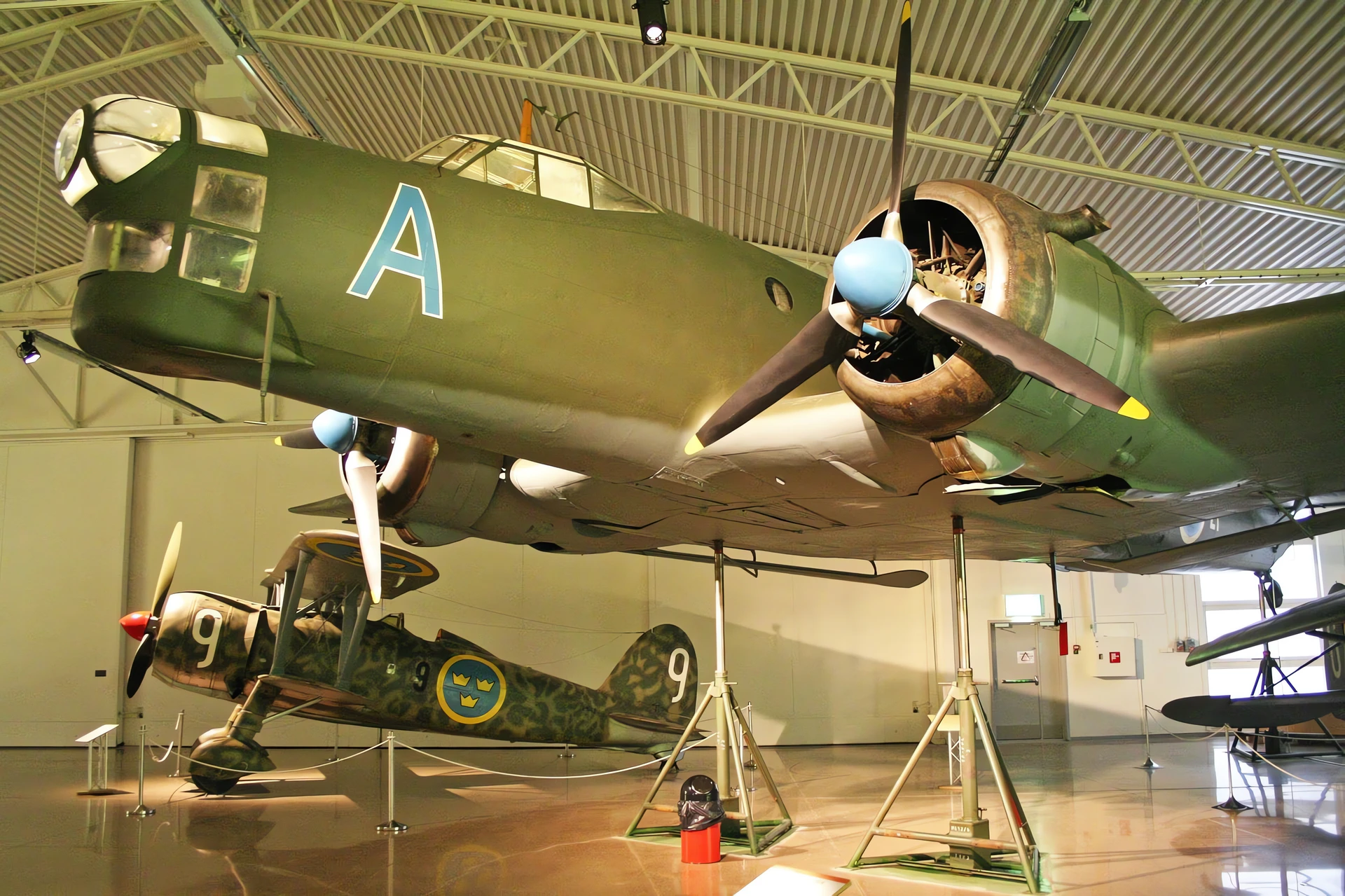
- Survivors: Because Sweden remained neutral, their Ju 86s were not destroyed in combat. The world’s only complete surviving Ju 86 is a Swedish-built K-4 (B 3C) preserved at the Swedish Air Force Museum in Linköping.
Liczba wyświetleń : 1996