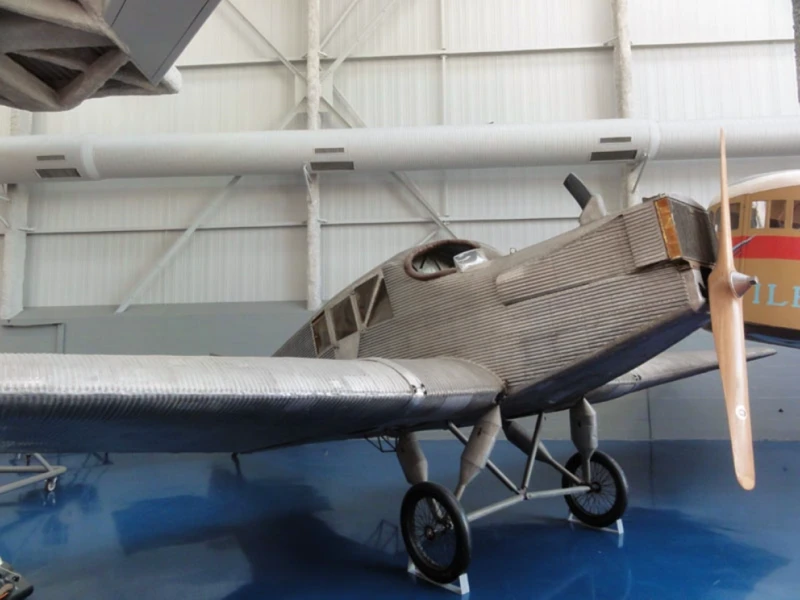
Junkers F.13 | |
|---|---|
| Pays | Germany |
| Rôle | Transport de petites voyageurs |
| Premier vol | 25 juin 1919 |
| Construit | 322 |
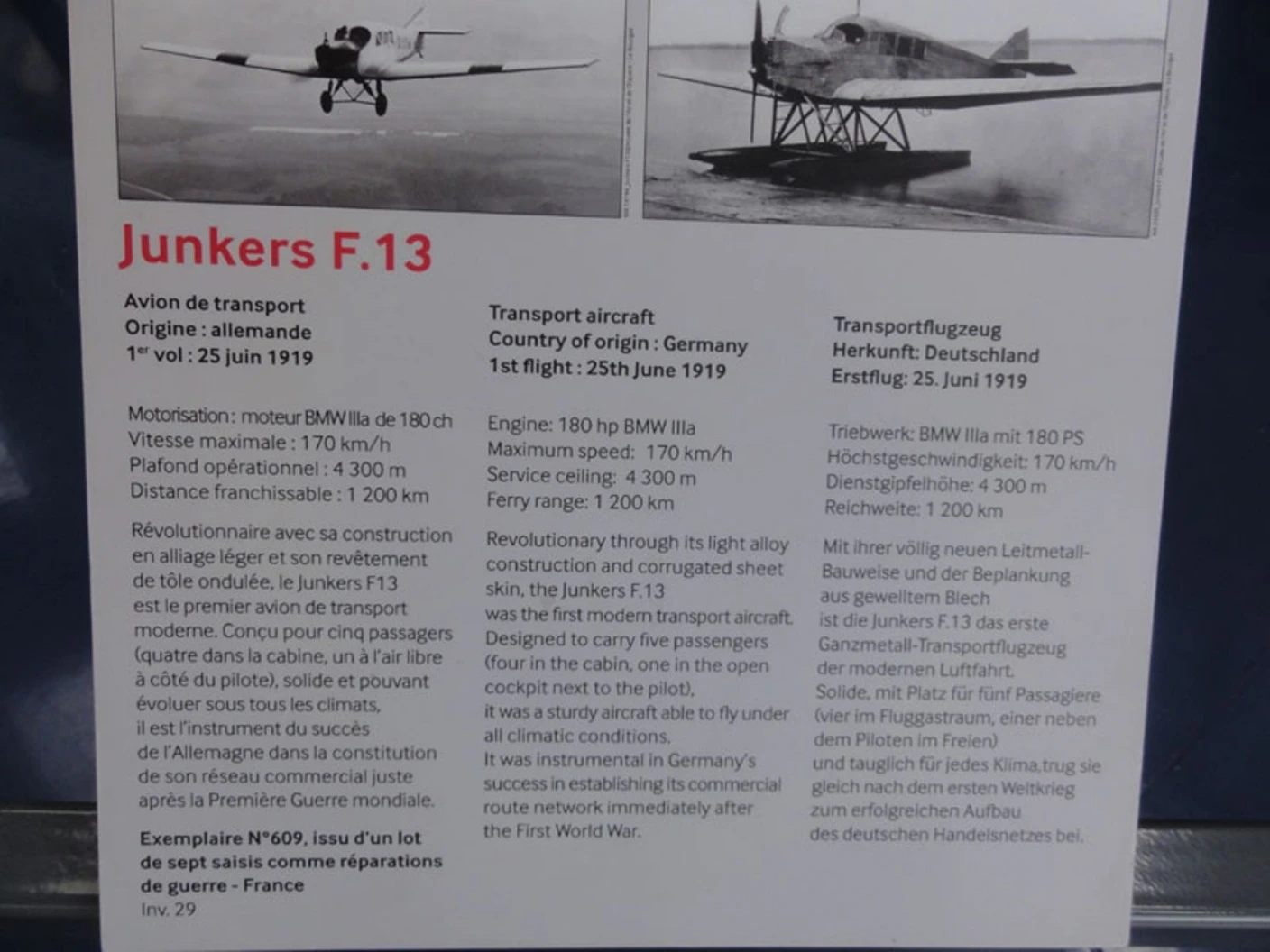
Lla Junkers F.13 (également connu sous le nom de F 13) était le monde’premier avion de transport entièrement métallique, développé en Allemagne à la fin de la Première Guerre mondiale. Il s’agissait d’un monoplan avancé à aile en porte-à-faux, pouvant accueillir quatre passagers. Plus de 300 ont été vendus. Il a été en production pendant treize ans et en service commercial pendant près de vingt ans.
Source: Junkers F.13 sur Wikipédia
| Junkers F.13 Se promener | |
|---|---|
| Photographe | Meindert de Vreeze |
| Localisation | Inconnu |
| Photos | 22 |
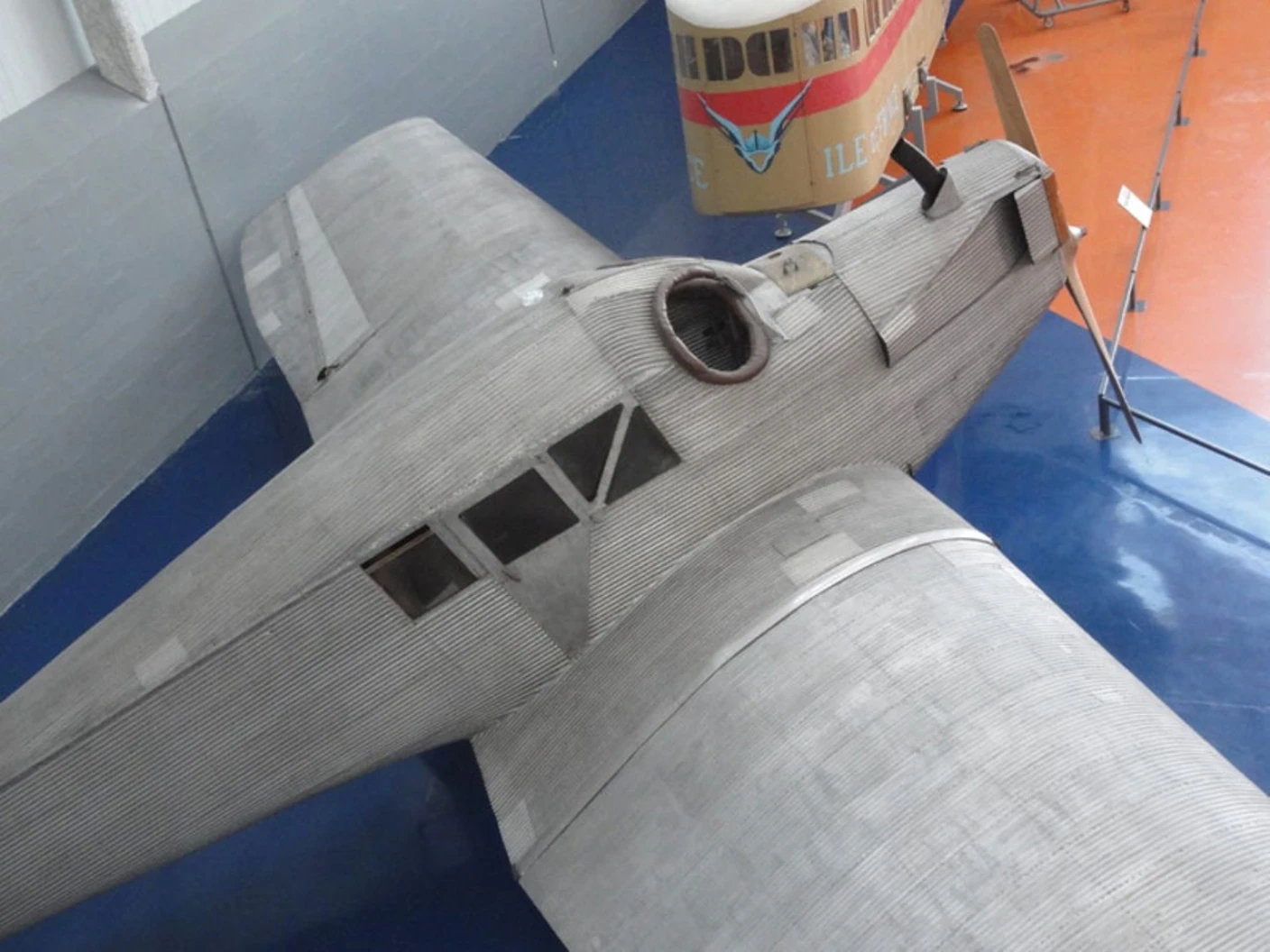
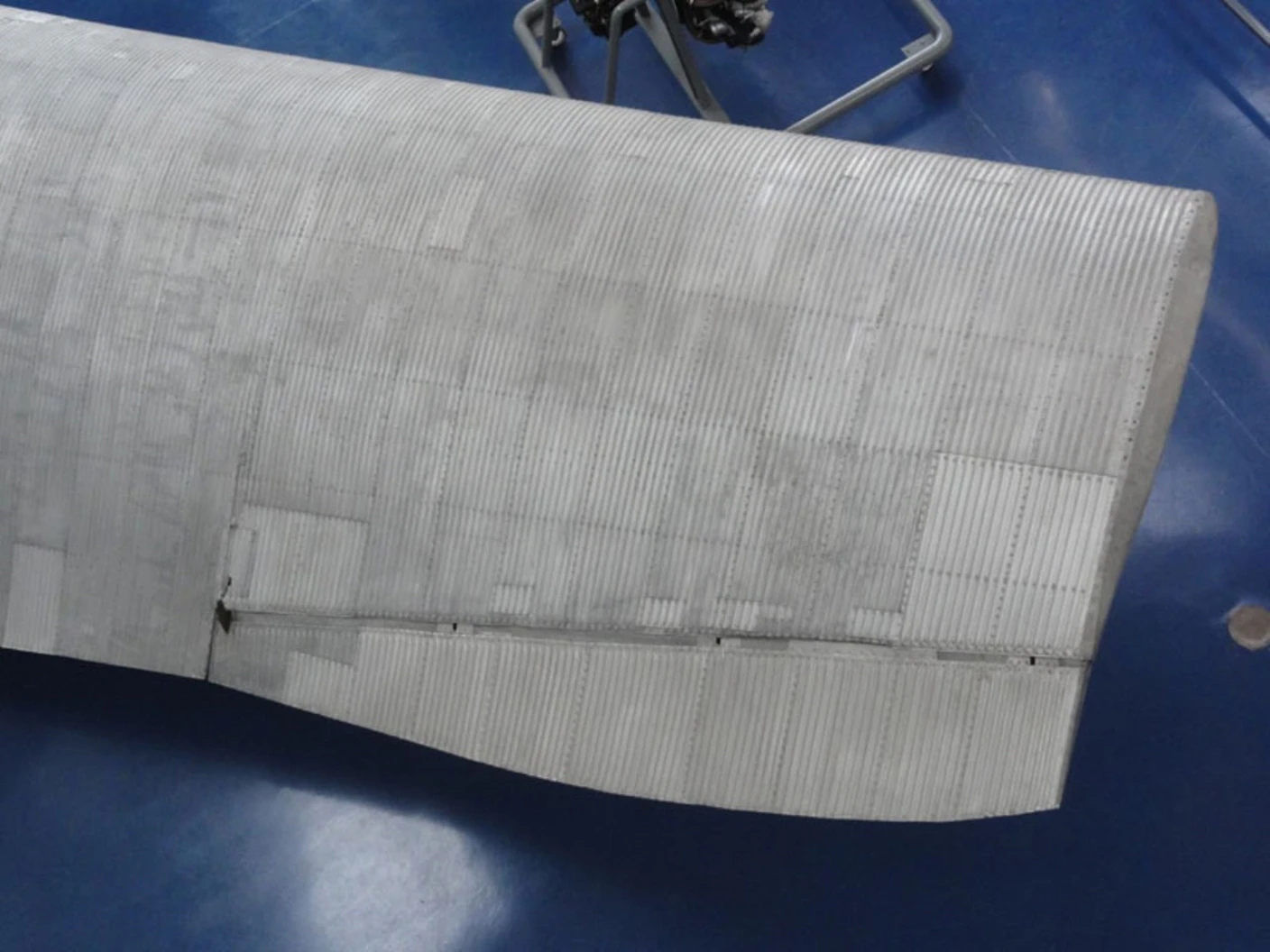
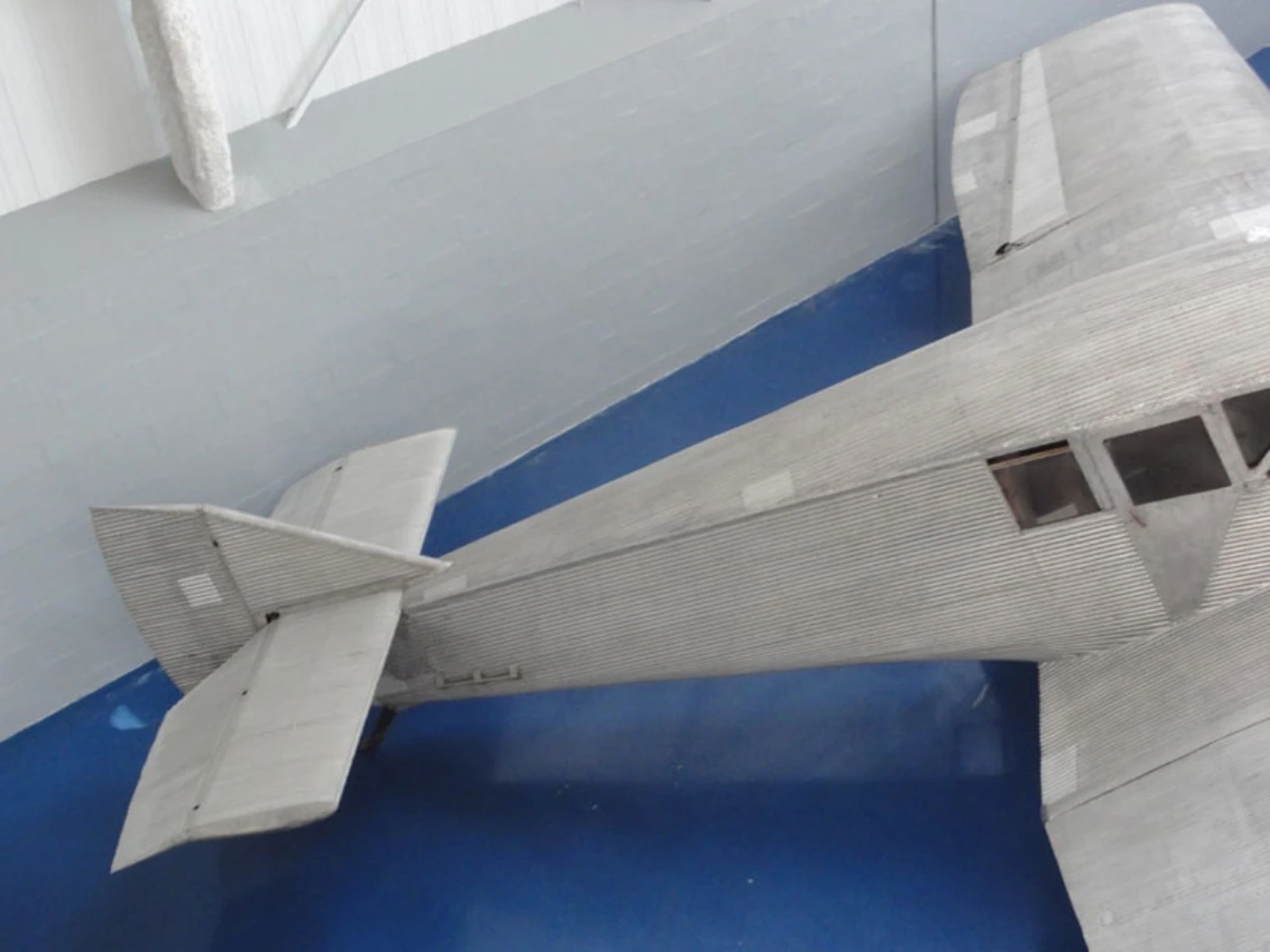
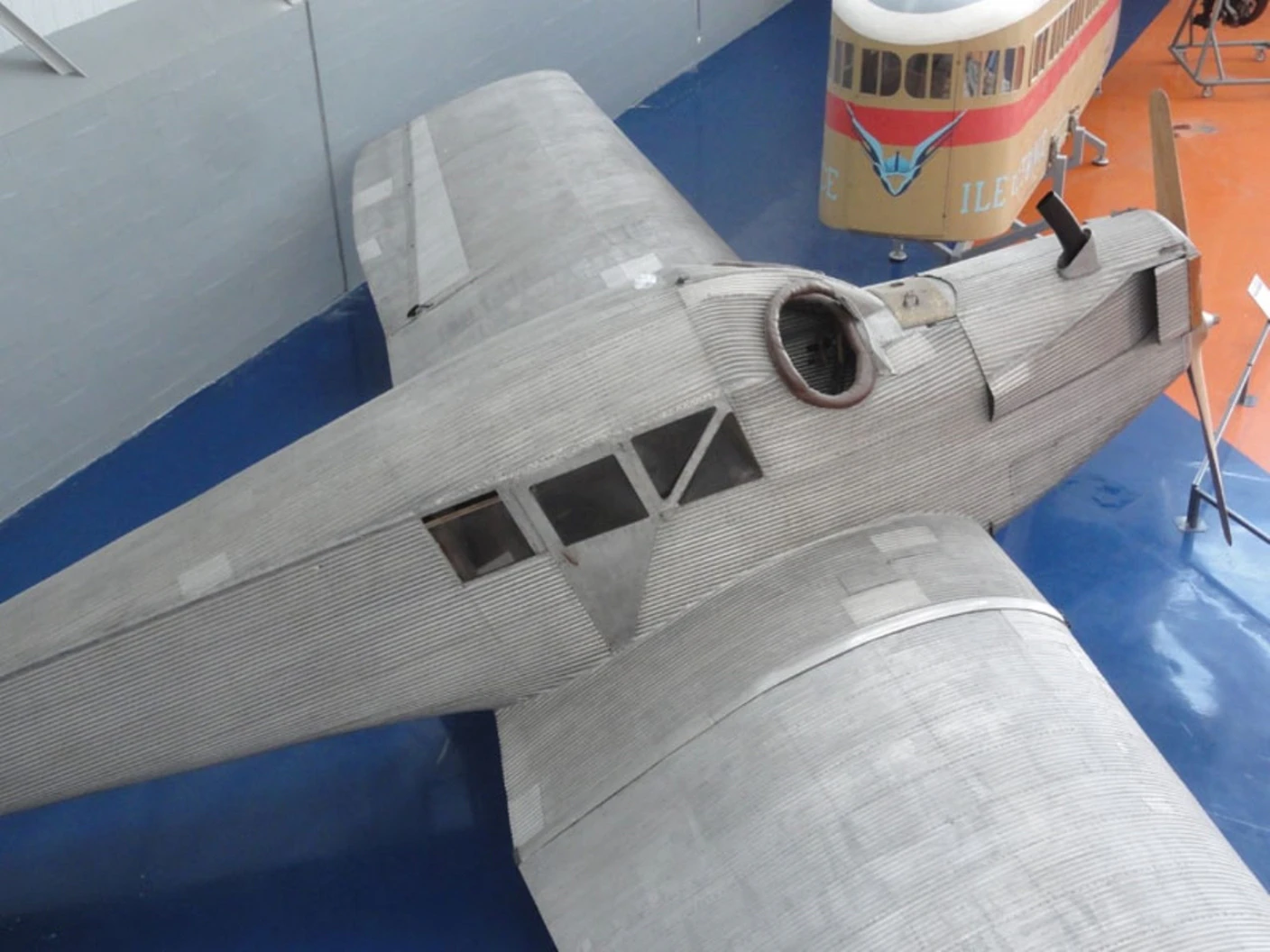
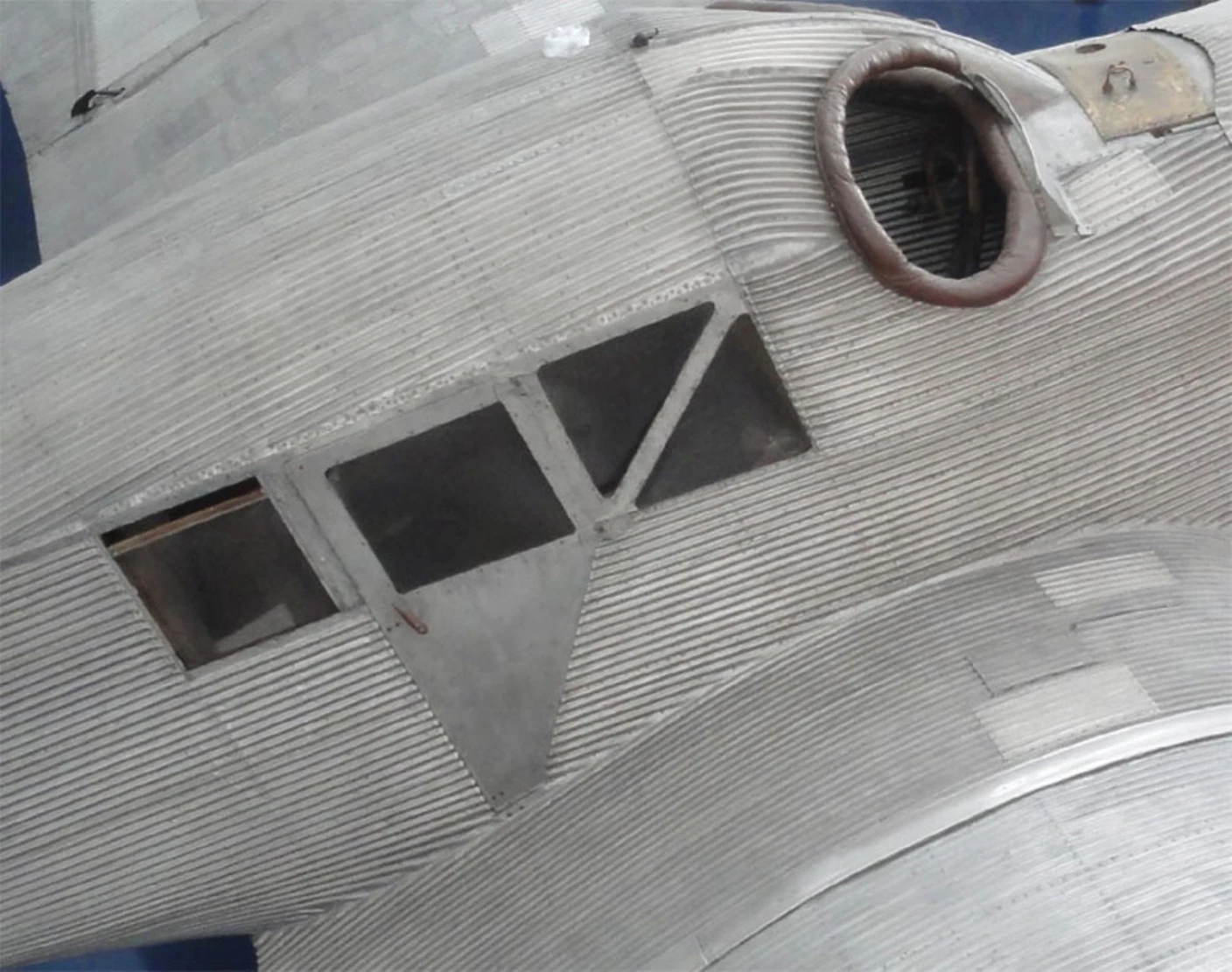
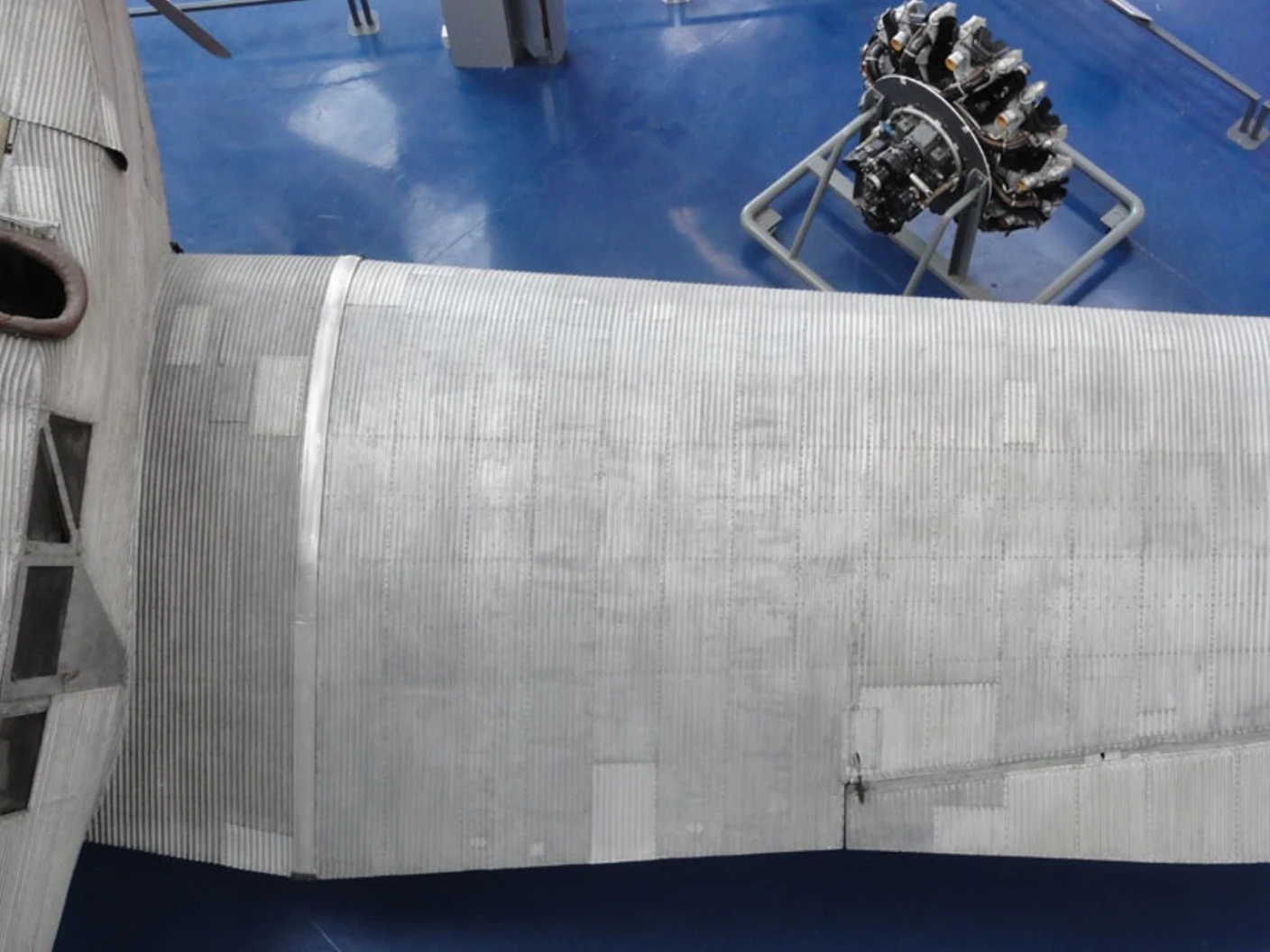
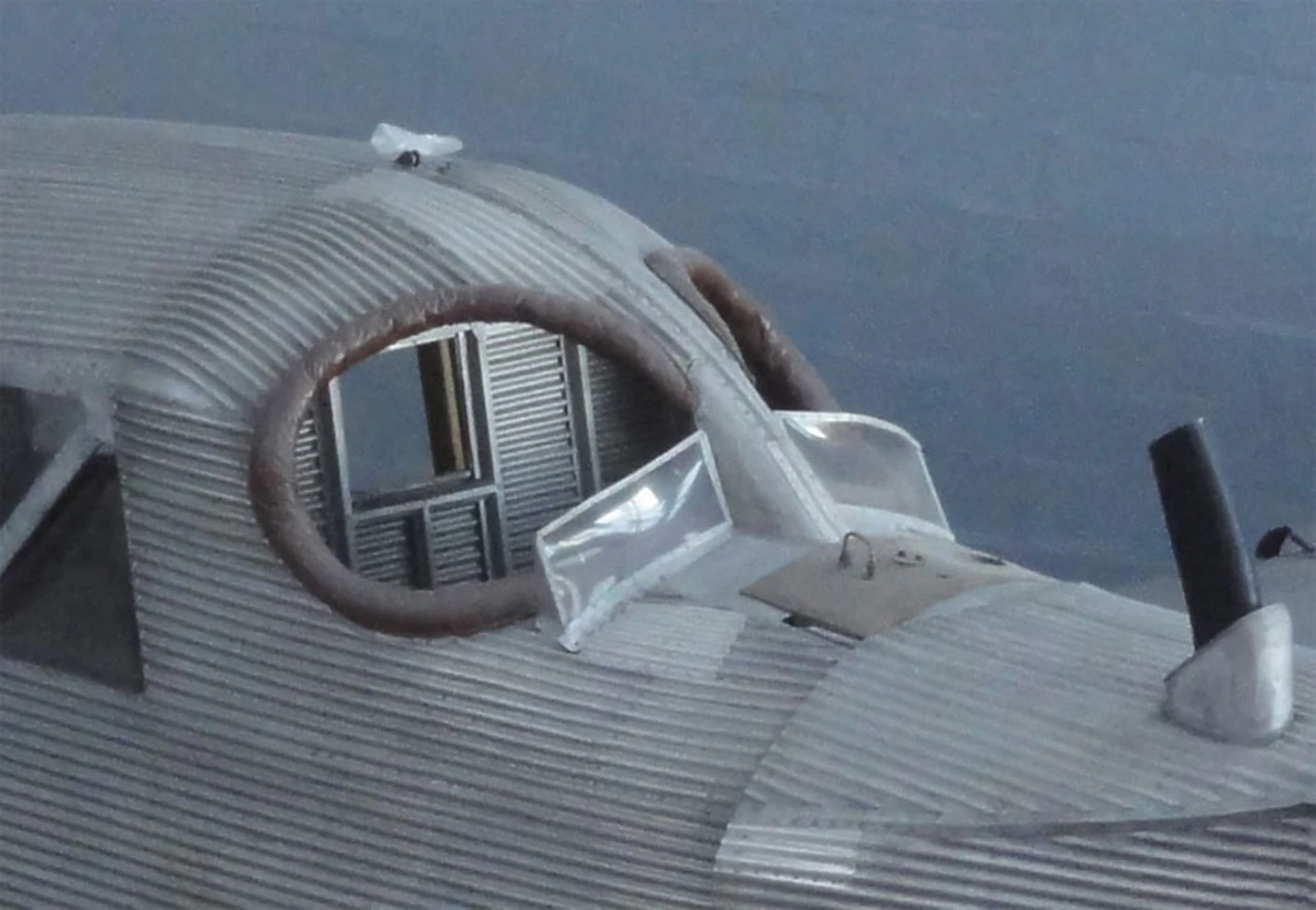
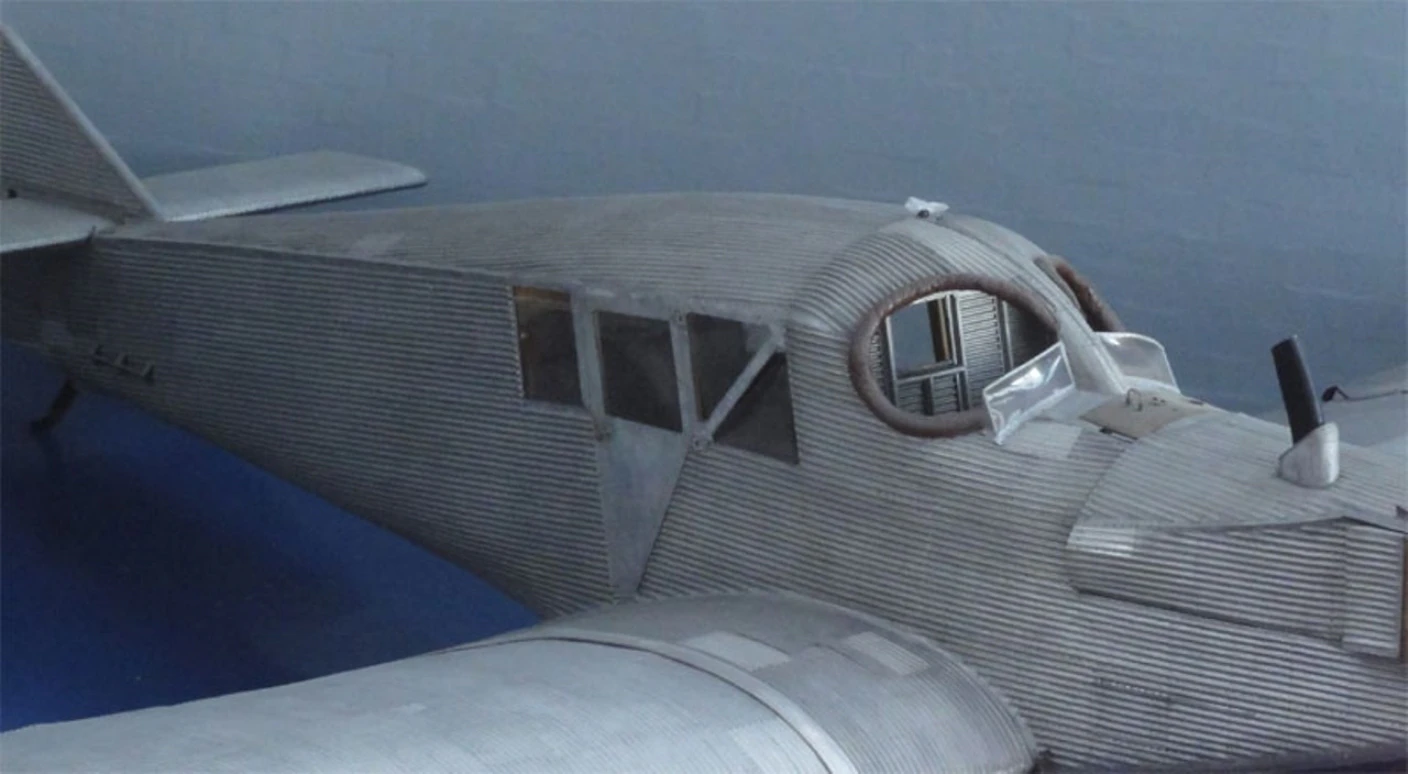

| Junkers F.13 Se promener | |
|---|---|
| Photographe | Inconnu |
| Localisation | Inconnu |
| Photos | 23 |
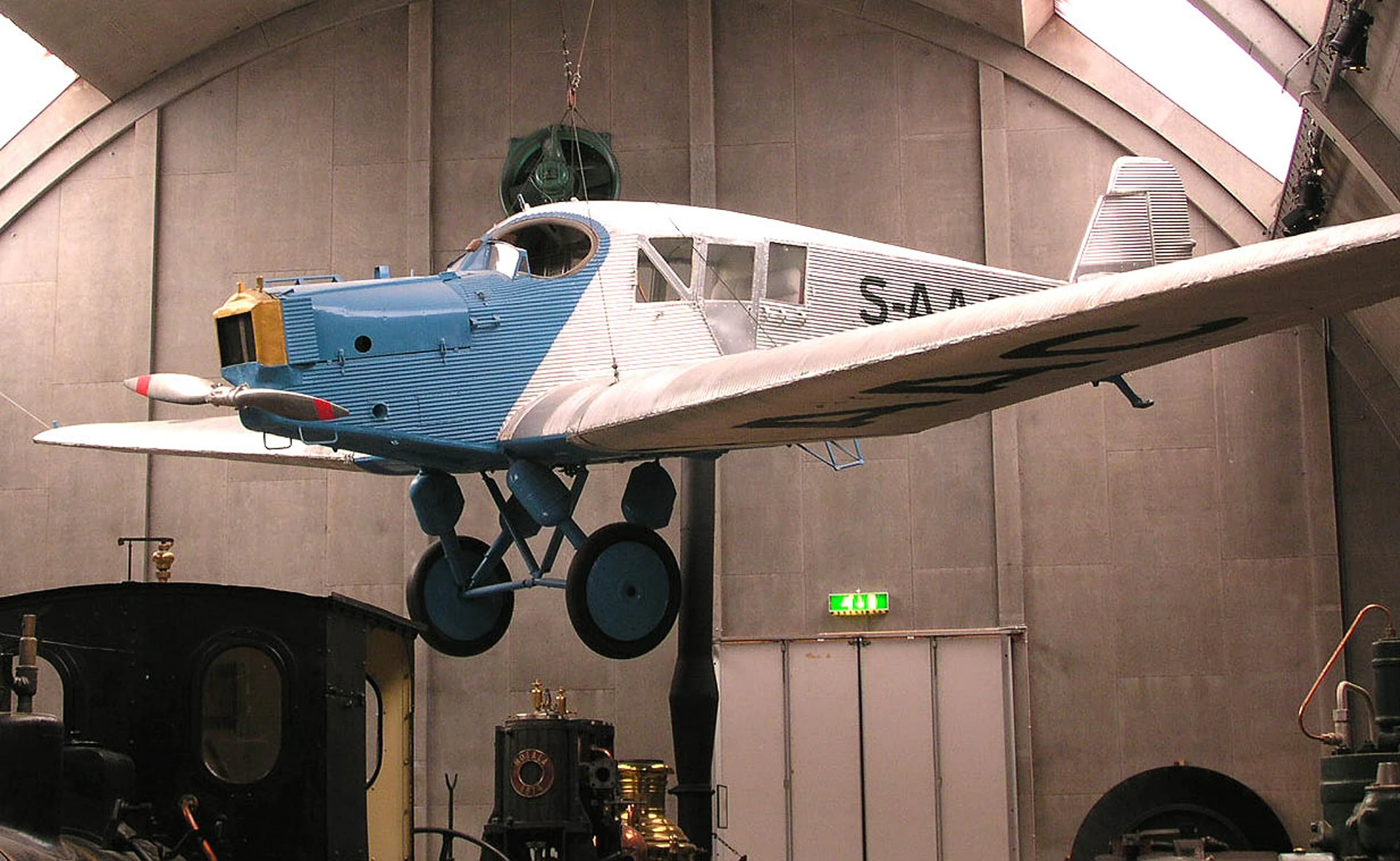
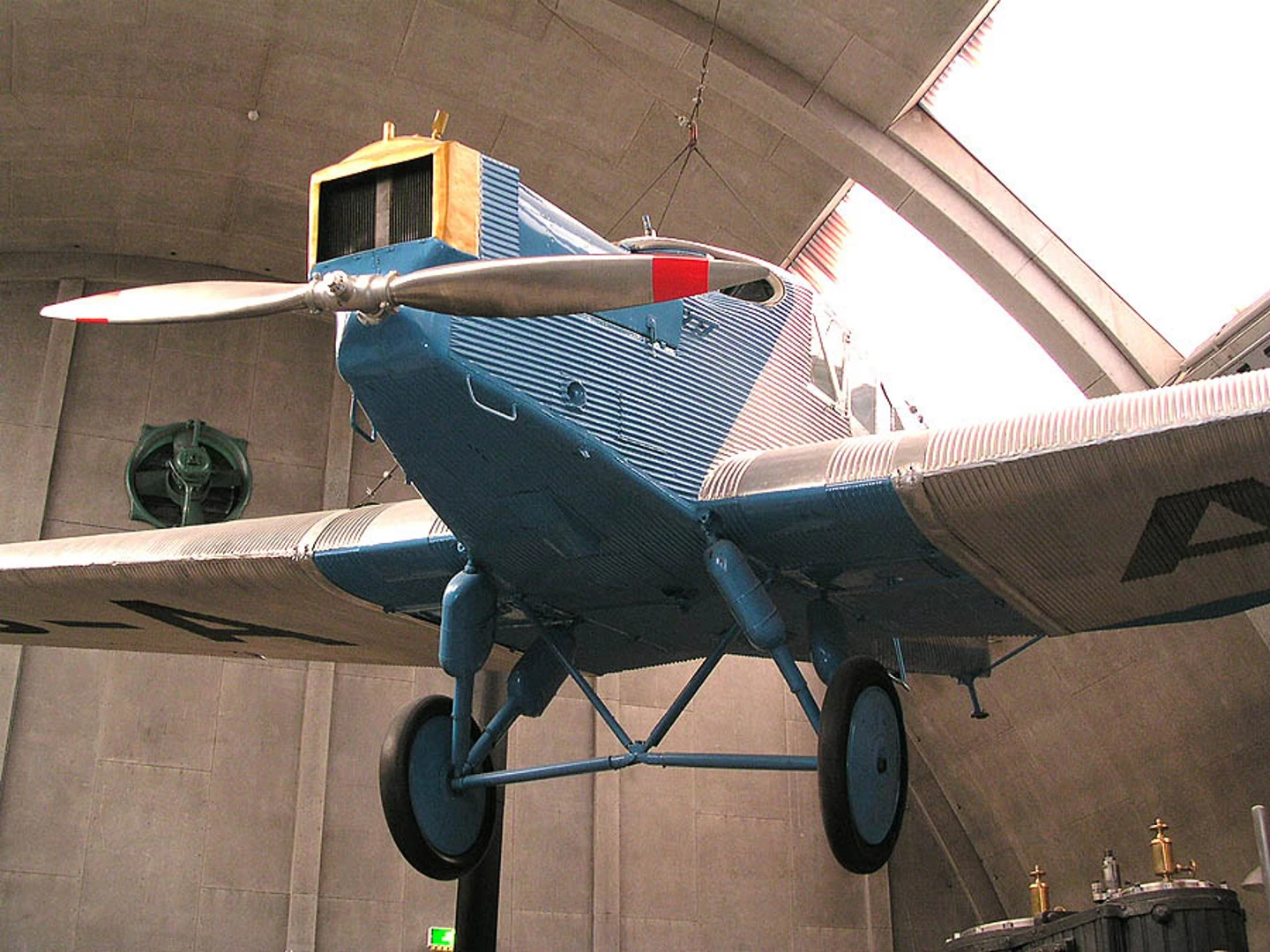
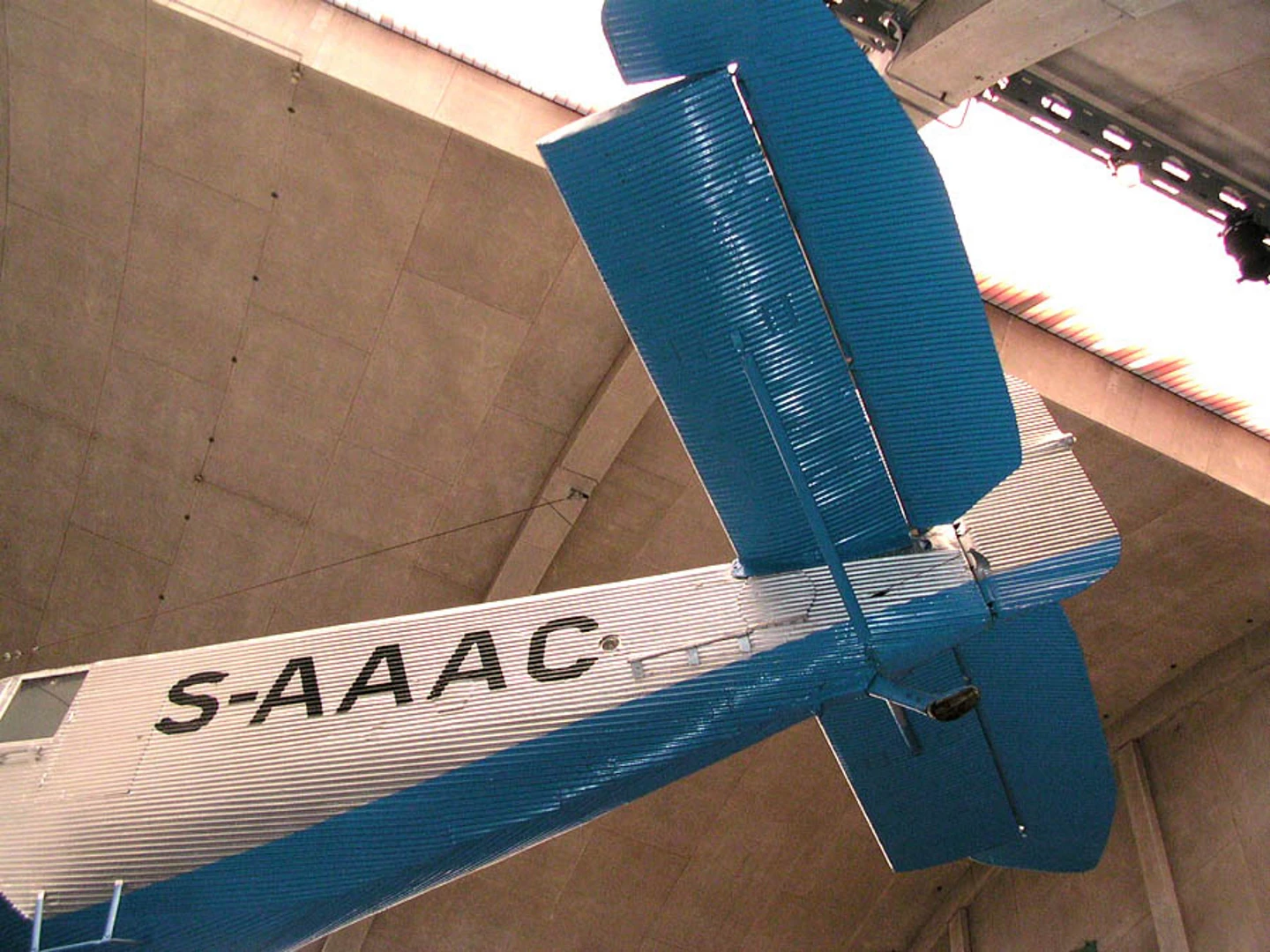
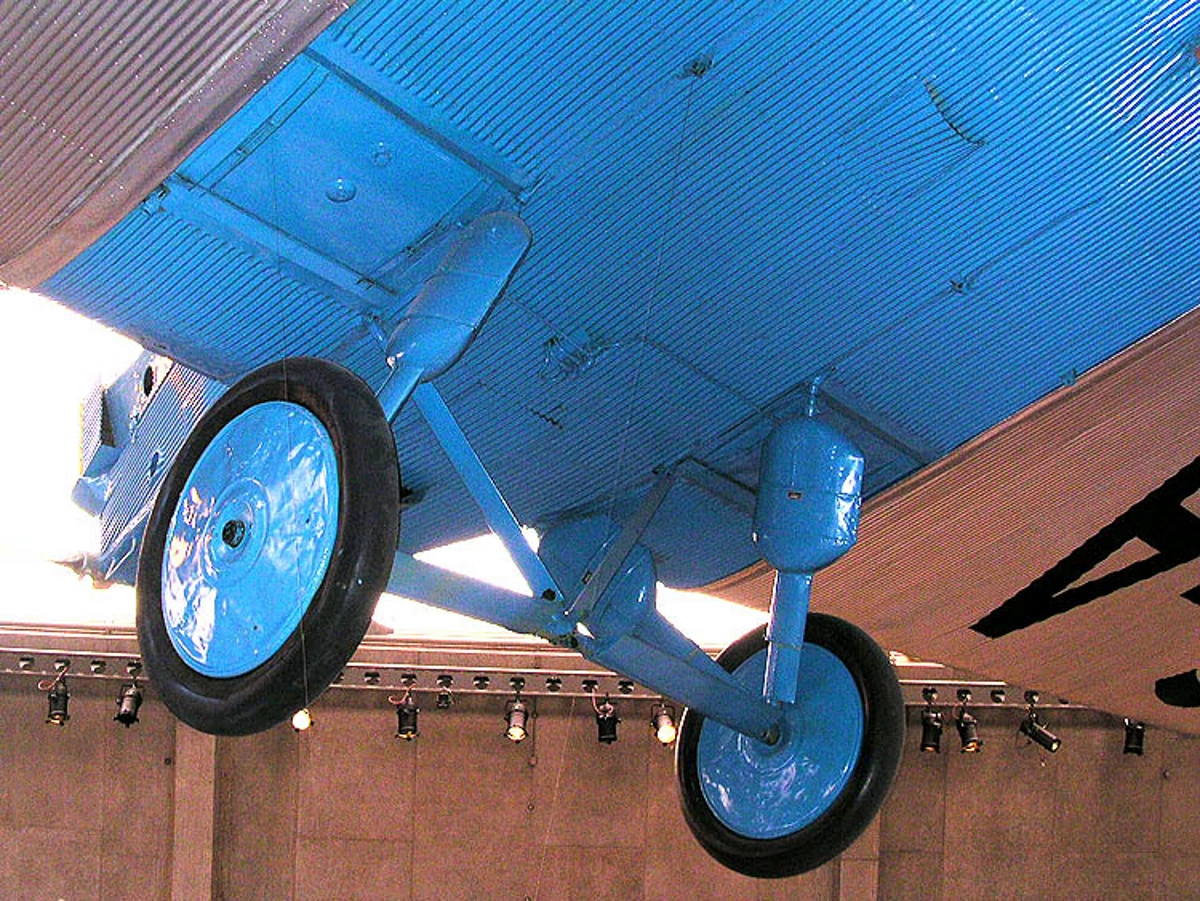
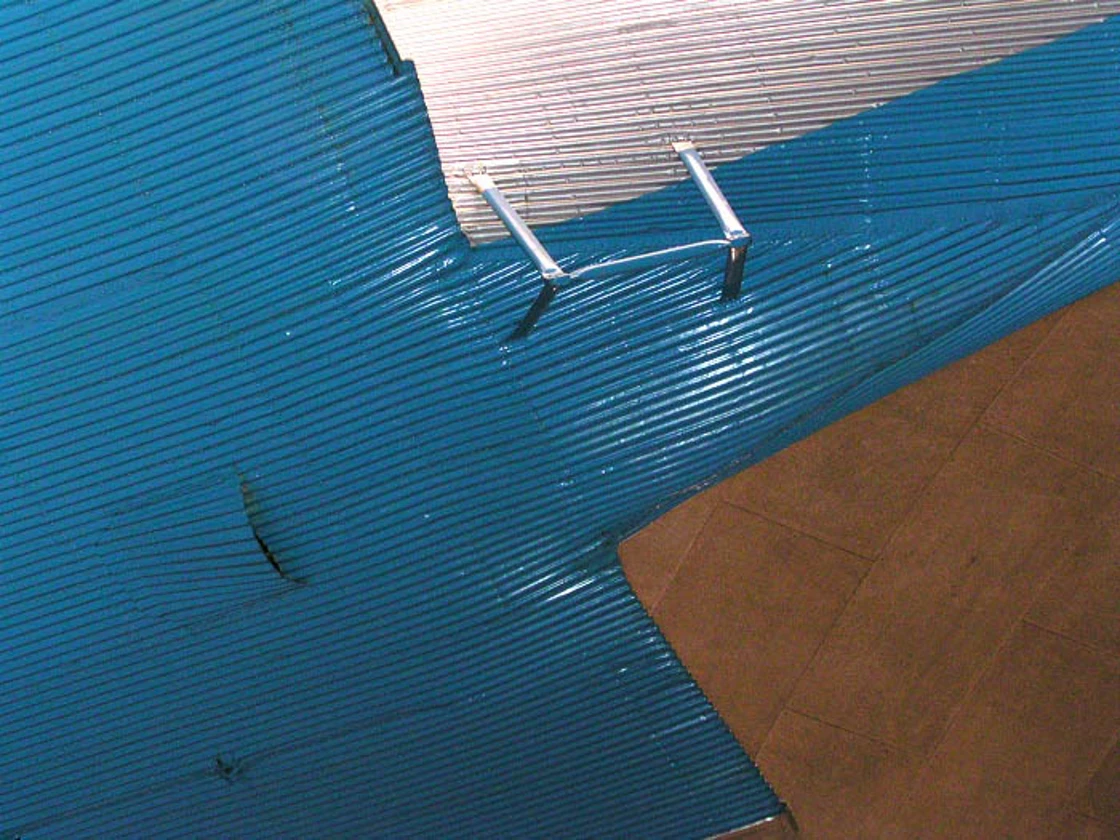
Voir aussi :


A Revolution in Civil Aviation
Lla Junkers F.13 was a landmark in aviation history. Developed immediately after WWI by Hugo Junkers, it was the first aircraft designed specifically as a commercial passenger plane rather than a converted bomber. While other 1919-era planes were made of wood and fabric, the F.13 was built entirely of duralumin. Its cantilever wing design—meaning it had no drag-inducing external struts or wires—set the template for every modern airliner flying today.
| Attribute | Technical Specification (F.13ge) |
|---|---|
| Rôle | Civil Passenger / Transport Aircraft |
| Crew | 2 (Open cockpit) |
| Capacité | 4 Passengers (Enclosed cabin) |
| First Flight | June 25, 1919 |
| Groupe motopropulseur | 1 × BMW IV 6-cylinder water-cooled inline |
| Horsepower | 250 hp (186 kW) |
| Vitesse maximale | 106 mph (170 km/h) |
| Range | 870 miles (1,400 km) |
Corrugated Strength & Comfort
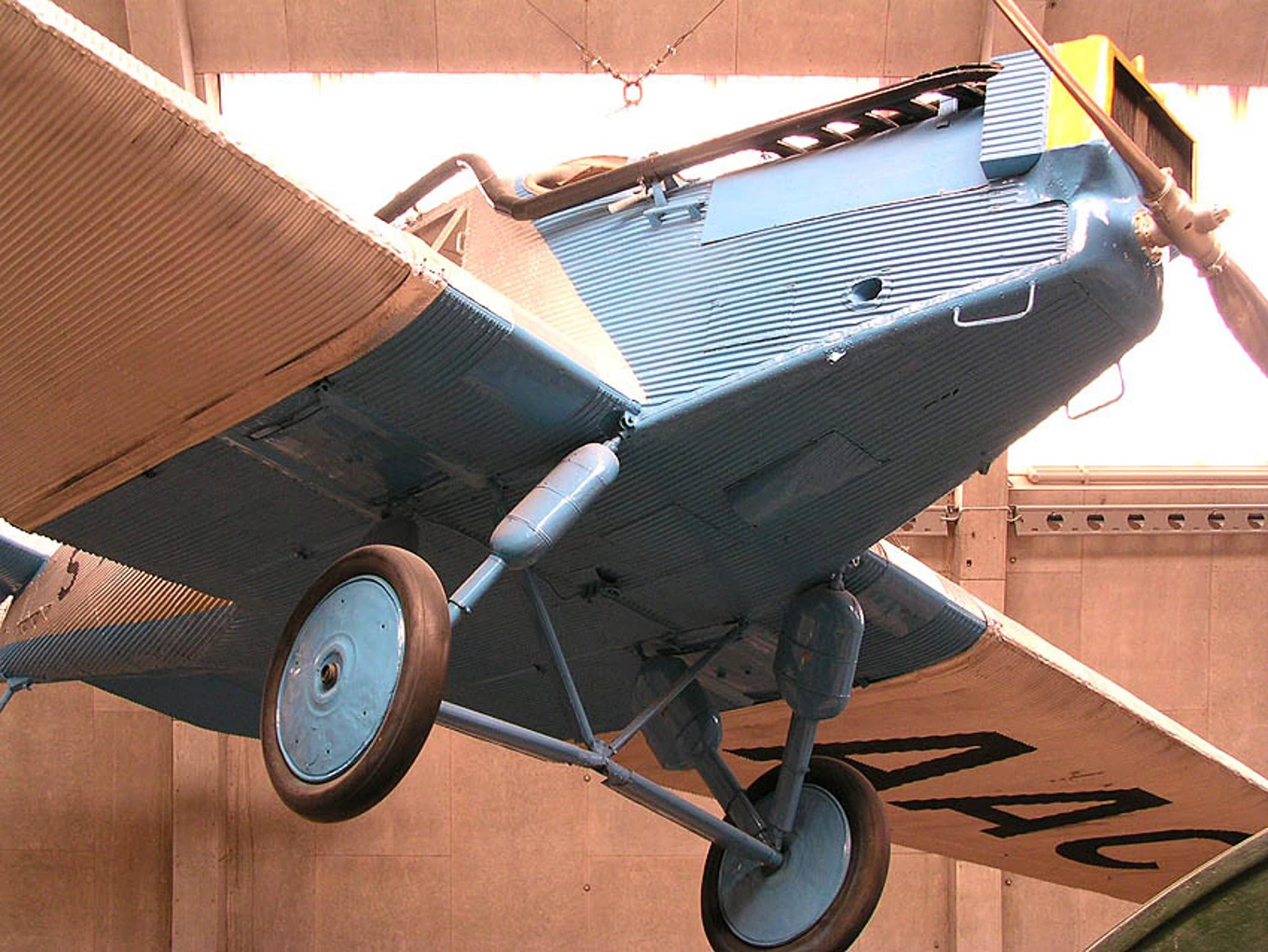
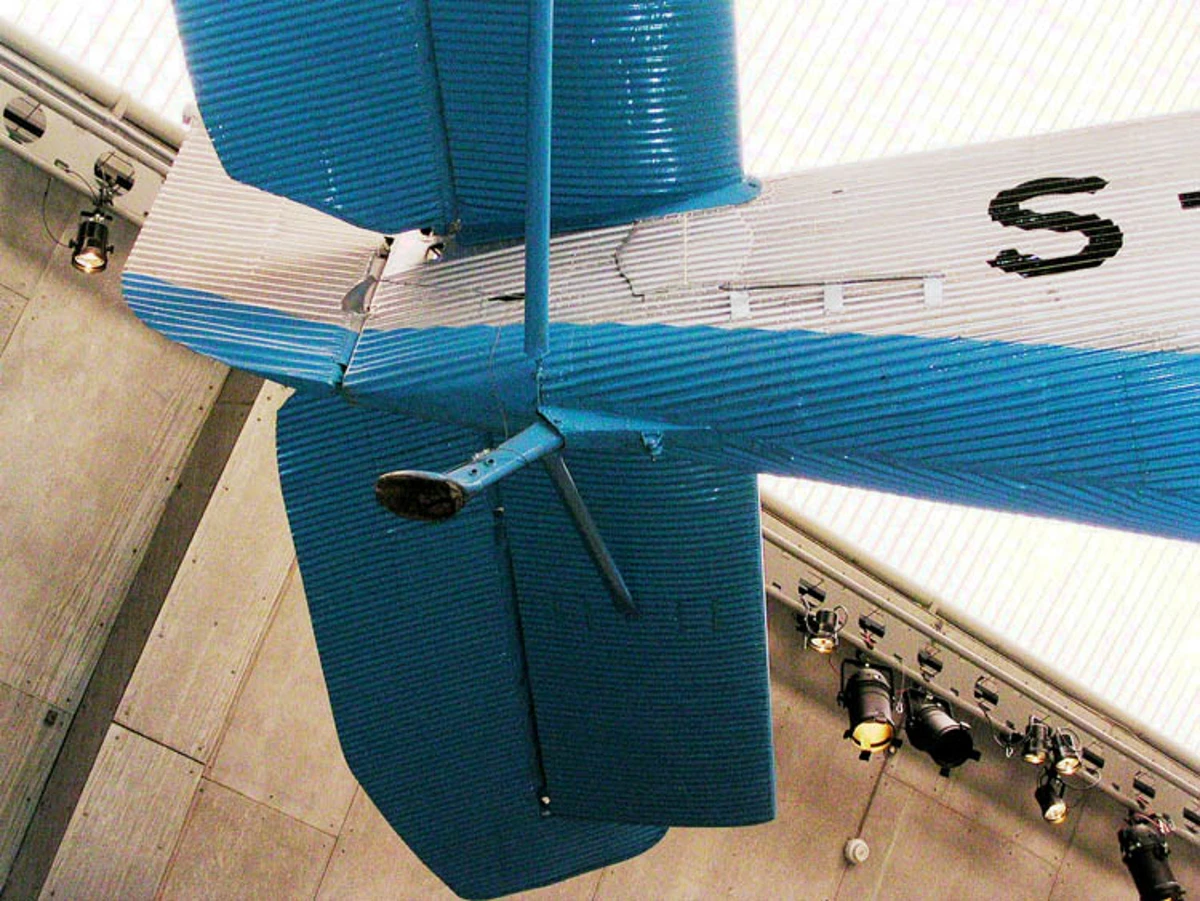
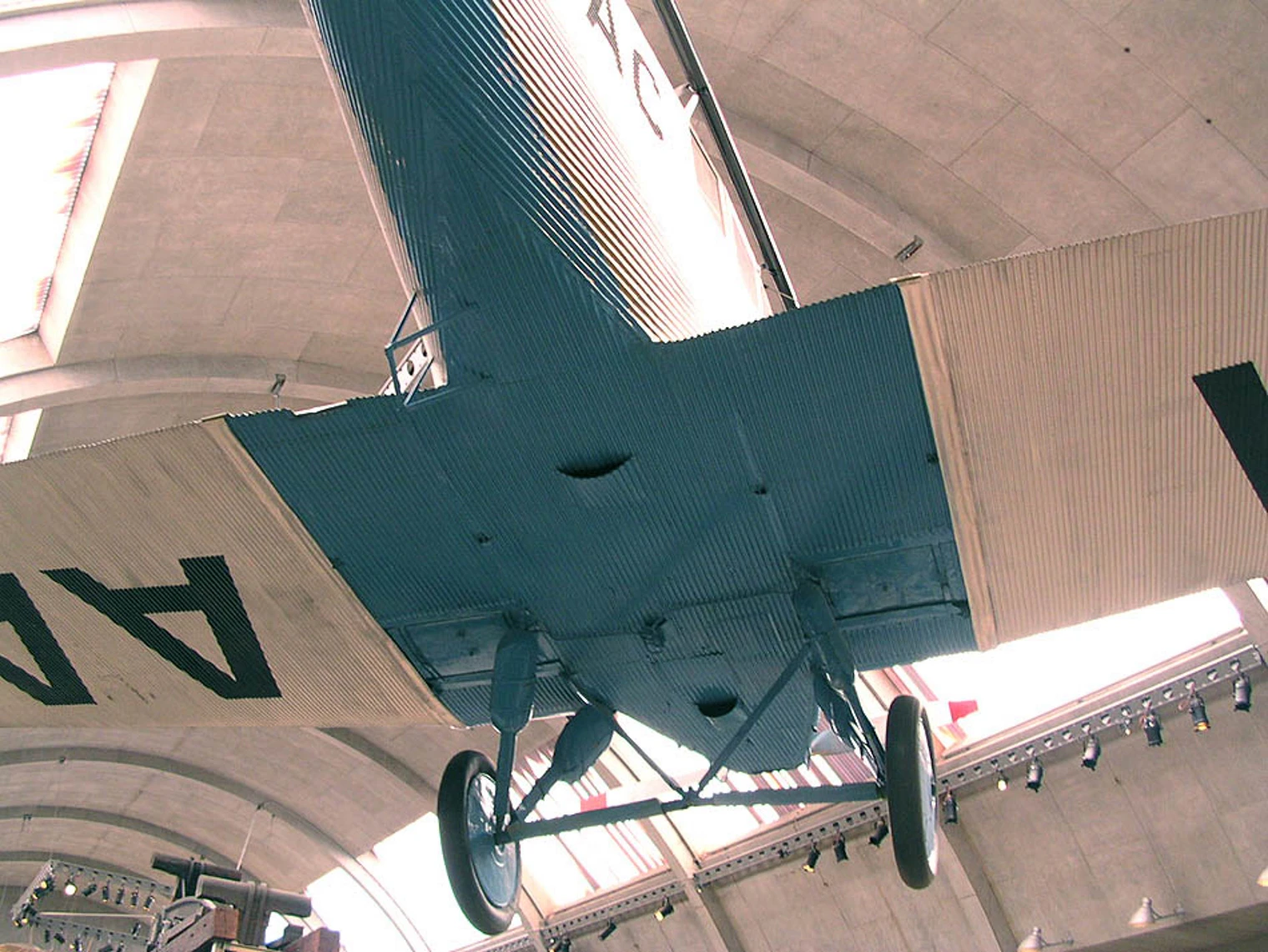
- Corrugated Duralumin Skin: The F.13’s most famous feature is its « washboard » skin. The corrugation provided immense structural rigidity without adding significant weight, making the aircraft incredibly durable in harsh environments from the Arctic to the Tropics.
- The Cantilever Wing: Unlike biplanes of the era, the F.13’s wing was internally braced. This « clean » wing allowed for much higher efficiency and speed, a direct result of Hugo Junkers’ pioneering research into aerodynamics.
- Luxury for Passengers, Elements for Pilots: In a strange twist of 1920s logic, the passengers sat in a heated, upholstered, and enclosed cabin with large windows. Meanwhile, the pilots sat in an open-air cockpit just behind the engine, exposed to the wind and rain.
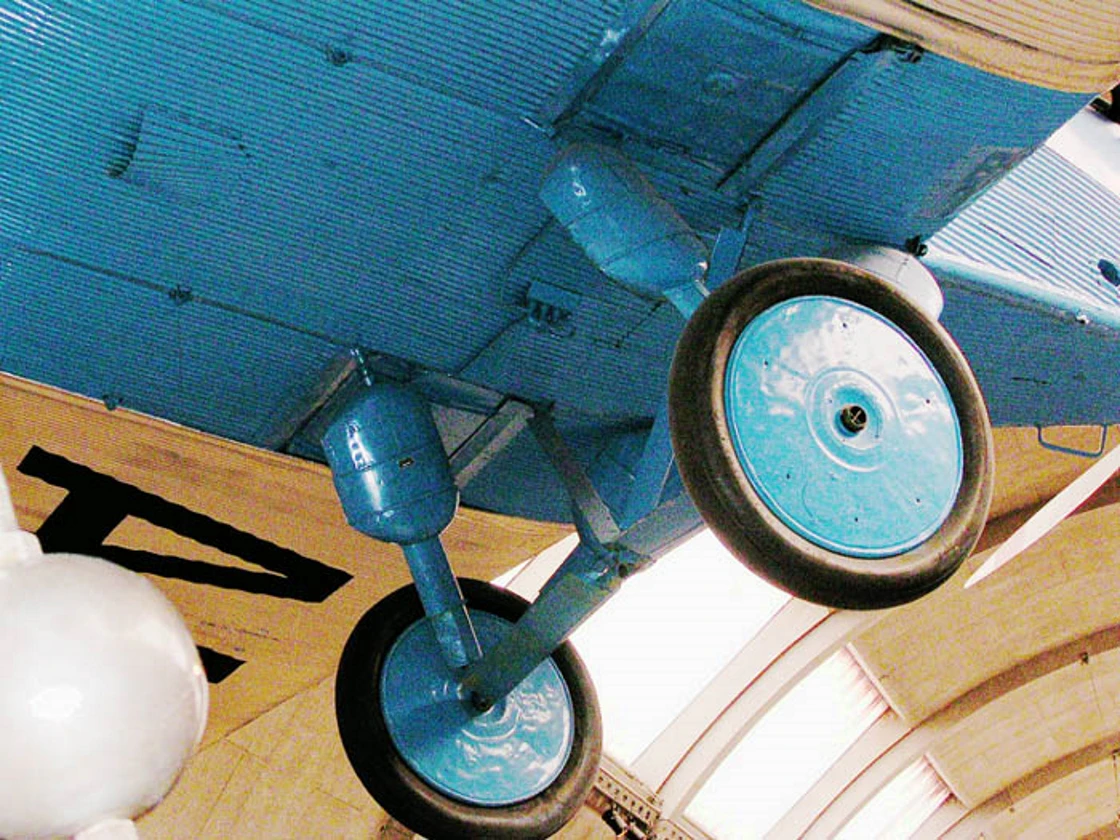
- Modular Landing Gear: The F.13 was designed to be versatile. It could be fitted with standard wheels, large wooden skis for snow, or twin duralumin floats for water operations.
A Global Legacy
- Founding of Airlines: The F.13 was the primary aircraft used to establish many of the world’s early airlines, including Lufthansa (Germany), SCADTA (Colombia), and Ad Astra Aero (Switzerland).
- Longevity: Over 300 F.13s were built. Because of their metal construction, they outlasted their wooden competitors by decades, with some remaining in commercial service well into the late 1940s.
- The American Connection: John Larsen imported F.13s to the US as the « JL-6. » One of these was used by the US Post Office to pioneer transcontinental airmail routes.
- Modern Rebirth: The design is so legendary that a Swiss team (RIMOWA) built a 1:1 flying replica of the F.13 in 2016, using the original drawings to bring the « Annelise » back to the skies.
Vues : 4069
Vous pouvez voir aussi :
 Canadair CF-104 Starfighter – Photos et vidéos
 SPAD S.XIII – Photos & Vidéos
 Junkers Ju-87G-2 Stuka – Photos & Vidéo
 CASA 2.111 vol3 - WalkAround
 AV-8B Harrier II Plus - WalkAround
 Mikoyan MiG-29 - WalkAround
 C-17 Globemaster - WalkAround
 McDonnell F-101B Voodoo – Photos & Vidéo
 Junkers Ju-52 Tante Ju - Walk Around
 Junkers JU-52 – Walk Around