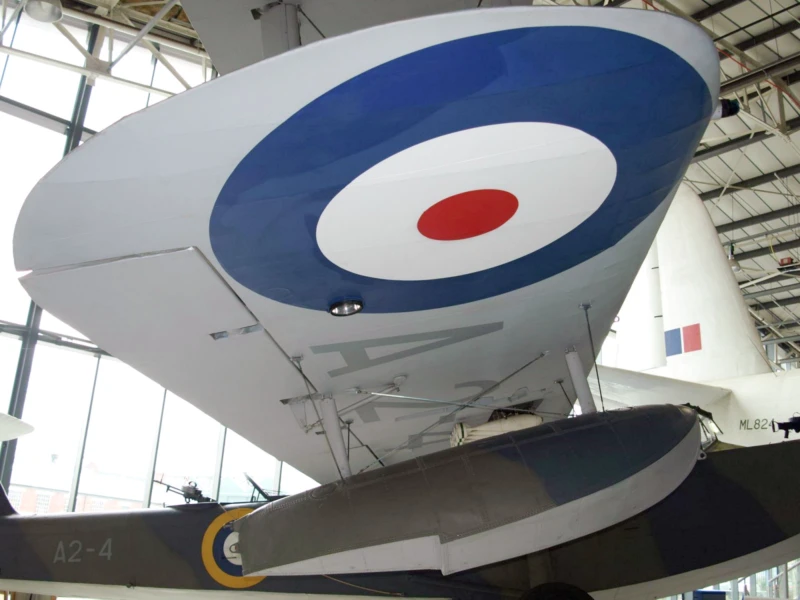
Morse supermarin | |
|---|---|
| Pays | Royaume-uni |
| Type | Avion amphibie de reconnaissance biplan |
| Photographe | Andrew Birnie |
| Description | Album de 37 photos walk-around d’un « Morse Supermarine » |
Galerie de photos d’un Morse supermarin, The Supermarine Walrus (originally known as the Supermarine Seagull V) was a British single-engine amphibious biplane reconnaissance aircraft designed by R. J. Mitchell and first flown in 1933. It was operated by the Fleet Air Arm (FAA) and also served with the Royal Air Force (RAF), Royal Australian Air Force (RAAF), Royal New Zealand Navy (RNZN) and Royal New Zealand Air Force (RNZAF). It was the first British squadron-service aircraft to incorporate in one airframe a fully retractable main undercarriage, completely enclosed crew accommodation and all-metal fuselage
Source: Supermarine Walrus sur Wiki
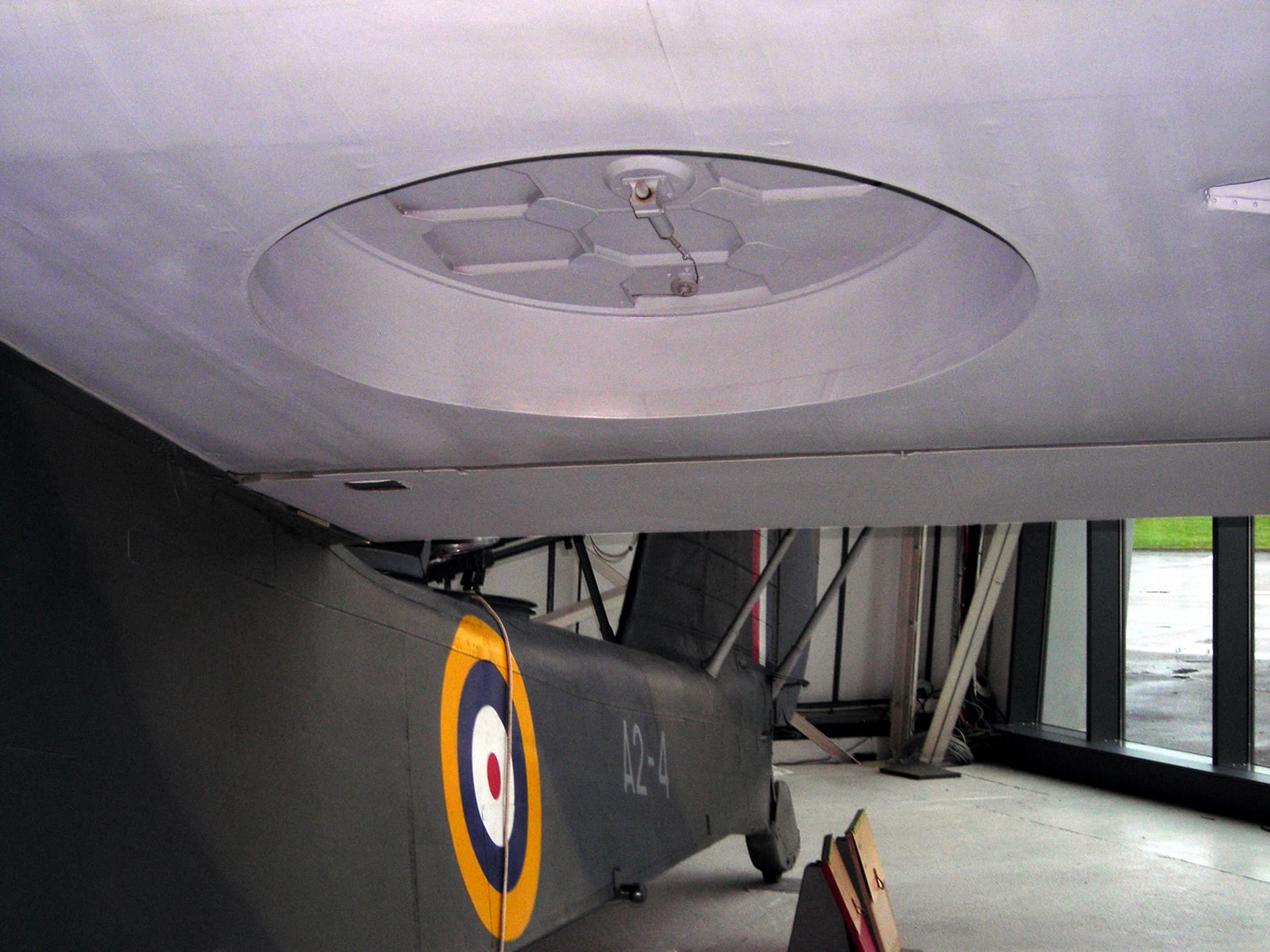
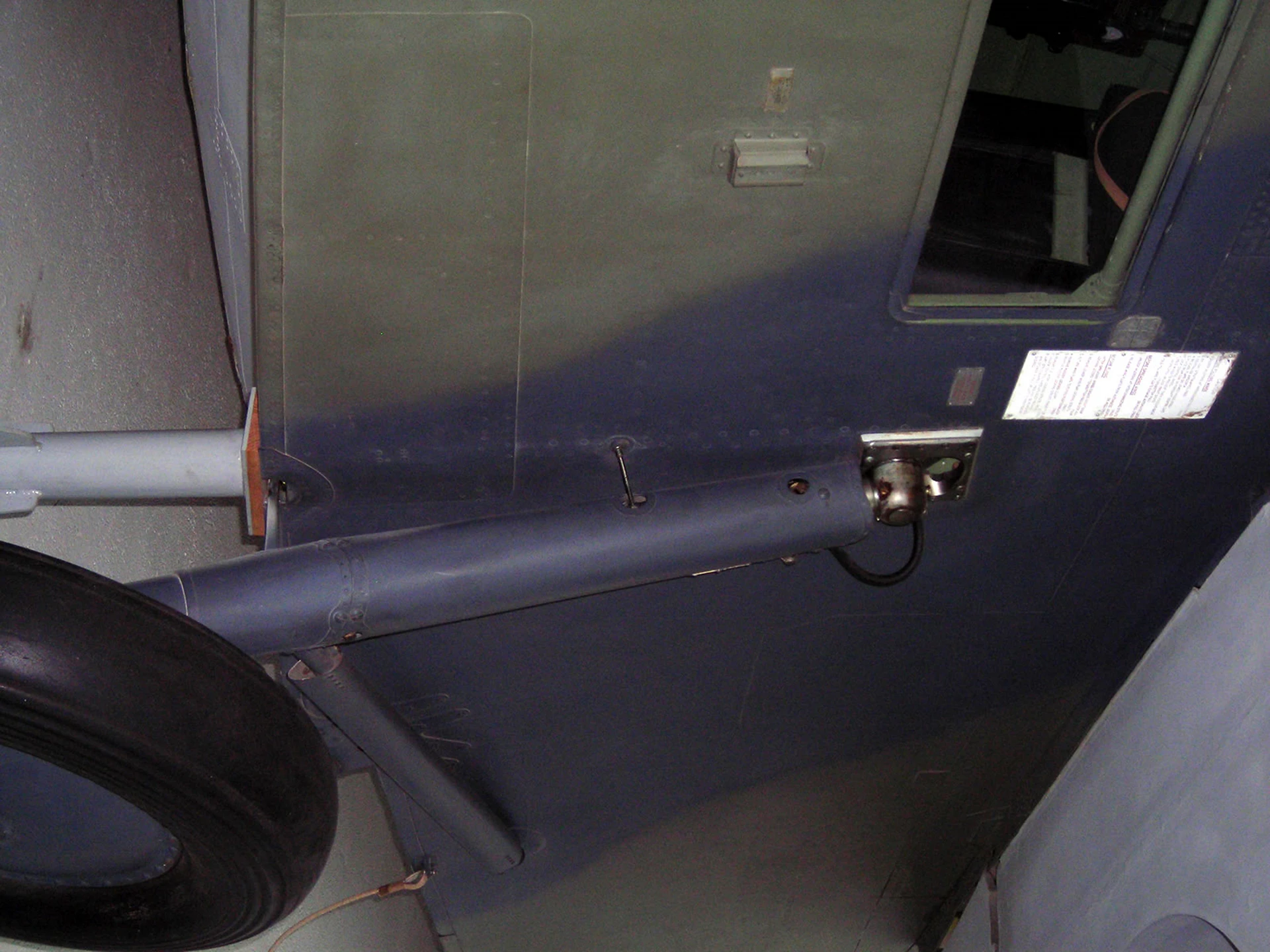
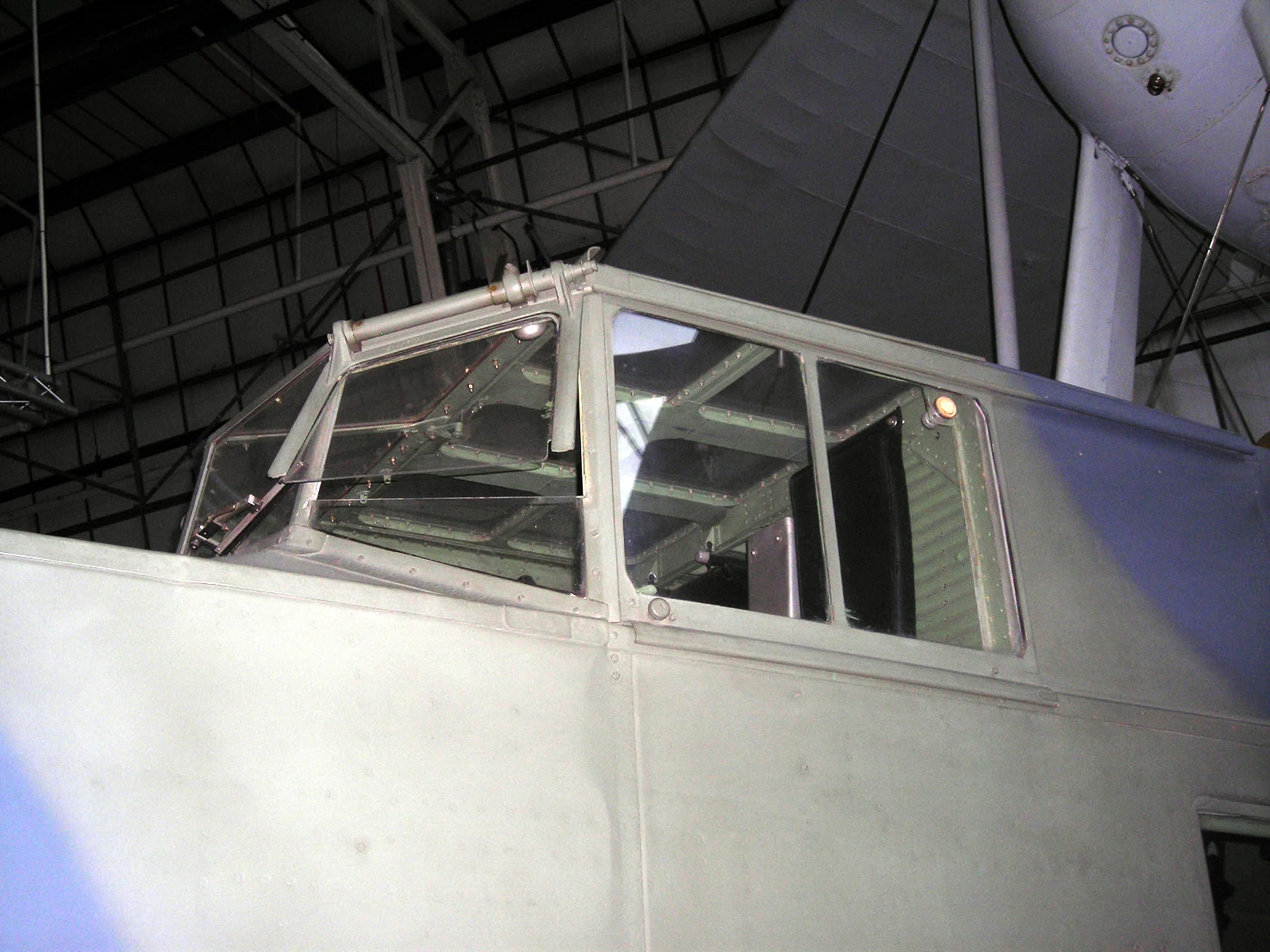
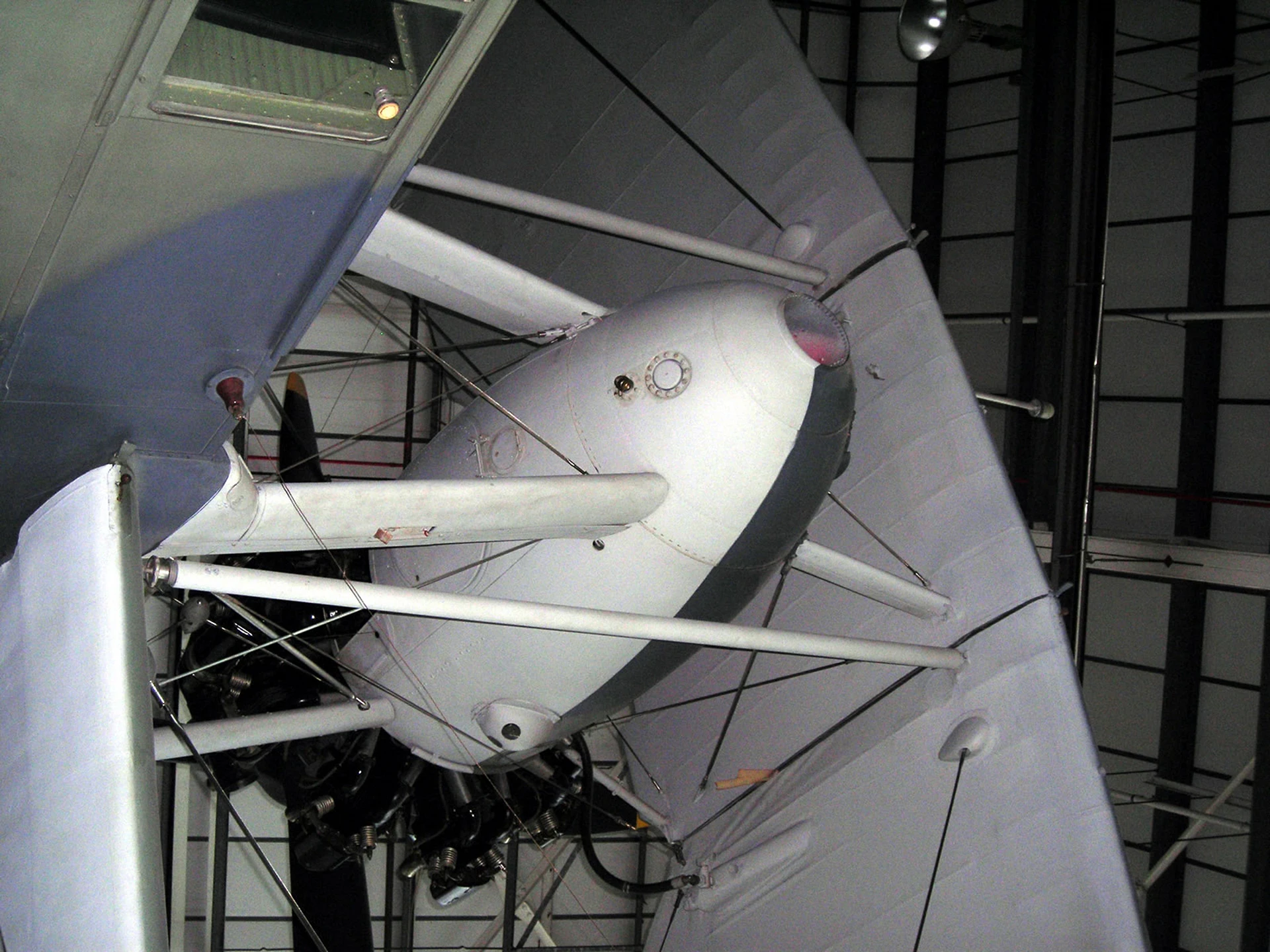
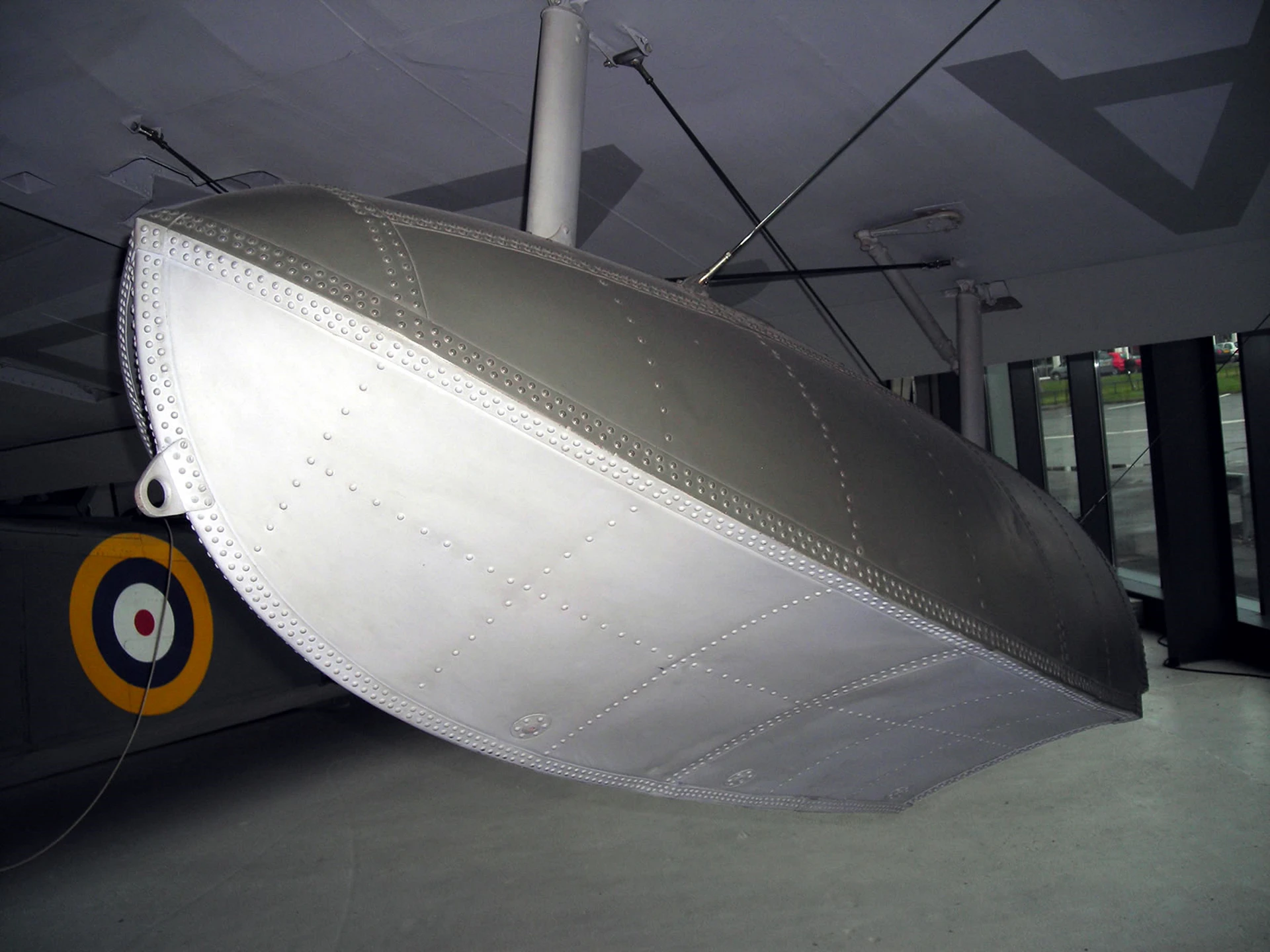
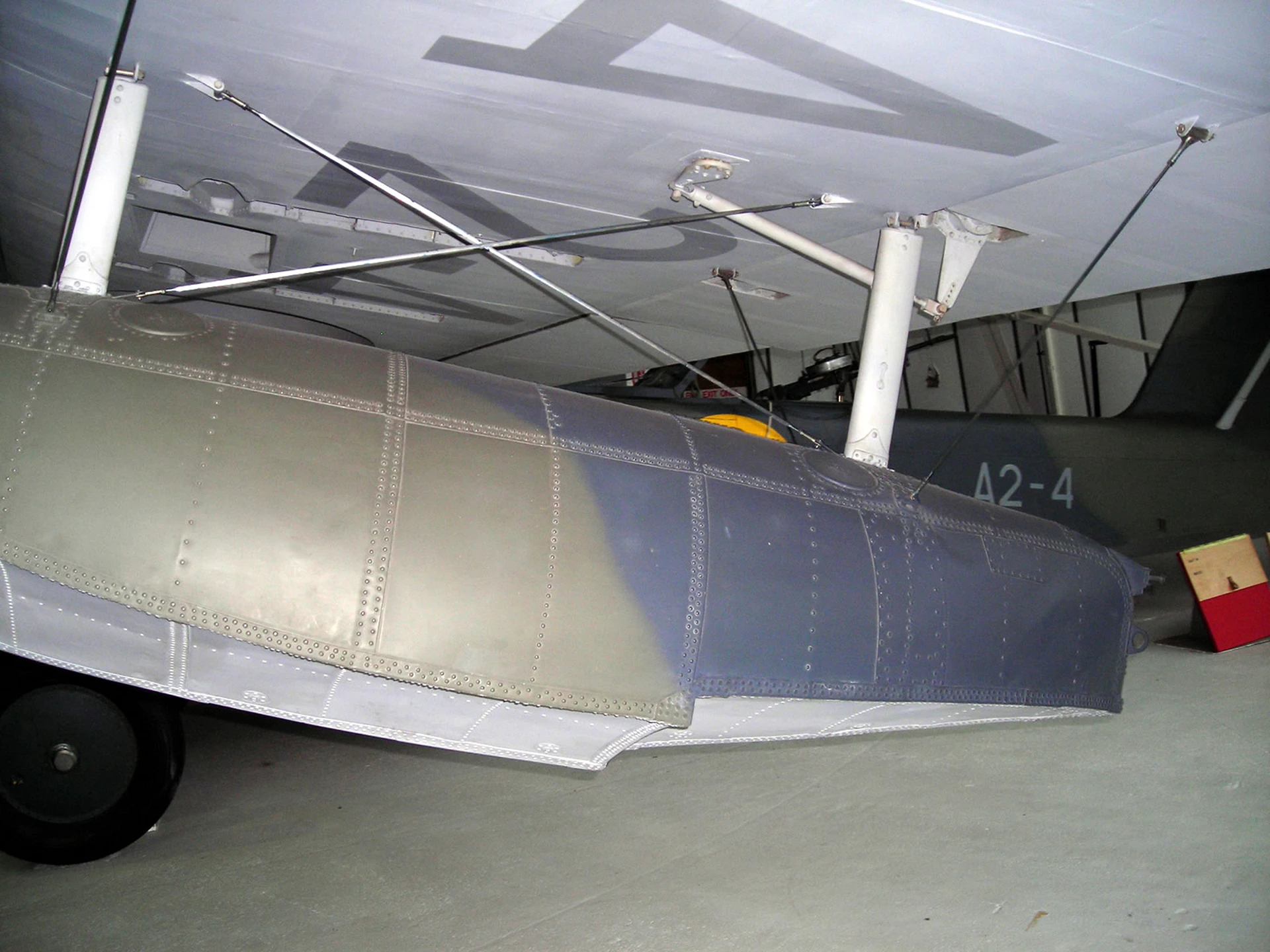
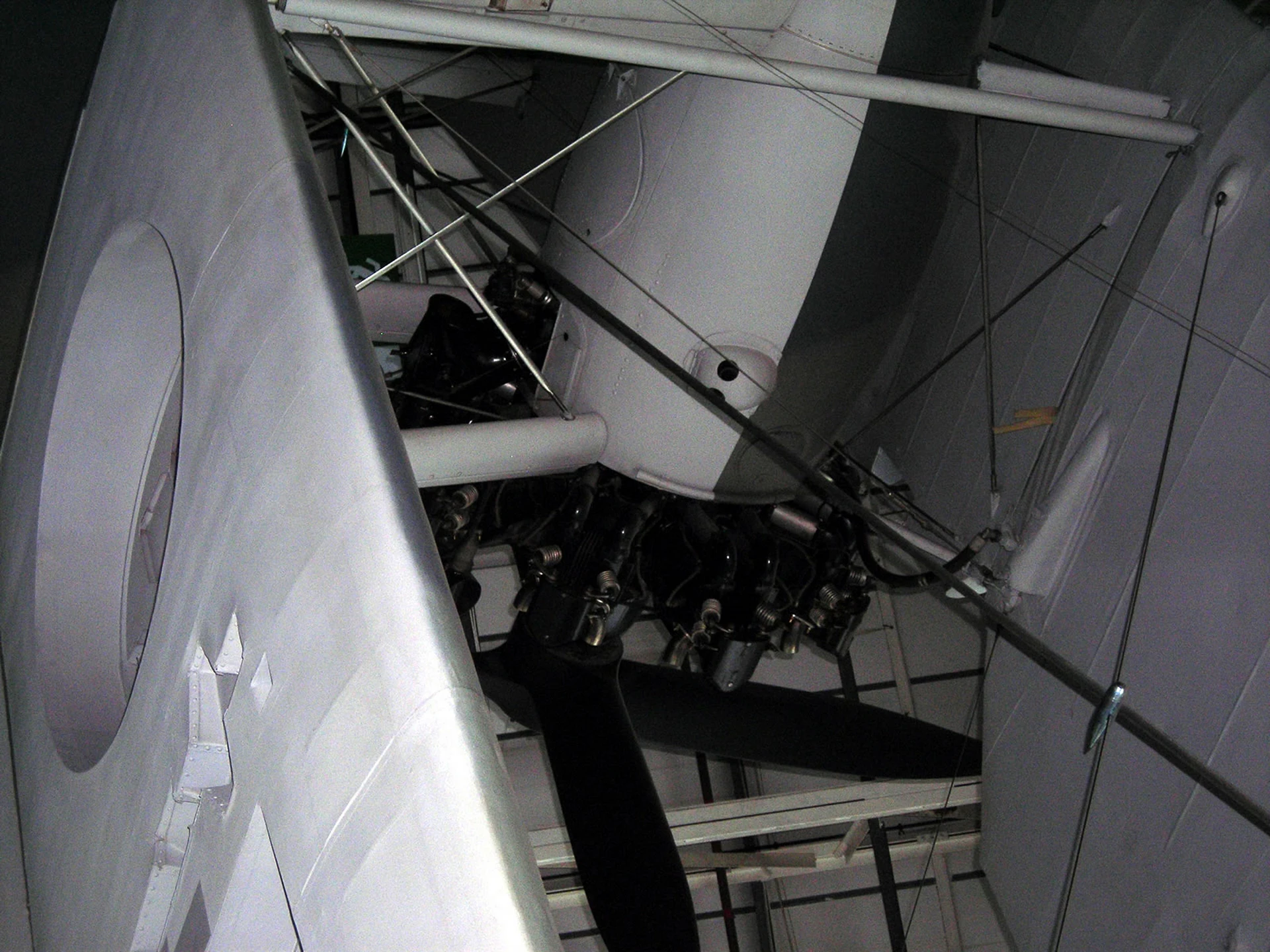
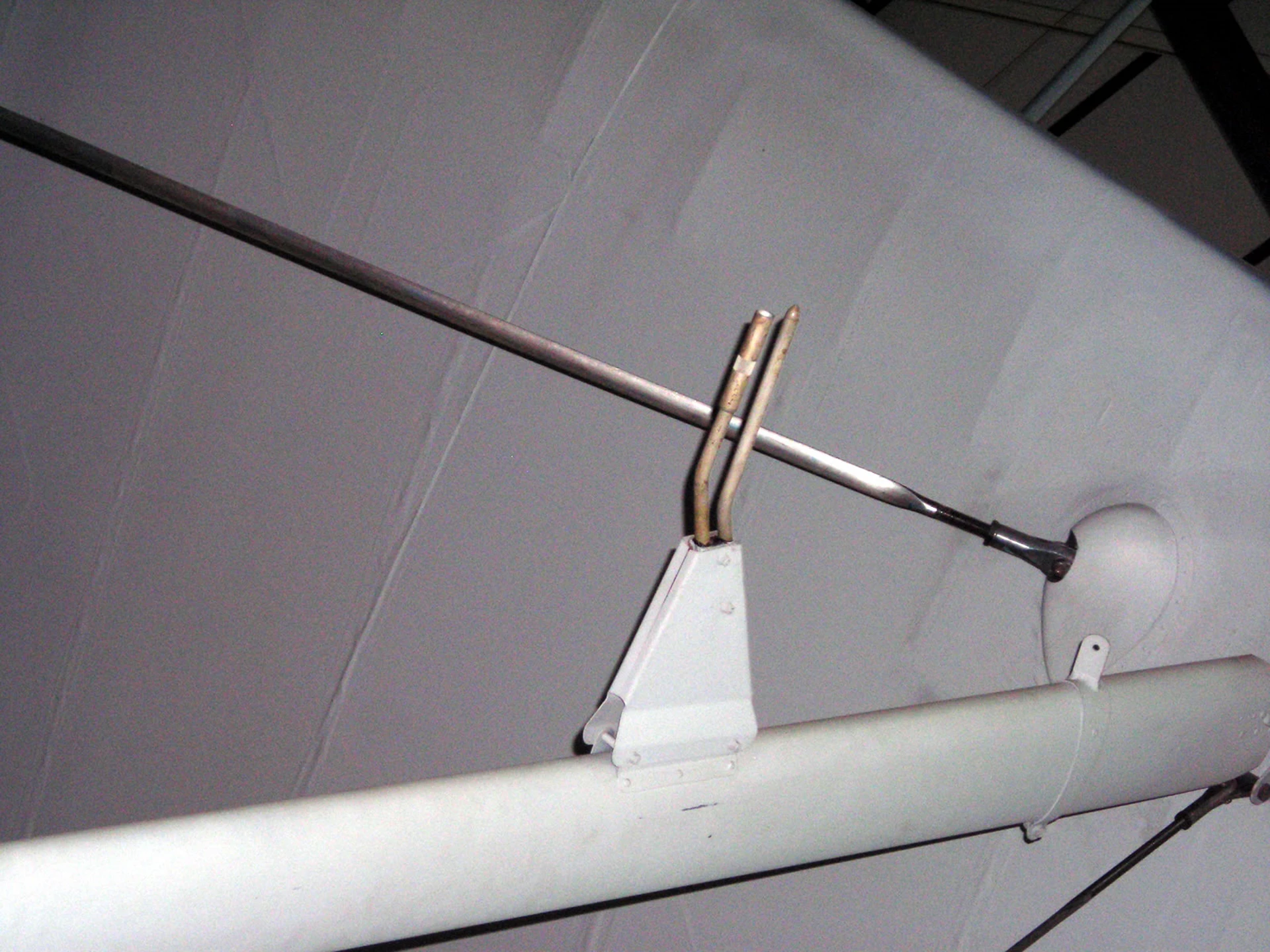

| Supermarine Walrus Se promener | |
|---|---|
| Photographe | Phil Brenton |
| Localisation | Inconnu |
| Photos | 81 |
Voir aussi :


The Reliable Rescue Amphibian
Lla Morse supermarin was an unlikely masterpiece designed by R.J. Mitchell, the same man who created the sleek Spitfire. A single-engine, pusher-propeller biplane amphibian, it was originally designed as a « spotter » to be launched by catapult from cruisers and battleships. Despite its awkward, lumbering appearance—which earned it nicknames like the « Shagbat » Ou « Steam Pigeon »—it was incredibly rugged and capable of landing in rough open seas. During WWII, it transitioned from a scout into a legendary Air-Sea Rescue (ASR) platform, saving over 1,000 Allied airmen from the freezing waters of the English Channel and the Mediterranean.
| Attribute | Technical Specification (Walrus Mk I) |
|---|---|
| Rôle | Reconnaissance / Air-Sea Rescue |
| Crew | 3–4 (Pilot, Navigator, 1-2 Gunners) |
| First Flight | June 21, 1933 (as Seagull V) |
| Groupe motopropulseur | 1 × Bristol Pegasus VI radial engine |
| Horsepower | 775 hp (578 kW) |
| Vitesse maximale | 135 mph (217 km/h) |
| Service Ceiling | 18,500 feet (5,639 m) |
| Armement | 2-3 × .303 Vickers K machine guns; up to 760 lbs of bombs/depth charges |
Design Engineering: The « Pusher » Anomaly
- The Pusher Engine: To keep the propeller clear of water spray during takeoffs and landings, the Pegasus engine was mounted in a nacelle high above the hull, facing backward. This « Poussoir » configuration also kept the cockpit relatively quiet for the crew.
- Catapult-Ready Hull: The Walrus was the first British aircraft to be stressed for catapult launching while carrying its full military load. Its hull was remarkably strong, built with duralumin to withstand the violent forces of a naval launch and the impact of heavy swells.
- Retractable Landing Gear: Unlike many flying boats, the Walrus was a true amphibian. The main wheels retracted into recesses in the lower wing, allowing it to operate from land bases or taxi up ramps out of the water.
- Stowage and Wings: To save space on crowded ship decks, the Walrus featured folding wings. Despite its biplane structure, the rigging was designed so that the wings could be swept back quickly without losing their tension.
A Lifesaver in Combat
- Maritime Jack-of-all-Trades: While its primary job was spotting for the fleet, the Walrus was used to bomb submarines, transport generals, and even perform anti-smuggling patrols. It was notoriously stable and could be flown « hands-off » for long periods.
- ASR Heroics: During the Battle of Britain and the subsequent air campaigns, Walrus crews flew directly into enemy-controlled waters. Often, they would pick up more airmen than the plane could lift, leading them to taxi across the sea for miles like a motorboat until a rescue launch could meet them.
- Warship Eyes: HMS Warspite ( Warspite )‘s Walrus famously spotted for the battleship during the Second Battle of Narvik, helping the ship’s massive 15-inch guns find and destroy German destroyers hidden in the fjords.
- Global Service: The Walrus served in every theater of the war, from the Arctic convoys to the Pacific. After the war, several were used as « whale-spotters » for whaling fleets in the Antarctic, proving the design’s endurance in the world’s harshest environments.
Vues : 6188
Vous pouvez voir aussi :
 Letov S-20 – Photos & Vidéos
 Avro 504 – Photos et vidéos
 Focke-Wulf Fw 44 – Photos & Vidéos
 Fairey Swordfish – Photos & Vidéos
 Verville-Sperry M-1 Messenger – Photos & Vidéo
 Supermarine Seagull V – Photos & Vidéo
 Caproni Ca.113 – Photos & Vidéo
 Stampe SV.4 – Photos & Vidéo
 Polikarpov Po-2 – Photos & Vidéo
 Caudron G.4 – Photos & Vidéo