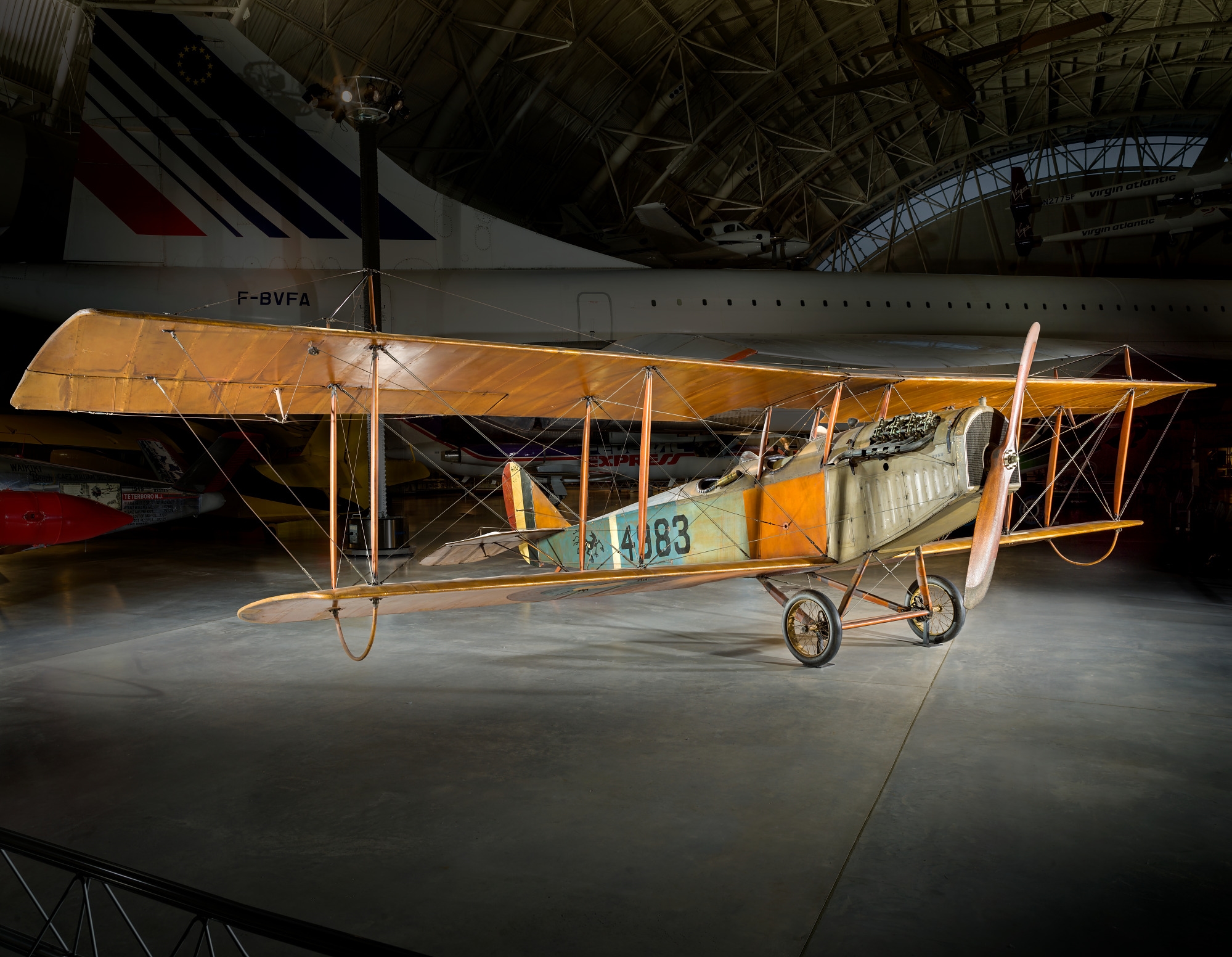
Curtiss JN-4D Jenny | |
|---|---|
| Maa | Yhdysvallat |
| Rooli | Kouluttaja ilma-alukset |
| Johdanto | 1915 |
| Rakennettu | 6813 |
Nniiden Curtiss JN-4 "Jenny" oli yksi JN-kaksitasojen sarjasta, jonka rakensi Curtiss Aeroplane Company of Hammondsport, New York, myöhemmin Curtiss Aeroplane and Motor Company. Vaikka Curtiss JN -sarja tuotettiin alun perin Yhdysvaltain armeijan koulutuslentokoneeksi, "Jenny" (yleinen lempinimi, joka on johdettu "JN-4: stä", ja avoin yläosa neljä esiintyy Y: nä) jatkui ensimmäisen maailmansodan jälkeen siviililentokoneena, koska siitä tuli "amerikkalaisen sodanjälkeisen ilmailun selkäranka". Tuhannet ylimääräiset Jennyt myytiin edulliseen hintaan yksityisille omistajille sodan jälkeisinä vuosina, ja niistä tuli keskeisiä navettamyrskyn aikakaudella, joka auttoi herättämään Amerikan siviili-ilmailuun suuren osan 1920 -luvusta.
| Curtiss JN-4D Jenny Walk Around | |
|---|---|
| Valokuvaaja | Vladimir Jakubov |
| Lokalisointi | valehteleva perintökokoelma, Everett |
| Valokuvat | 70 |

| Curtiss JN-4D Jenny Walk Around | |
|---|---|
| Valokuvaaja | Ei tietää |
| Lokalisointi | Kansallinen ilma- ja avaruusmuseo |
| Valokuvat | 20 |
Katso myös:


Nniiden Curtiss JN-4D Jenny was a single-engine, two-seat biplane that was widely used as a trainer aircraft by the US Army and the Royal Flying Corps during World War I. It was designed by Benjamin D. Thomas, a former Sopwith engineer, and produced by the Curtiss Aeroplane Company from 1915 to 1919. The Jenny had a wooden frame covered with fabric and was powered by a 90-horsepower Curtiss OX-5 engine. It had a wingspan of 13.3 meters (43 feet 7 inches), a length of 8.3 meters (27 feet 4 inches), and a height of 3 meters (9 feet 11 inches). It had a maximum speed of 120 kilometers per hour (75 miles per hour) and a service ceiling of 3,200 meters (10,500 feet).
Nniiden Aasitamma was named after its model designation JN, which was misread as JNY by some pilots. It became the most popular and recognizable aircraft of its time, with an estimated 95% of all US and Canadian pilots having flown a Jenny during their training. The Jenny was also used for other purposes, such as aerial observation, photography, bombing, and gunnery practice. Some Jennys were modified with floats or skis for water or snow landing. After the war, thousands of surplus Jennys were sold to civilians for low prices, sparking the era of barnstorming and stunt flying in the 1920s. The Jenny was also featured on US postage stamps and coins, and became a symbol of American aviation history.
Näkymät : 4060
Voit myös nähdä:
 Letov S-20 – Valokuvat & Videot
 Avro 504 - Valokuvat ja videot
 Verville-Sperry M-1 Messenger - Valokuvat ja video
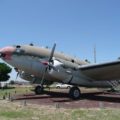 Curtiss C-46 Commando – Valokuvat & Video
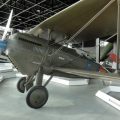 Curtiss P-6 Hawk – Valokuvat & Video
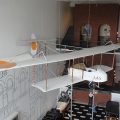 Farman HF.20 – Valokuvat & Video
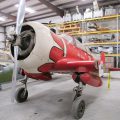 Curtiss-Wright, SNC-1 Falcon - Valokuvat ja video
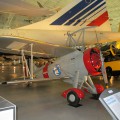 Curtiss F9C-2 Sparrowhawk – Valokuvat & Video
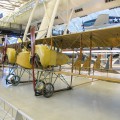 Caudron G.4 – Valokuvat ja video
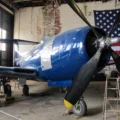 Curtiss XF15C-1 - Valokuvat ja video