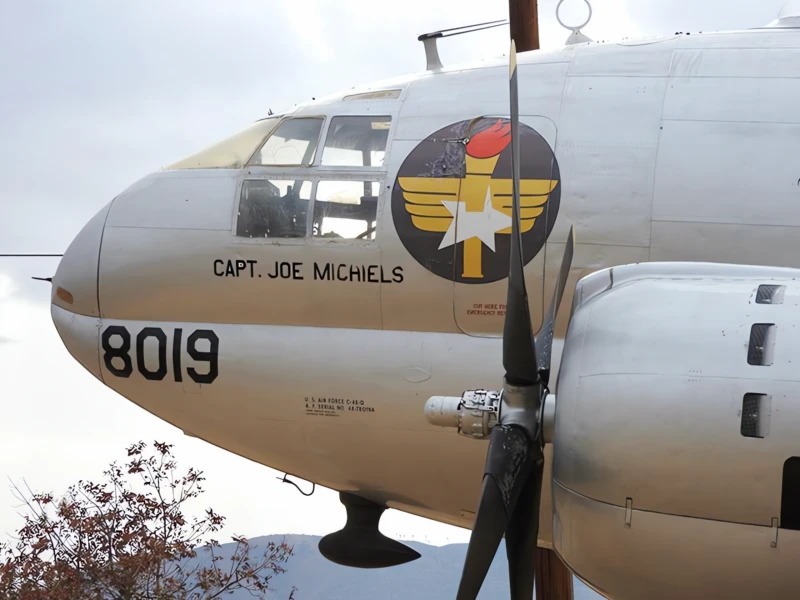
Curtiss C-46 Commando | |
|---|---|
| País | E.e.u.u |
| Papel | Aviones de transporte militar |
| Primer vuelo | 26 de marzo de 1940 |
| Construido | 3181 |
el Comando Curtiss C-46 es un avión de transporte derivado del diseño de avión de pasajeros presurizado de gran altitud Curtiss CW-20. Los primeros informes de prensa utilizaron el nombre de "Cóndor III", pero el nombre de Commando estaba en uso a principios de 1942 en la publicidad de la compañía. Fue utilizado como transporte militar durante la Segunda Guerra Mundial por las Fuerzas Aéreas del Ejército de los Estados Unidos y también por la Armada de los Estados Unidos/Cuerpo de Marines, que utilizó la designación R5C. El C-46 cumplió un papel similar al de su homólogo construido por Douglas, el C-47 Skytrain, pero no fue producido tan extensamente como este último.
| Curtiss C-46D Commando Walk Around | |
|---|---|
| Fotógrafo | Cees Hendriks |
| Localización | Unknow |
| Fotos | 63 |
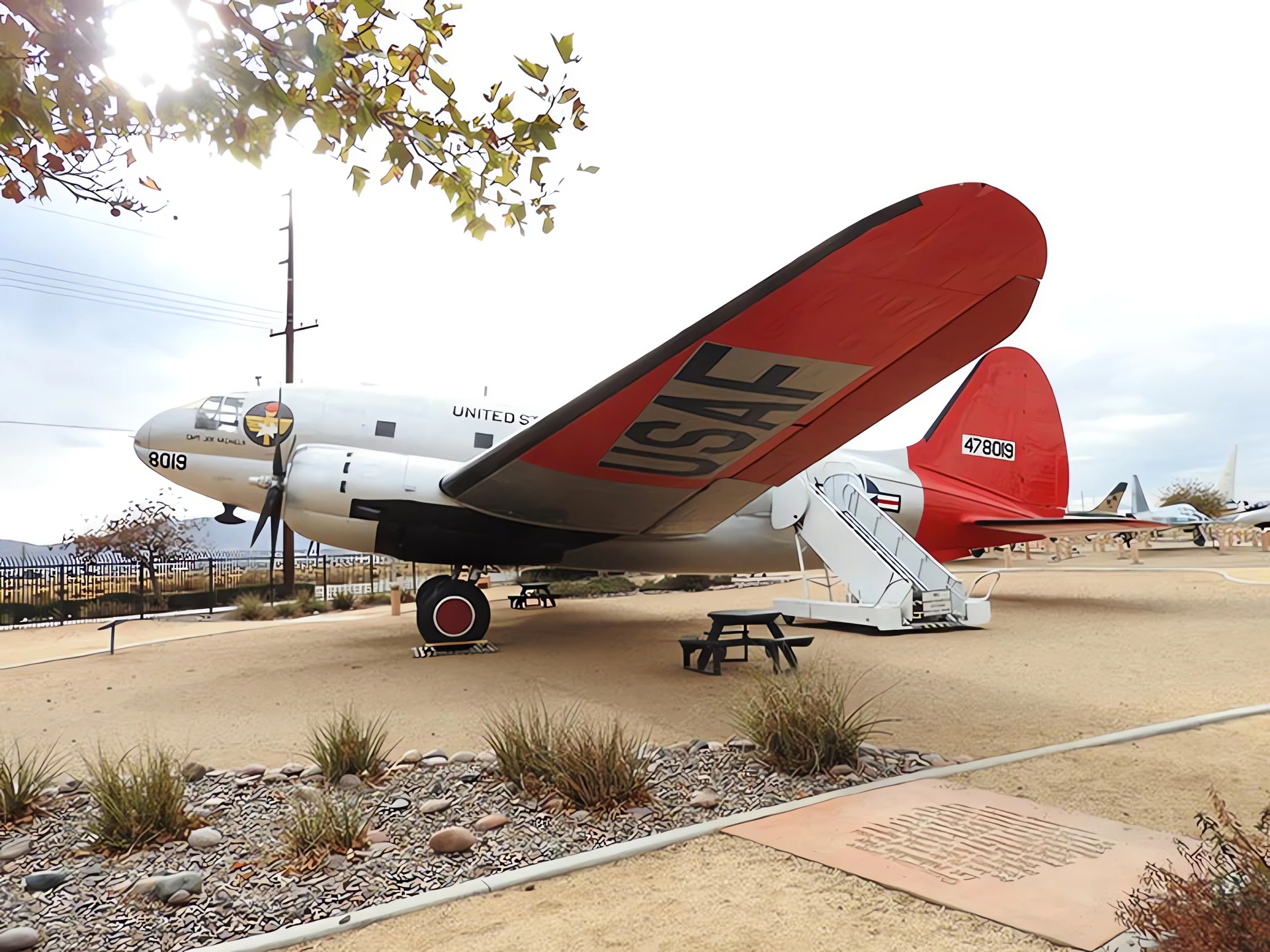
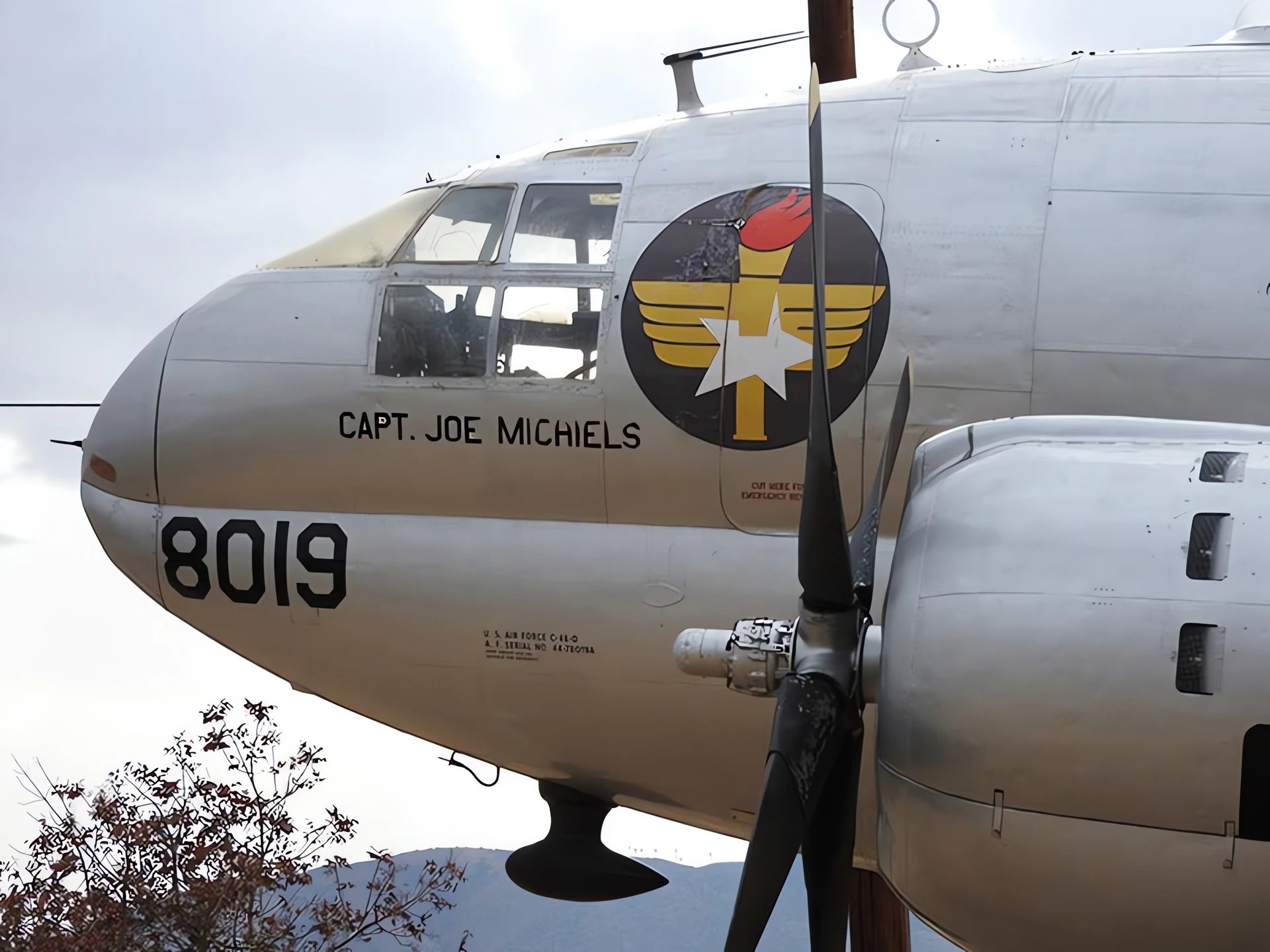
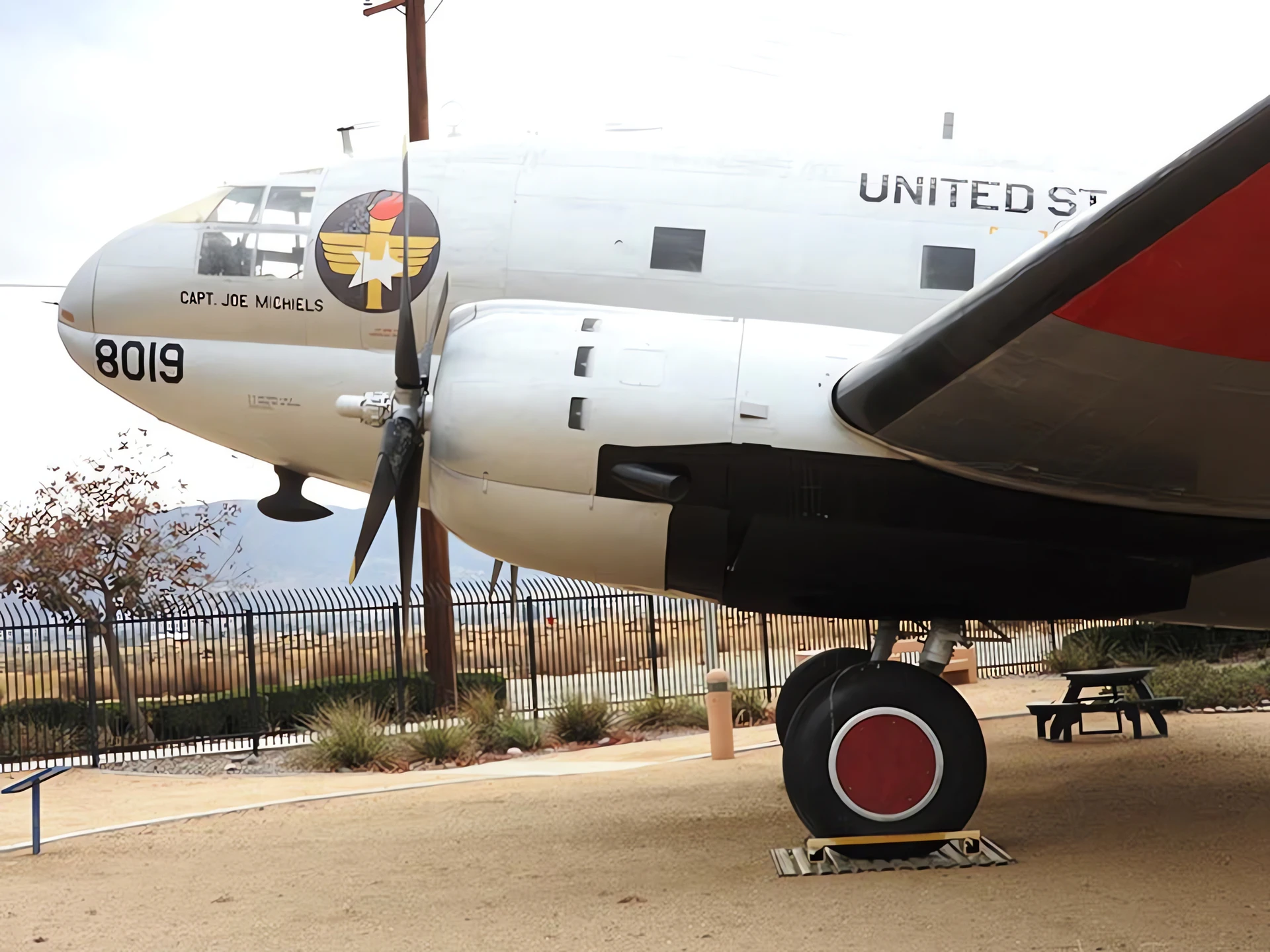
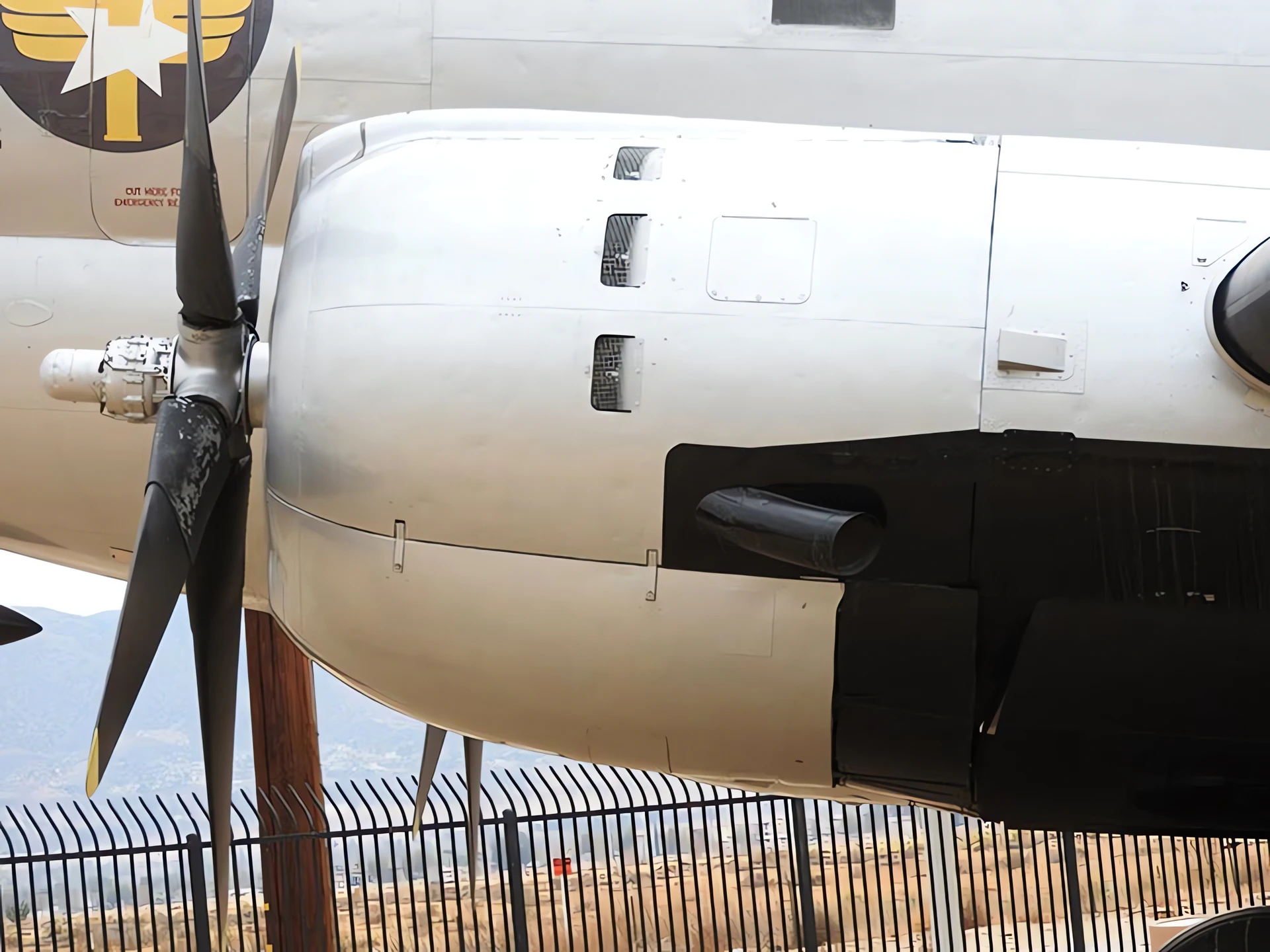
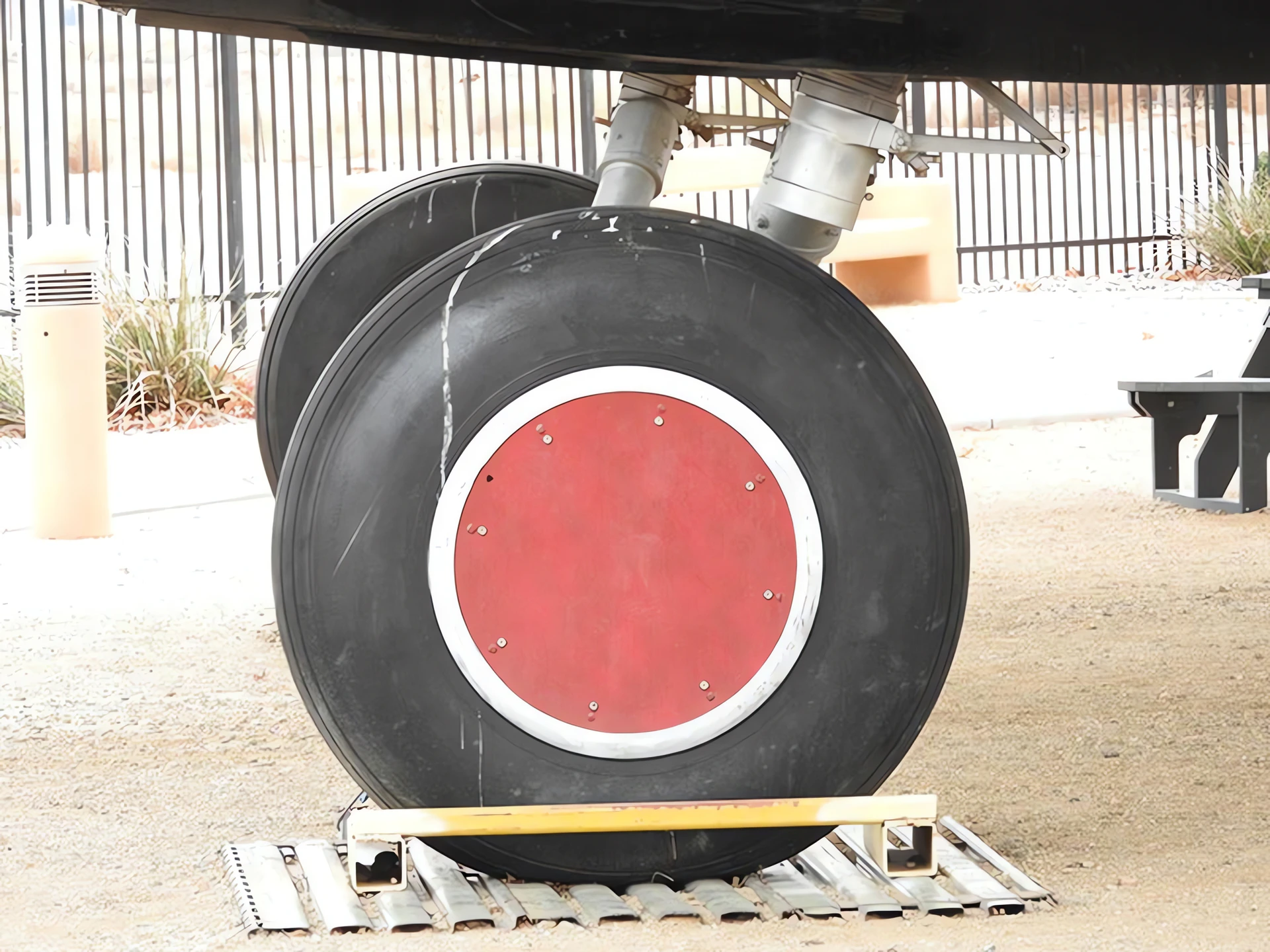
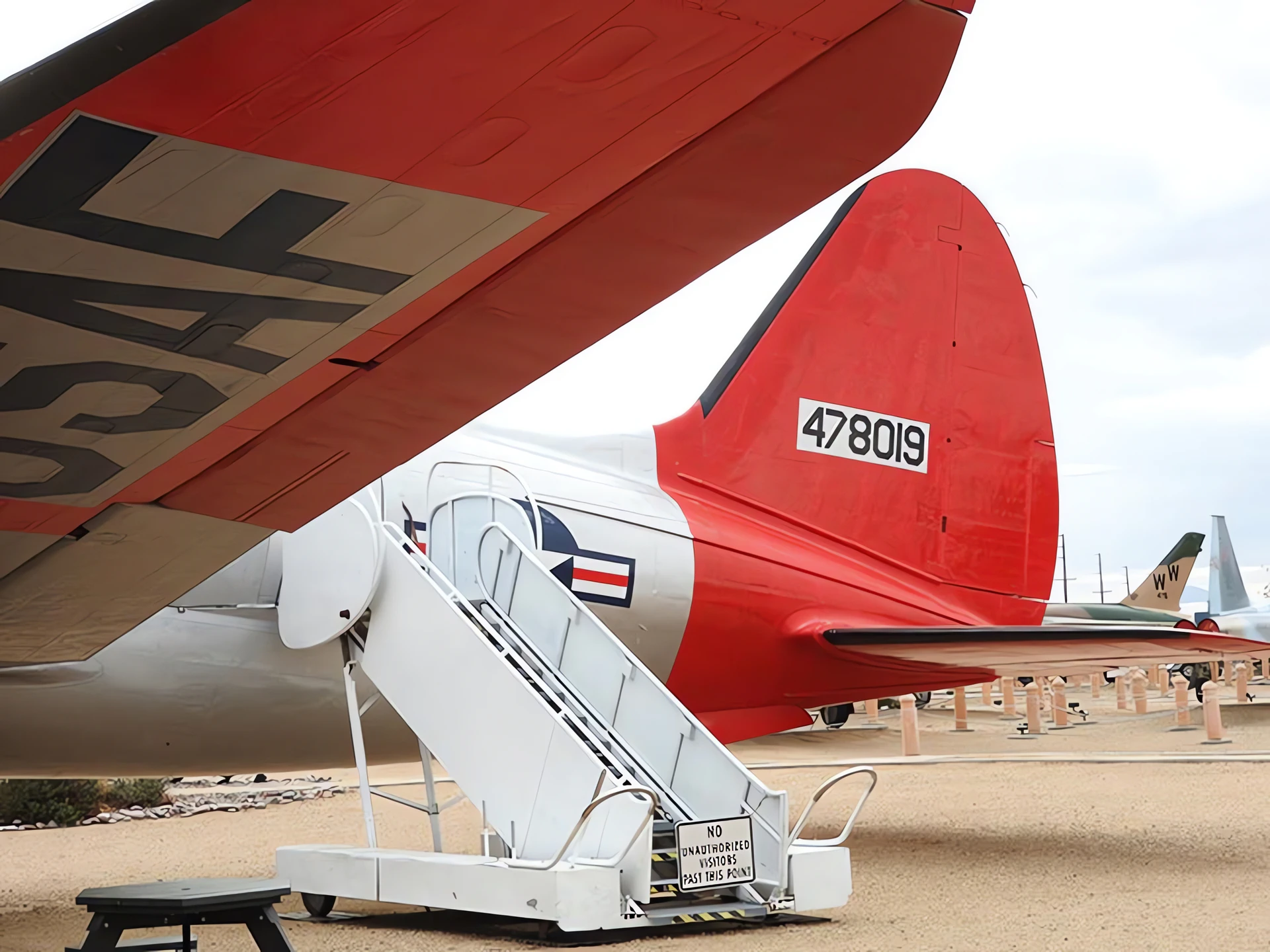
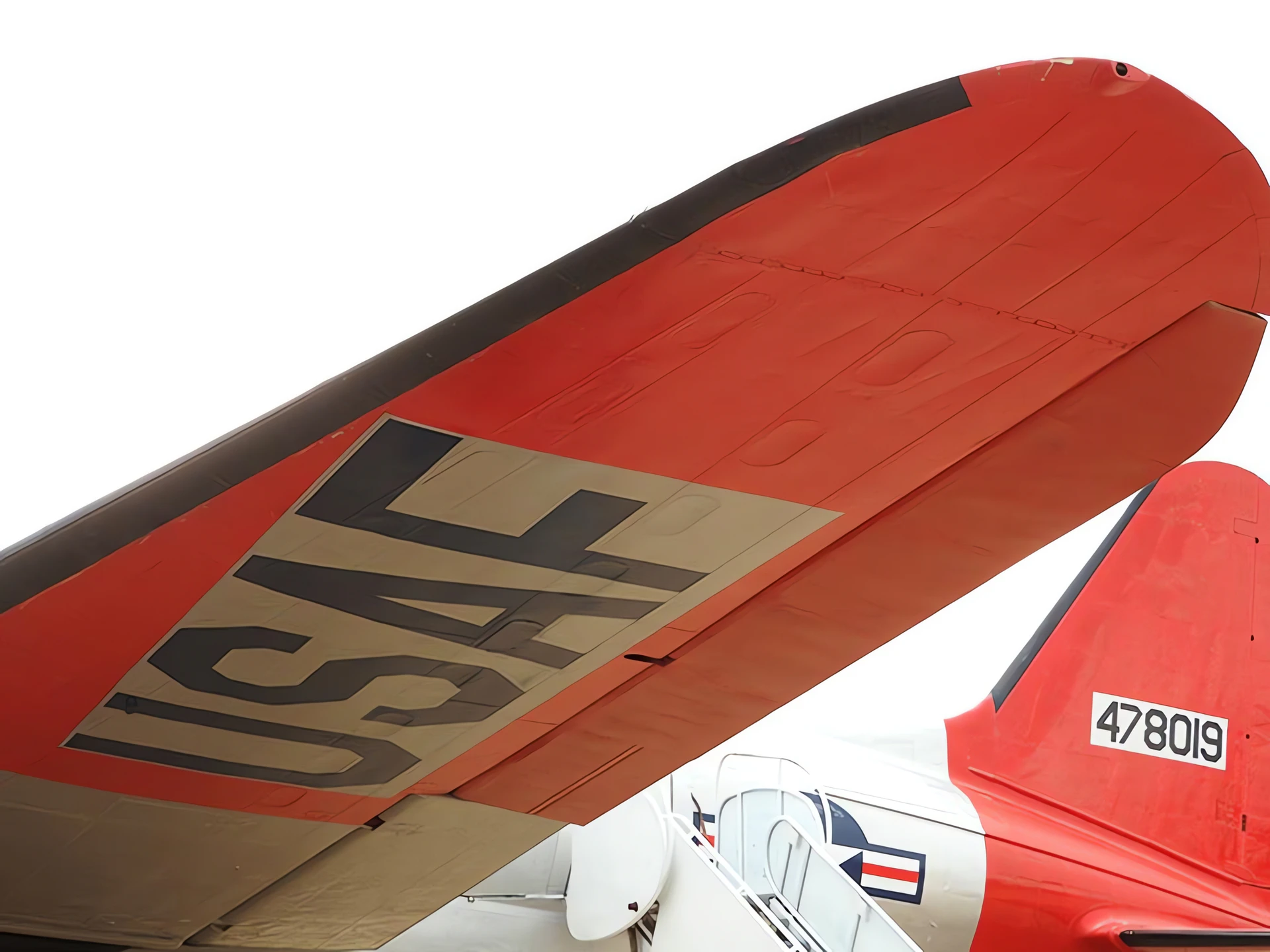
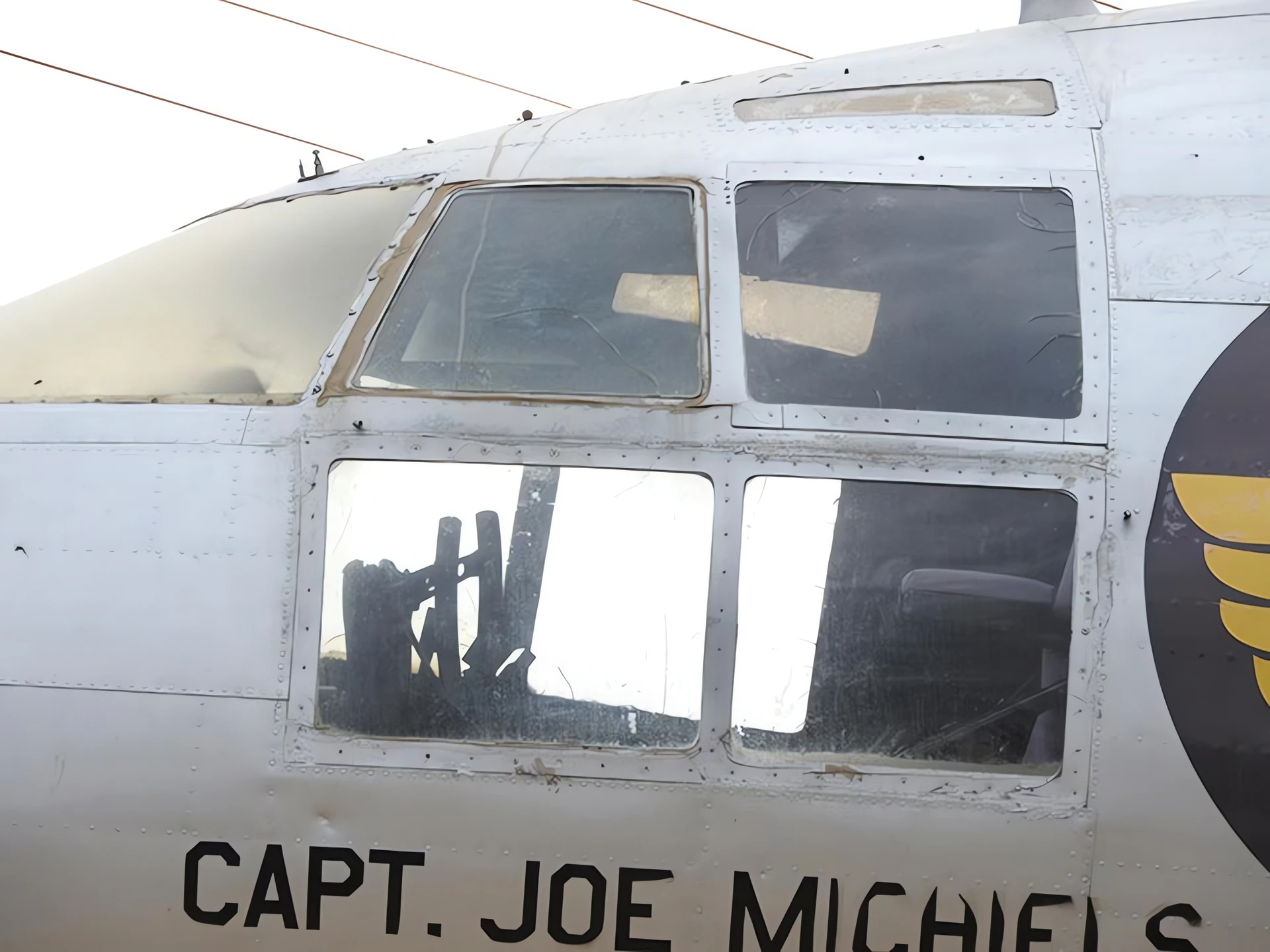
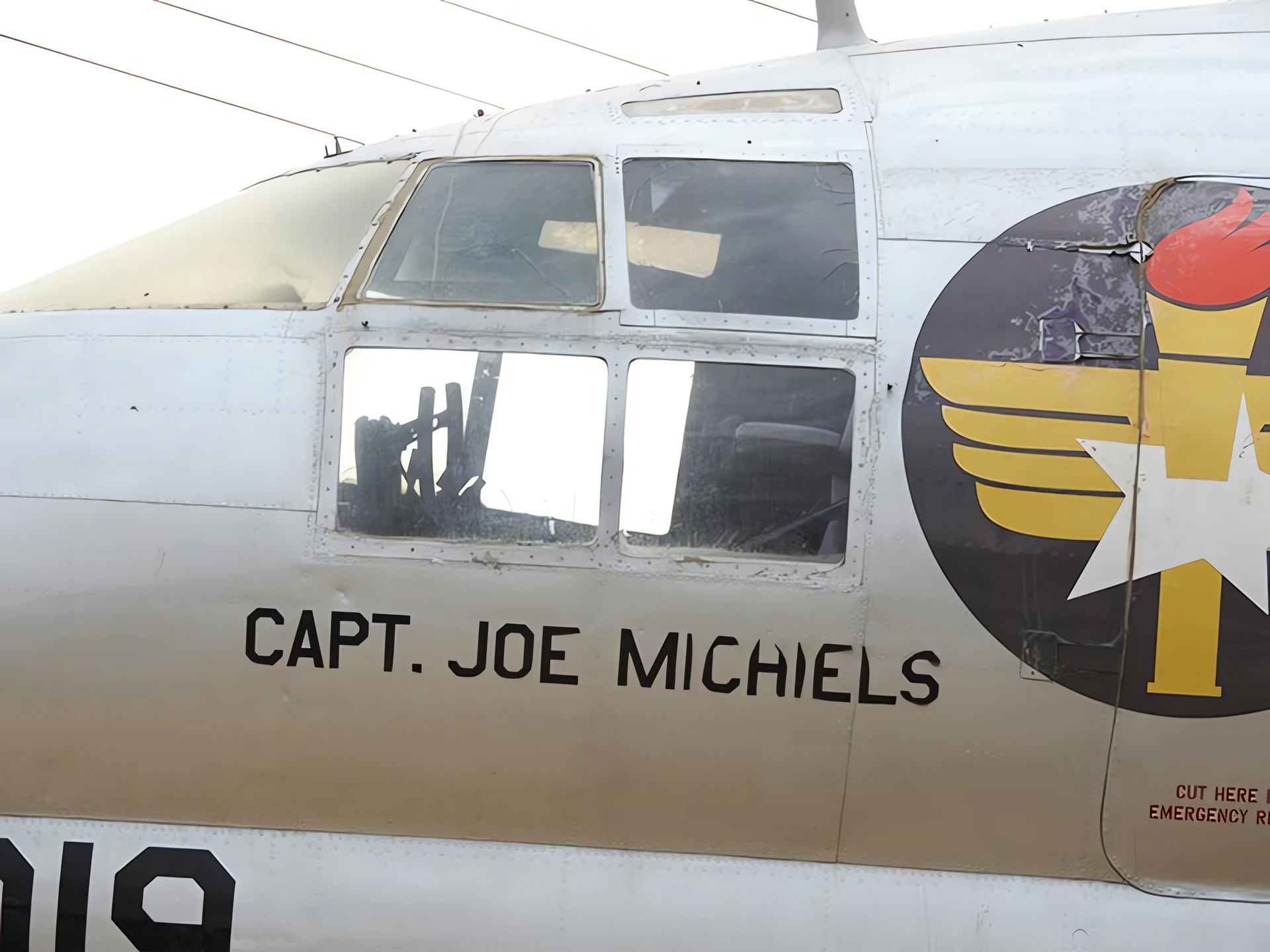

| Curtiss C-46D-10-CU Commando Walk Around | |
|---|---|
| Fotógrafo | Vladimir Yakubov |
| Localización | Museo del Castillo AFB |
| Fotos | 279 |
Ver también:


A Giant in the Shadows of the Dakota
el Comando Curtiss C-46 was the largest and heaviest twin-engine aircraft used by the U.S. Army Air Forces during WWII. While the Douglas C-47 Skytrain (DC-3) received more fame, the C-46 was a far more capable machine, able to carry twice the payload and fly much higher. The C-46D variant was the most-produced version, featuring a modified nose and extra cargo doors specifically designed for paratroop operations. It was the backbone of the “Hump” airlift, flying over the Himalayas in conditions that would have grounded lesser aircraft.
| Attribute | Technical Specification (C-46D) |
|---|---|
| Papel | Military Transport / Cargo Aircraft |
| Equipo | 4 (Pilot, Co-pilot, Navigator, Radio Operator) |
| First Flight (CW-20) | March 26, 1940 |
| Planta motriz | 2 × Pratt & Whitney R-2800-51 Double Wasp radials |
| Horsepower | 2,000 hp (1,500 kW) per engine |
| Velocidad máxima | 270 mph (435 km/h) at 15,000 ft |
| Service Ceiling | 24,500 feet (7,468 m) |
| Max Payload | 15,000 lbs (6,800 kg) |
Engineering for High-Altitude Logistics
- Double-Bubble Fuselage: The C-46 utilized a unique “figure-eight” or double-bubble cross-section. This allowed the cabin floor to be placed at the widest point of the fuselage, maximizing internal volume for bulky cargo like Jeeps and light artillery.
- High-Altitude Radials: Powered by the massive 18-cylinder R-2800 Double Wasp engines, the Commando had the power to maintain flight even with one engine failed while fully loaded—a critical safety feature when flying over the 20,000-foot peaks of the Himalayas.
- The “Hump” Modifications: Flying the “Hump” meant dealing with extreme icing. C-46s were fitted with advanced de-icing boots on the wings and tail, and specialized heaters to keep the fuel from waxing in the sub-zero temperatures.
- C-46D Paratrooper Door: Unlike the standard cargo version, the “D” model featured a dedicated personnel door on the left side, allowing it to drop paratroopers more efficiently than the earlier cargo-only variants.
The “Curtiss Calamity” and Beyond
- A Reputation for Danger: Early C-46s suffered from mysterious mid-air explosions. It was eventually discovered that fuel leaks in the unvented wing roots were being ignited by sparks. This led to a massive retrofitting program that eventually made the aircraft safe.
- The Hump Legend: In the China-Burma-India (CBI) theater, C-46s delivered hundreds of thousands of tons of supplies to Chinese forces. It was here that the aircraft earned its nickname “The Whale” and proved its worth as a high-altitude heavy lifter.
- Post-War Commercial Life: After 1945, the C-46 became a favorite of “non-sked” cargo airlines in Latin America and the Arctic. Its ability to haul heavy loads out of short, high-altitude strips made it a legend in the Andes and the Canadian North.
- Survivors: A surprising number of C-46s remain in existence. Buffalo Airways in Canada famously operated them commercially well into the 21st century, and “Tinker Belle” remains a popular star on the U.S. airshow circuit.
Vistas : 3160
También puede ver:
 Curtiss F11C Goshawk – Fotos y Videos
 Curtiss P-36 Hawk – Fotos y videos
 Curtiss O-52 Owl – Fotos y Video
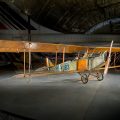 Curtiss JN-4D Jenny – Fotos y Video
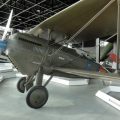 Curtiss P-6 Hawk – Fotos y Video
 Curtiss-Wright SNC-1 Falcon – Fotos y Video
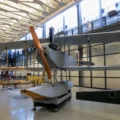 Curtiss N-9H – Fotos y Video
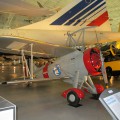 Curtiss F9C-2 Sparrowhawk – Fotos y Video
 Curtiss XF15C-1 – Fotos y Video
 General Motors FM-2 Wildcat – WalkAround