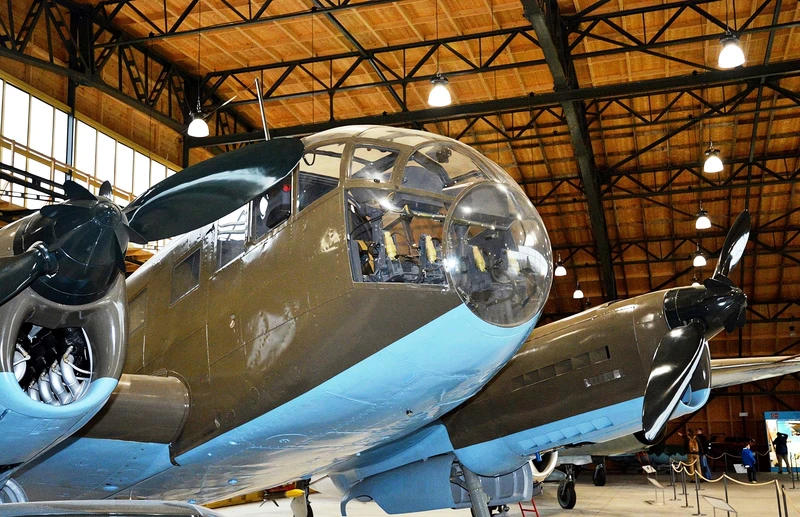
Siebel Si 204 | |
|---|---|
| Land | Deutschland |
| Typ | Leichter Transport/Trainer |
| Erstflug | 25. Mai 1940 |
| Gebaut | 1216 |
das Siebel Si 204 war ein kleines zweimotoriges Transport- und Schulflugzeug, das im Zweiten Weltkrieg entwickelt wurde. Sie basierte auf der Fh 104 Hallore. Ursprünglich als Reaktion auf einen Entwicklungsauftrag des Luftfahrtministeriums für ein kleines ziviles Transportflugzeug im Jahr 1938 entworfen, wurde es schließlich für die Luftwaffe produziert.
Quelle: Wikipedia
| Aero C-3A Walk Around | |
|---|---|
| Fotograf | Pavel Senk |
| Lokalisierung | Unbekannter |
| Fotos | 41 |


Siehe auch:


General Characteristics
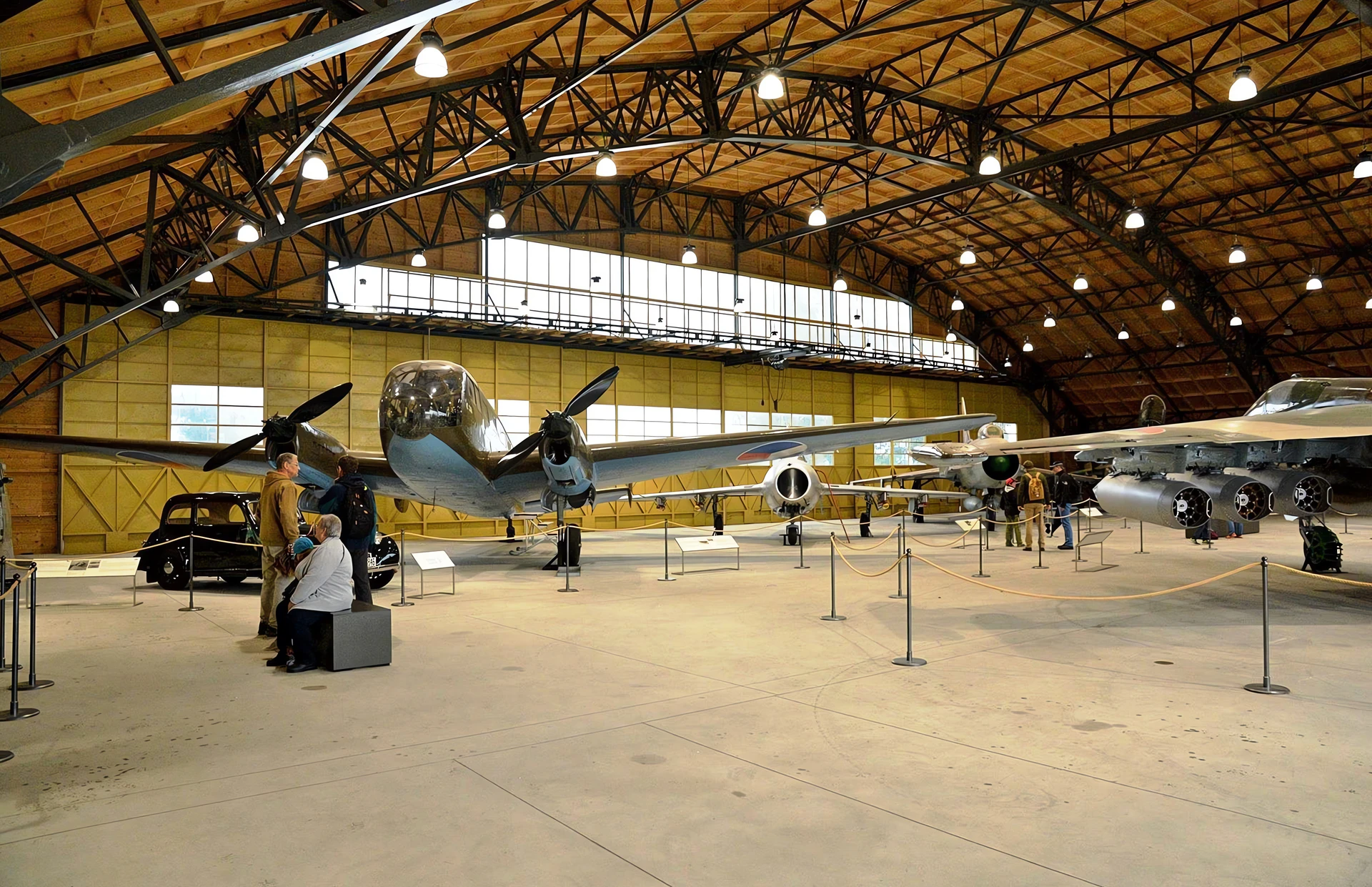
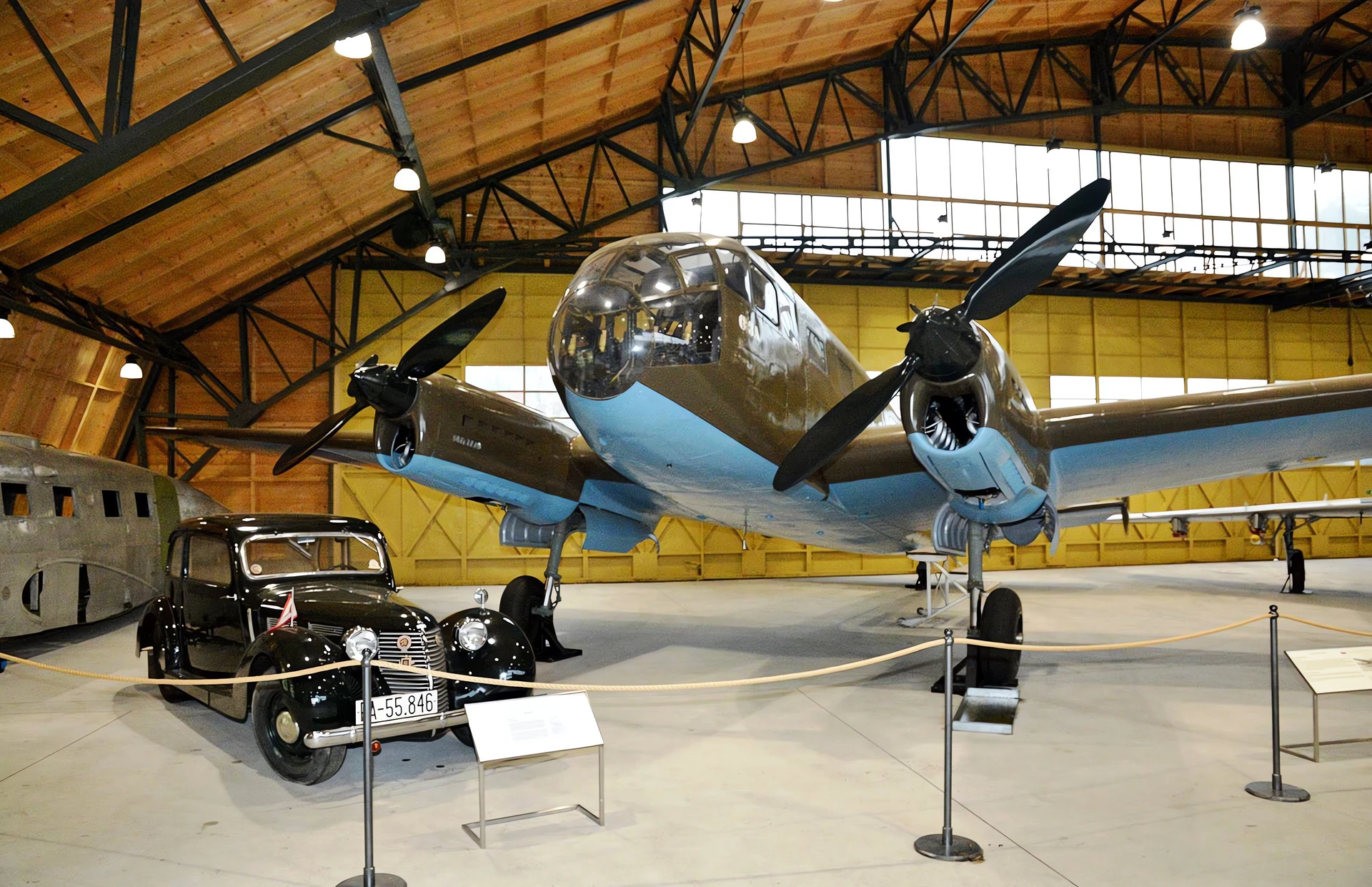
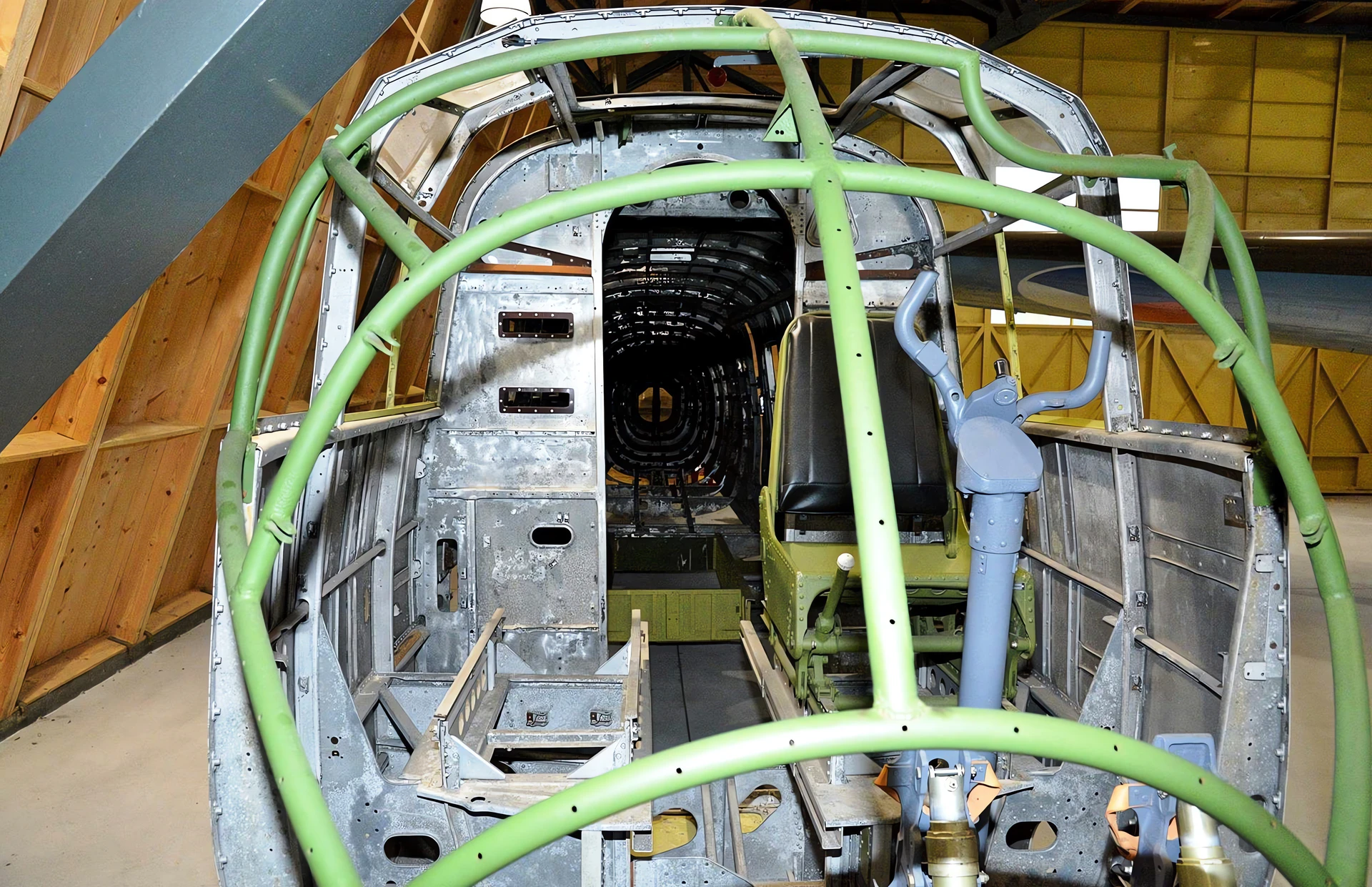
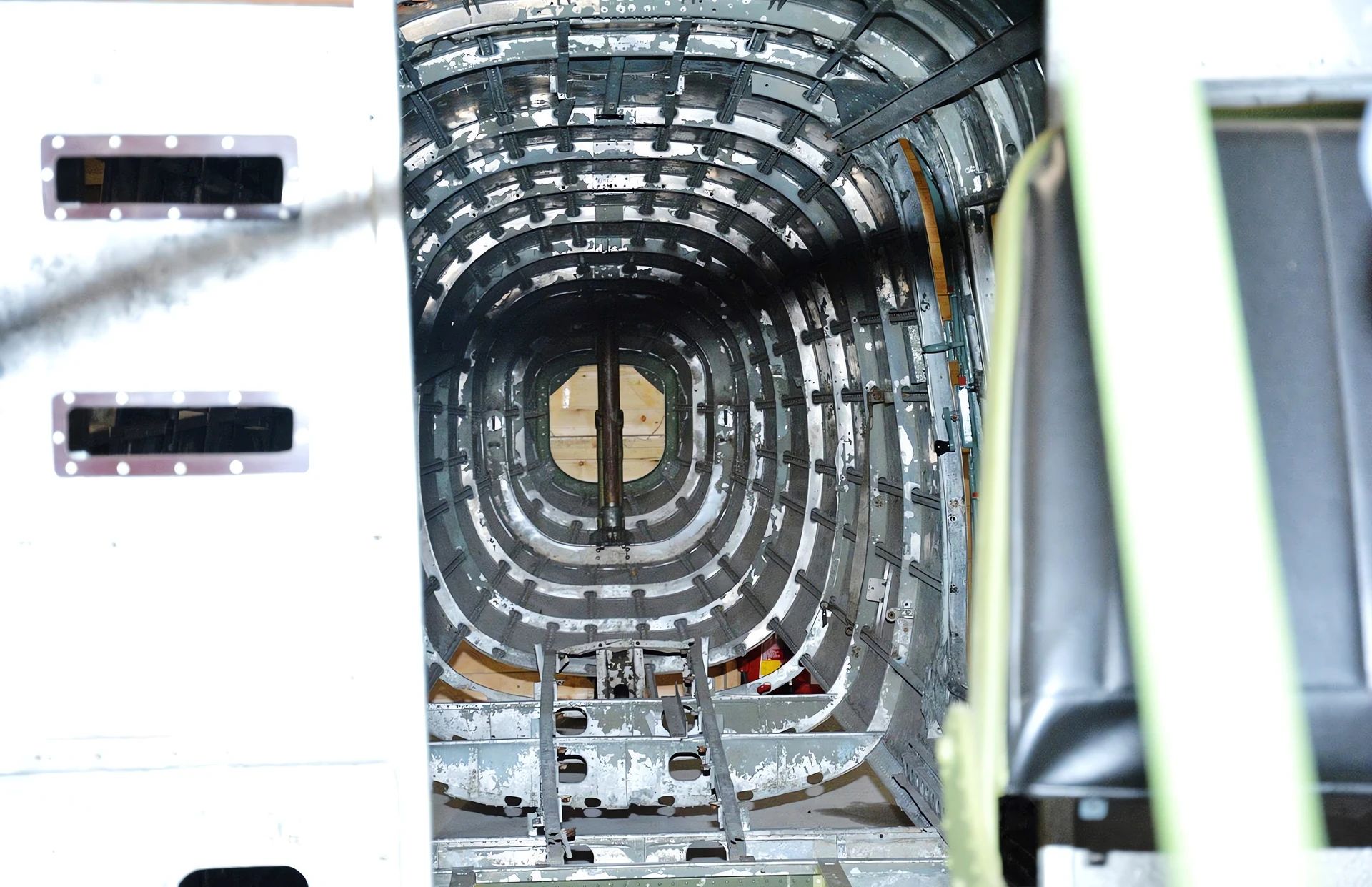
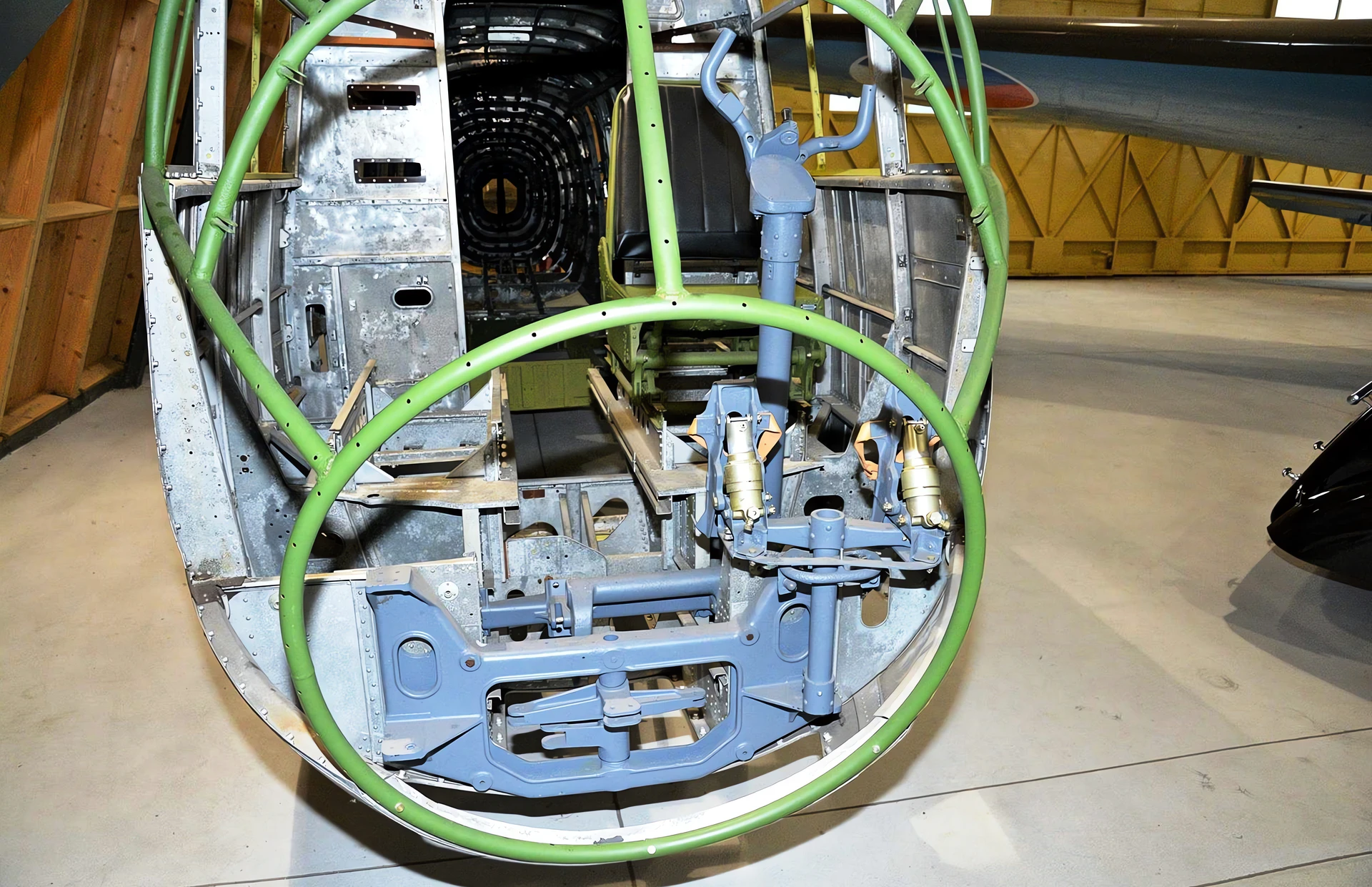
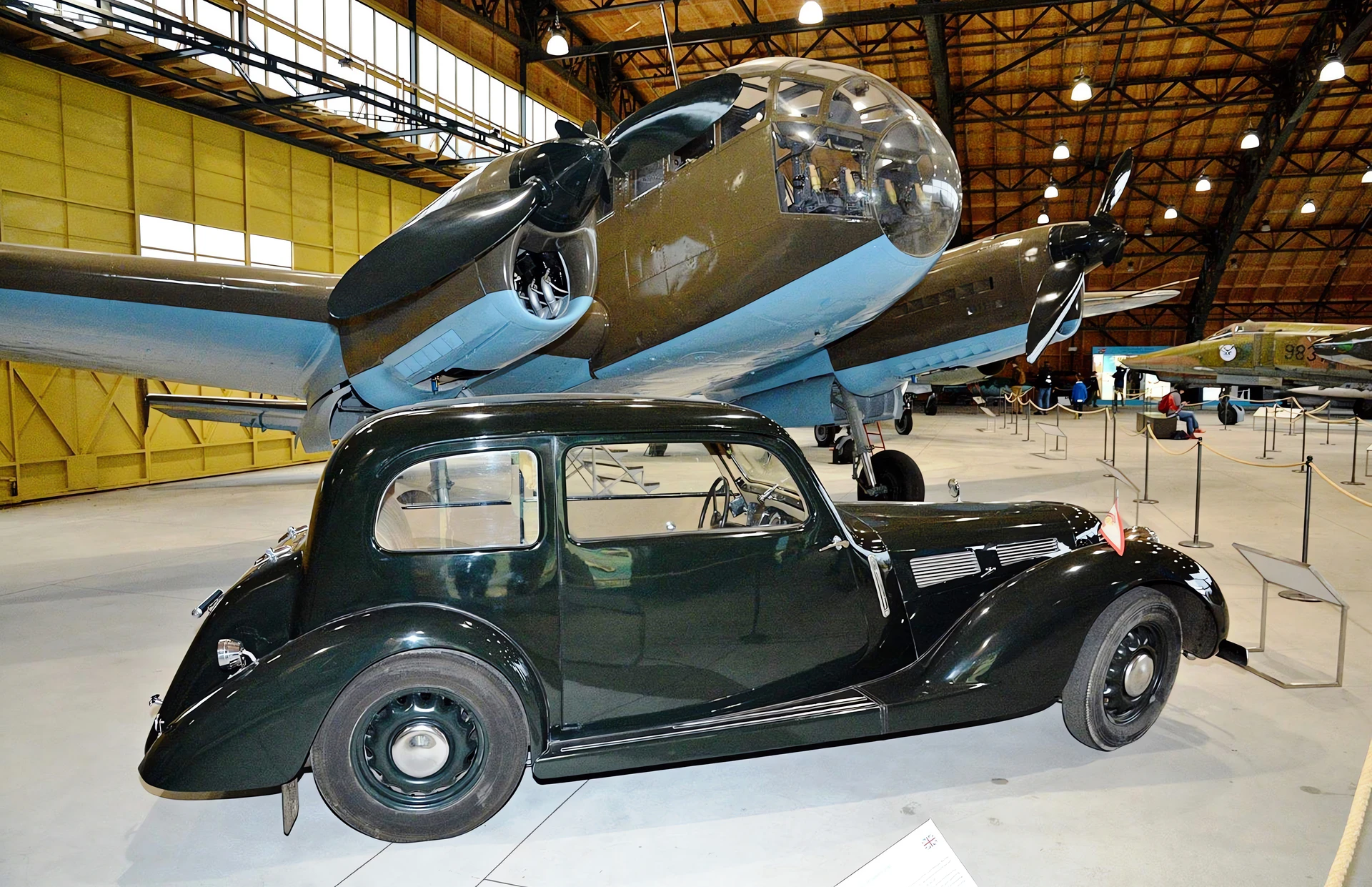
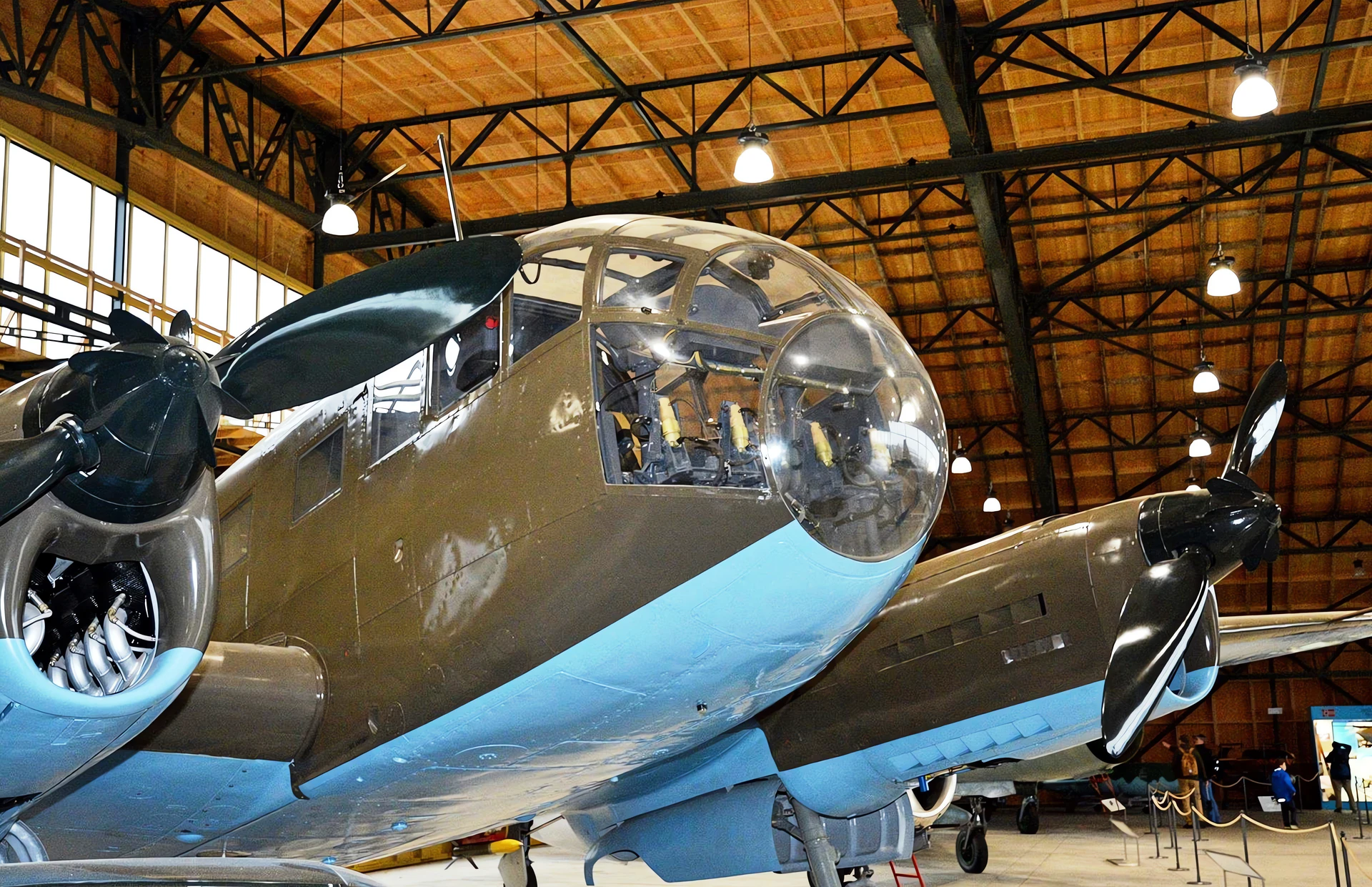
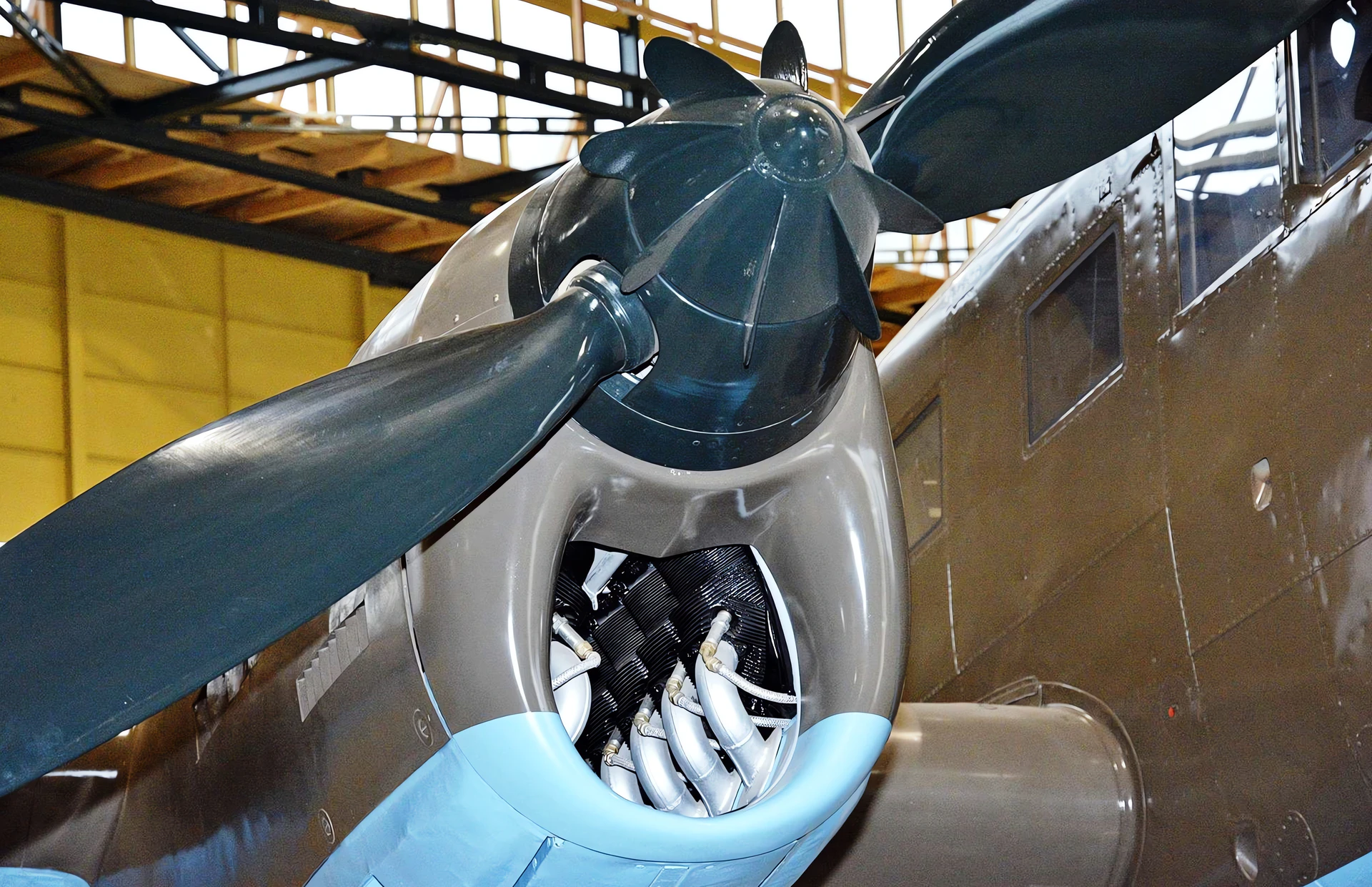
The Aero C-3A was the Czechoslovak post-war production variant of the German Siebel Si 204D, a small, twin-engined transport and instrument trainer aircraft. Production took place at the Aero and ČKD-Praga plants during the German occupation and continued after the liberation of Czechoslovakia. The C-3A variant was specifically used by the Czechoslovak Air Force for training pilots on multi-engine aircraft, earning the nickname “Sibly.”
| Property | Typical Value (Aero C-3A) |
|---|---|
| Rolle | Multi-Engine Trainer / Light Transport |
| Hersteller | Aero Vodochody (Czechoslovakia) |
| In Service (Post-War) | 1945–c. 1960s |
| No. Built (C-3 Series) | 541 (by Aero, plus 492 by BMM/ČKD) |
| Crew | 2 (Pilot and Co-pilot/Trainee) |
| Capacity (Passengers) | Up to 8 passengers (Civilian C-103 variant) |
| Länge | 11.95 m (39 ft 2 in) |
| Flügelspannweite | 21.28 m (69 ft 10 in) |
| Max Takeoff Weight | 5,600 kg (12,346 lb) |
Design and Powerplant
- Engines: Two Argus As 411TA-1 12-cylinder, inverted V-12 air-cooled piston engines (Often referred to as M-411 in Czechoslovakia).
- Power Output (each): Approximately 426 kW (571 hp) to 433 kW (580 hp).
- Structure: All-metal low-wing cantilever monoplane. It featured a distinctive twin vertical stabilizer tail unit (similar to its predecessor, the Si 204).
- Landing Gear: Fully retractable main landing gear, folding into the engine nacelles, plus a fixed tail wheel.
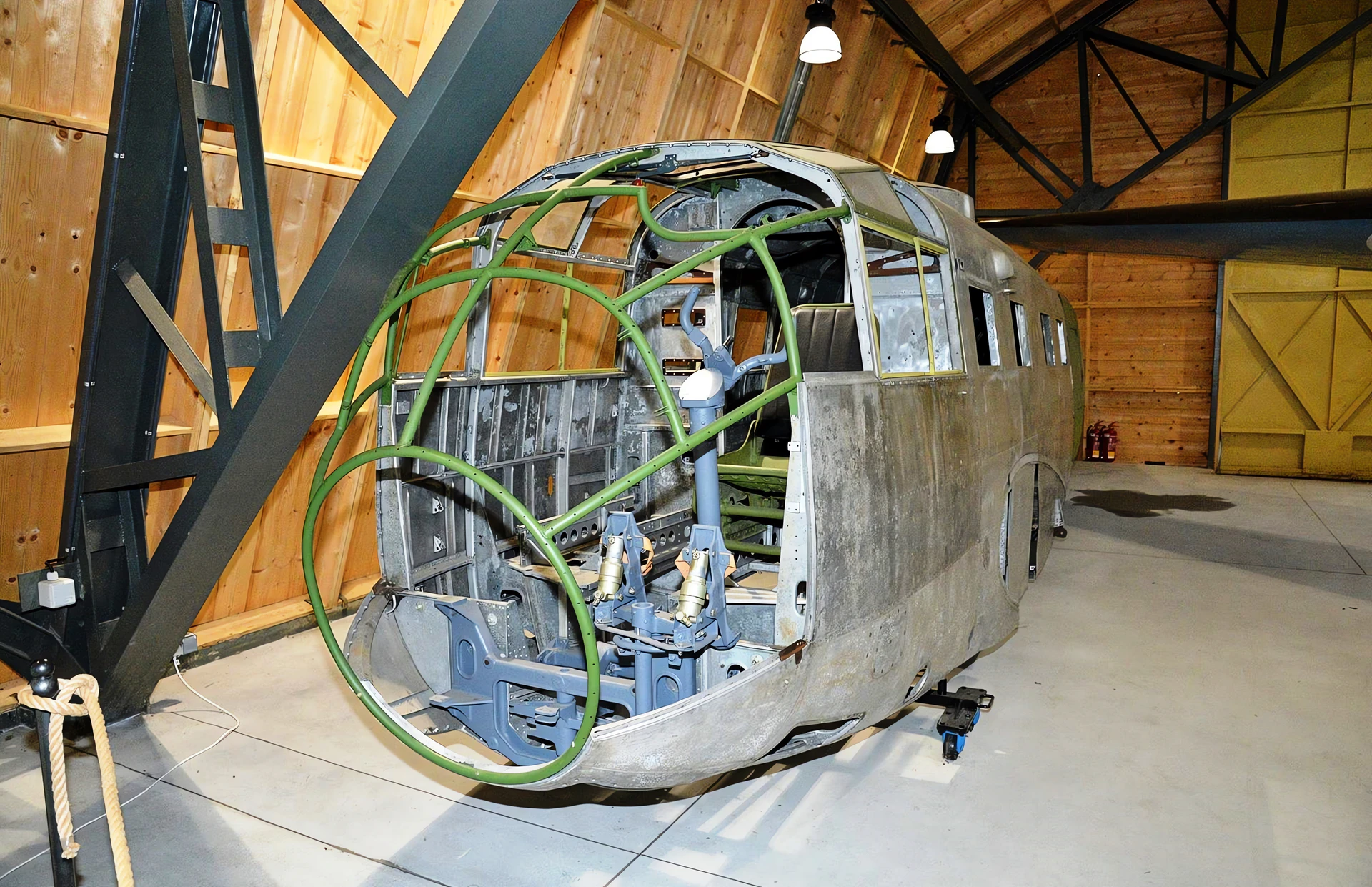
- Cockpit: The C-3A trainer variant had dual controls and a “stepped” cockpit canopy similar to the original Si 204, providing good visibility for both pilot and instructor.
Performance and Service
- Maximum Speed: Up to 359 km/h (223 mph, 194 knots).
- Max Cruise Speed: 319 km/h (198 mph, 172 knots).
- Service Ceiling: 7,500 m (24,606 ft).
- Range: Approximately 1,600 km (994 mi, 864 nmi).
- varianten:
- C-3A: Trainer version with dual controls (the subject of this request).
- C-3B: Bombardier training version, equipped with a bomb sight and a defensive machine gun turret.
- C-103: Civilian passenger transport variant.
- Other Uses: C-3 aircraft were also used for non-military purposes, including fighting forest pests and crushing ice on the Danube River.
Aufrufe : 1385
Sie können auch sehen:
 Fokker D.VII – Fotos & Video
 McDonnell F3H Demon – Fotos & Video
 McDonnell Douglas KC-10 Extender – Fotos & Video
 McDonnell FH Phantom – Fotos & Video
 C-130J Hercules – Fotos und Videos
 Macchi MC-200 – WalkAround
 PZL P.11 – WalkAround
 P-51 Mustang vol2 – Walk Around
 Bell P-63E KingCobra – WalkAround
 Vought F4U Corsair – WalkAround