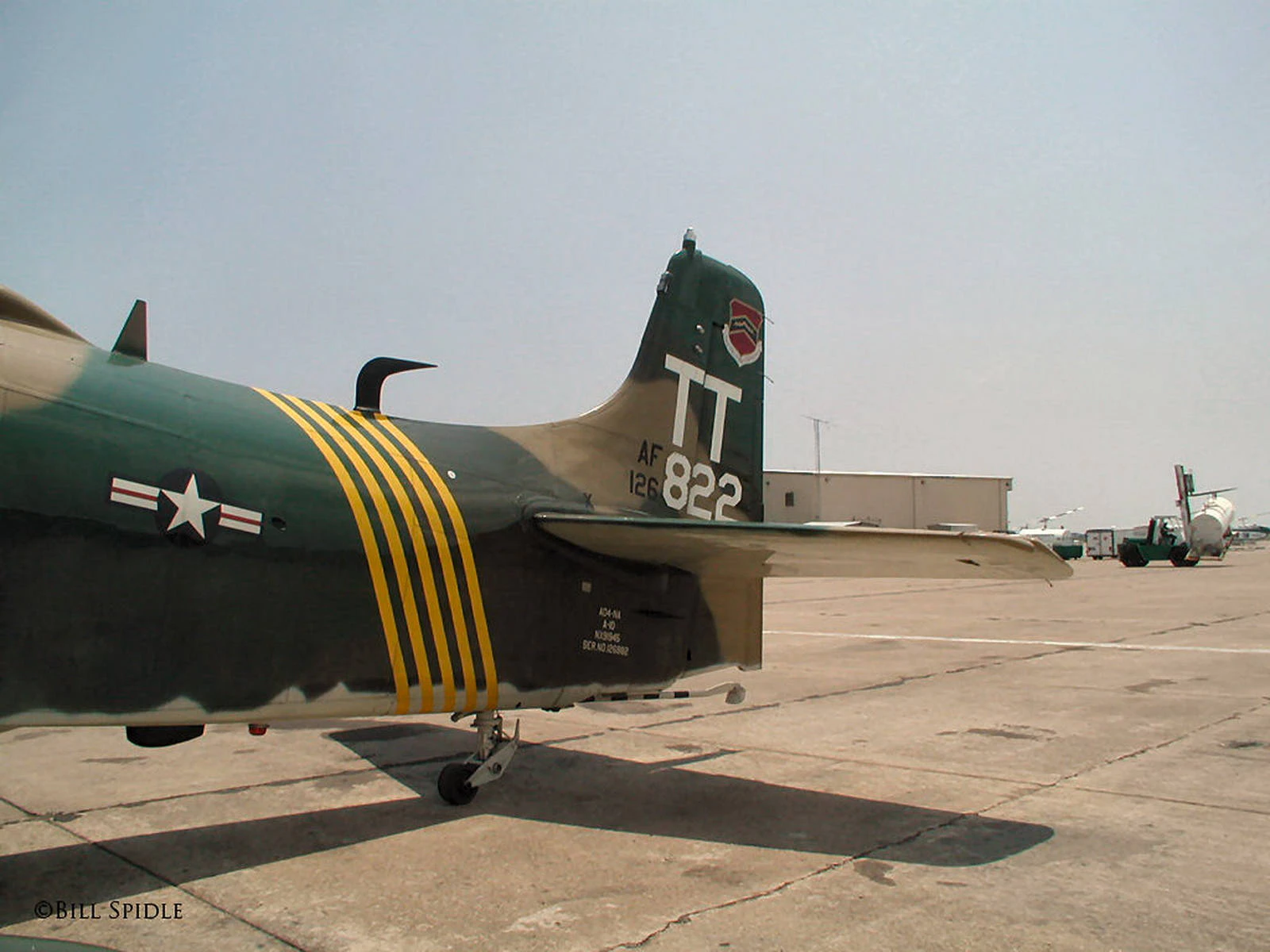
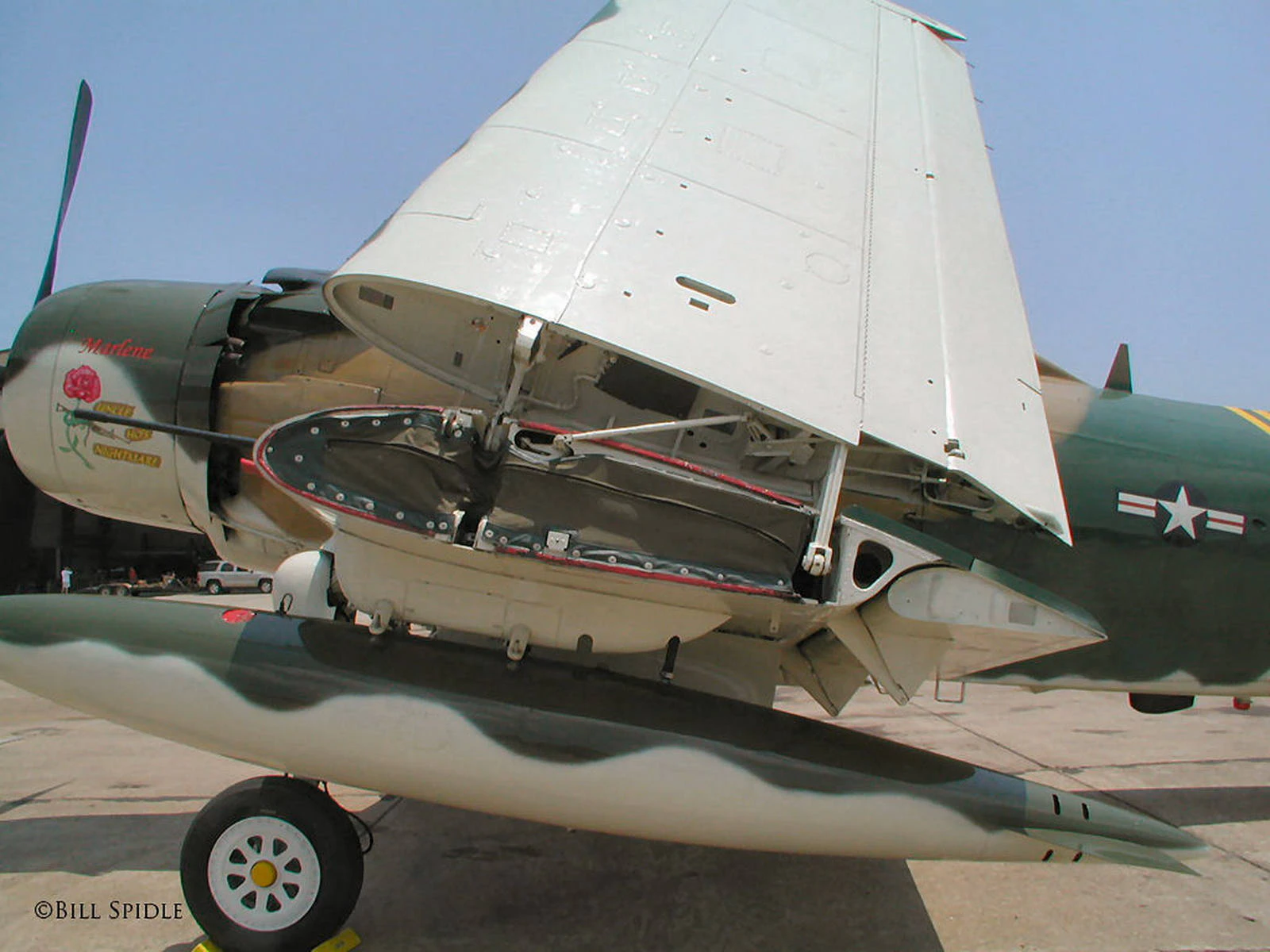
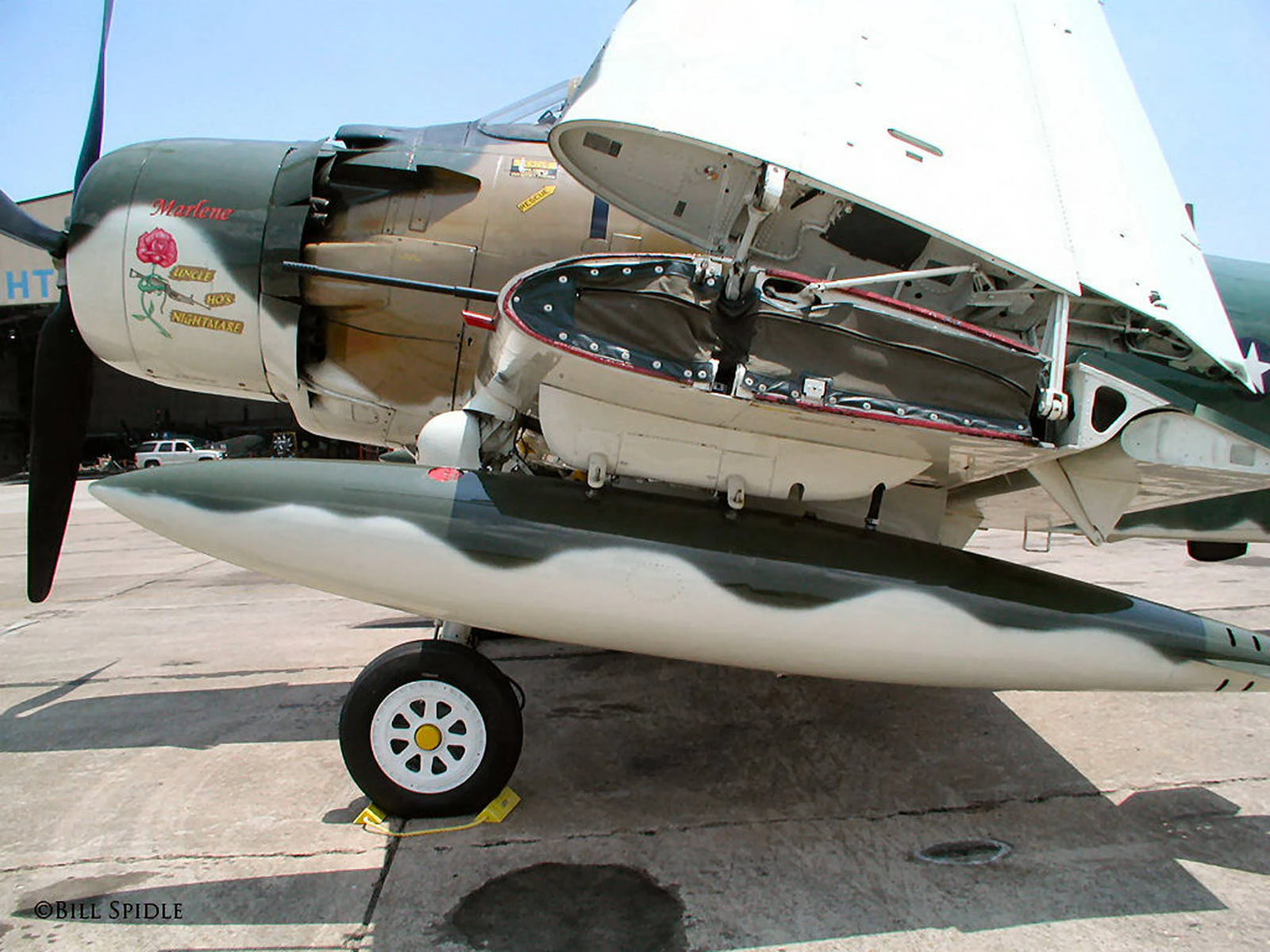
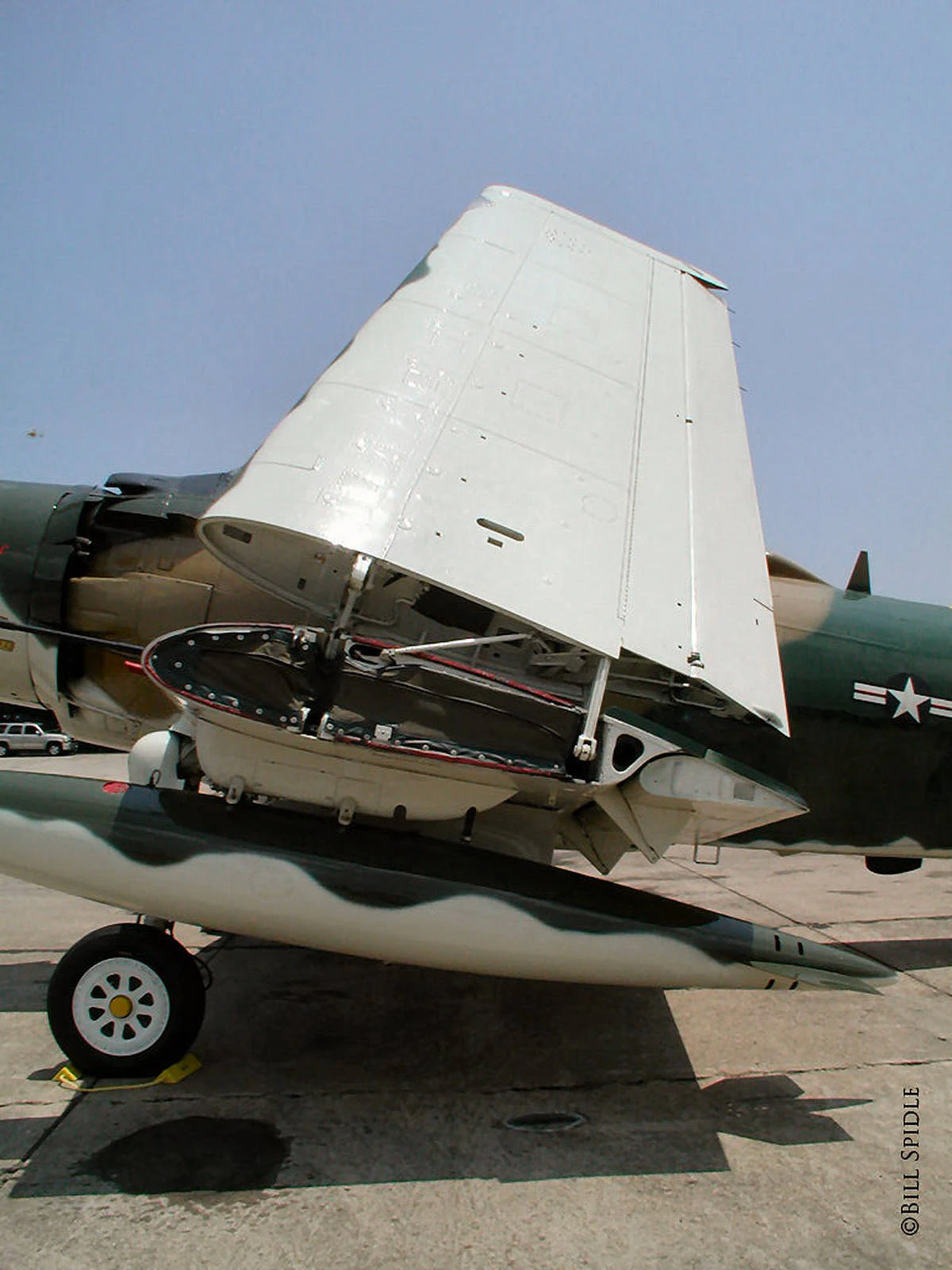
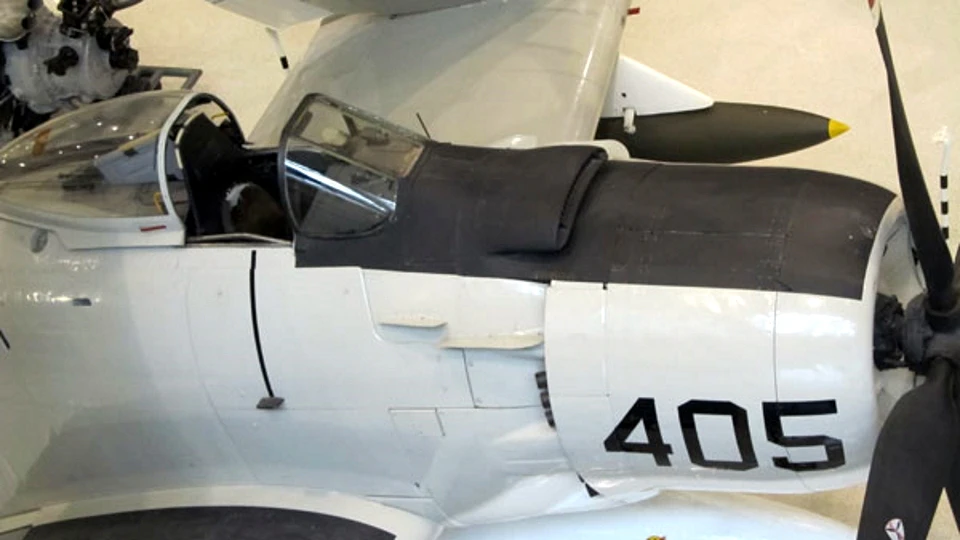
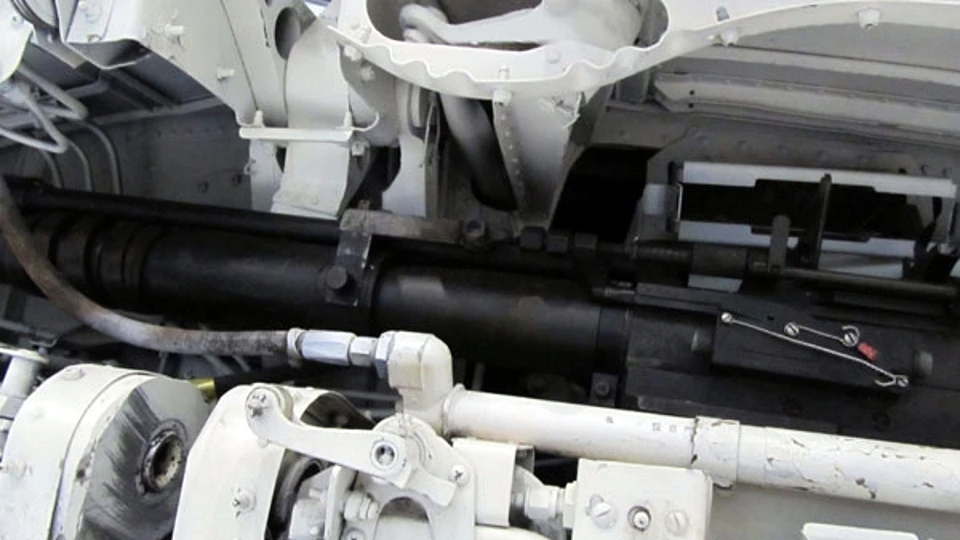
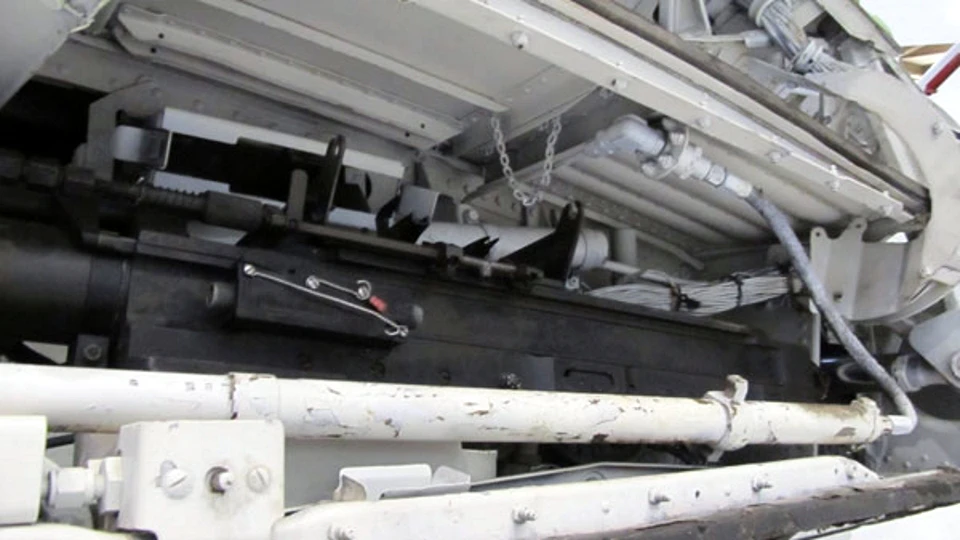
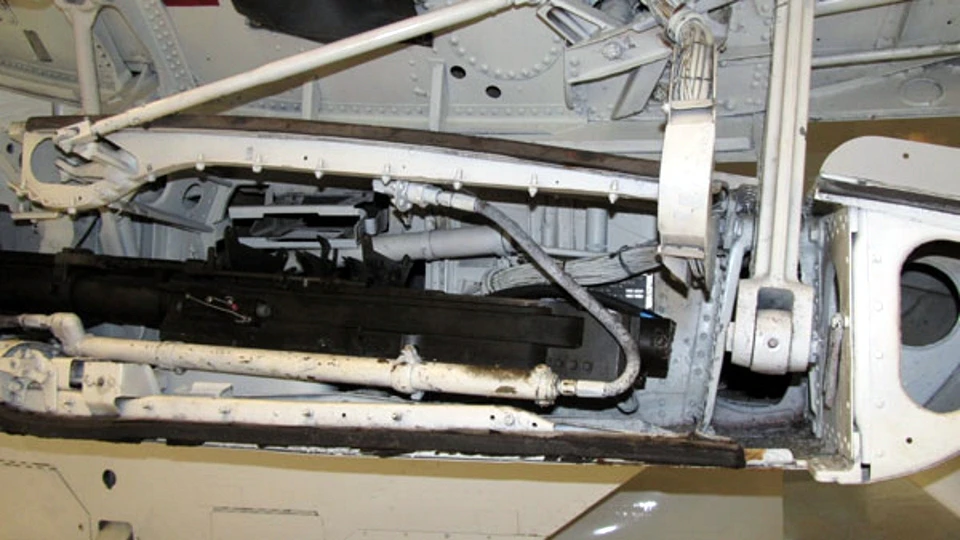
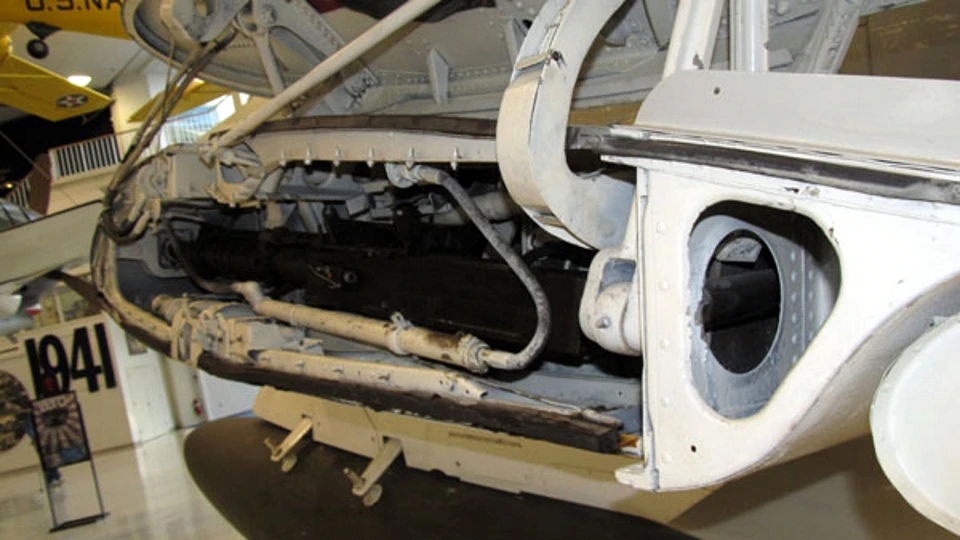
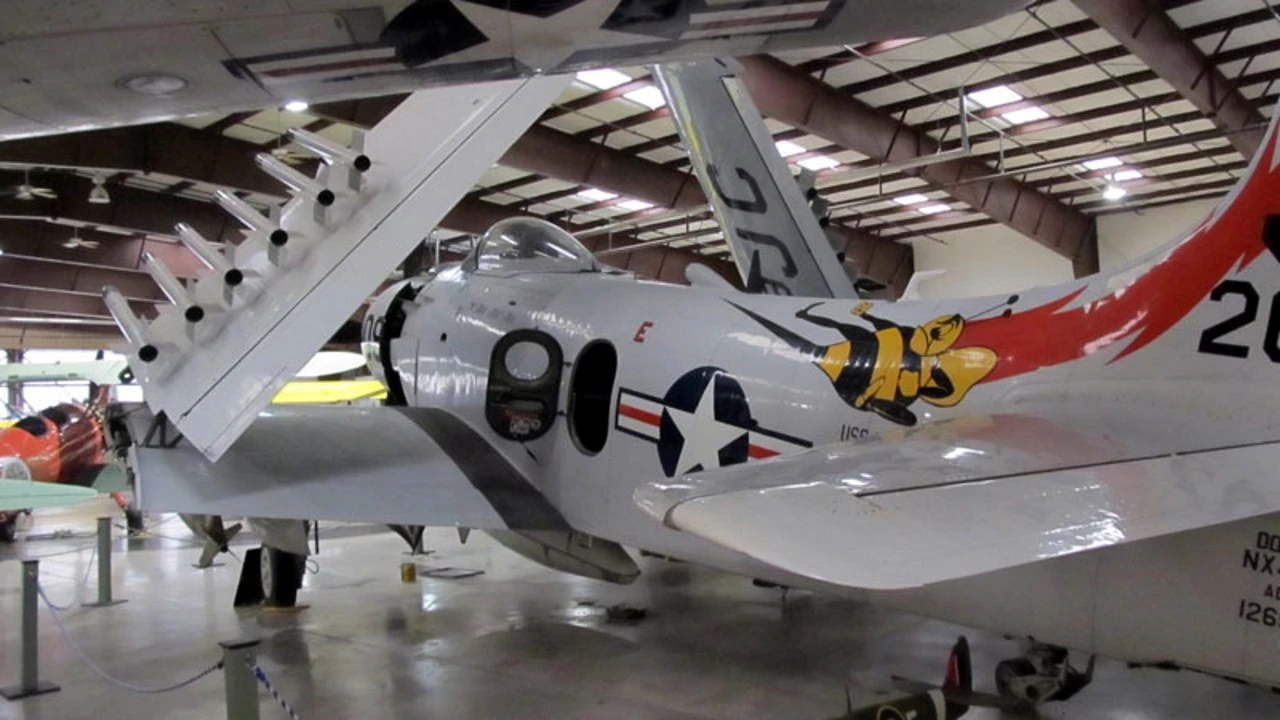
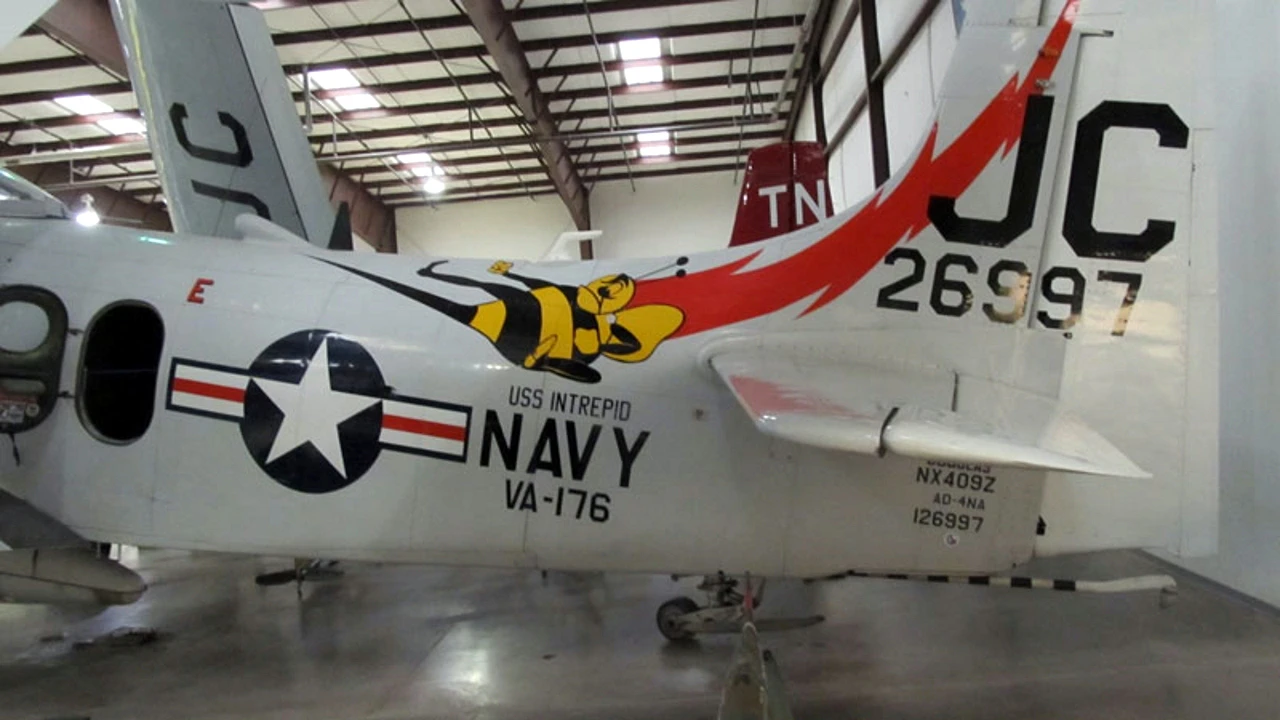
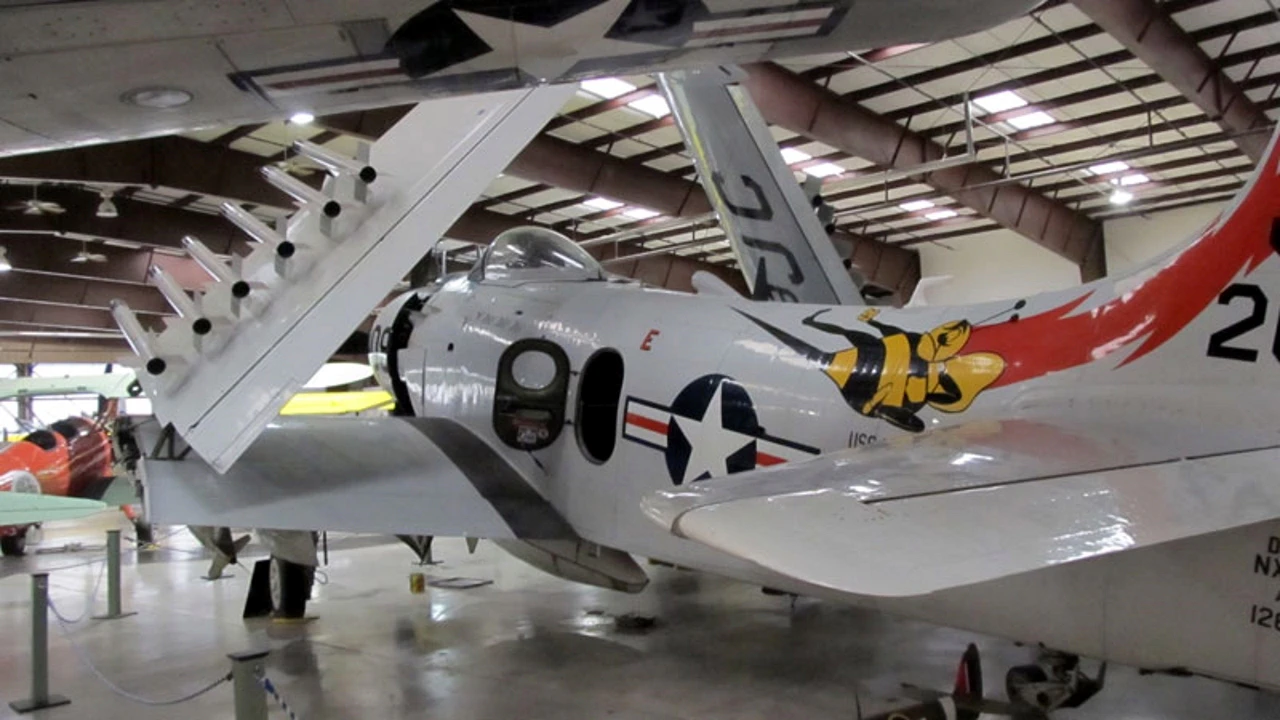
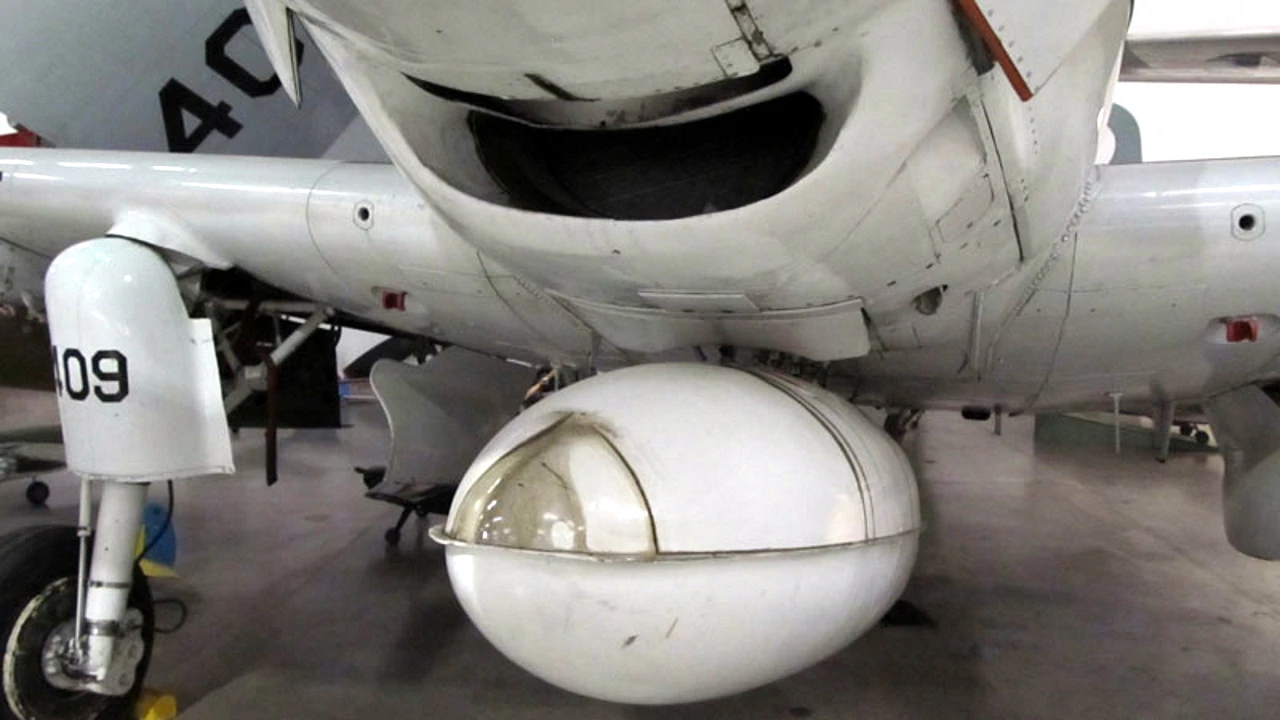
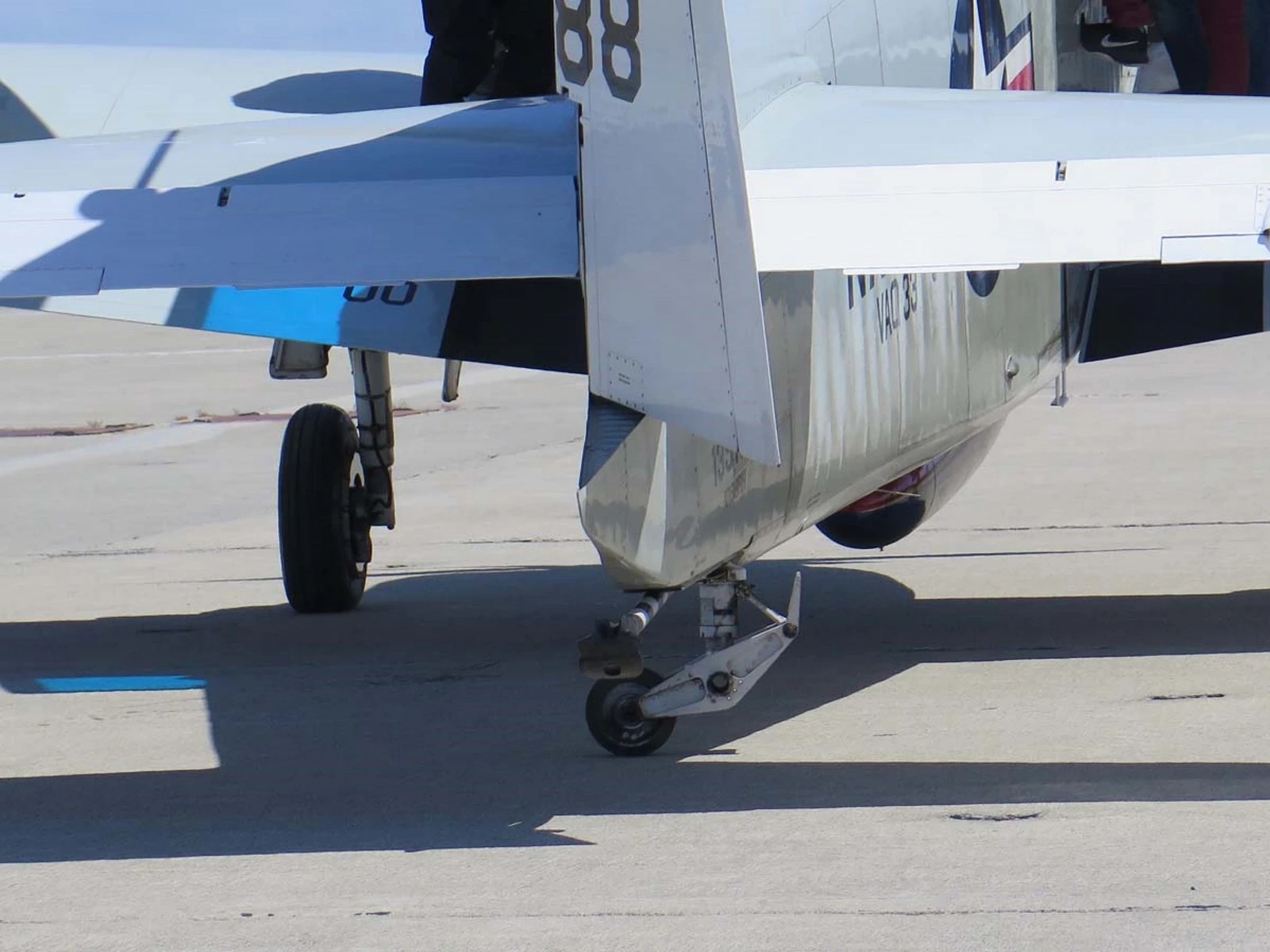
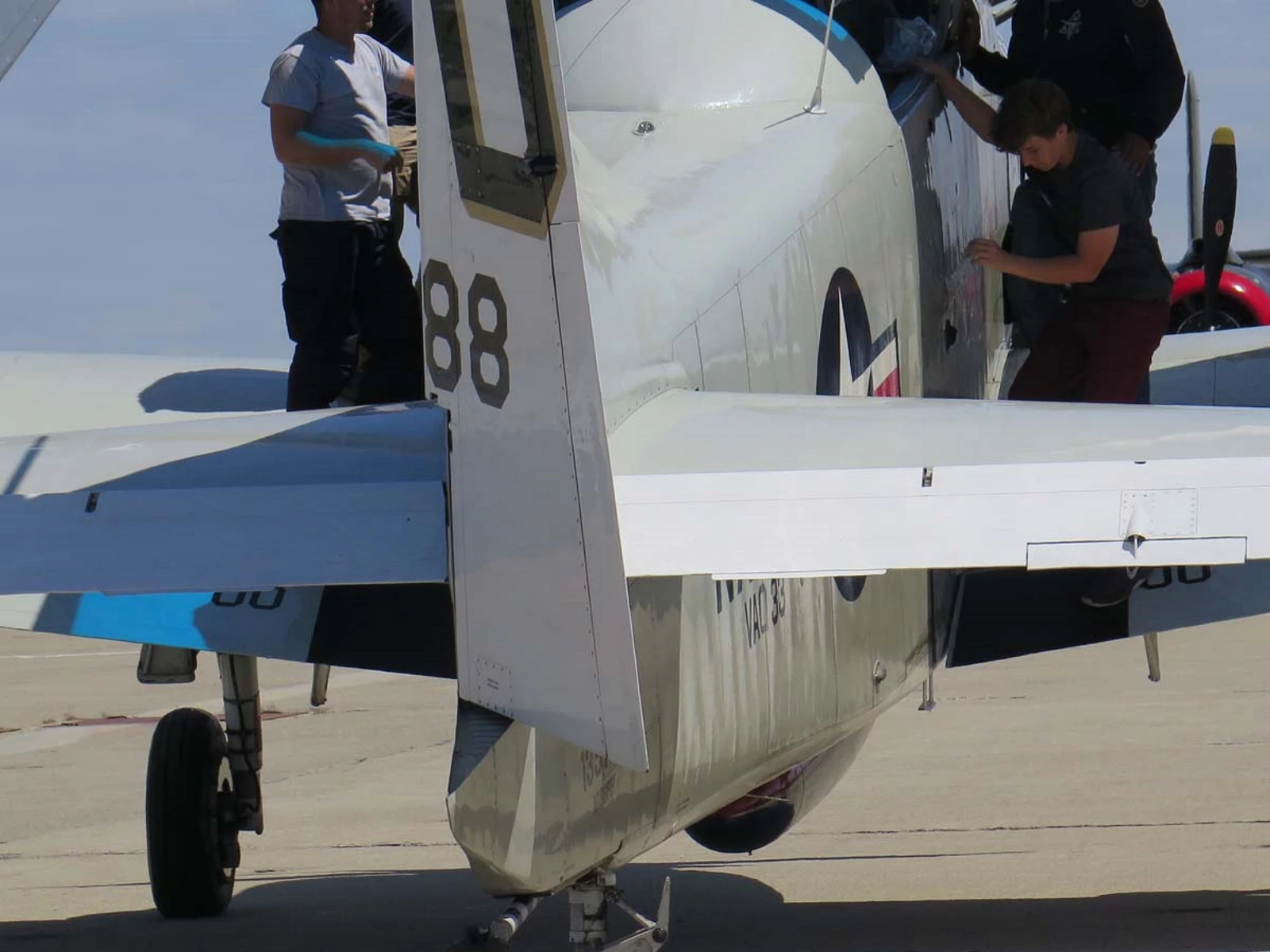
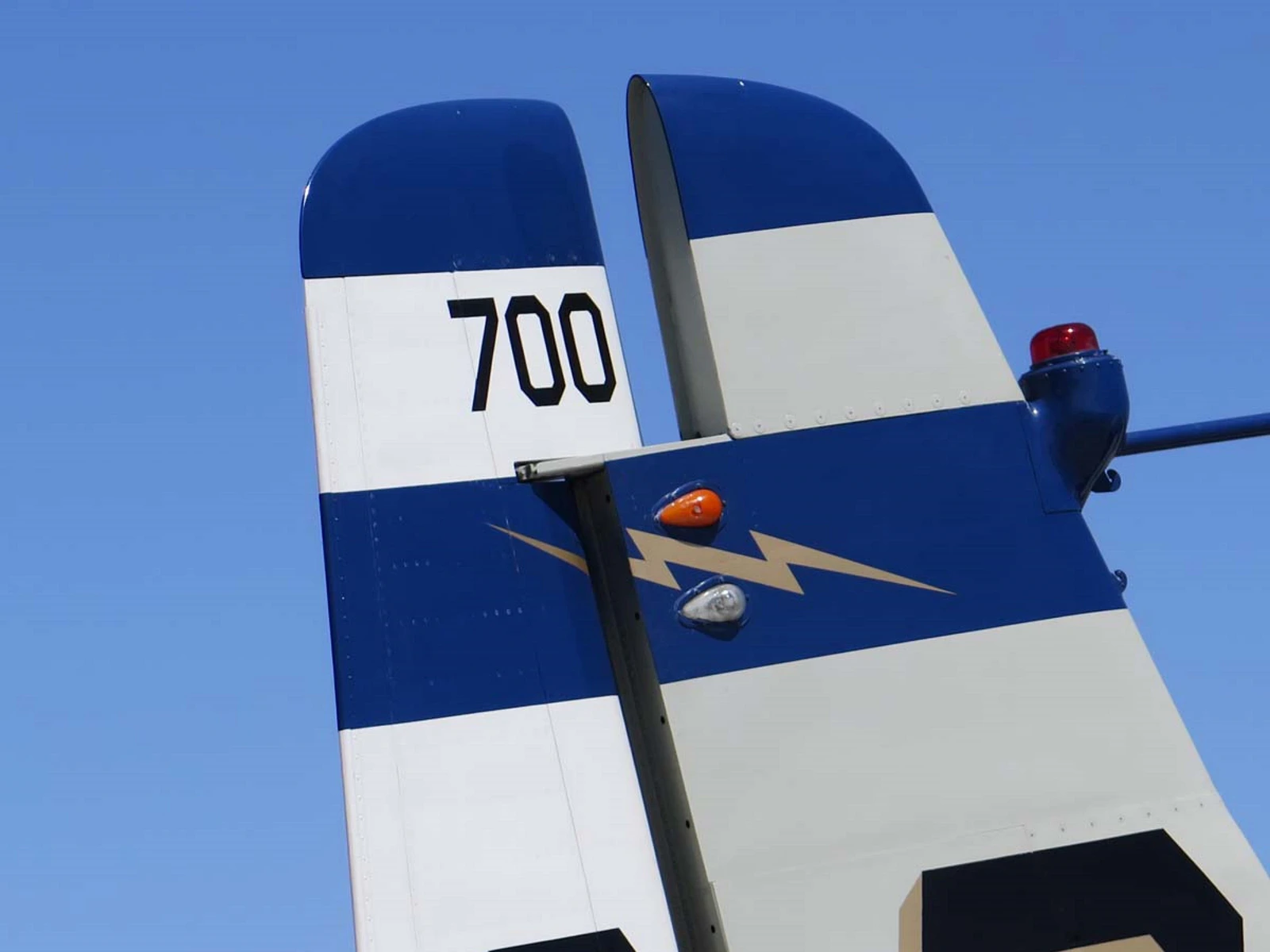
das Douglas A-1 Skyraider(formerly AD) is an American single-seat attack aircraft that saw service between the late 1940s and early 1980s. The Skyraider had a remarkably long and successful career; it became a piston-powered, propeller-driven anachronism in the jet age, and was nicknamed “Spad”, after the French World War I fighter.
It was operated by the United States Navy (USN), the United States Marine Corps (USMC), and the United States Air Force (USAF), and also saw service with the British Royal Navy, the French Air Force, the Republic of Vietnam Air Force (VNAF), and others. It remained in U.S. service until the early 1970s, and was replaced in the U.S. by the Fairchild-Republic A-10 Thunderbolt II.
das Douglas A-1 Skyraider(originally AD Skyraider) was a legendary American piston-engined attack aircraft that defied the dawn of the jet age. Designed at the tail end of World War II by Ed Heinemann, the Skyraider was a rugged, single-seat powerhouse built to deliver devastating payloads with surgical precision. Affectionately known by nicknames like “Spad” or “The Able Dog,” the Skyraider could carry a heavier weapon load than a B-17 Flying Fortress. Its astonishing loiter time and ability to absorb horrific amounts of ground fire made it the ultimate close air support and combat search and rescue (CSAR) asset through two major Cold War conflicts.
15 external hardpoints; up to 3,630 kg (8,000 lbs) of ordnance
Design Engineering: The Masterpiece of High-Capacity Piston Power
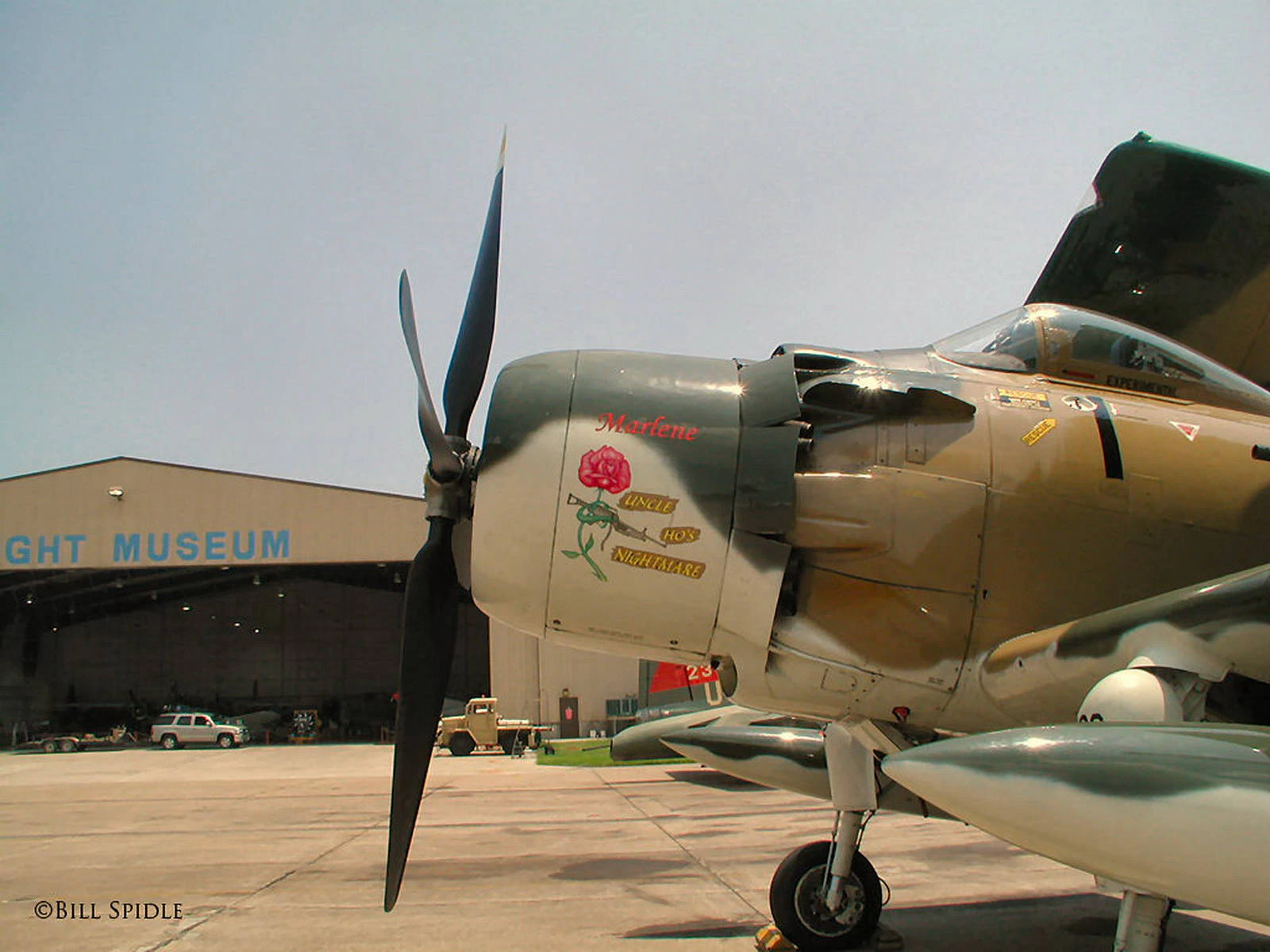
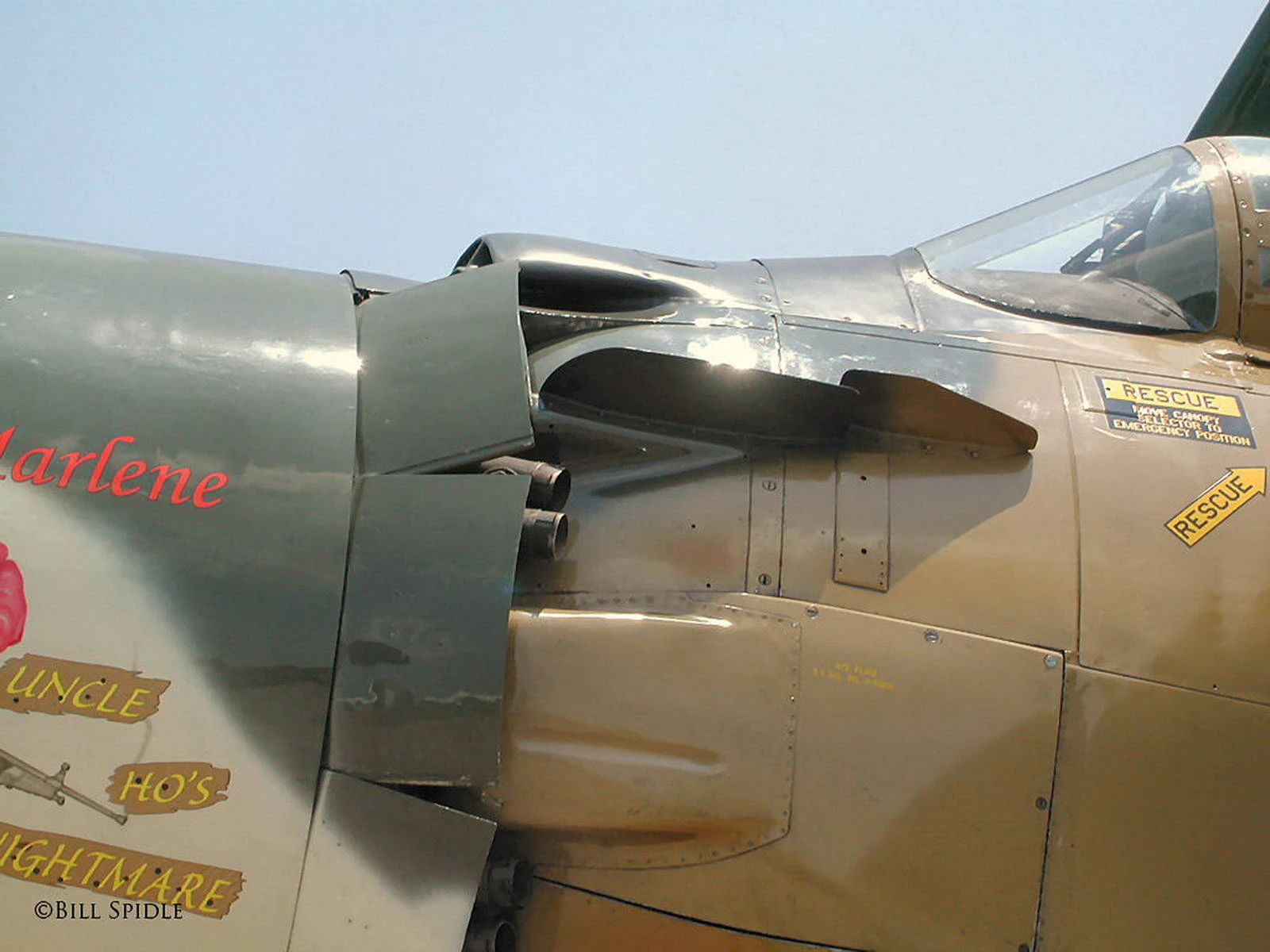
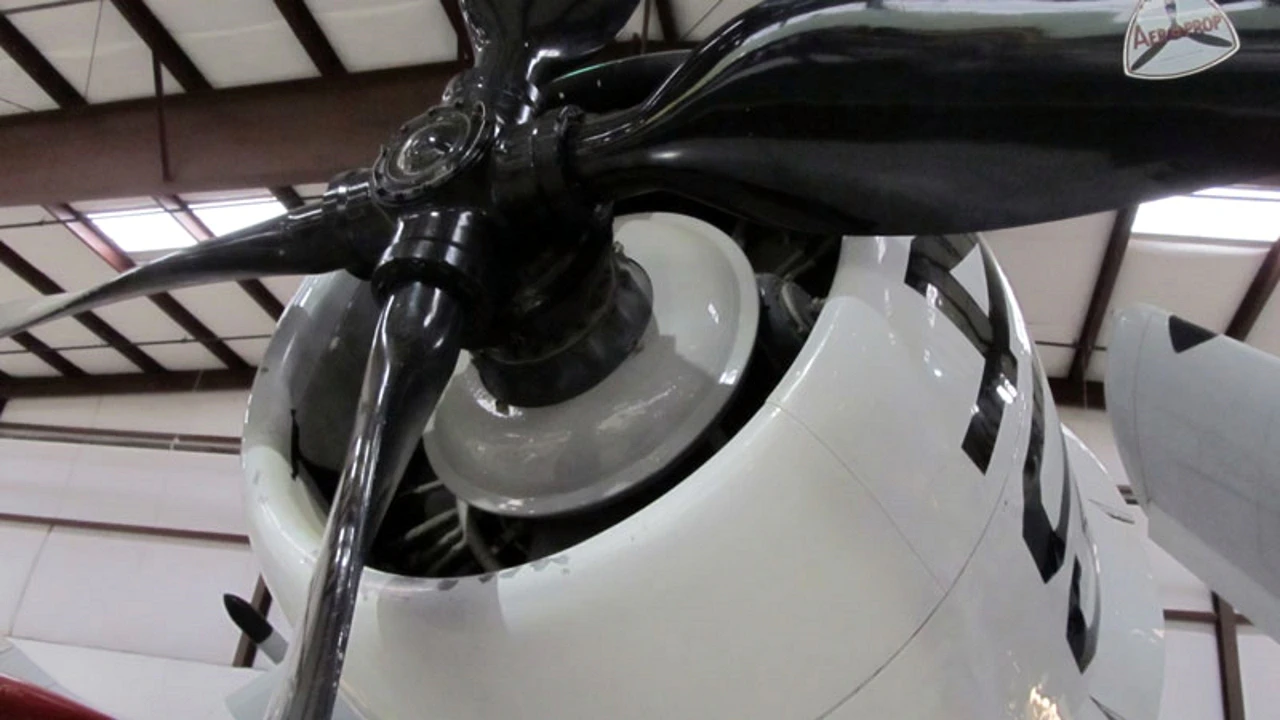
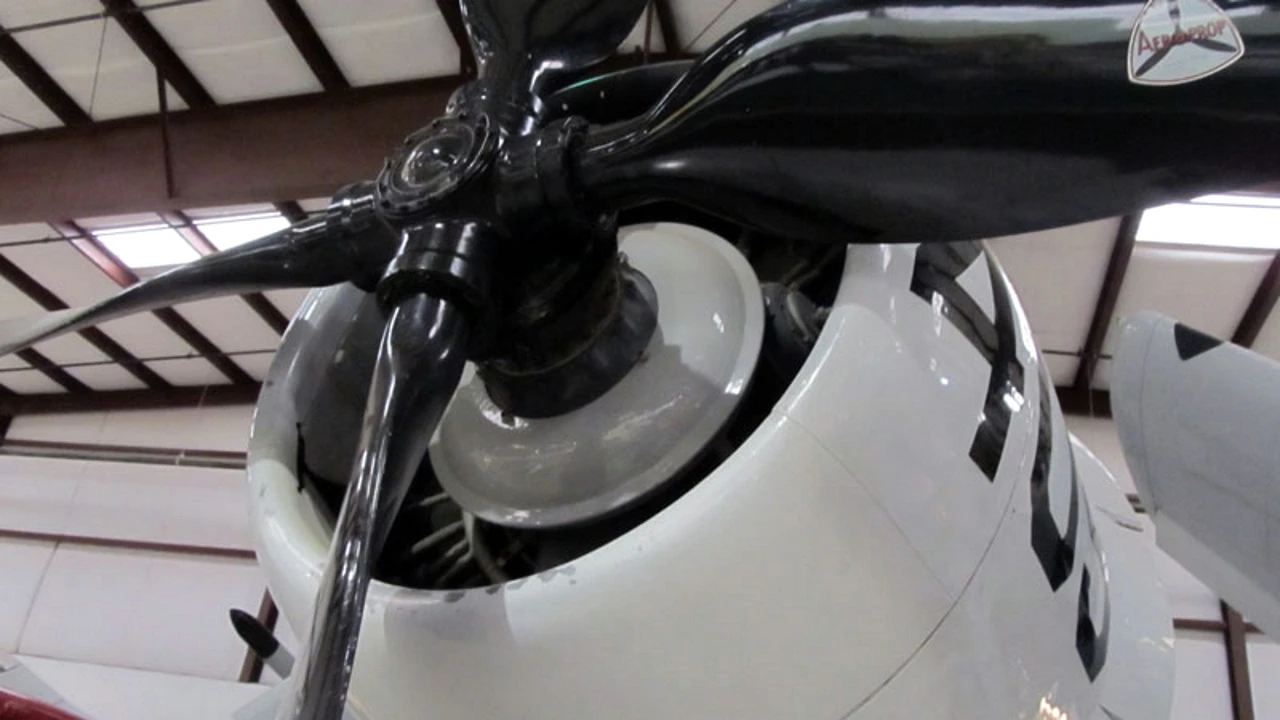
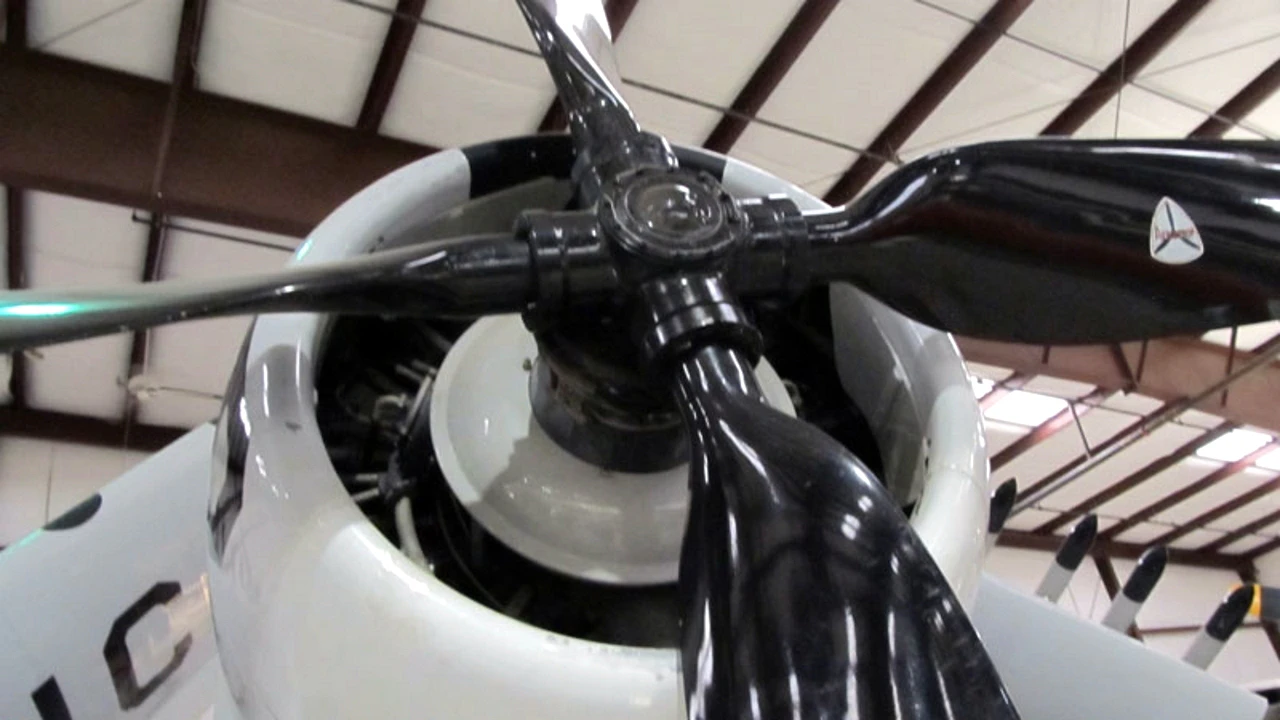
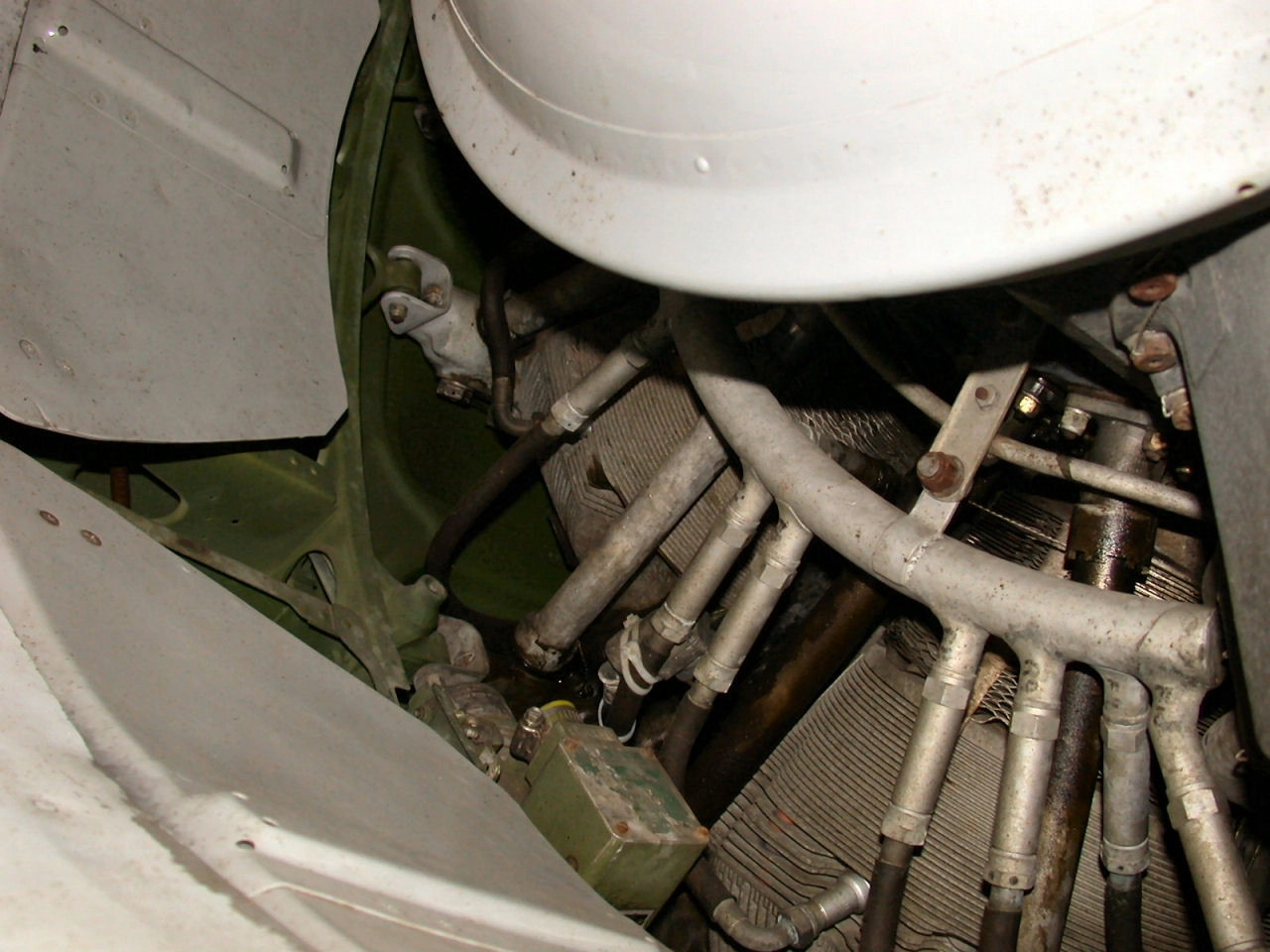
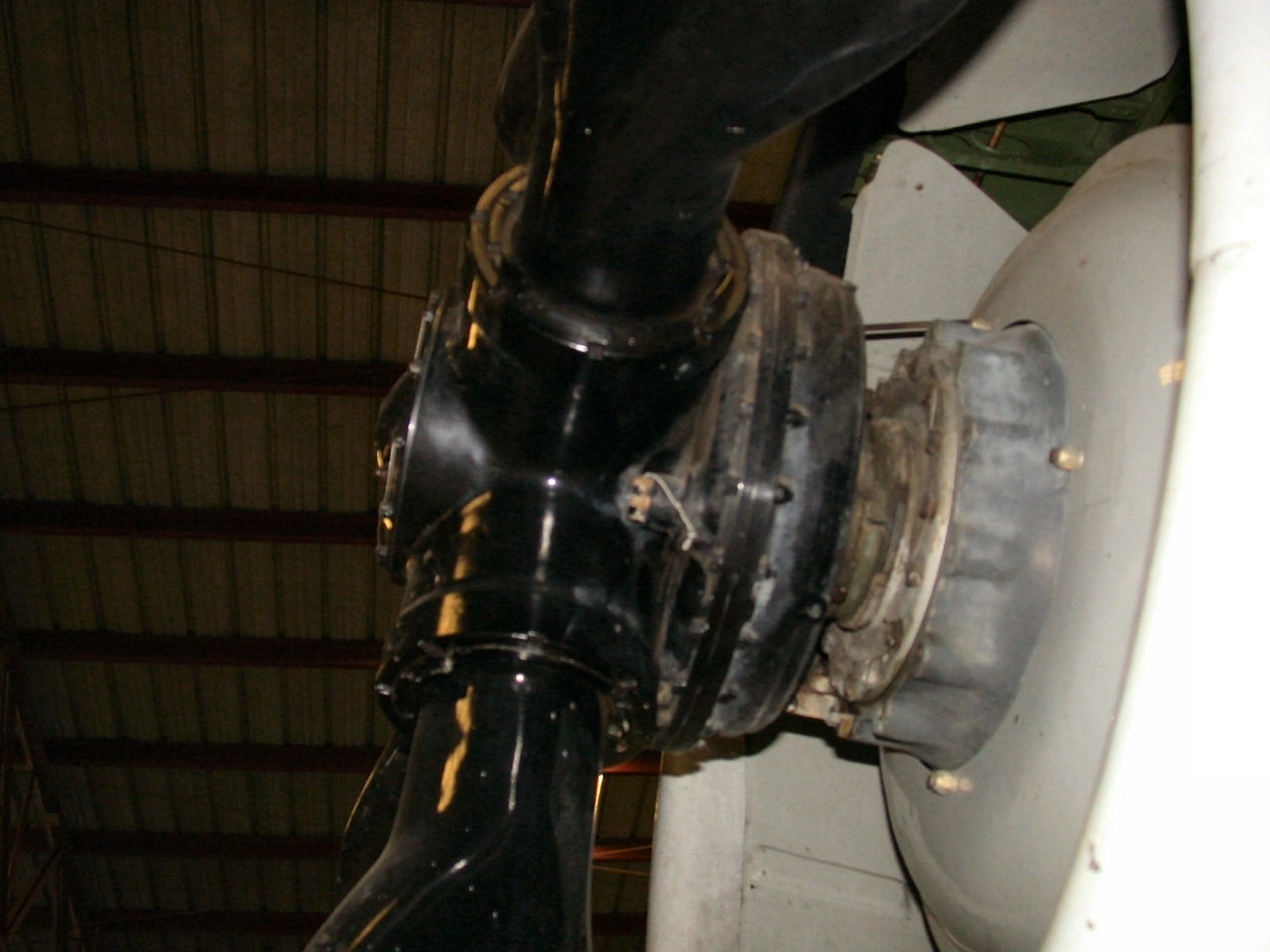
The Wright Duplex-Cyclone:Driving the Skyraider was a massive 2,700-horsepower radial engine spinning an enormous four-bladed propeller. This robust powerplant gave the aircraft incredible torque and acceleration, allowing it to lift heavily loaded off carrier decks without the aid of catapults under ideal wind conditions.
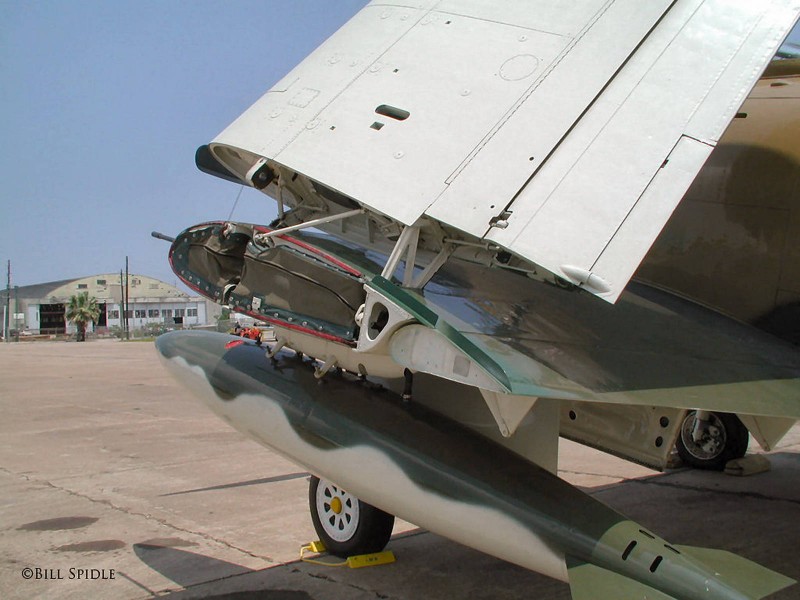
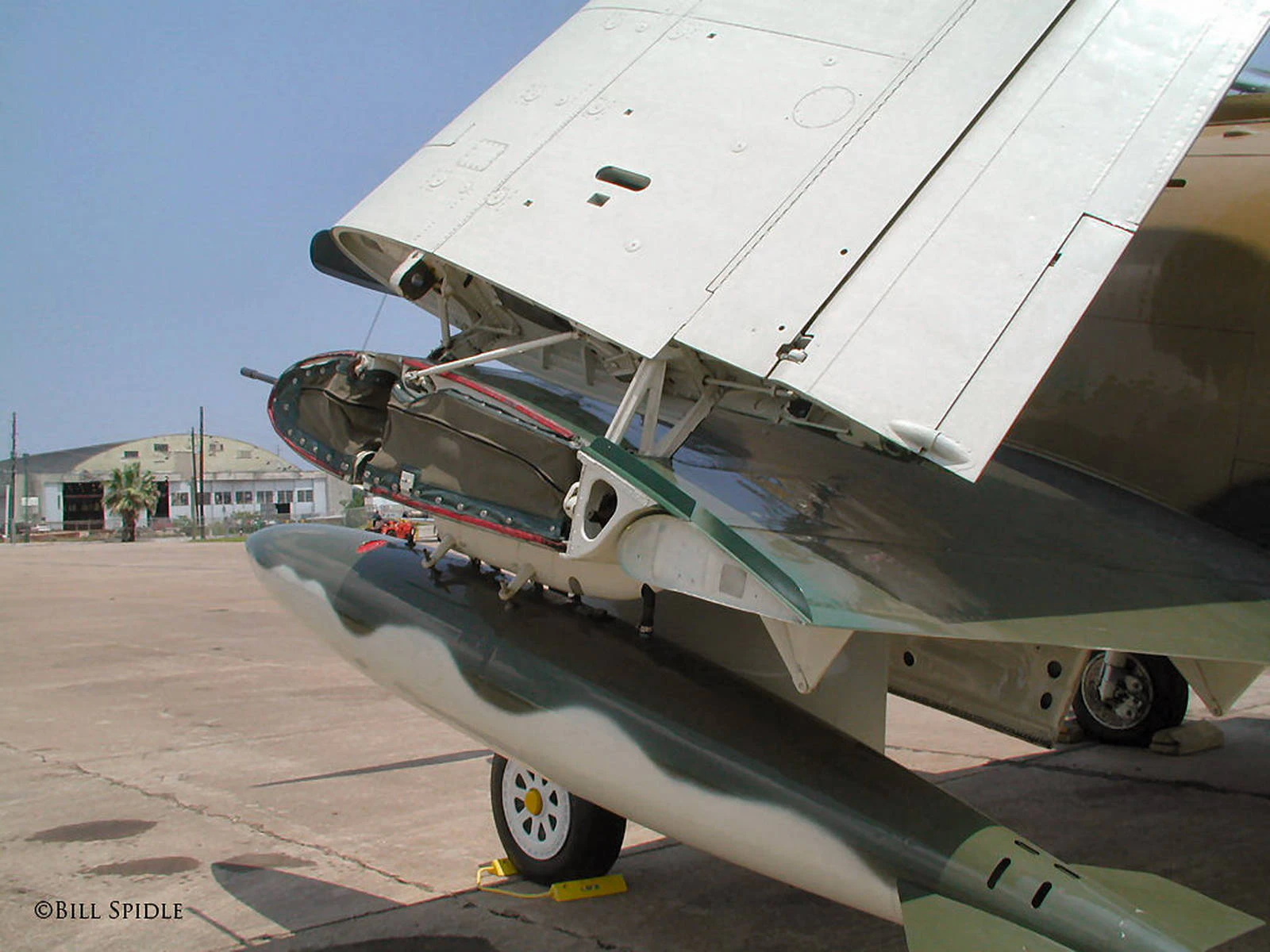
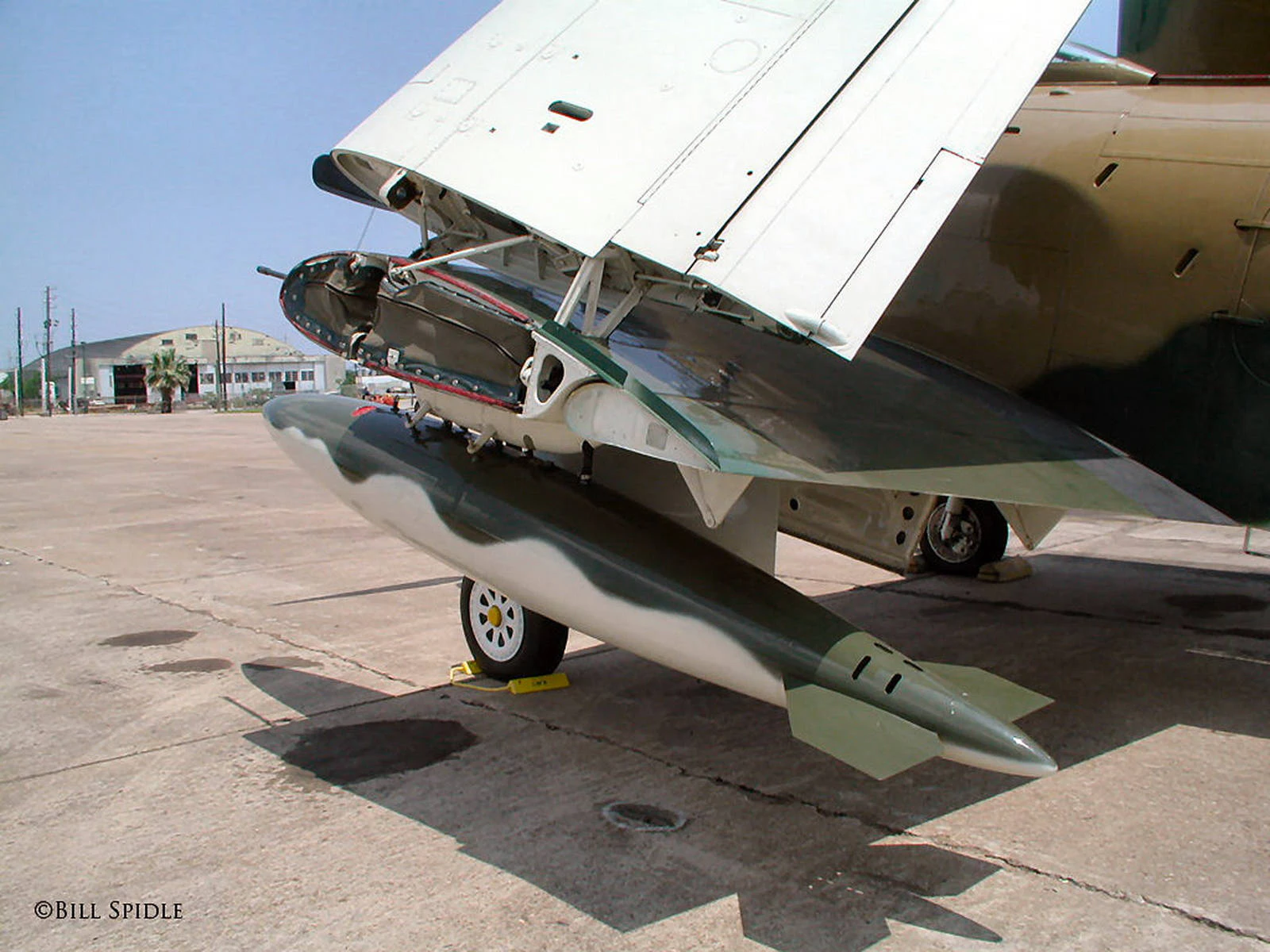
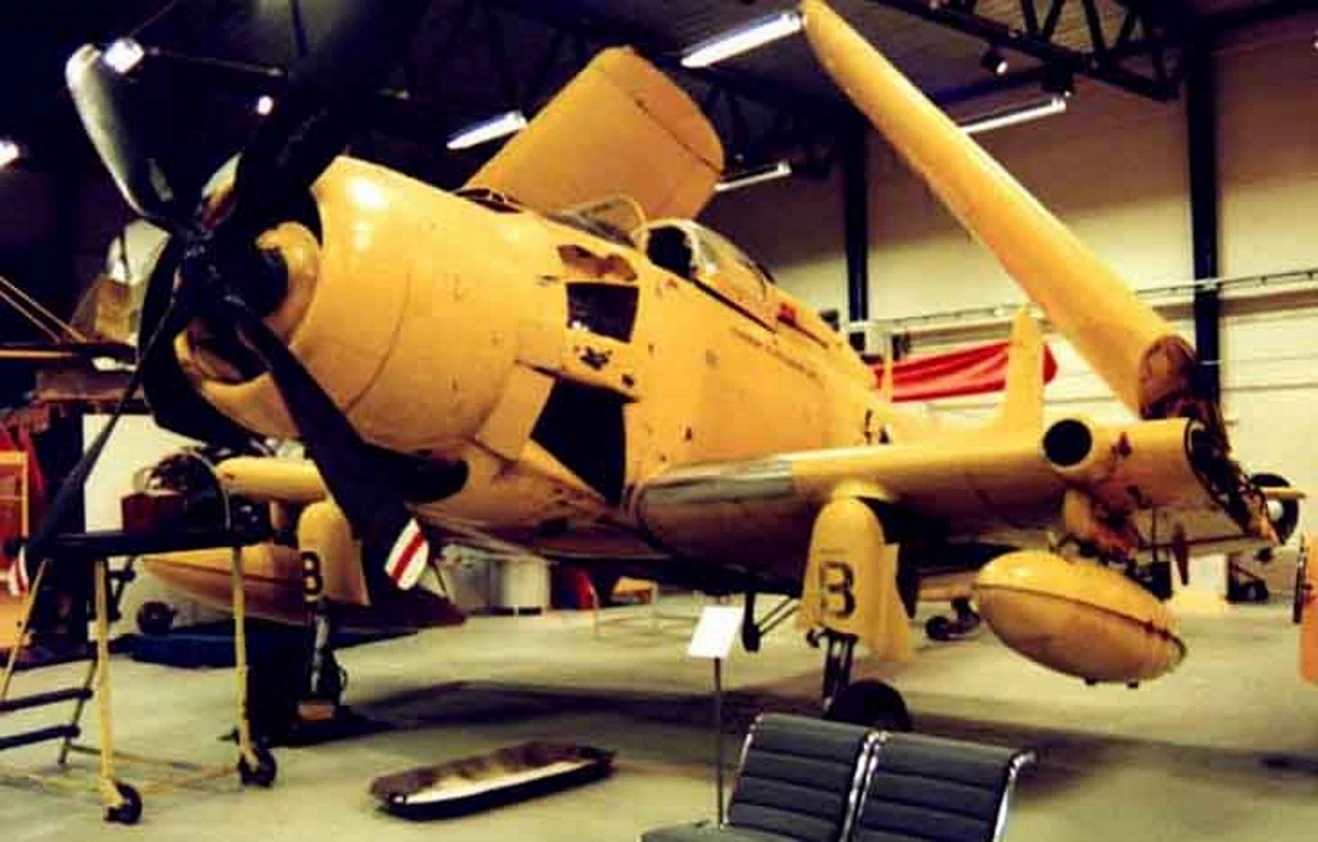
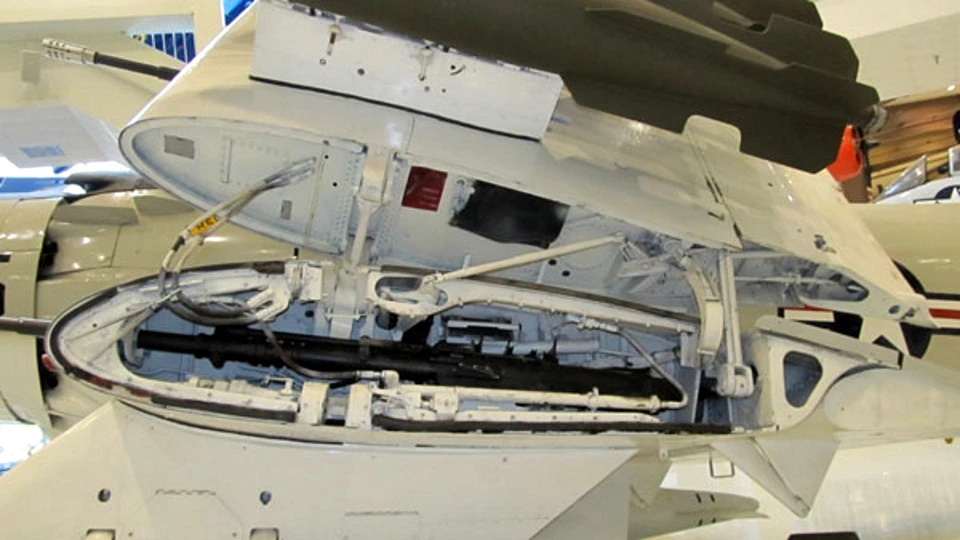
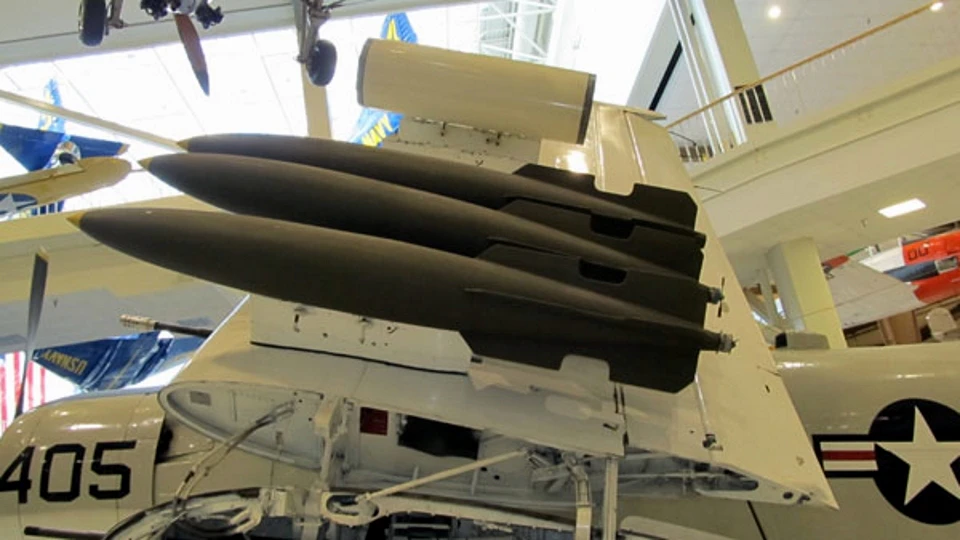
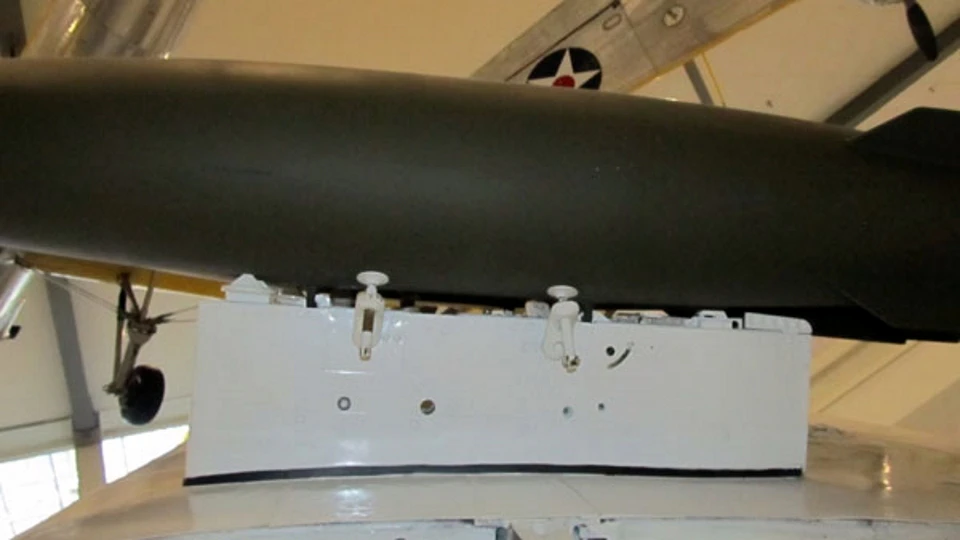
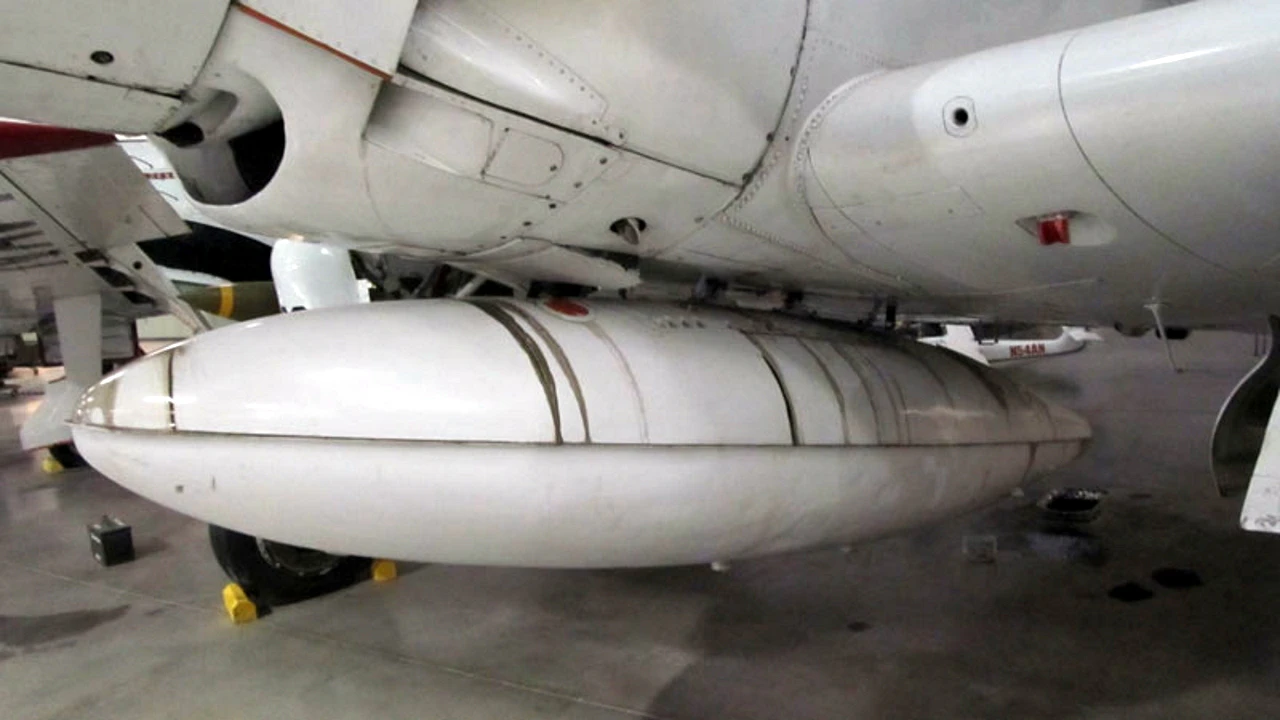
Abundant Wing Hardpoints:The Skyraider featured an exceptionally strong, straight wing design that housed a whopping 15 external store stations. This layout allowed armorers to mix and match an unprecedented array of bombs, napalm canisters, unguided rockets, torpedoes, and external fuel drop tanks.
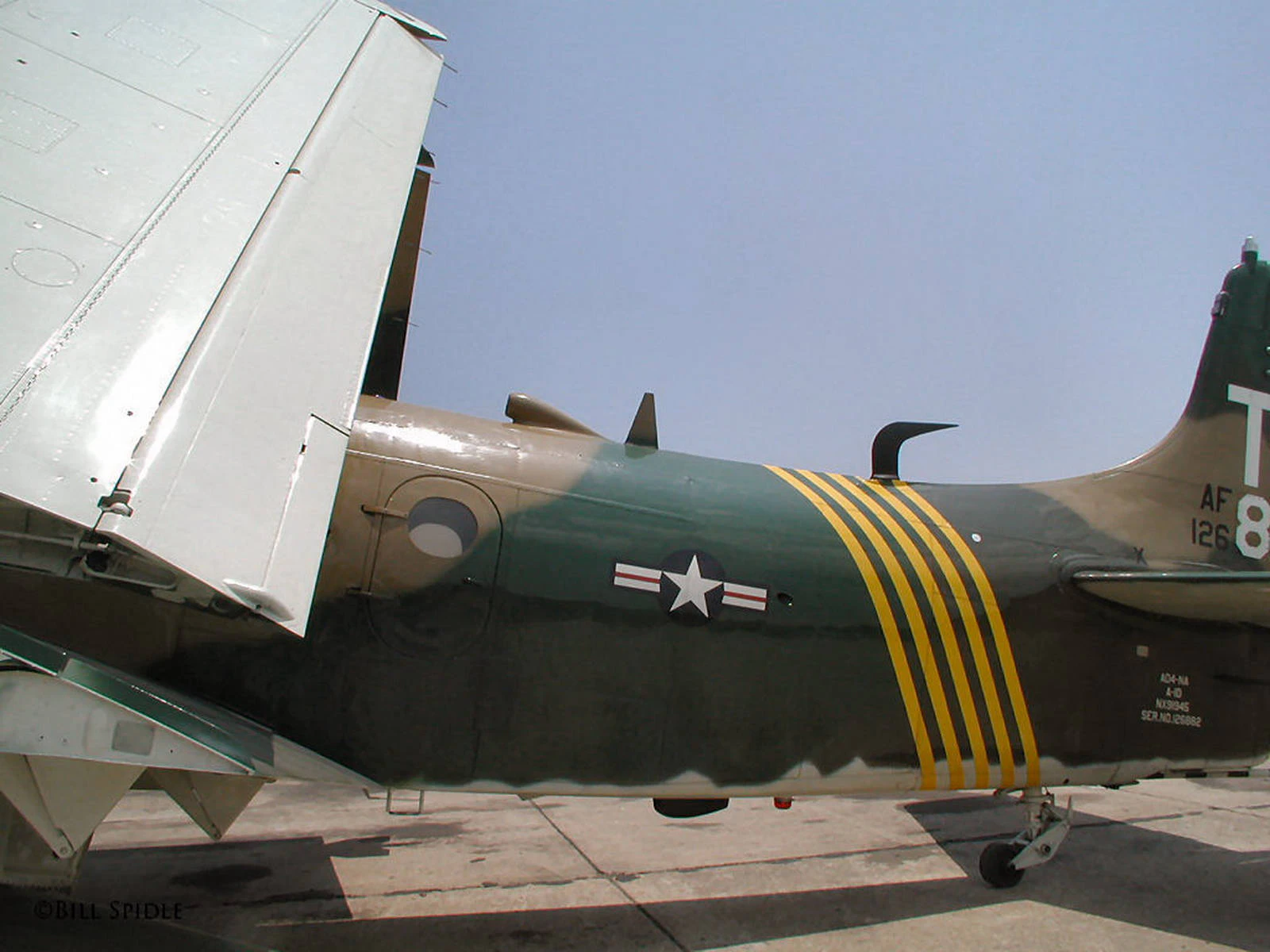
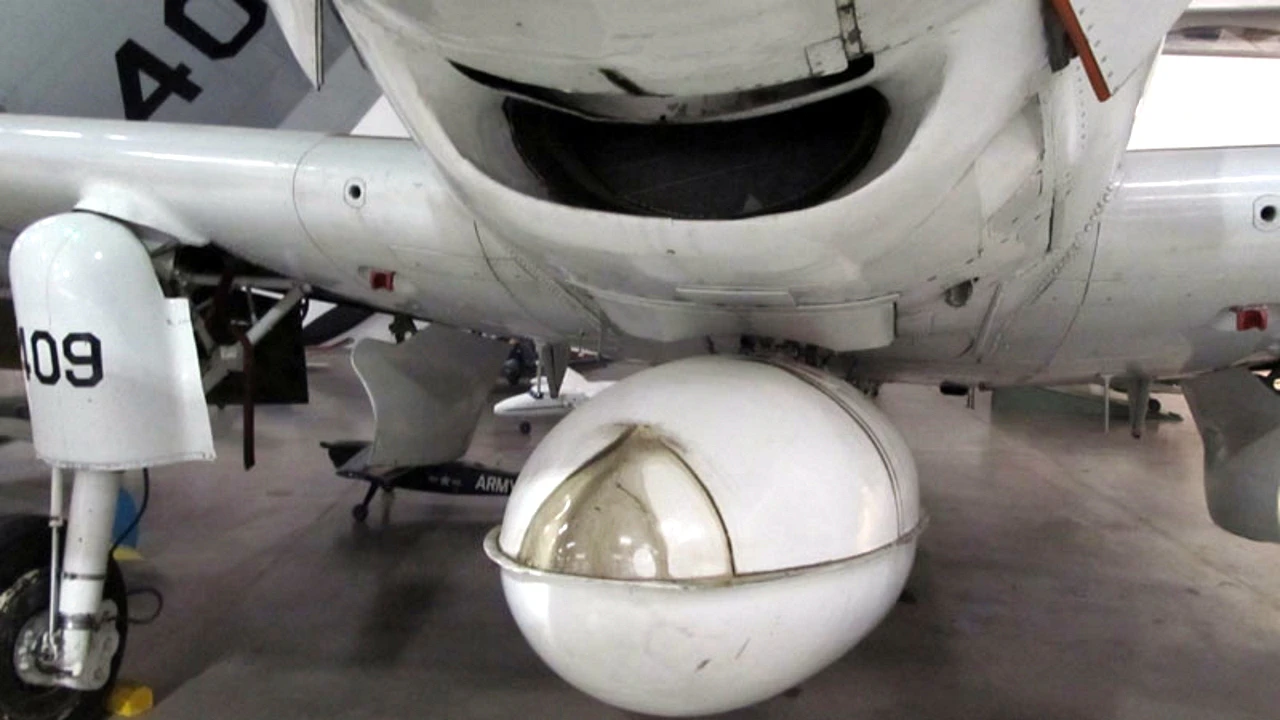
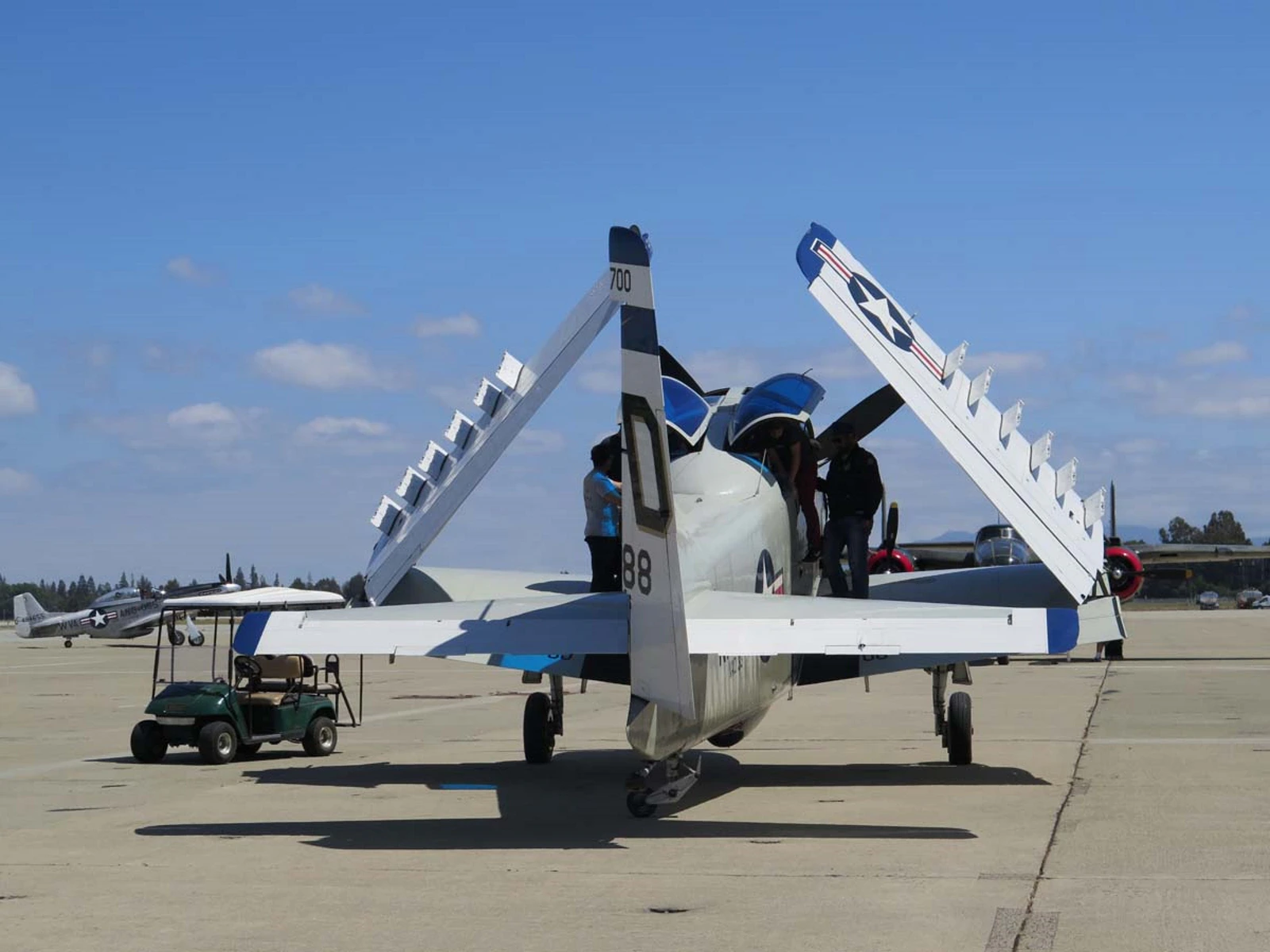
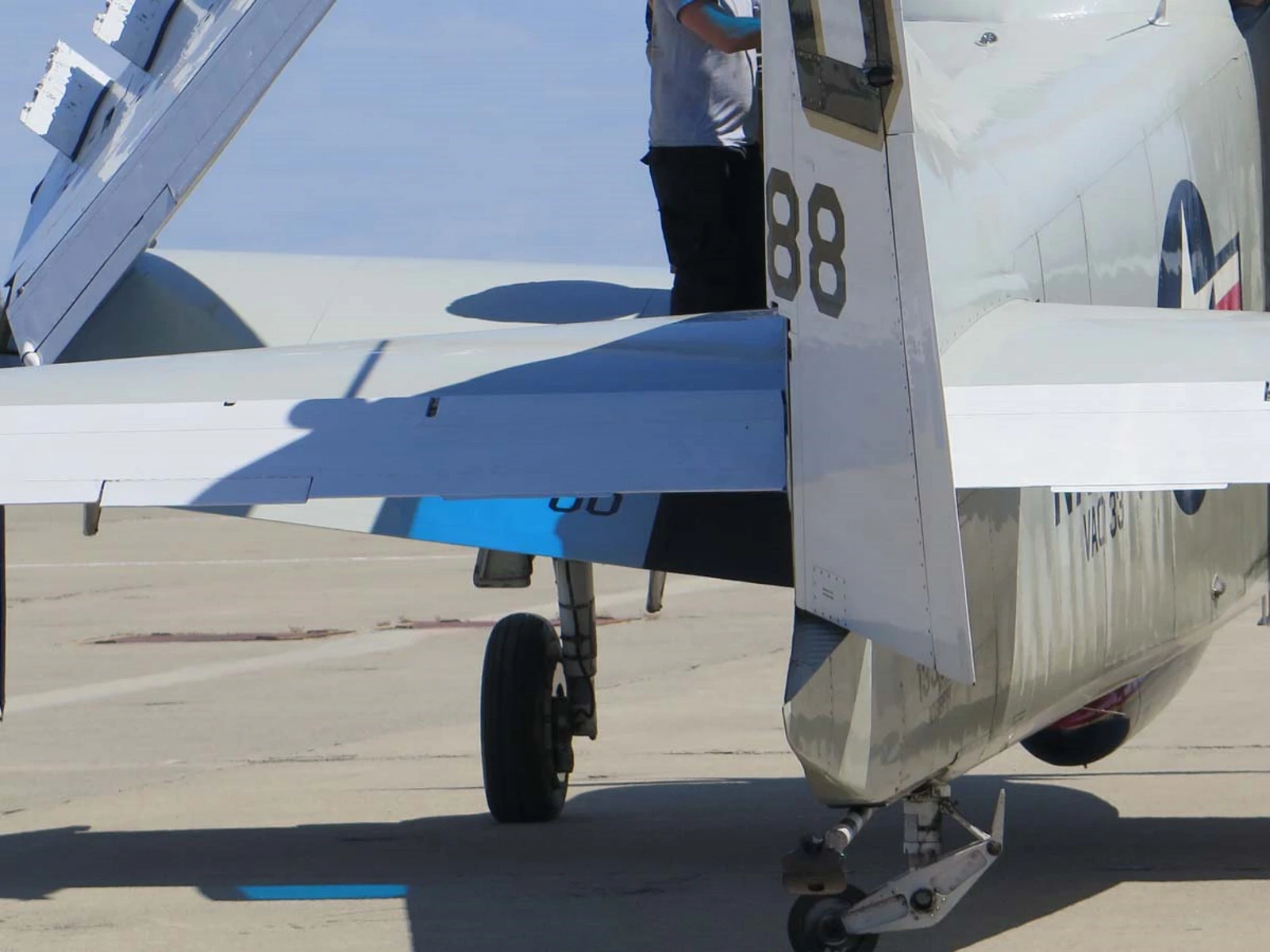
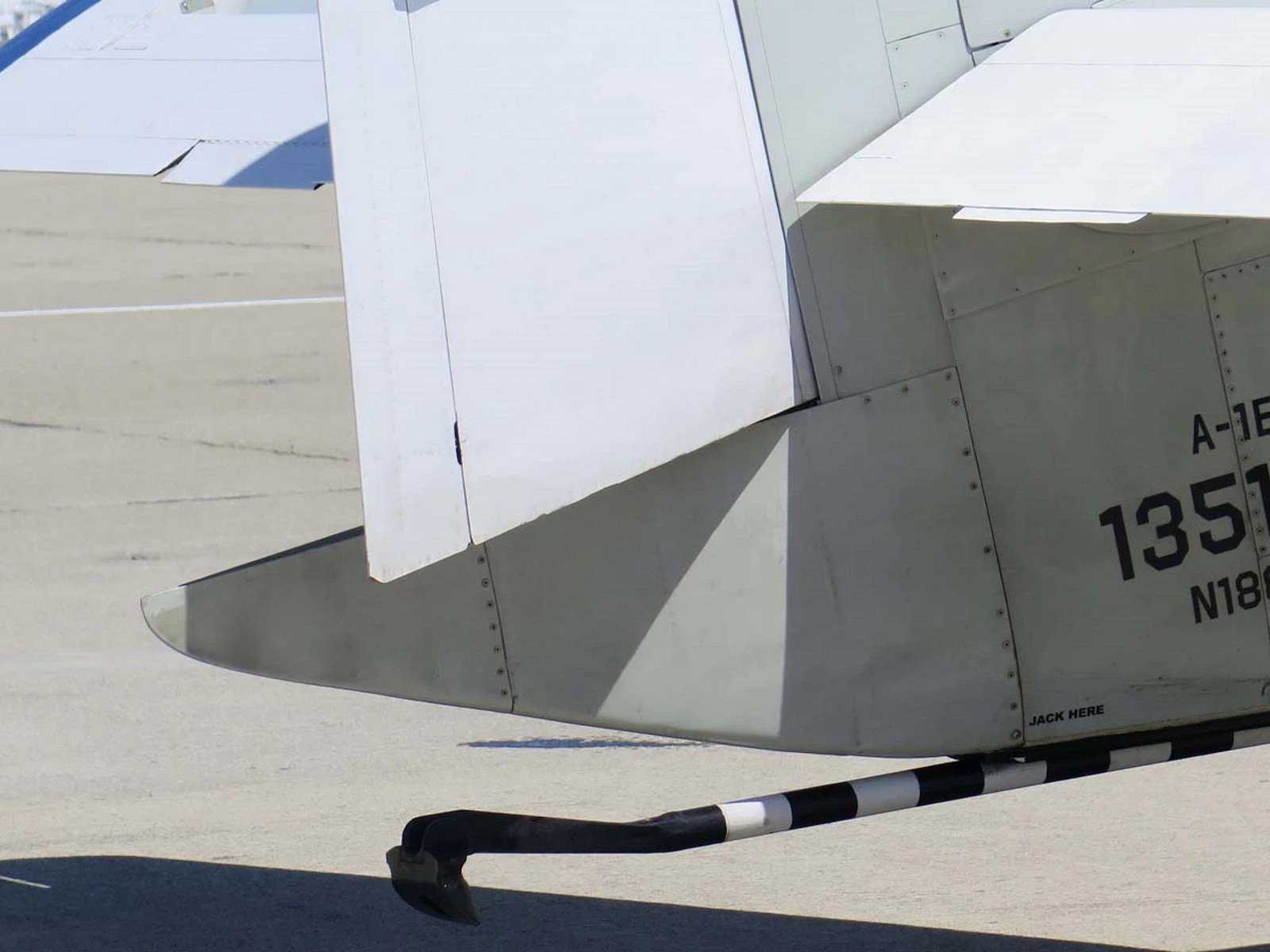
Fuselage Dive Brakes:To manage its speed during steep bombing runs and prevent over-speeding the airframe, the A-1 utilized an innovative trio of hydraulically operated dive brakes. These massive panels extended directly from the sides and bottom of the rear fuselage to create immense drag.
Cockpit Armor Plating:Because its primary mission involved diving directly into enemy anti-aircraft fire, the Skyraider was built like a flying vault. The cockpit was lined with heavy aluminum armor plating and internal nylon flak curtains to protect the pilot from ground-based shrapnel.
Operational History: Breaking Bridges and Saving “Sandy” Crews
The Korean War Debut:Skyraiders formed the backbone of U.S. Navy and Marine Corps strike groups over Korea. Operating from carriers, they achieved historical fame on May 1, 1951, when they used aerial torpedoes to precisely destroy the heavily defended Hwacheon Dam, crippling Communist logistics.
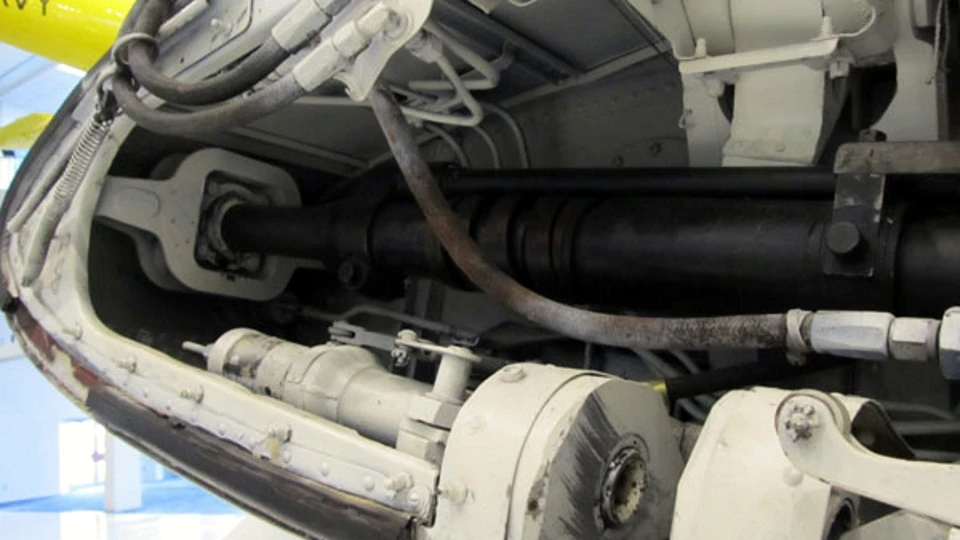
Vietnam Close Air Support:As supersonic jets struggled to spot hidden targets in the dense jungles of Vietnam, the slow-flying Skyraider excelled. Its ability to cruise over a battlefield for hours at low altitudes made it highly adored by isolated ground troops who relied on its devastatingly accurate napalm and cannon runs.
The “Sandy” Rescue Missions:In the Air Force, A-1 pilots adopted the call sign “Sandy.” They flew dangerous escort missions for HH-3 “Jolly Green Giant” rescue helicopters, using their heavy firepower to suppress enemy forces while extracting downed Allied aviators behind enemy lines.
The Kitchen Sink Drop:In a legendary display of the plane’s “carry anything” reputation, U.S. Navy crews on the USS Midway strapped a damaged porcelain toilet to an AD-6 wing rack in October 1965. It was successfully dropped over South Vietnam alongside standard ordnance to celebrate the milestone of dropping six million total pounds of bombs.



 ST Aerospace A-4SU Super Skyhawk – Fotos & Videos
 Douglas B-18 Bolo – Fotos & Videos
 Douglas World Cruiser – Fotos & Videos
 Douglas O-38 – Fotos & Video
 Douglas C-47 Skytrain – Fotos & Video
 McDonnell Douglas T-45 Goshawk – Fotos & Video
 Douglas DC-8 – Fotos & Video
 Douglas WB-66 Destroyer – Fotos & Video
 Douglas C-47 Dakota – WalkAround
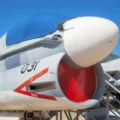 A-7B Corsair II – WalkAround