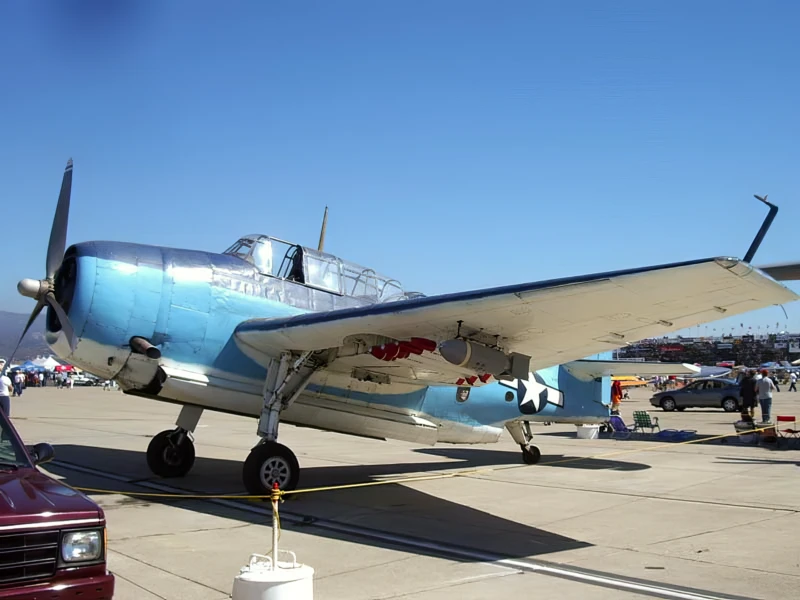
TBM-3E Avenger | |
|---|---|
| Land | Usa |
| Kategorie | Military aircraft |
| Typ | Torpedobomber |
| Beschreibung | Album von 48 Rundum-Fotos des Torpedobootes "TBM-3E Avenger" |
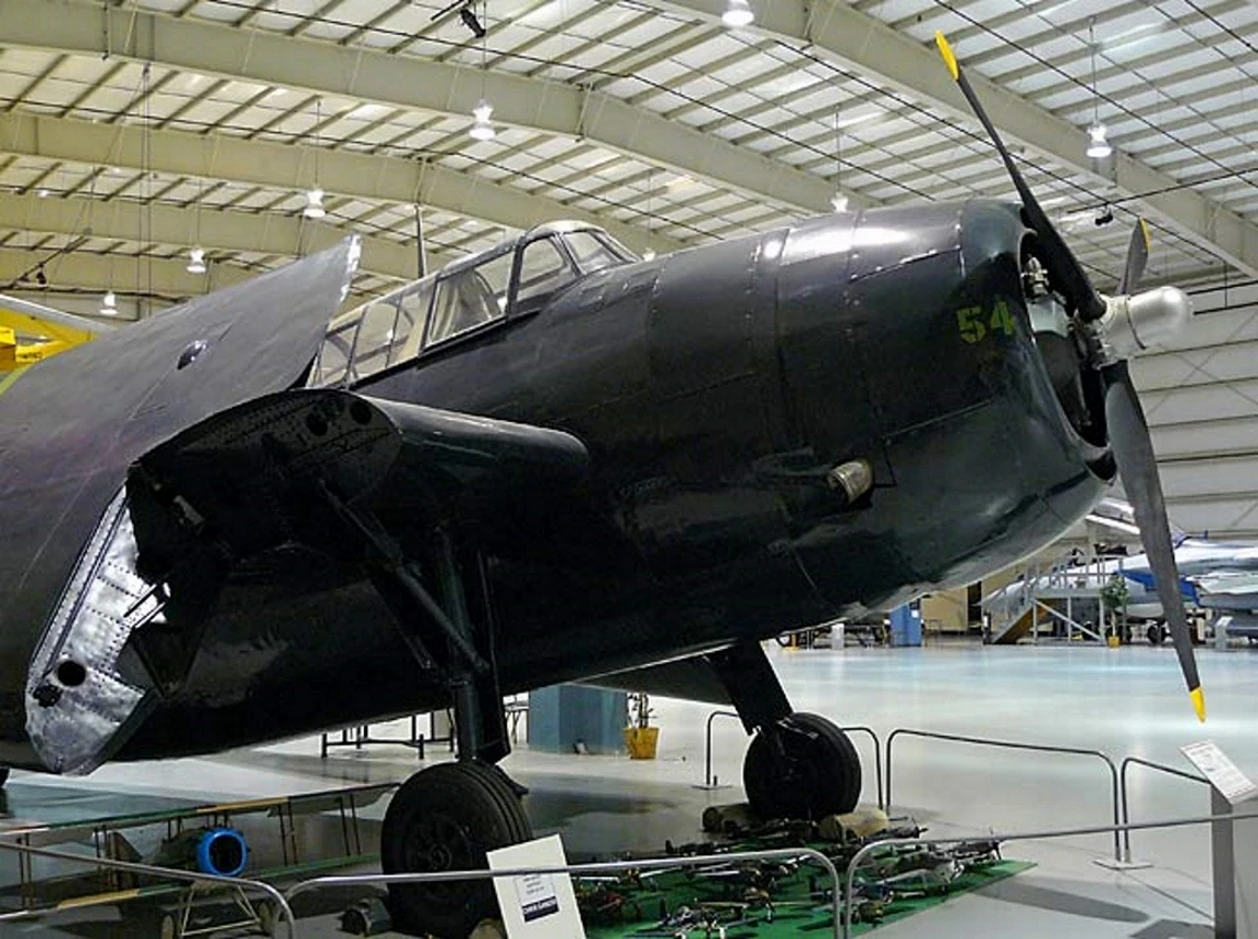
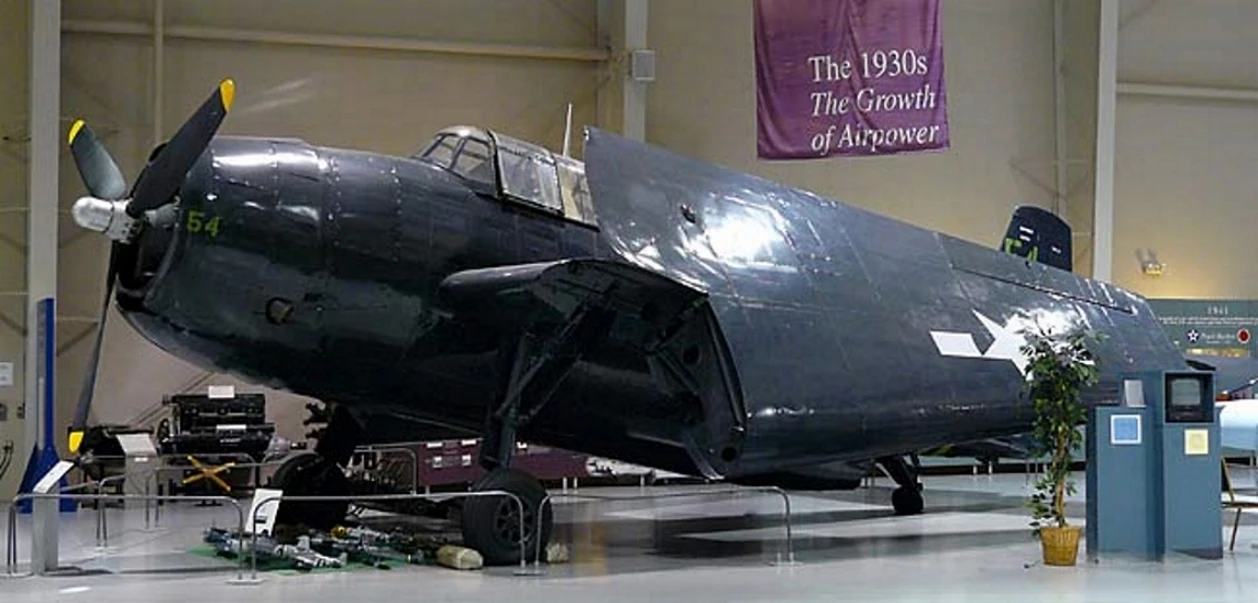
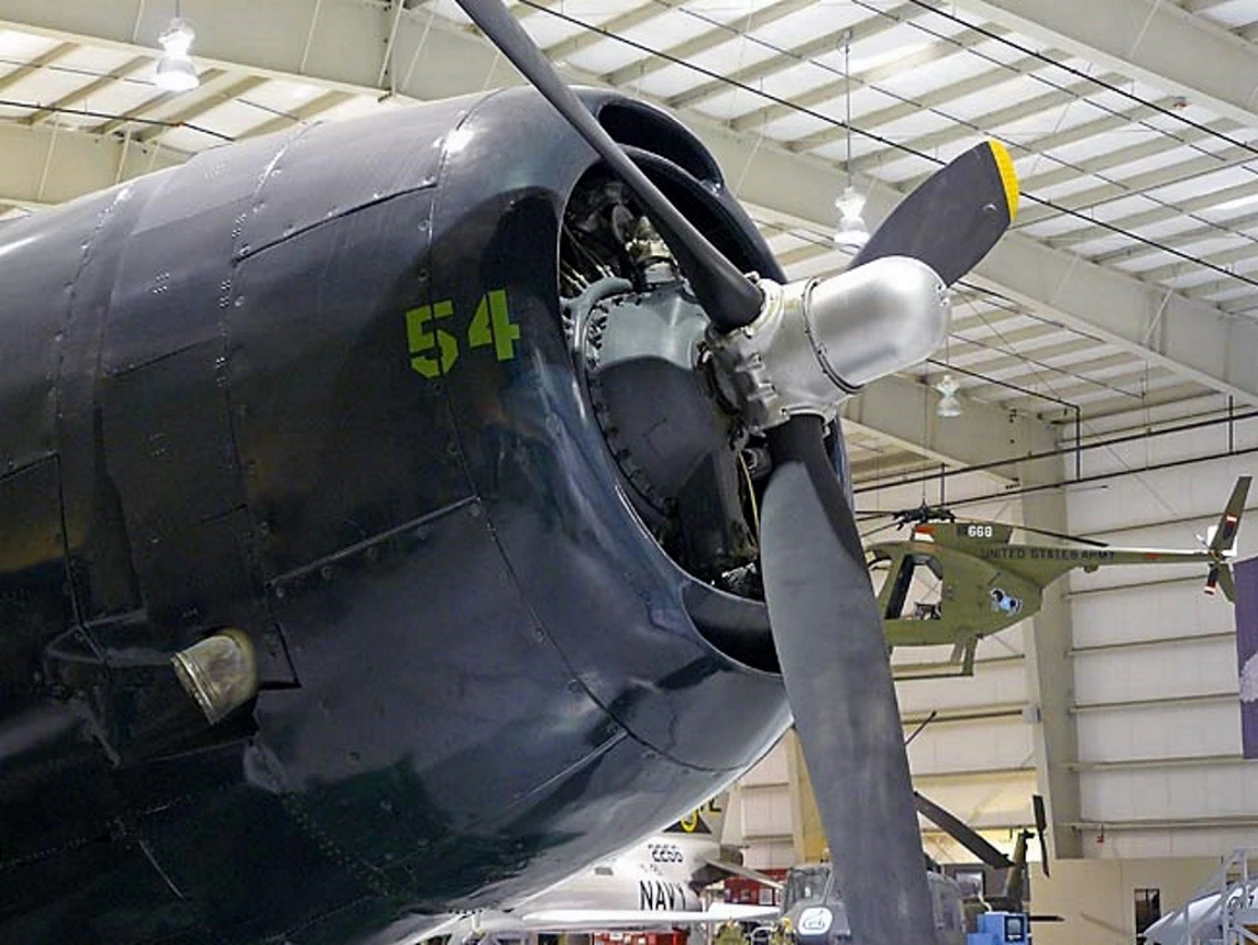
Fotogalerie auf einer TBM-3E Avenger, The Grumman TBF Avenger (désigné aussi TBM pour ceux qui ont été construits par General Motors) est un bombardier-torpilleur américain initialement développé pour la Marine des États-Unis et le Corps des Marines des États-Unis et utilisé par un grand nombre de forces aériennes dans le monde. Il entra en service en 1942 et fut utilisé pour la première fois au cours de la bataille de Midway. Le TBD Devastator, le principal bombardier-torpilleur de la Marine américaine de 1935 à 1942 était déjà obsolète en 1939. Grumman développa un nouvel avion dont le premier prototype fut appelé XTBF-1.
Quelle: TBM-3E Avenger auf Wikipedia
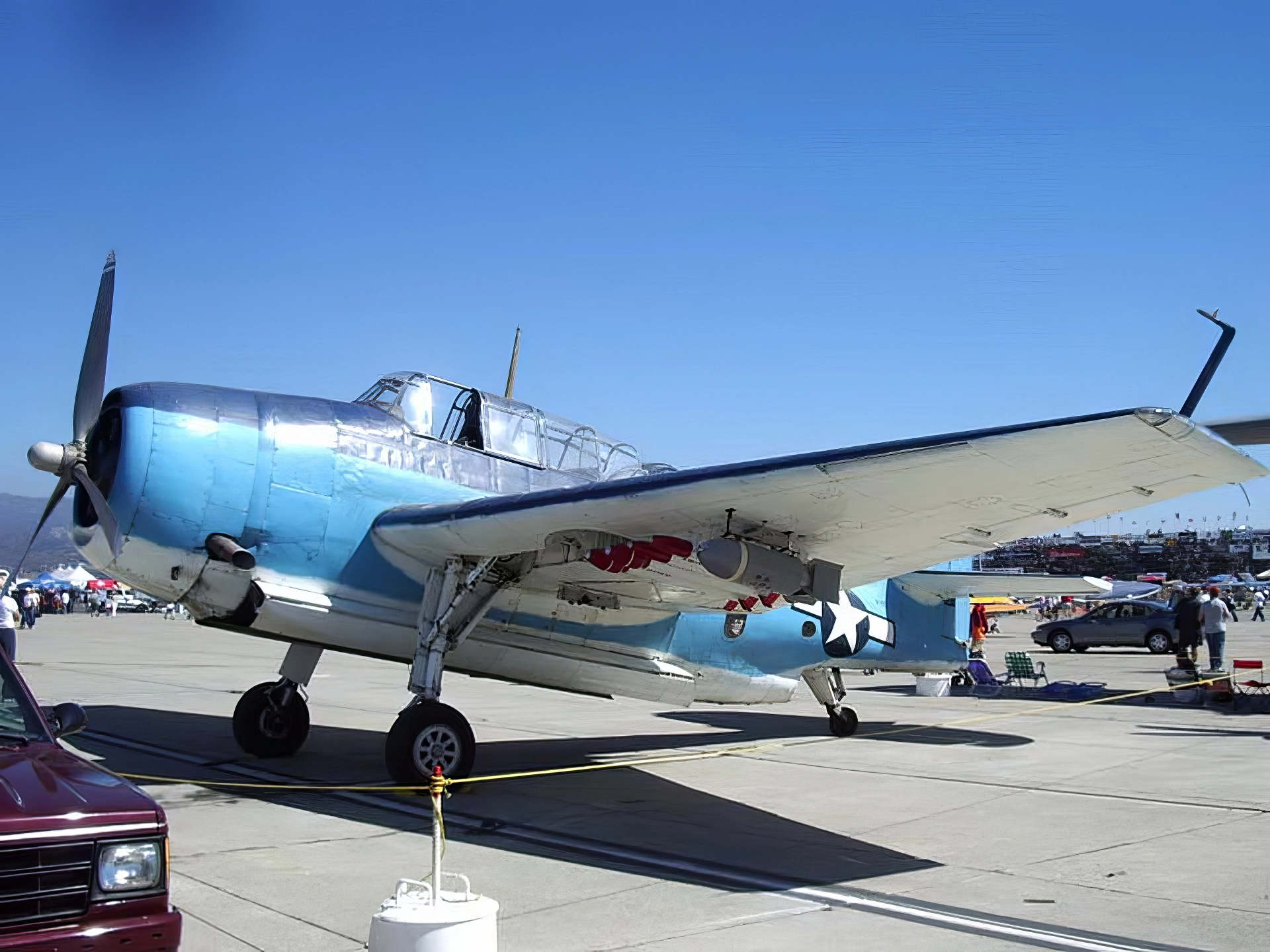

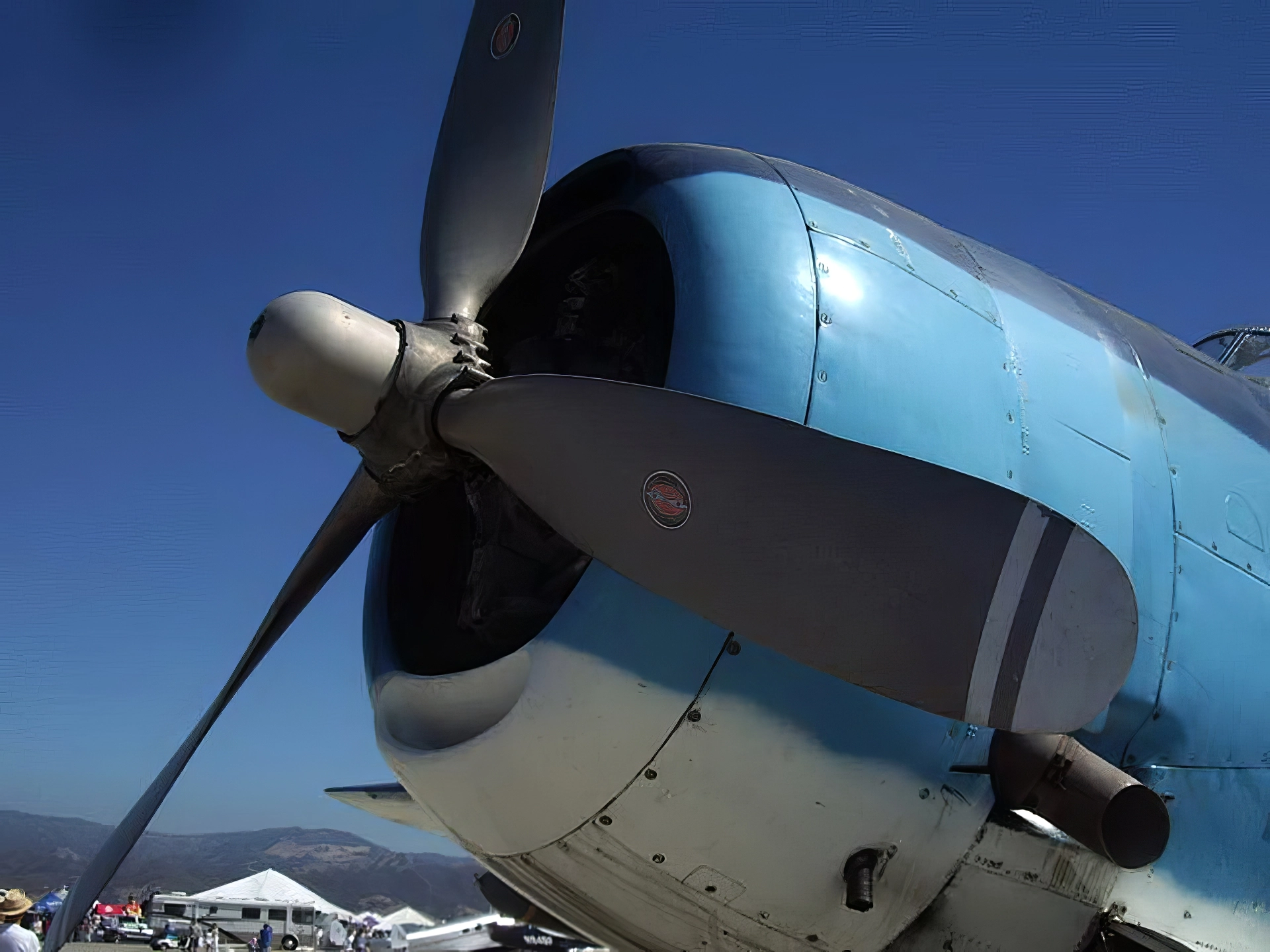
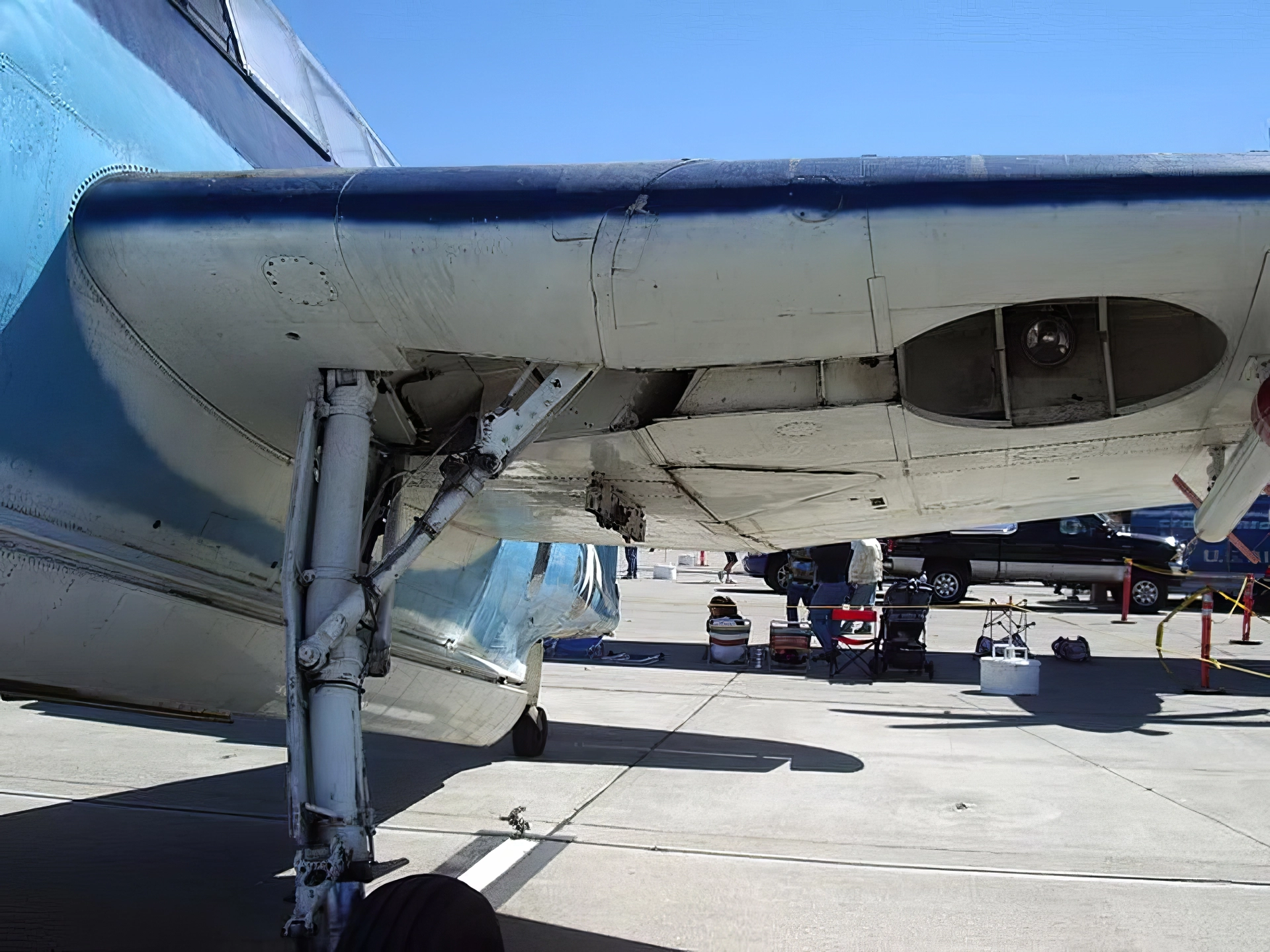
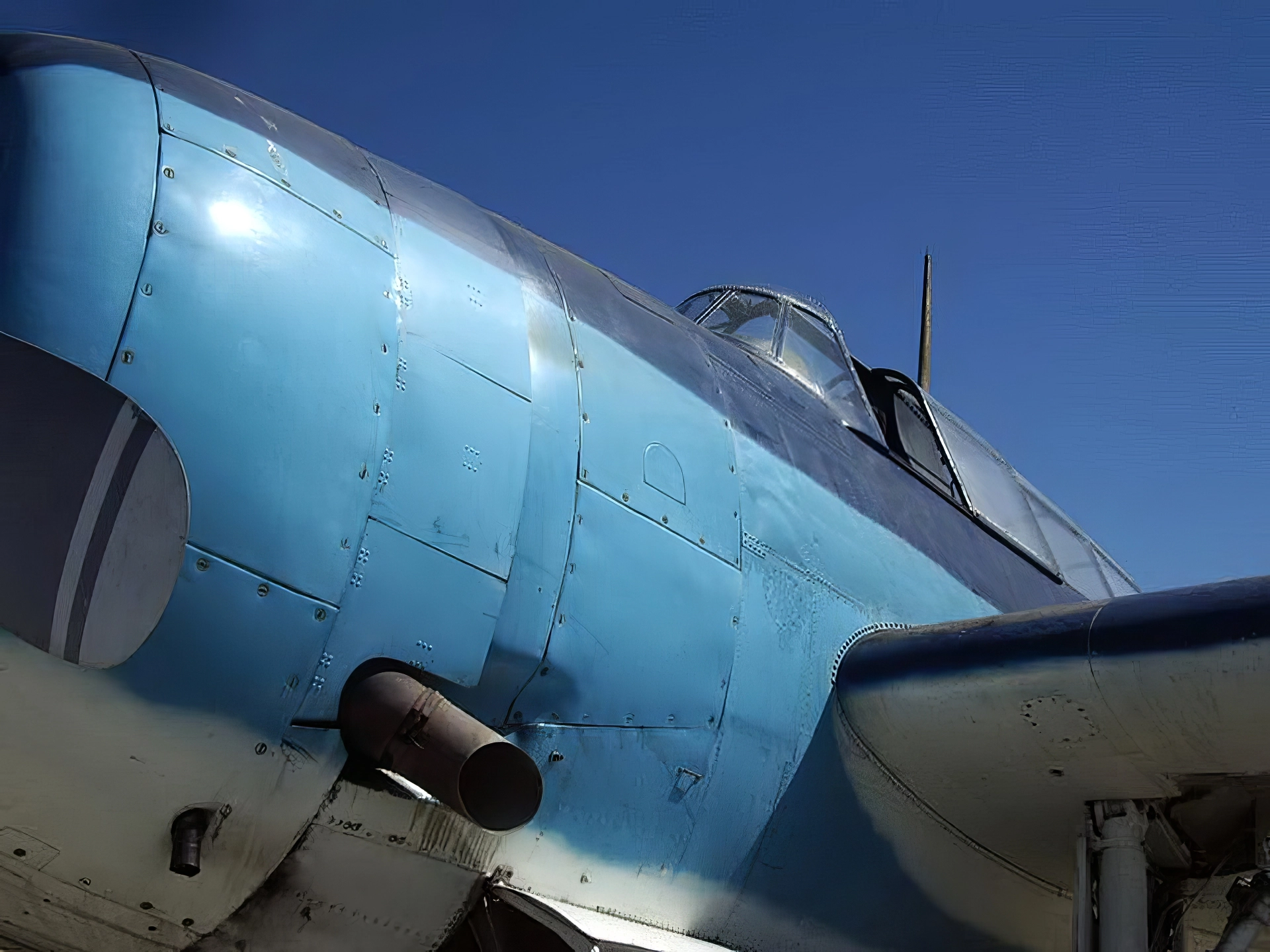



| General Motors TBM-3E Avenger | |
|---|---|
| Fotograf | Wladimir Nikolajewitsch Jakubow |
| Dreharbeiten | Salinas ist die Air Show 2012 |
| Fotos | 104 |
| Grumman TBM-3E Avenger Walk Around | |
|---|---|
| Fotograf | Miles Lumbard |
| Lokalisierung | Unbekannter |
| Fotos | 96 |
| GM TBM-3E Avenger Torpedo Bomber Walk Around | |
|---|---|
| Fotograf | Bill Maloney |
| Lokalisierung | Wings of Eagles Museum |
| Fotos | 18 |
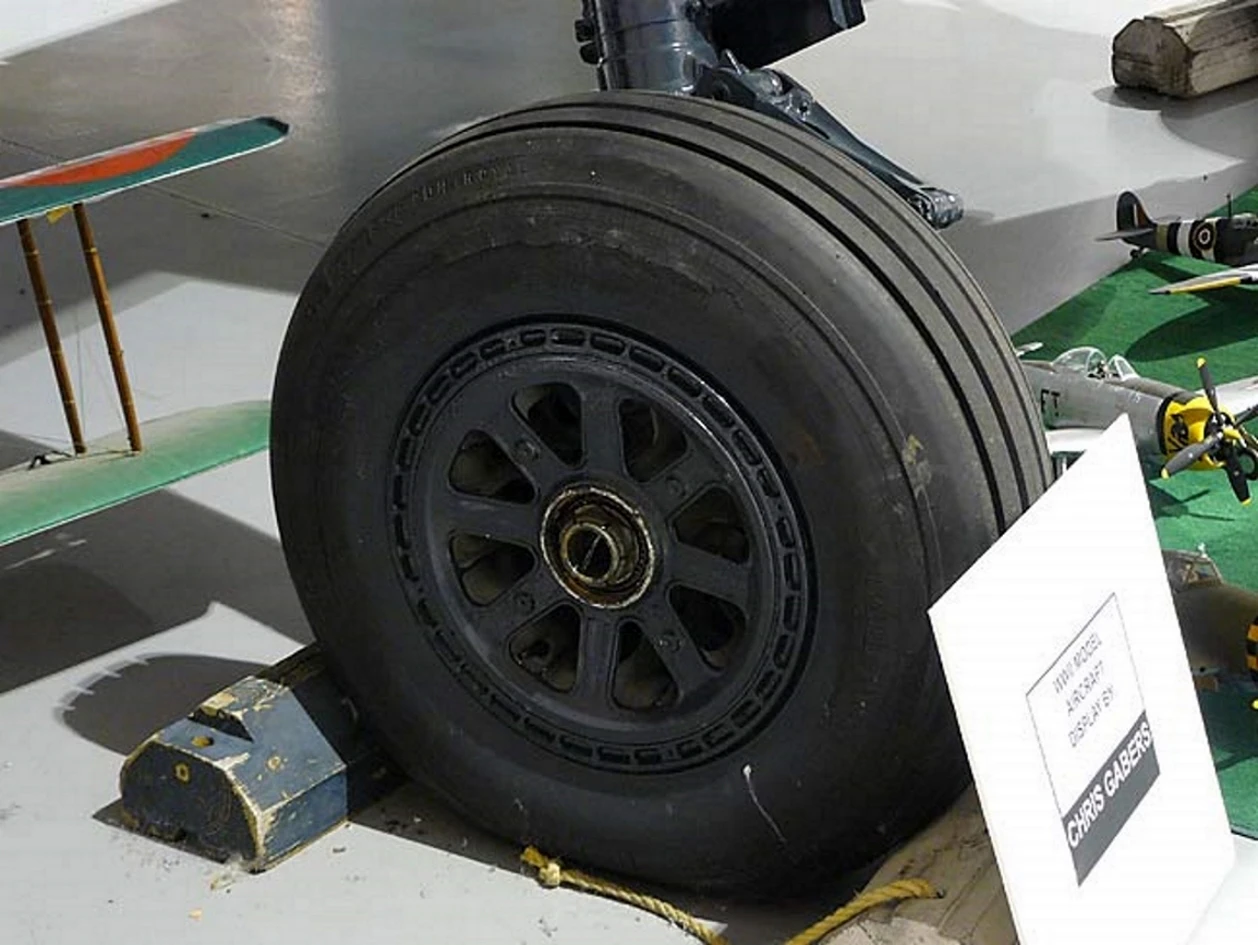
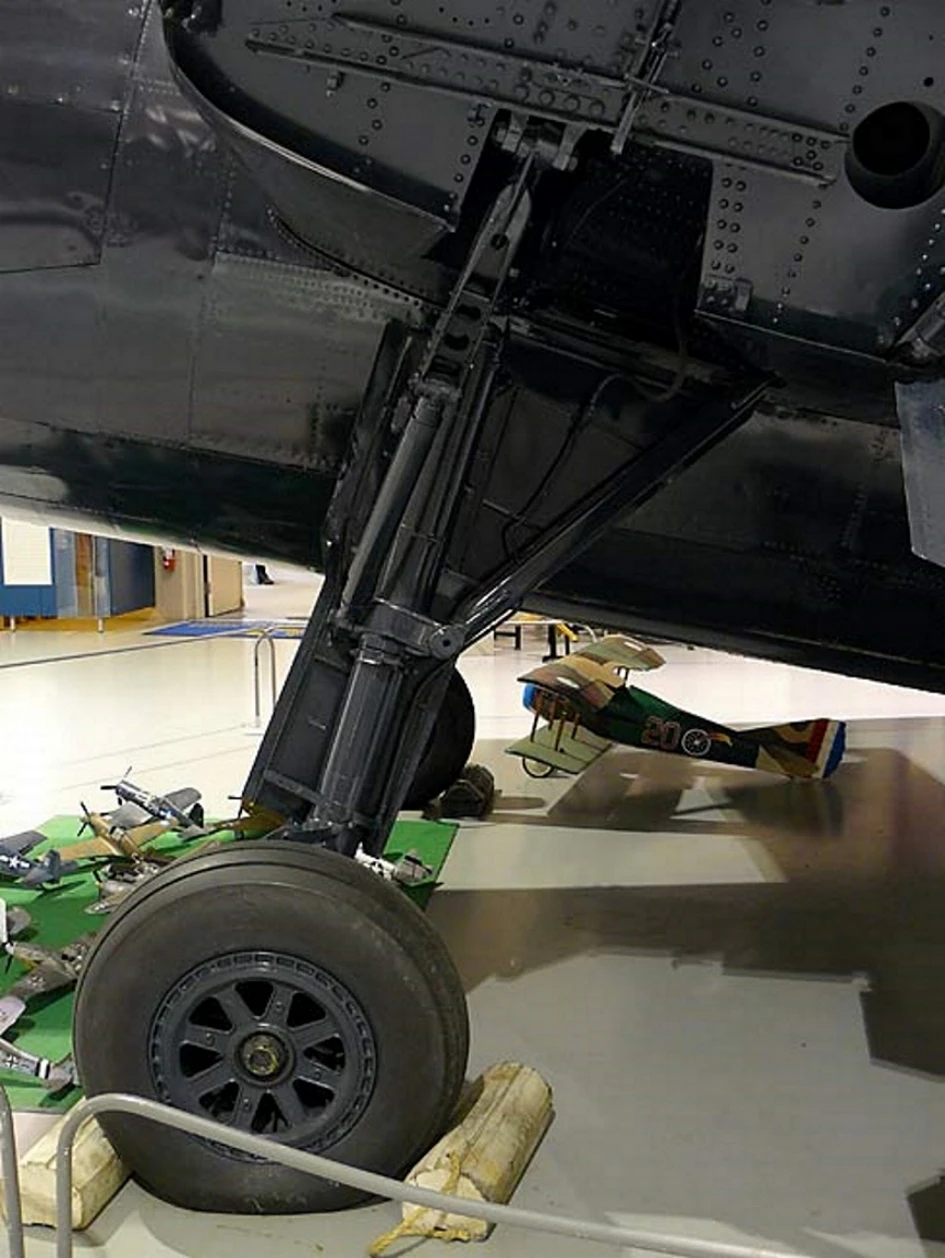
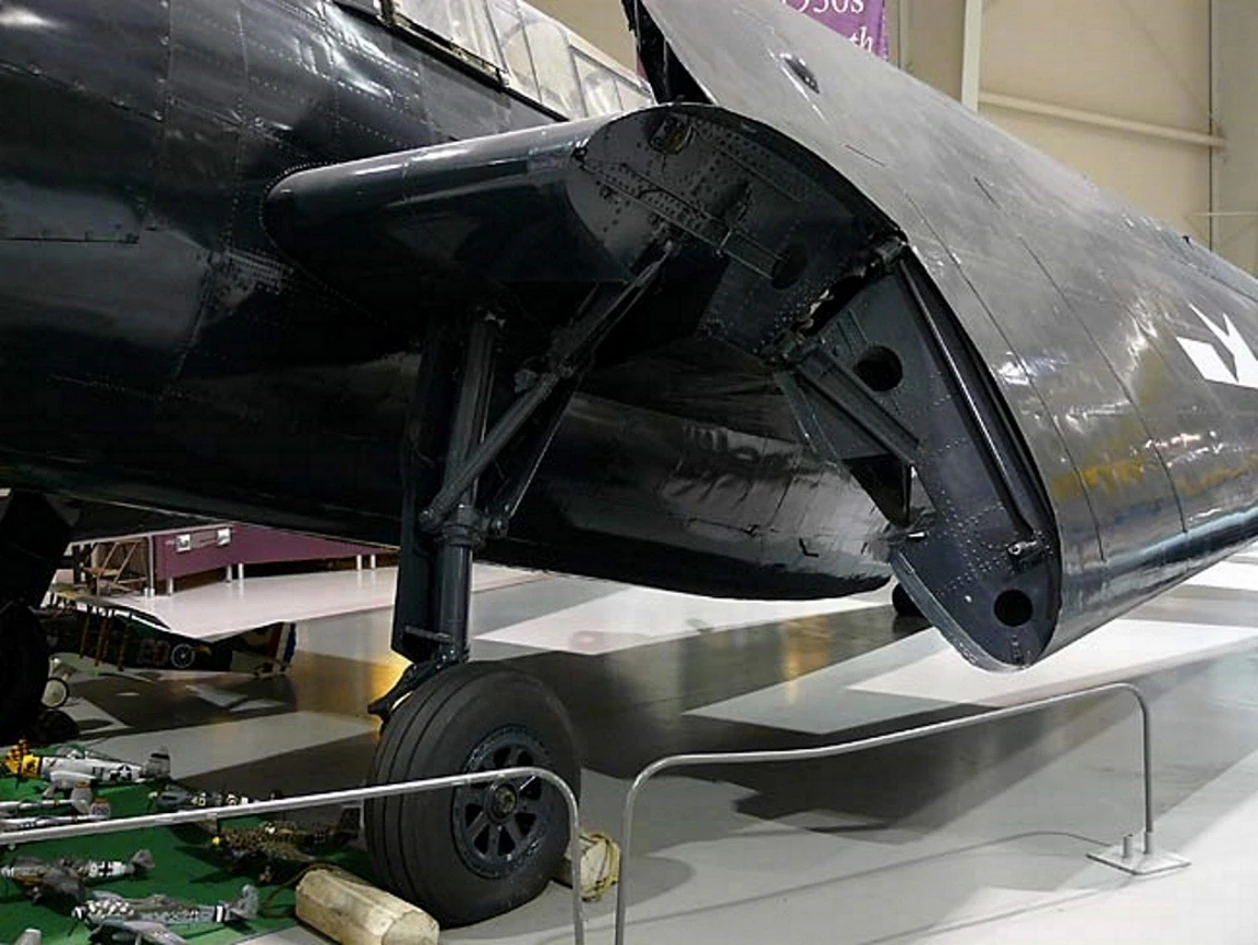
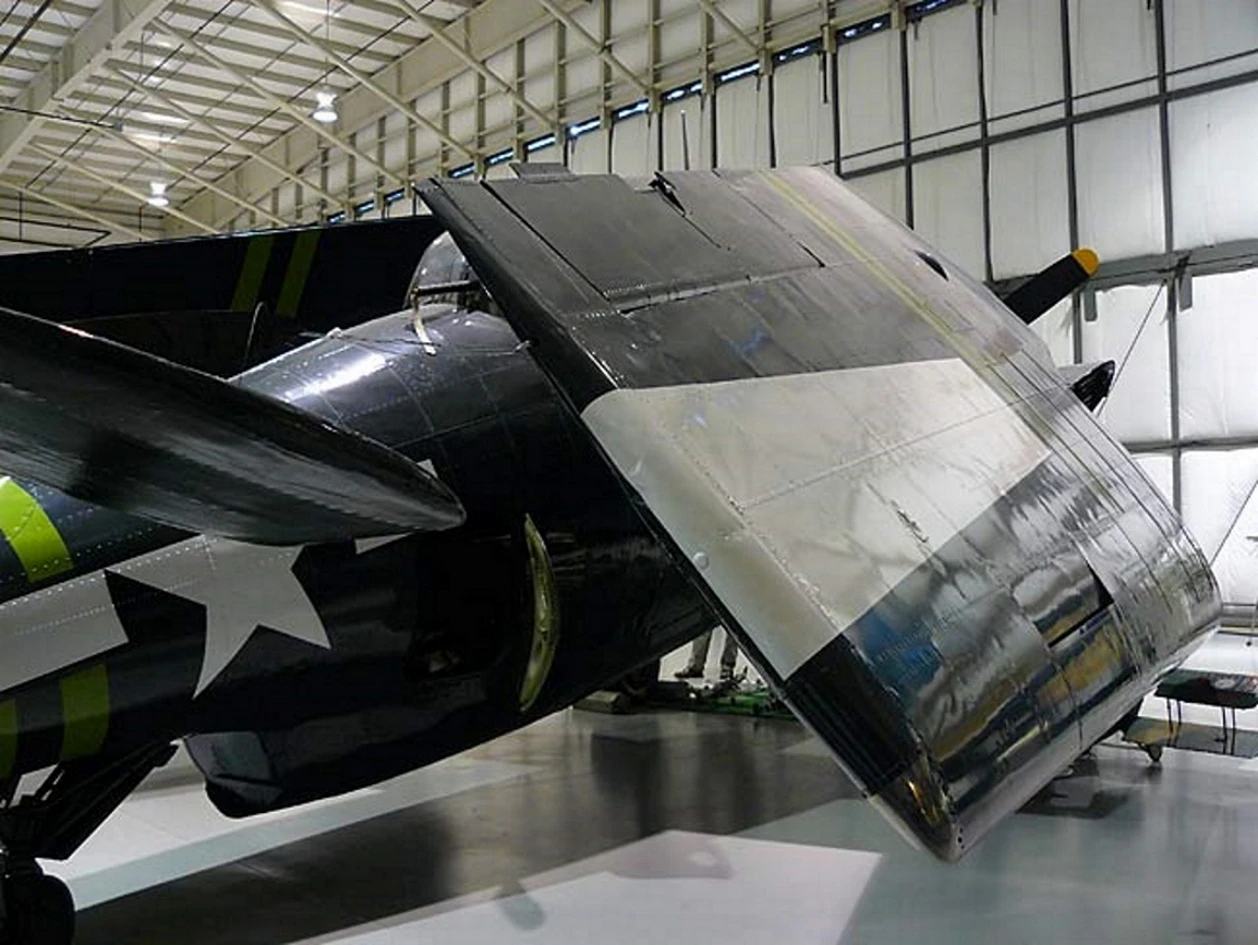
Siehe auch:


The Iron Ship of the Carrier Fleet
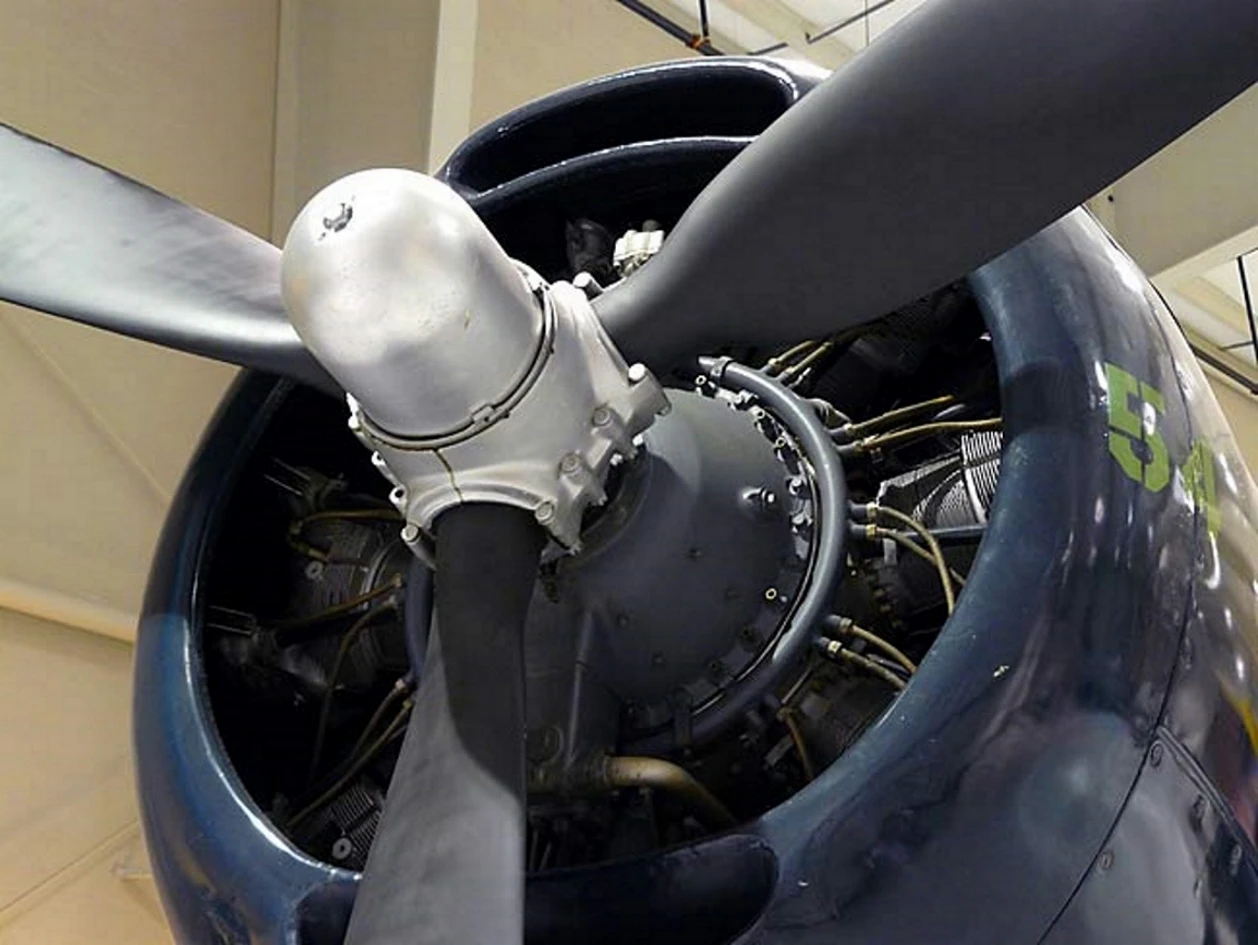
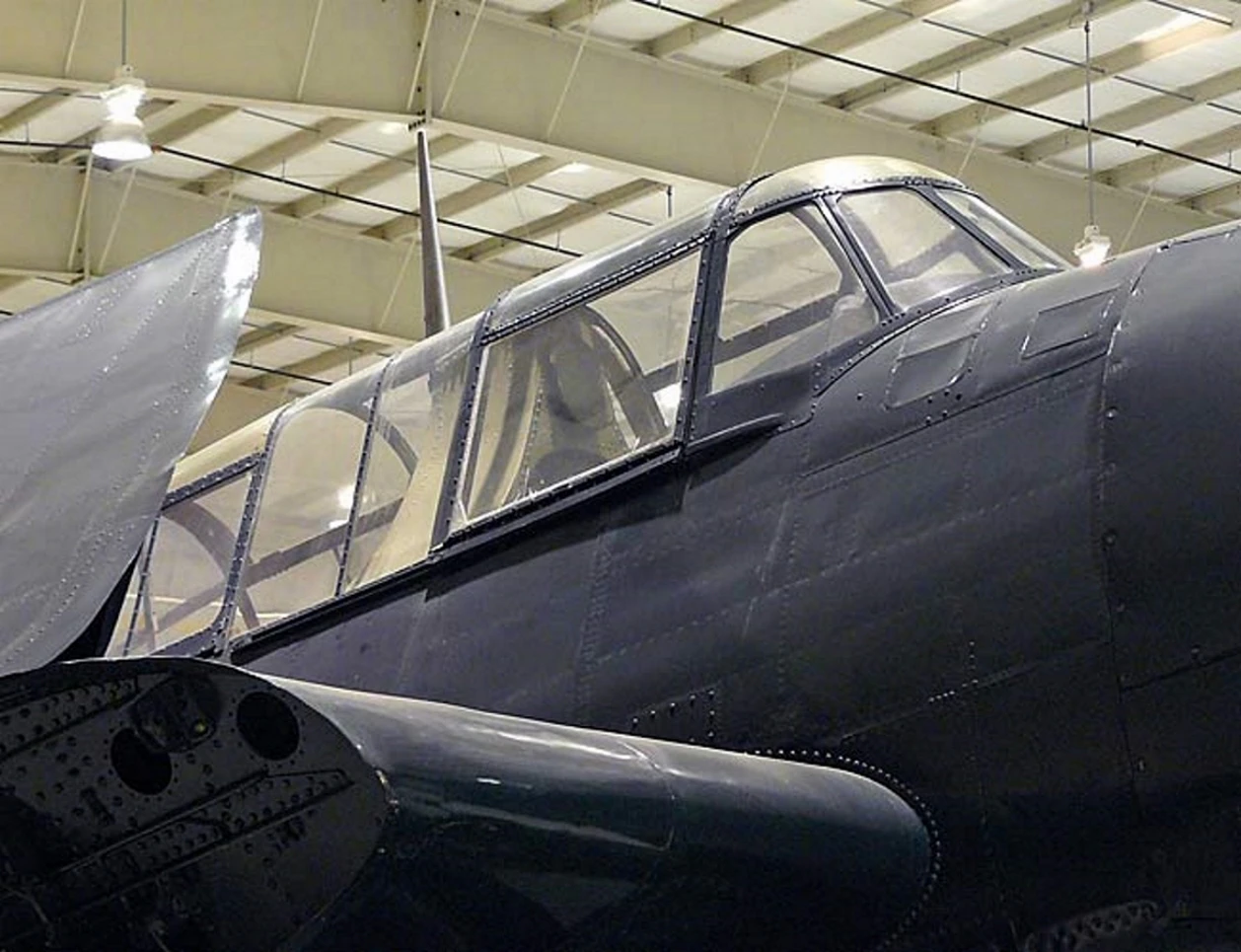
das Grumman TBF/TBM Avenger was the premier carrier-borne torpedo bomber used by the United States Navy and Allied air arms during World War II. Entering service just in time for the Battle of Midway, this massive, ruggedly built aircraft completely replaced the obsolete TBD Devastator. The definitive late-war TBM-3E variant—manufactured by General Motors’ Eastern Aircraft Division to free up Grumman’s factories for fighters—represented the absolute peak of the aircraft’s evolutionary design. Lightened, structurally reinforced, and packing an upgraded engine alongside cutting-edge search radar, the TBM-3E morphed from a simple torpedo truck into a lethal, all-weather anti-submarine and hunter-killer platform that permanently cleared the Pacific lanes.
| Attribute | Technical Specification (TBM-3E Production Baseline) |
|---|---|
| Rolle | Carrier-Borne Torpedo Bomber / Anti-Submarine Warfare (ASW) |
| Crew | 3 (Pilot, Turret Gunner, Radioman/Bombardier/Belly Gunner) |
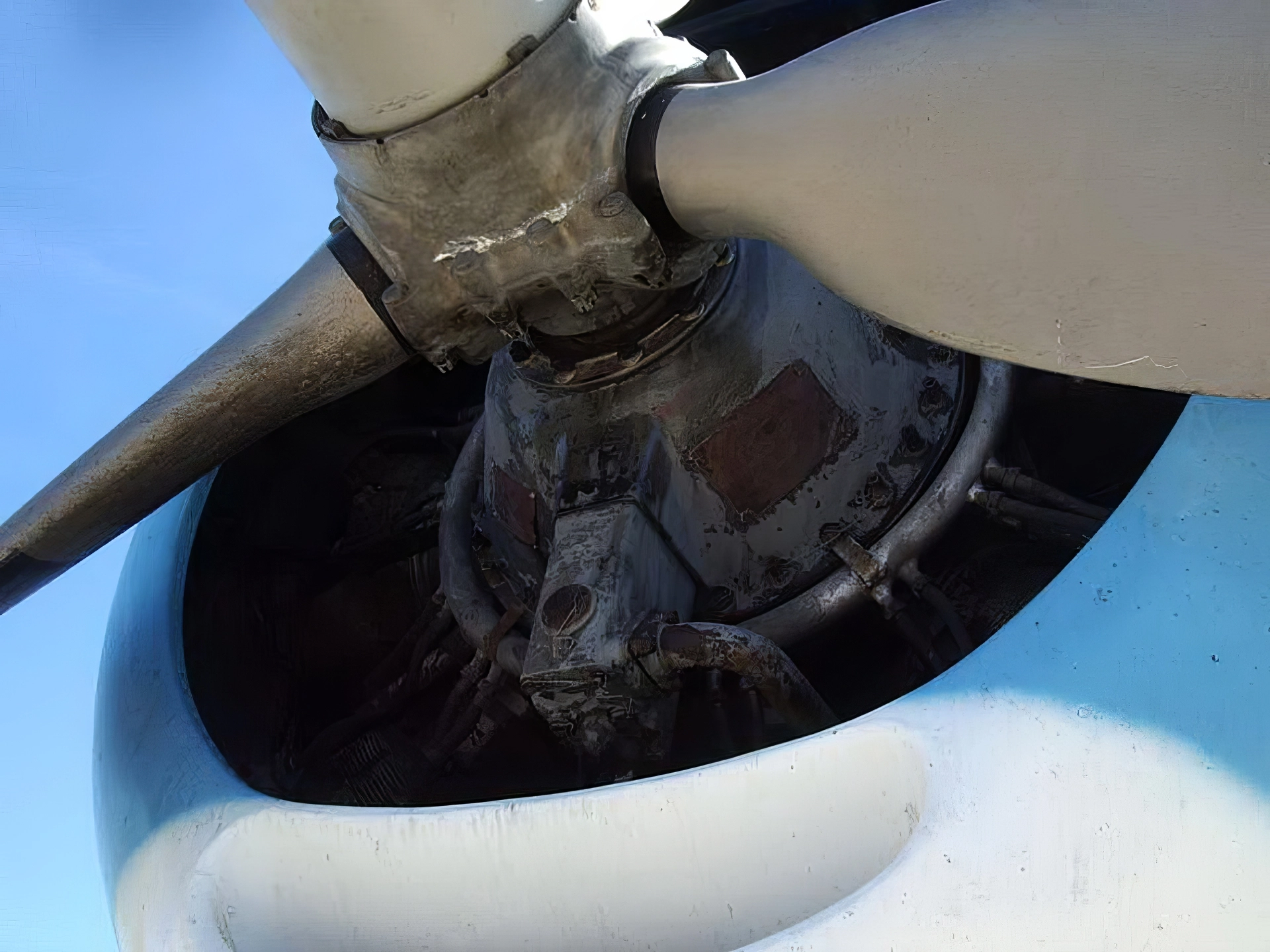
| Triebwerk | 1 × Wright R-2600-20 Twin Cyclone 14-cylinder radial engine (1,900 hp) |
| Höchstgeschwindigkeit | 444 km/h (276 mph) at combat altitude |
| Combat Range | ~1,625 km (1,010 miles) with standard torpedo or bomb payload |
| Service Ceiling | 9,170 m (30,100 ft) |
| Fixed Armament | 2 × .50 caliber (12.7mm) Browning AN/M2 machine guns inside the wings |
| Defensive Armament | 1 × .50 caliber machine gun in power-operated Grumman dorsal turret |
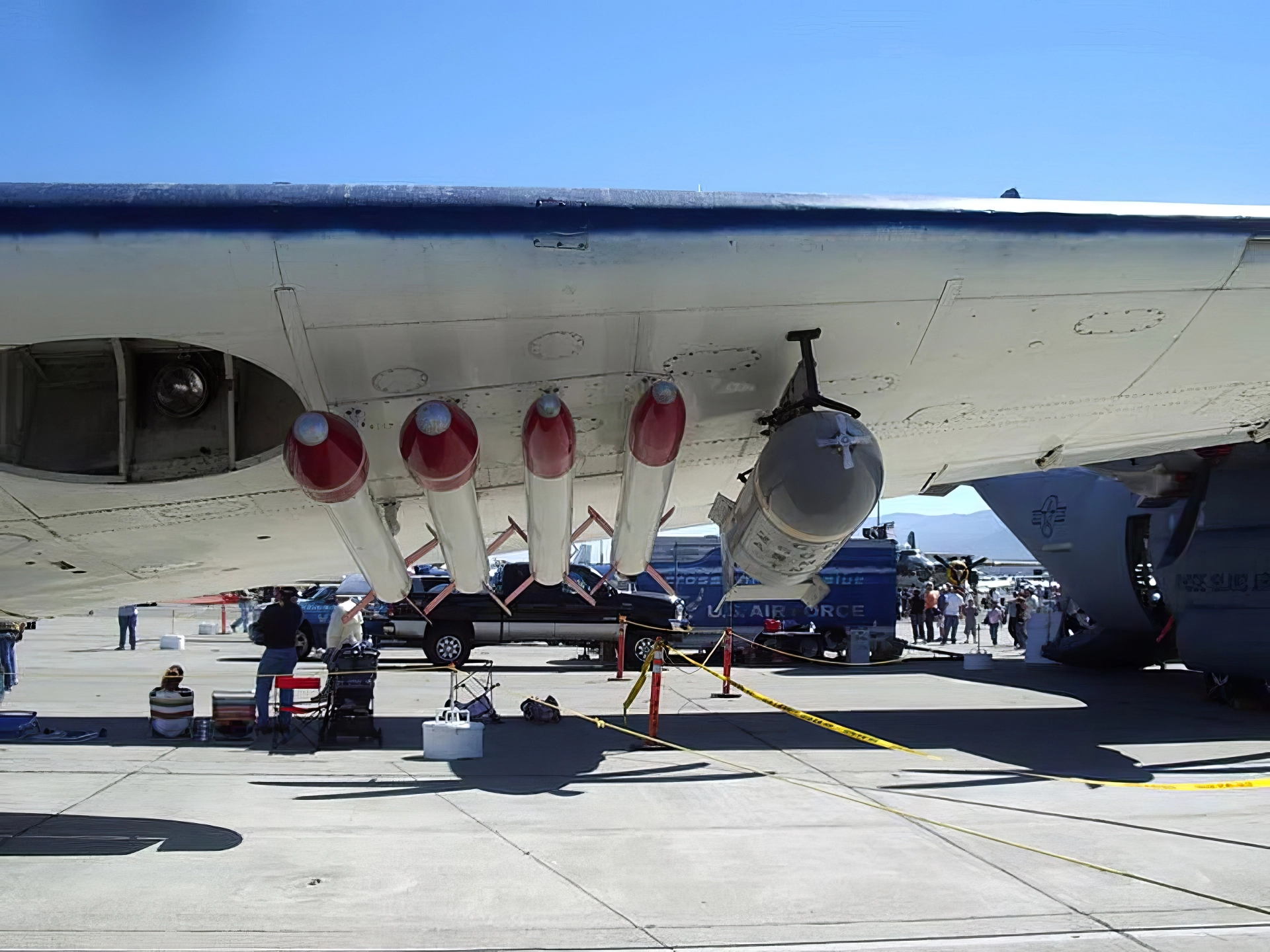
| Ordnance Capacity | 1 × Bliss-Leavitt Mk 13 Torpedo OR up to 900 kg (2,000 lbs) of internal bombs/depth charges; 8 × underwing 5-inch HVAR rockets |
Design Engineering: Sto-Wing Folding and General Motors Optimization
- The Sto-Wing Storage Solution: To cram as many aircraft as possible onto tight aircraft carrier hangar decks, Grumman utilized their revolutionary “Sto-Wing” system. This mechanical linkage allowed the Avenger’s massive wings to pivot and fold backward flat along the sides of the fuselage. This clever geometric trick slashed the plane’s effective storage width by half, letting standard fleet carriers deploy a devastating mass of strike power.
- Eastern Aircraft Subcontracting: When the US Navy ordered thousands of Avengers, Grumman could not keep up while simultaneously manufacturing F6F Hellcat fighters. General Motors stepped in, converting automotive assembly lines into the “Eastern Aircraft Division” to build the plane under the designation TBM. GM’s massive manufacturing expertise ironed out production bugs, turning out Avengers with unprecedented efficiency and interchangeability of parts.
- The Lightened TBM-3E Airframe: The “3E” variant was engineered to carry heavy, newly developed electronic search equipment without ruining the plane’s flight characteristics. Engineers completely redesigned the interior framework, deleting the heavy ventral stinger tunnel machine gun and removing internal armor plates. This shed over 200 pounds of dead structural weight while strengthening the tail section for harsh carrier traps.
- The AN/APS-4 Radar Pod: Unlike early variants that relied purely on visual spotting, the TBM-3E featured a specialized AN/APS-4 ultra-high-frequency radar pod attached to a hardpoint under the right wing. This pod allowed the aircrew to detect surfaced enemy submarines or surface vessels through pitch darkness, low sea mist, or heavy storm clouds, making the Avenger a pioneering night-fighter and scout.
Operational History: From Guadalcanal to Submarine Hunter-Killer Teams
- Sinking the Imperial Fleet: Avengers were the primary executioners of the Imperial Japanese Navy during major sea clashes like the Battle of the Philippine Sea and the Battle of Leyte Gulf. Avenger squadrons launched coordinated anvil attacks, dropping heavy Mk 13 torpedoes from both bow quarters of massive target ships, ultimately dealing the lethal blows that sank the giant battleships Yamato Und Musashi.
- The Escort Carrier Submarine Hunters: Working from tiny, pitching “jeep” escort carriers (CVEs) in both the Atlantic and Pacific, TBM-3E Avengers formed lethal hunter-killer teams with wildcat fighters. Flying long, grueling patrols over open water, they utilized depth charges and new acoustic homing torpedoes (“Fido”) to track and destroy dozens of German U-boats and Japanese long-range submarines.
- George H.W. Bush’s Fateful Sortie: The Avenger’s ruggedness was famously proven during a strike over Chichi Jima in September 1944. A young Lieutenant (and future US President) George H.W. Bush was piloting a TBM when it was heavily struck by anti-aircraft flak. With his engine fiercely ablaze, Bush stubbornly kept the heavy aircraft stable long enough to release his bombs directly onto the radio tower target before bailing out over the ocean.
- The Long Post-War Utility: Because the TBM-3E airframe was so massive and structurally over-engineered, it found a massive secondary life after 1945. Modified variants served as the US Navy’s first dedicated airborne early warning planes (TBM-3W), Carrier Onboard Delivery (COD) transports, and anti-submarine tracking platforms. In civilian life, hundreds were converted into rugged aerial firefighting air tankers, dropping fire retardant over forest fires across North America well into the late 20th century.
Aufrufe : 5174
Sie können auch sehen:
 Convair F2Y Sea Dart – Fotos & Videos
 Miles Magister – Fotos & Videos
 Avro Canada VZ-9 Avrocar – Fotos & Videos
 Republic RC-3 Seabee – Fotos & Videos
 Convair C-131 Samaritan – Fotos & Videos
 de Havilland Canada DHC-4 Caribou – Fotos & Video
 Curtiss-Wright CW-22 – Fotos & Video
 MiG-23MLD – WalkAround
 P-51D-25-NA Mustang – Gehen Sie um
 B-47 Stratojet – Rundgang