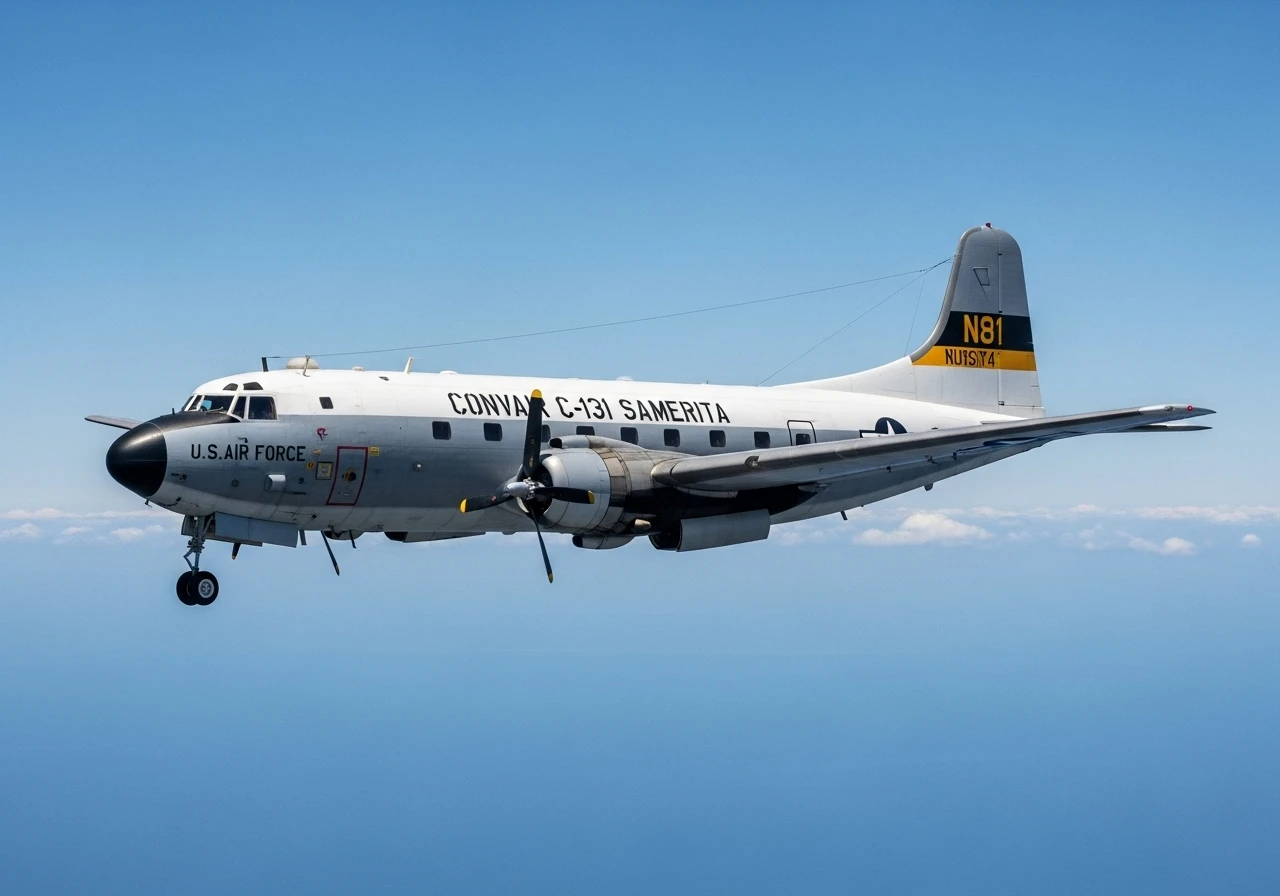
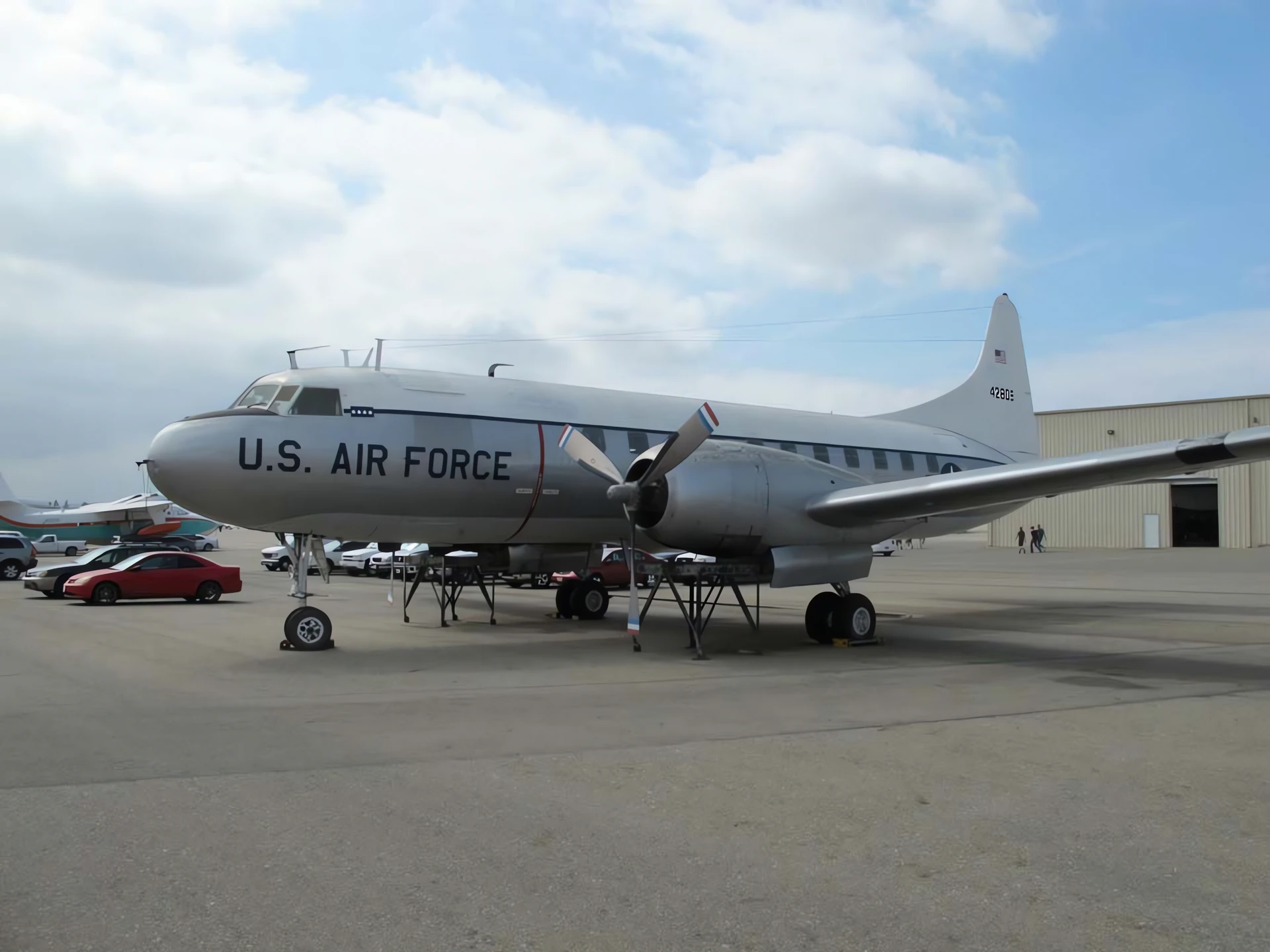
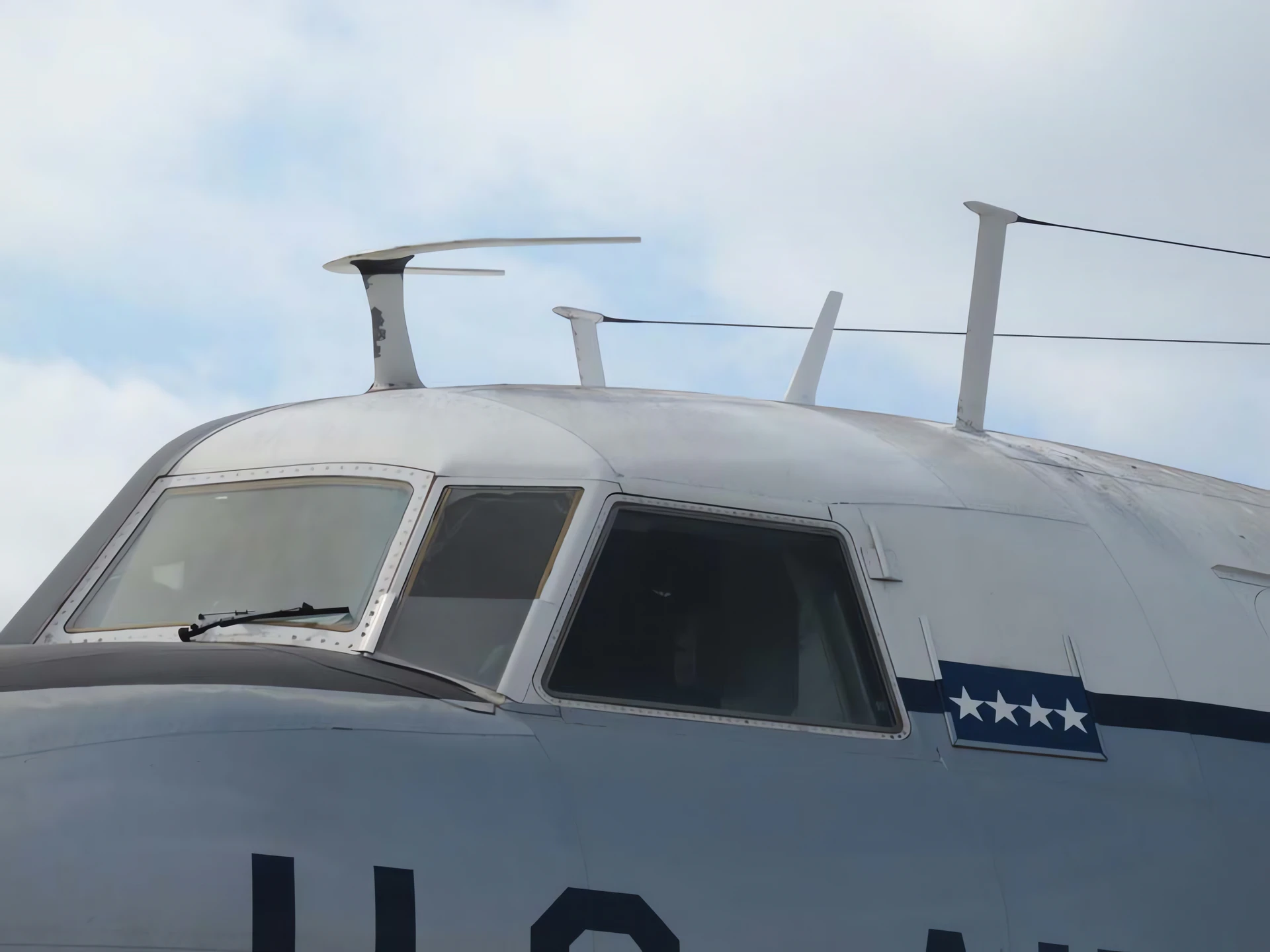
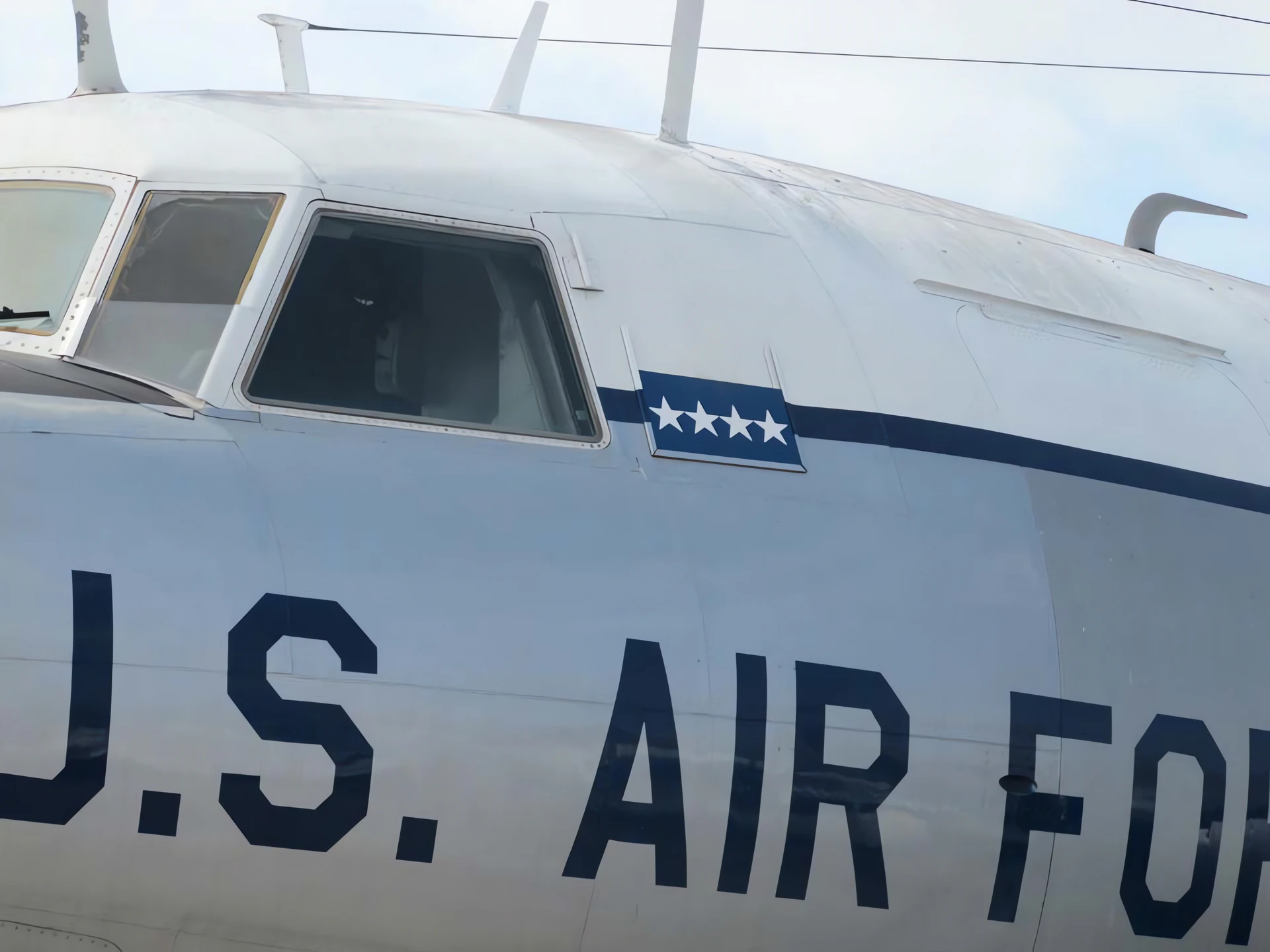
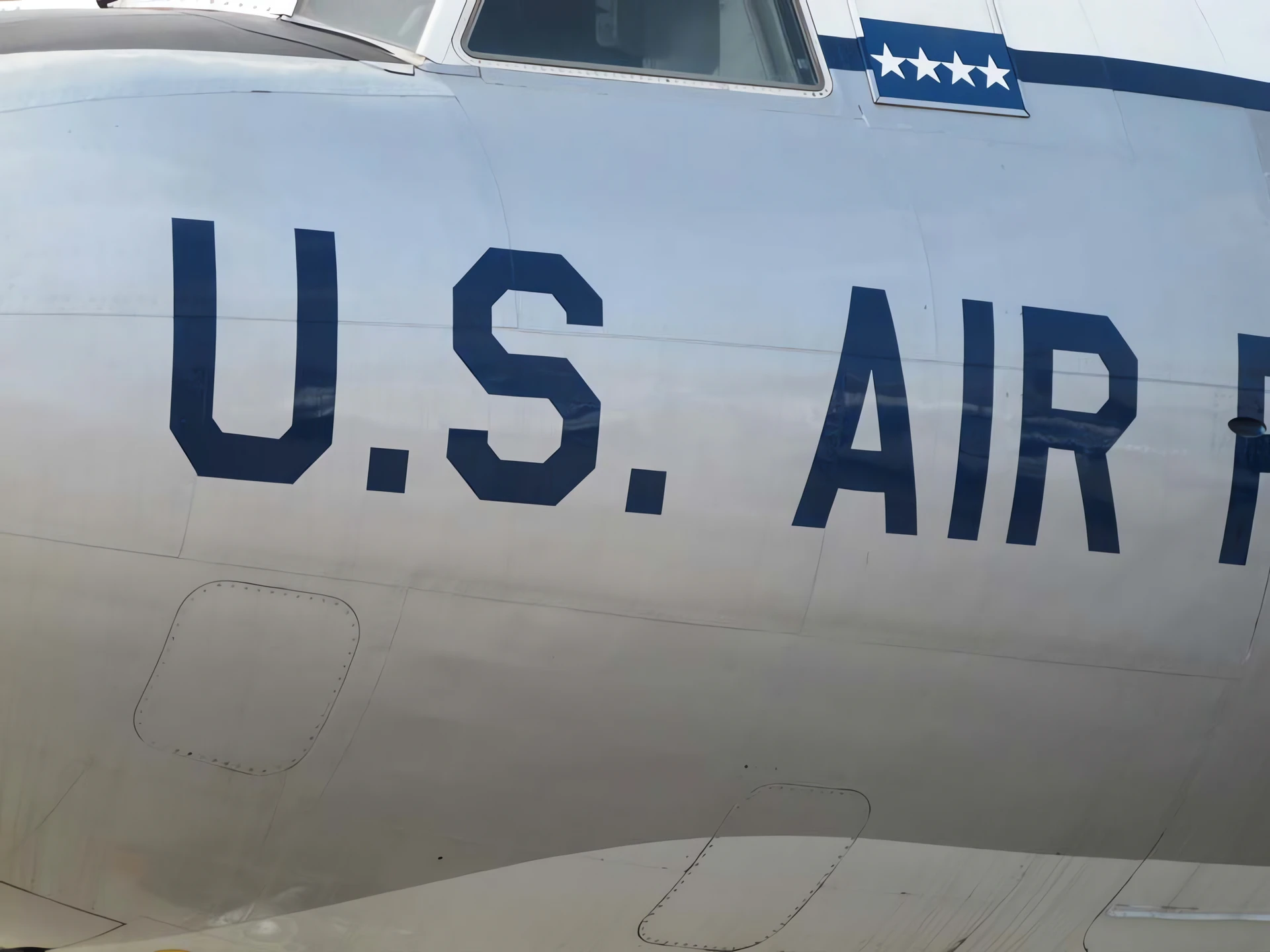
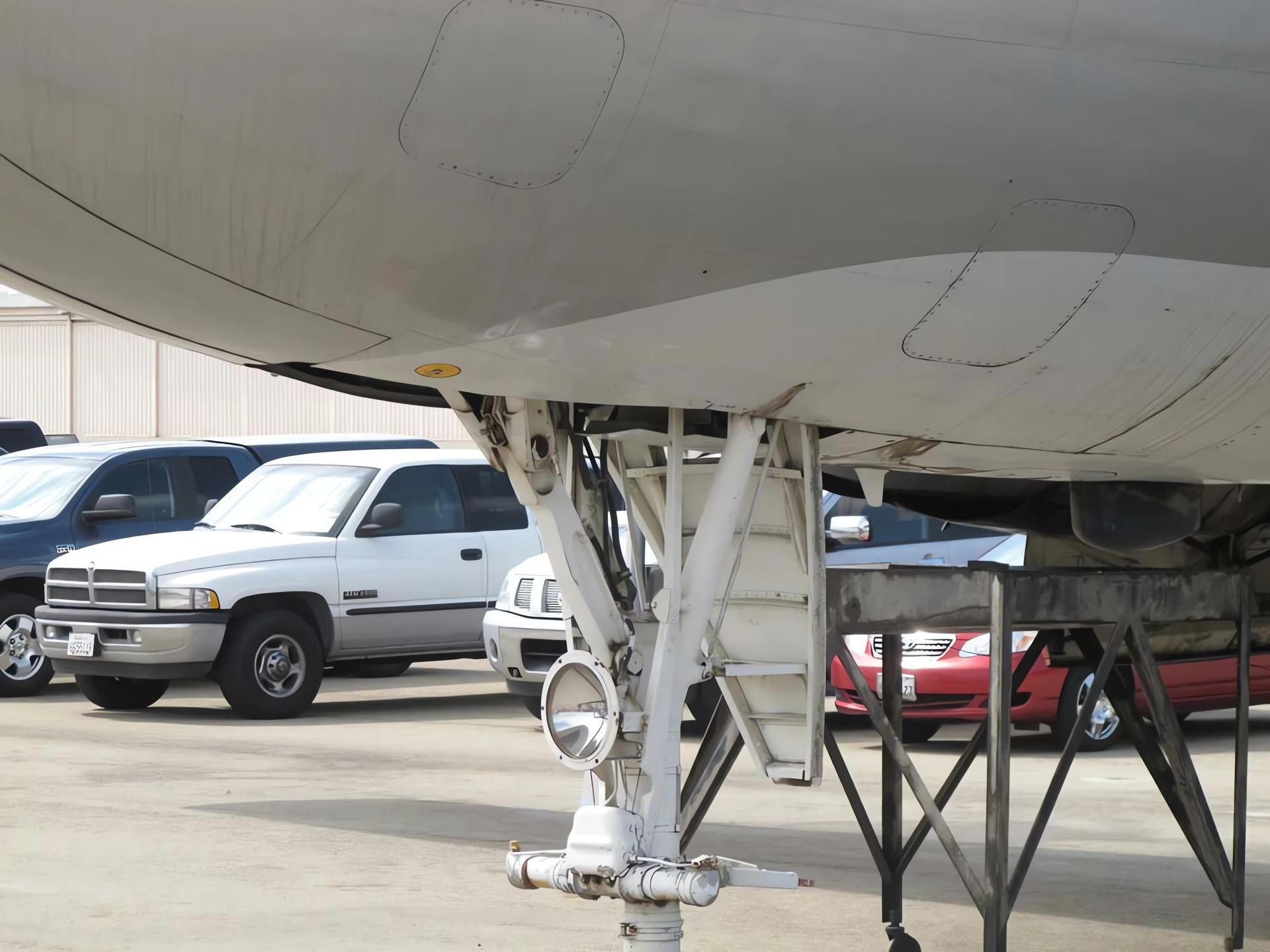
das Convair C-131 Samariterwas an American twin-engined military transport produced from 1954 to 1956 by Convair. It was the military version of the Convair CV-240 family of airliners.
das Convair C-131D Samaritanwas the military transport version of the successful Convair CV-340 civilian airliner. Introduced in the 1950s, it was the first pressurized, twin-engine transport ordered by the U.S. Military Air Transport Service. While earlier variants like the C-131A were primarily flying hospitals, the“D” modelwas configured as a versatile personnel and VIP transport. Its reliability and pressurized cabin made it a staple for moving high-ranking officials and wounded personnel across the globe for over three decades.
Attribute
Technical Specification (C-131D)
Rolle
Military Personnel / VIP Transport
Crew
3-4 (Pilot, Co-pilot, Flight Engineer, Steward)
First Flight (C-131 series)
September 22, 1949
Triebwerk
2 × Pratt & Whitney R-2800-103W radial engines
Horsepower
2,500 hp each (with water/alcohol injection)
Höchstgeschwindigkeit
293 mph (472 km/h)
Service Ceiling
24,500 – 30,000 feet
Range
Approx. 1,300 – 1,800 miles
Fassungsvermögen
44 Passengers or specialized VIP interiors
Engineering Excellence and Design Features
Pressurization Advantage:The C-131 was a massive leap forward from the unpressurized C-47s it replaced. This allowed it to fly above most weather, providing a much smoother ride for VIPs and more stable conditions for aeromedical evacuation patients.
Integral Airstair:Unlike many cargo planes of the era that required external ramps, the C-131D featured a built-in stairway that folded into the right side of the fuselage, allowing it to operate from remote airfields with minimal ground support.
Water/Alcohol Injection:To assist with heavy takeoffs or “hot and high” airfield conditions, its R-2800 engines could use a water-methanol injection system to temporarily boost horsepower, a common feature in late-era high-performance radial engines.
The “Long” Convair:The C-131D was based on the CV-340, which featured a longer fuselage and greater wingspan than the original CV-240 (used for the C-131A), allowing for increased payload and range.
A Legacy of Service
The First “Vomit Comet”:In 1959, a C-131 was the first aircraft used as a reduced-gravity platform to train the original Mercury Seven astronauts, earning it the famous “Vomit Comet” nickname.
The Gunship Testbed:In 1963, a C-131B was used for “Project Tailchaser,” the very first experiments in side-firing gunships, which eventually led to the development of the AC-47 and AC-130.
Air Force One Duty:On October 26, 1972, a C-131D was used by President Richard Nixon for a campaign trip, briefly serving as the primary presidential aircraft.
Long Life:While most were retired from the Air Force in the late 1970s, many continued to fly with the Air National Guard and the U.S. Navy well into the late 1980s.


 Convair F2Y Sea Dart – Fotos & Videos
 Convair XF-92 – Fotos und Videos
 Piper L-4 Grasshopper – Fotos & Video
 Lockheed U-2 – Fotos & Video
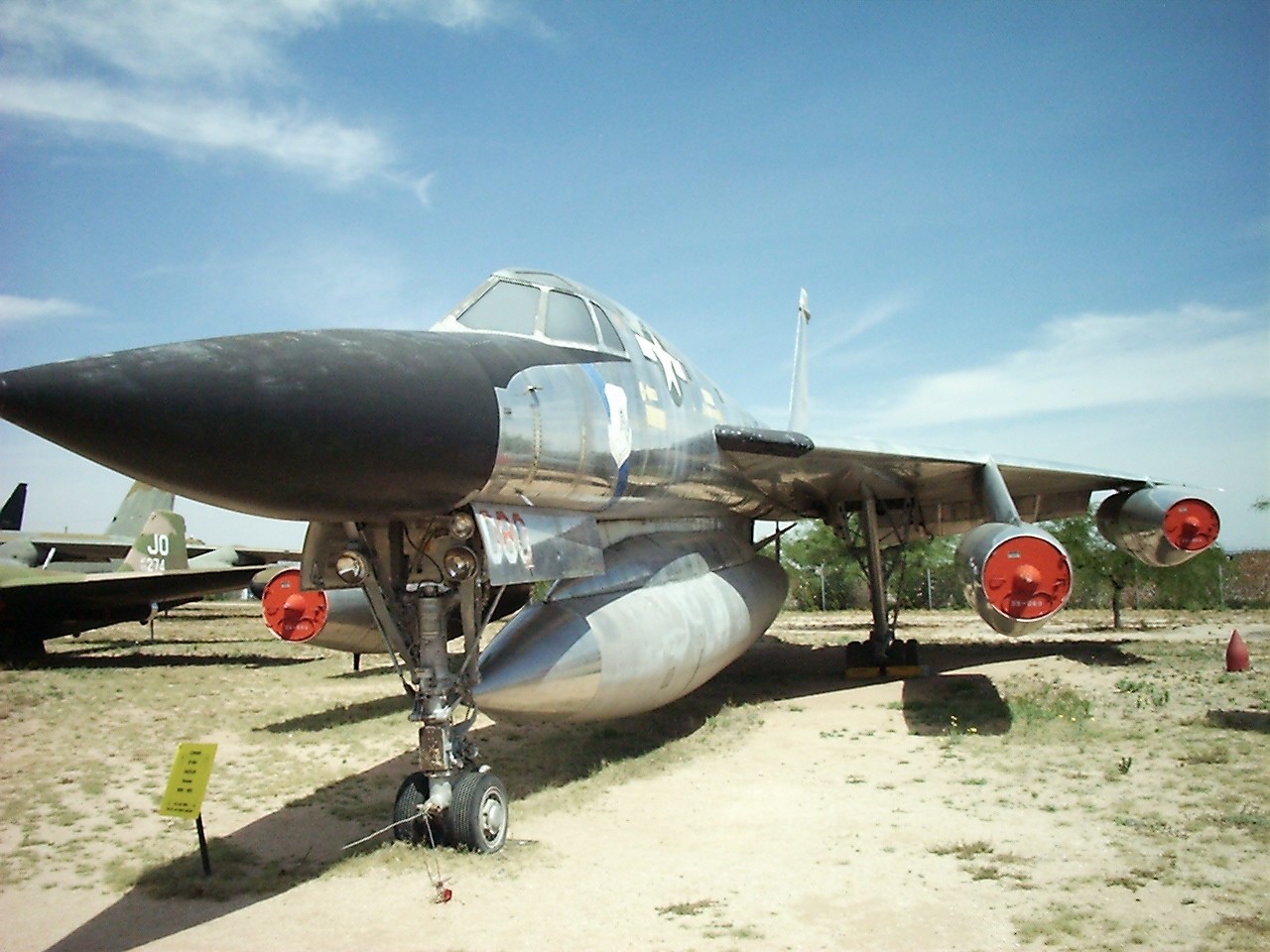 Convair B-58A Hustler – Fotos und Videos
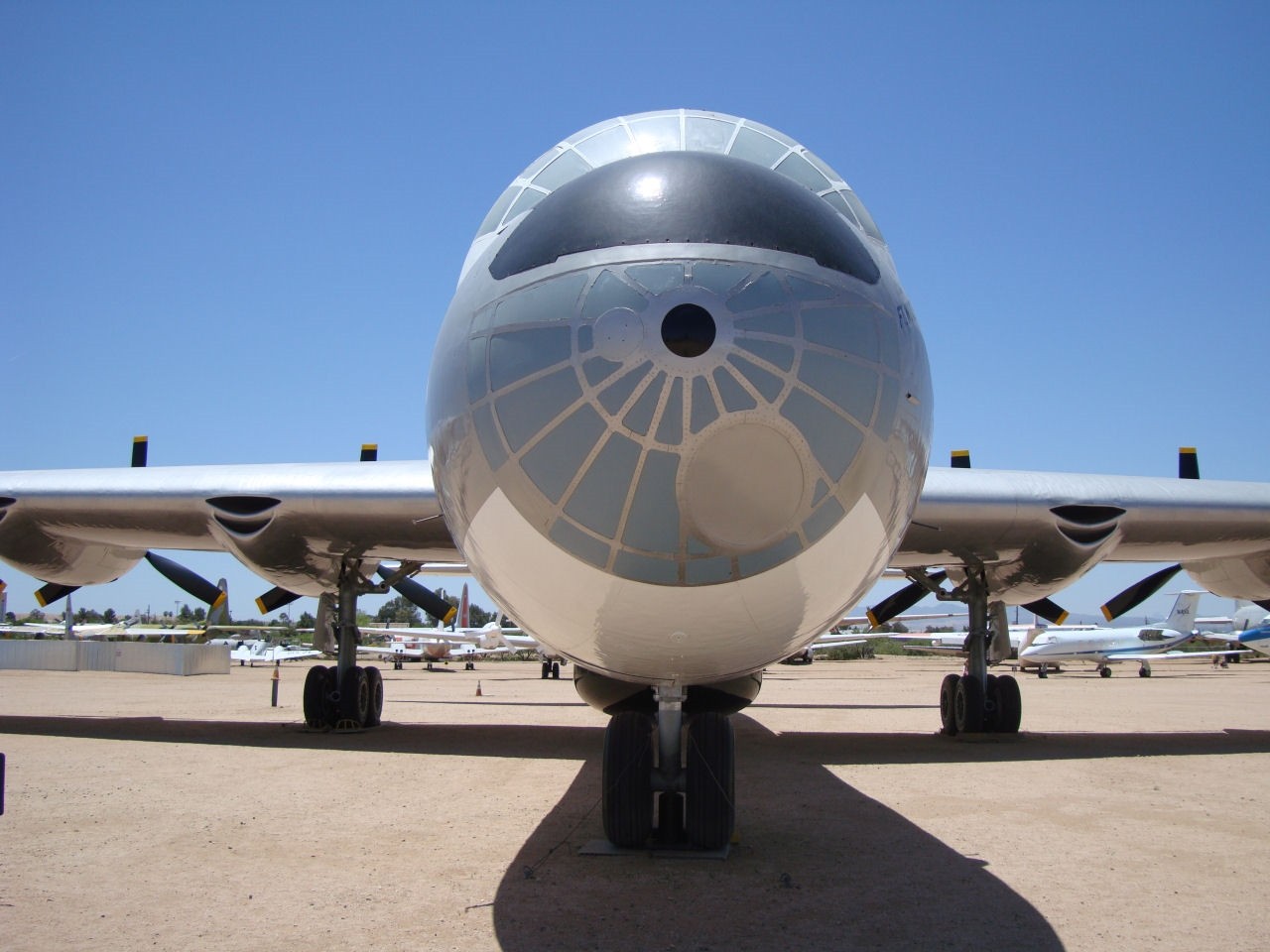 Convair B-36 Peacemaker – Fotos & Video
 Convair F-102A – Fotos und Videos
 P-51D Mustang vol2 – Walk Around
 B-17G Flying Fortress – WalkAround
 Messerschmitt Bf 109G-2 – Walk Around