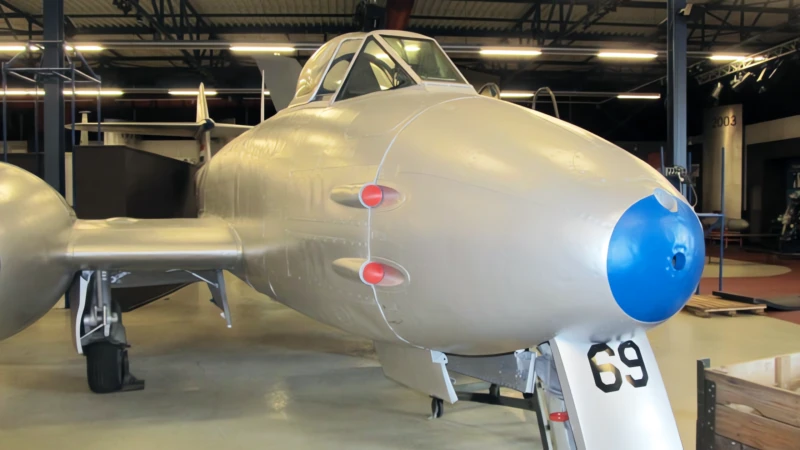
这 Gloster Meteor F.4was the first major post-war evolution of the UK’s (and the Allies’) only operational WWII jet fighter. While the earlier Mk.1 and Mk.3 models were pioneering but underpowered, the F.4 introduced the significantly more powerfulDerwent 5engines. This variant transformed the Meteor from a curiosity into a world-class interceptor, boasting a climb rate and top speed that briefly made it the fastest aircraft on the planet.
The “Clipped” Wings:Early F.4s had long wings like the Mk.3, but the increased speed caused structural stress and heavy aileron control. Designers “clipped” the wingtips by nearly 3 feet each. This improved the roll rate and structural integrity, though it slightly increased the landing speed.
Derwent 5 Engines:These were essentially scaled-down versions of the massive Nene engine. Their increased thrust allowed the Meteor F.4 to set two world speed records in 1945 and 1946, eventually reaching 616 mph in the famous “EE549” aircraft.
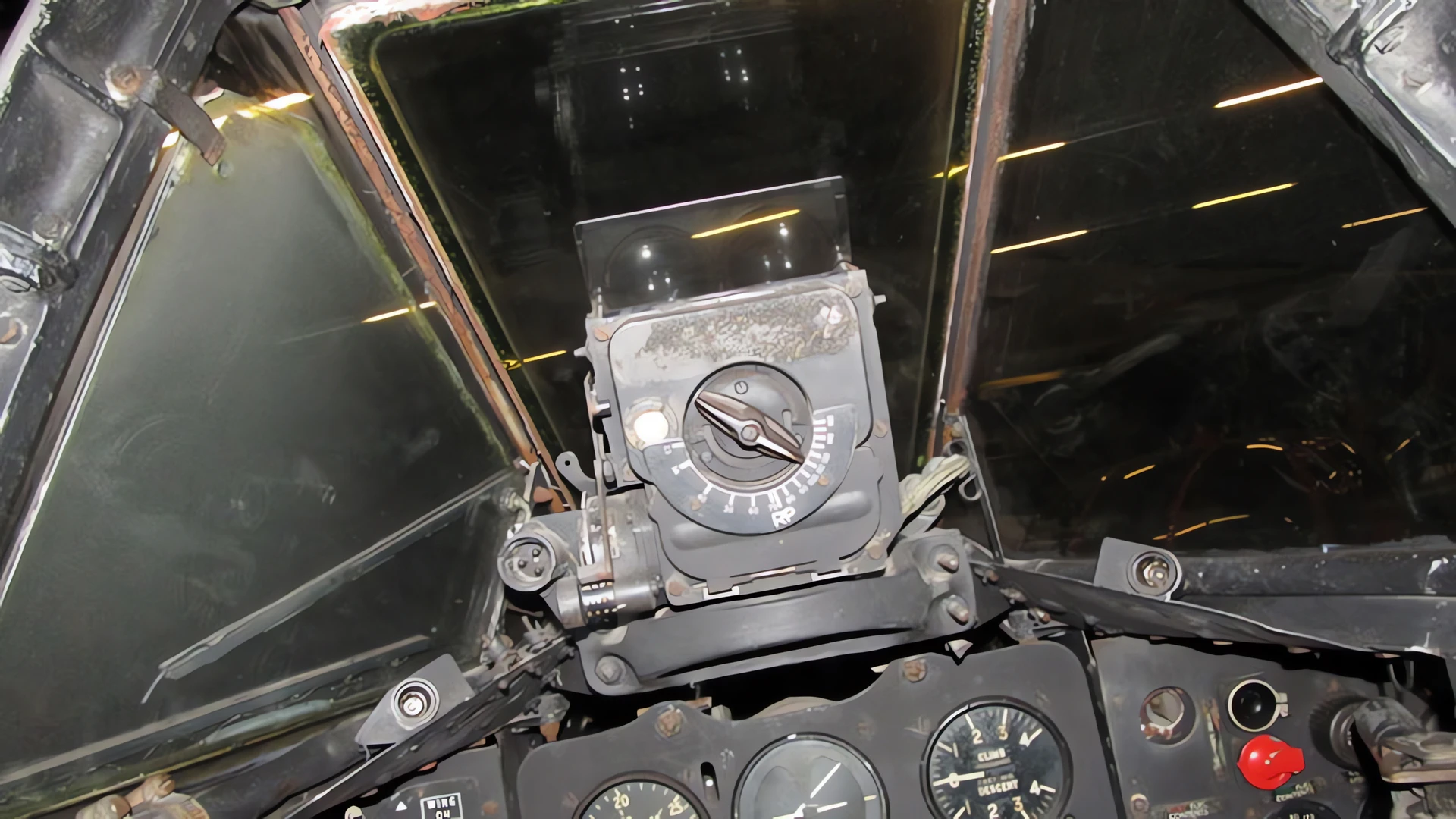
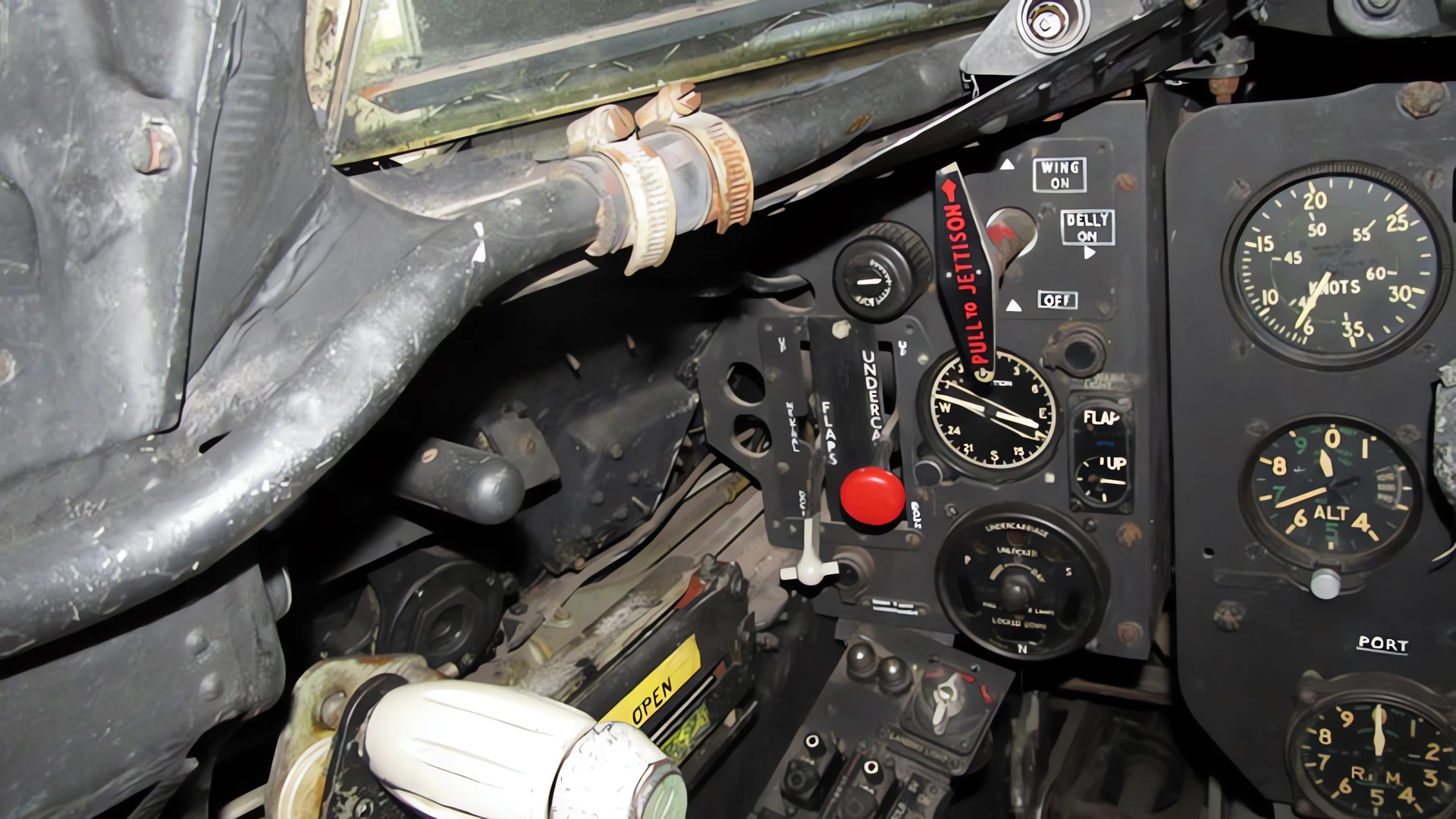
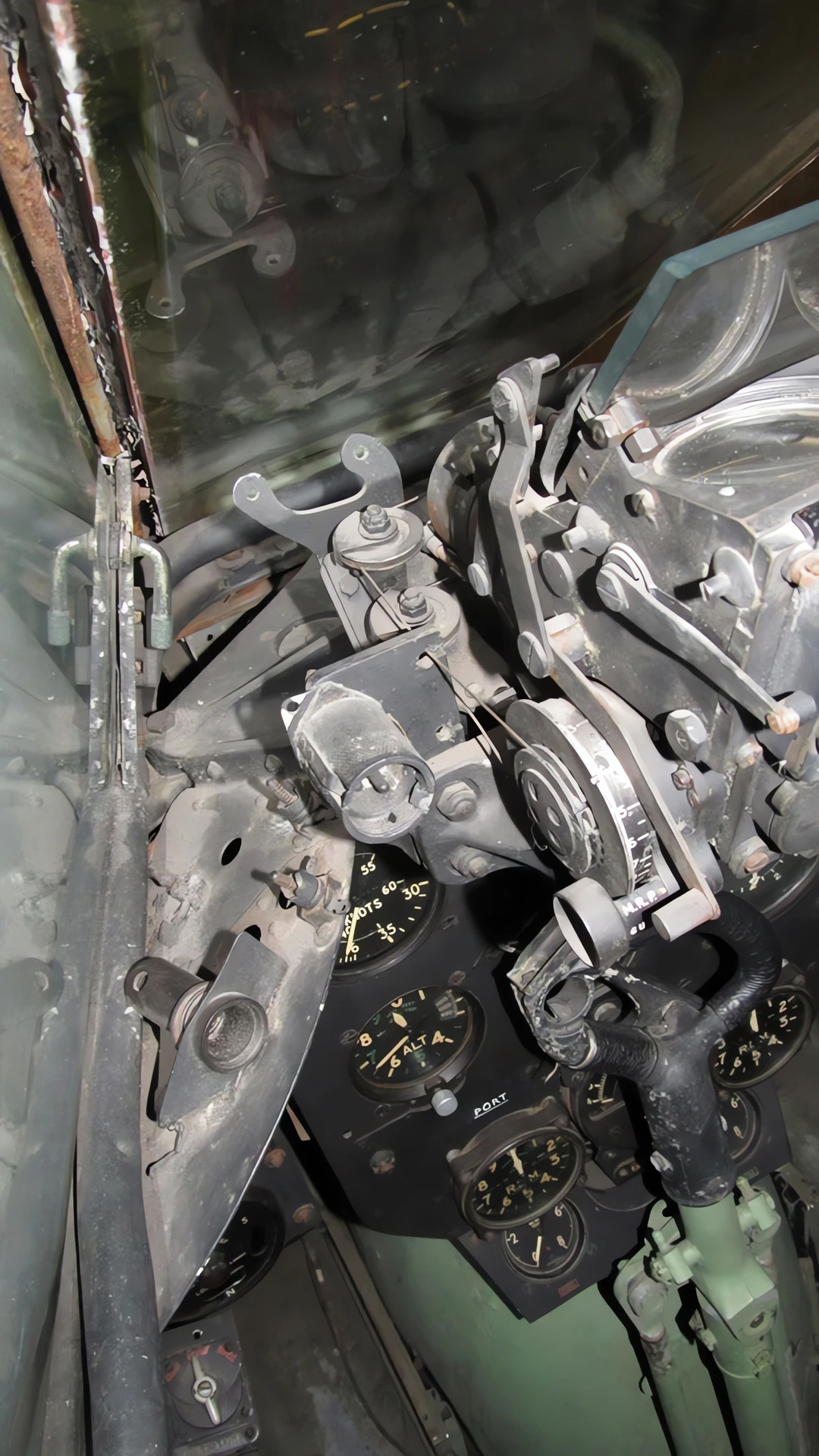
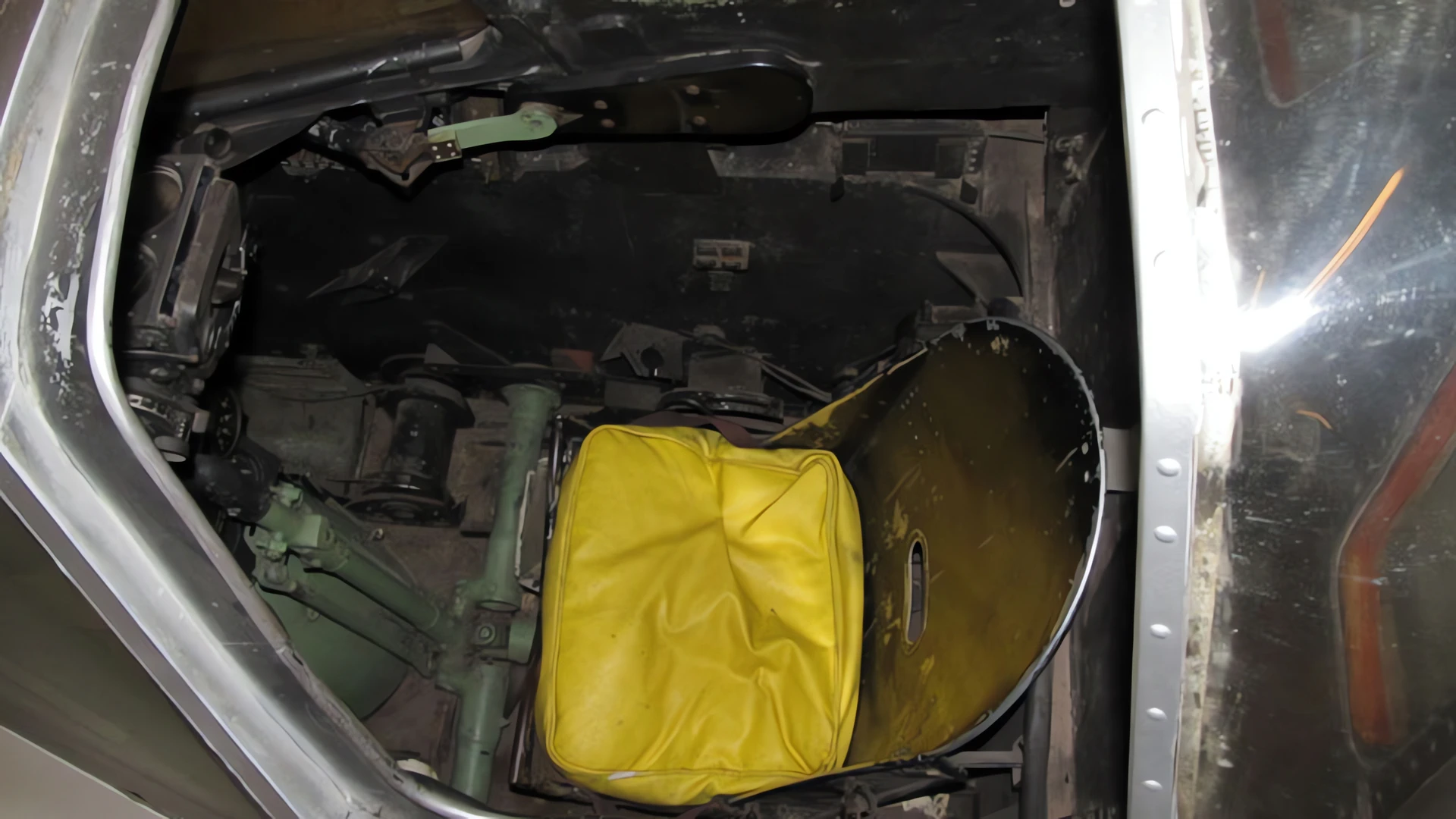
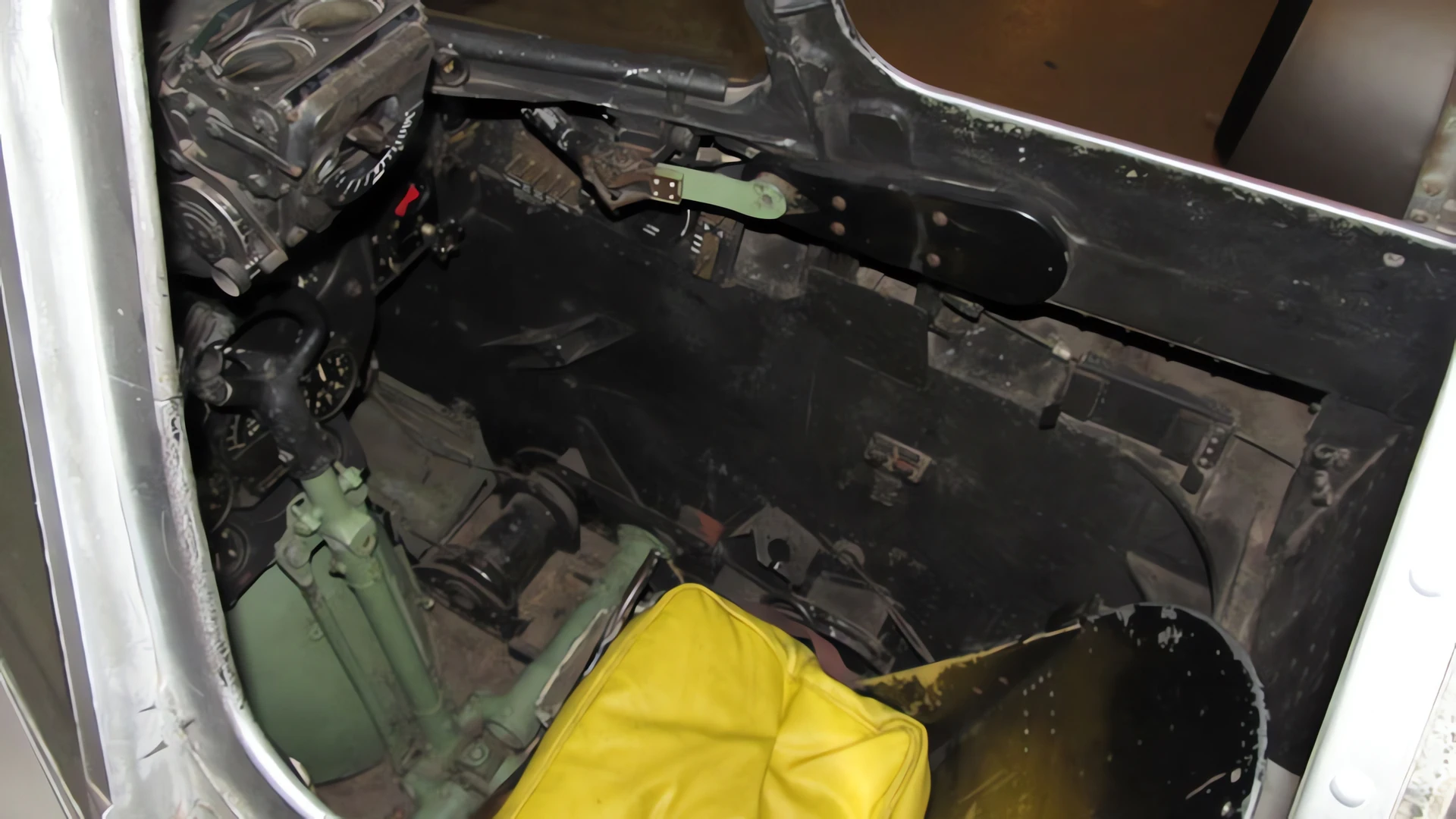
Pressurized Cockpit:The F.4 was the first Meteor variant to offer a fully pressurized cockpit as standard, allowing pilots to operate comfortably at the high altitudes where jet engines are most efficient.
Extended Engine Nacelles:To reduce aerodynamic drag at high speeds, the engine cowlings (nacelles) were lengthened. This “long-nacelle” look became the classic silhouette for the remainder of the Meteor’s production life.
Global Reach and Legacy
Export Success:The F.4 was a massive export hit for Gloster. It served in the air forces of Argentina, Belgium, Denmark, Egypt, the Netherlands, and Norway, making it one of the most widely used early jet fighters in the world.
The Argentine Dispute:Argentina was a major operator of the F.4; their Meteors saw combat during internal uprisings in the 1950s, marking some of the earliest jet combat in South America.
The T.7 Trainer:The F.4 airframe was so successful that it served as the basis for the流星T.7, a two-seat trainer version that taught a generation of pilots how to handle the unique challenges of jet flight.
Structural Limits:While incredibly fast for its time, the F.4 was still a straight-wing design. It suffered from “compressibility” issues as it approached the speed of sound, which eventually led to its replacement by swept-wing fighters like the Hawker Hunter.











你好
每当我点击页面#2和转发,我没有看到任何飞机的照片了。硫磺是你的任何专辑。只能看到任何主题#1页面上的照片。使用火狐,最新版本。
有什么建议吗?
谢谢!
我只是更新图像经理,这对你现在有好处吗?
谢谢你的回报!