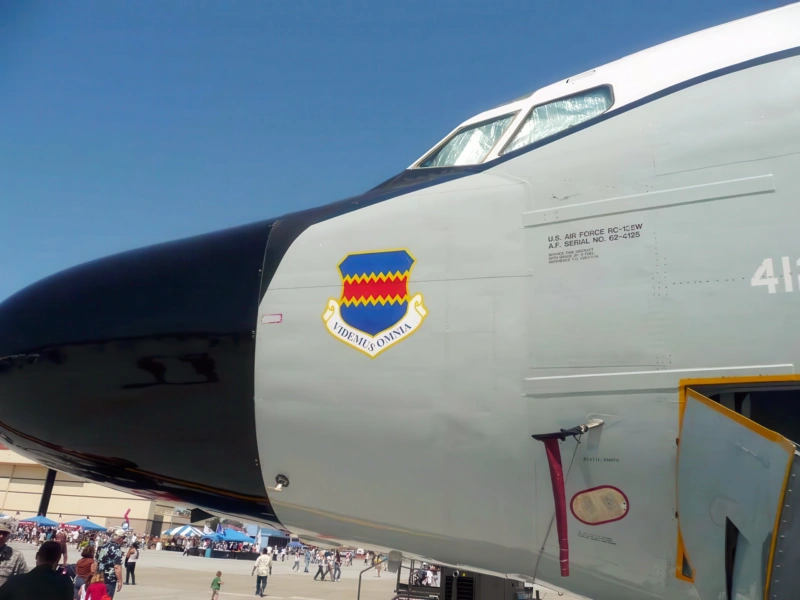
Boeing RC-135 | |
|---|---|
| Land | Usa |
| Roll | Reconnaissanceflygplan |
| Status | Aktiv |
| Byggd | 32 |
Den Boeing RC-135 är en familj av stora spaningsflygplan byggda av Boeing och modifierade av ett antal företag, inklusive General Dynamics, Lockheed, LTV, E-Systems och L3 Technologies, och används av USA:s flygvapen och Royal Air Force för att stödja underrättelsekonsumenter på teater- och nationell nivå med möjligheter till insamling, analys och spridning på plats nästan i realtid. Olika typer av RC-135 är baserade på C-135 Stratolifter och har varit i tjänst sedan 1961. Till skillnad från C-135 och KC-135 som erkänns av Boeing som modell 717, är RC-135 internt betecknad som modell 739 av företaget. Många varianter har modifierats flera gånger, vilket resulterat i en stor variation av beteckningar, konfigurationer och programnamn.
Källkod: Boeing RC-135 på Wikipedia
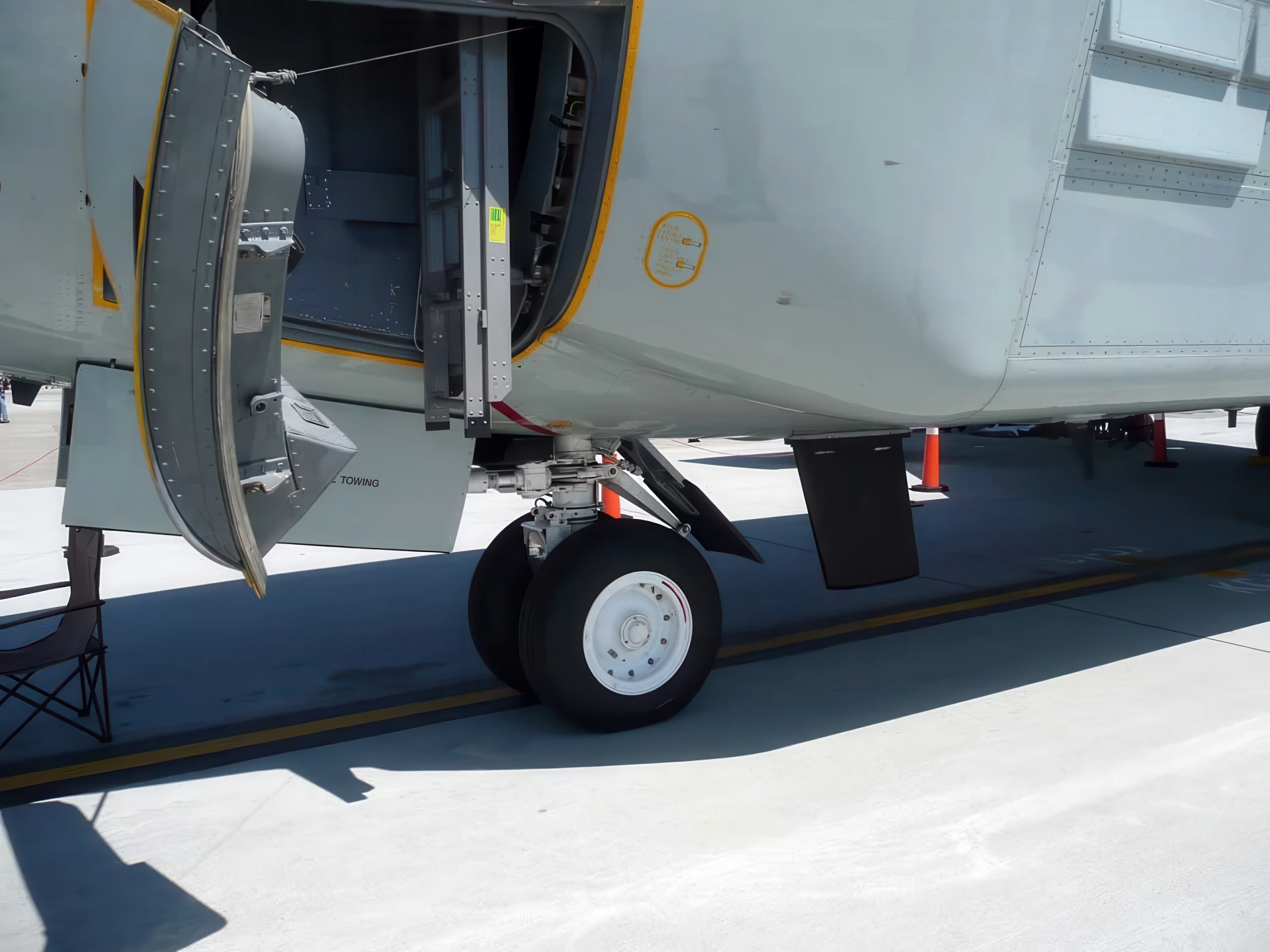
| Boeing RC-135W Rivet Joint Around | |
|---|---|
| Fotografer | Unknow |
| Lokalisering | Unknow |
| Bilder | 102 |
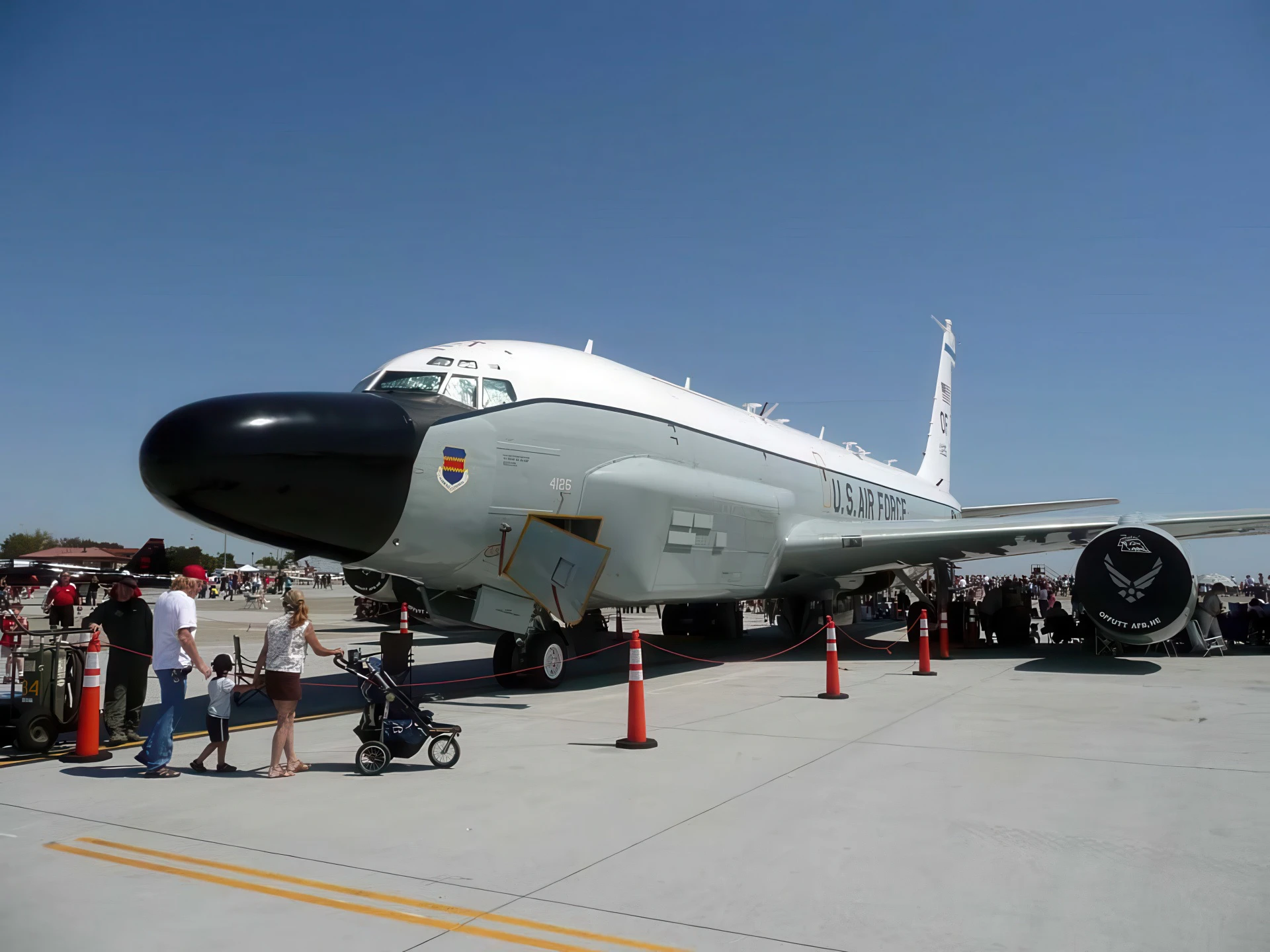
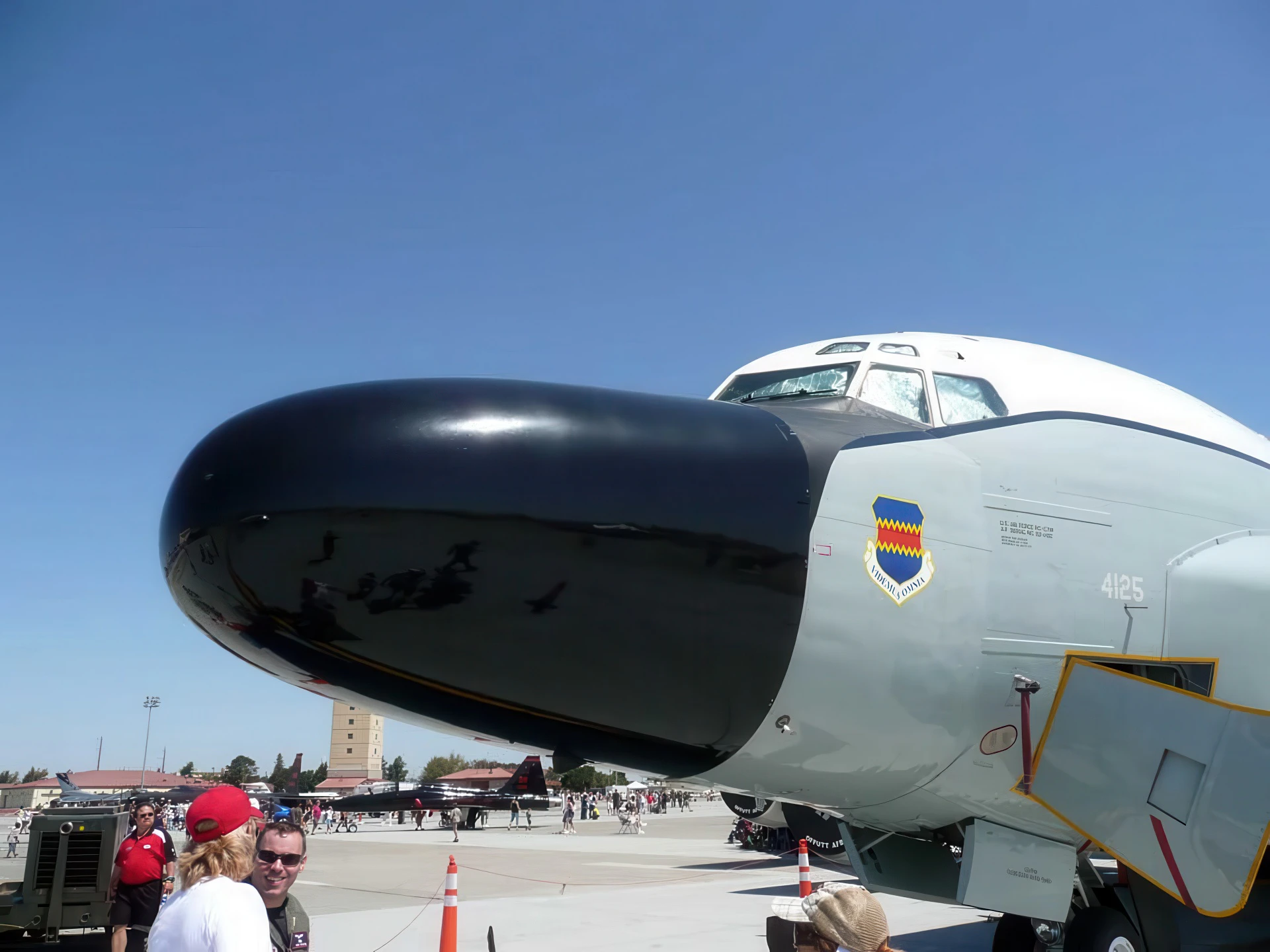
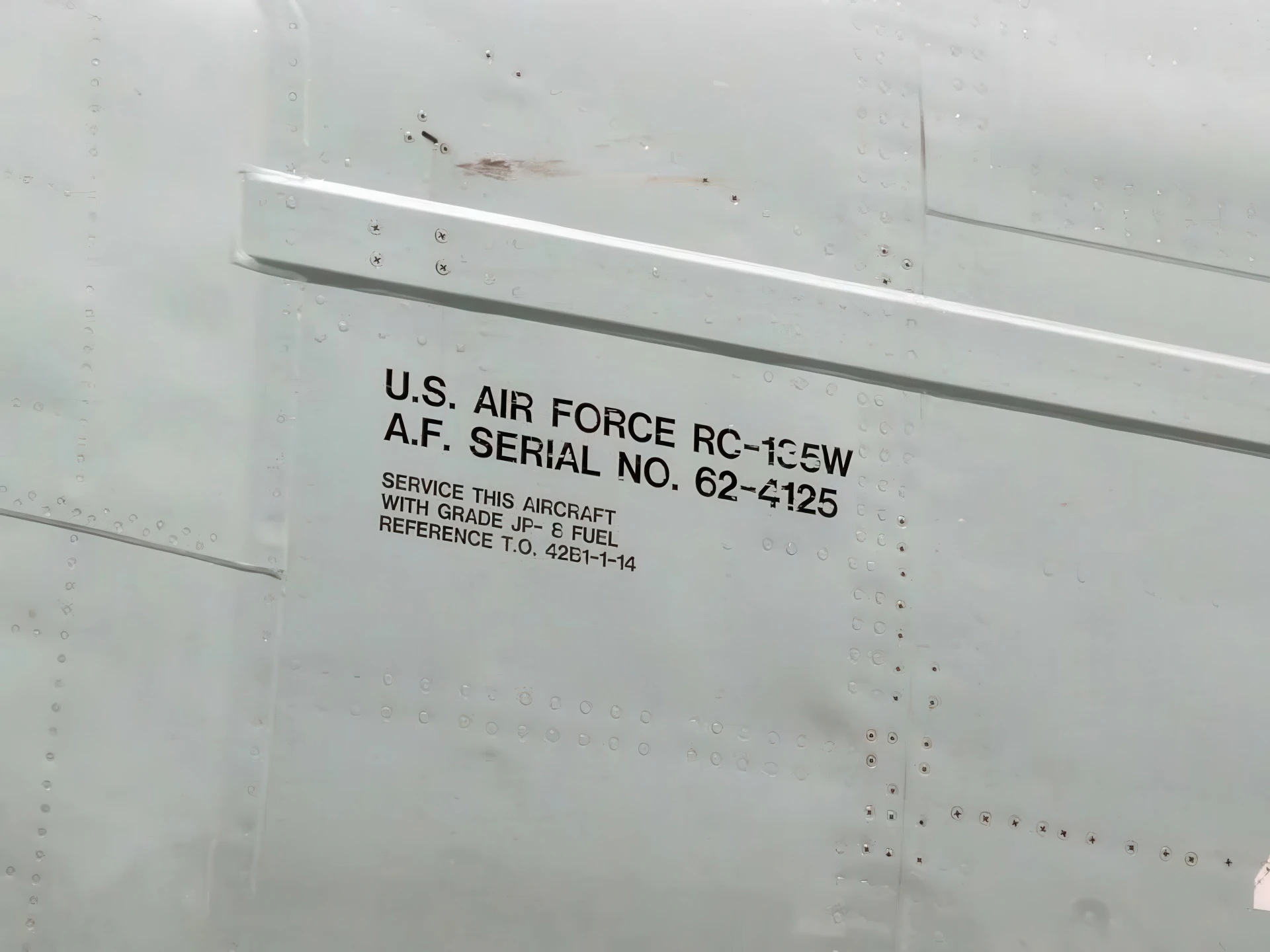
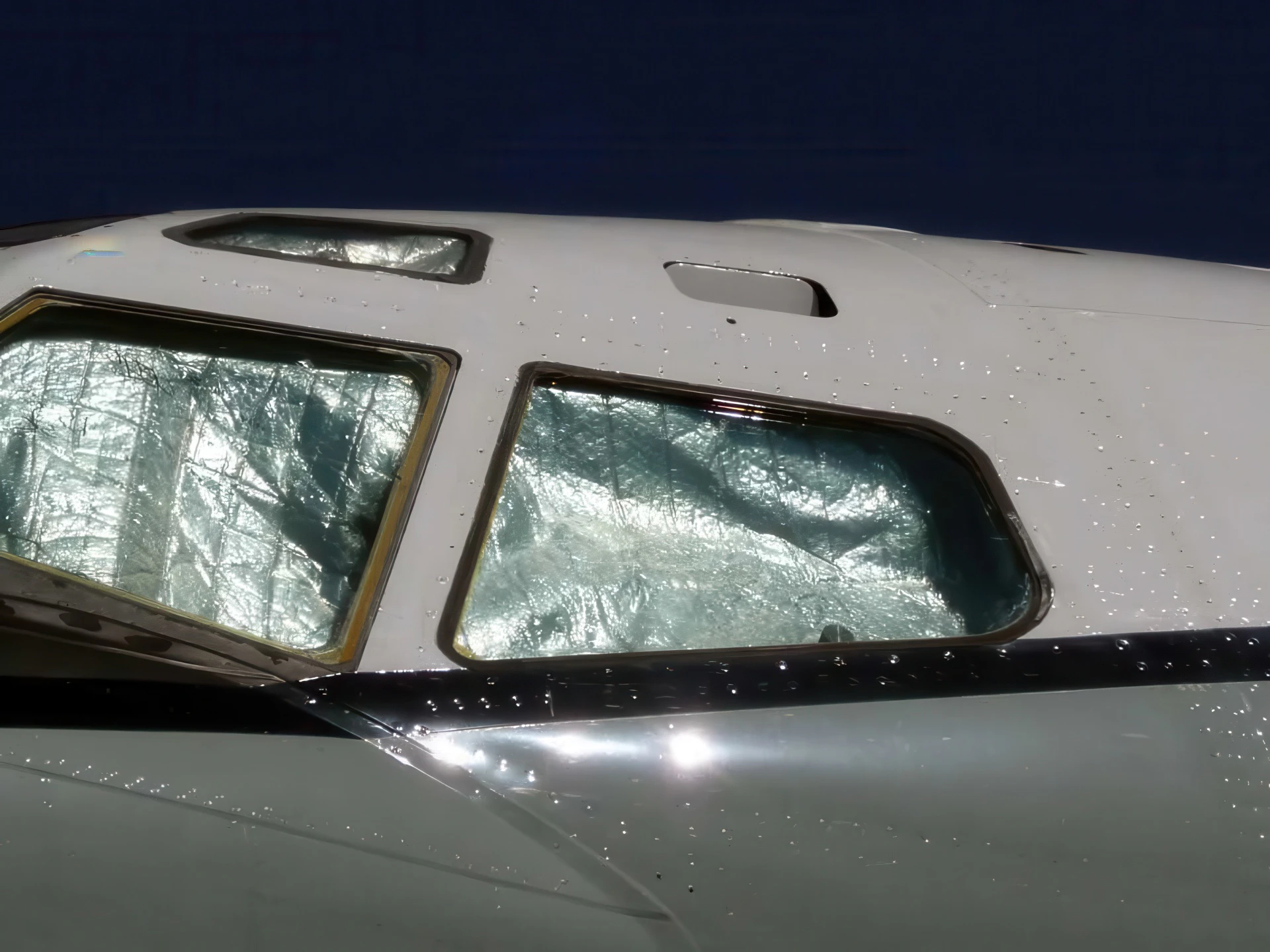
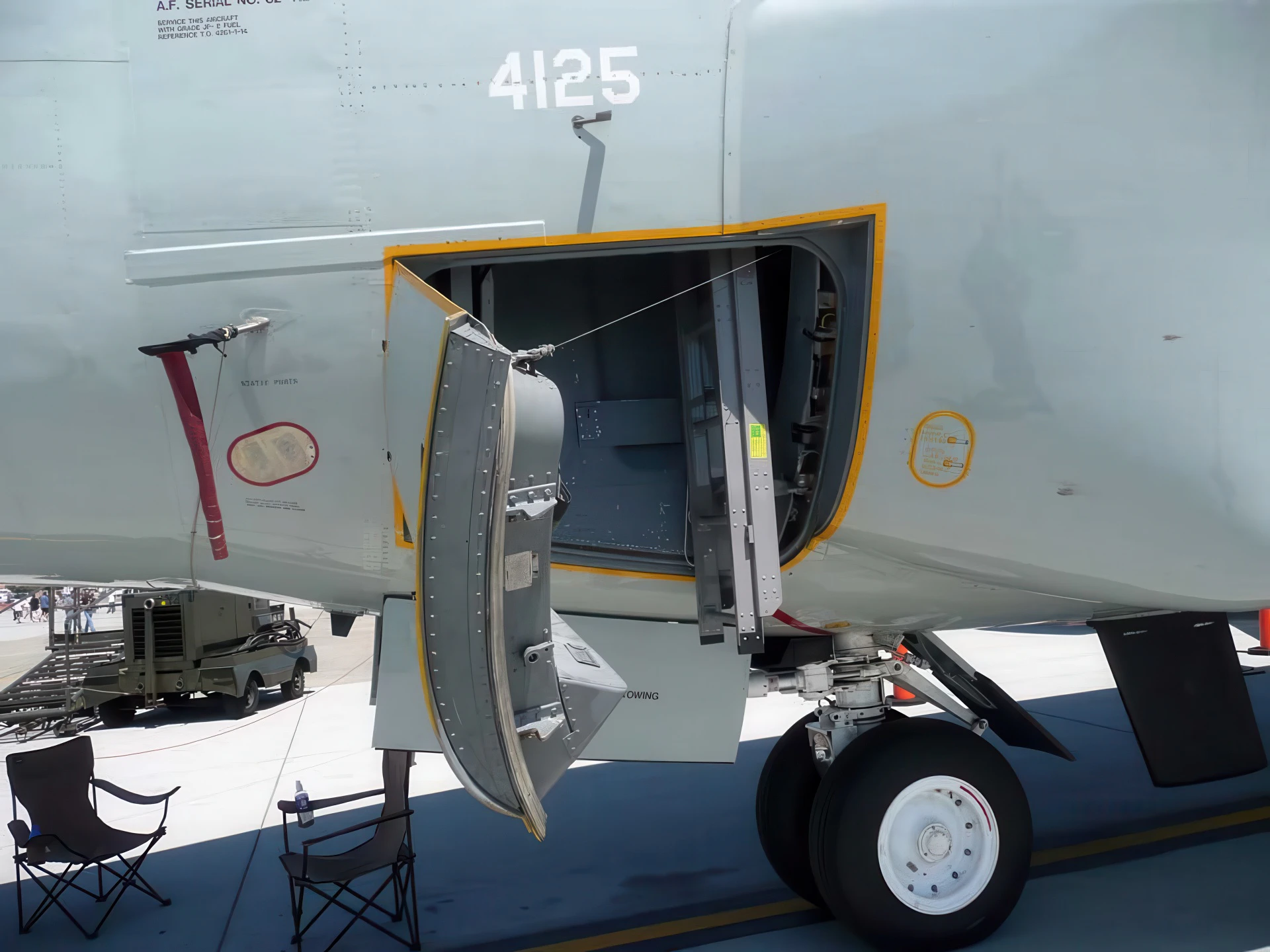
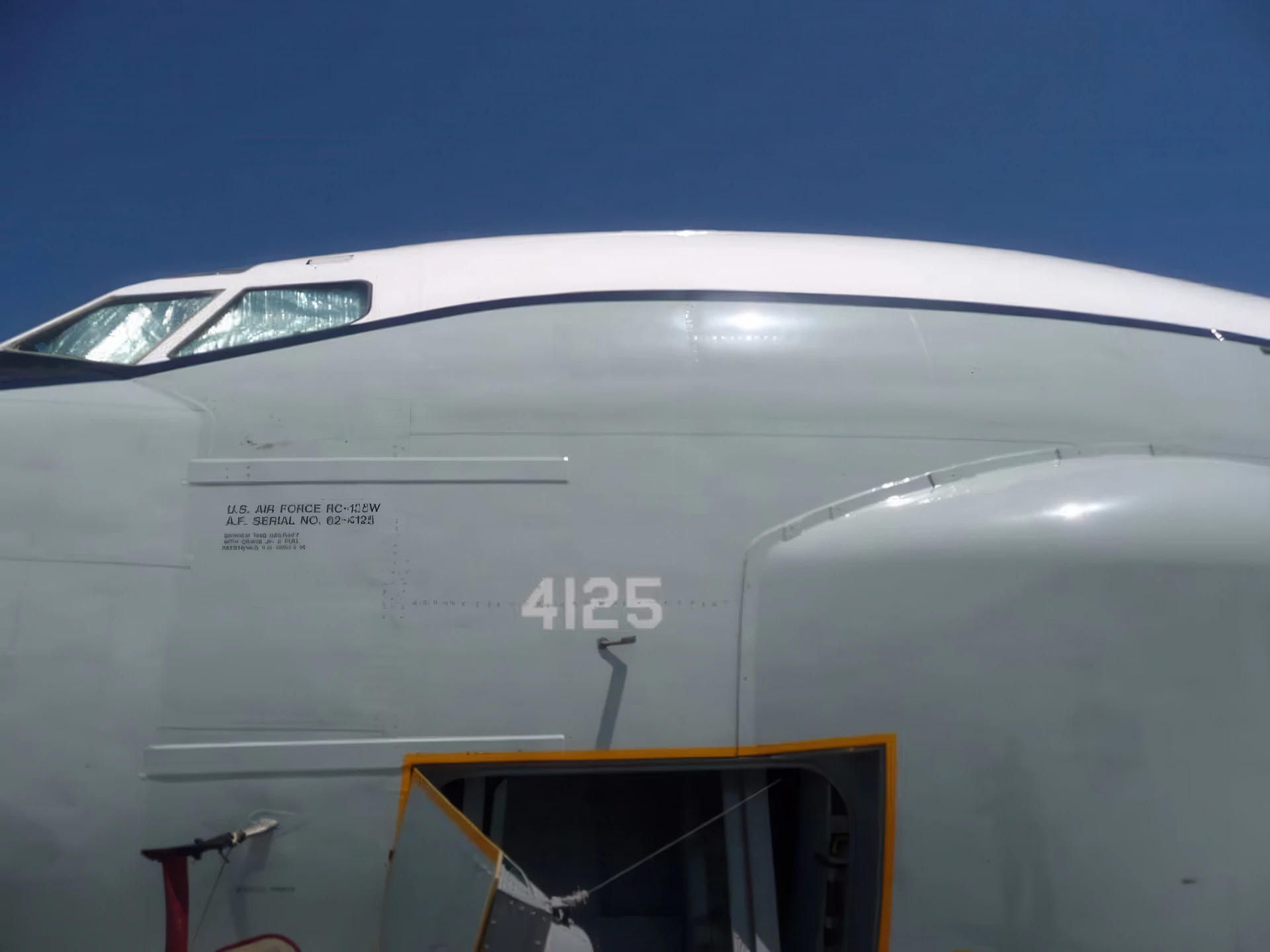
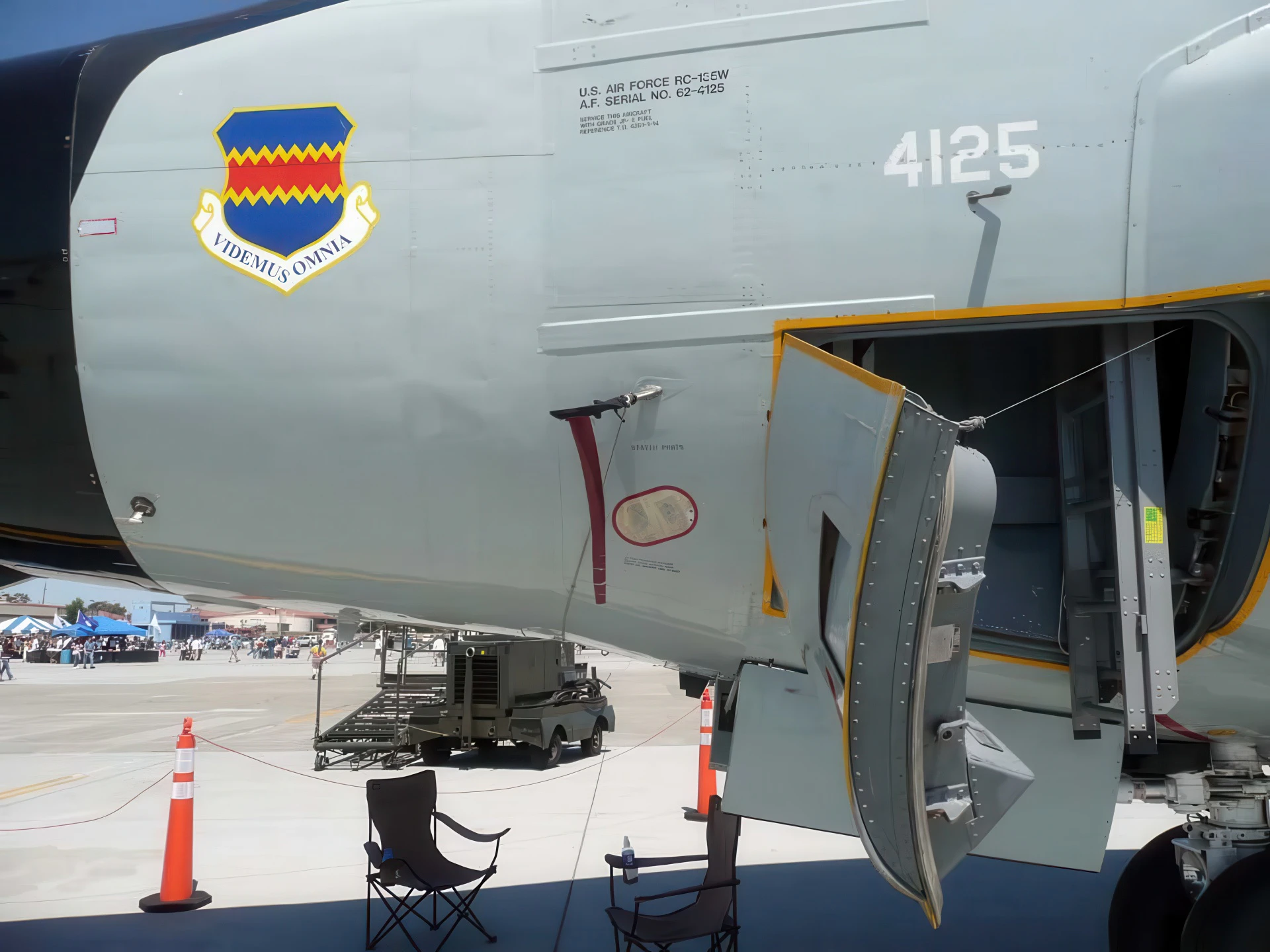


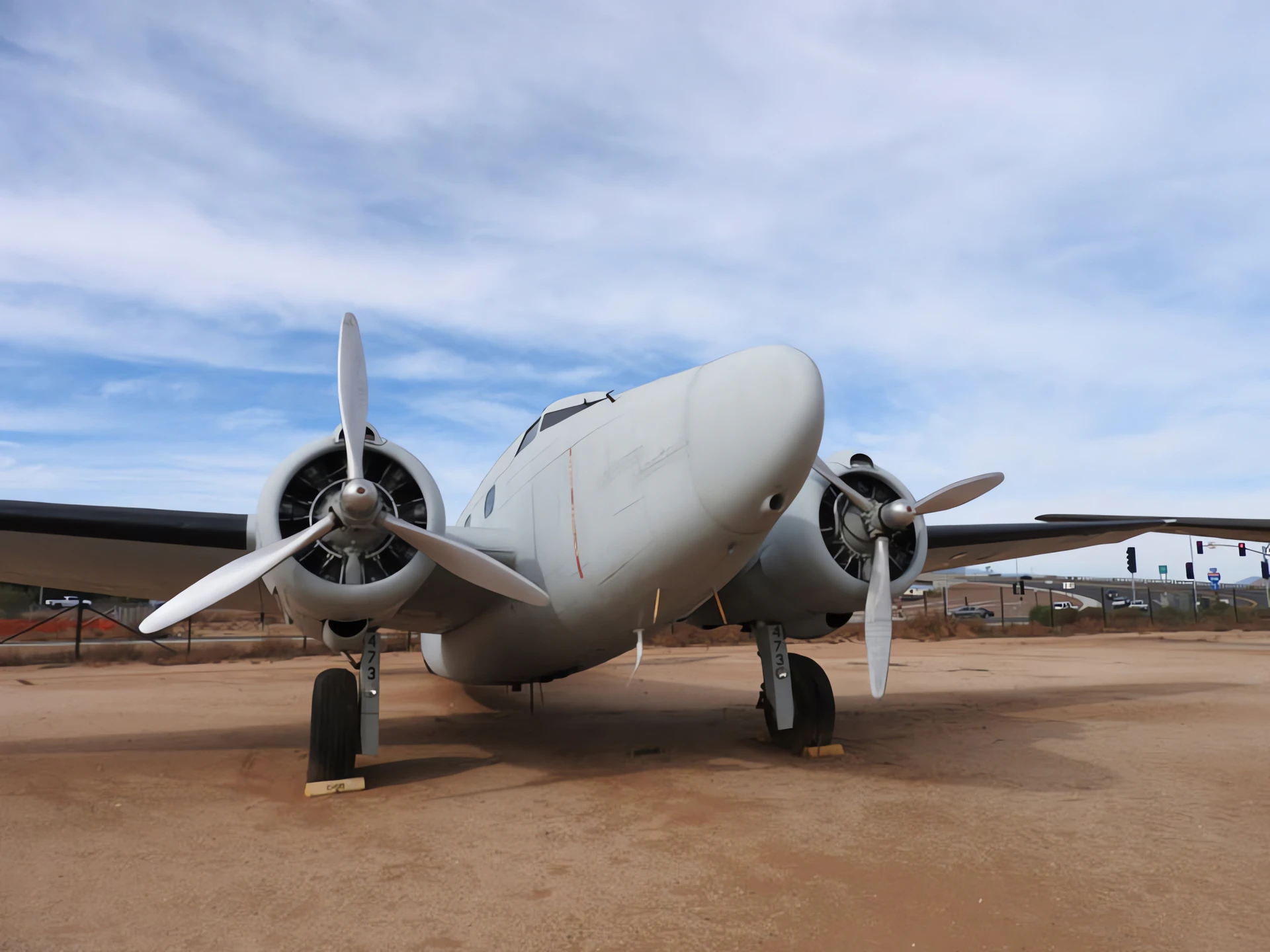
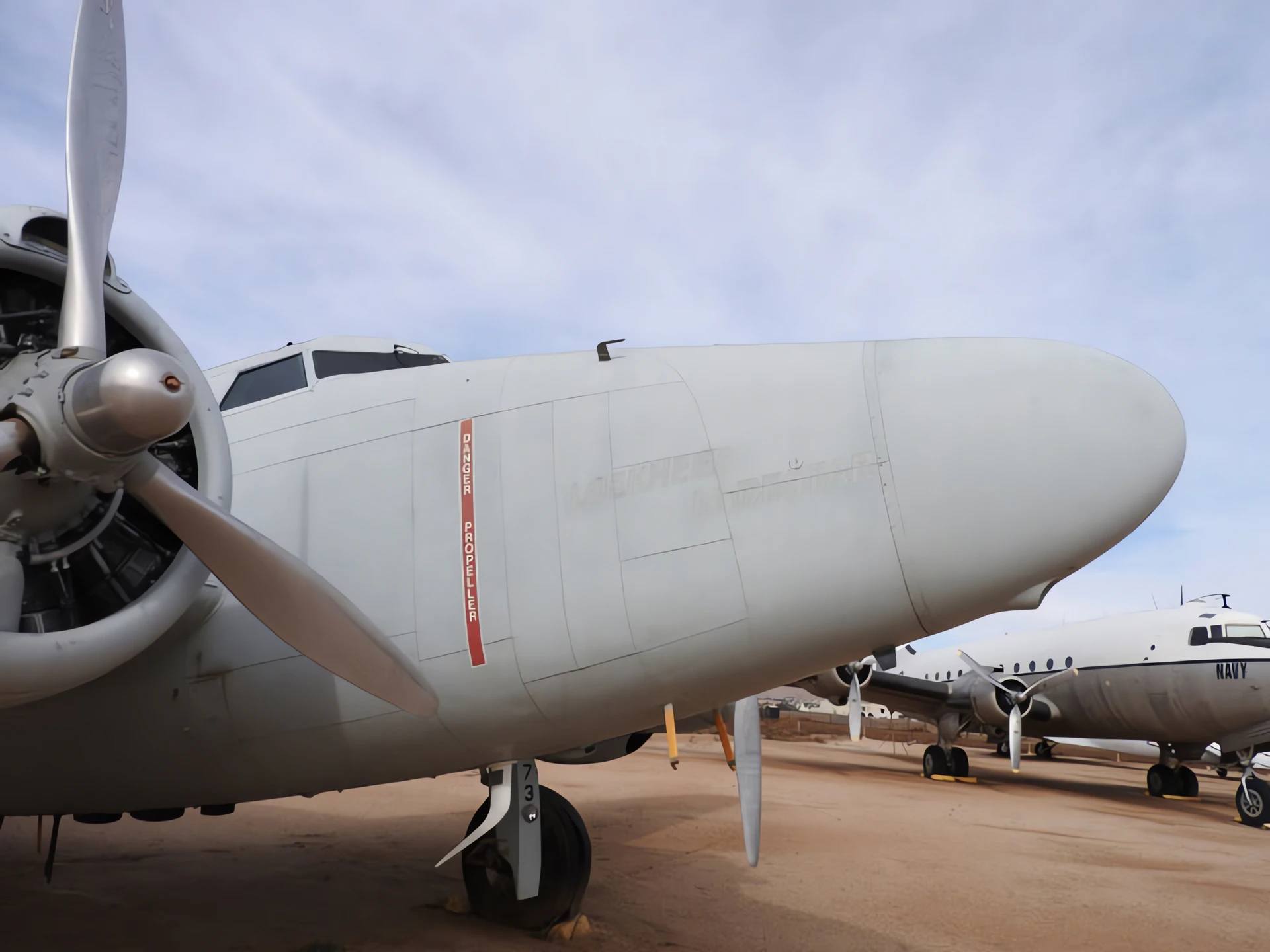
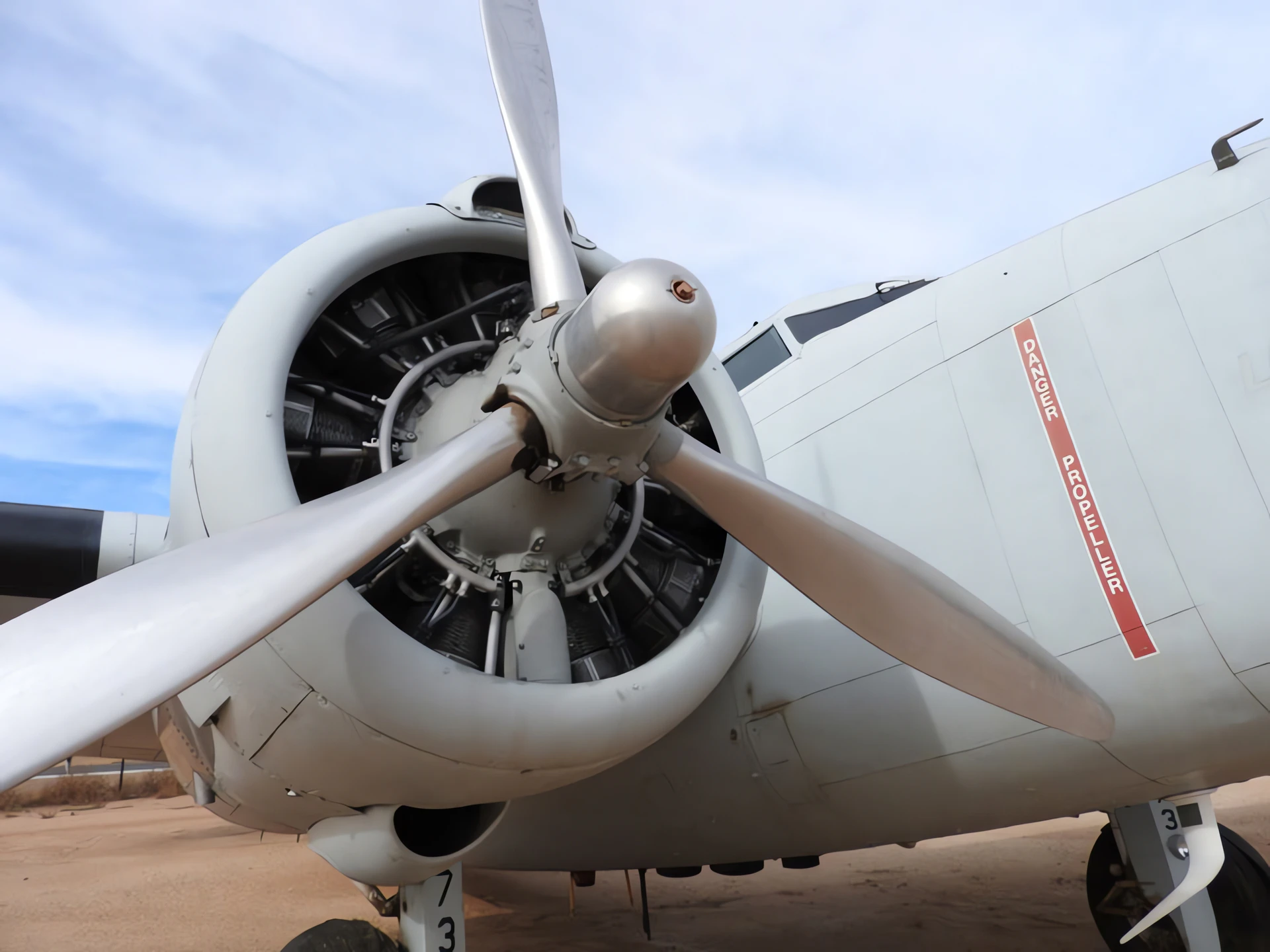
| Lodestar R-5O Walk Around | |
|---|---|
| Fotografer | Unknow |
| Lokalisering | Unknow |
| Bilder | 34 |


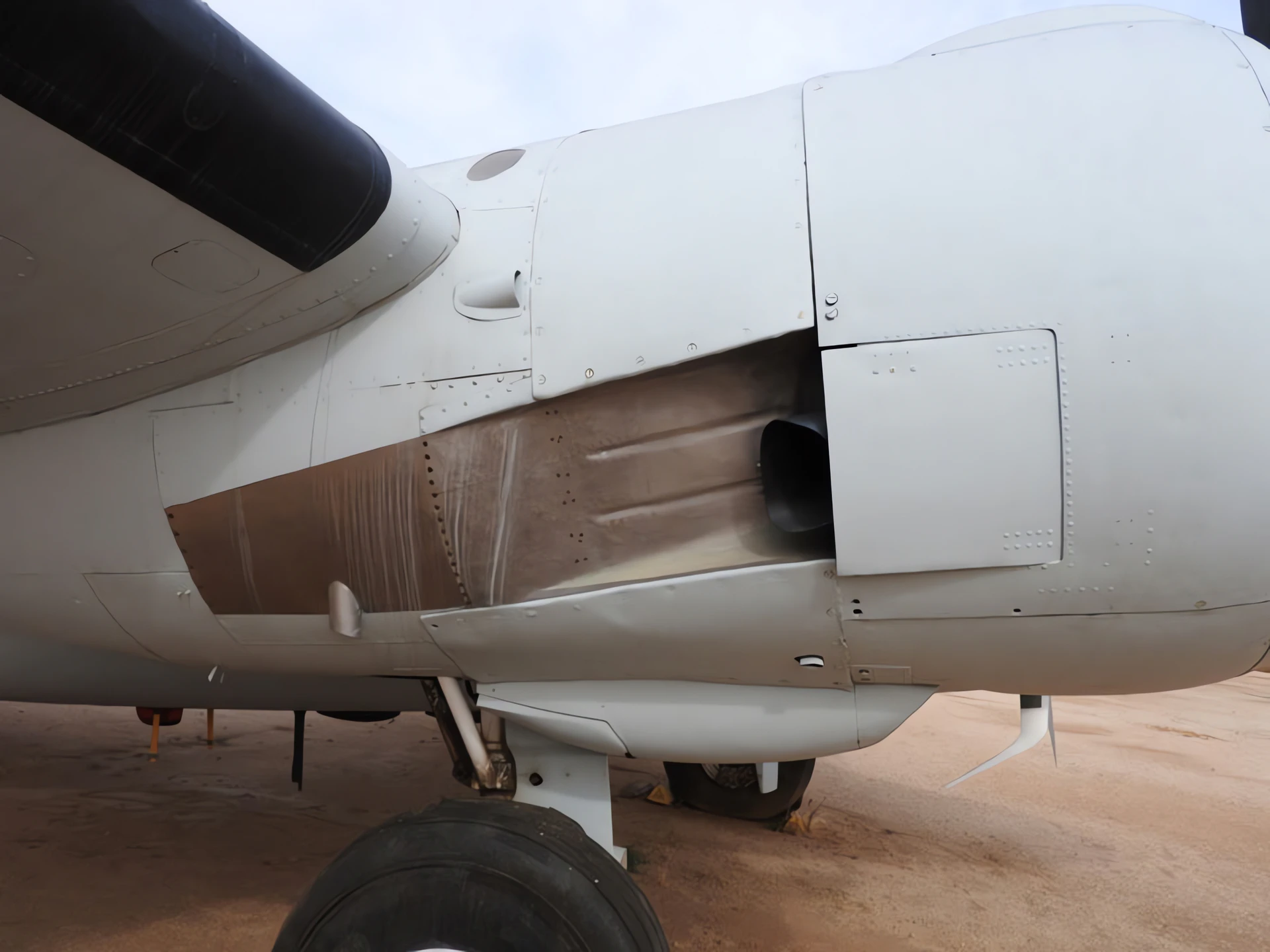


Se även:


The Boeing RC-135 is a large reconnaissance aircraft that is used for photographic and electronic intelligence missions. It is based on the Boeing C-135 Stratolifter, a transport and tanker aircraft that was developed from the Boeing 707. The RC-135 has been modified by various companies, such as General Dynamics, Lockheed, LTV, E-Systems, and L3 Technologies, to carry different types of sensors and equipment. The RC-135 has been in service with the United States Air Force and the Royal Air Force since 1961, and has participated in many conflicts and operations around the world.
The RC-135 has four CFM International CFM56 turbofan engines that provide a maximum speed of 933 km/h and a range of 5,500 km. The aircraft has a crew of 27, including three pilots, two navigators, and 22 other members who operate the reconnaissance systems. The RC-135 has a wingspan of 39.88 m, a length of 41.53 m, and a height of 12.7 m. The aircraft does not have any armament or defensive systems, but relies on its electronic countermeasures and escort fighters for protection.
The RC-135 has many variants that are designated by different letters and names, depending on their specific mission and configuration. Some of the most common variants are:
– RC-135A: The first variant, ordered in 1962 to replace the RB-50 Superfortress. It had cameras in a bay behind the nose wheel well and no in-flight refueling system.
– RC-135B: The second variant, ordered in 1964 to replace the RB-47H Stratojet. It had Pratt & Whitney TF33 engines instead of J57s and was delivered to Martin Aircraft for installation of electronic intelligence equipment. It was later converted to RC-135C.
– RC-135C: The third variant, derived from the RC-135B after receiving additional modifications by E-Systems. It had large cheek antenna fairings on the forward fuselage and was used for signals intelligence (SIGINT) missions.
– RC-135D: The fourth variant, derived from three KC-135A tankers that were modified by Lockheed for polar reconnaissance missions. It had a distinctive nose radome and was used to monitor Soviet missile tests.
– RC-135E: The fifth variant, derived from one C-135B transport that was modified by E-Systems for electronic warfare (EW) missions. It had a large antenna on top of the fuselage and was nicknamed “Lisa Ann”. It was later transferred to the US Navy as EC-24A.
– RC-135M: The sixth variant, derived from seven KC-135A tankers that were modified by LTV for SIGINT missions in support of US Navy operations. It had additional antennas under the wings and fuselage and was used in Southeast Asia during the Vietnam War.
– RC-135S: The seventh variant, derived from three C-135A transports that were modified by General Dynamics for strategic reconnaissance missions. It had a large black radome under the rear fuselage and was used to track ballistic missile launches. It was also known as “Cobra Ball”.
– RC-135U: The eighth variant, derived from two KC-135A tankers that were modified by E-Systems for electronic intelligence (ELINT) missions. It had distinctive wingtip pods and nose cones and was used to collect radar emissions. It was also known as “Combat Sent”.
– RC-135V/W: The ninth variant, derived from 22 RC-135C/M aircraft that were upgraded by L3 Technologies with new engines, avionics, and reconnaissance systems. It is the most advanced and capable variant of the RC-135 family and is used for SIGINT missions. It is also known as “Rivet Joint”.
Visningar : 3027
Du kan också se:
 Boeing YC-14 – Foton &; Videor
 Boeing X-32 – Foton & Videor
 Boeing KC-97 Stratofreighter – Foton & Videor
 Boeing X-40A – Foton &; Videor
 Boeing X-45 – Foton & Videor
 Boeing 307 Stratoliner – Foton &; Videor
 Boeing EA-18G Growler – Foton &; Video
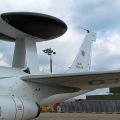 Boeing E-3 Sentry – Foton &; Video
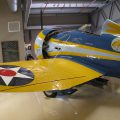 Boeing P-26 – Foton &; Video
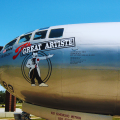 B-29 Super Fortress – WalkAround