Aerfer Sagittario 2 | |
|---|---|
| Zemlja | Italija |
| Ulogu | Prototip lovca |
| Prvi let | 19 Maj 1956 |
| Izgradio | 2 |
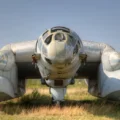
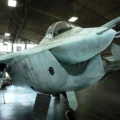
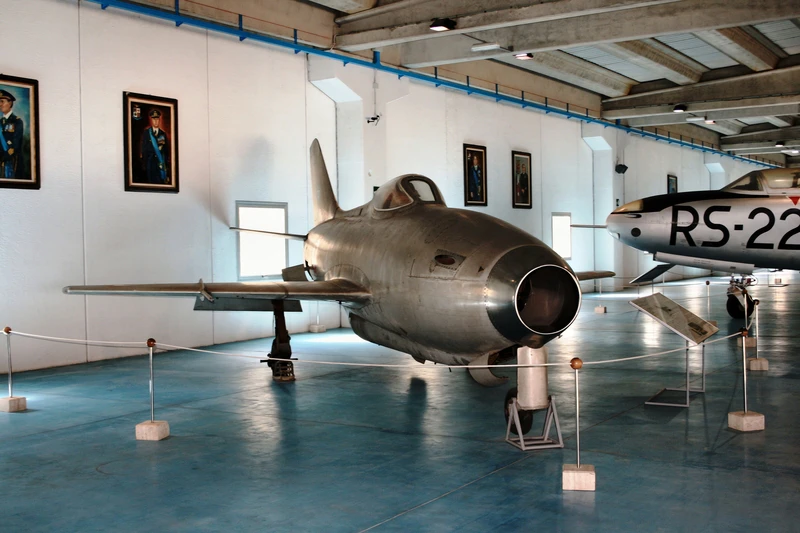
Čaj Aerfer Sagittario 2 (Italijanski za Strelca) bio je prototip all-metal jednoseda lakih borbenih aviona koje je u Italiji napravio Aerfer, namenjen da služi kao presretač ili laki taktički potporni avion. Prvi put leteo 1956. godine, postao je prvi italijanski avion koji je prolomio zvučnu barijeru u kontrolisanom letu kada je stigao do Mach 1.1 tokom ronjenja sa 13.725 m (45.000 ft).
| Aerfer Sagittario 2 Walk Around | |
|---|---|
| Fotograf | Đakomo Gramazio |
| Lokalizacija | Nepoznato |
| Fotografije | 13 |
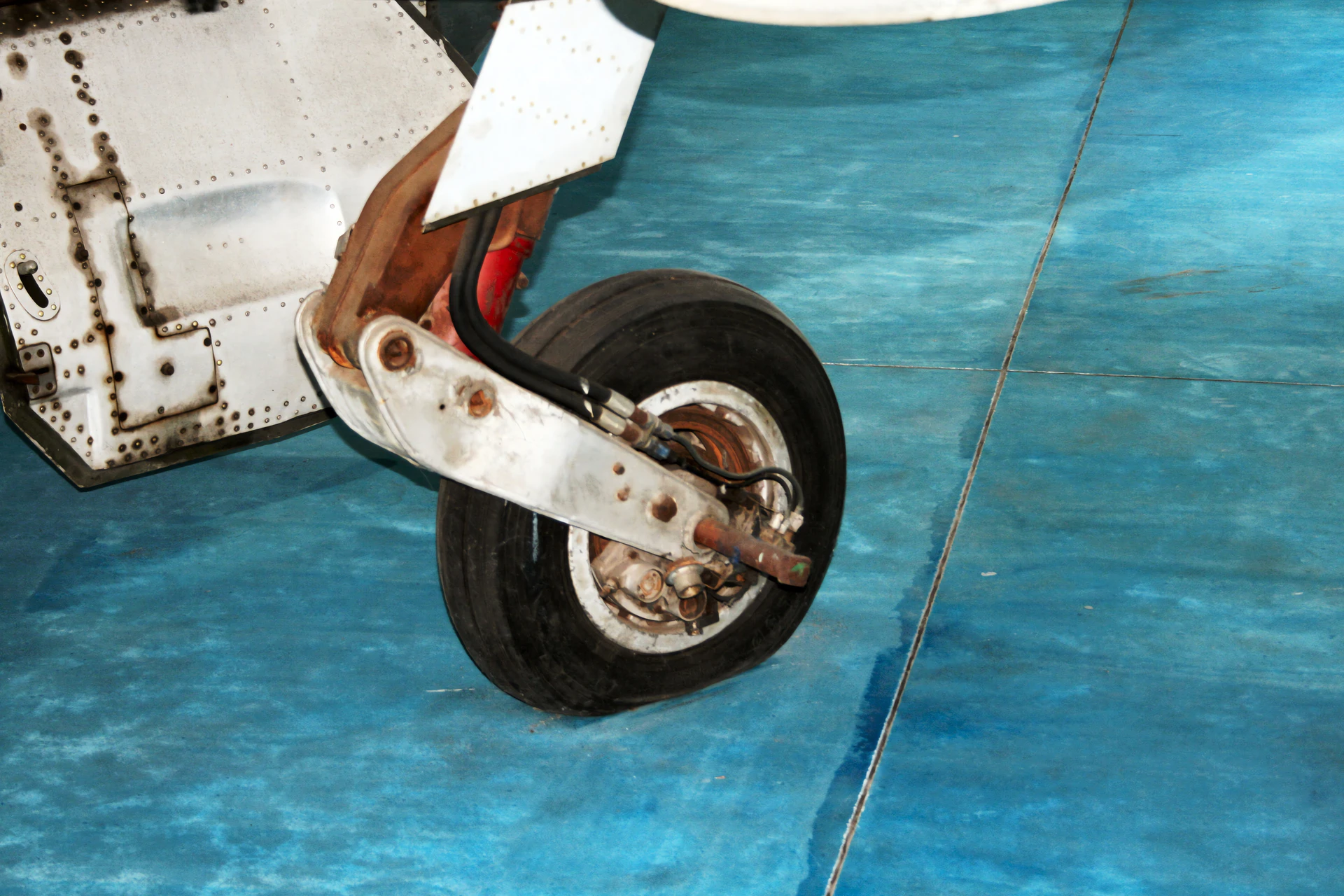
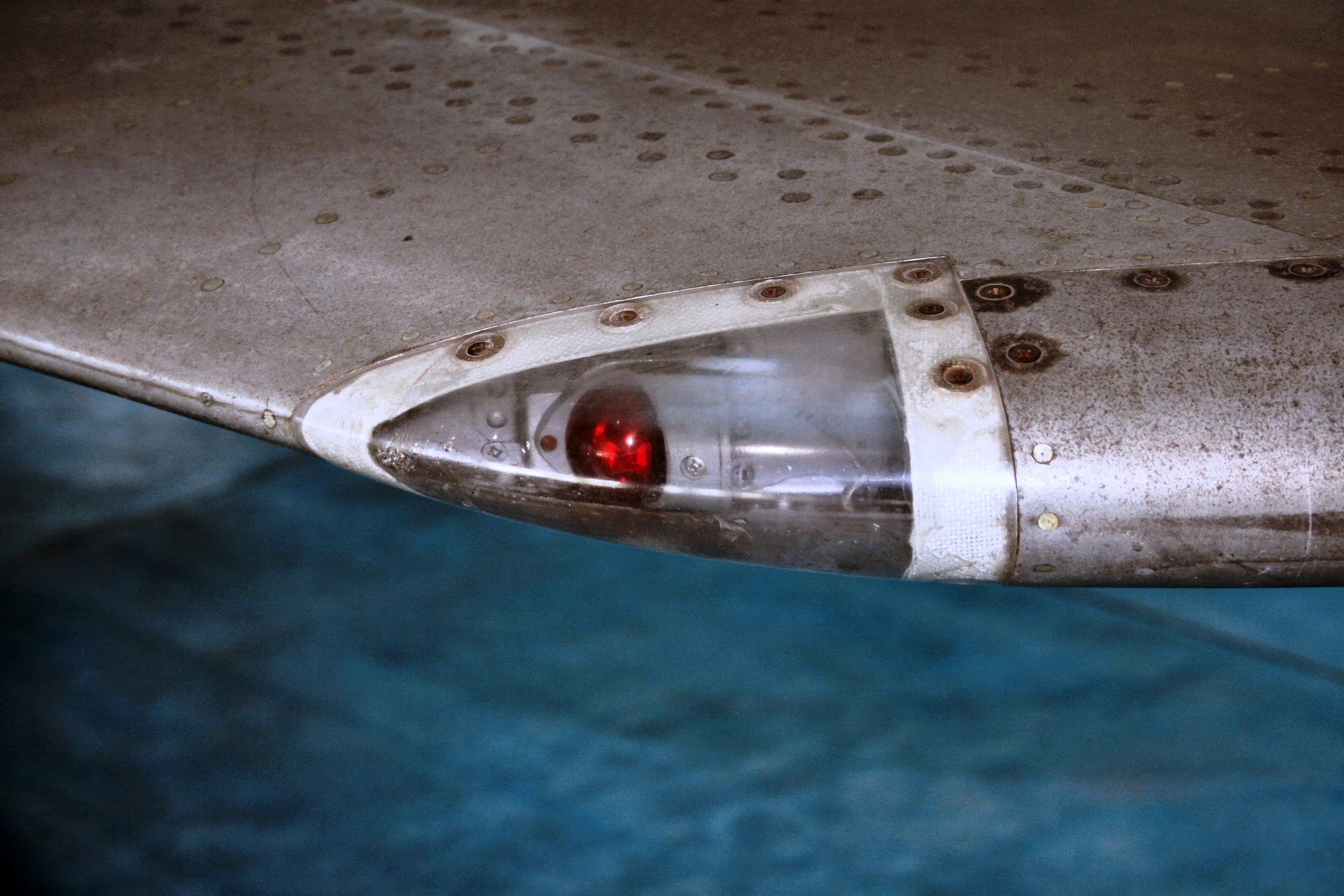
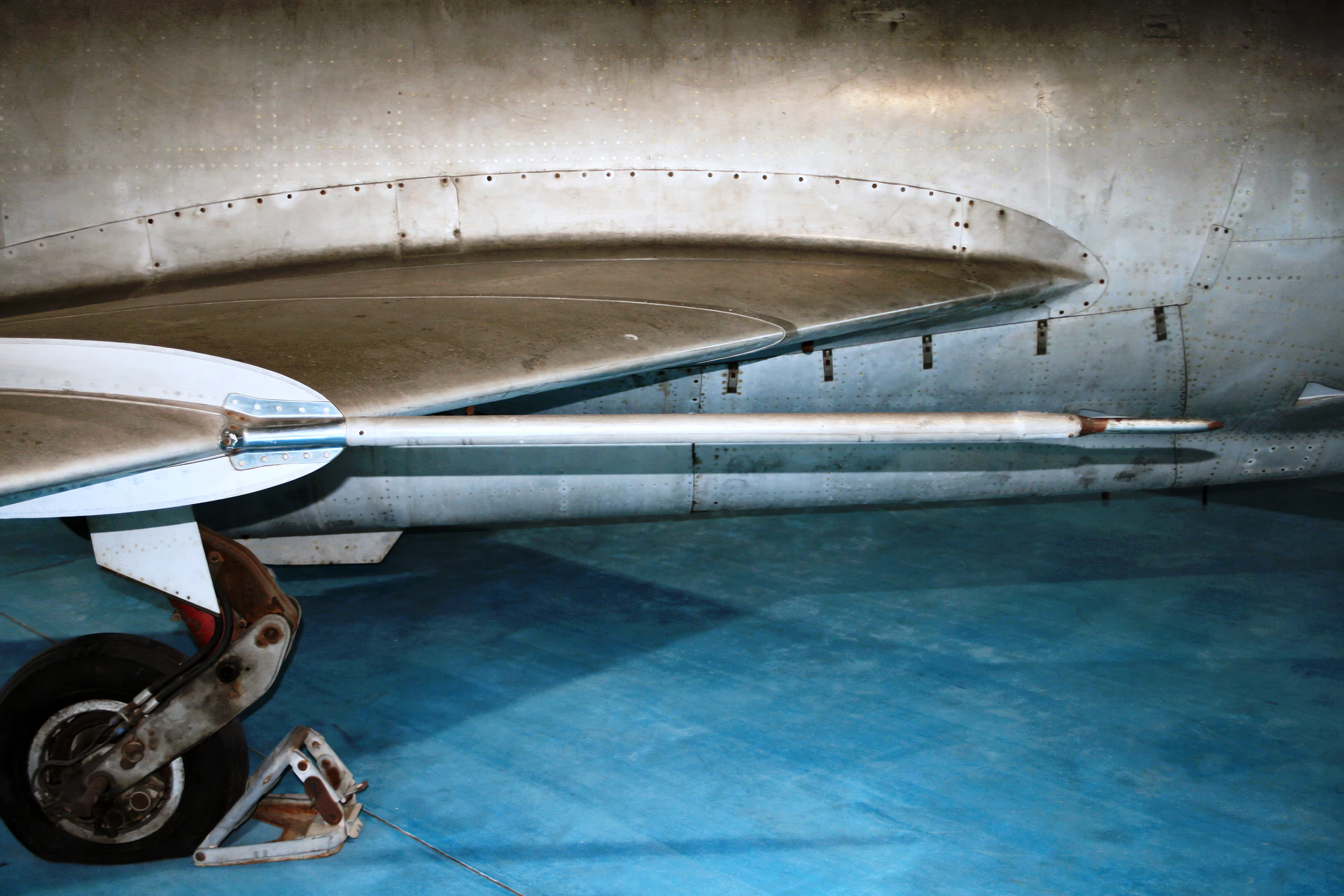
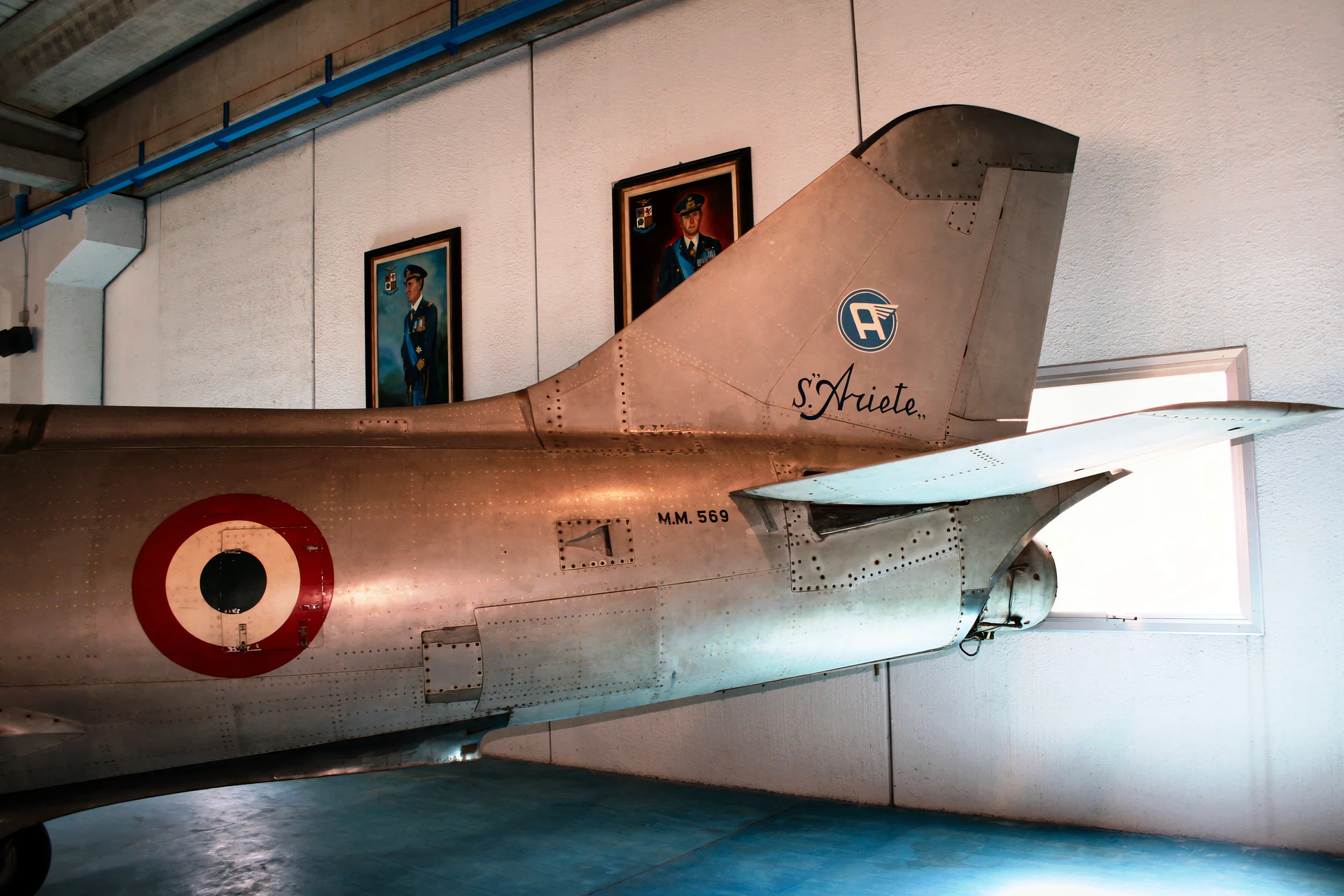
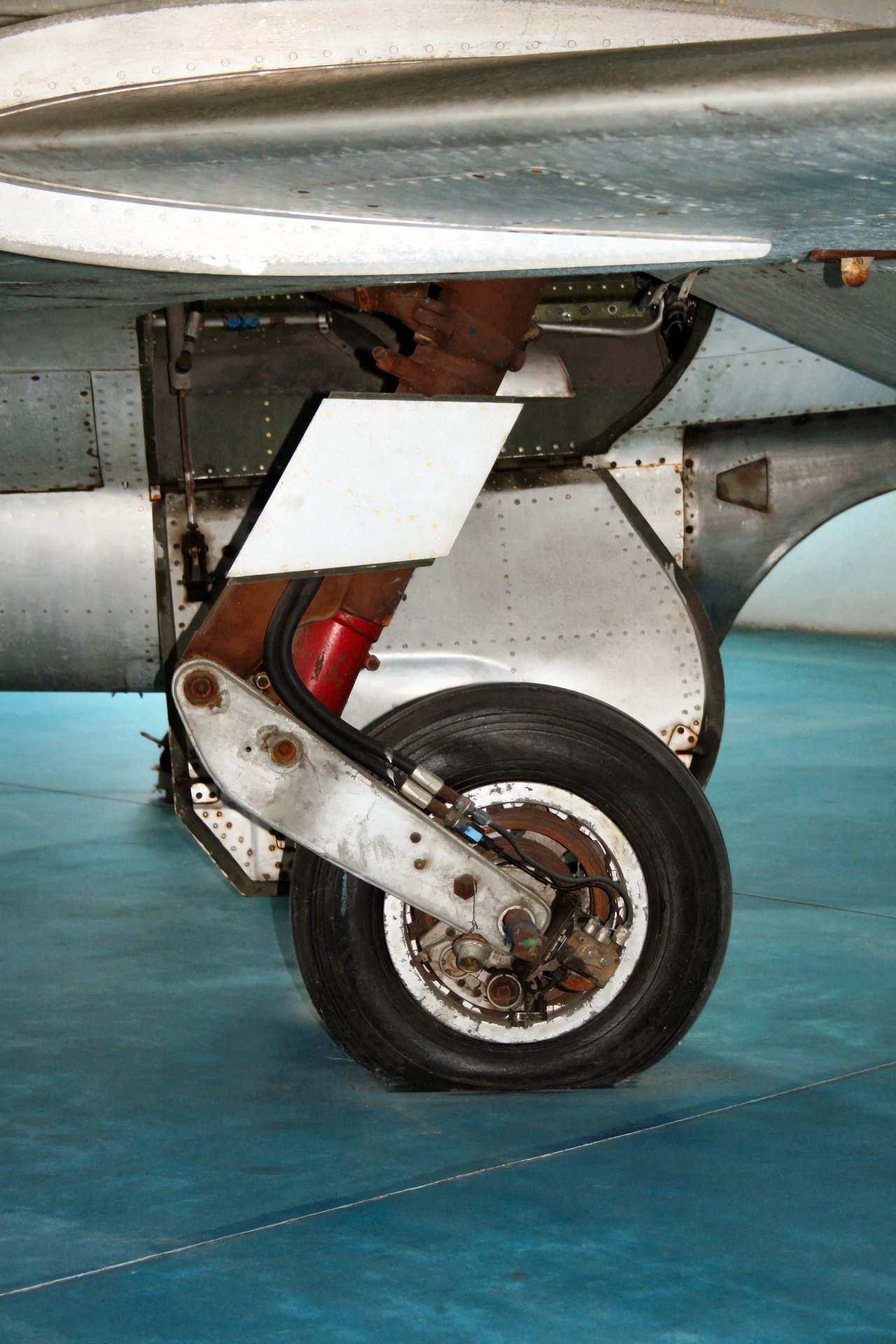
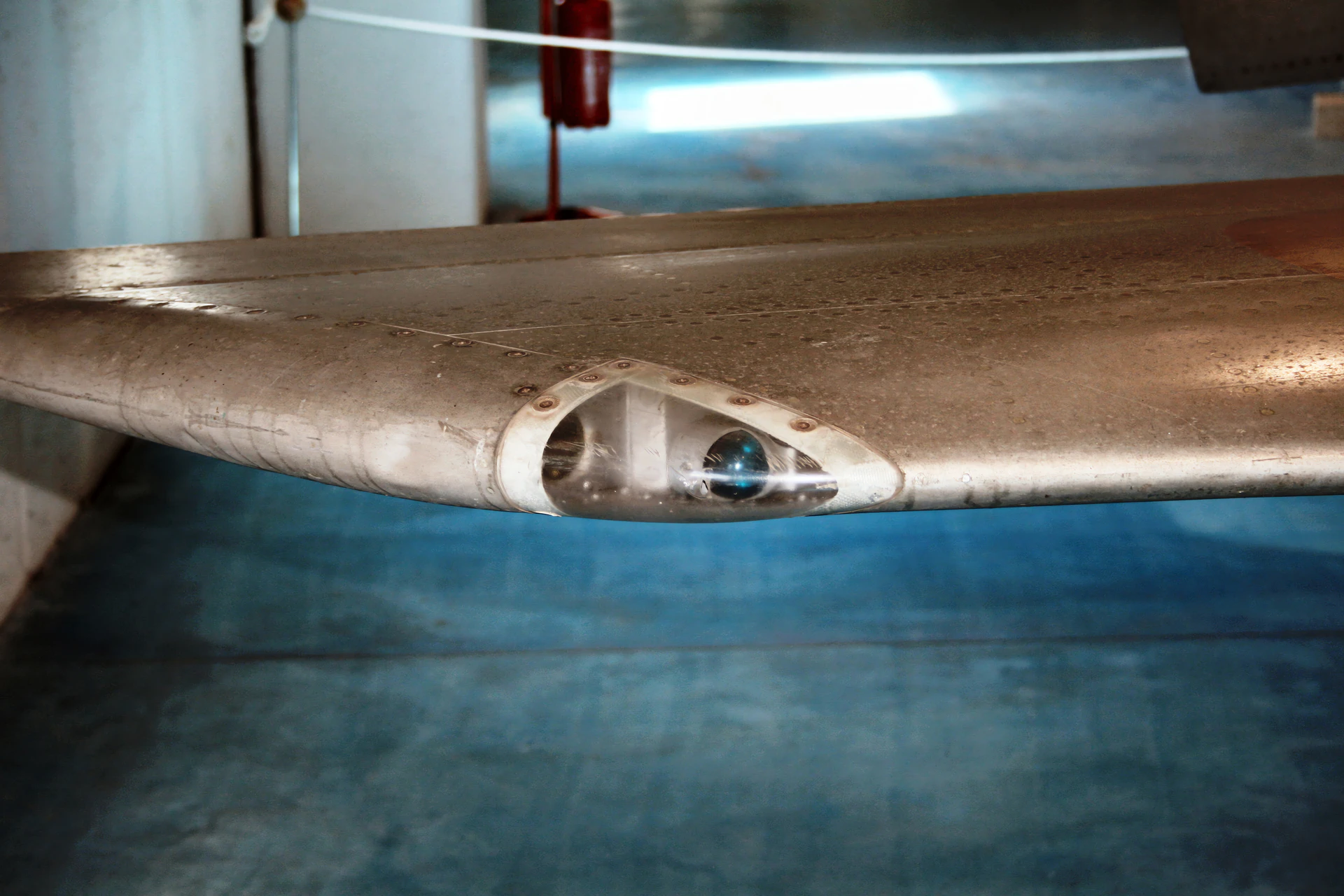
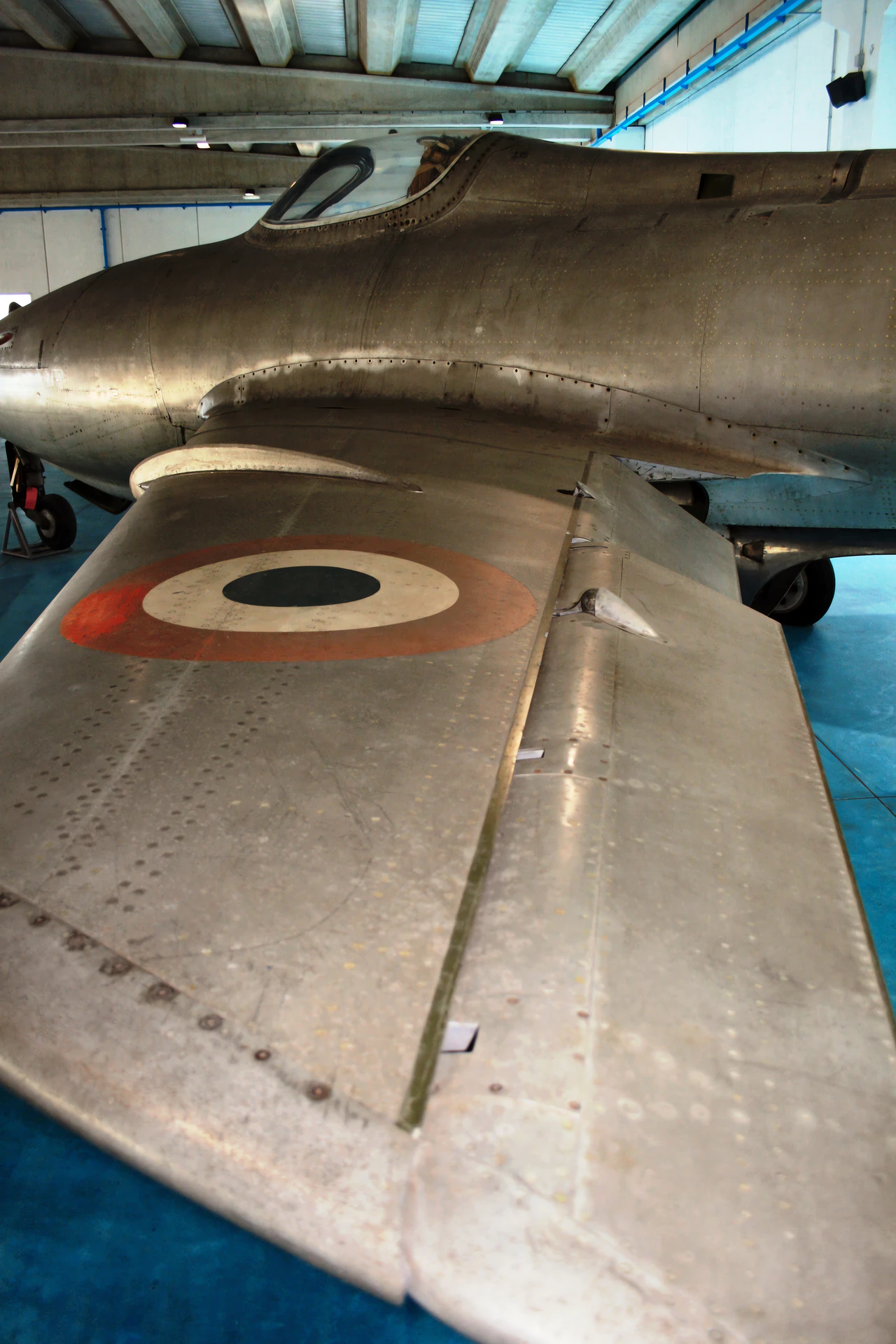
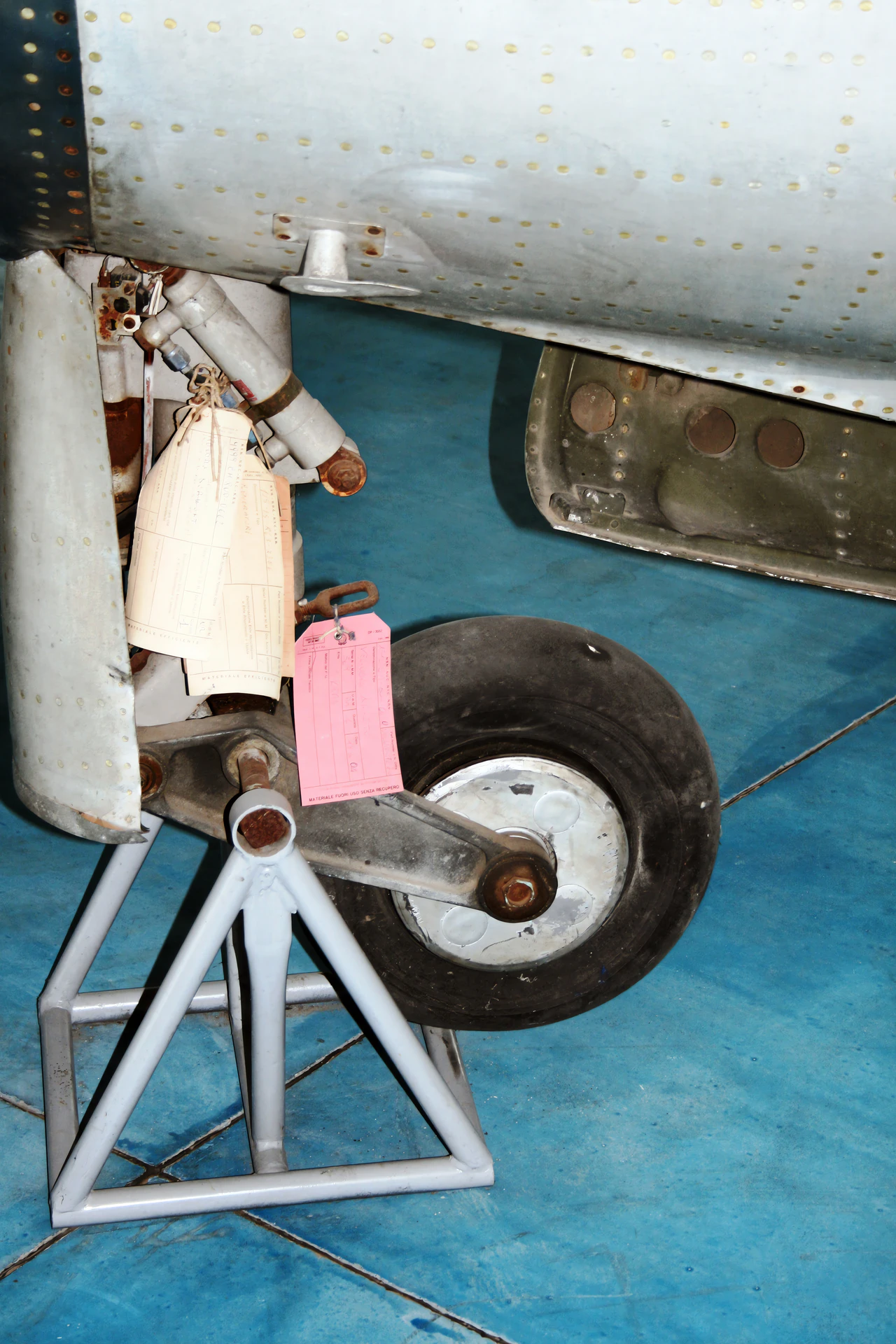


Pogledajte i:


General Characteristics
The Aerfer Sagittario 2 (Italian for “Sagittarius” or “Archer”) was an Italian prototype single-seat lightweight jet fighter developed in the mid-1950s. It is historically significant as the first Italian aircraft to break the sound barrier in a controlled flight, achieving Mach 1.1 in a dive on December 4, 1956. Developed from the piston-engined Ambrosini S.7 trainer, the Sagittario 2 was an all-metal design intended to compete for the NATO standard lightweight fighter contract, which was ultimately won by the Fiat G.91.
| Property | Typical Value (Sagittario 2) |
|---|---|
| Ulogu | Prototype Interceptor / Lightweight Fighter |
| Proizvođača | Aerfer (Aeronautica Ferrovie) |
| First Flight | May 19, 1956 |
| No. Built | 2 (Prototypes) |
| Posada | 1 (Pilot) |
| Dužina | 9.50 m (31 ft 2 in) |
| Raspon krila | 7.50 m (24 ft 7 in) |
| Wing Area | 14.73 m² (158.6 sq ft) |
| Max Takeoff Weight | 3,293 kg (7,260 lb) |
Design and Powerplant
- Engine: One Rolls-Royce Derwent 9 centrifugal-flow turbojet.
- Thrust: 16 kN (3,600 lbf).
- Configuration: Low-wing, all-metal monoplane with a tricycle undercarriage. It featured highly swept wings and tail surfaces typical of early jet age designs.
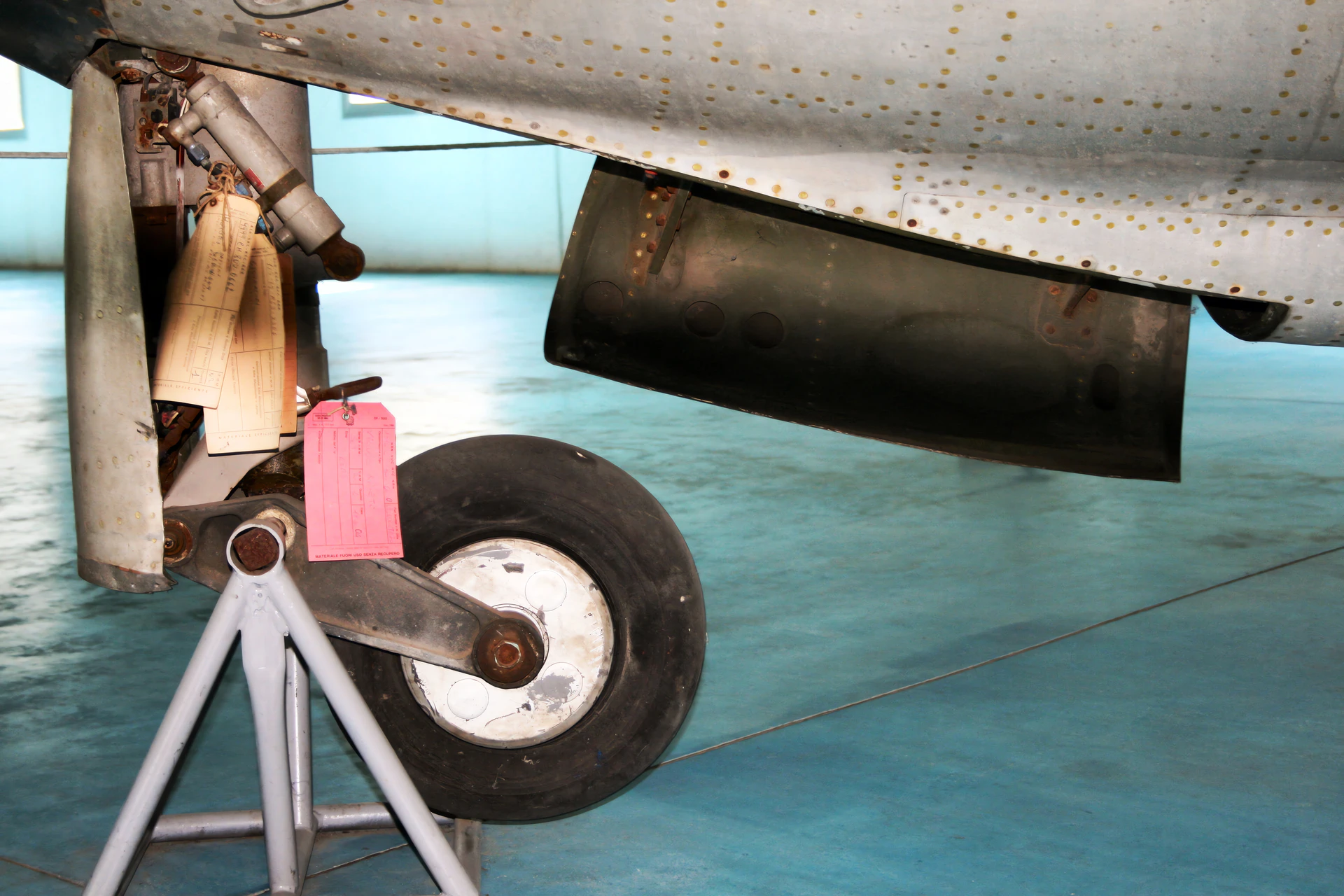
- Engine Placement: The jet engine was mounted in the nose of the fuselage, with the air intake at the front and the exhaust exiting beneath the mid-fuselage. This ventral exhaust configuration was a key distinguishing feature.
- Cockpit: Equipped with a bubble canopy providing excellent visibility.
Performance and Armament
- Maximum Speed (Level Flight): Approximately 1,005–1,050 km/h (625–652 mph, 543–567 knots) at sea level.
- Mach Achievement: Reached Mach 1.1 in a controlled dive.
- Service Ceiling: 12,000 m – 14,000 m (39,000 ft – 46,000 ft).
- Rate of Climb: Approximately 42 m/s (8,300 ft/min).
- Range: 765 km (475 mi, 413 nmi).
- Fixed Armament: Two 30 mm (1.181 in) Hispano-Suiza HSS 825 L/70 cannon (nose-mounted, 300 rounds per gun capacity).
- Hardpoints: Two underwing hardpoints for external stores, with a capacity of 318 kg (701 lb), which could carry:
- Bombs: 2 x 227 kg (500 lb) bombs.
- Rockets: 12 x 7.62 cm (3 in) rockets.
- Successor: The Sagittario 2 served as the basis for the more advanced, but still experimental, Aerfer Ariete, which added a Rolls-Royce Soar auxiliary jet engine for enhanced climb performance.
Poruke : 772