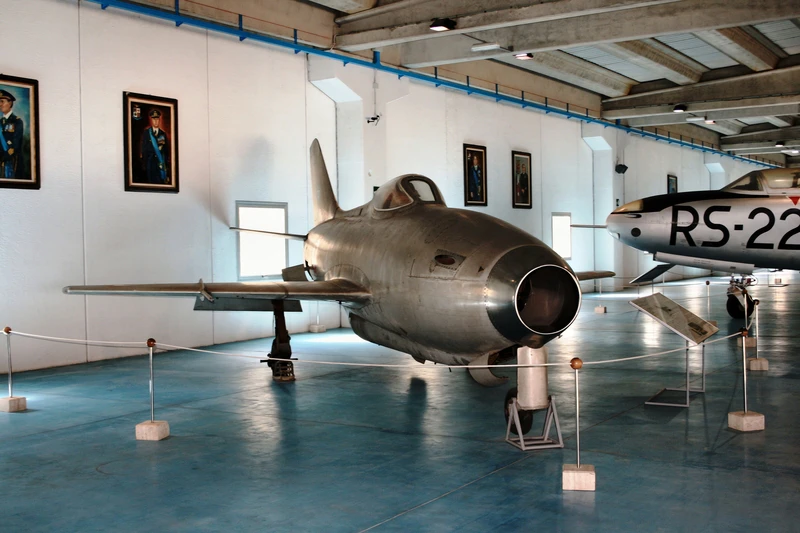
Aerfer Sagittario 2 | |
|---|---|
| Šalies | Italija |
| Vaidmenį | Kovotojo prototipas |
| Pirmasis skrydis | 19 May 1956 |
| Pastatytas | 2 |
2007 Aerfer Šaulys 2 (itališkai šauliams) buvo "Aerfer" Italijoje sukonstruoto metalinio vienviečio lengvo naikintuvo prototipas, skirtas tarnauti kaip perėmėjas arba lengvasis taktinis pagalbinis orlaivis. Pirmą kartą skrido 1956 m., Jis tapo pirmuoju Italijos orlaiviu, kuris įveikė garso barjerą kontroliuojamo skrydžio metu, kai nardydamas iš 13 725 m (45 000 pėdų) pasiekė Macho 1.1.
Šaltinis: Aerfer Sagittario 2 Vikipedijoje
| Aerfer Sagittario 2 Walk Around | |
|---|---|
| Fotografas | Giacomo Gramazio |
| Lokalizavimo | Nežinoti |
| Nuotraukos | 13 |
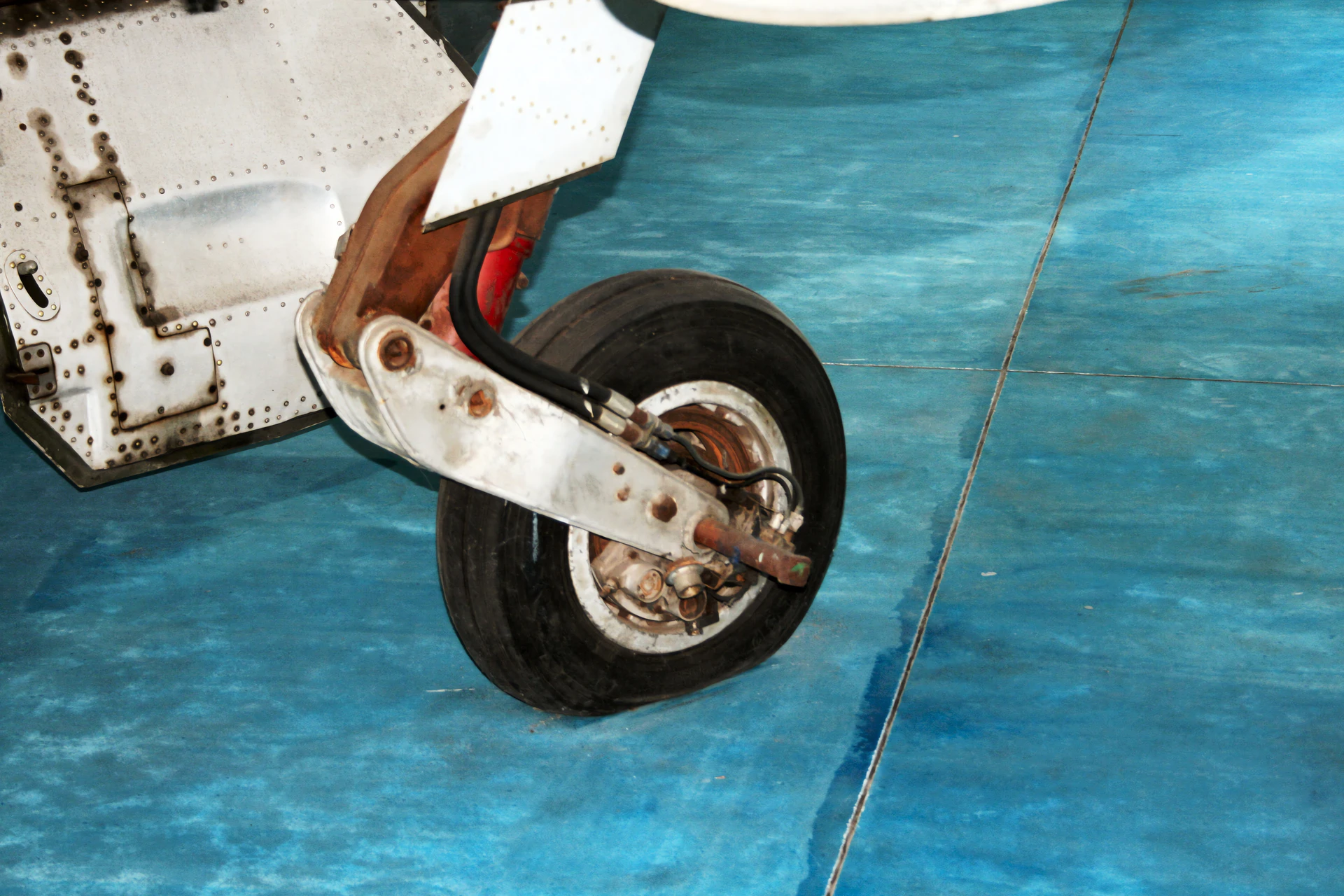
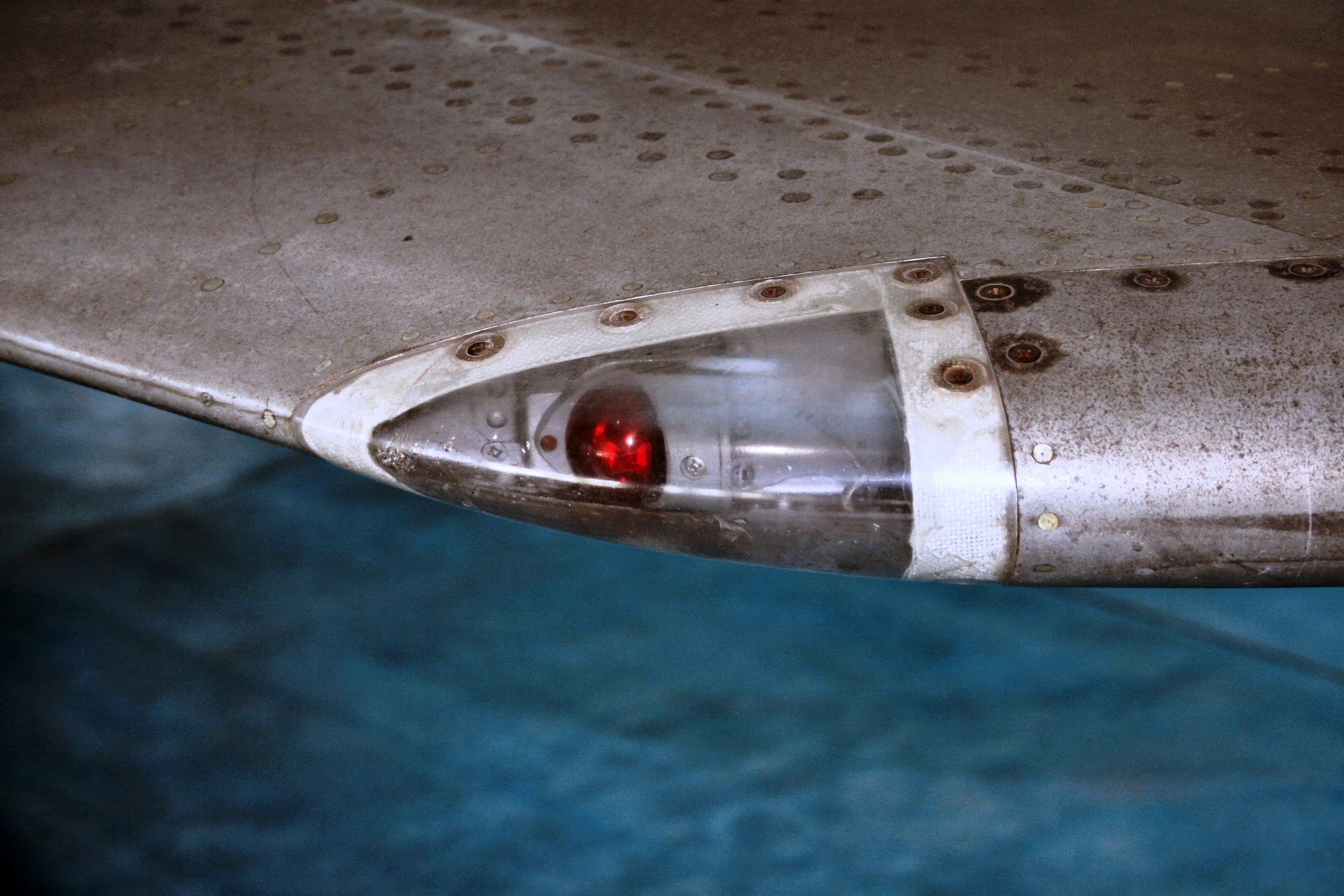
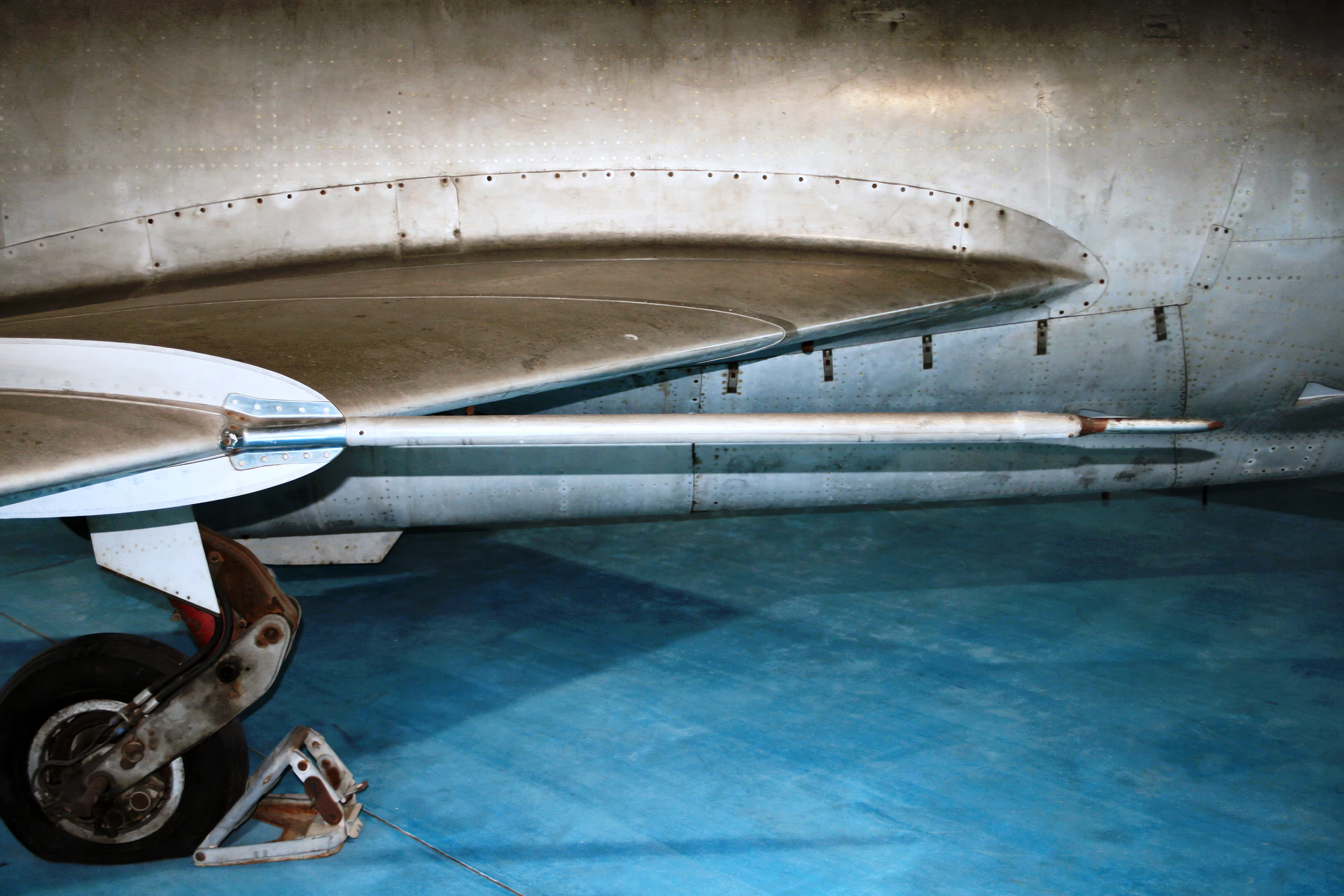
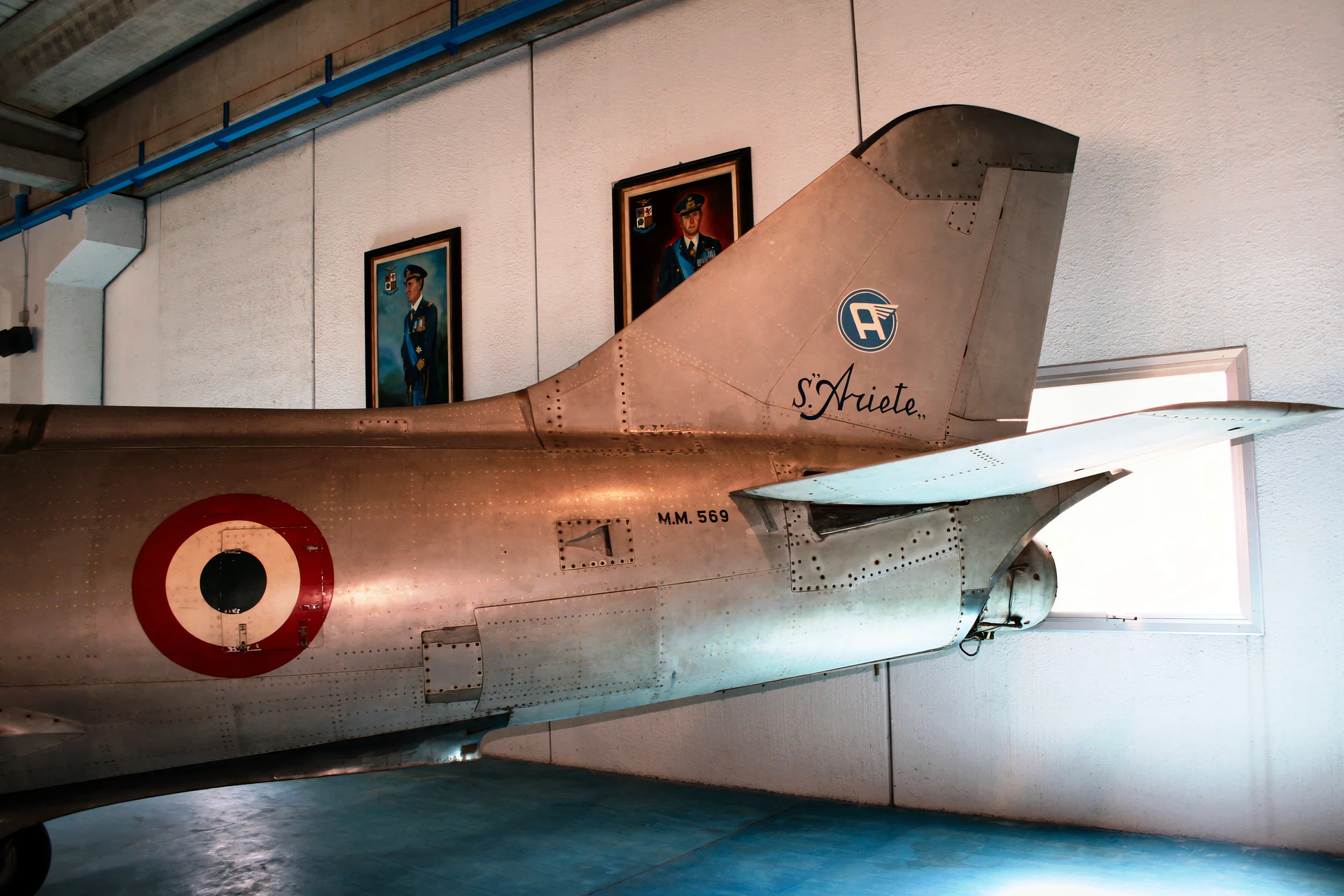
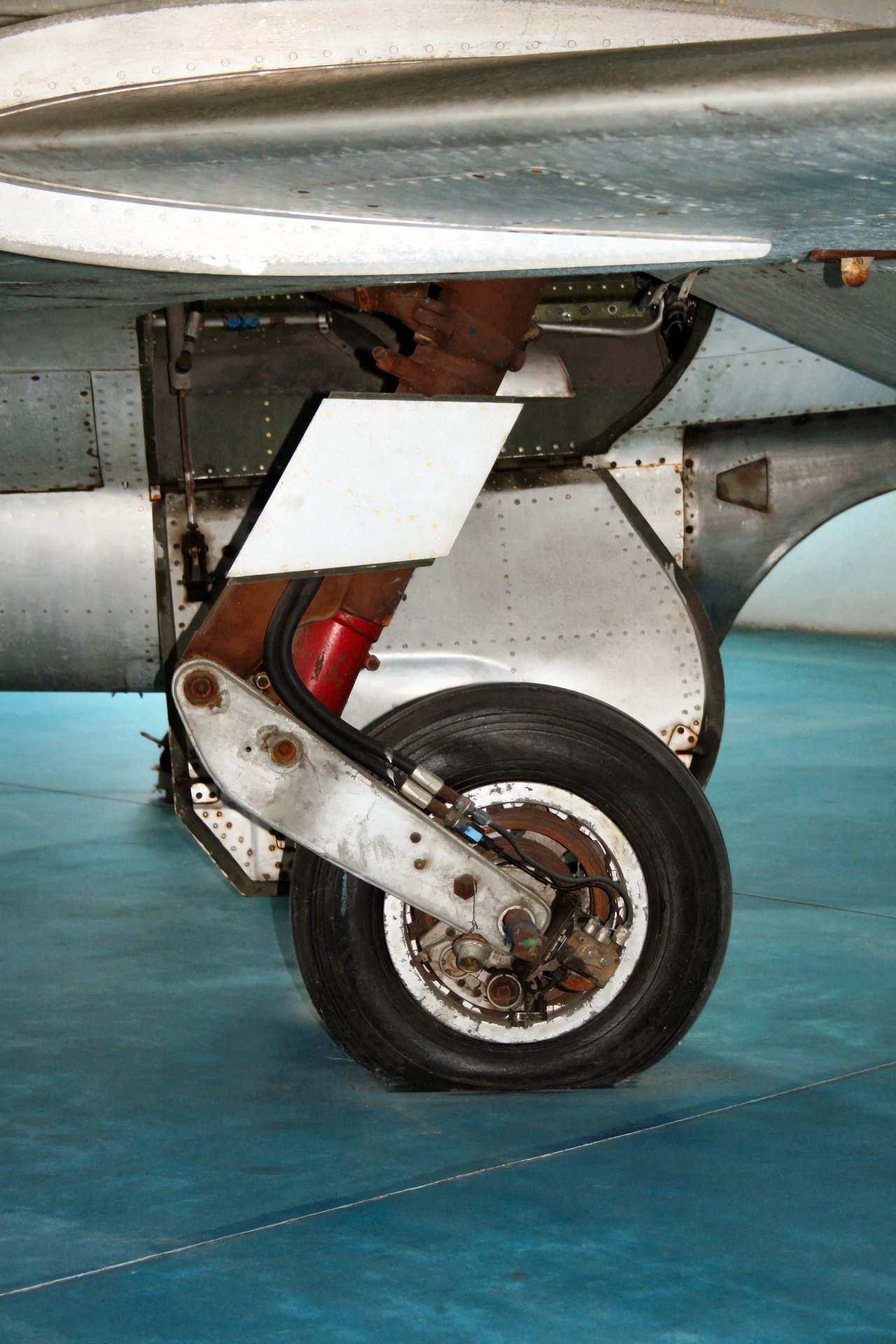
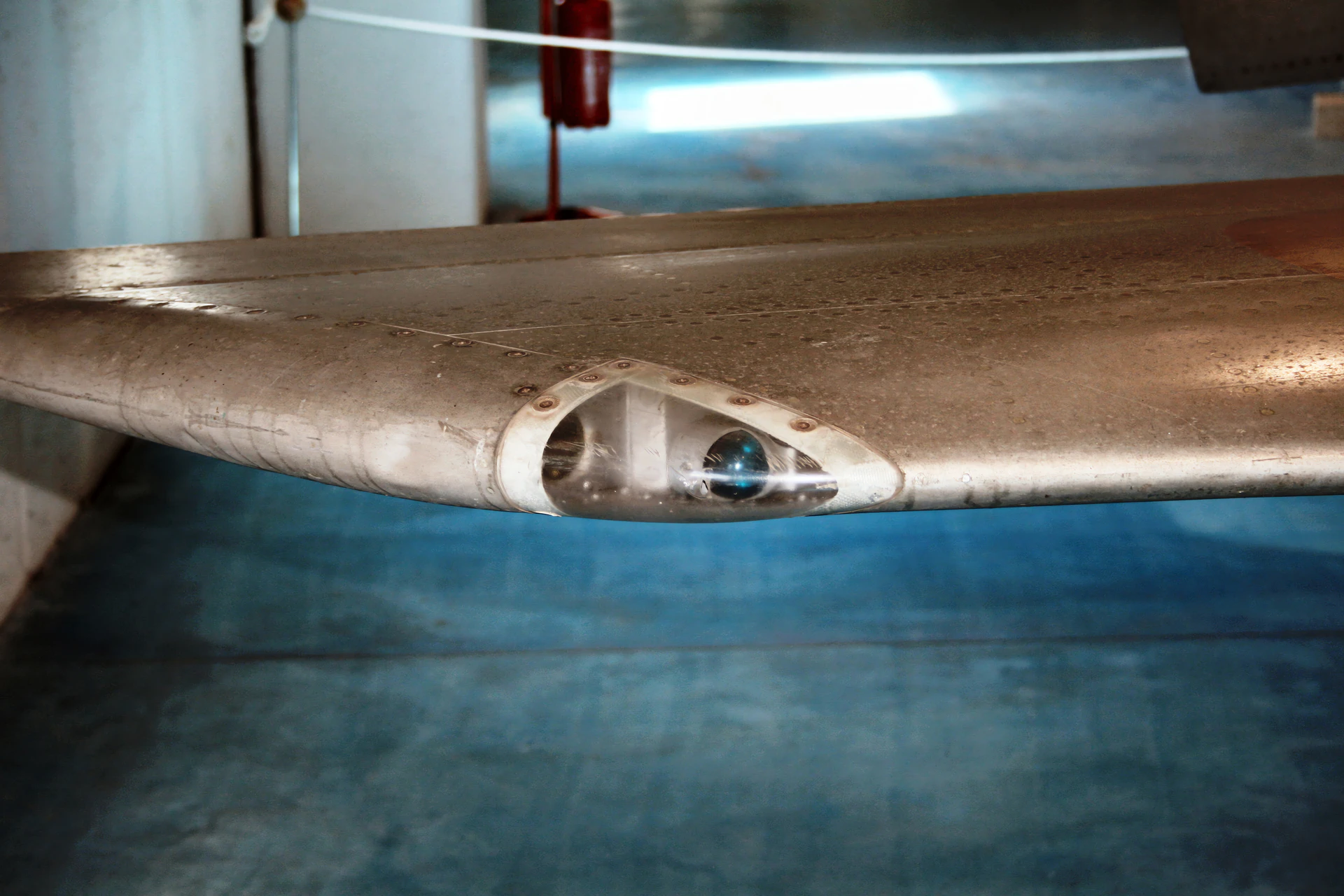
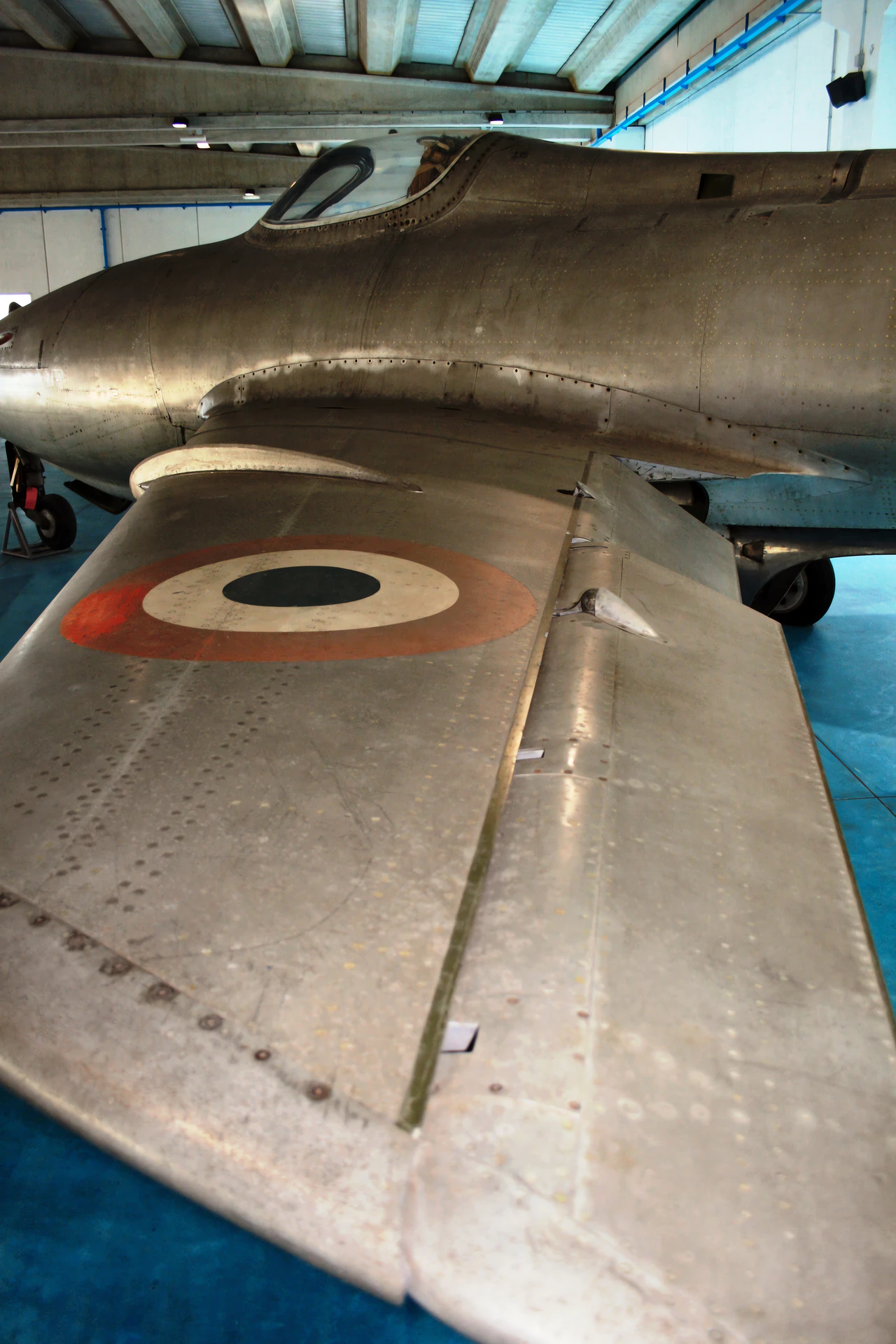
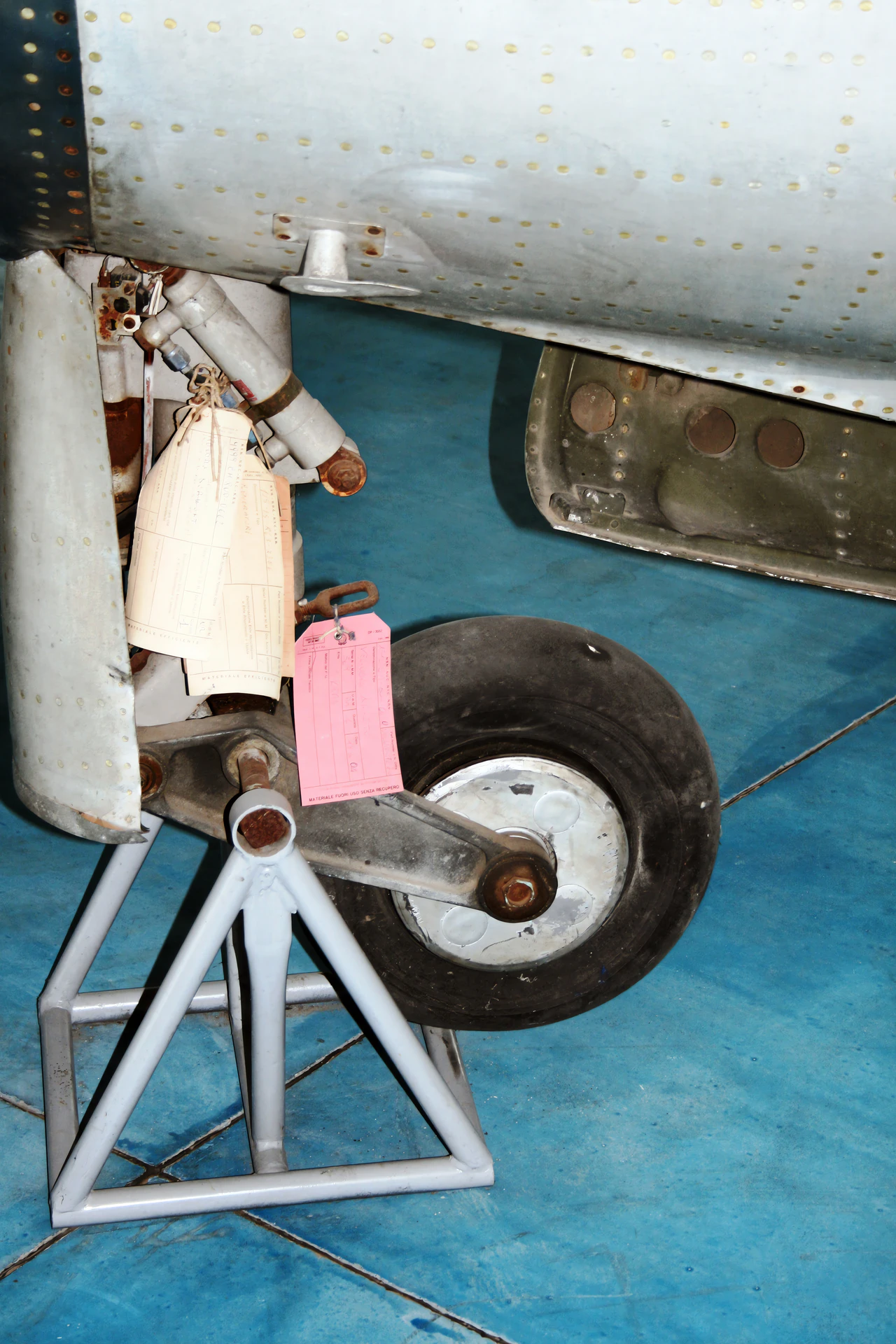
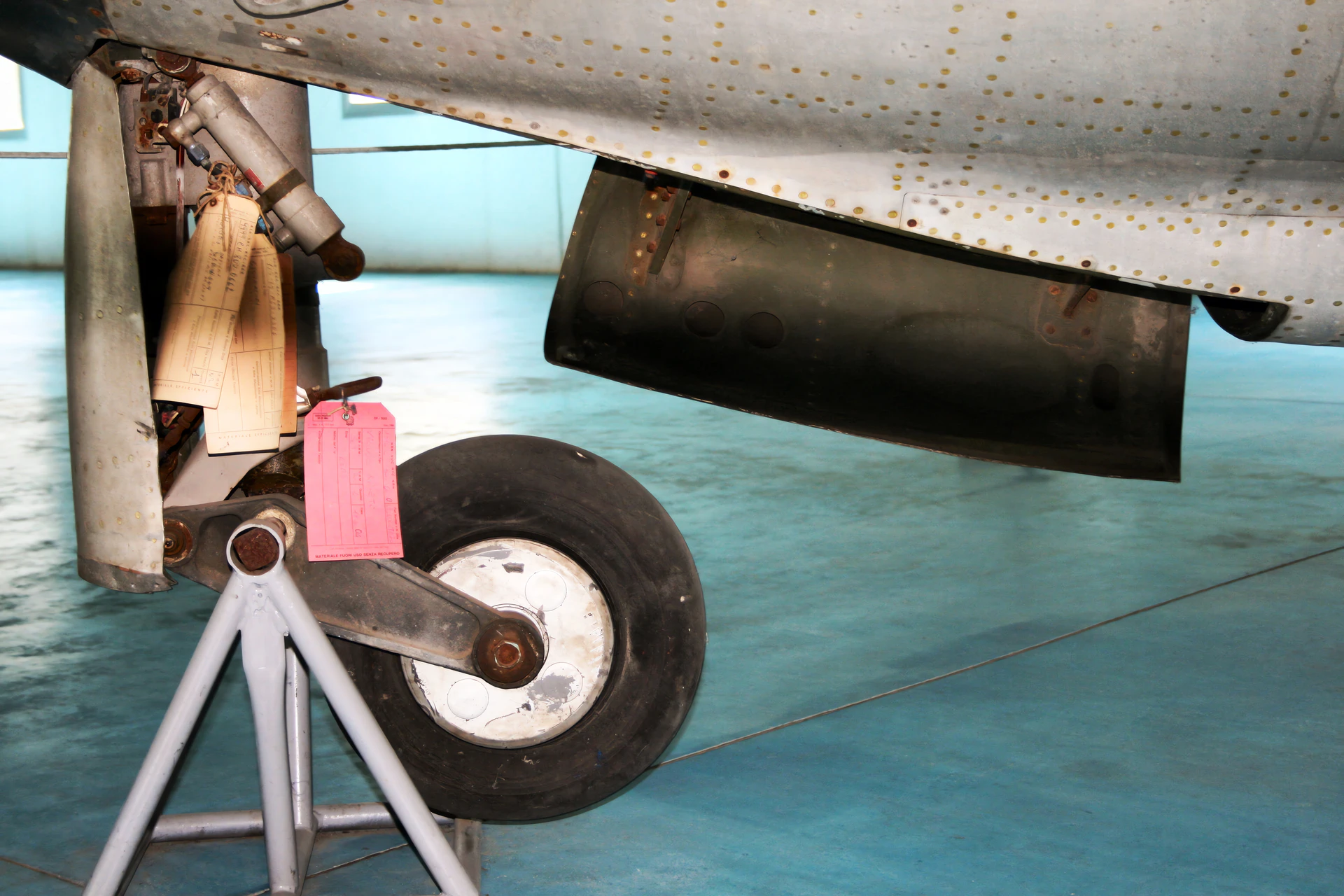


Taip pat žiūrėkite:


General Characteristics
The Aerfer Sagittario 2 (Italian for “Sagittarius” or “Archer”) was an Italian prototype single-seat lightweight jet fighter developed in the mid-1950s. It is historically significant as the first Italian aircraft to break the sound barrier in a controlled flight, achieving Mach 1.1 in a dive on December 4, 1956. Developed from the piston-engined Ambrosini S.7 trainer, the Sagittario 2 was an all-metal design intended to compete for the NATO standard lightweight fighter contract, which was ultimately won by the Fiat G.91.
| Property | Typical Value (Sagittario 2) |
|---|---|
| Vaidmenį | Prototype Interceptor / Lightweight Fighter |
| Gamintojas | Aerfer (Aeronautica Ferrovie) |
| First Flight | May 19, 1956 |
| No. Built | 2 (Prototypes) |
| Įgulos | 1 (Pilot) |
| Ilgis | 9.50 m (31 ft 2 in) |
| Sparnų ilgis | 7.50 m (24 ft 7 in) |
| Wing Area | 14.73 m² (158.6 sq ft) |
| Max Takeoff Weight | 3,293 kg (7,260 lb) |
Design and Powerplant
- Engine: One Rolls-Royce Derwent 9 centrifugal-flow turbojet.
- Thrust: 16 kN (3,600 lbf).
- Configuration: Low-wing, all-metal monoplane with a tricycle undercarriage. It featured highly swept wings and tail surfaces typical of early jet age designs.
- Engine Placement: The jet engine was mounted in the nose of the fuselage, with the air intake at the front and the exhaust exiting beneath the mid-fuselage. This ventral exhaust configuration was a key distinguishing feature.
- Cockpit: Equipped with a bubble canopy providing excellent visibility.
Performance and Armament
- Maximum Speed (Level Flight): Approximately 1,005–1,050 km/h (625–652 mph, 543–567 knots) at sea level.
- Mach Achievement: Reached Mach 1.1 in a controlled dive.
- Service Ceiling: 12,000 m – 14,000 m (39,000 ft – 46,000 ft).
- Rate of Climb: Approximately 42 m/s (8,300 ft/min).
- Range: 765 km (475 mi, 413 nmi).
- Fixed Armament: Two 30 mm (1.181 in) Hispano-Suiza HSS 825 L/70 cannon (nose-mounted, 300 rounds per gun capacity).
- Hardpoints: Two underwing hardpoints for external stores, with a capacity of 318 kg (701 lb), which could carry:
- Bombs: 2 x 227 kg (500 lb) bombs.
- Rockets: 12 x 7.62 cm (3 in) rockets.
- Successor: The Sagittario 2 served as the basis for the more advanced, but still experimental, Aerfer Ariete, which added a Rolls-Royce Soar auxiliary jet engine for enhanced climb performance.
Peržiūrėta: 773
Taip pat galite pamatyti:
 Heavy Tank M6 – nuotraukos ir vaizdo įrašai
 JS-7 – Nuotraukos ir vaizdo įrašai
 Bartini Beriev VVA-14 – Nuotraukos ir vaizdo įrašai
 Boeing X-32 – nuotraukos ir vaizdo įrašai
 AMX-40 – nuotraukos ir vaizdo įrašai
 Polikarpov I-17 – nuotraukos ir vaizdo įrašai
 Curtiss XF15C-1 – nuotraukos ir vaizdo įrašai