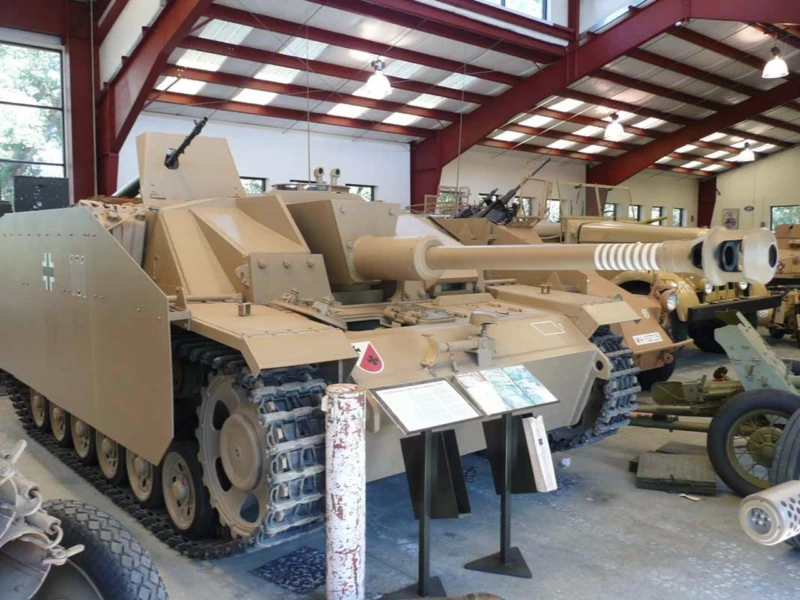
СтуГ III Аусф. Г | |
|---|---|
| Страны | Нацистская Германия |
| Роль | Штурмовой пистолет |
| Производства | Декабрь 1942 - апрель 1945 |
| Построен | 8423 евро |
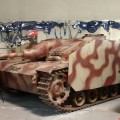
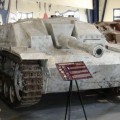
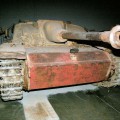
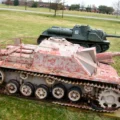
Окончательный и на сегодняшний день наиболее распространенный из Stug Серии. Верхняя надстройка была расширена: сварные ящики с обеих сторон были заброшены. Новая конструкция надстройки увеличила его высоту до 2160 мм. Задняя стенка боевого отсека выпрямилась, а вентилятор вентиляции поверх надстройки был перенесен в заднюю часть боевого отсека. С марта 1943 года водитель перископ был заброшен. В феврале 1943 года к Alkett присоединился MIAG в качестве второго производителя. С мая 1943 года боковые бронированные пластины корпуса (Шёрзен) были установлены на модели G для дополнительной бронезащиты, особенно против российских противотанковых винтовок, но также были полезны против боеприпасов с полым зарядом. Боковые пластины были ретро-приспособлены к некоторому Ausf. Модели F/8, как они должны были быть установлены на все линии фронта StuGs и другие танки к июню 1943 года в рамках подготовки к Курской битве. Монтажи для Шюрцена оказались недостаточно сильными, так как многие из них были потеряны в поле. С марта 1944 года была введена улучшенная монтаж; в результате боковые юбки чаще всего можно увидеть с поздней моделью Ausf G. С мая 1943 года пластины толщиной 80 мм использовались для фронтальной брони вместо двух пластин по 50 мм и 30 мм. Тем не менее, отставание StuGs с завершенной 50-мм броней существовало. Для них до октября 1943 года еще предстоит сварить или сварить 30-мм дополнительную бронированную пластину.
Источник: СтуГ III Аусф. G в Википедии
| SdKfz 142/1 Sturmgeschutz (StuG) III Прогулка вокруг | |
|---|---|
| Фотограф | Владимир Якубов |
| Локализации | Коллекция юака Литтлфилда |
| Фотографии | 34 |
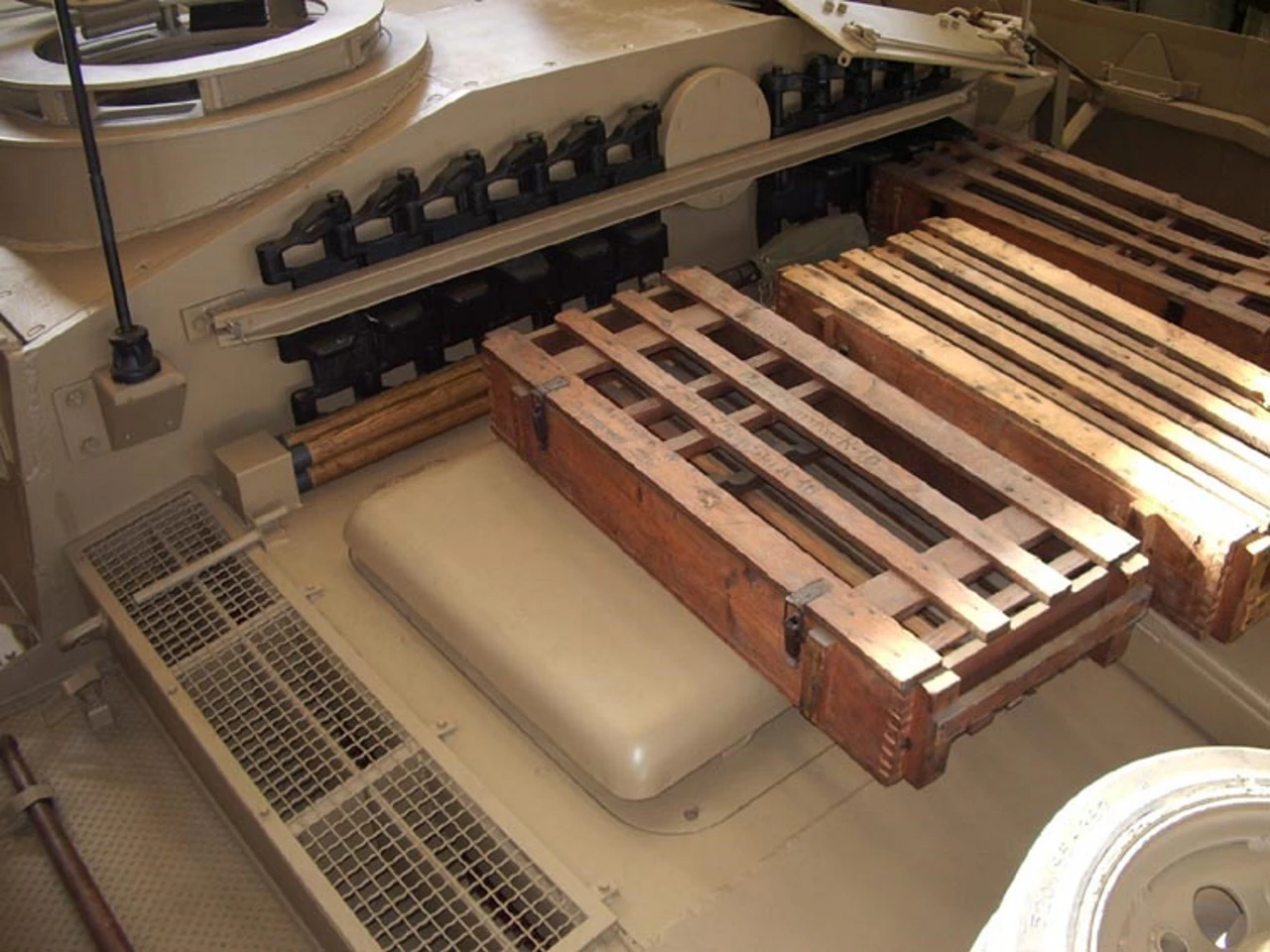
SdKfz 142-1 StuG III 02

SdKfz 142-1 StuG III 01

SdKfz 142-1 StuG III 04
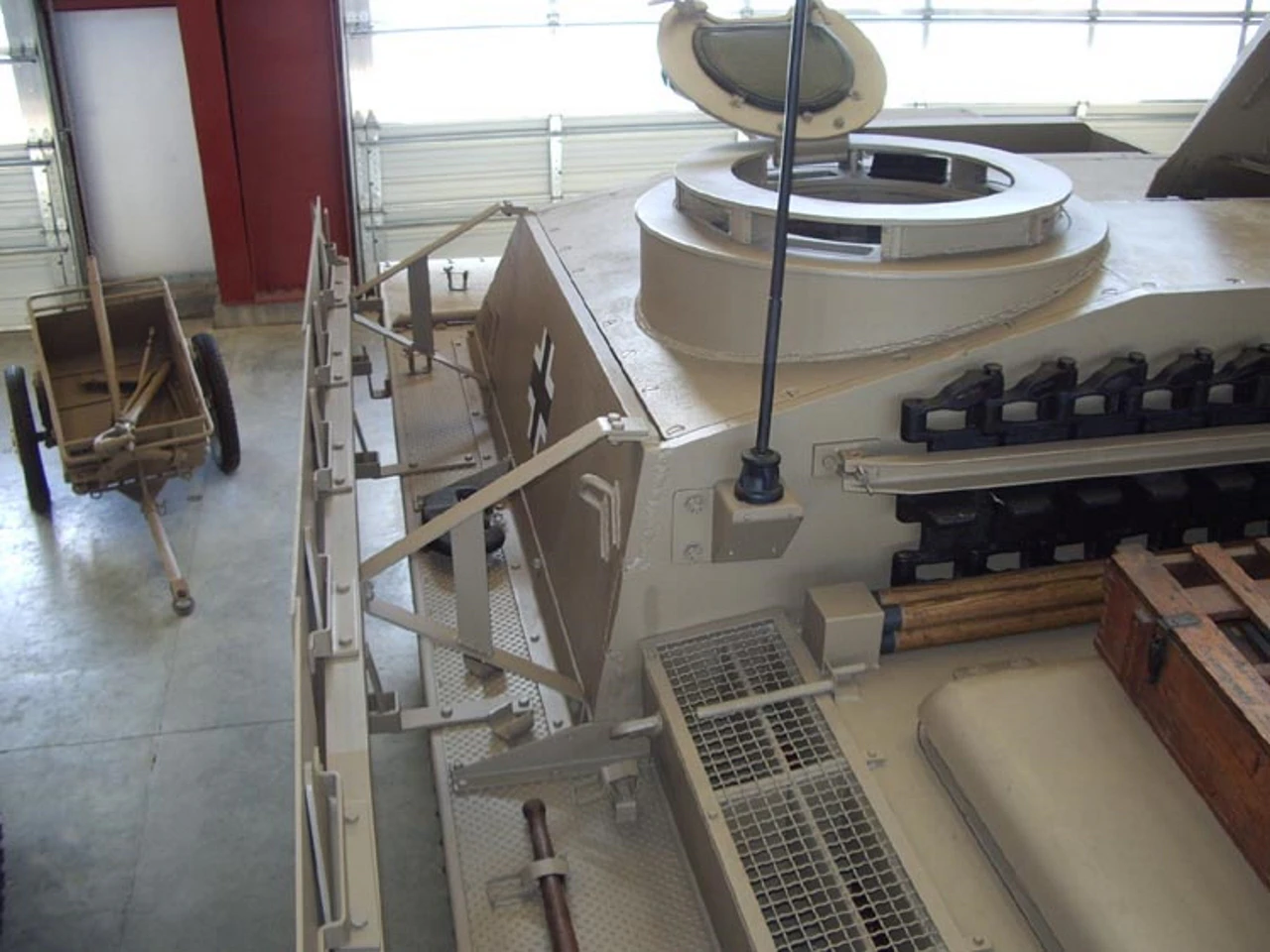
SdKfz 142-1 StuG III 03
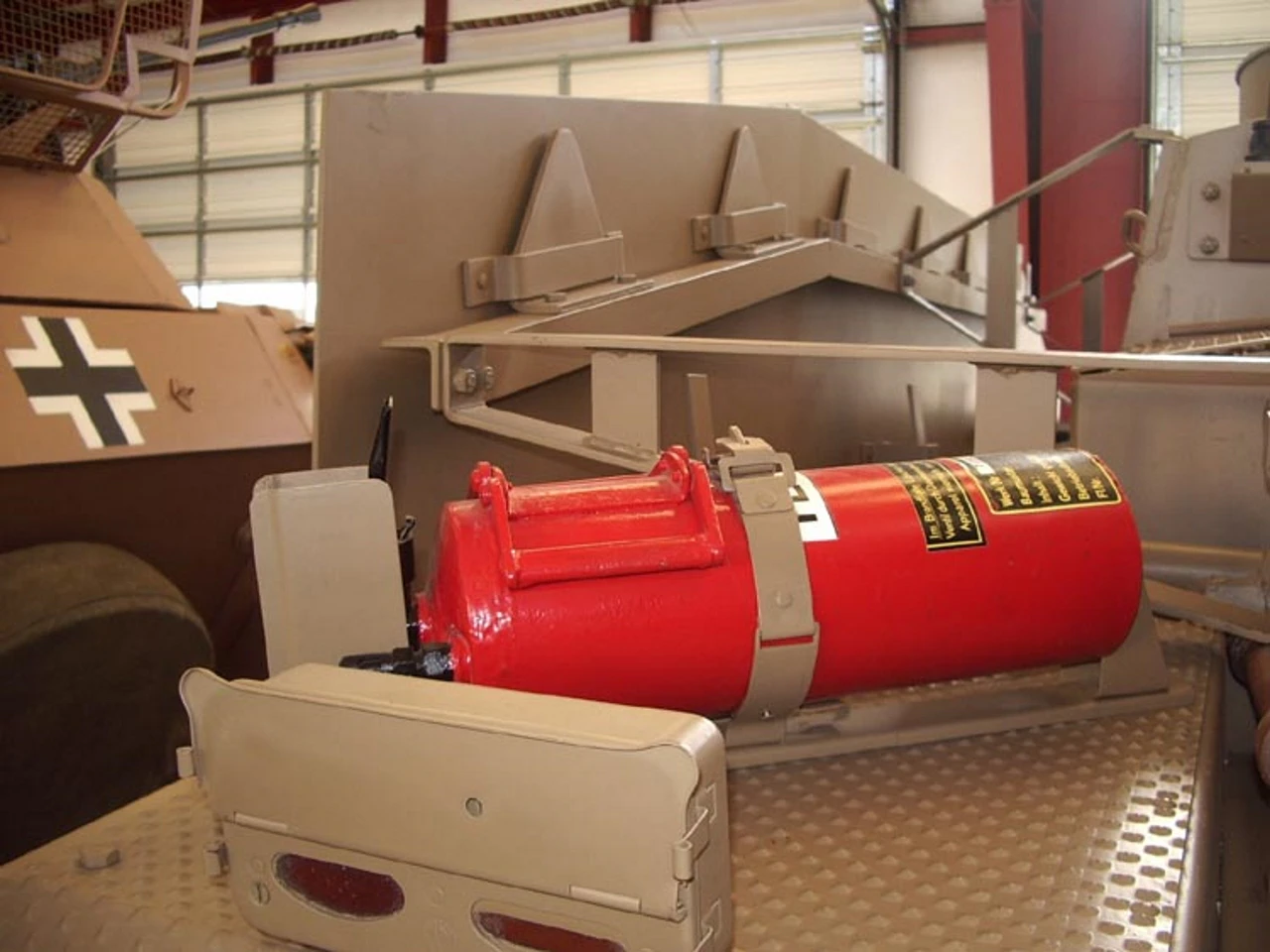
SdKfz 142-1 StuG III 05

SdKfz 142-1 StuG III 06

SdKfz 142-1 StuG III 08
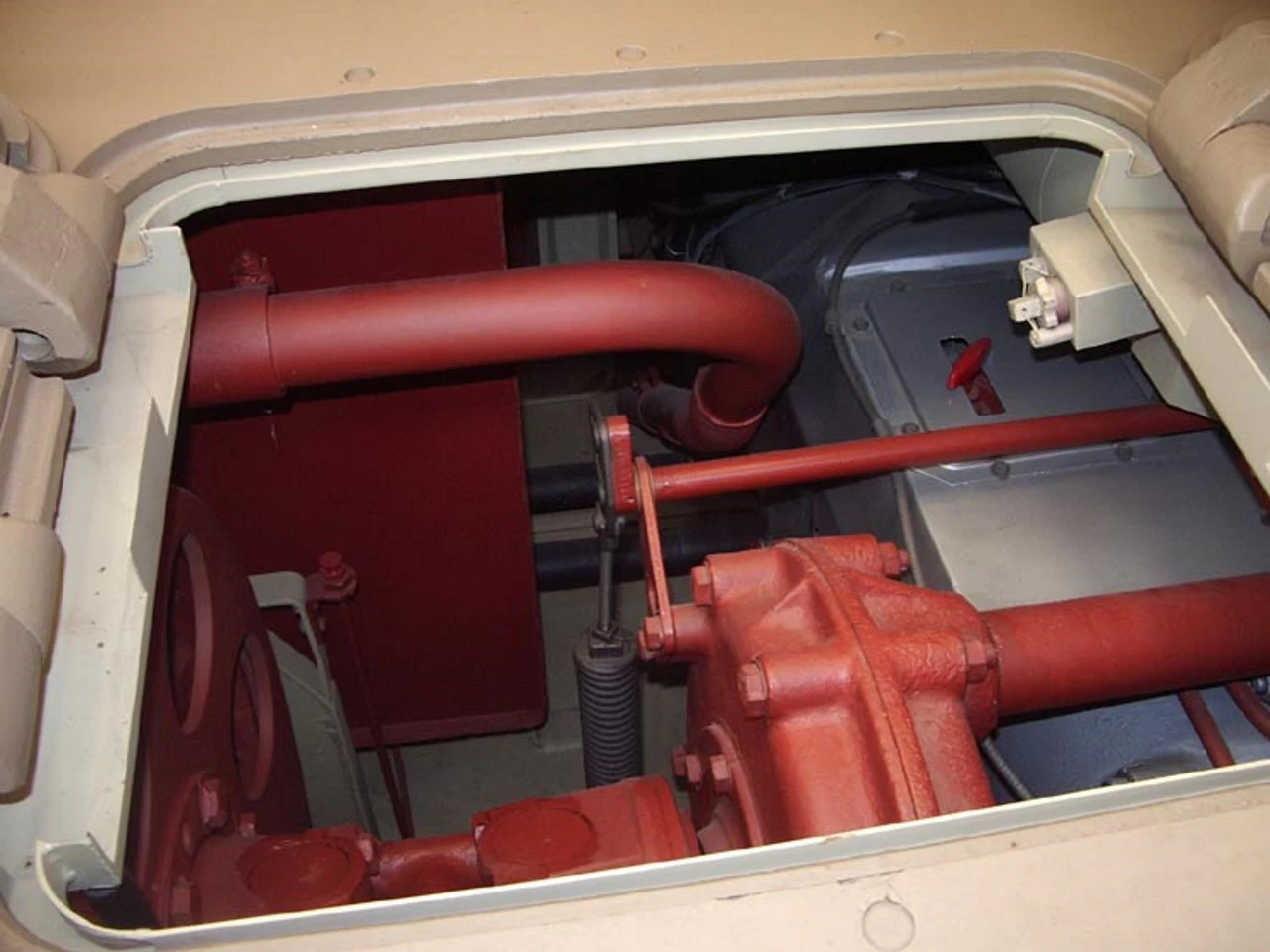
SdKfz 142-1 StuG III 07

SdKfz 142-1 StuG III 09
Подождите, поиск StuG III Ausf. G фотографии для вас ...

| SdKfz 142/1 Sturmgeschutz (StuG) III Ausf G Прогулка вокруг | |
|---|---|
| Фотограф | Владимир Якубов |
| Локализации | Музей брони Латруна |
| Фотографии | 107 |
| Sturmgeschutz III Ausf. B Walk Around | |
|---|---|
| Фотограф | Unknow |
| Локализации | Неизвестная |
| Фотографии | 16 |
Читайте также:


The Deadliest Silhouette on the Eastern Front
Teh СтуГ III Аусф. Г was the final and most prolific version of the Sturmgeschütz series. Built on the reliable chassis of the Panzer III, it abandoned the rotating turret in favor of a fixed, low-profile casemate. Originally designed as infantry support artillery, the Ausf. G was up-gunned with a high-velocity 75mm cannon, transforming it into a formidable tank destroyer. Its low height made it easy to camouflage and difficult to hit, making it the preferred weapon for German “Tank Aces” like Michael Wittmann before they transitioned to heavier armor.
| Attribute | Technical Specification (StuG III Ausf. G) |
|---|---|
| Роль | Assault Gun / Tank Destroyer |
| Экипажа | 4 (Commander, Gunner, Loader, Driver) |
| Production Years | 1942 – 1945 (Approx. 8,400 built) |
| Основное вооружение | 7.5 cm KwK 40 L/48 |
| Вспомогательное вооружение | 1 or 2 × 7.92 mm MG34 machine guns |
| Armor (Front) | 80 mm (3.1 in) |
| Двигателя | Maybach HL 120 TRM V-12 (300 hp) |
| Top Speed | 40 km/h (25 mph) on roads |
Design Evolution: The “G” Refinements
- The Saukopf (Sow’s Head) Mantlet: Later Ausf. G models featured a cast gun mantlet with rounded edges. This was designed to deflect incoming shells more effectively than the earlier bolted, boxy designs.
- Schürzen (Side Skirts): To defend against Soviet anti-tank rifles and HEAT rounds, the StuG III G was often fitted with thin metal plates along the sides. These “skirts” would prematurely detonate or destabilize incoming projectiles before they hit the main hull.
- Commander’s Cupola: The Ausf. G introduced a proper cupola with periscopes for the commander, significantly improving situational awareness—a major weakness of earlier turretless designs.
- Zimmerit Coating: Many Ausf. Gs were covered in a ridged, paste-like ceramic coating. This was intended to prevent magnetic anti-tank mines from sticking to the steel hull.
The “Wait-and-Strike” Specialist
- Economic Efficiency: The StuG III was significantly cheaper and faster to build than the Panzer IV or Tiger tanks. Because it lacked a complex turret mechanism, it was also easier to maintain in the field.
- Ambush Master: Its low height allowed the StuG to hide in tall grass or shallow depressions that would expose a normal tank. Soviet tankers often didn’t realize they were being engaged by a StuG until it was too late to return fire.
- Sturmhaubitze 42 (StuH 42): A variant of the Ausf. G was armed with a 10.5 cm howitzer instead of the anti-tank gun. This version returned to the vehicle’s roots, providing devastating high-explosive support for infantry.
- Post-War Service: The StuG III was so effective that it continued to serve long after 1945. The Finnish Army used them until the 1960s, and Syria even deployed them against Israel in the 1967 Six-Day War.
Просмотры : 11337