Aircraft carrier-capable tactical airborne early warning
First flight
21 October 1960
Produced
1960–present
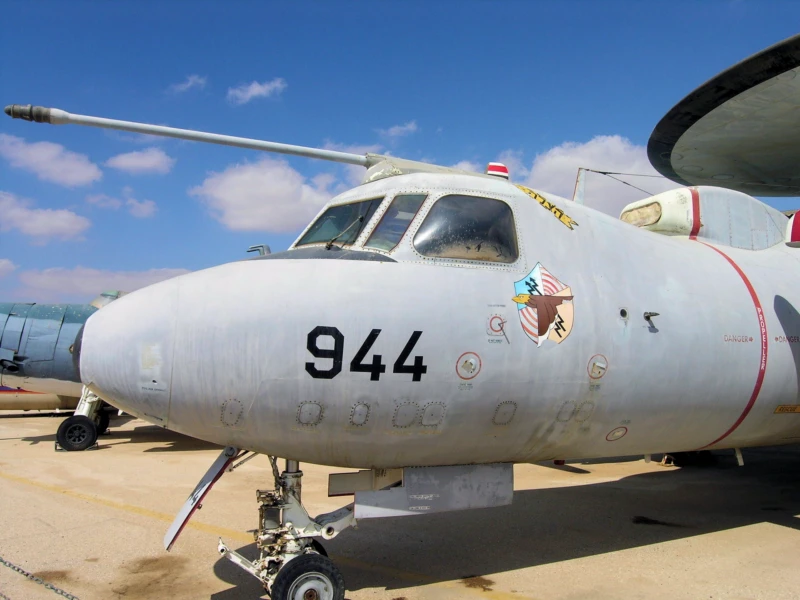
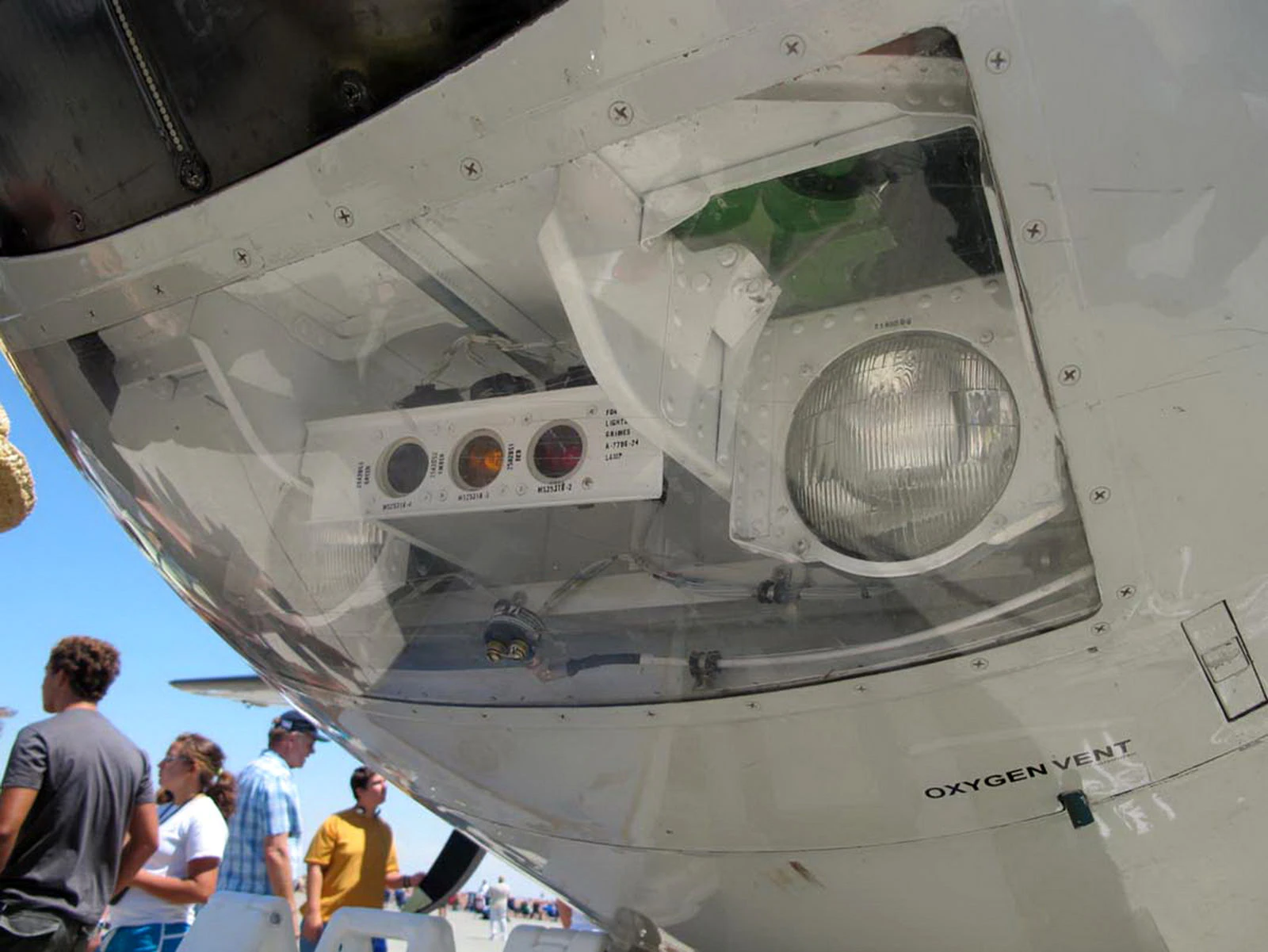
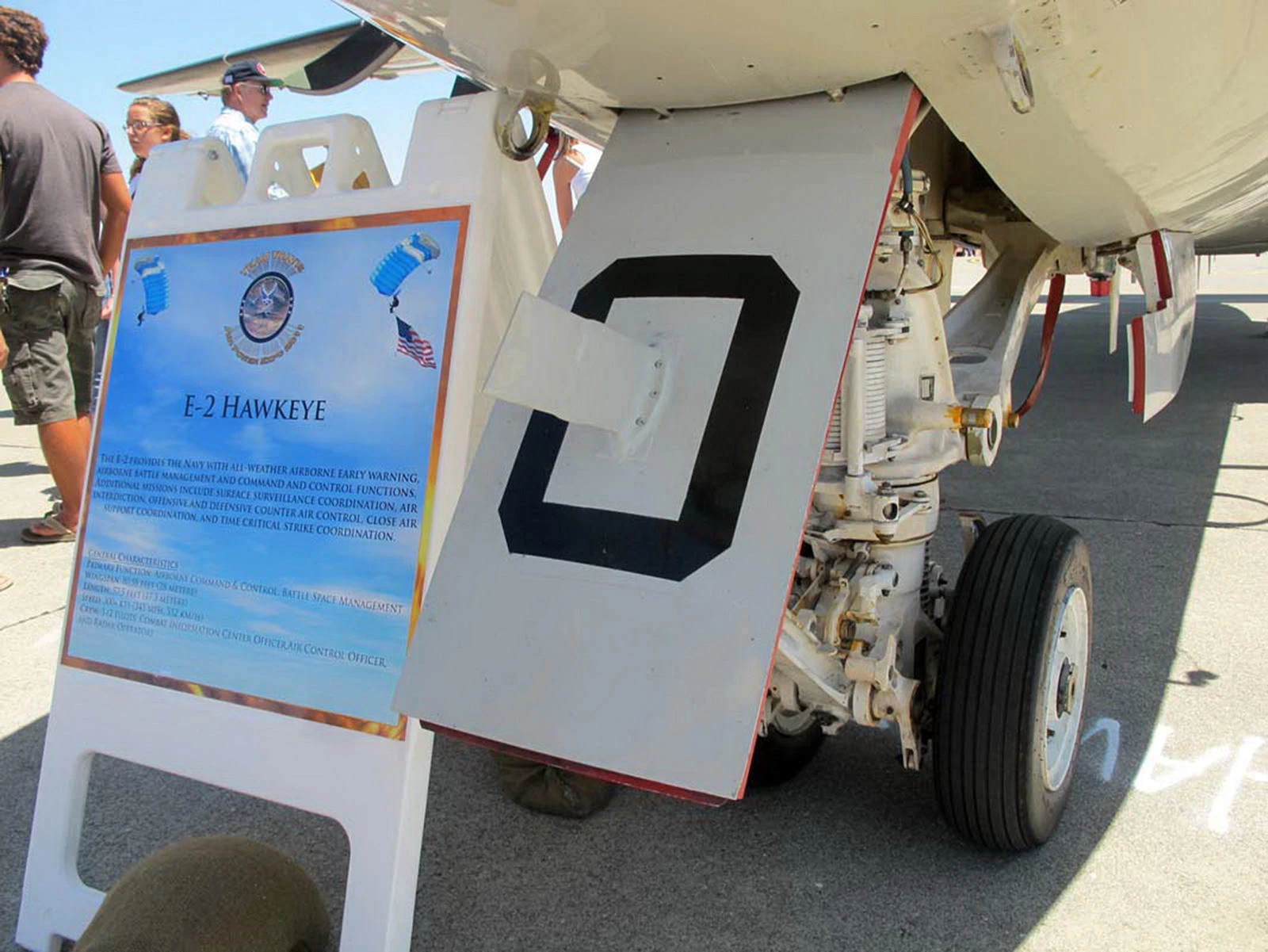
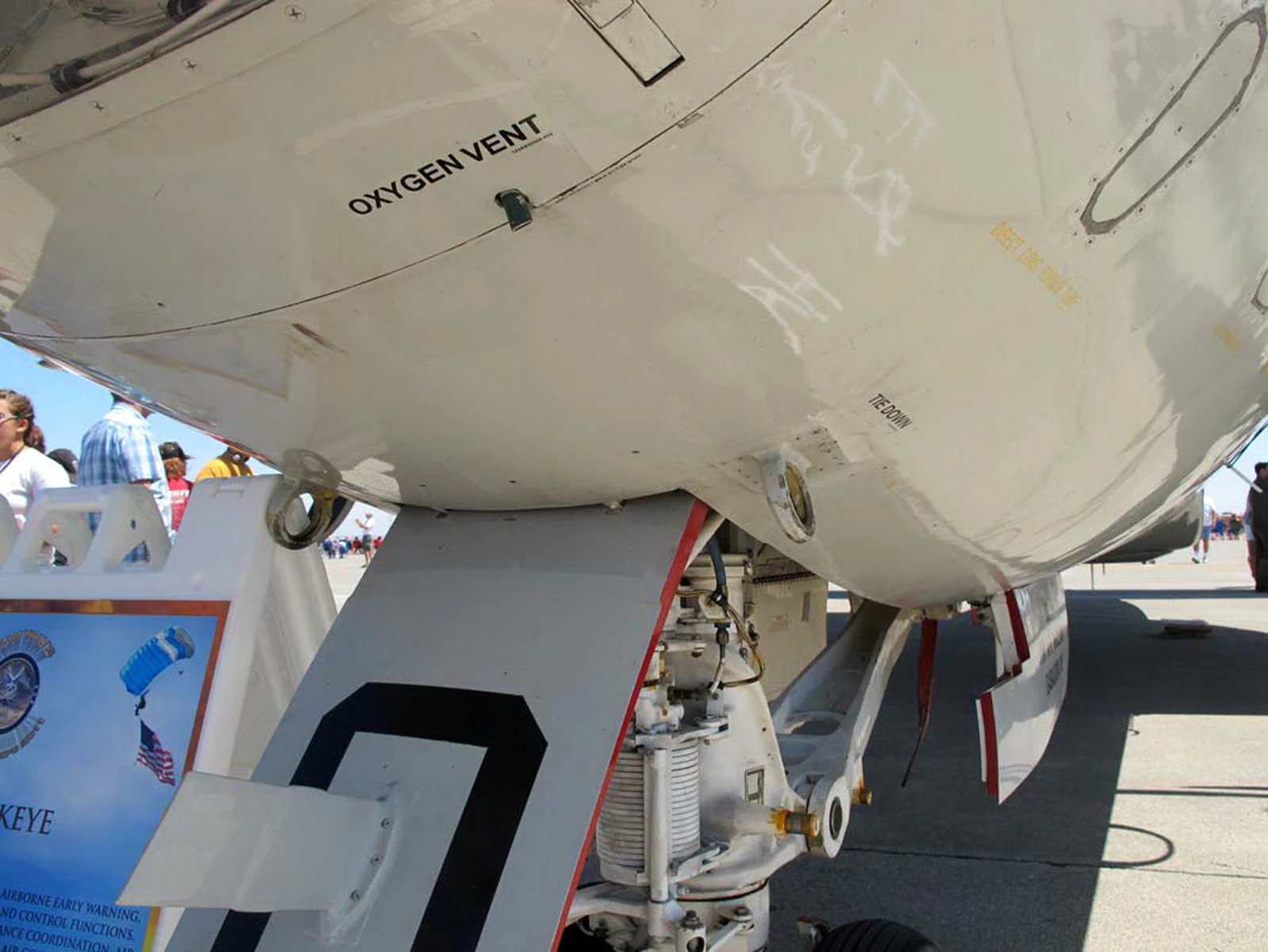
Photo gallery of a Northrop Grumman E-2 Hawkeye, The Grumman E-2 Hawkeye is an American all-weather, aircraft carrier-capable tactical airborne early warning (AEW) aircraft. This twin-turboprop aircraft was designed and developed during the late 1950s and early 1960s by the Grumman Aircraft Company for the United States Navy as a replacement for the earlier E-1 Tracer, which was rapidly becoming obsolete. The aircraft’s performance has been upgraded with the E-2B, and E-2C versions, where most of the changes were made to the radar and radio communications due to advances in electronic integrated circuits and other electronics. The fourth version of the Hawkeye is the E-2D, which first flew in 2007. The E-2 was the first aircraft designed to be a AEW aircraft from the outset, as opposed to a modification of an existing airframe, such as the E-3.
Wait, Searching Northrop Grumman E-2 Hawkeye photos for you…
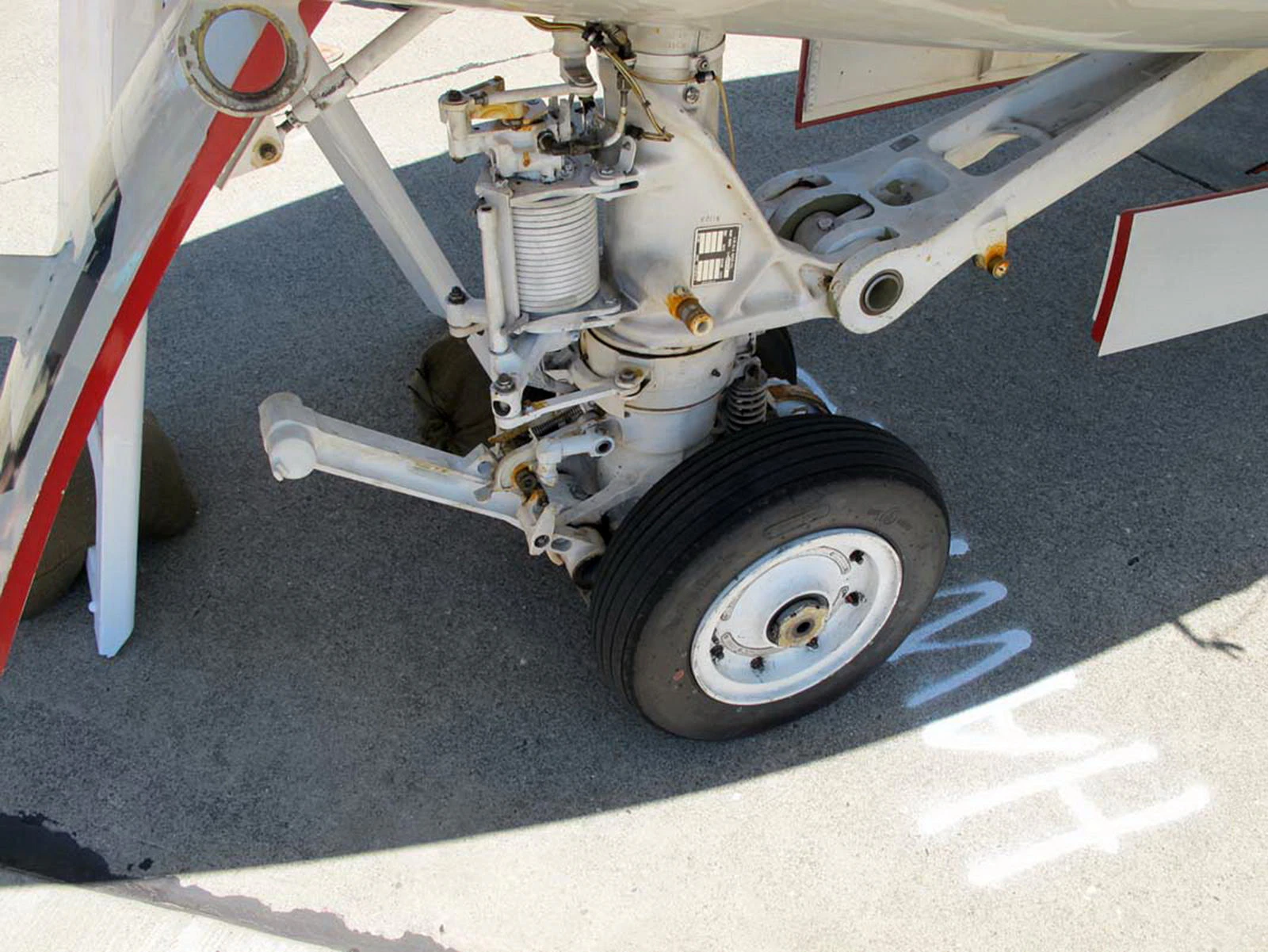
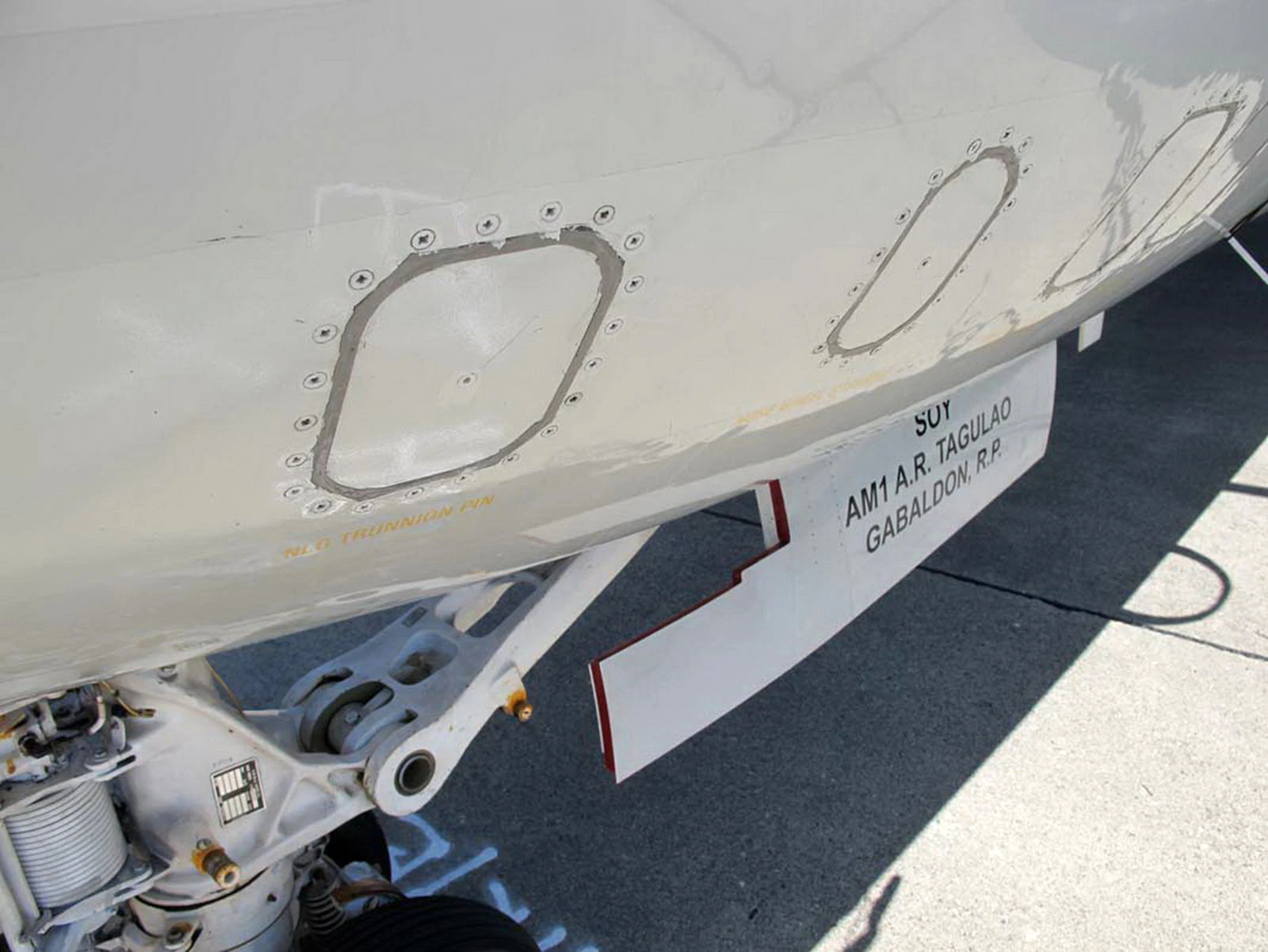
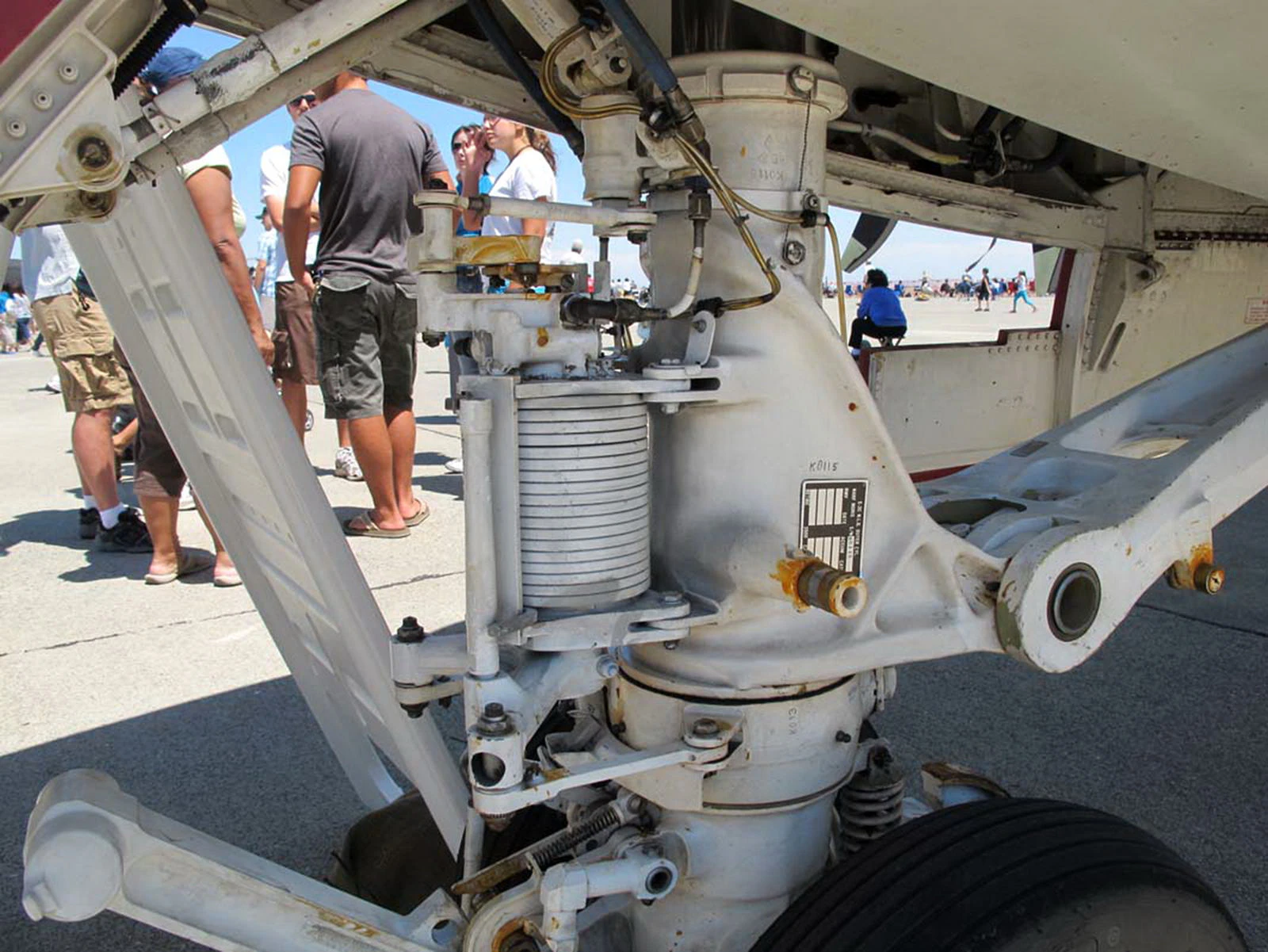
Grumman E-2C Hawkeye Walk Around
Photographer
Cees Hendriks
Localisation
Unknow
Photos
88
Grumman E-2B Hawkeye Walk Around
Photographer
Bill Maloney
Localisation
Air Victory Museum
Photos
28
Wait, Searching Grumman for you…
Grumman E-2C Hawkeye Walk Around
Photographer
Unknow
Localisation
Unknow
Photos
20
See also:
E-2C Hawkeye Walk Around
Photographer
Isaac Gershman
Localisation
Unknow
Photos
121
General Characteristics and Role
The Northrop Grumman E-2 Hawkeye is an American all-weather, carrier-capable tactical airborne early warning and control (AEW&C) aircraft. It was developed to replace the E-1 Tracer and has become the US Navy’s primary AEW platform. Distinctive for its massive 24-foot (7.3 m) diameter rotating radar dome, or rotodome, mounted above the fuselage, the E-2 is often referred to as “the eyes of the fleet.” Its primary mission is to provide wide-area surveillance of the sea and air, detecting hostile aircraft and cruise missiles at long range. The E-2 acts as a flying command and control center, directing friendly fighter aircraft, managing air traffic, and coordinating search and rescue operations. It is essential for extending the defensive and offensive capabilities of a carrier strike group far beyond the ship’s own radar horizon.
Property
Typical Value (E-2C/D Series)
Type
Carrier-Based Airborne Early Warning & Control (AEW&C)
National Origin
United States
Manufacturer
Grumman (Original) / Northrop Grumman
Entered Service (E-2A)
1964
Crew
5 (Pilot, Co-Pilot, Combat Information Center Officer, Air Control Officer, Radar Operator)
Length
17.60 m (57 ft 9 in)
Wingspan
24.56 m (80 ft 7 in)
Max Takeoff Weight
Approx. 26,000 kg (57,500 lb)
Powerplant and Sensor Systems
Engines: 2 x Rolls-Royce T56-A-427A turboprop engines (E-2D model uses the -427A).
Engine Power: Approx. 5,100 shp (3,800 kW) per engine.
Maximum Speed: Approx. 648 km/h (403 mph).
Endurance: Over 6 hours on station.
Radar System: The E-2C utilized the APS-145 radar; the E-2D Advanced Hawkeye uses the significantly more capable AN/APY-9 radar. The radar provides 360-degree coverage and can track hundreds of targets simultaneously.
Rotodome: The rotodome is hydro-mechanically rotated at 6 RPM during flight, providing continuous scanning.
Carrier Features: Equipped with hydraulically folding outer wing panels and a strong arrestor hook for shipboard operations.
Service History and Legacy
Modernization: The E-2 has undergone continuous modernization, culminating in the current E-2D Advanced Hawkeye, which features a “glass cockpit,” aerial refueling capability, and the revolutionary AN/APY-9 radar.
Export: The Hawkeye has been exported to several key US allies, including France (used on their nuclear-powered aircraft carrier, Charles de Gaulle), Japan, Israel (now retired), Egypt, and Taiwan.
Operational Importance: It is one of only two turboprop aircraft currently operating from US Navy supercarriers (the other being the C-2 Greyhound, based on the same airframe).
Key Events: E-2s have played crucial roles in numerous conflicts, including the Vietnam War, the Gulf War, and operations in Iraq and Afghanistan, primarily by controlling air space and guiding aircraft.
C-2 Greyhound: The Hawkeye airframe was the basis for the C-2 Greyhound carrier-on-board delivery (COD) transport aircraft, highlighting the versatility of the original design.
One thought on “Northrop Grumman E-2 Hawkeye – WalkAround”
Grumman E-2C Hawkeye Walk Around with the fin propellers taken by Cees hendriks is from the Midway Museum in San Diego. :)) I know cause I was there 3 times and I have MANY pictures of the midway museum. If you look behind the airplane you will see the #41 of the USS Midway.




 Grumman F9F Panther – Photos & Videos
 Grumman AF Guardian – Photos & Videos
 Grumman G-21 Goose – Photos & Videos
 Grumman C-1 Trader – Photos & Video
 Grumman A-6A Intruder – Photos & Video
 C-2A Greyhound – Photos & Video
 Grumman HU-16 Albatross – Photos & Video
 Grumman F-14 Tomcat – WalkAround
 Grumman OV-1 Mohawk – Walk Around
 Grumman FM-2 Wildcat – WalkAround
Grumman E-2C Hawkeye Walk Around with the fin propellers taken by Cees hendriks is from the Midway Museum in San Diego. :)) I know cause I was there 3 times and I have MANY pictures of the midway museum. If you look behind the airplane you will see the #41 of the USS Midway.