Alerta temprana táctica aerotransportada capaz de portaaviones
Primer vuelo
21 de octubre de 1960
Producido
1960-presente
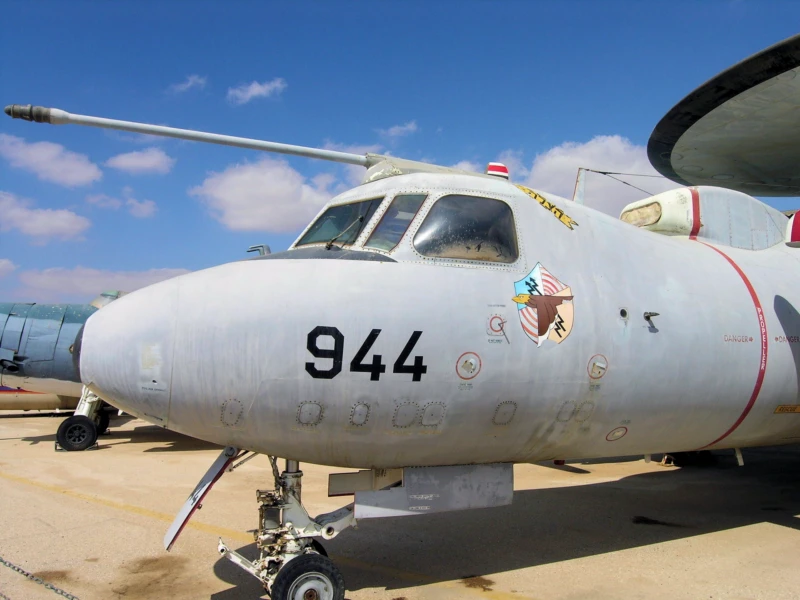
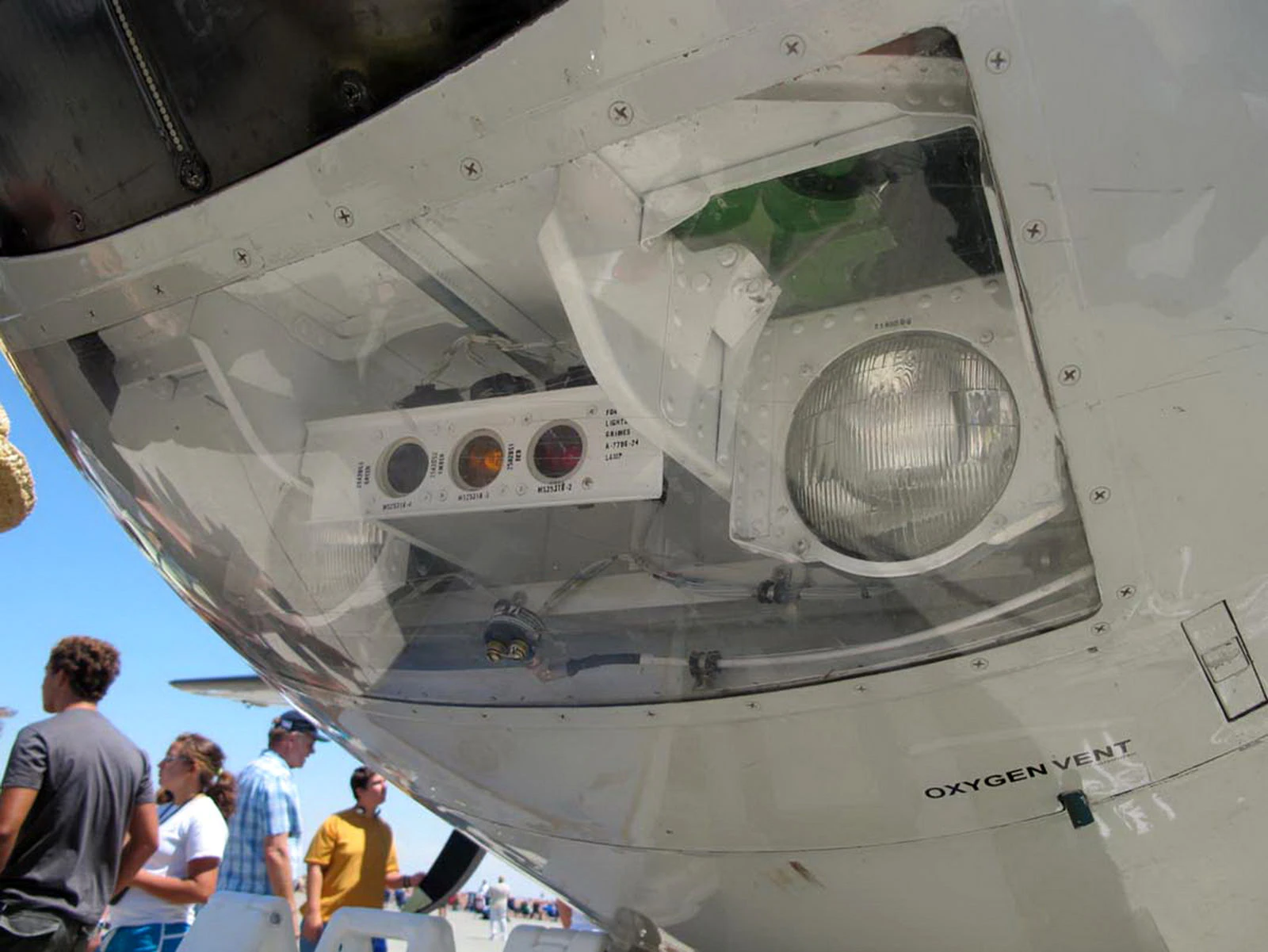
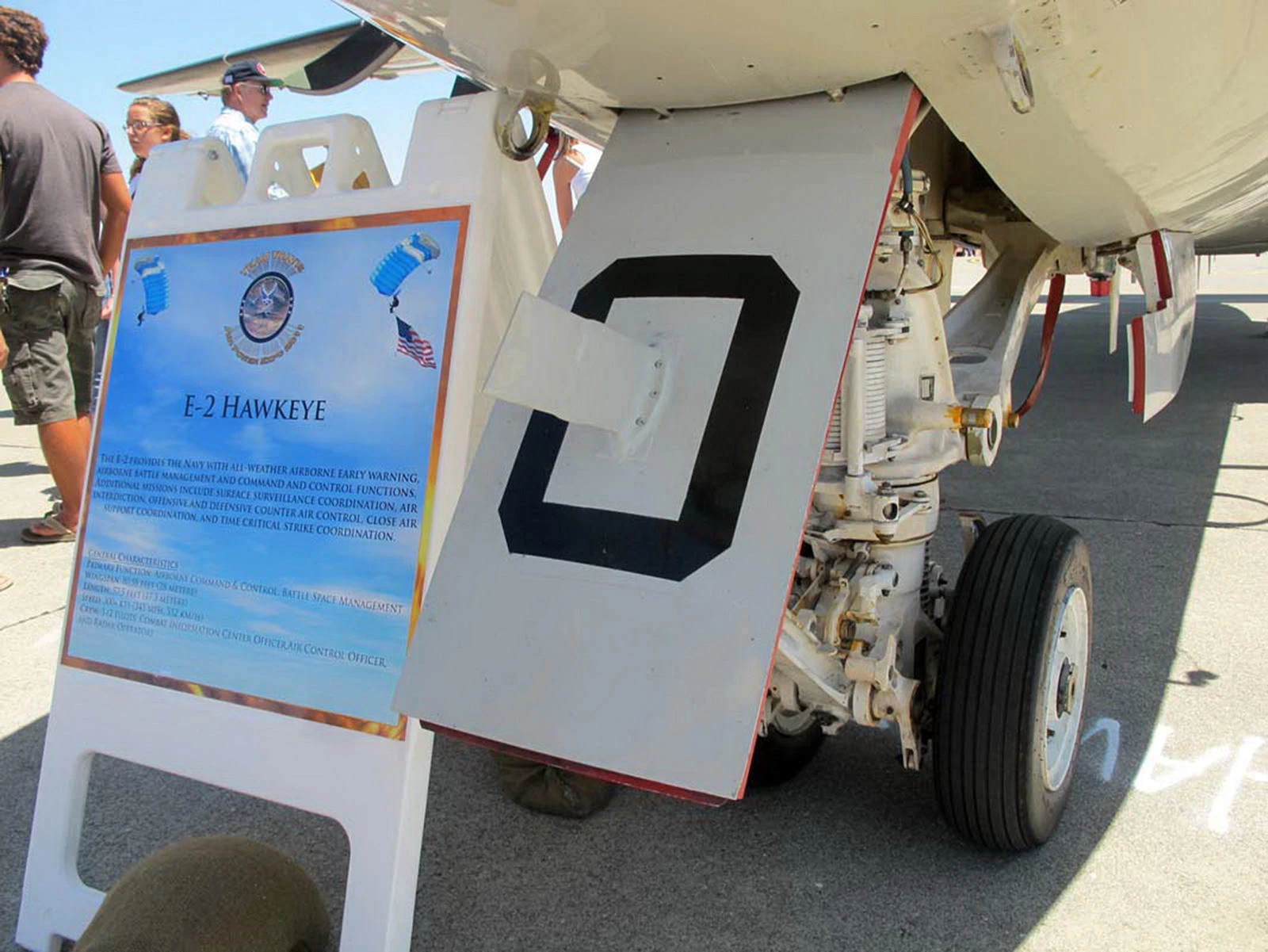
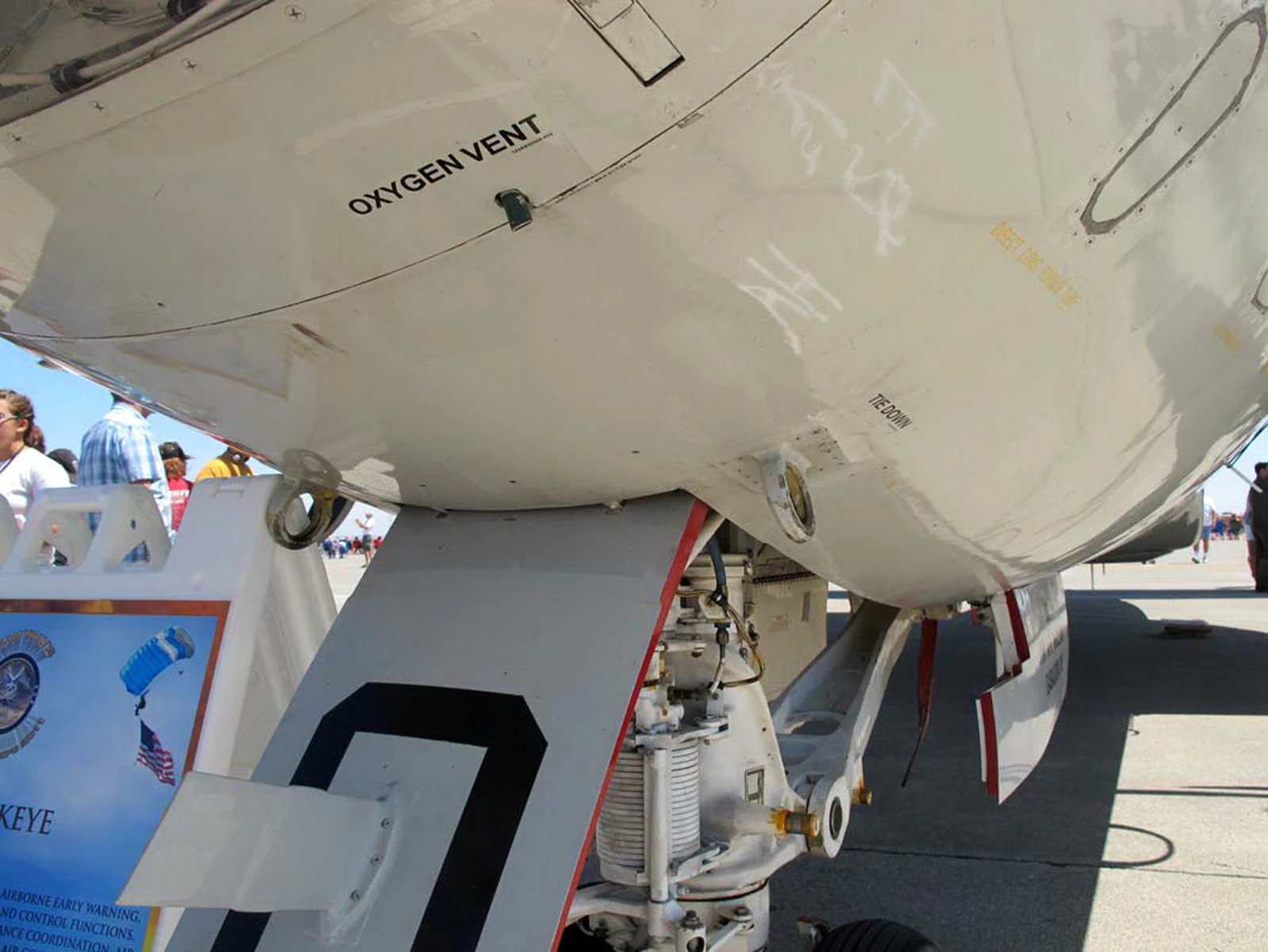
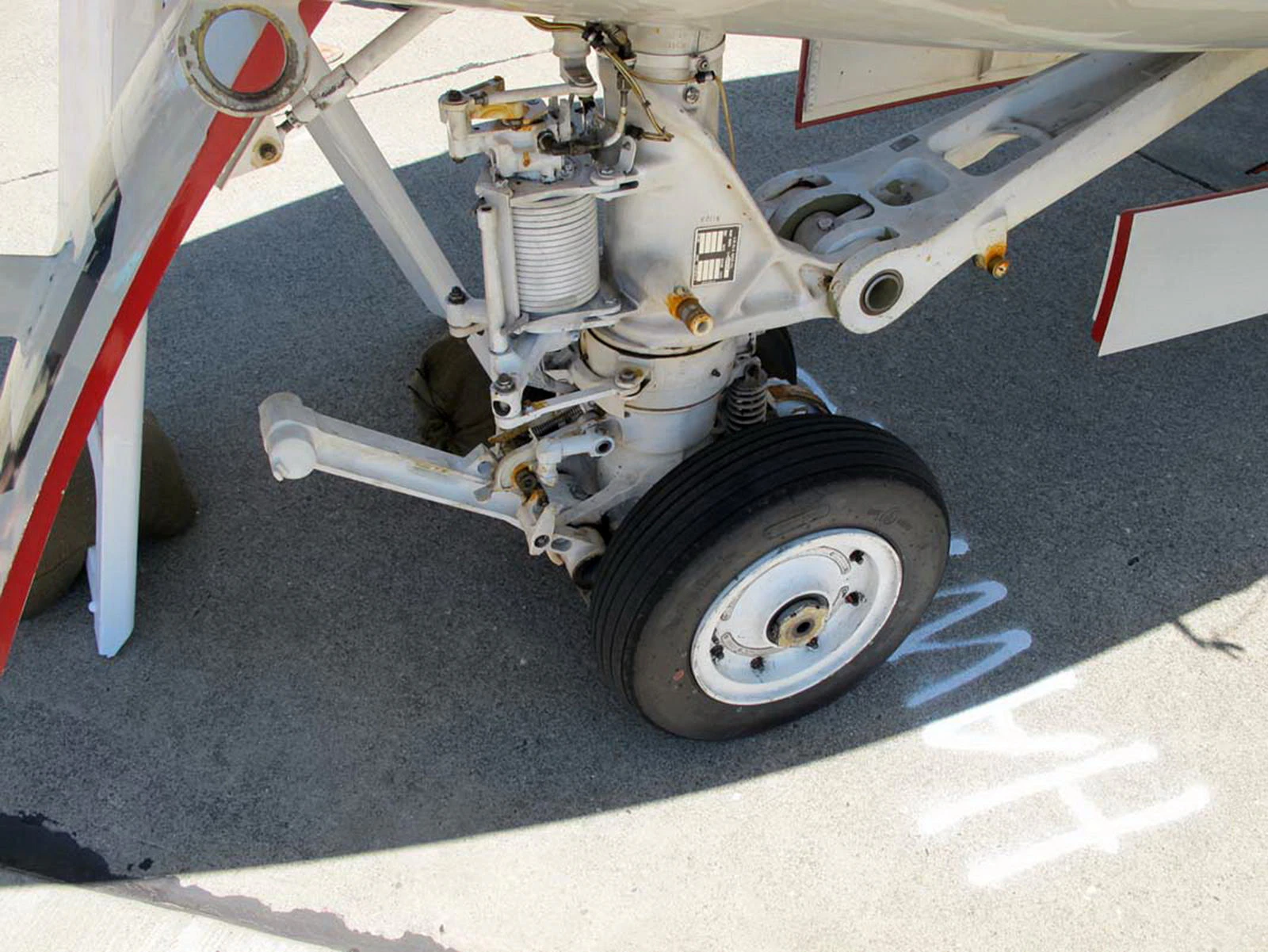
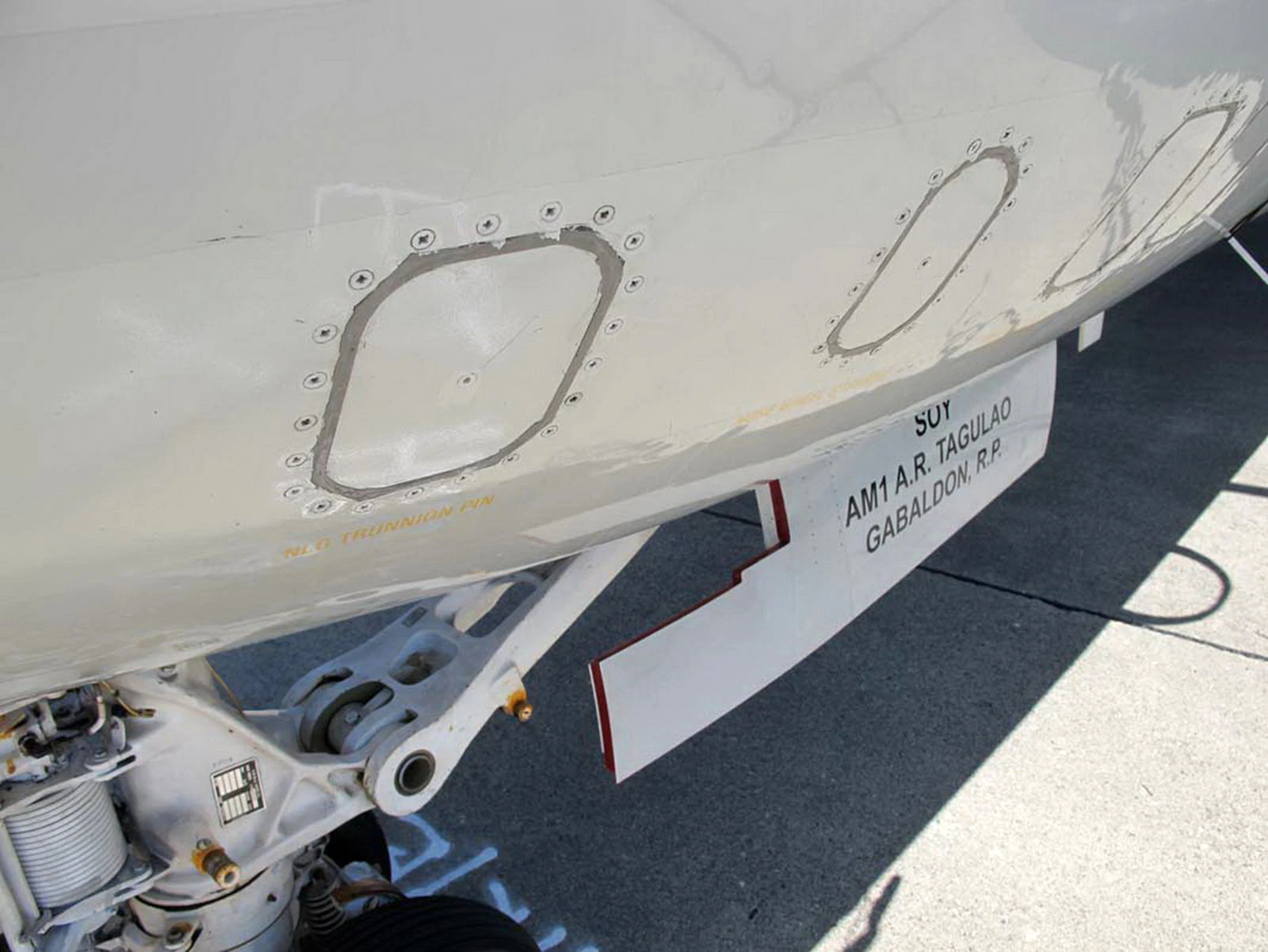
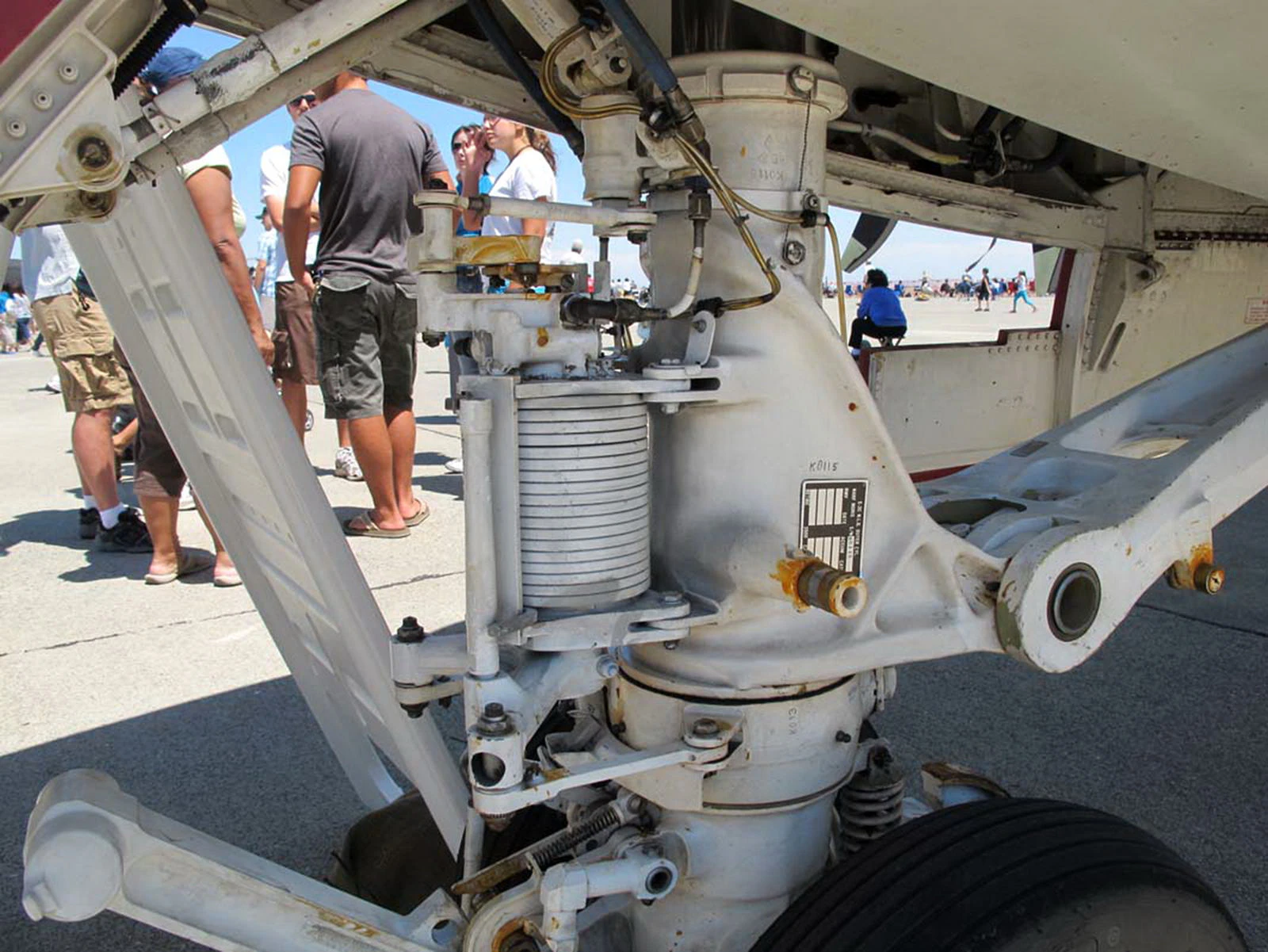
Galería de fotos de un Northrop Grumman E-2 Hawkeye, The Grumman E-2 Ojo de Halcón es un avión estadounidense de alerta temprana aérea (AEW, por sus aires), con capacidad para portaaviones. Este avión bi-turbohélice fue diseñado y desarrollado a finales de la década de 1950 y principios de la década de 1960 por la Grumman Aircraft Company para la Armada de los Estados Unidos como un reemplazo para el anterior E-1 Tracer, que se estaba volviendo rápidamente obsoleto. El rendimiento del avión se ha actualizado con las versiones E-2B y E-2C, donde la mayoría de los cambios se realizaron en el radar y las comunicaciones de radio debido a los avances en circuitos electrónicos integrados y otros aparatos electrónicos. La cuarta versión del Hawkeye es el E-2D, que voló por primera vez en 2007. El E-2 fue el primer avión diseñado para ser un avión AEW desde el principio, en lugar de una modificación de un fuselaje existente, como el E-3.
Espera, Buscando Northrop Grumman E-2 Hawkeye fotos para usted...
Grumman E-2C Hawkeye caminar alrededor
Fotógrafo
Cees Hendriks
Localización
Unknow
Fotos
88
Grumman E-2B Hawkeye caminar alrededor
Fotógrafo
Bill Maloney
Localización
Museo air victory
Fotos
28
Espera, buscando a Grumman por ti...
Grumman E-2C Hawkeye caminar alrededor
Fotógrafo
Unknow
Localización
Unknow
Fotos
20
Ver también:
E-2C Paseo de Ojo de Halcón
Fotógrafo
Isaac Gershman
Localización
Unknow
Fotos
121
General Characteristics and Role
The Northrop Grumman E-2 Hawkeye is an American all-weather, carrier-capable tactical airborne early warning and control (AEW&C) aircraft. It was developed to replace the E-1 Tracer and has become the US Navy’s primary AEW platform. Distinctive for its massive 24-foot (7.3 m) diameter rotating radar dome, or rotodome, mounted above the fuselage, the E-2 is often referred to as “the eyes of the fleet.” Its primary mission is to provide wide-area surveillance of the sea and air, detecting hostile aircraft and cruise missiles at long range. The E-2 acts as a flying command and control center, directing friendly fighter aircraft, managing air traffic, and coordinating search and rescue operations. It is essential for extending the defensive and offensive capabilities of a carrier strike group far beyond the ship’s own radar horizon.
Property
Typical Value (E-2C/D Series)
Tipo
Carrier-Based Airborne Early Warning & Control (AEW&C)
National Origin
Estados Unidos
Fabricante
Grumman (Original) / Northrop Grumman
Entered Service (E-2A)
1964
Equipo
5 (Pilot, Co-Pilot, Combat Information Center Officer, Air Control Officer, Radar Operator)
Longitud
17.60 m (57 ft 9 in)
Envergadura
24.56 m (80 ft 7 in)
Max Takeoff Weight
Approx. 26,000 kg (57,500 lb)
Powerplant and Sensor Systems
Engines: 2 x Rolls-Royce T56-A-427A turboprop engines (E-2D model uses the -427A).
Engine Power: Approx. 5,100 shp (3,800 kW) per engine.
Maximum Speed: Approx. 648 km/h (403 mph).
Endurance: Over 6 hours on station.
Radar System: The E-2C utilized the APS-145 radar; the E-2D Advanced Hawkeye uses the significantly more capable AN/APY-9 radar. The radar provides 360-degree coverage and can track hundreds of targets simultaneously.
Rotodome: The rotodome is hydro-mechanically rotated at 6 RPM during flight, providing continuous scanning.
Carrier Features: Equipped with hydraulically folding outer wing panels and a strong arrestor hook for shipboard operations.
Service History and Legacy
Modernization: The E-2 has undergone continuous modernization, culminating in the current E-2D Advanced Hawkeye, which features a “glass cockpit,” aerial refueling capability, and the revolutionary AN/APY-9 radar.
Export: The Hawkeye has been exported to several key US allies, including France (used on their nuclear-powered aircraft carrier, Charles de Gaulle), Japan, Israel (now retired), Egypt, and Taiwan.
Operational Importance: It is one of only two turboprop aircraft currently operating from US Navy supercarriers (the other being the C-2 Greyhound, based on the same airframe).
Key Events: E-2s have played crucial roles in numerous conflicts, including the Vietnam War, the Gulf War, and operations in Iraq and Afghanistan, primarily by controlling air space and guiding aircraft.
C-2 Greyhound: The Hawkeye airframe was the basis for the C-2 Greyhound carrier-on-board delivery (COD) transport aircraft, highlighting the versatility of the original design.
Un pensamiento en "Northrop Grumman E-2 Hawkeye – WalkAround"
Grumman E-2C Hawkeye Walk Around con las hélices de aleta tomadas por Cees hendriks es del Museo Midway en San Diego. :)) Sé porque estuve allí 3 veces y tengo MUCHAS fotos del museo midway. Si miras detrás del avión verás la #41 del USS Midway.




 Grumman F9F Panther – Fotos y Videos
 Grumman AF Guardian – Fotos y videos
 Grumman G-21 Goose – Fotos y Videos
 Grumman C-1 Trader – Fotos y Video
 Grumman A-6A Intruder - Fotos y Video
 C-2A Greyhound – Fotos y Video
 Grumman HU-16 Albatross – Fotos y Video
 Grumman F-14 Tomcat – WalkAround
 Grumman OV-1 Mohawk – Camina
 Grumman FM-2 Wildcat – WalkAround
Grumman E-2C Hawkeye Walk Around con las hélices de aleta tomadas por Cees hendriks es del Museo Midway en San Diego. :)) Sé porque estuve allí 3 veces y tengo MUCHAS fotos del museo midway. Si miras detrás del avión verás la #41 del USS Midway.