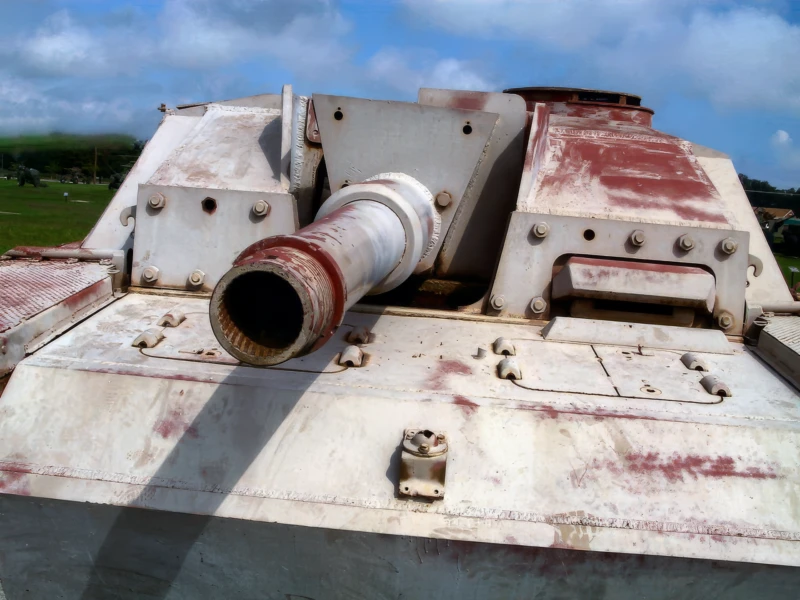
Sturmgeschütz III | |
|---|---|
| País | Alemania nazi |
| Papel | Arma de asalto |
| En servicio | 1940–1945 |
| Construido | 10000+ |
el Sturmgesch-tz III (StuG III) fue el segundo vehículo de combate blindado más producido de Alemania durante la Segunda Guerra Mundial después de la mitad de la pista Sd.Kfz. 251. Fue construido sobre el chasis del tanque Panzer III probado, reemplazando la torreta con una superestructura blindada y fija que montaba un cañón más potente. Inicialmente destinado como una pistola de asalto móvil para el apoyo de fuego directo para la infantería, el StuG III fue continuamente modificado, y al igual que el Jagdpanzer posterior, fue empleado como un cazacarros.
Fuente: Stug III en Wikipedia
| StuG III | |
|---|---|
| Fotógrafo | Unknow |
| Localización | Unknow |
| Fotos | 69 |
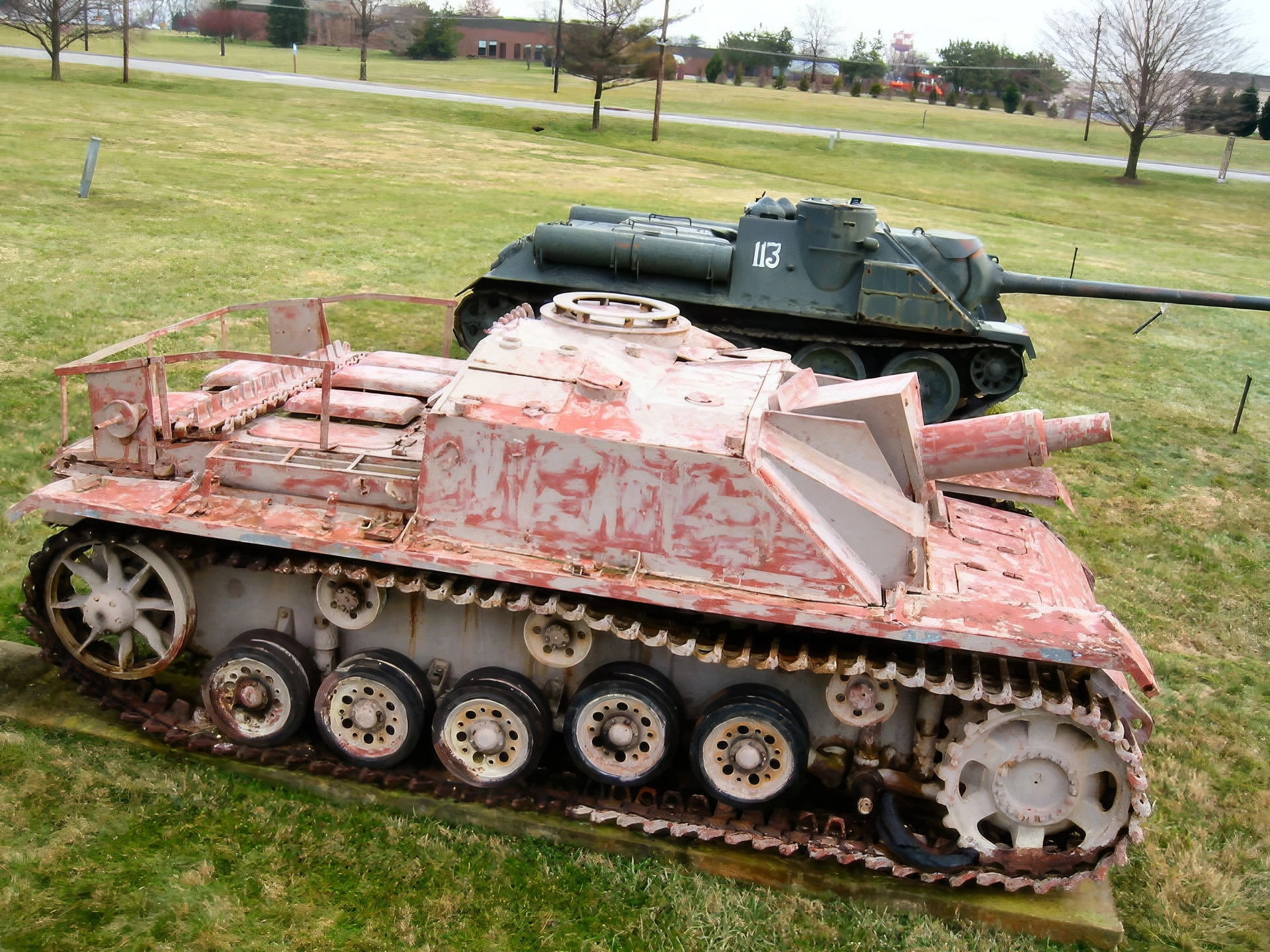
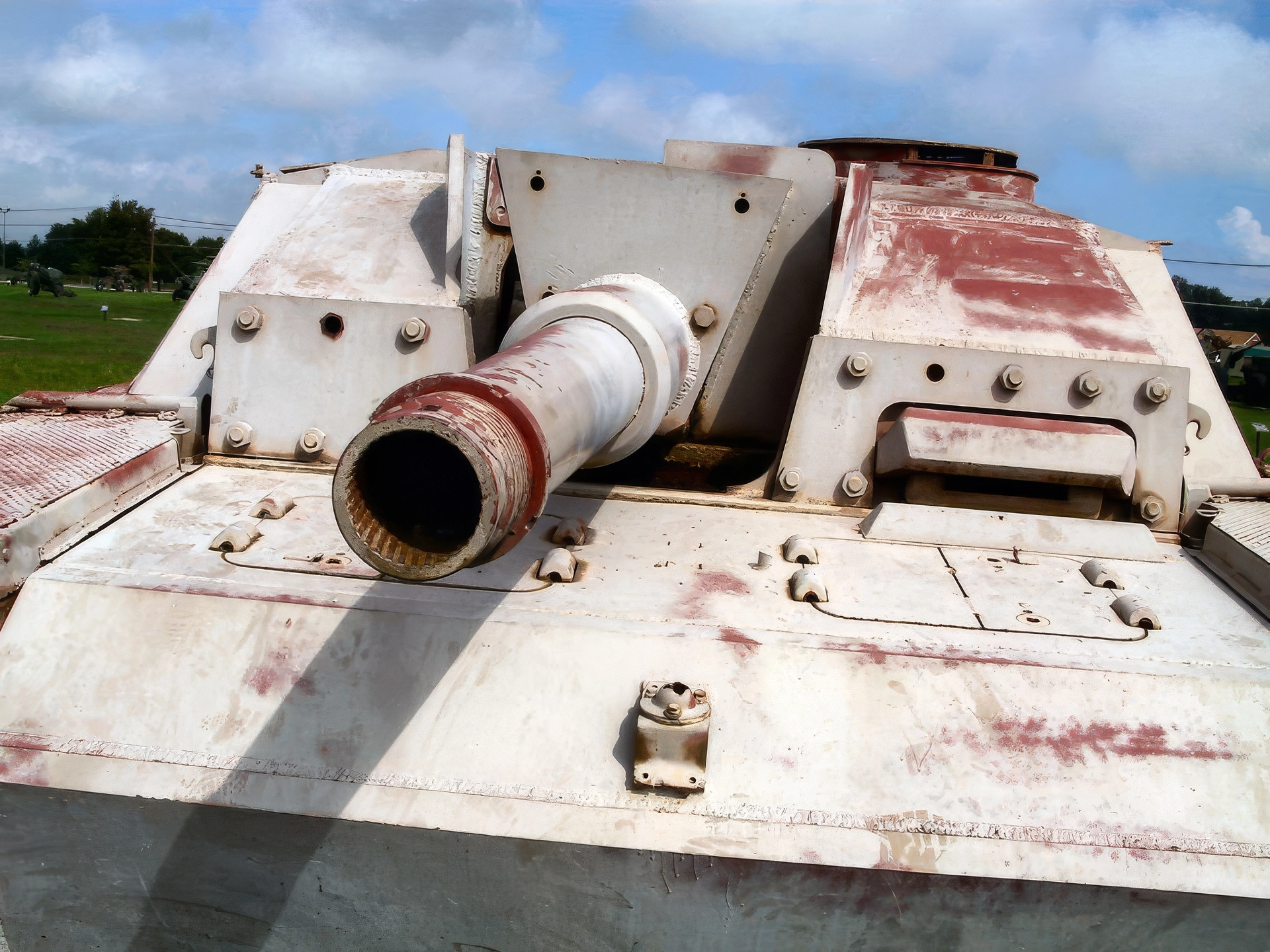
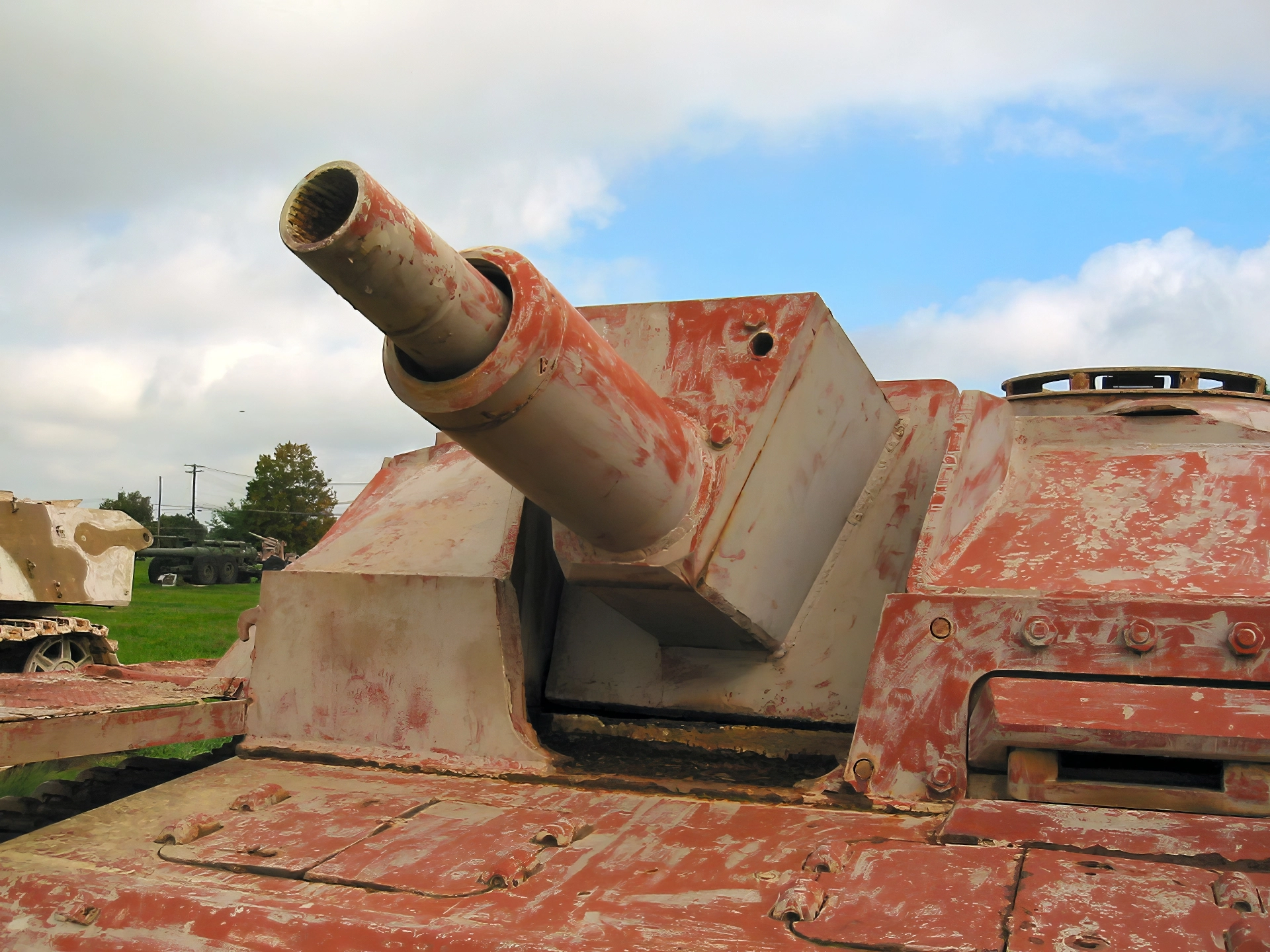
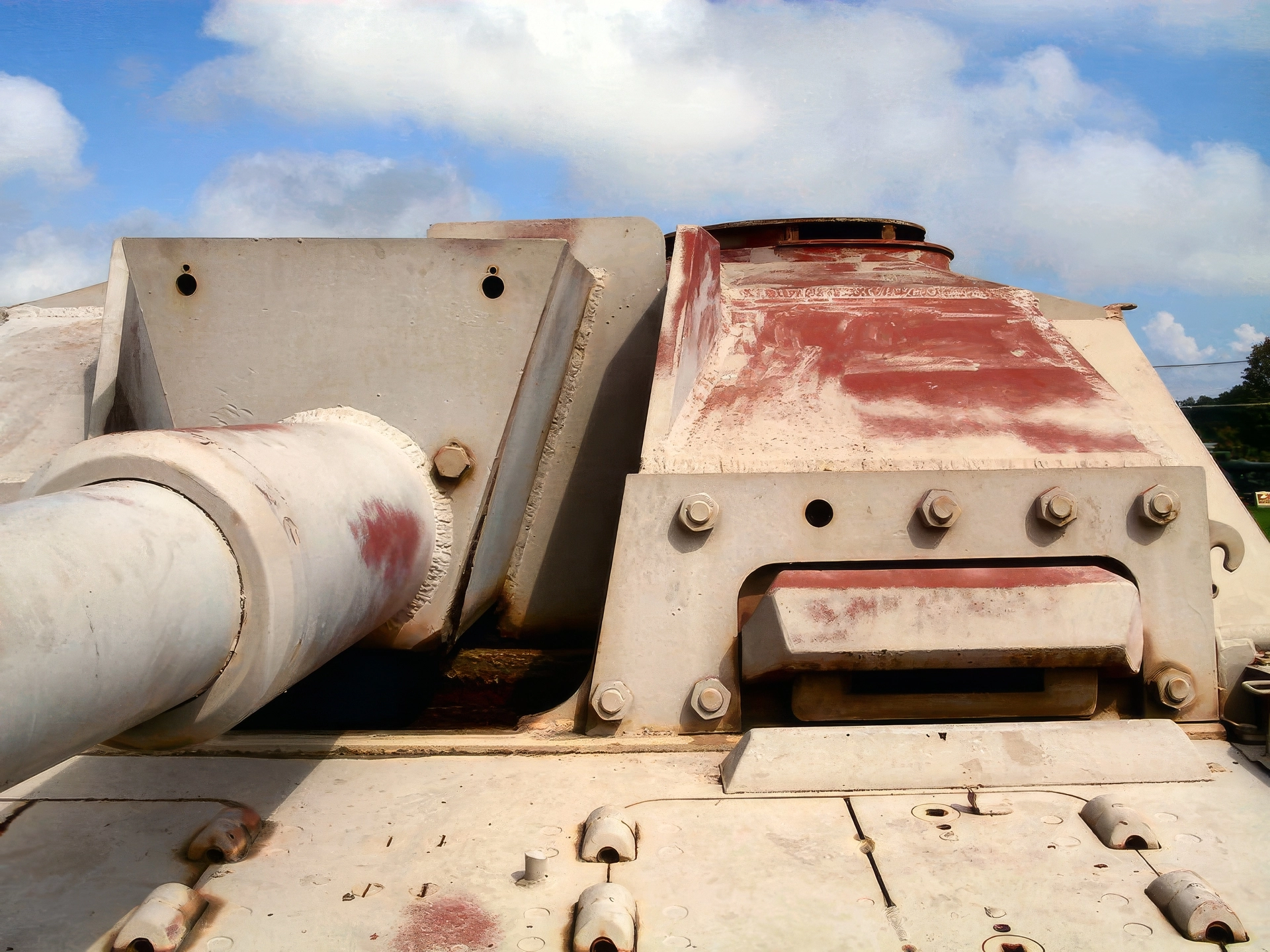
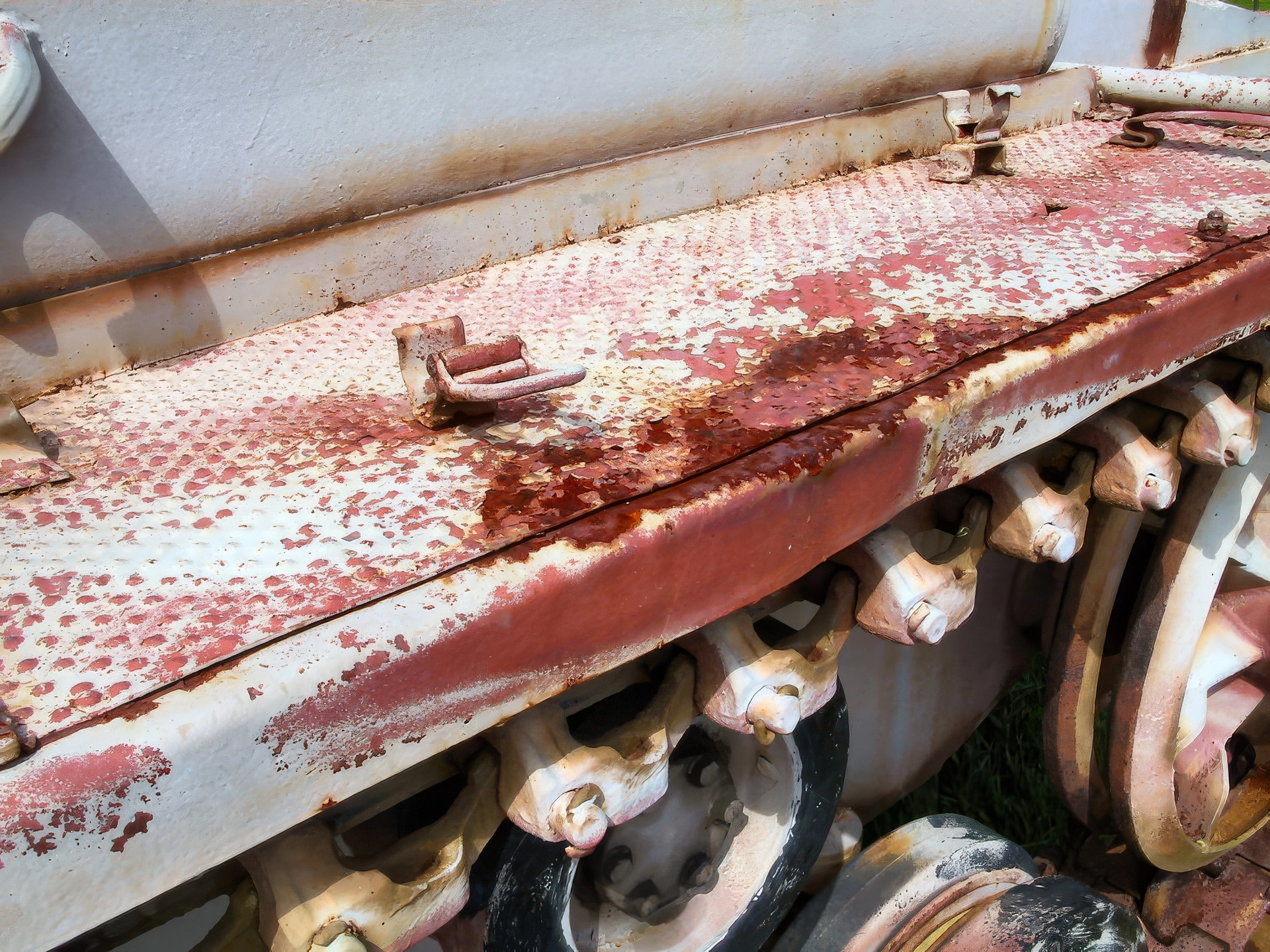
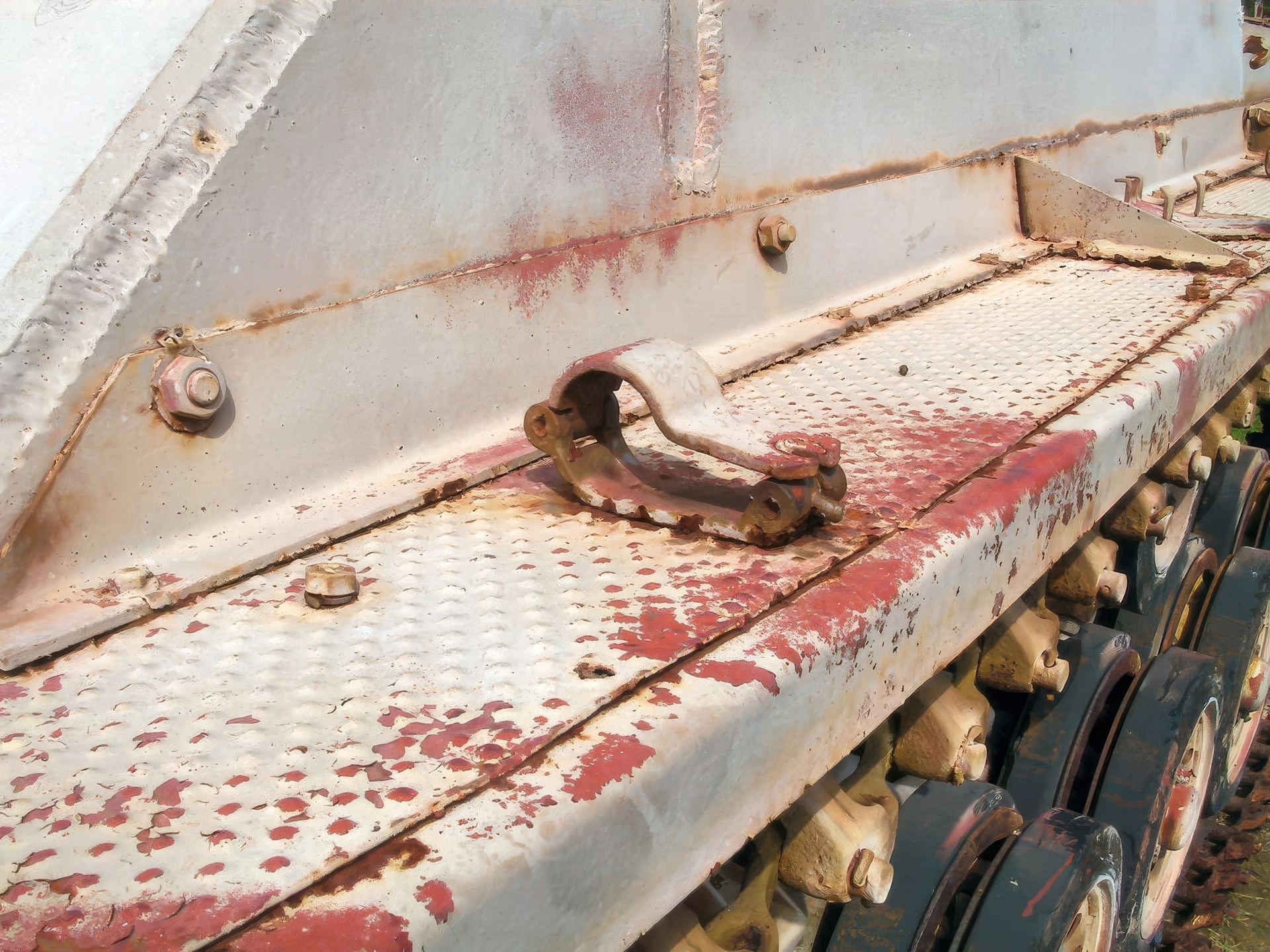
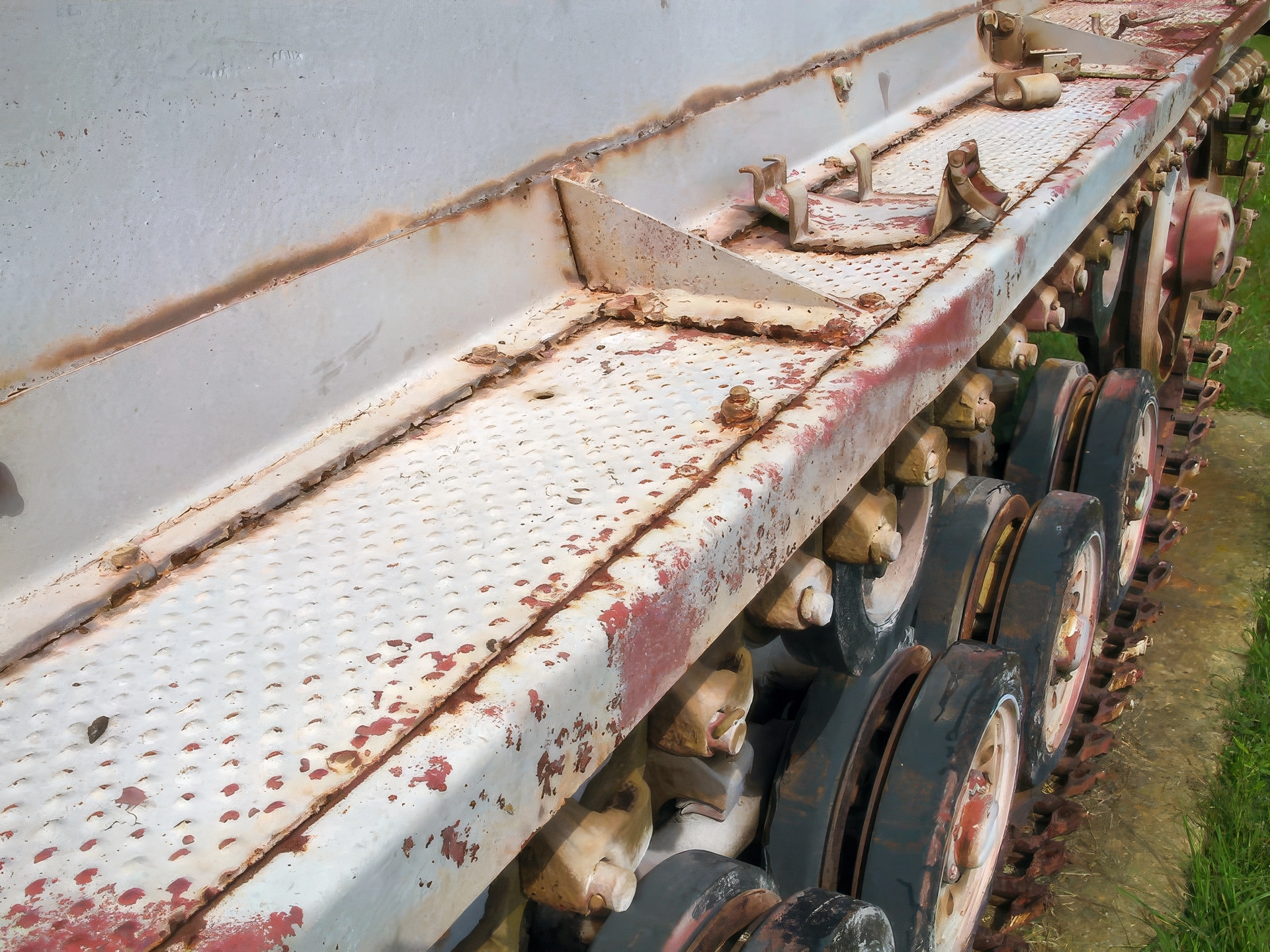
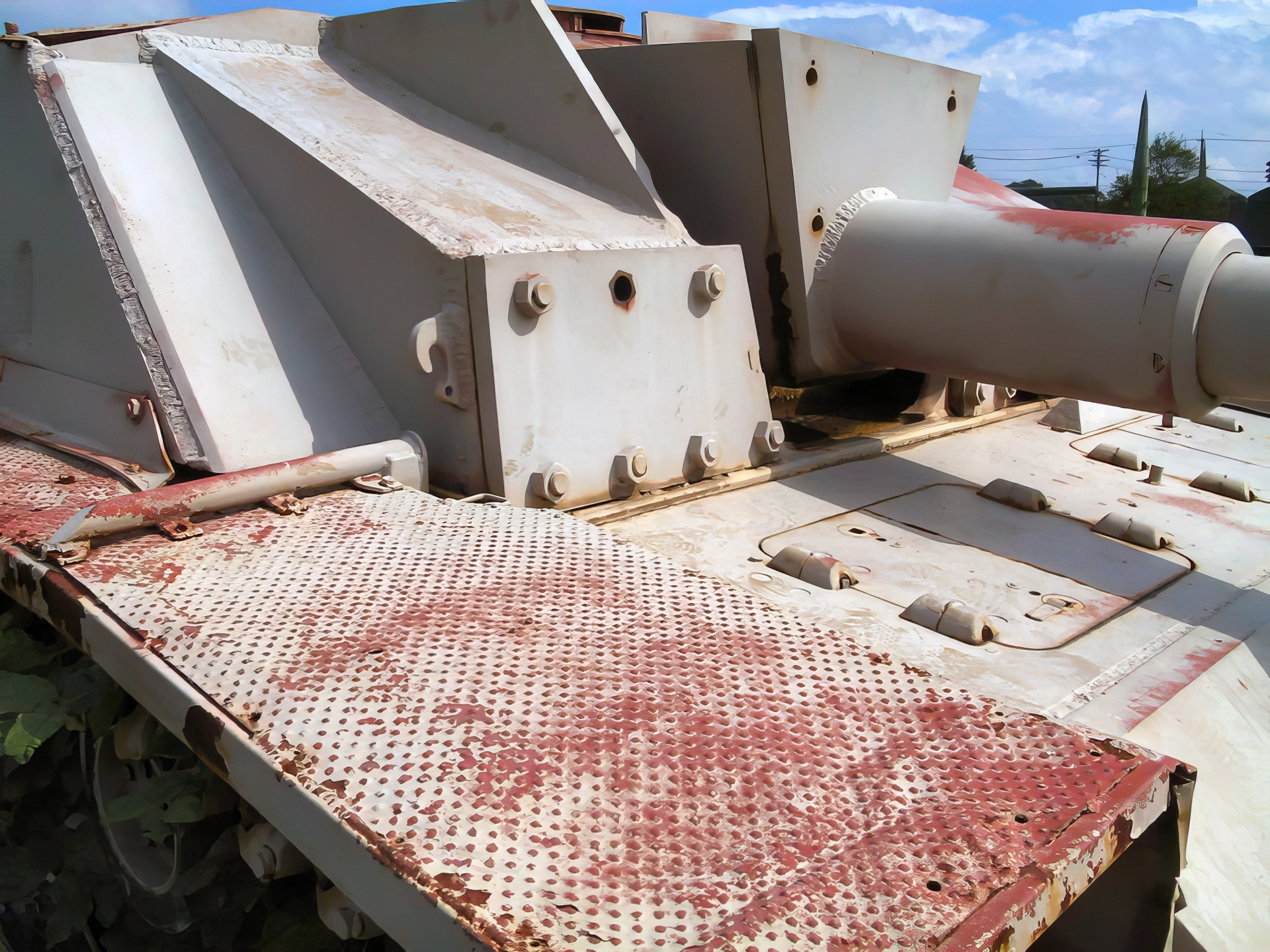
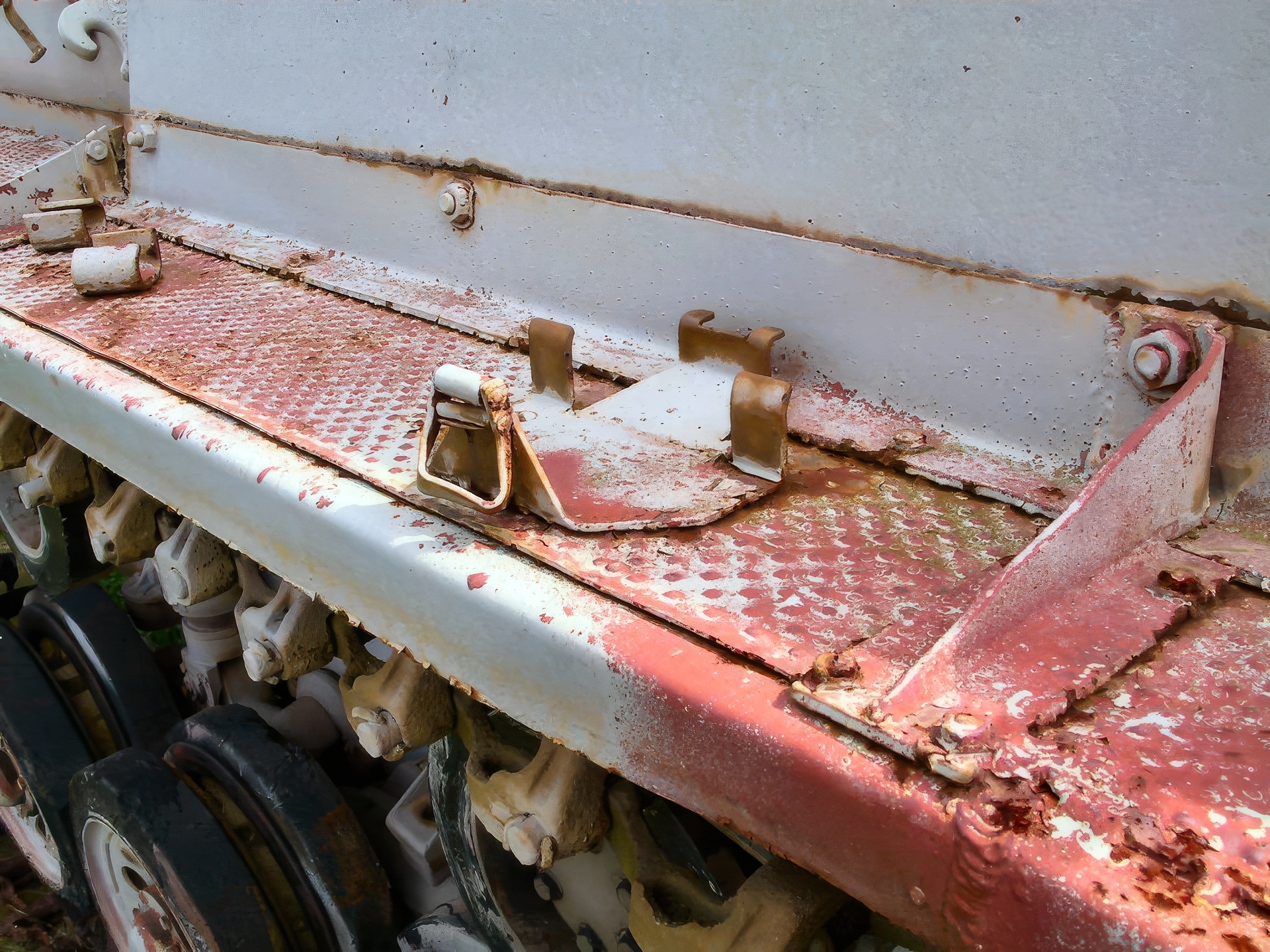

| Sturmgeschutz III Walk Around | |
|---|---|
| Fotógrafo | Bill Maloney |
| Localización | Unknow |
| Fotos | 15 |
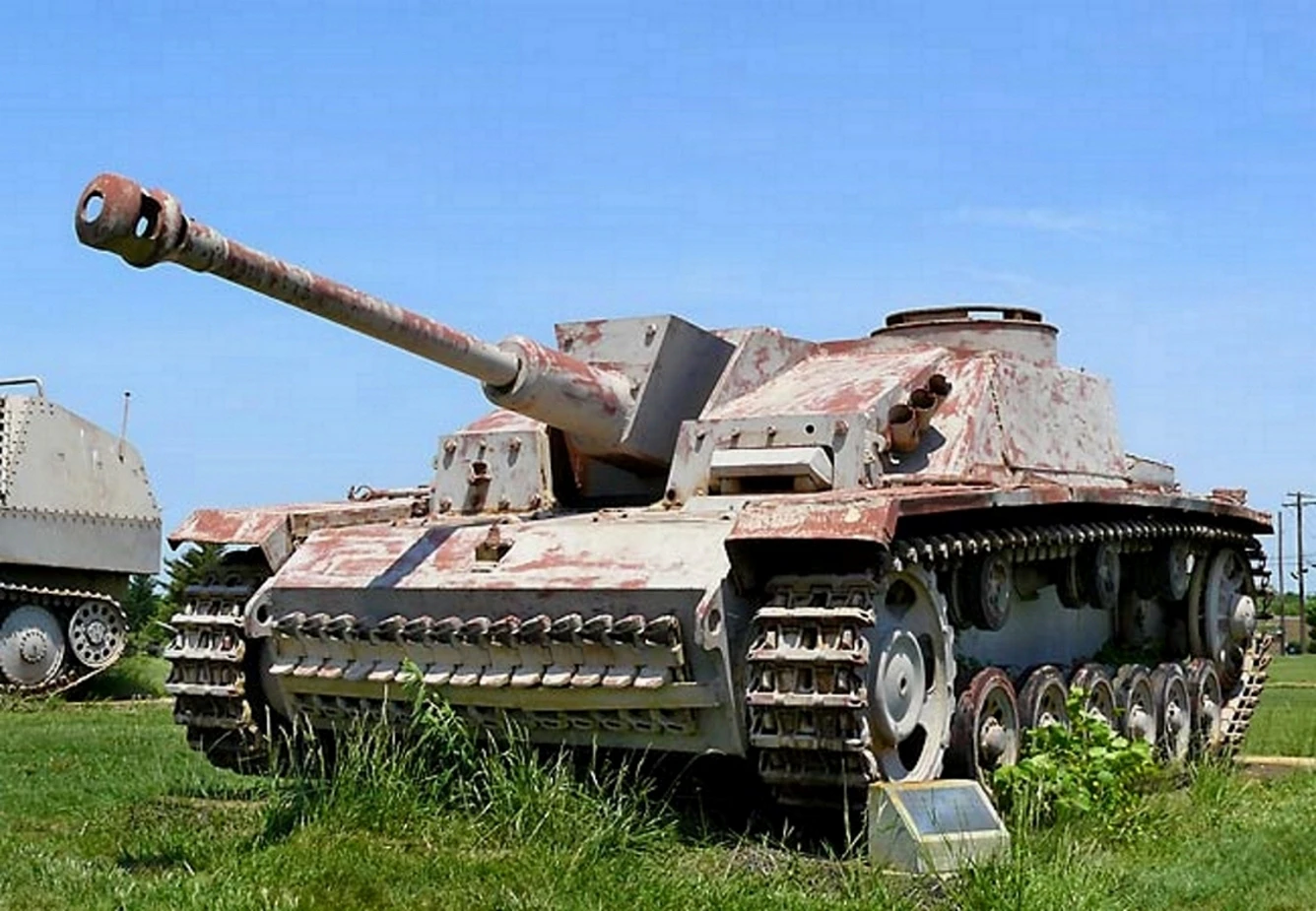
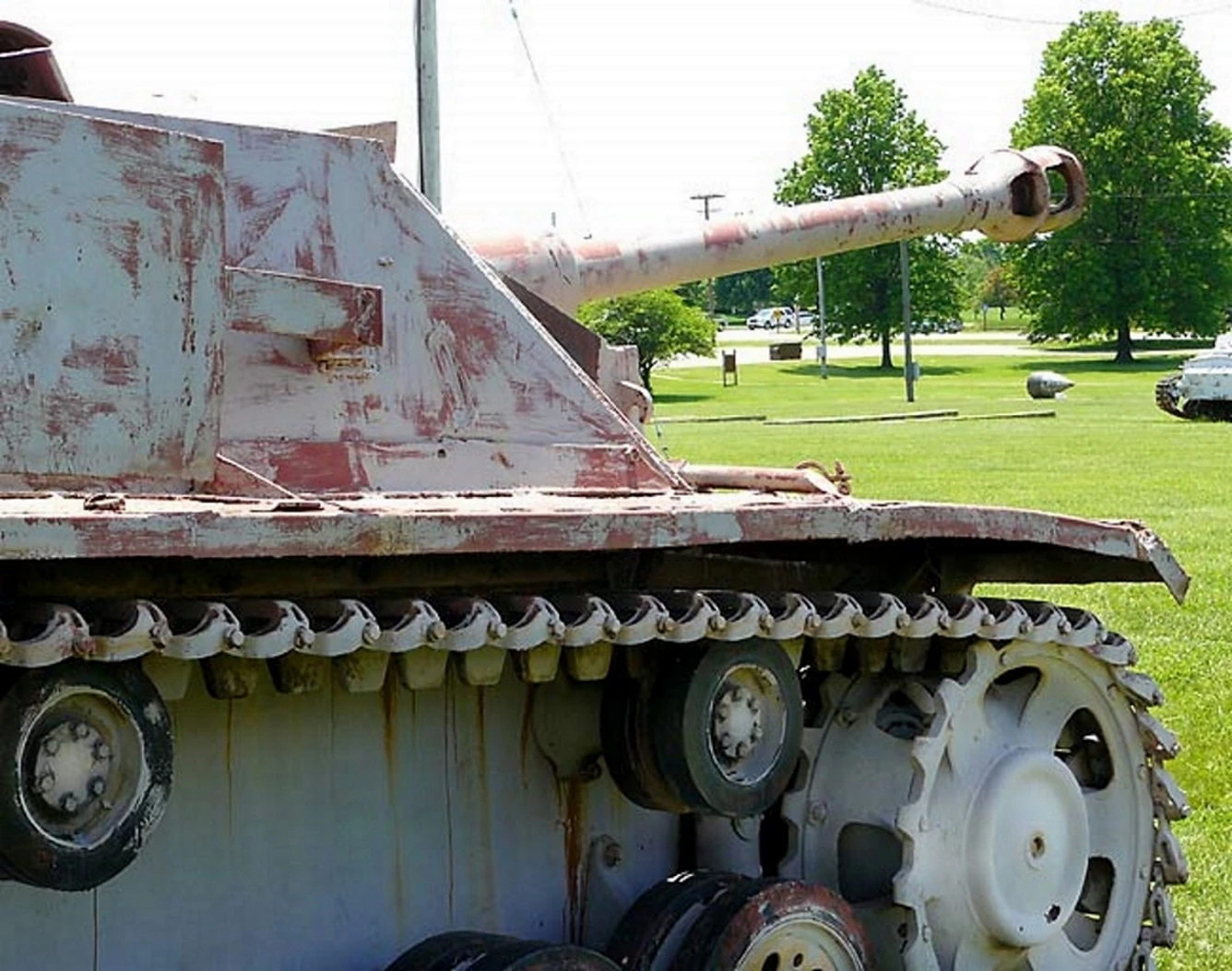
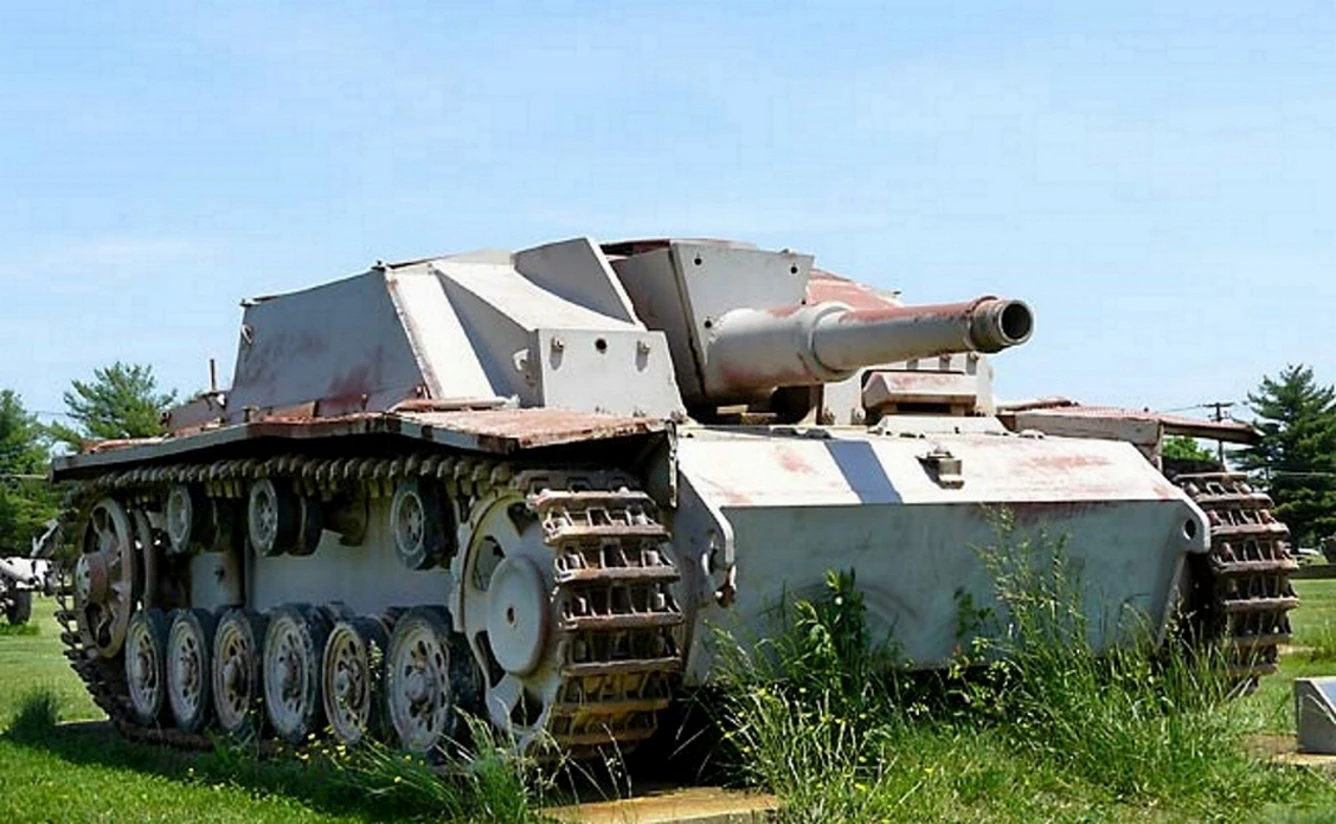
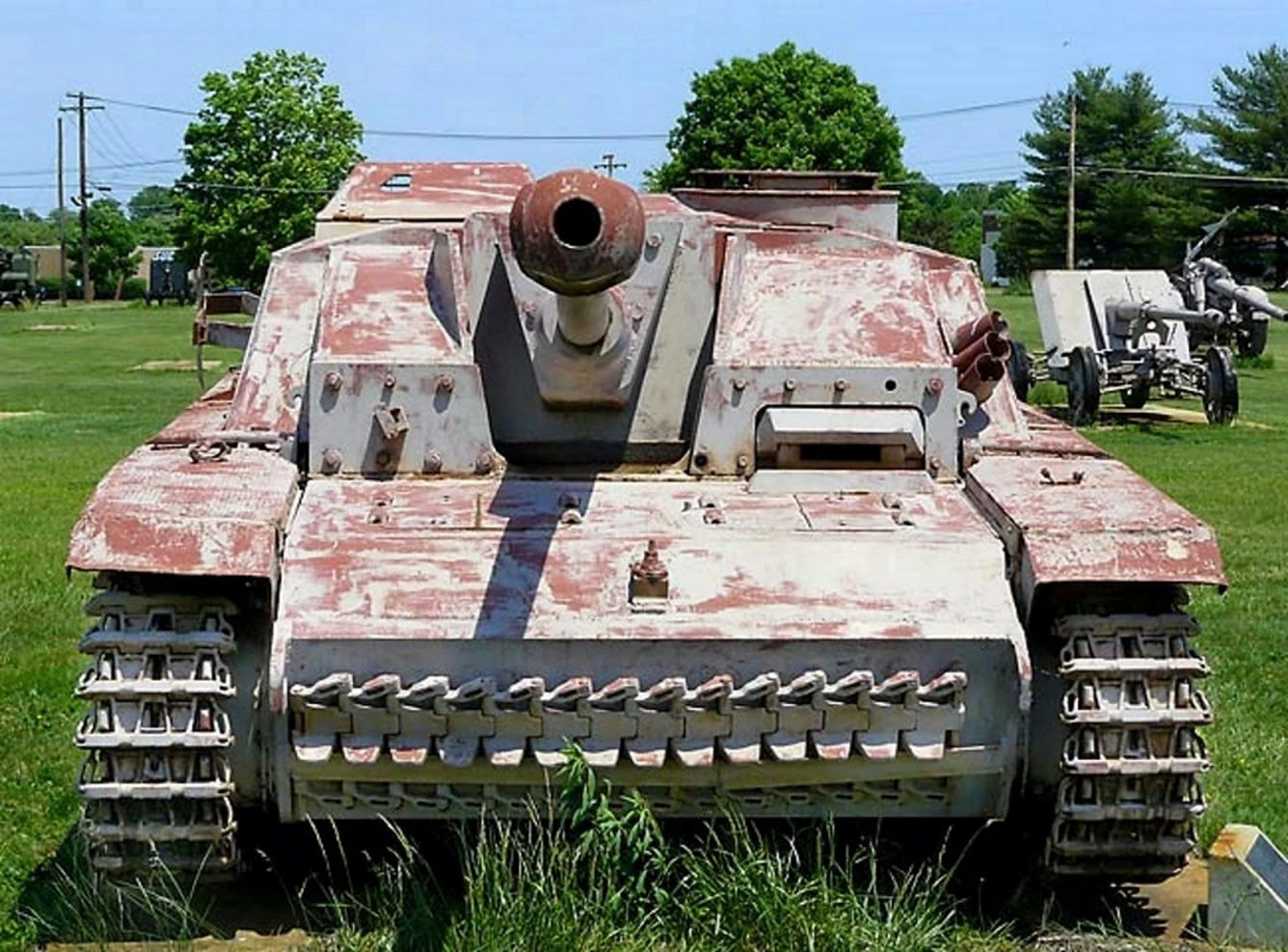
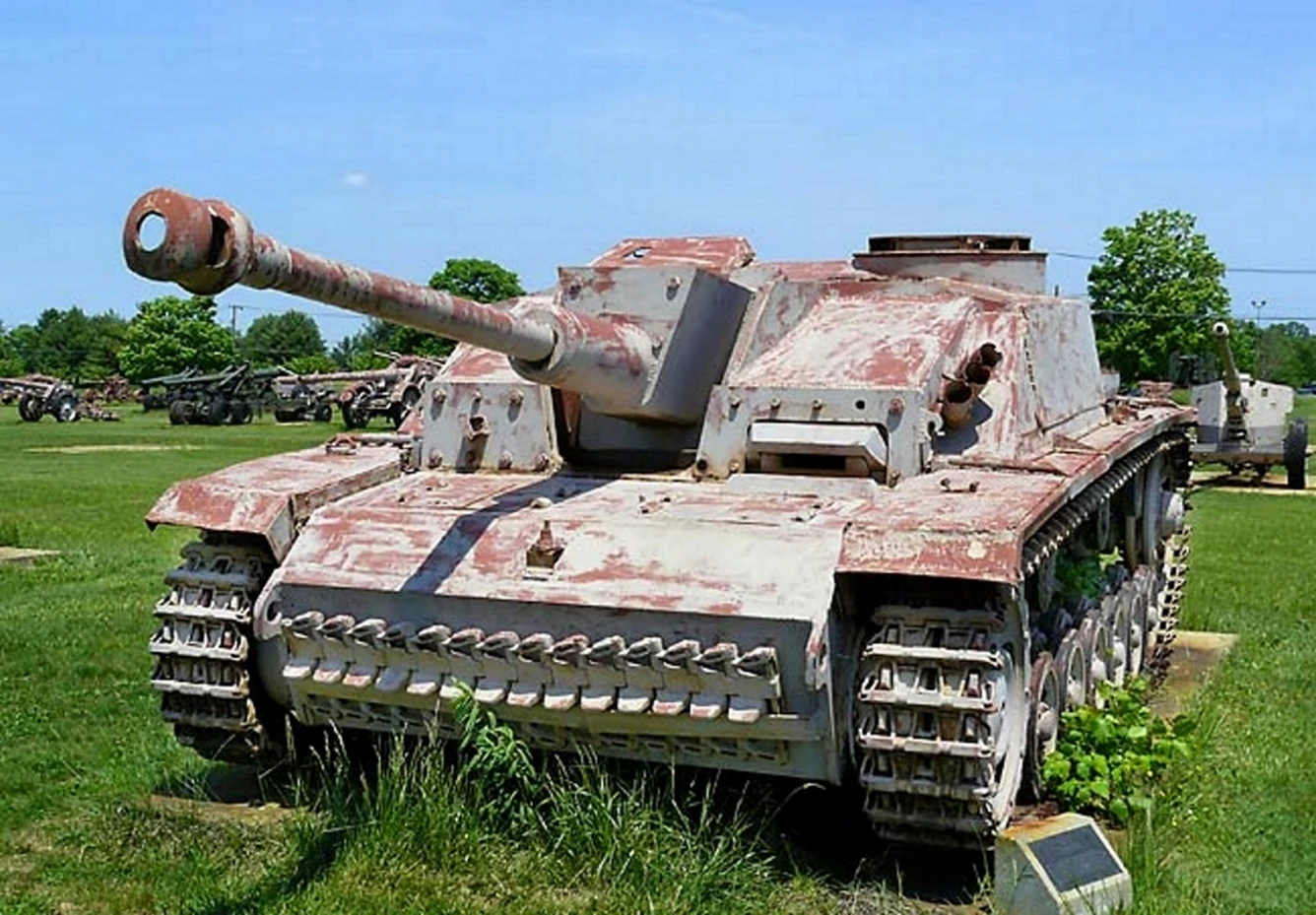
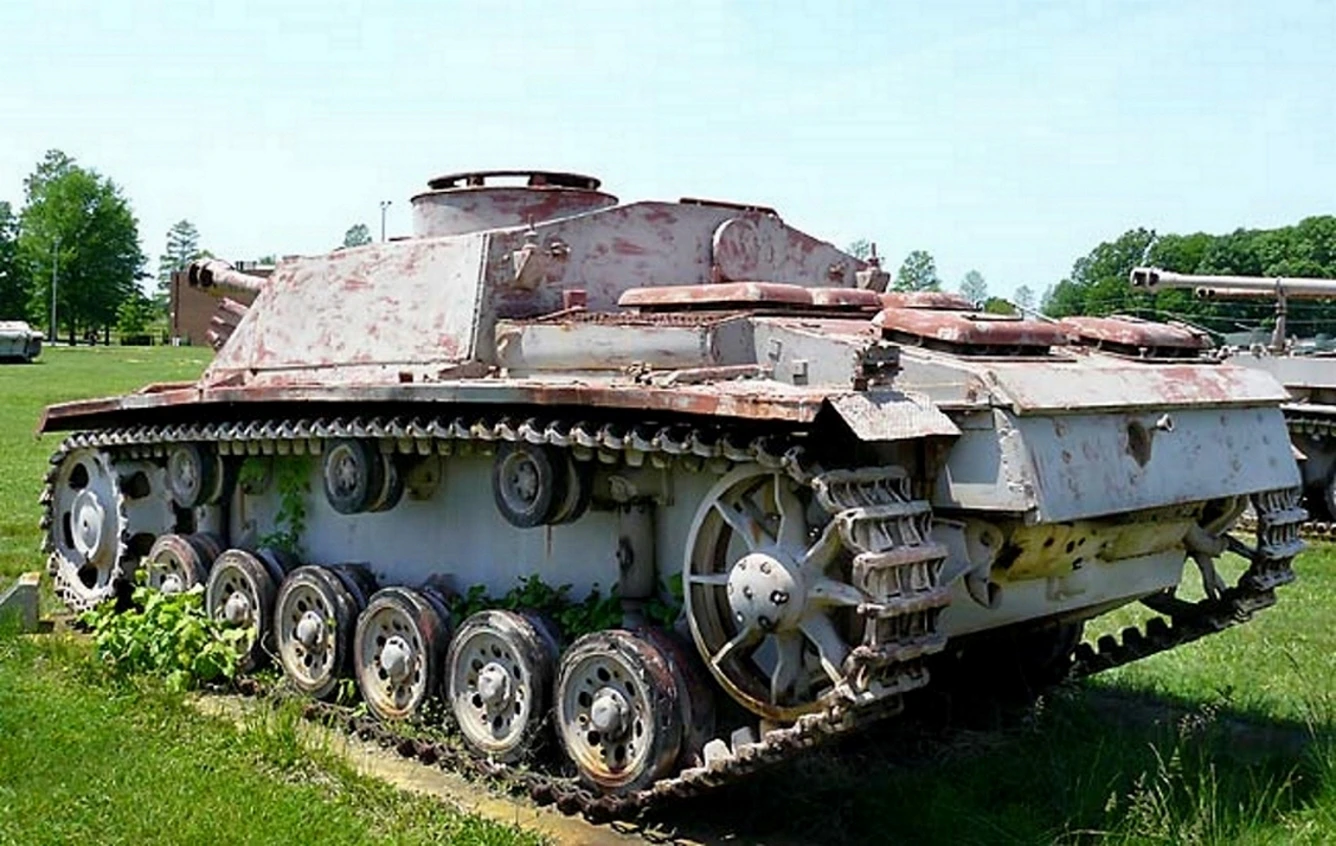
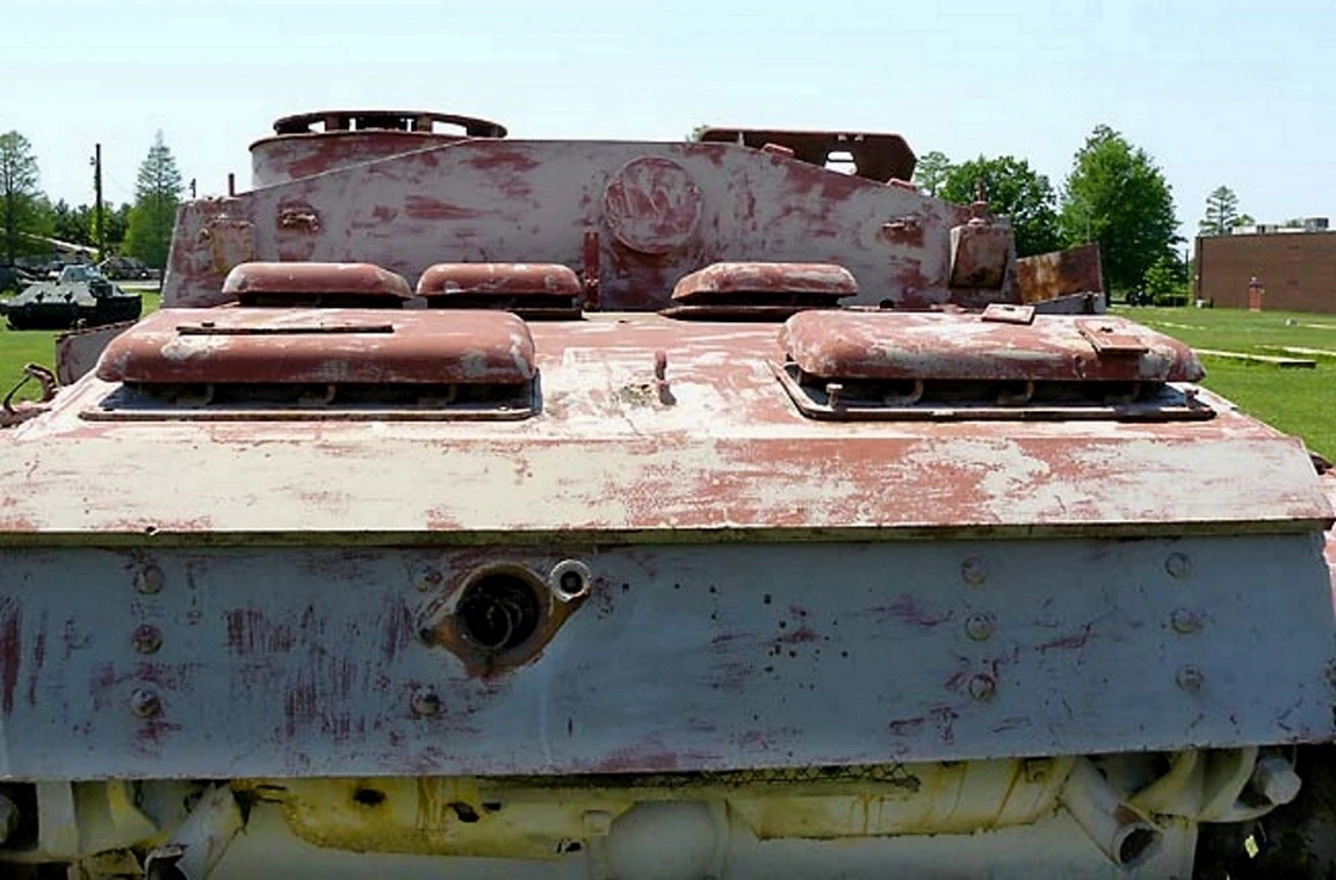
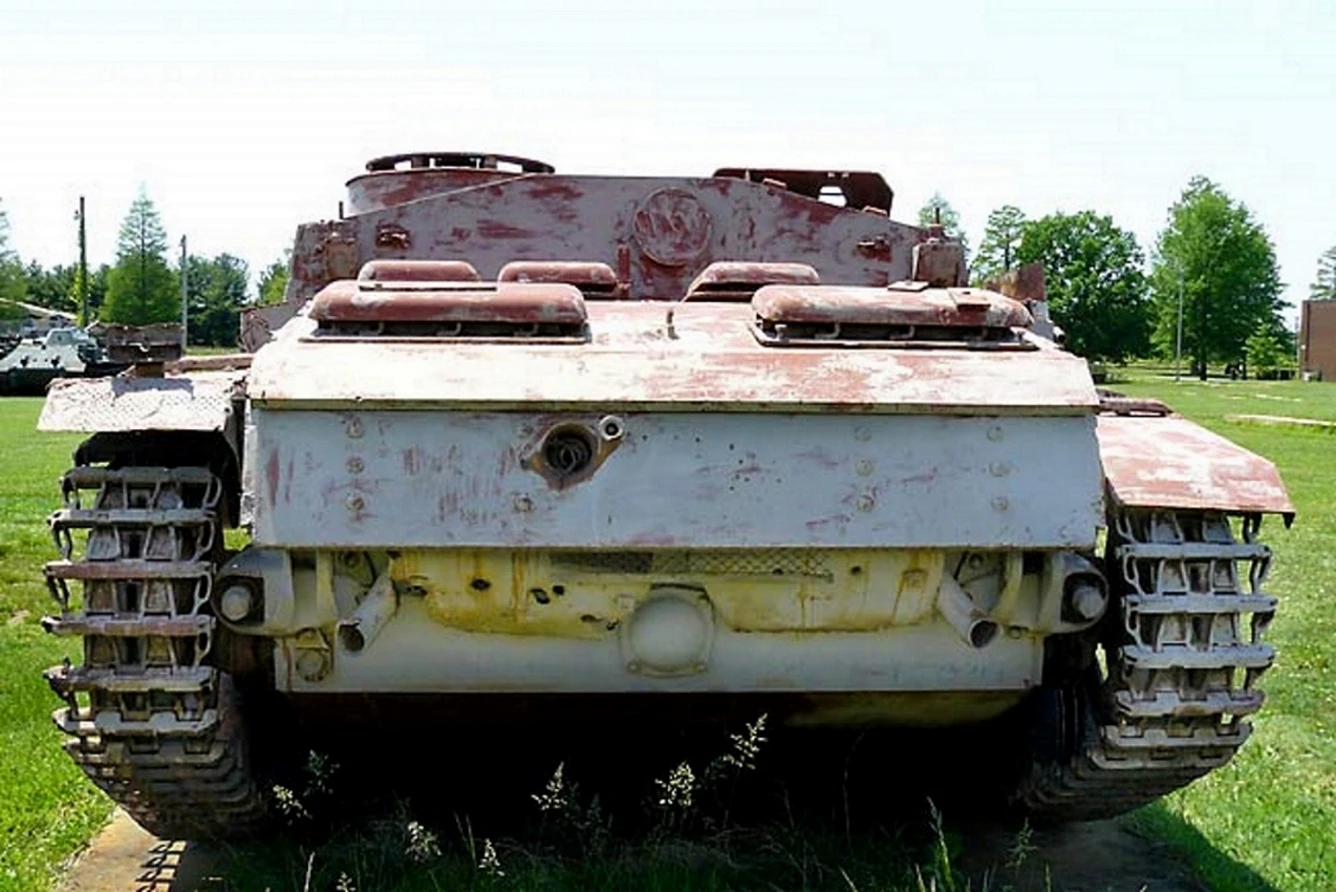
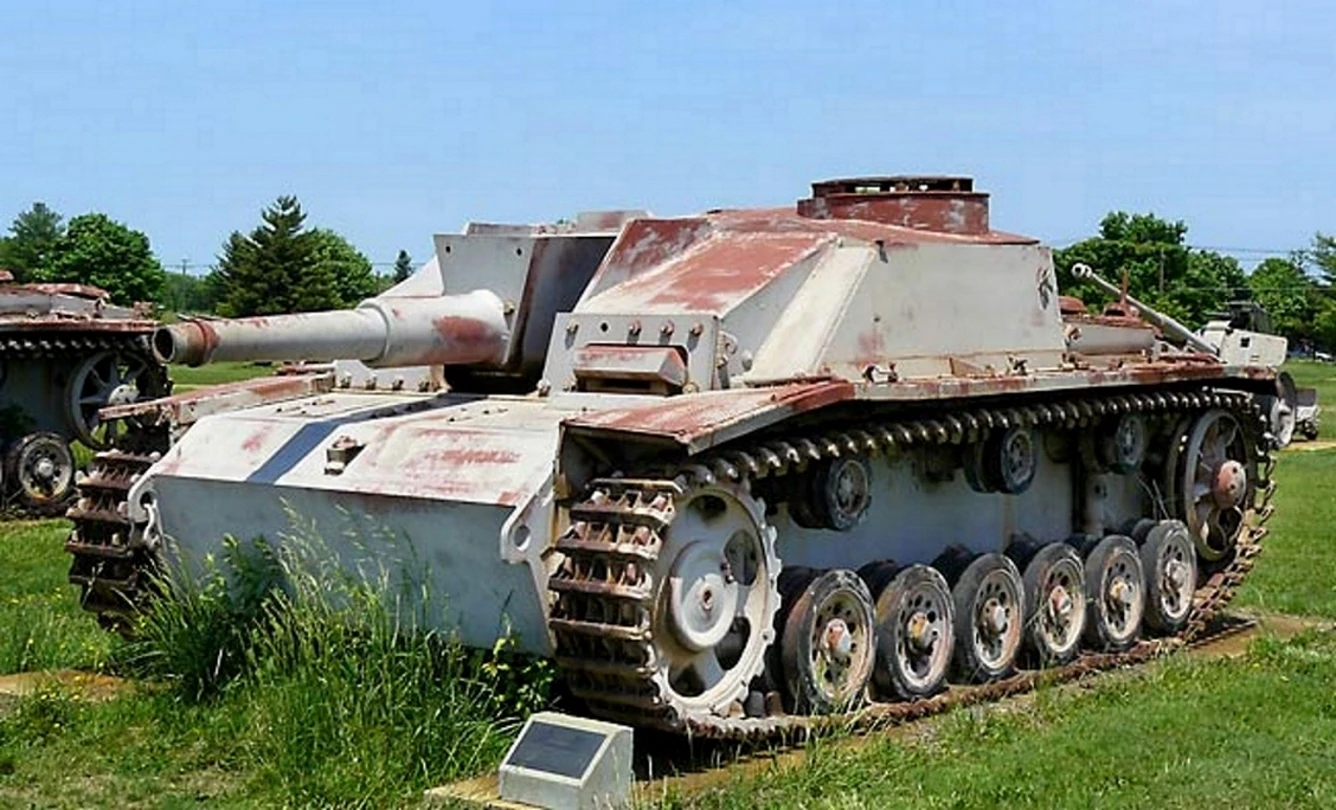
| SdKfz 142/1 Sturmgeschutz (StuG) III Walk Around | |
|---|---|
| Fotógrafo | Alex Burlyga |
| Localización | Colección Jacques Littlefield |
| Fotos | 47 |
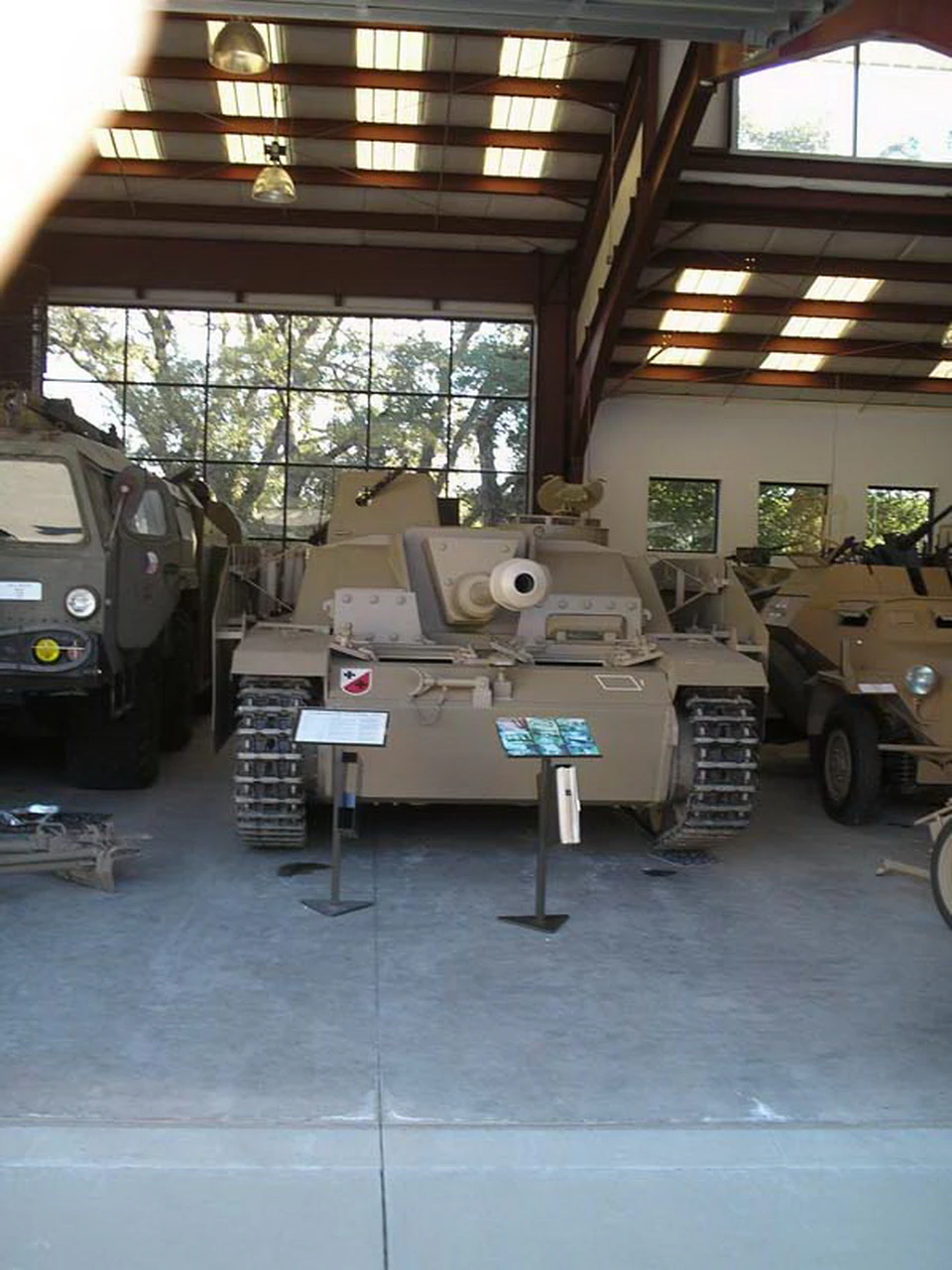
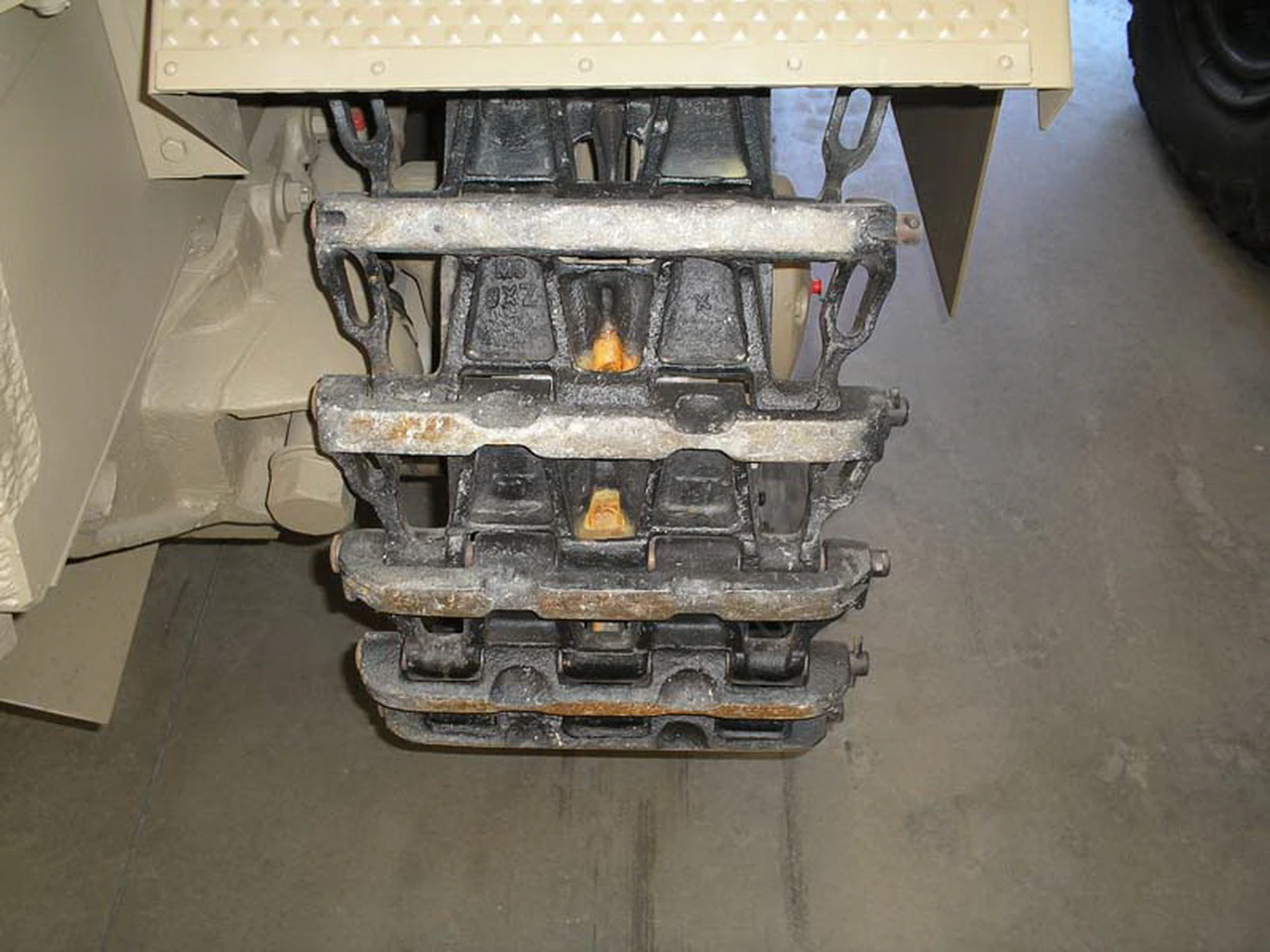
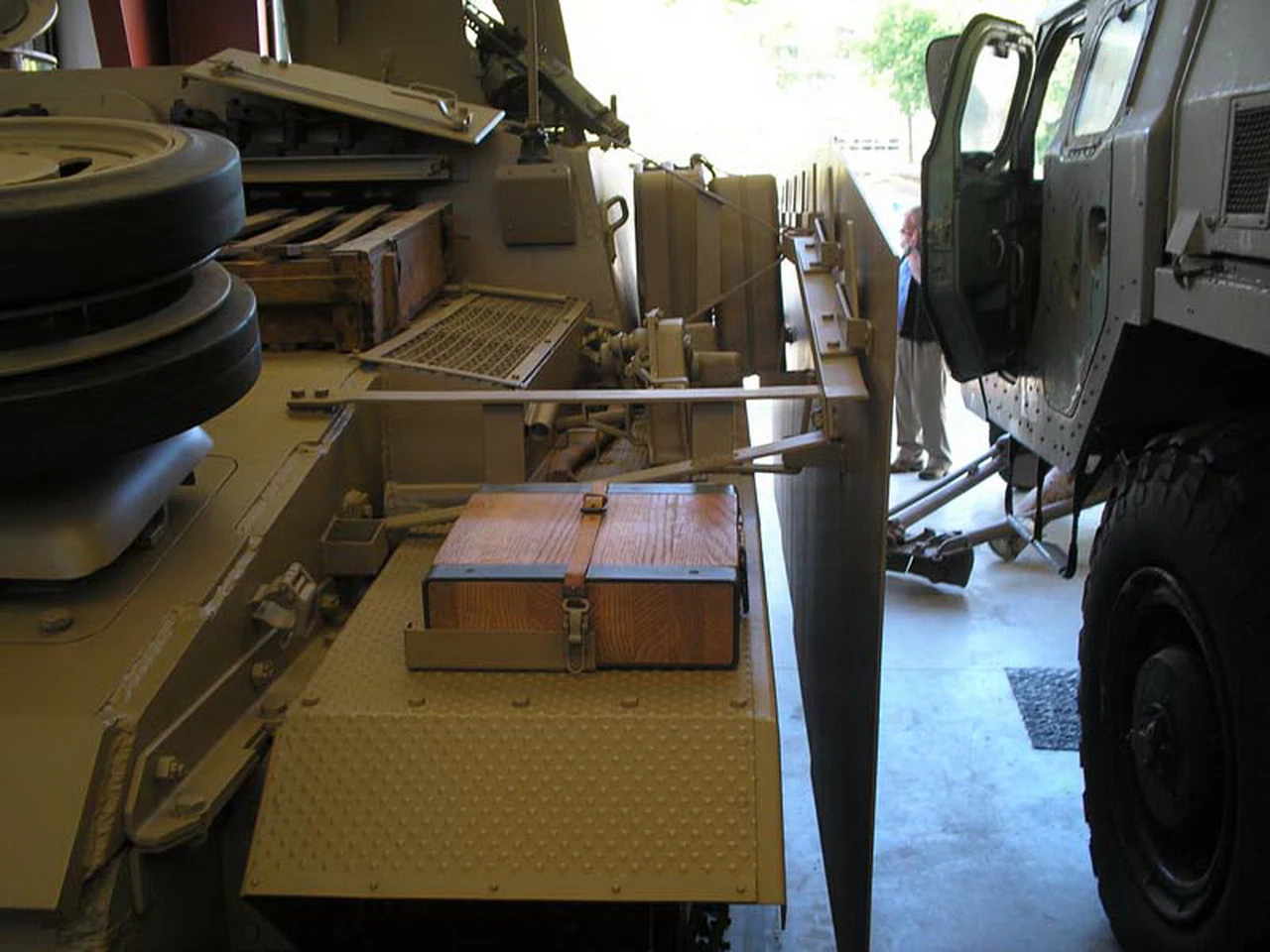
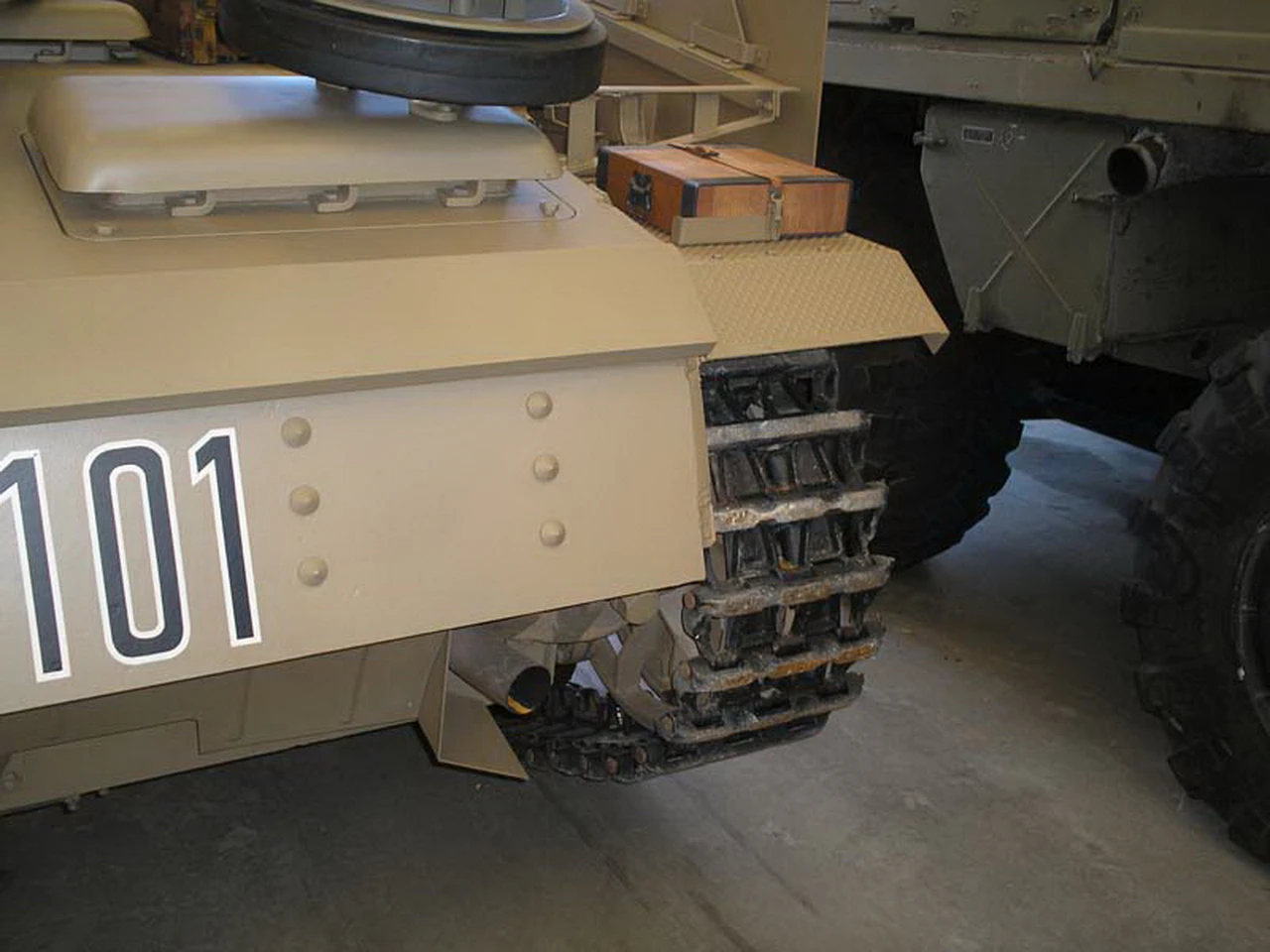
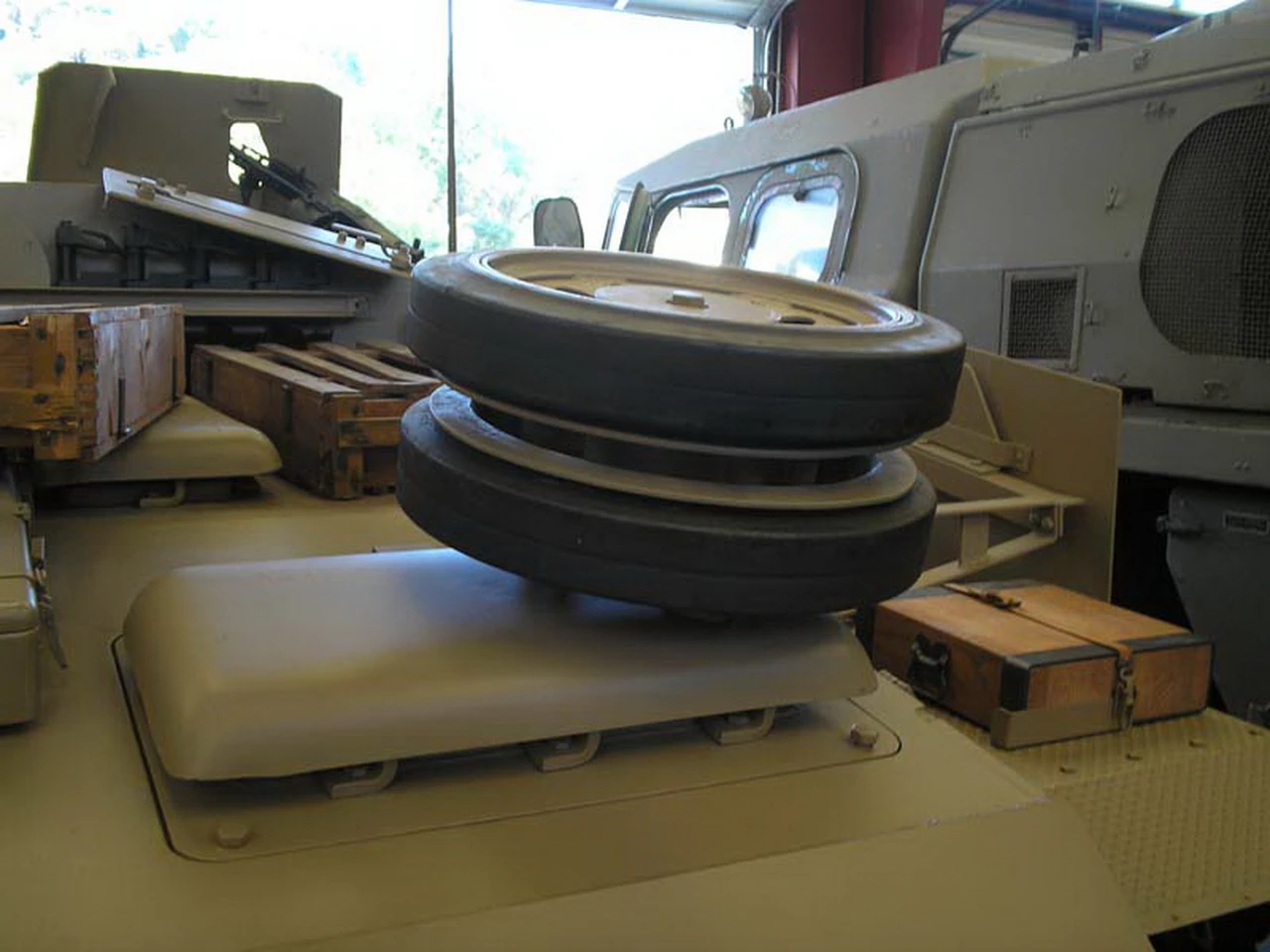
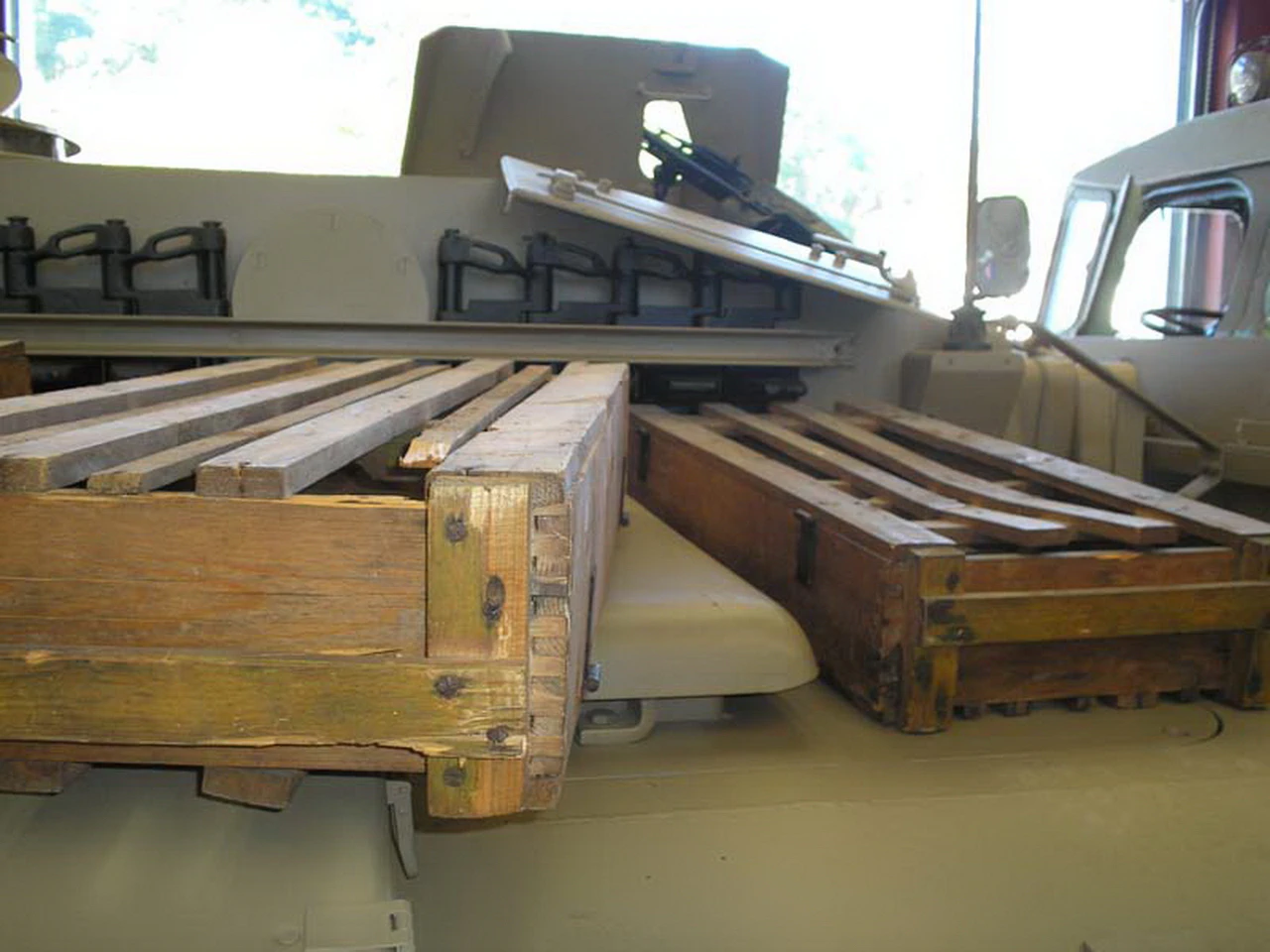
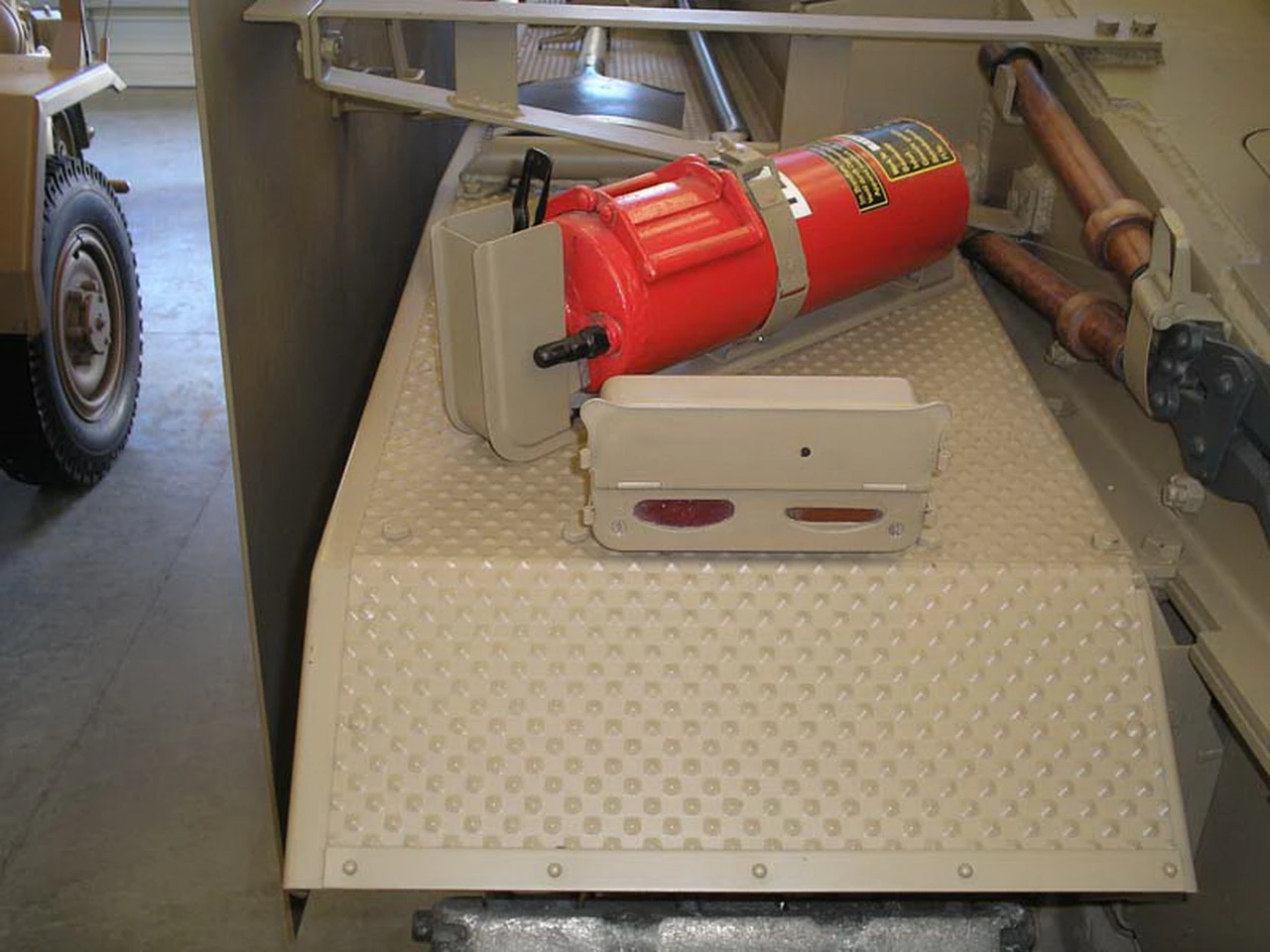
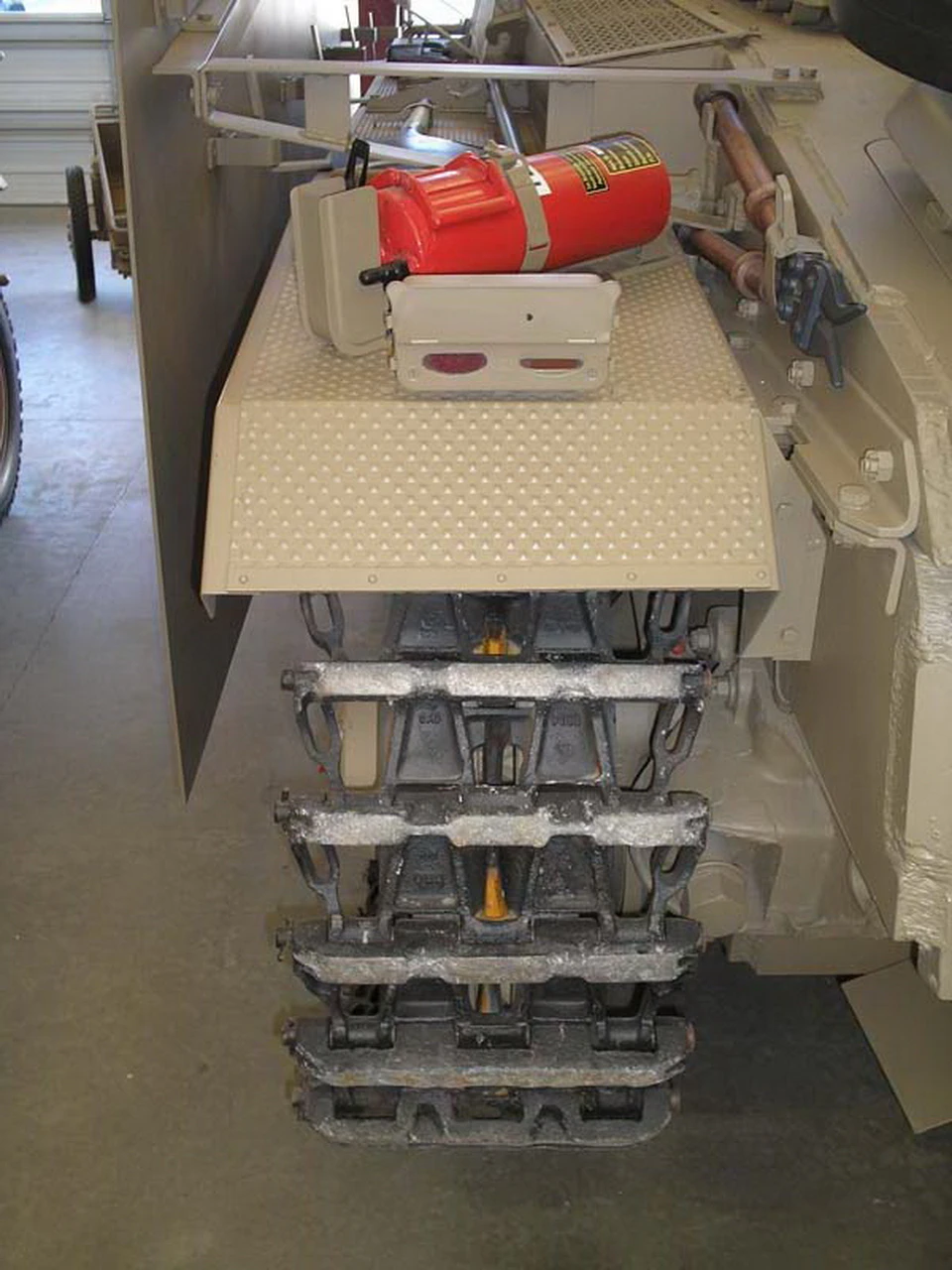
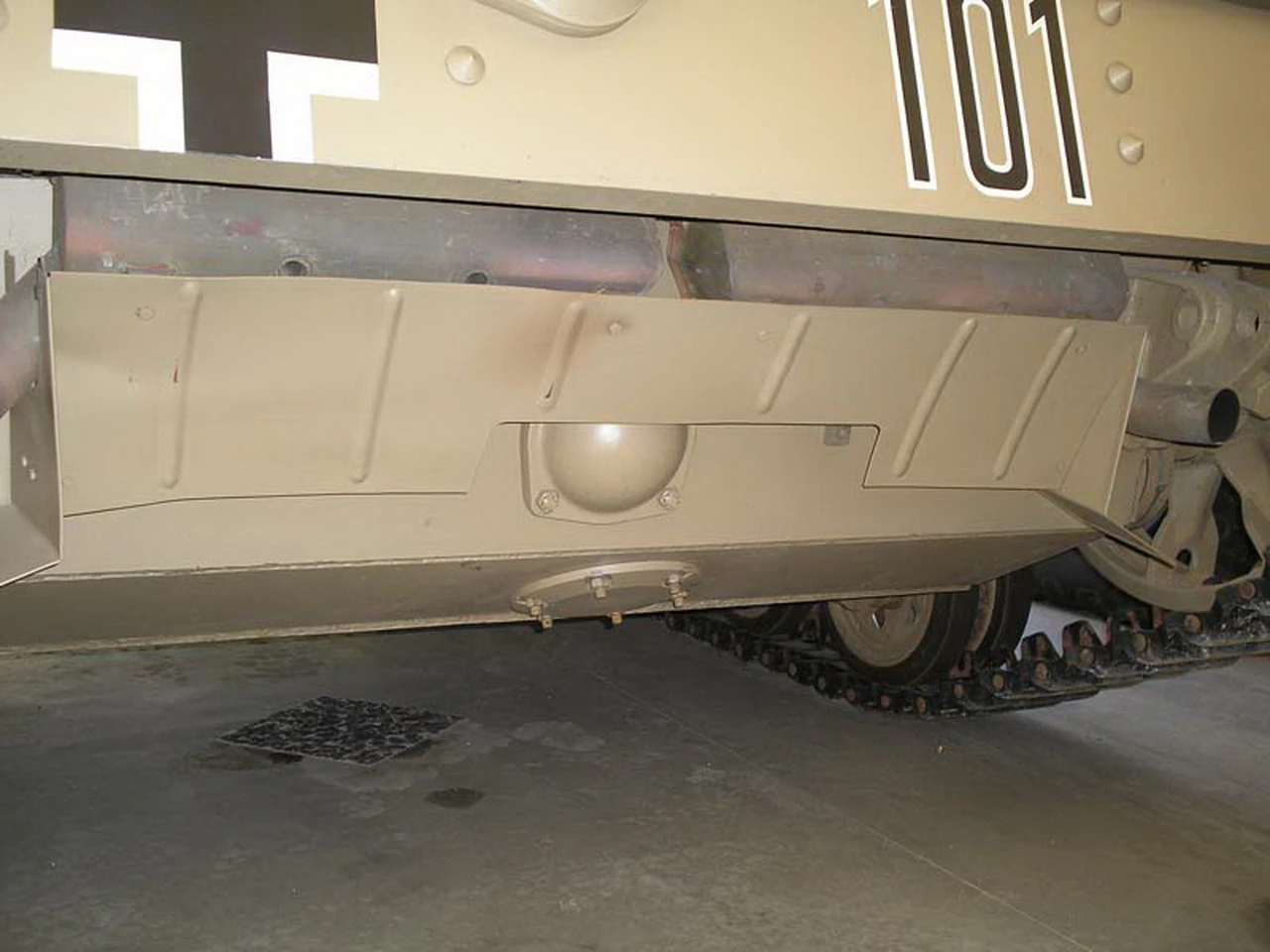
| StuG III Walk Around | |
|---|---|
| Fotógrafo | Unknow |
| Localización | Unknow |
| Fotos | 26 |
Ver también:


Germany’s Unsung Armored Champion
el Sturmgesch-tz III (StuG III) assault gun was Germany’s most produced fully tracked armored fighting vehicle of World War II. Conceived by General Erich von Manstein as a mobile infantry-support weapon to knock out pillboxes and machine gun nests, the StuG III was constructed by mounting a low-profile, turretless armored superstructure directly onto the reliable chassis of the Panzer III tank. While the flashy Tiger and Panther tanks grabbed all the wartime propaganda headlines, it was the humble, squat StuG III that quietly became the backbone of the German armored forces. As the war turned defensive, the StuG’s low silhouette, heavy frontal armor, and highly lethal gun converted it into a premier, cost-effective tank destroyer that accounted for more Allied tank victories than any other German vehicle.
| Attribute | Technical Specification (Sturmgeschütz III Ausf. G – Definitive Variant) |
|---|---|
| Papel | Assault Gun (Sturmgeschütz) / Tank Destroyer |
| Equipo | 4 (Commander, Gunner, Loader, Driver) |
| Planta motriz | 1 × Maybach HL 120 TRM 11.9-liter V12 liquid-cooled gasoline engine (300 hp) |
| Velocidad máxima | 40 km/h (25 mph) on roads | ~24 km/h (15 mph) cross-country |
| Combat Weight | 23.9 metric tons (26.3 short tons) |
| Rango de operación | ~155 km (96 miles) on roads | ~95 km (59 miles) cross-country |
| Primary Armament | 1 × 7.5 cm StuK 40 L/48 high-velocity gun (54 rounds carried) |
| Armamento secundario | 1 to 2 × 7.92mm MG 34 machine guns (typically fitted with a folding shield on the superstructure roof) |
| Armor Thickness | Superstructure/Hull Front: 80mm (often augmented by bolt-on plates or concrete) | Sides: 30mm |
| Production Total | 10,086 StuG III assault guns (plus 1,211 StuH 42 10.5cm variants) built between 1940 and 1945 |
Design Engineering: Low Silhouettes, Casemate Corners, and the StuK 40
- The Turretless Casemate Advantage: By completely discarding the heavy rotating turret of a standard tank, designers could build a much lower, more compact armored box (called a “casemate”) directly on top of the hull. Standing barely over 2 meters tall, the StuG III was incredibly easy to conceal in defensive treelines or ambush positions. Furthermore, eliminating the complex turret assembly freed up immense industrial capacity, making the StuG III significantly cheaper and faster to manufacture than a Panzer III or IV tank.
- The Evolution to the High-Velocity StuK 40 L/48: The early-war StuG variants (Ausf. A–E) carried a short, stubby 7.5cm gun meant solely for soft infantry targets. However, when confronted by thick-skinned Soviet T-34s, the StuG was rapidly upgraded. Beginning with the Ausf. F and culminating in the mass-produced Ausf. G, it received the long-barrel 7.5cm StuK 40 L/48. This high-velocity gun fired high-performance armor-piercing rounds that could comfortably slice through T-34s and Shermans at standard combat ranges.
- A Robust Panzer III Foundation: Underneath its angular superstructure, the StuG III utilized the proven drivetrain and torsion-bar suspension of the Panzer III tank. This gave the vehicle excellent cross-country mobility, mechanical reliability, and a smooth firing platform. Because the Panzer III chassis was already in mature mass production, factories could seamlessly transition lines to assemble StuG III chassis without starting from scratch.
- Defensive Adaptations (Schürzen and Saukopf): To defend against Soviet anti-tank rifles and hollow-charge infantry weapons, late-war StuGs were fitted with Schürzen (skirting)—thin metal plates hung along the flanks of the tracks to detonate incoming rounds prematurely. Additionally, many Ausf. G models featured a cast steel gun mantlet known as the Saukopf (Sow’s Head), which used highly curved, thick steel to deflect incoming kinetic shells away from the delicate gun mounting.
Operational History: The “Fire Brigades” of the East and the Tank Killer Elite
- From Infantry Support to the Premier Tank Destroyer: Originally assigned directly to artillery branches to assist the infantry, the StuG’s role radically shifted as Germany’s strategic position deteriorated. With its heavy 80mm frontal armor and long gun, the StuG III became the ultimate defensive ambush weapon. Operating in independent Sturmgeschütz Brigades, they were rushed to collapsing sectors of the front to act as armored “fire brigades” to plug gaps and blunt massive Allied tank breakthroughs.
- Incredible Combat Kill Ratios: Despite its lack of a rotating turret—which meant the driver had to physically turn the entire vehicle to aim at targets outside of the gun’s narrow 10-degree left/right traverse limit—the StuG III accumulated a staggering combat record. By the end of 1944, German StuG units claimed to have knocked out over 20,000 enemy tanks, performing with a disproportionately higher combat efficiency than Germany’s actual battle tanks.
- The Battle of the Factories (Al決ett Bombing): In late 1943, Allied heavy bombers thoroughly devastated the Alkett factory in Berlin, which was the primary assembly hub for the StuG III. Desperate to maintain production of this critical weapon, the German high command ordered Krupp to adapt the StuG superstructure onto the slightly wider Panzer IV chassis. This stopgap solution became the Sturmgeschütz IV, ensuring a steady stream of assault guns still reached the front lines.
- The Finnish “Sturmi” Exploits of 1944: Finland purchased 59 StuG III Ausf. Gs from Germany during the war, affectionately naming them *”Sturmi”*. During the massive Soviet Vyborg–Petrozavodsk Offensive of June 1944, a small contingent of Finnish Sturmis executed a brilliant defensive stand. At the Battle of Tali-Ihantala, the Sturmis completely shattered Soviet armored thrusts, knocking out 87 Soviet tanks while losing only 8 of their own, cementing the StuG’s place as a legendary defensive weapon in Finnish military history.
Views : 15696
También puede ver:
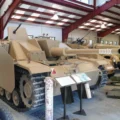 StuG III Ausf. G – Fotos y Video
 StuG.III Ausf.A, Michael Wittmann, 'LAH' (Barbarroja 1941) – Cyber-Hobby 9143
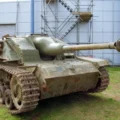 Sturmgeschutz 40 – WalkAround
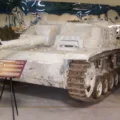 SturmHaubitze 42 – WalkAround
 Stug III vol2 - WalkAround
 Sturmgeschutz III G - WalkAround
 Sturmgeschutz III G - WalkAround
 Stug III Ausf G Caminar alrededor - Señal de escuadrón SS5702
 StuG.III Ausf.F/8 Producción tardía – DRAGON 6644