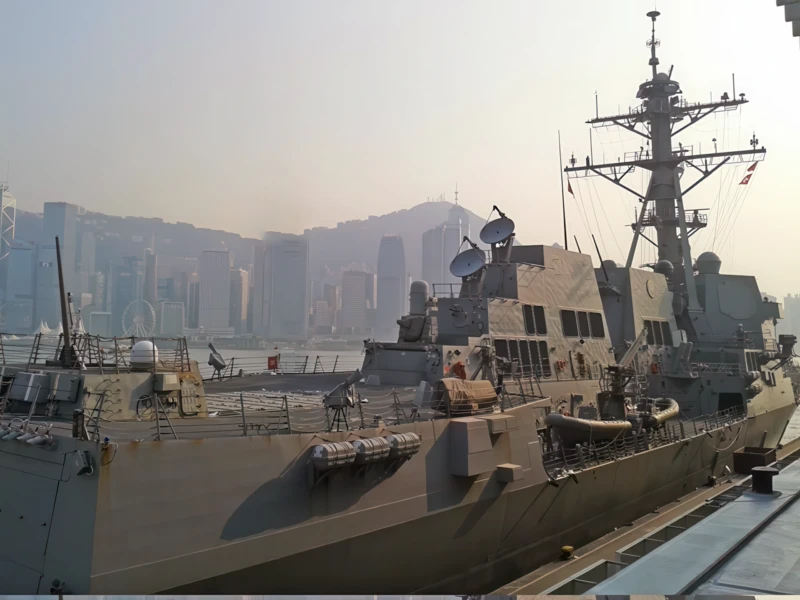
Arleigh Burke-class destroyer | |
|---|---|
| País | E.e.u.u |
| Tipo | Guided-missile destroyer |
| Construido | 1988–2011, 2013–present |
el Arleigh Burke class of guided-missile destroyers (DDGs) is a United States Navy class of destroyers centered on the Aegis Combat System and the SPY-1D multifunction passive electronically scanned array radar.
Fuente: Arleigh Burke-class destroyer on Wikipedia
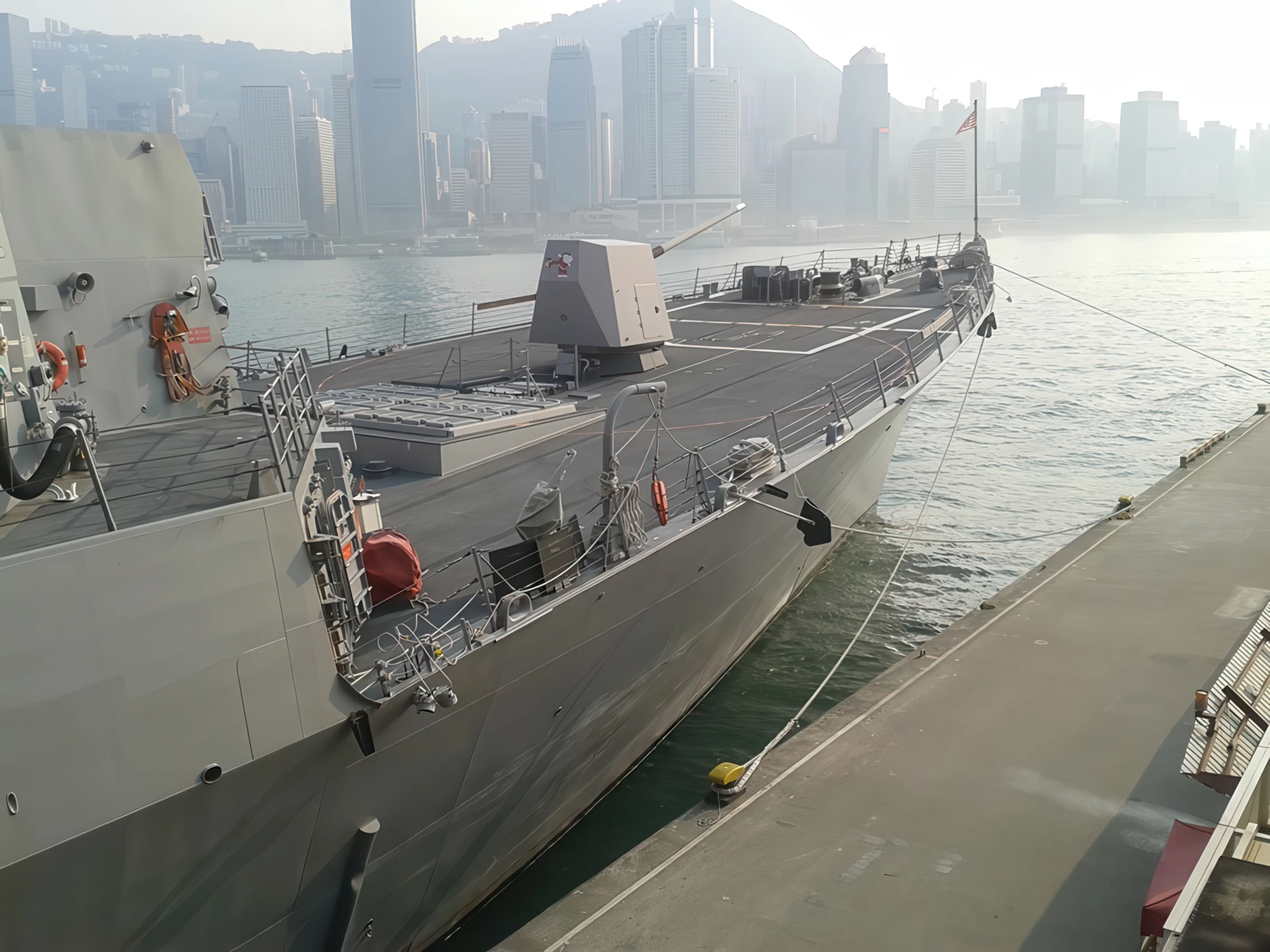
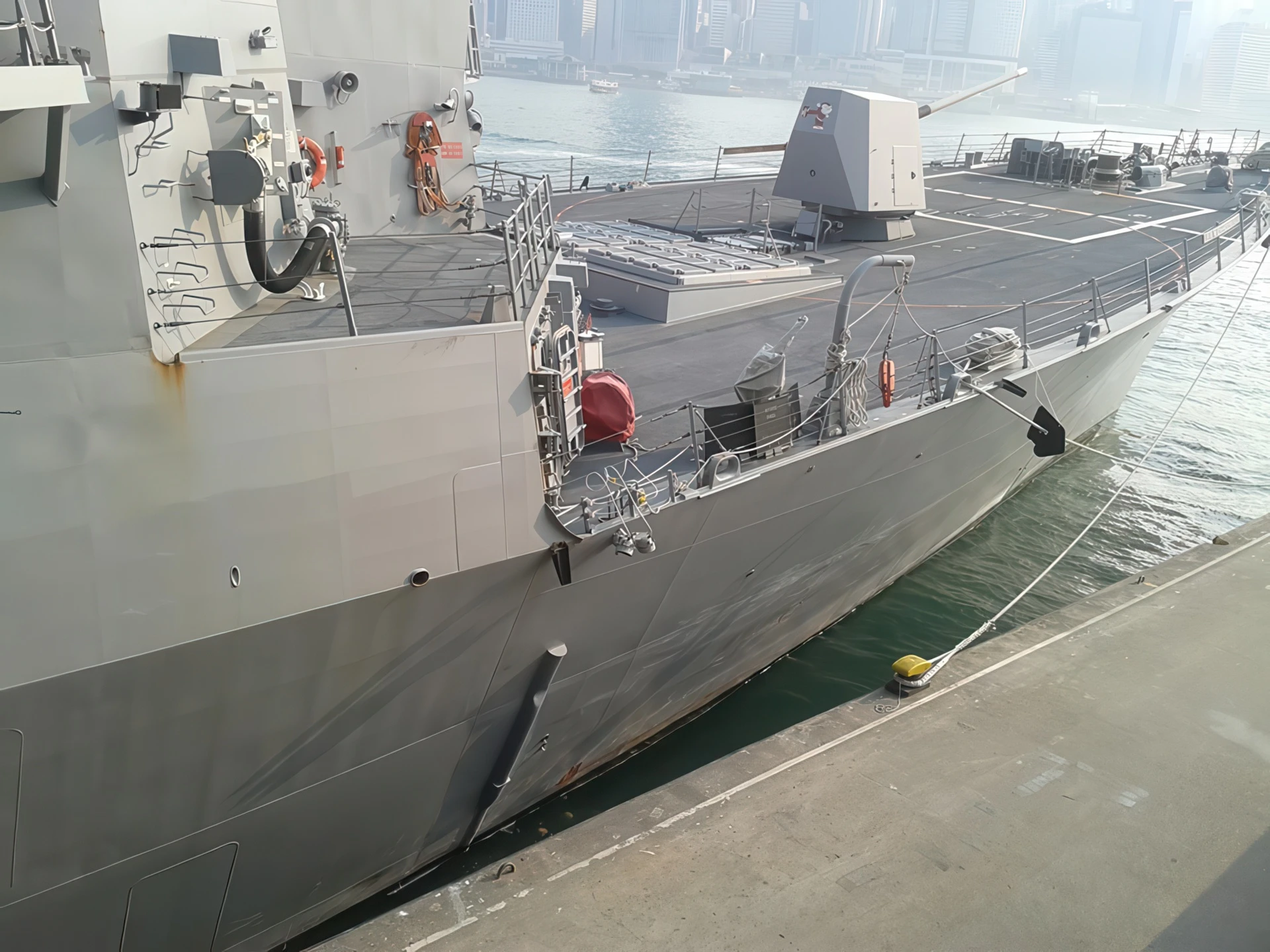
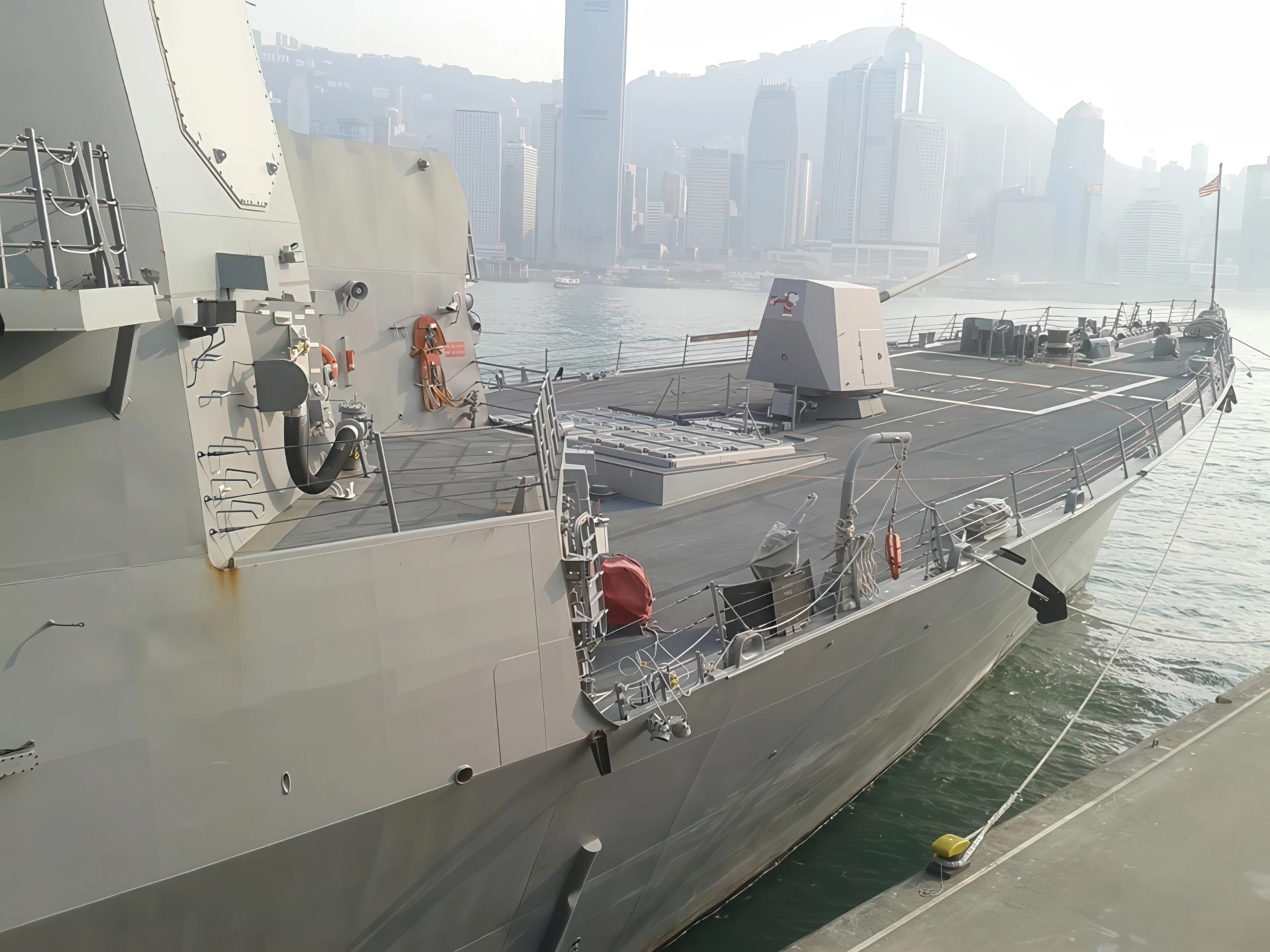
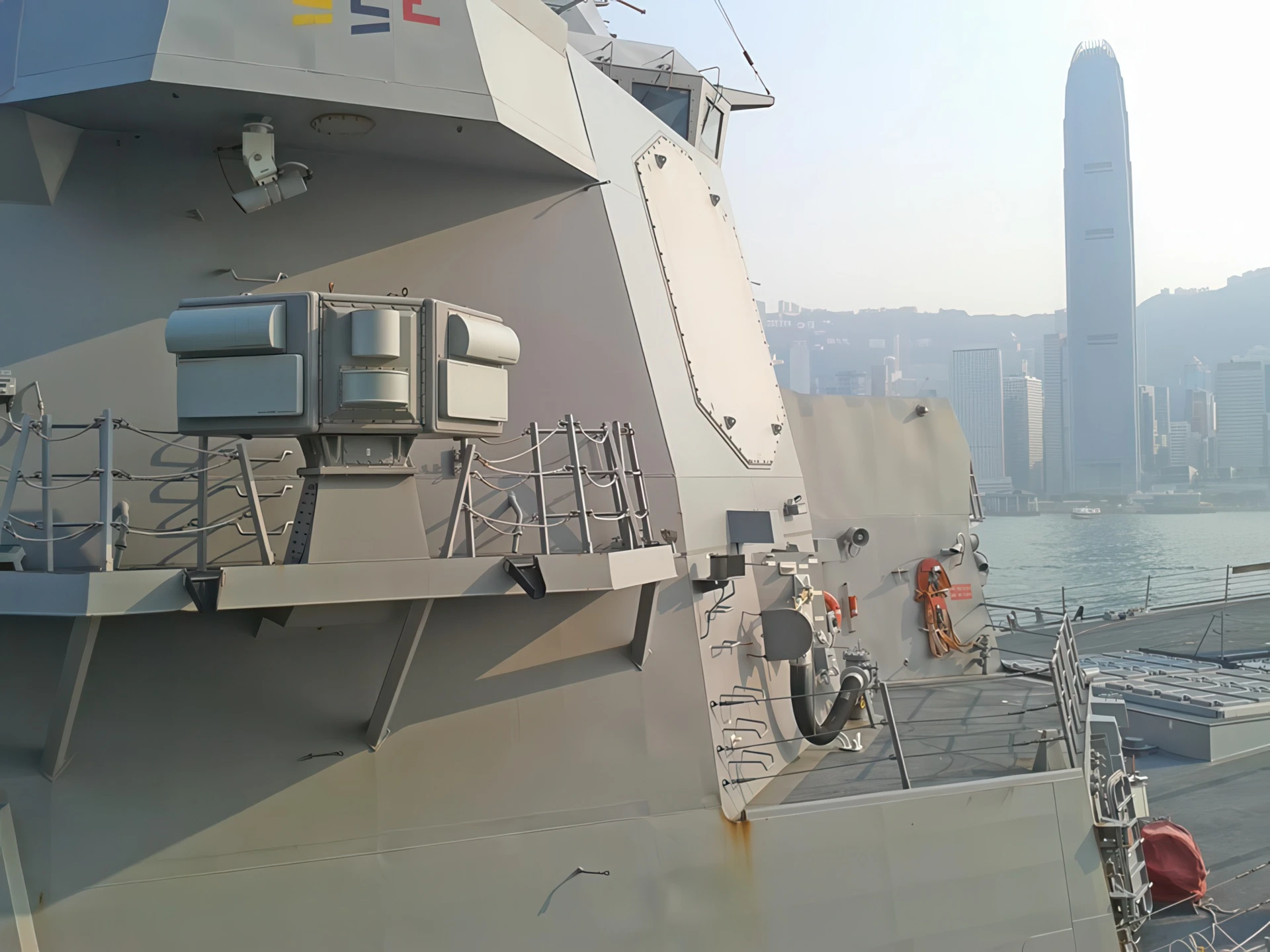
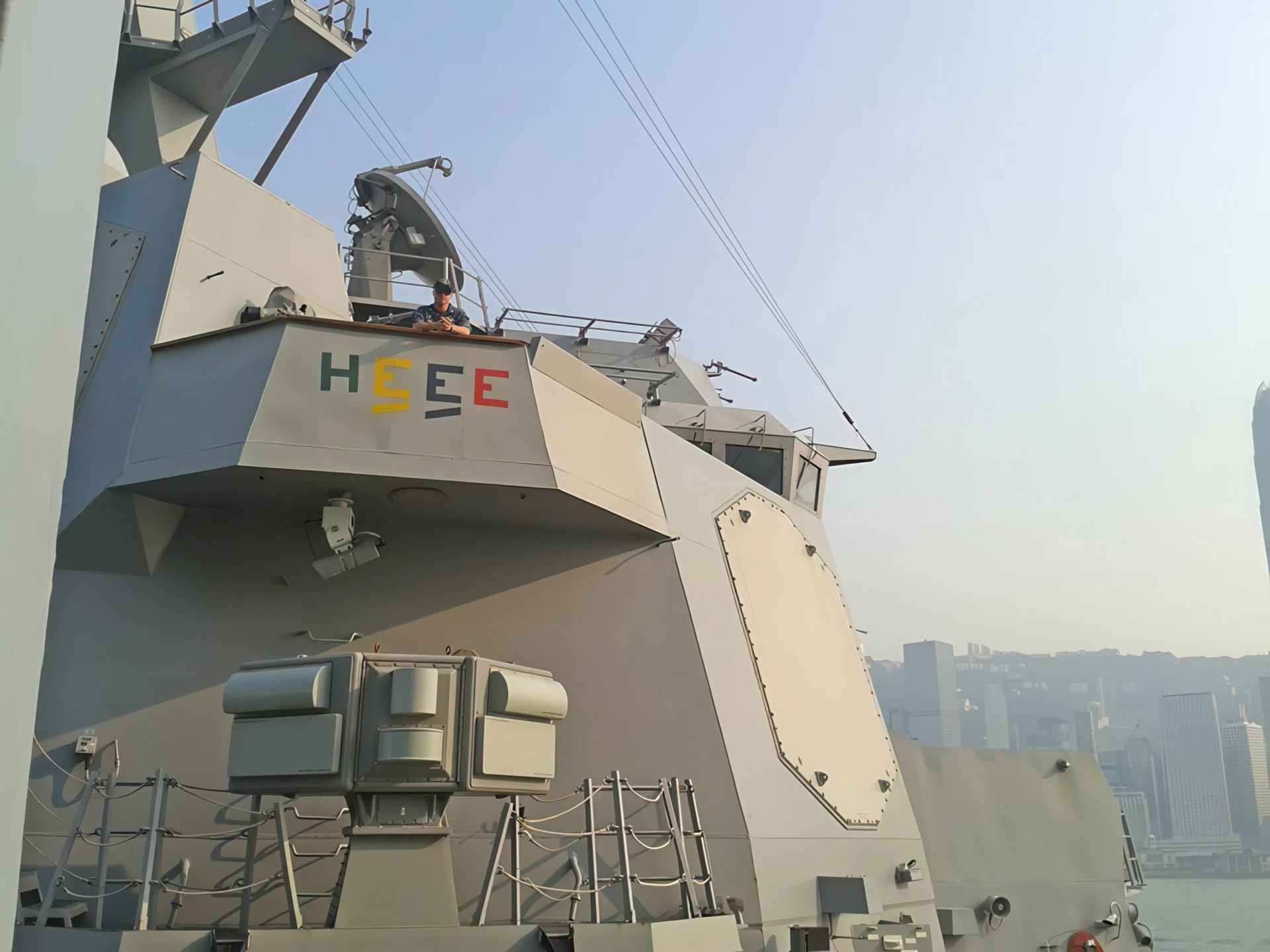
| Arleigh Burke-class destroyer Walk Around | |
|---|---|
| Fotógrafo | Unknow |
| Localización | Unknow |
| Fotos | 61 |
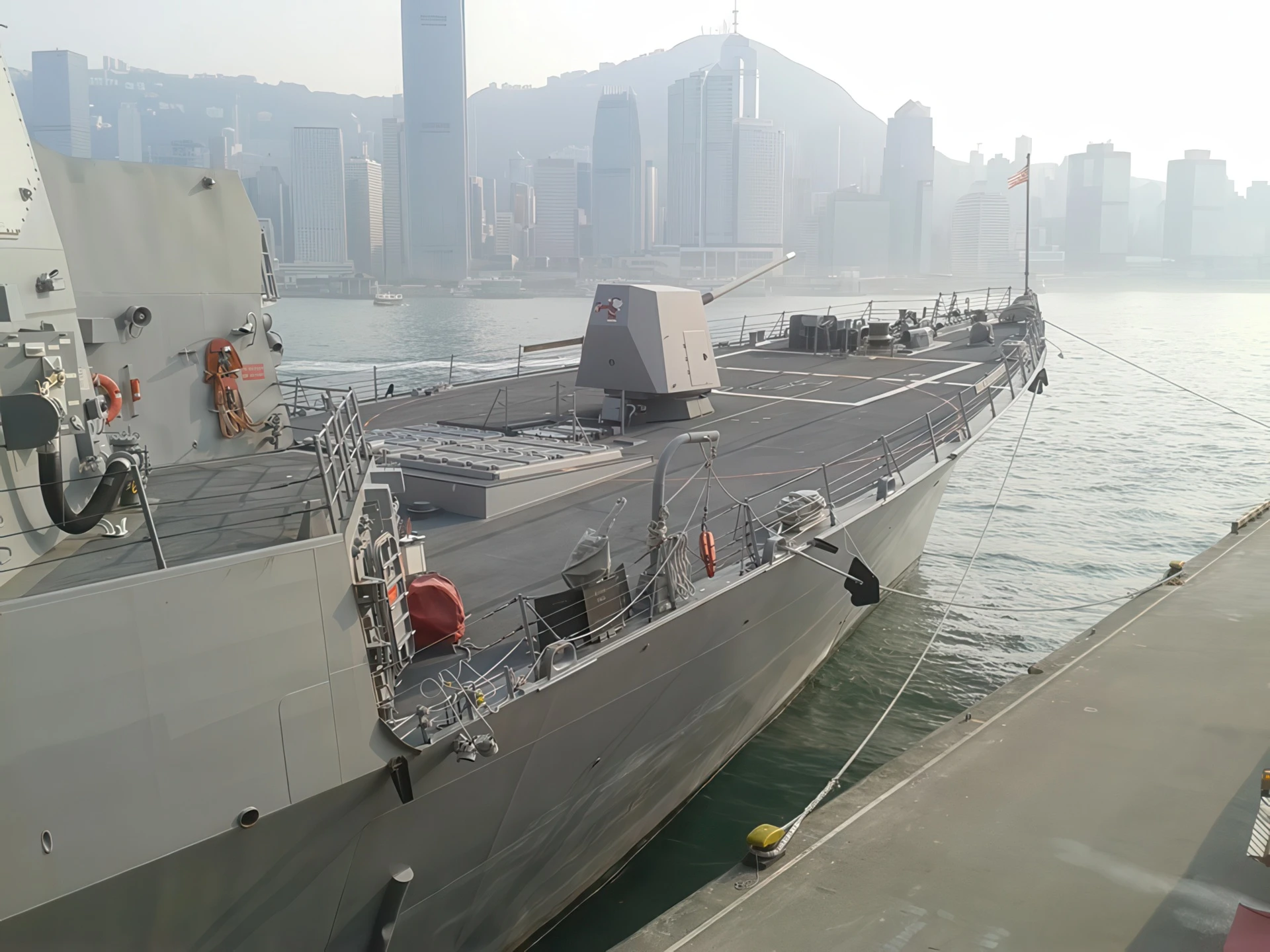
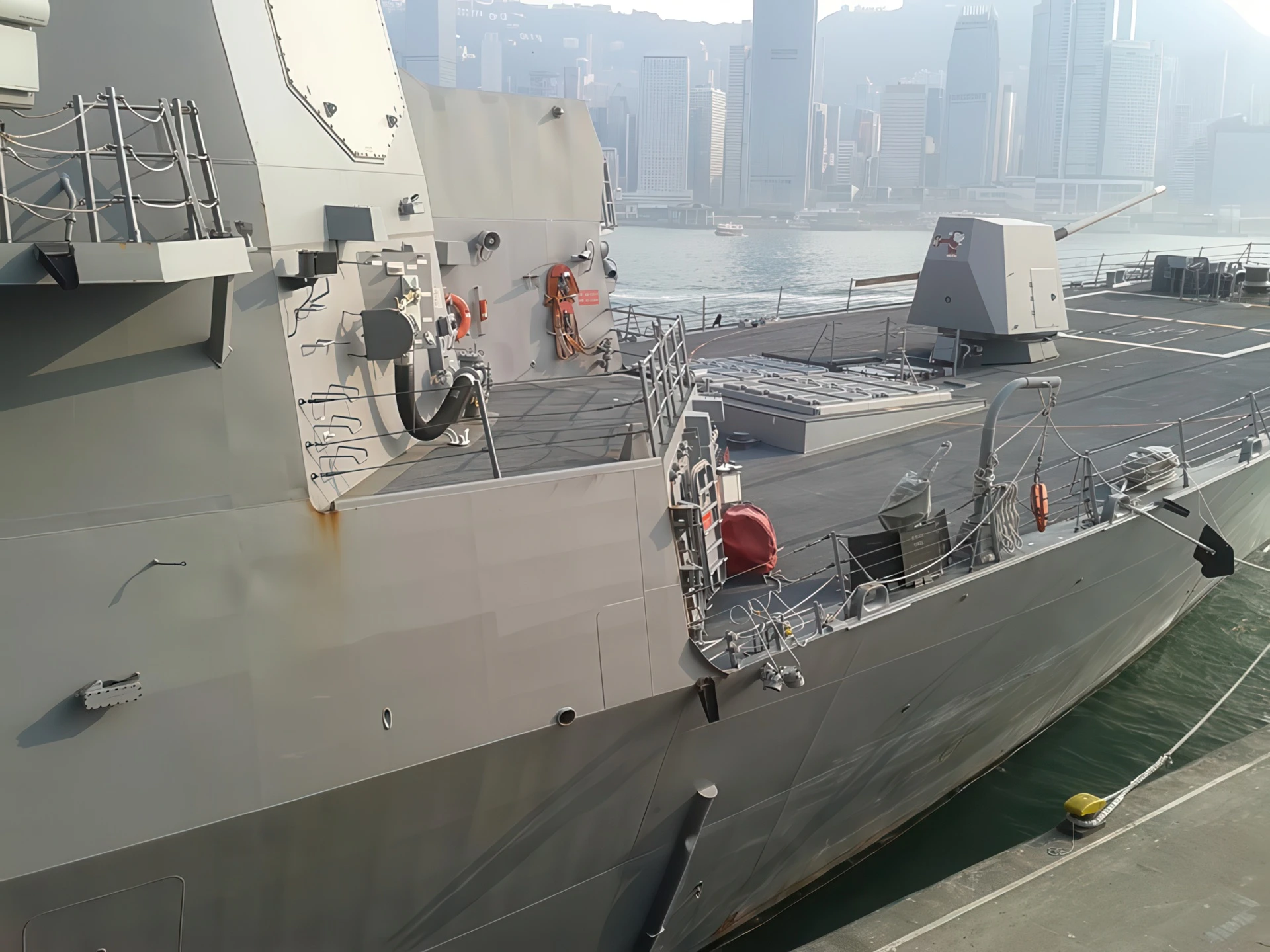
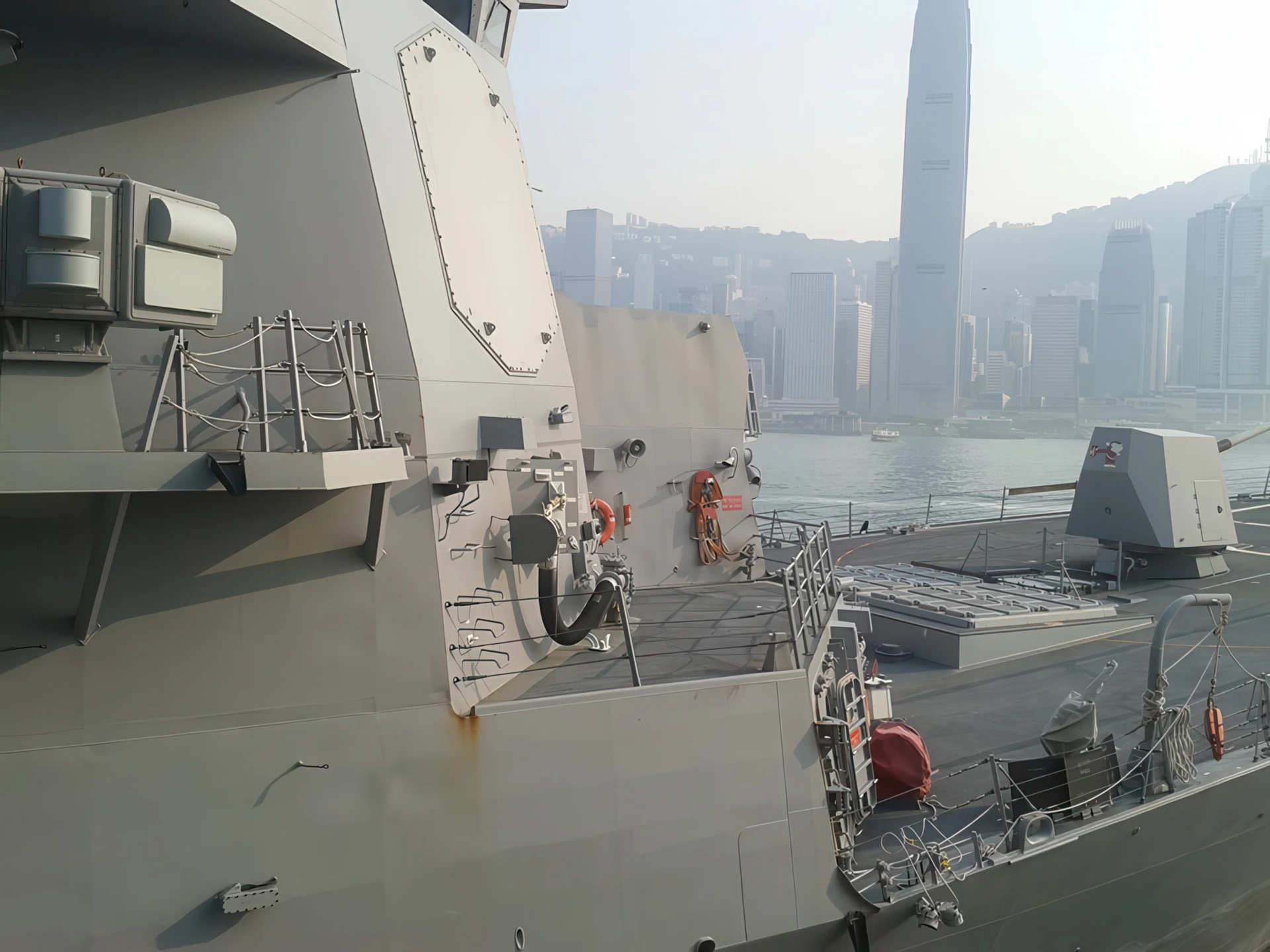
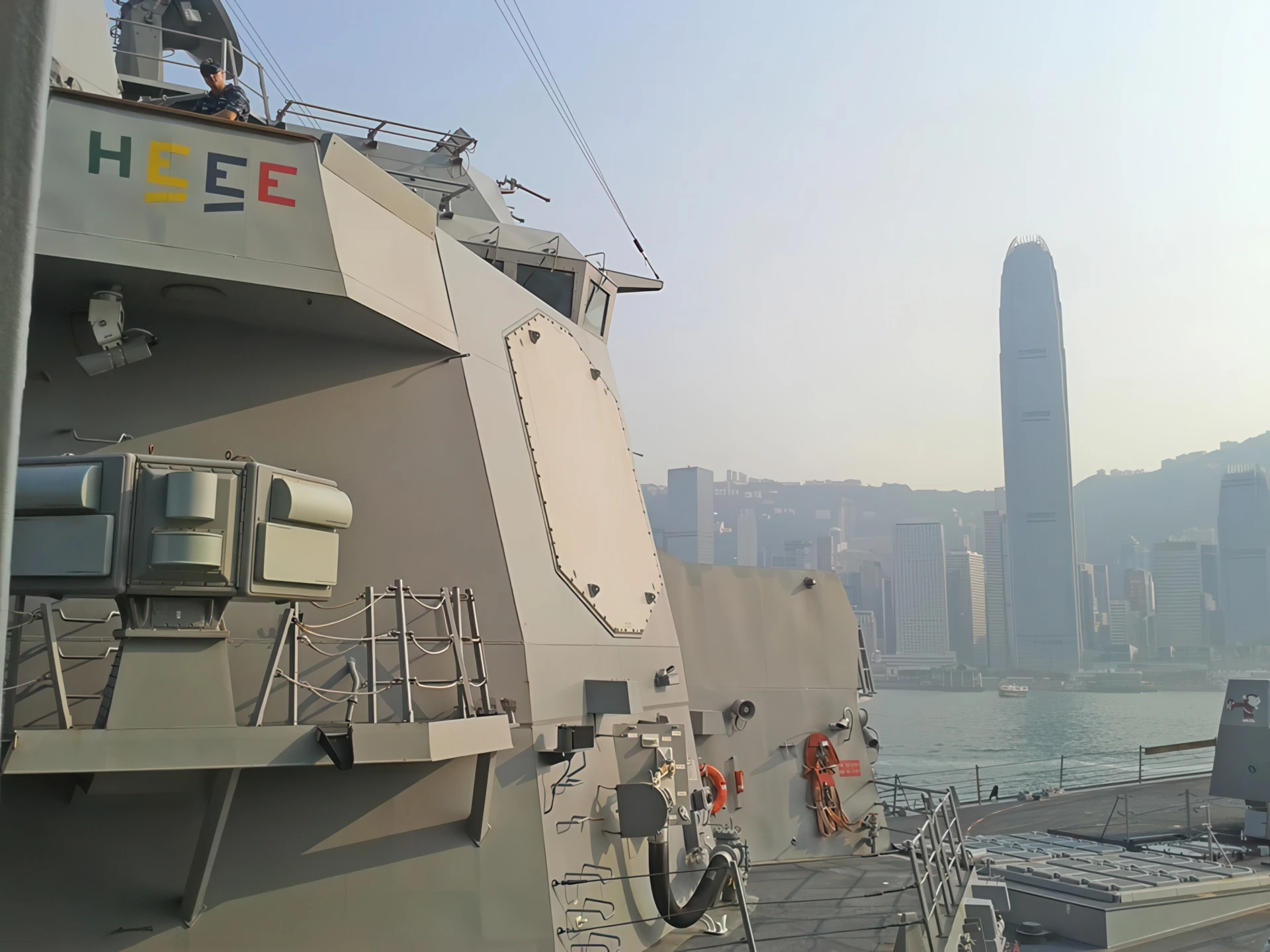

Ver también:


The Shield of the Fleet
el Destructor clase Arleigh Burke (DDG 51) is the definitive surface combatant of the modern United States Navy and one of the most successful warship designs in naval history. Conceived during the Cold War to counter mass Soviet anti-ship missile raids, the class was built entirely around the revolutionary Aegis Combat System and the AN/SPY-1 phased-array radar. Combining heavy missile loadouts, advanced signature-reduction features, and robust steel construction, these multi-mission destroyers have evolved across multiple production “Flights” to dominate modern naval warfare, expanding their roles from local air defense to global ballistic missile interception and precision overland cruise missile strikes.
| Attribute | Technical Specification (Flight IIA / Flight III Baselines) |
|---|---|
| Papel | Guided-Missile Destroyer (DDG) / Multi-Mission Combatant |
| Equipo | ~300 to 330 (Officers and Enlisted) |
| Propulsion | 4 × General Electric LM2500 gas turbines (100,000 total shaft horsepower) driving 2 shafts |
| Velocidad máxima | In excess of 30 knots (56+ km/h) |
| Displacement | 8,300 long tons (Flight I) to over 9,700–10,000 long tons (Flight III fully loaded) |
| Dimensions | Length: 509.5 ft (155.3 m) | Beam: 66 ft (20 m) | Draft: 31 ft (9.4 m) |
| Primary Weaponry | 96-cell Mk 41 Vertical Launching System (VLS) (32 forward, 64 aft) |
| Gun Armament | 1 × 5-inch (127mm)/62 caliber Mk 45 Mod 4 lightweight gun; 1-2 × 20mm Phalanx CIWS |
| Aviation Facilities | Flight deck and dual hangars for 2 × MH-60R Seahawk LAMPS III helicopters (Flight IIA onward) |
Design Engineering: Phased Arrays and All-Steel Survivability
- The Aegis Phased Array: Unlike traditional rotating radars that can lose track of targets during their rotation cycle, the Burke’s defining characteristic is its fixed, octagonal radar faces. These electronically scanned arrays provide continuous, 360-degree coverage, allowing the ship to automatically detect, track, and engage more than a hundred incoming threats simultaneously.
- All-Steel Hull and Kevlar Shielding: Learning from the tragic missile vulnerabilities observed in the Falklands War, the U.S. Navy abandoned aluminum superstructures for the Arleigh Burke class. Constructed entirely of tough, flame-resistant steel, the ships are also reinforced with up to 130 tons of bulk Kevlar armor plating wrapped around vital combat systems and crew spaces to withstand supersonic missile fragments.
- Reduced Radar Cross-Section: The Burke was the first major U.S. warship designed from the keel up with basic stealth principles. Its exterior bulkheads are heavily sloped to deflect enemy radar pulses away from the source, the tripod mast is raked backward, and the exhaust stacks are shrouded to minimize the ship’s thermal infrared signature against heat-seeking missiles.
- Flight III Power Grid Overhaul: The latest Flight III variant introduces the cutting-edge AN/SPY-6(V)1 Air and Missile Defense Radar, which is 35 times more sensitive than legacy systems. To supply the staggering power requirements of this digital radar, engineers replaced the ship’s electrical grid with a massive 4,160-volt power architecture fed by upgrade-built 4-megawatt Rolls-Royce generators.
Operational History: From the Cold War Draft into the 21st Century
- Cold War Genesis to Desert Strike: The lead ship, USS *Arleigh Burke* (DDG 51), was commissioned in 1991, just as the Soviet Union collapsed. Though built to fight a high-intensity superpower war, the class quickly proved its versatility in the post-Cold War era, serving as heavy Tomahawk cruise missile platforms during campaigns in Iraq, Yugoslavia, and Afghanistan.
- The Crucible of the USS Cole: In October 2000, the Flight I destroyer USS *Cole* (DDG 67) was attacked by Al-Qaeda suicide bombers in Aden, Yemen. A small boat detonated a shaped charge that ripped a massive 40-foot hole in the ship’s steel hull. The structural design of the vessel and the aggressive damage control performed by the crew prevented the ship from sinking, proving the class’s elite survivability features.
- Ballistic Missile & Space Defense: Through extensive computer architecture upgrades, many hulls were integrated into the Aegis Ballistic Missile Defense (BMD) program. Burkes have demonstrated the capability to track and intercept short- to intermediate-range ballistic missiles in outer space using SM-3 interceptors, highlighted by the famous 2008 destruction of a decaying spy satellite (Operation Burnt Frost).
- Red Sea Combat Record: The class has faced its most intense combat operational tempo in recent naval history during deployments to the Red Sea, where destroyers have successfully intercepted hundreds of anti-ship ballistic missiles, land-attack cruise missiles, and explosive drone boats fired by Houthi forces, solidifying their reputation as the premier defensive umbrella for global maritime trade.
Vistas : 27
También puede ver:
 USS Preble (DDG-88) – Fotos y videos
 JDS Yamagiri – Fotos y Videos
 JDS Sawayuki – Fotos y Videos
 HMS Cavalier (R73) – Fotos y videos
 USS Laffey (DD-724) – Fotos y videos
 USS Joseph P. Kennedy – Fotos y Videos
 USS Slater – Fotos y Videos
 HMCS Haida – Fotos y videos
 USS North Carolina (BB-55) – Fotos y videos
 USS Stockdale (DDG-106) – Fotos y Video