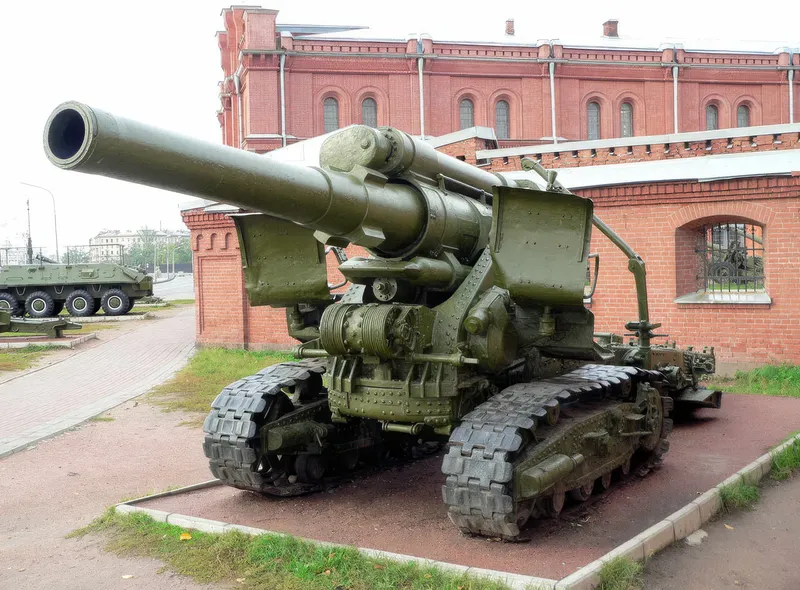
203 mm M1931 B-4 | |
|---|---|
| País | URSS |
| Tipo | Obús pesado |
| Producido | 1932-1940 |
| Construido | 871 |
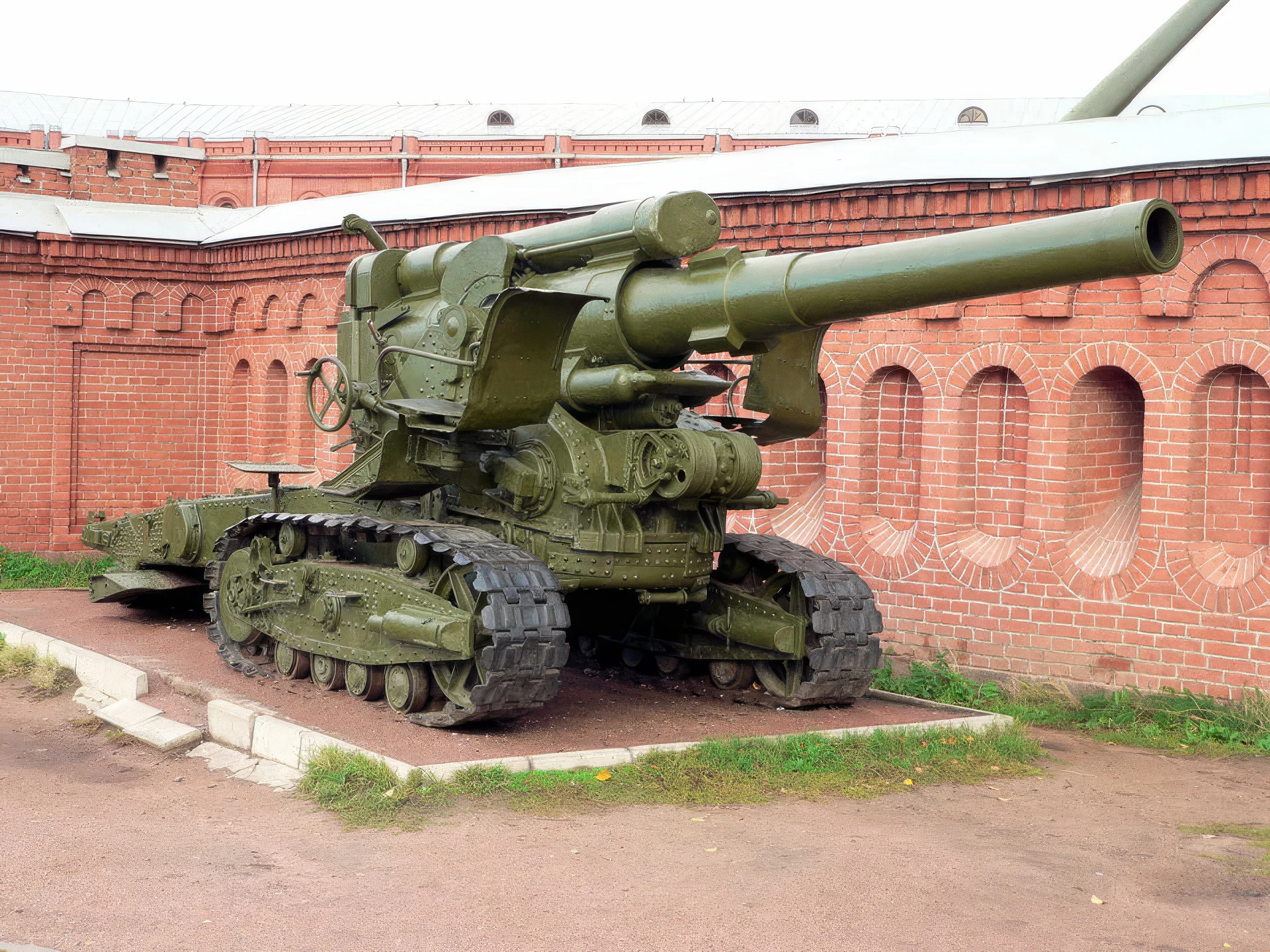
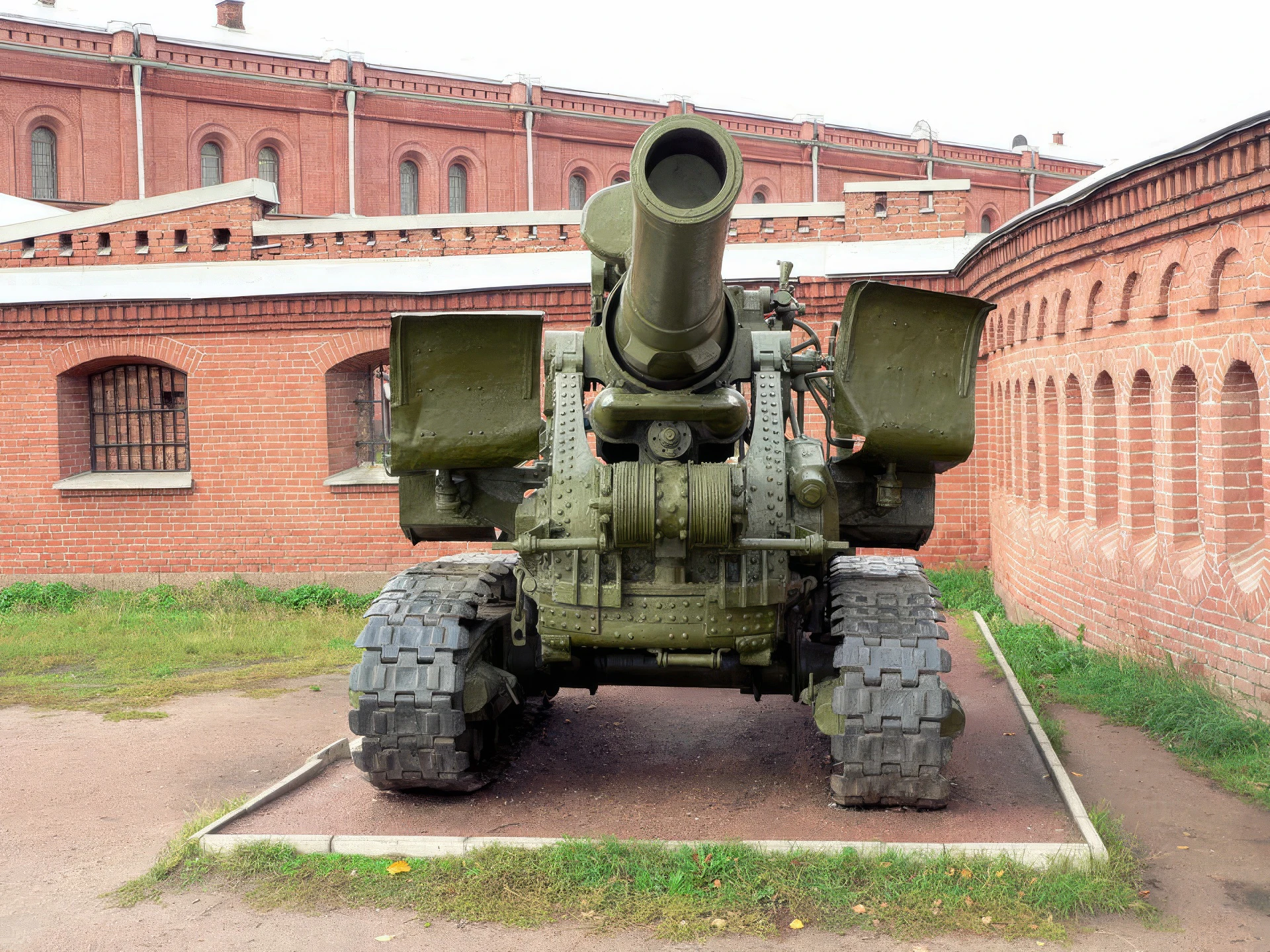
El obús M1931 de 203 mm era un obús pesado soviético de 203 mm. Durante la Segunda Guerra Mundial, estuvo bajo el mando de la reserva estratégica del Stavka. Fue apodado "martillo de Stalin" por soldados alemanes. Estas armas fueron utilizadas con éxito contra fuertes fortificaciones alemanas y en combates urbanos para aplastar edificios y búnkeres protegidos. Esta arma fue utilizada hasta el final de la guerra en la Batalla de Berlín, donde el Ejército Rojo levantaría estas armas a quemarropa para aplastar fortificaciones alemanas con sus pesados proyectiles de 203 mm. En la primavera de 1944, un chasis de tanque KV-1s se utilizó para crear una variante autopropulsada, el S-51. El fuerte retroceso de la explosión del hocico arrojó a la tripulación de sus asientos y dañó la transmisión, por lo que fue cancelada.
| Obús 203mm M1931 B4 | |
|---|---|
| Fotógrafo | Unknow |
| Localización | Unknow |
| Fotos | 200 |
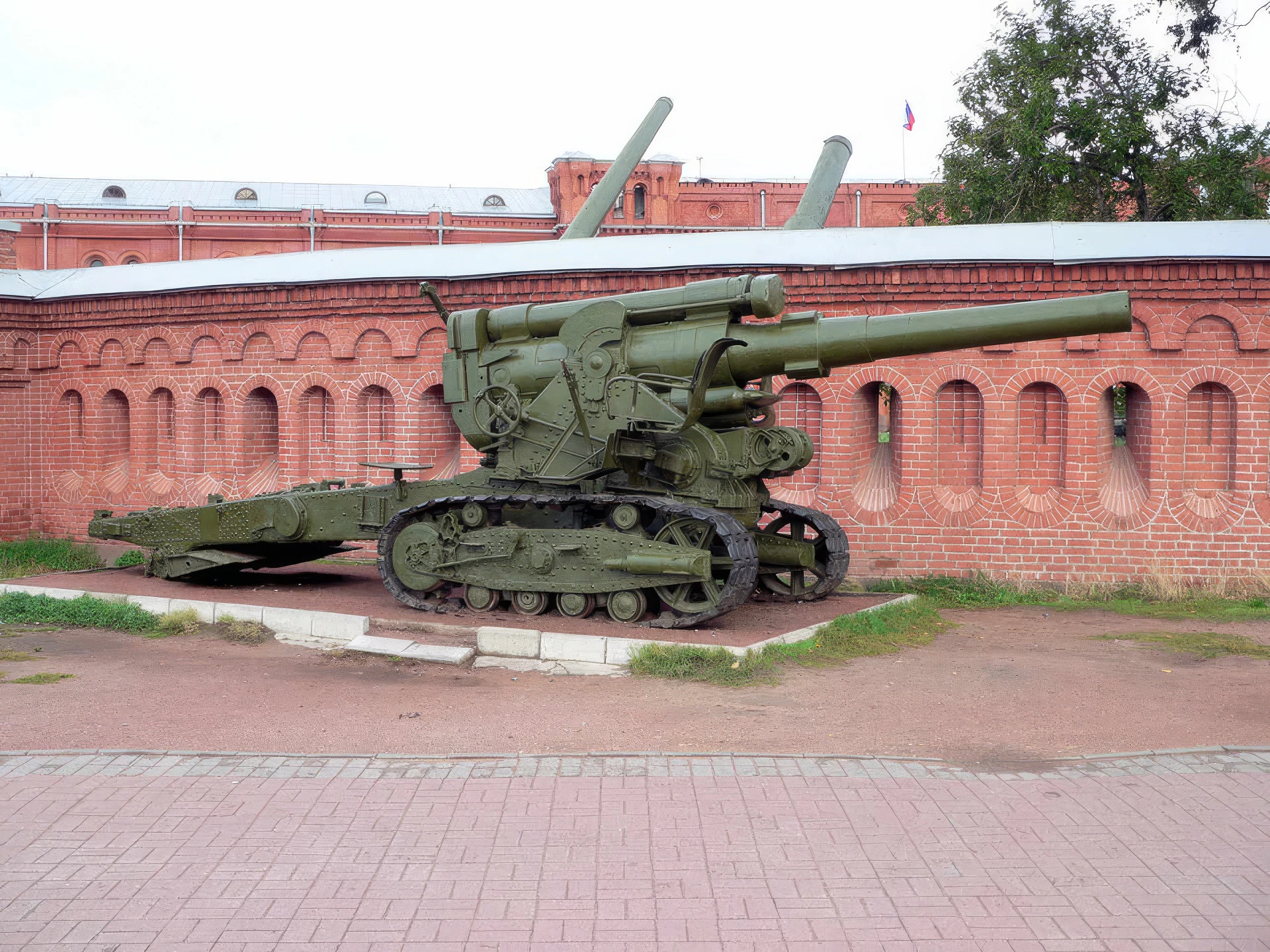
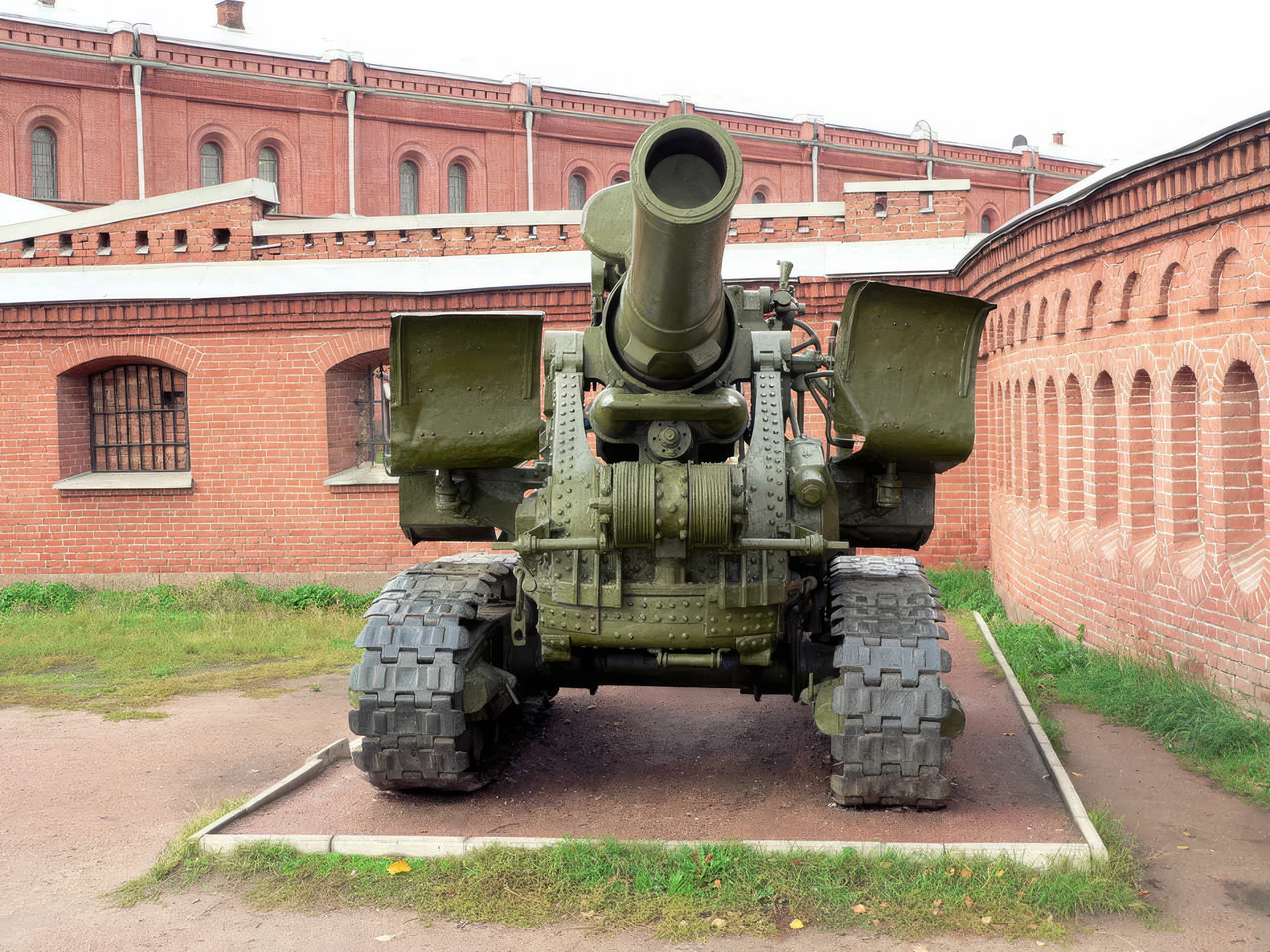
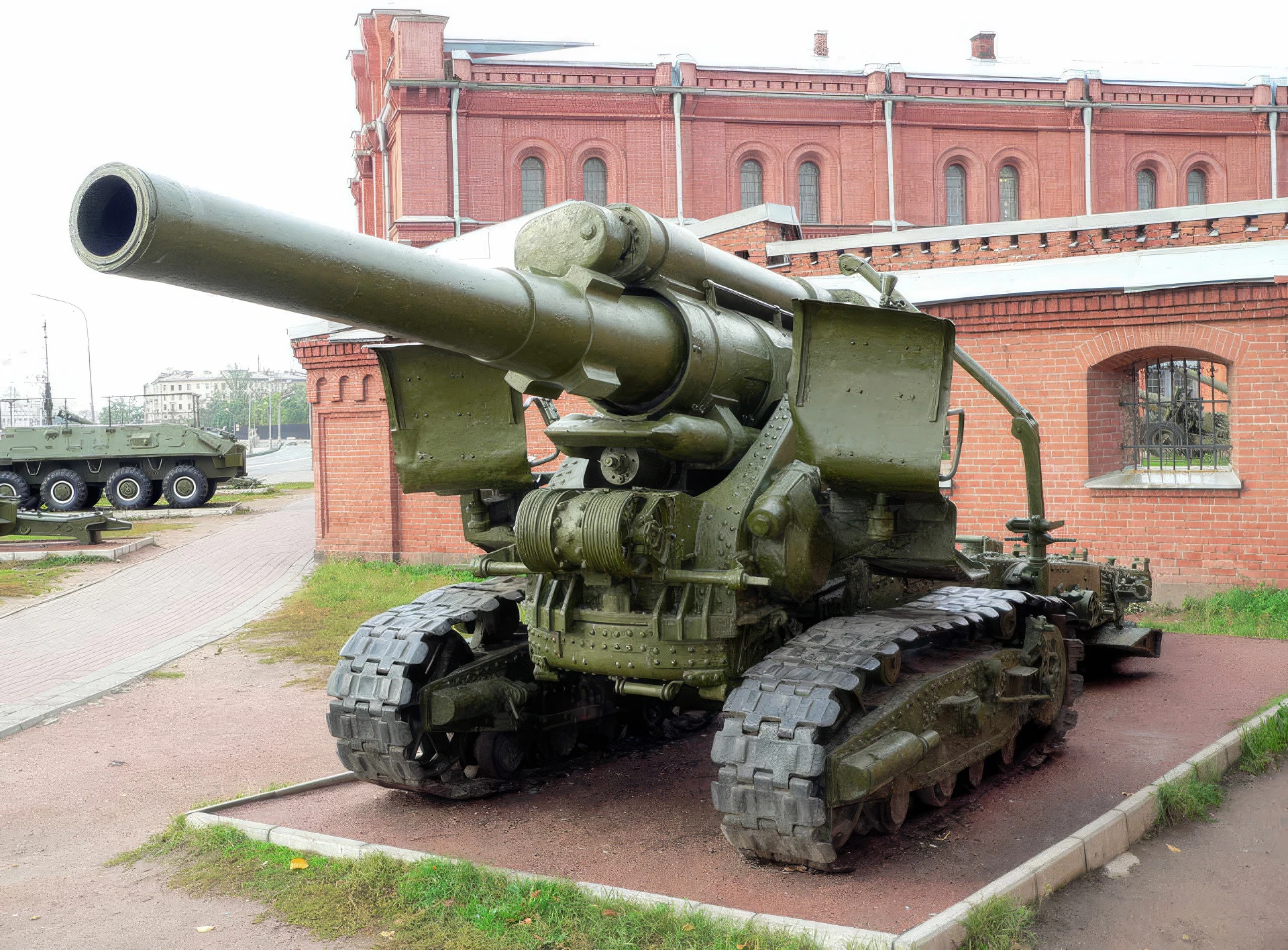
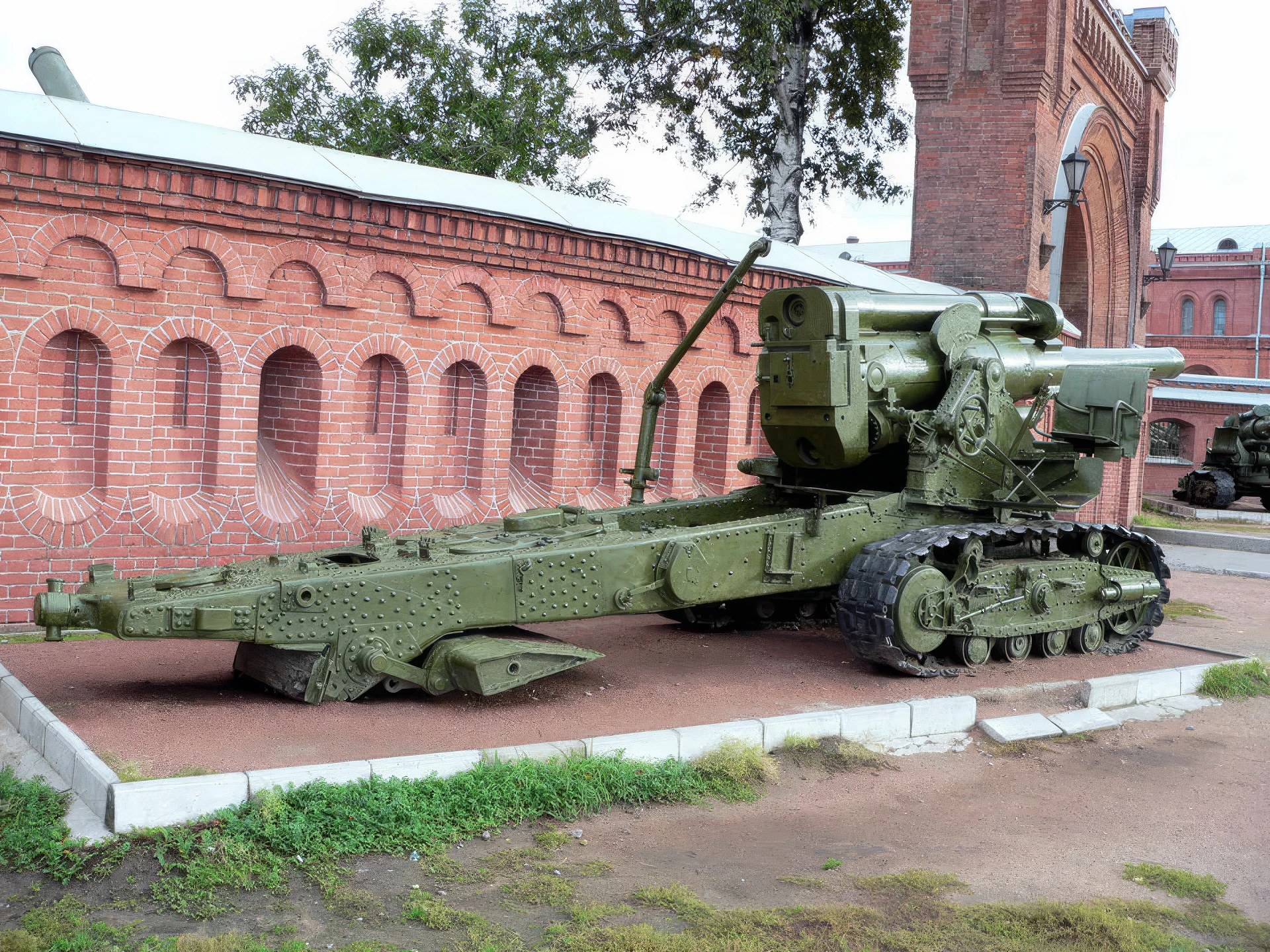
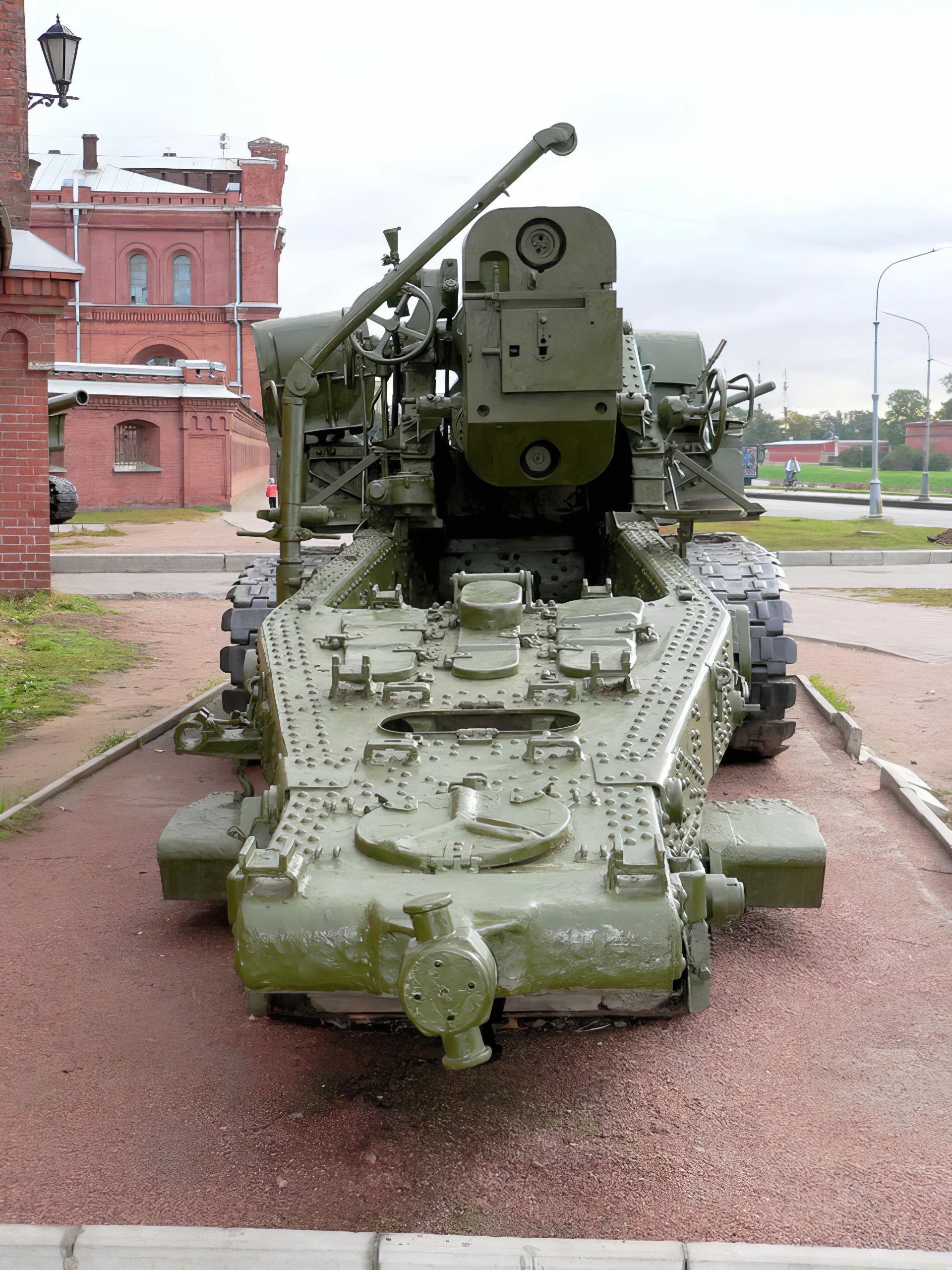
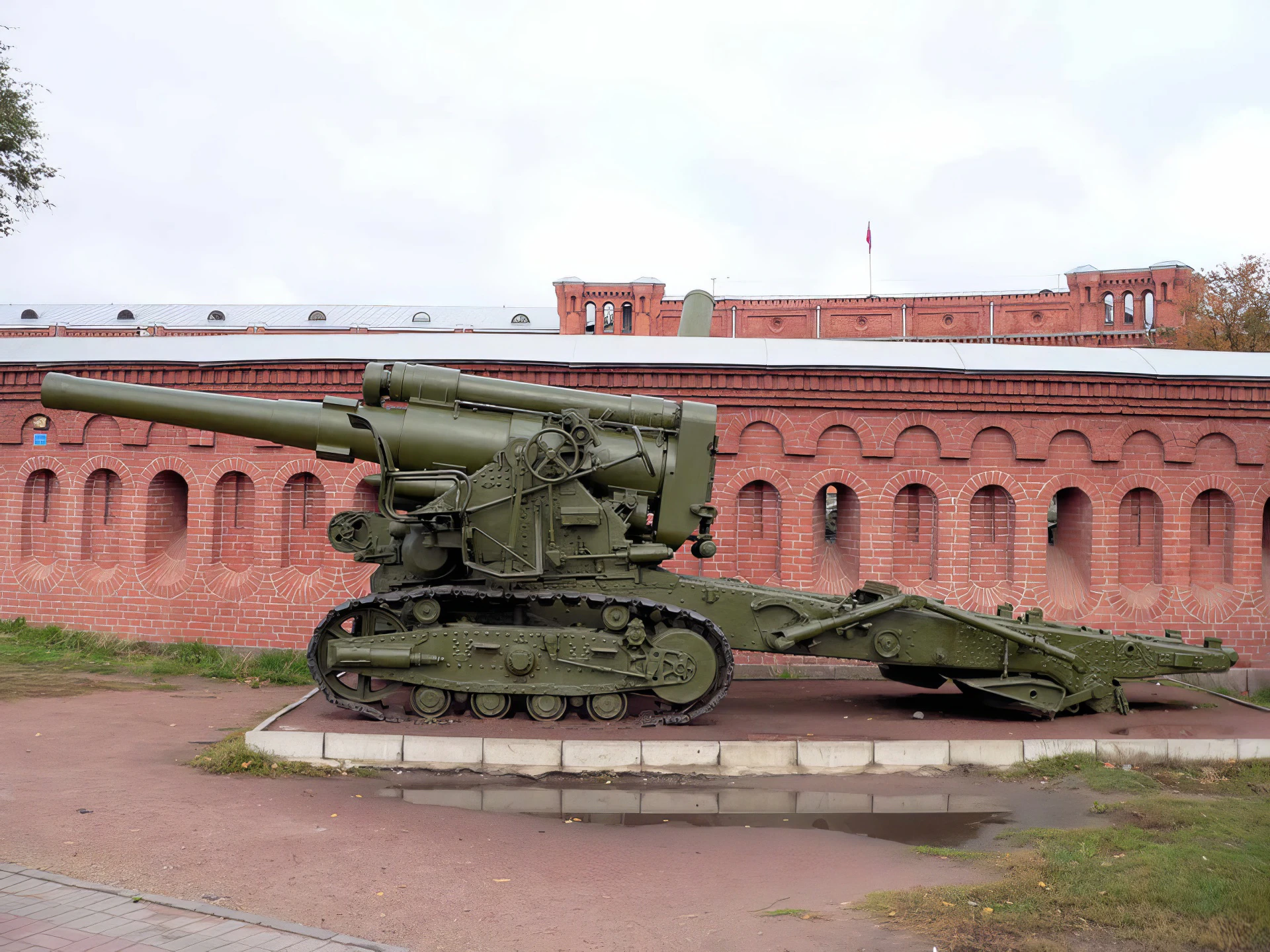
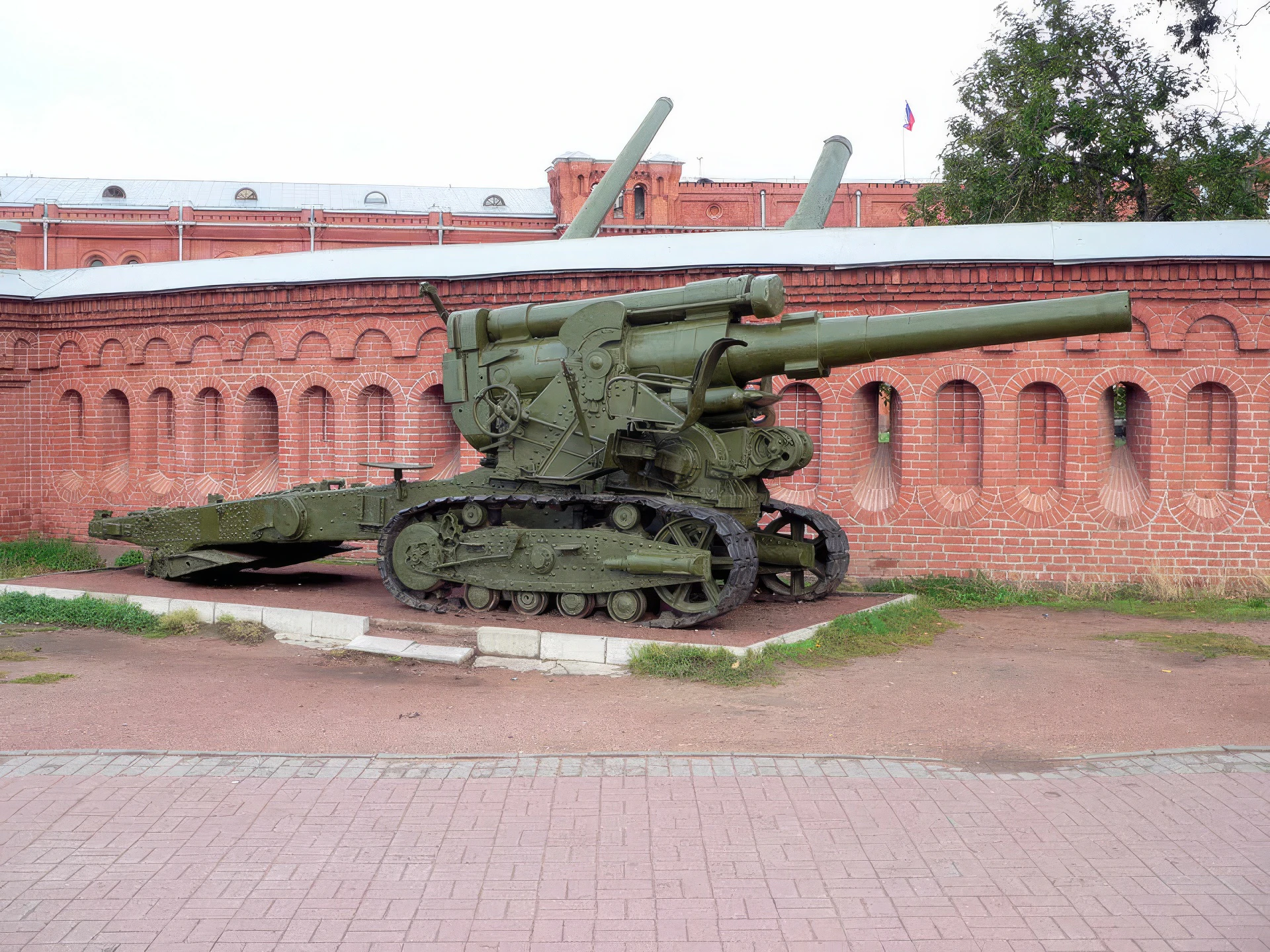

| 203 mm Obús Mod. 1931 (B-4) | |
|---|---|
| Fotógrafo | Unknow |
| Localización | Unknow |
| Fotos | 21 |
Ver también:


General Overview
The B-4 was a Soviet high-power heavy howitzer used to destroy heavily fortified positions and bunkers during World War II.
| Official Name | 203 mm howitzer M1931 (B-4) |
|---|---|
| Place of Origin | Unión Soviética |
| Fabricante | Barrikady Plant |
| Production Years | 1932–1945 |
| Primary Role | Siege Artillery / Crushing Fortifications |
| Apodo | Stalin’s Sledgehammer (coined by German soldiers) |
Especificaciones técnicas
| calibre | 203 mm (8 inch) |
|---|---|
| Mass (Combat) | 17,700 kg (39,022 lbs) |
| Mass (Travel) | 19,000 kg (41,888 lbs) |
| Shell Weight (HE) | 100 kg (220 lbs) |
| Maximum Firing Range | 18 km (11 mi) |
| Rate of Fire | Approx. 1 round every 4 minutes (Slow due to shell weight) |
| Carriage Type | Tracked Carriage (Unique feature for stability) |
| Equipo | 15 |
| Towing Vehicle | Voroshilovets or Komintern Artillery Tractor |
Operational Role in WWII
The B-4 was held under the direct command of the Stavka Strategic Reserve and was deployed only where its massive firepower was required.
- Winter War: Known as the “Karelia Sculptor” for its effectiveness against Finnish pillboxes on the Mannerheim Line.
- Urban Combat: Used for direct fire against German fortified buildings and bunkers, notably during the Battle of Berlín in 1945.
- Loading Challenge: Due to the heavy 100 kg projectile, a special hoisting crane was often used to assist in loading the breech.
Key Innovation: The unique tracked carriage allowed the gun to be fired directly from the ground without a separate firing platform, a significant innovation for heavy artillery of that era.
Views : 11603
También puede ver:
 Howitzer 149-19 – Photos & Video
 15 cm sFH 13 – Caminar
 Obús M108 – Fotos y Videos
 Obús M119 – Fotos y Videos
 Obice da 75/18 modello 35 – Fotos y Videos
 Obús británico de 9.2 pulgadas – Fotos y video
 105mm leFH auf Hotchkiss 39H – Fotos y Video
 Obús autopropulsado M55 – Fotos y video
 21cm Morser 18 Obús – Caminar alrededor
 Obús tipo 92 de 70 mm – WalkAround
Nuevas fotos