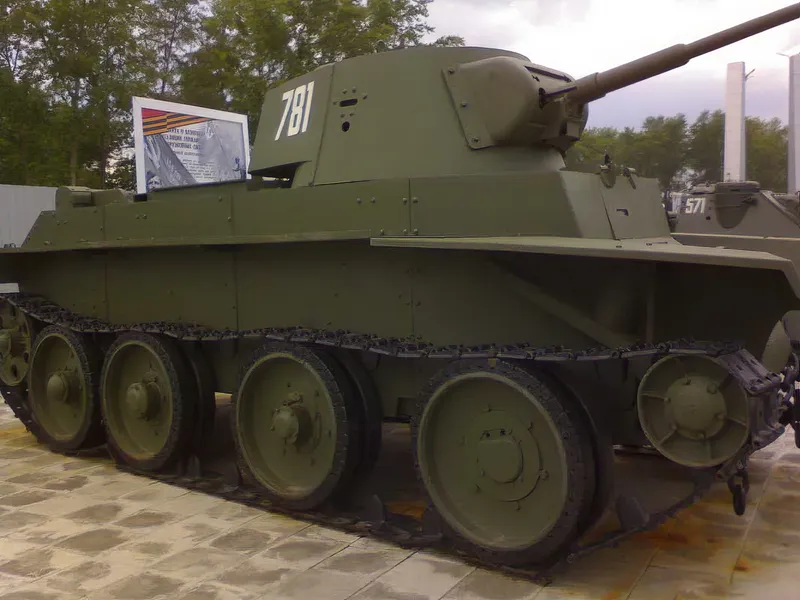
BT-7 | |
|---|---|
| País | URSS |
| Tipo | Tanque rápido |
| Descripción | Álbum 105 photos walk-around du char rapide «BT-7» |
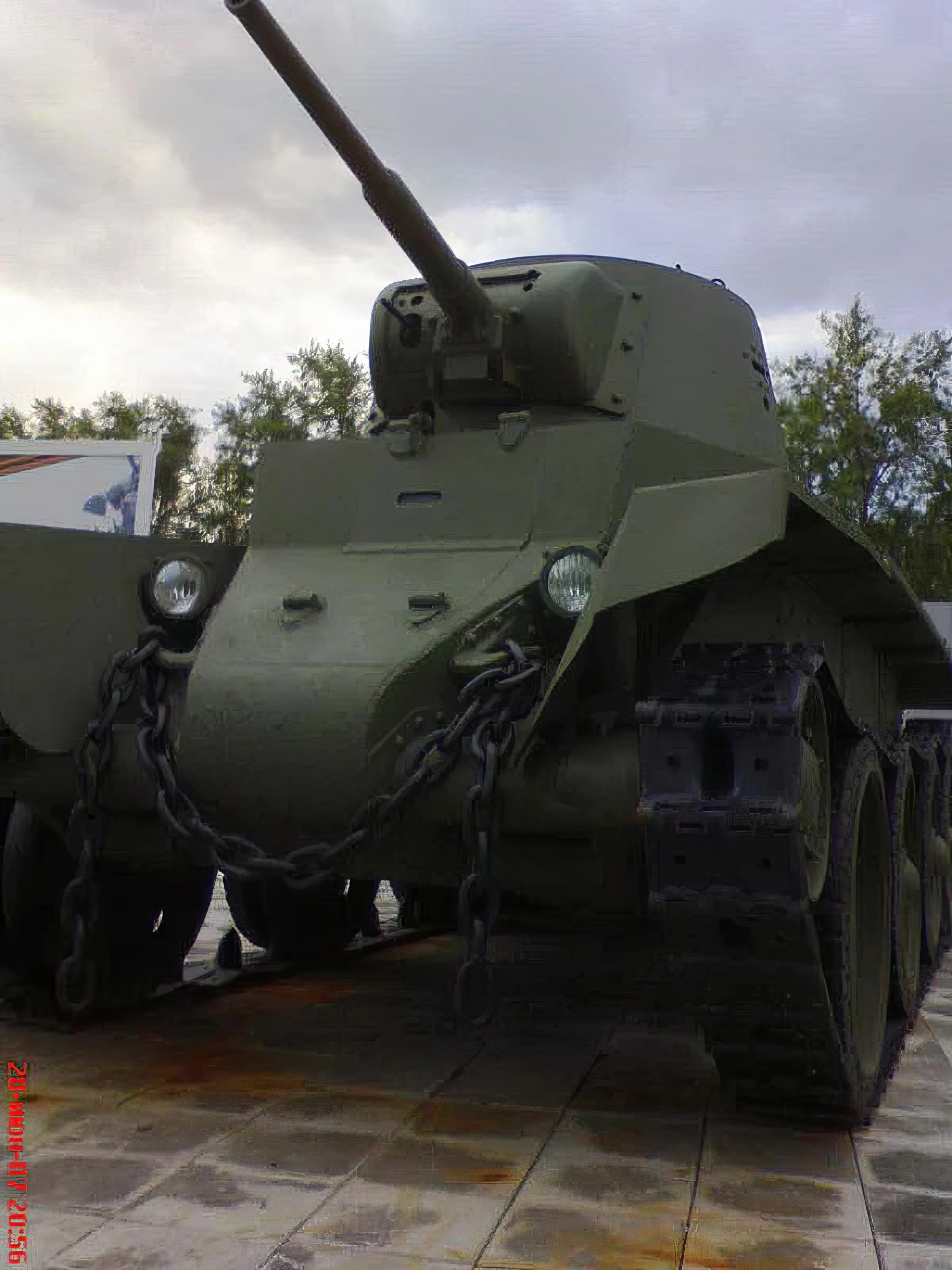
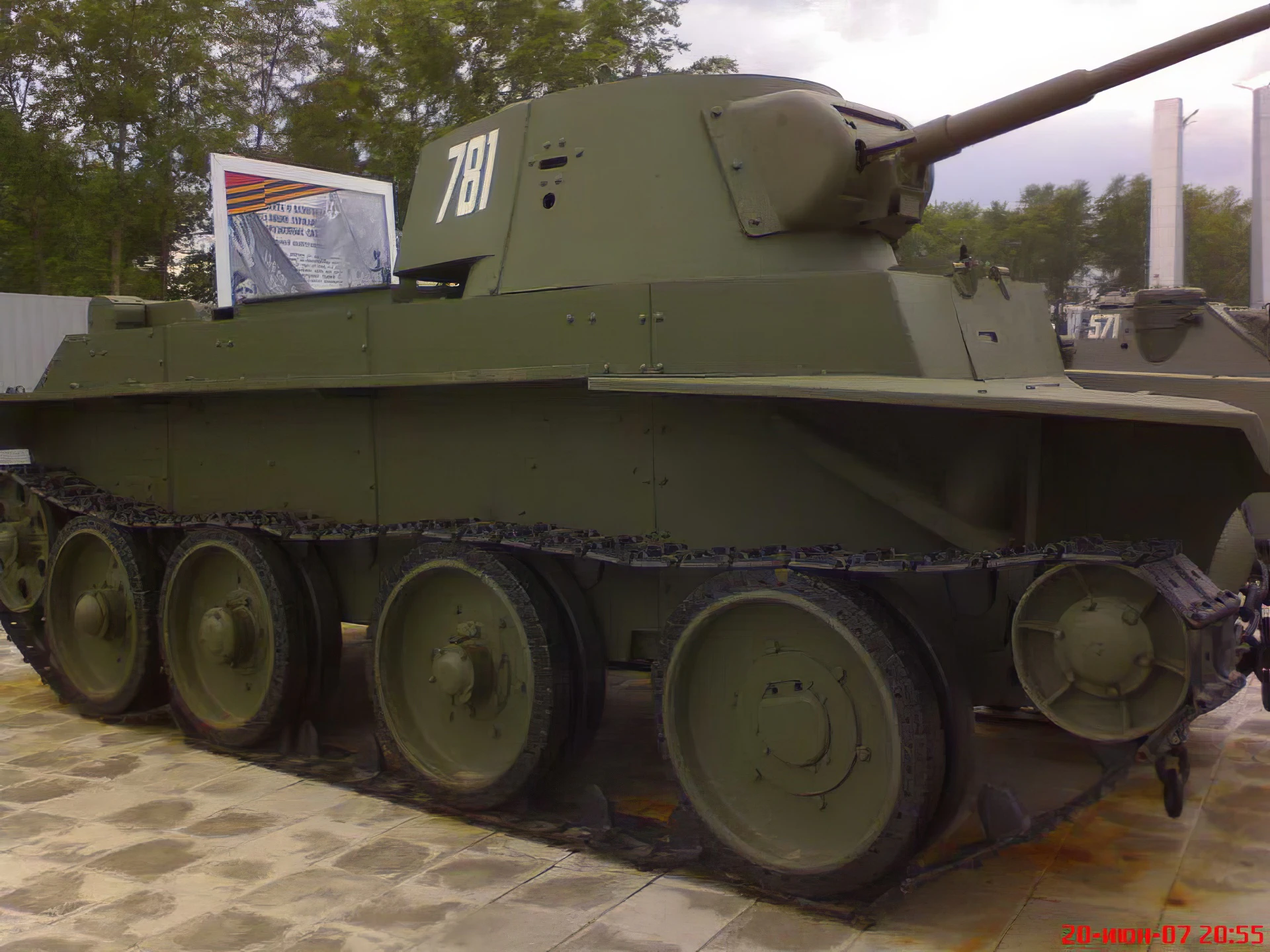
Galerie photo sur un char rapide BT-7, Conçus au début des années trente, les chars rapides Bt jugó un papel importante en el desarrollo de la fuerza blindada soviética. Fueron los primeros modelos de tanques disponibles en grandes cantidades que permitieron el desarrollo de doctrinas mecanizadas. Aunque estas doctrinas fueron puestas en disputa y olvidadas justo antes del comienzo de la invasión alemana, allanaron el camino para aquellos que más tarde usaron el descendiente de BT, el T-34.
Fuente: Chars BT sur Wikipedia
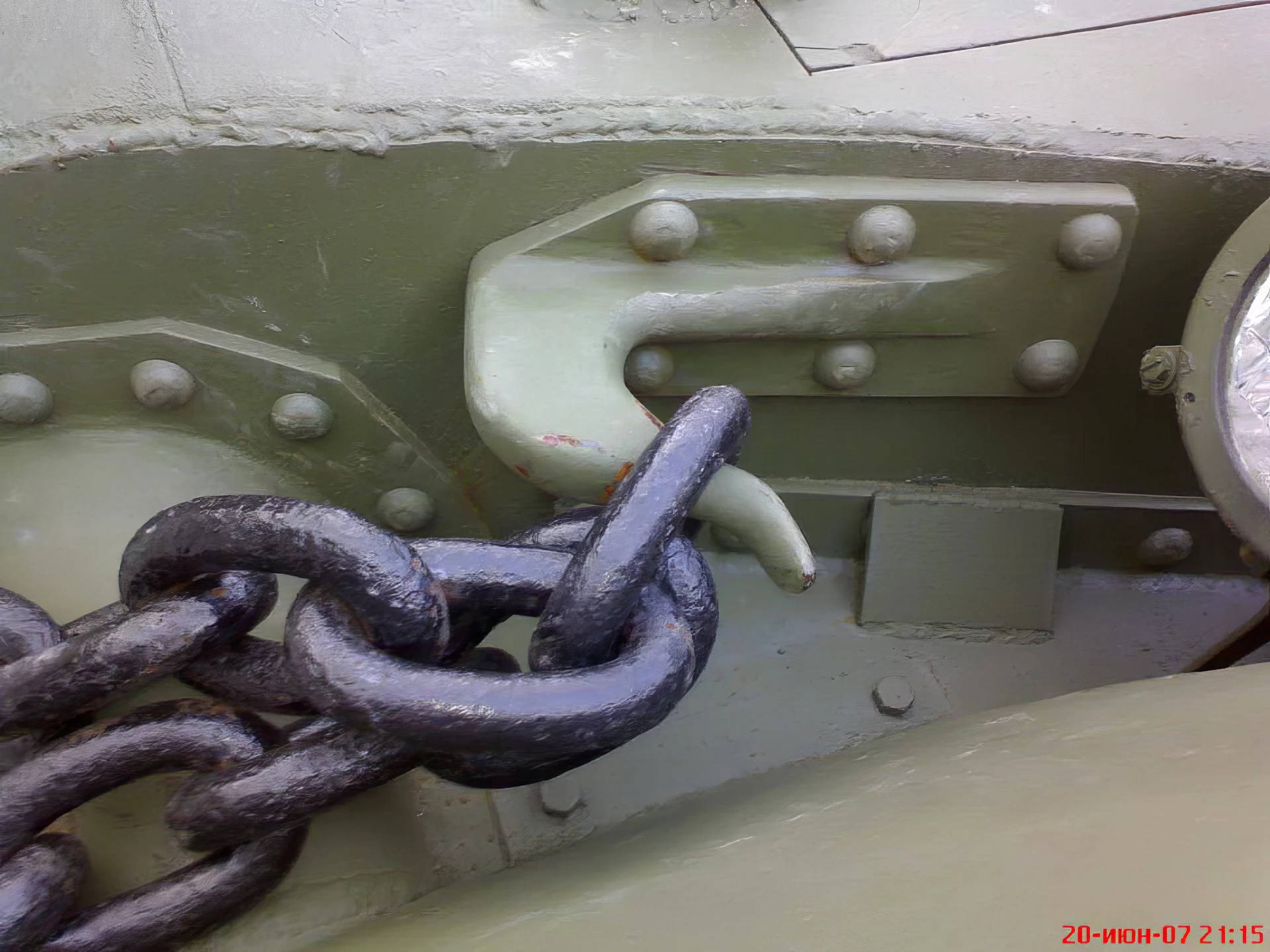
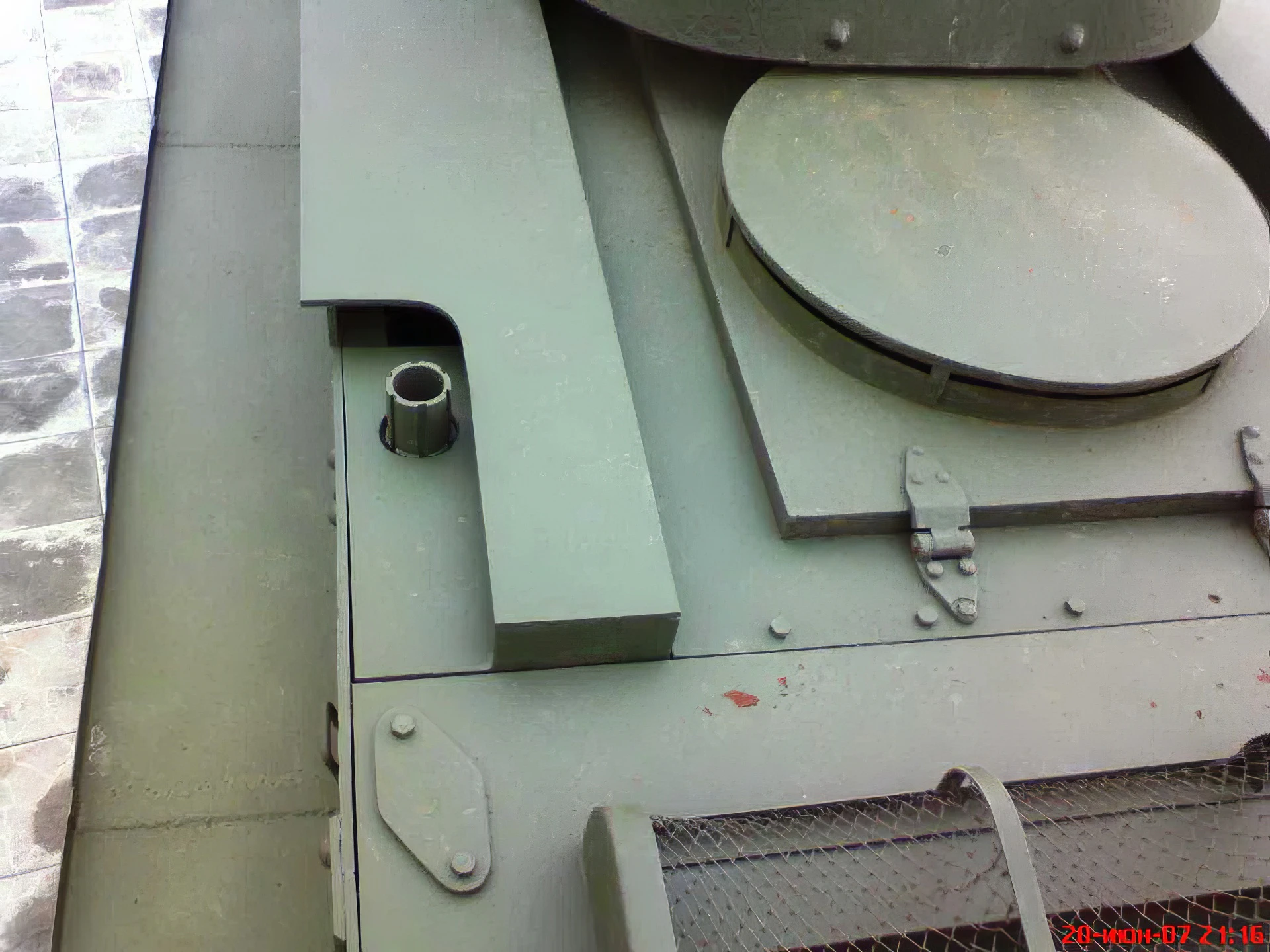
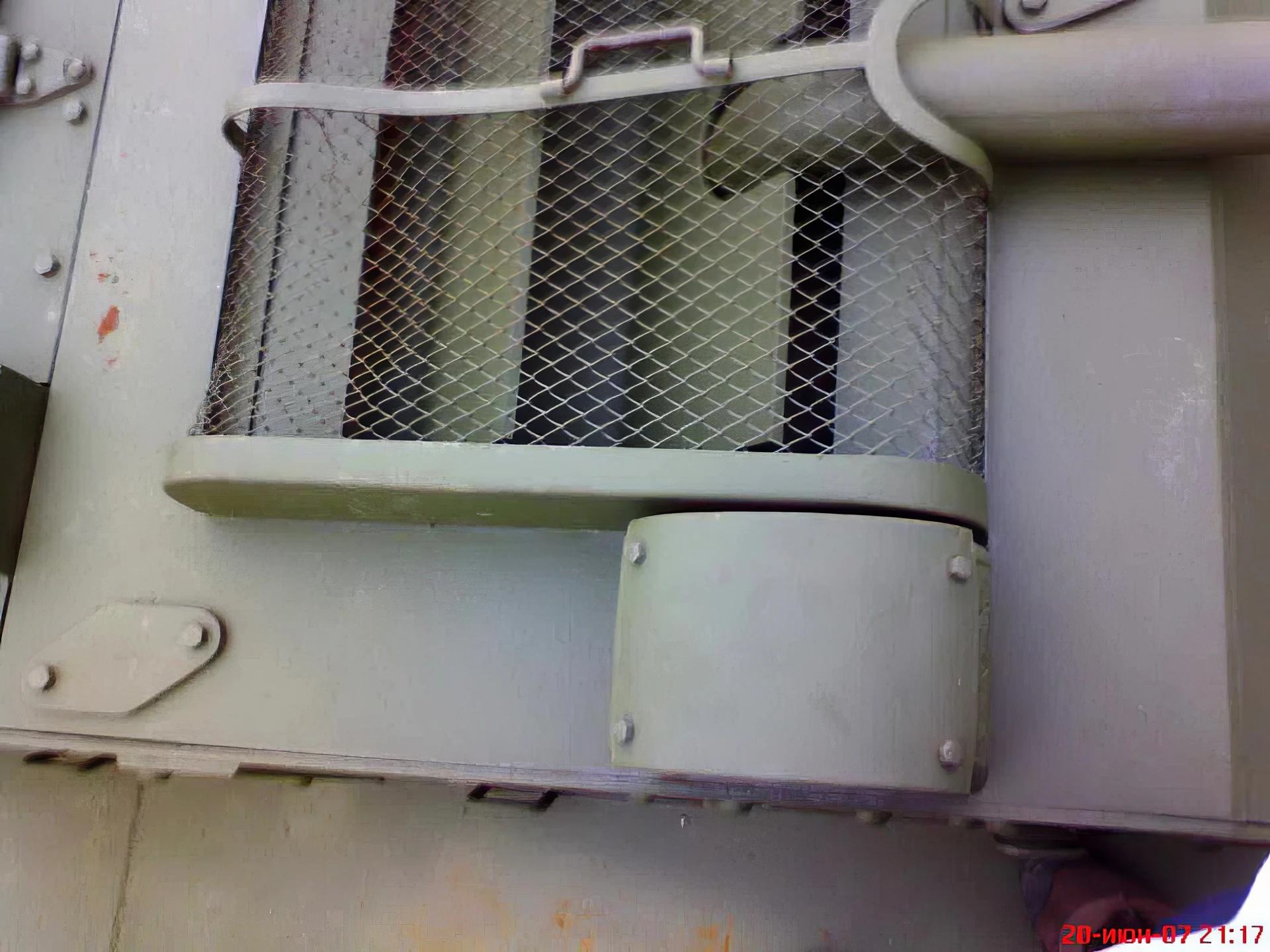
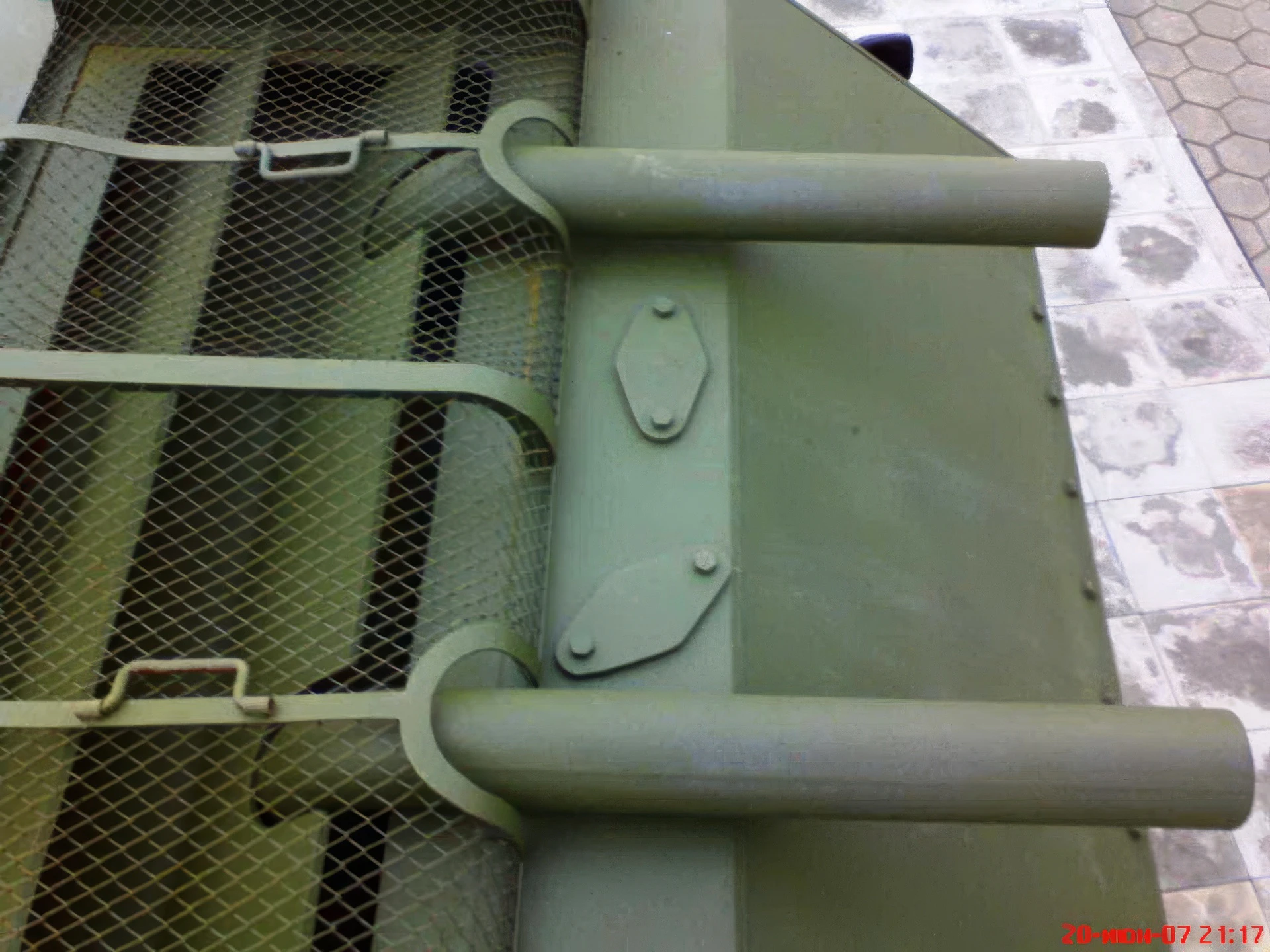
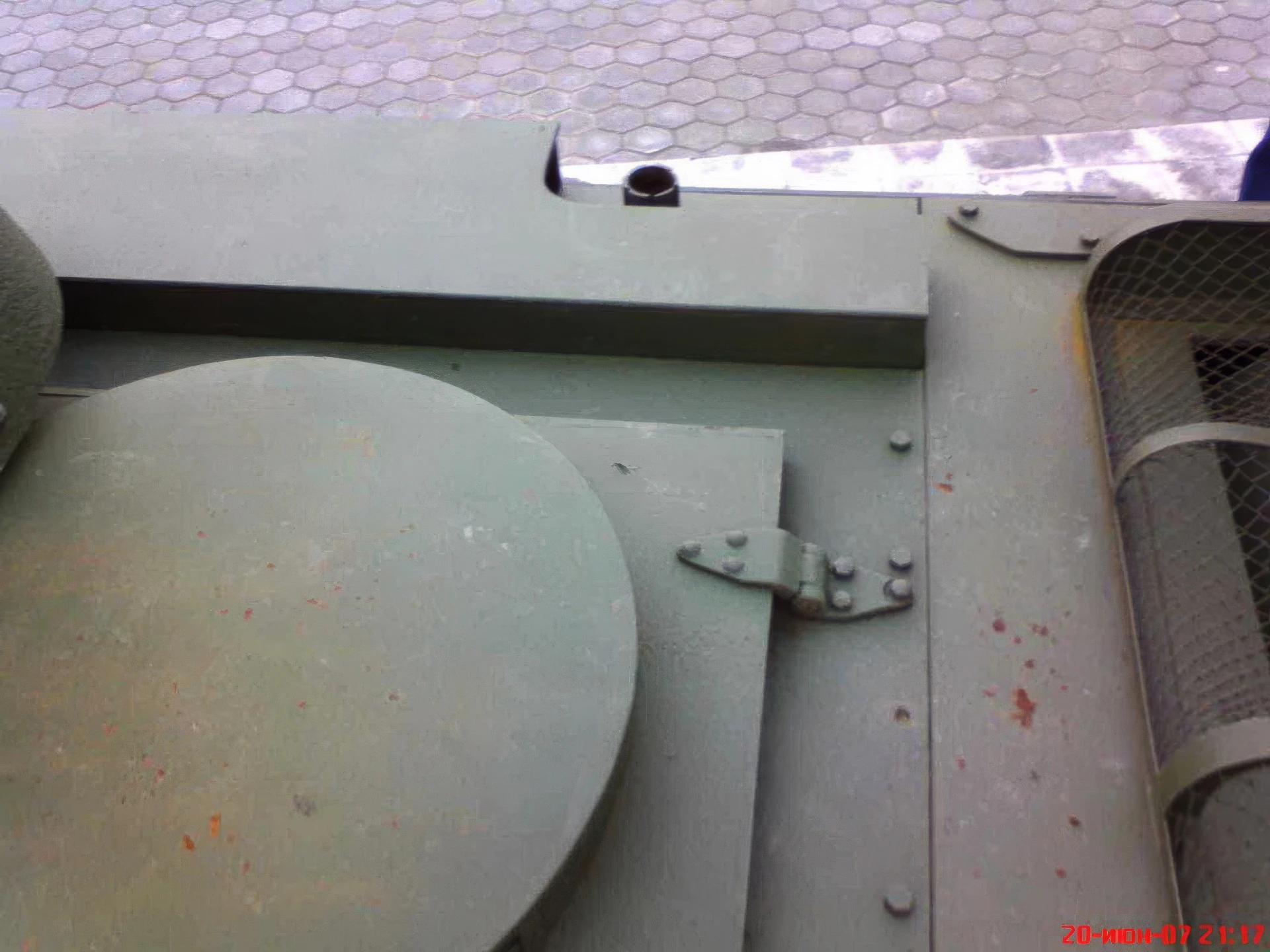
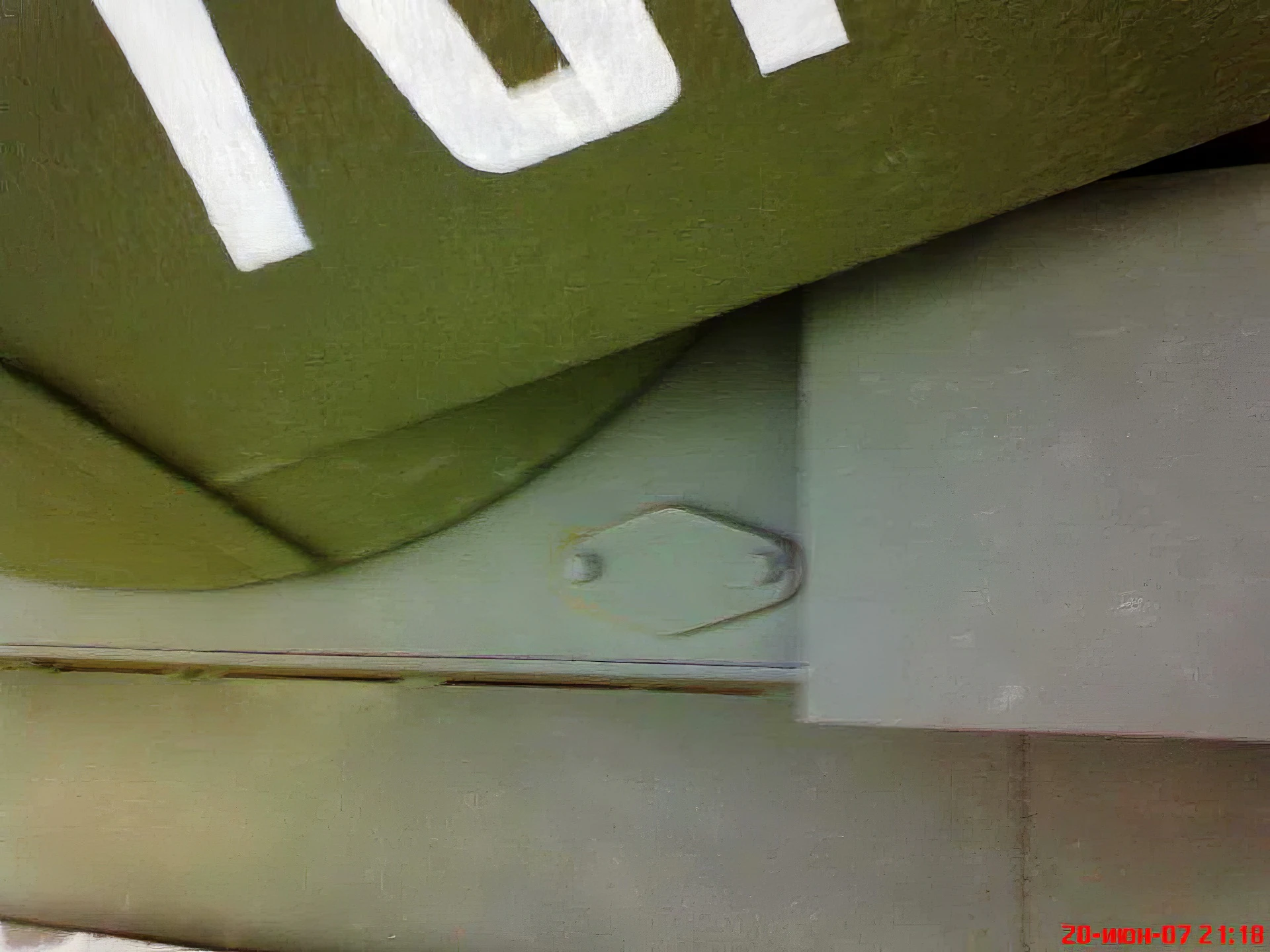

Ver también:


General Overview
| Tipo | Light Cavalry Tank (Fast Tank) |
|---|---|
| Place of Origin | Unión Soviética |
| Service History | 1935–1945 |
| Equipo | 3 (Commander/Gunner, Loader, Driver) |
| Production Years | 1935–1940/41 |
| Total Built | Approximately 5,556 (all BT-7 variants) |
| Sucesor | T-34 Medium Tank |
Technical Specifications (Standard BT-7 Model 1937)
| Weight (Mass) | Approx. 13.8 tonnes (15.2 short tons) |
|---|---|
| Armamento principal | 45 mm 20-K Model 1932/38 tank gun |
| Armamento secundario | 1-3 × 7.62 mm DT machine guns |
| Armadura | 6–22 mm (Lightly armored) |
| Motor | Mikulin M-17T V-12 gasoline engine, 400 hp (298 kW) |
| Top Speed | 72 km/h (45 mph) (on wheels, on road) 50 km/h (31 mph) (on tracks) |
| Suspensión | Christie Suspension (Convertible drive) |
| Rango de operación | 200 km (120 mi) on tracks |
Key Characteristic: Convertible Drive
The BT-7 used the Christie Suspension which allowed the crew to remove the tracks and drive the tank directly on its large road wheels when traveling on roads. This capability was designed to reduce wear on the tracks and achieve extremely high speeds.
Note on Vulnerability The tank’s light armor and use of a gasoline engine made it highly vulnerable to enemy fire, a factor that contributed to significant losses early in World War II.
Vistas : 4360
También puede ver:
 Proyecto ELC – Fotos y Videos
 M551 Sheridan – Fotos y Videos
 Sistema de armas blindadas M8 - Fotos y videos
 M3A1 Stuart vol2 – Fotos y Video
 Vickers Mk VIb vol2 – Caminar
 Tanque Tipo 95 Ha-Go – WalkAround
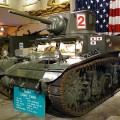 M3A1 Stuart – WalkAround
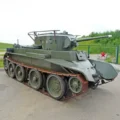 Tanque de caballería soviético BT-7 – Caminar alrededor
 Tanque ligero M24 Chaffee – Caminar
 Char rapide BT-5 – Caminar