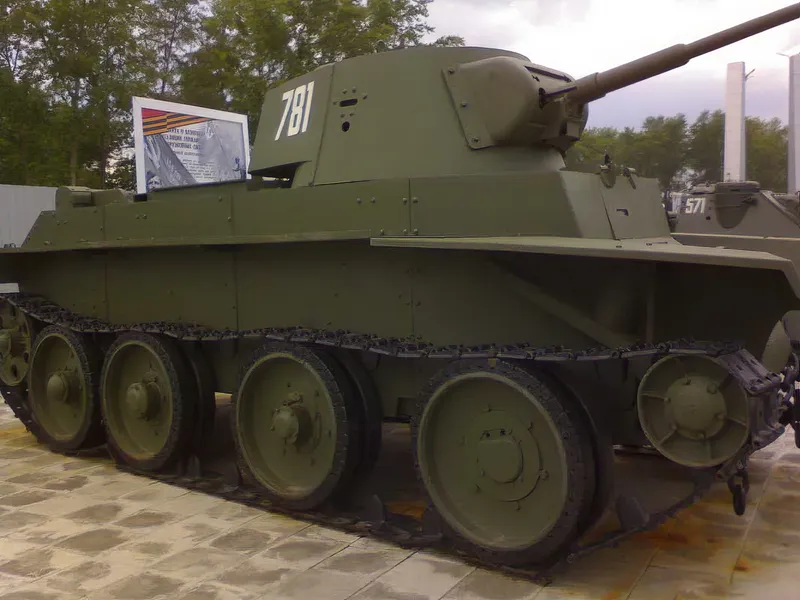
BT-7 | |
|---|---|
| Ország | URSS között |
| Típus | Gyors tartály |
| Leírás | Album de 105 fényképek séta du char rapide «BT-7» |
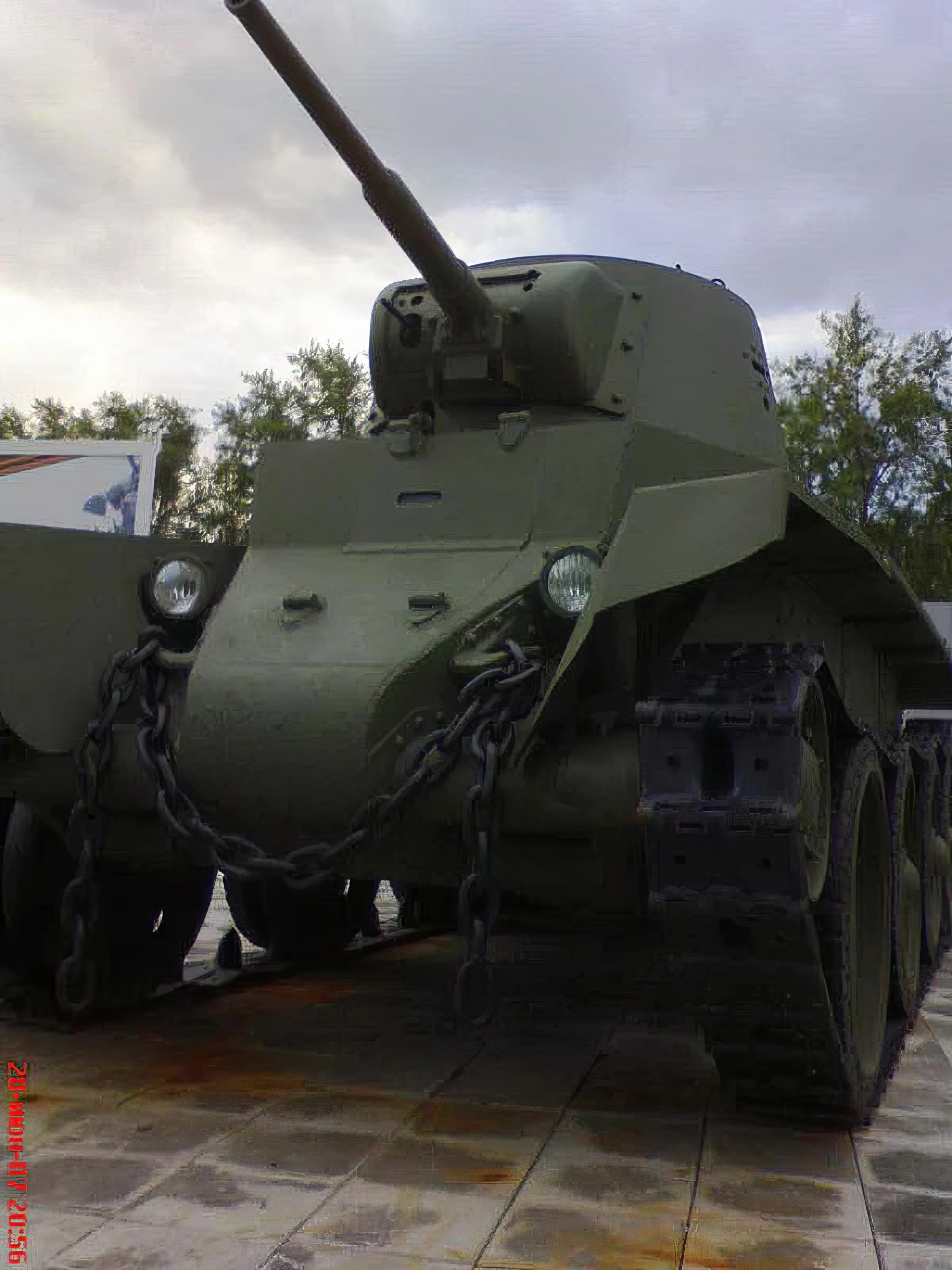
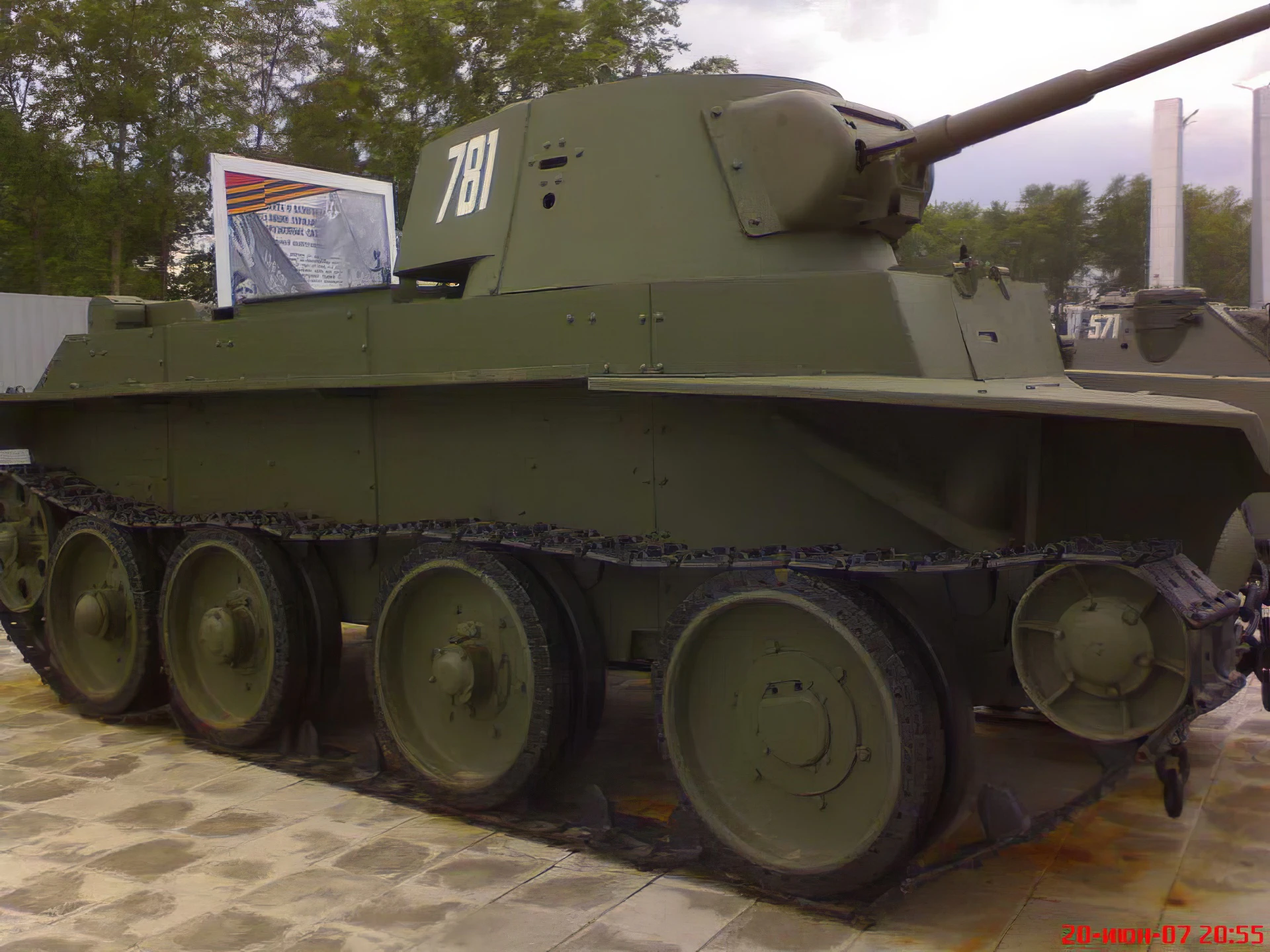
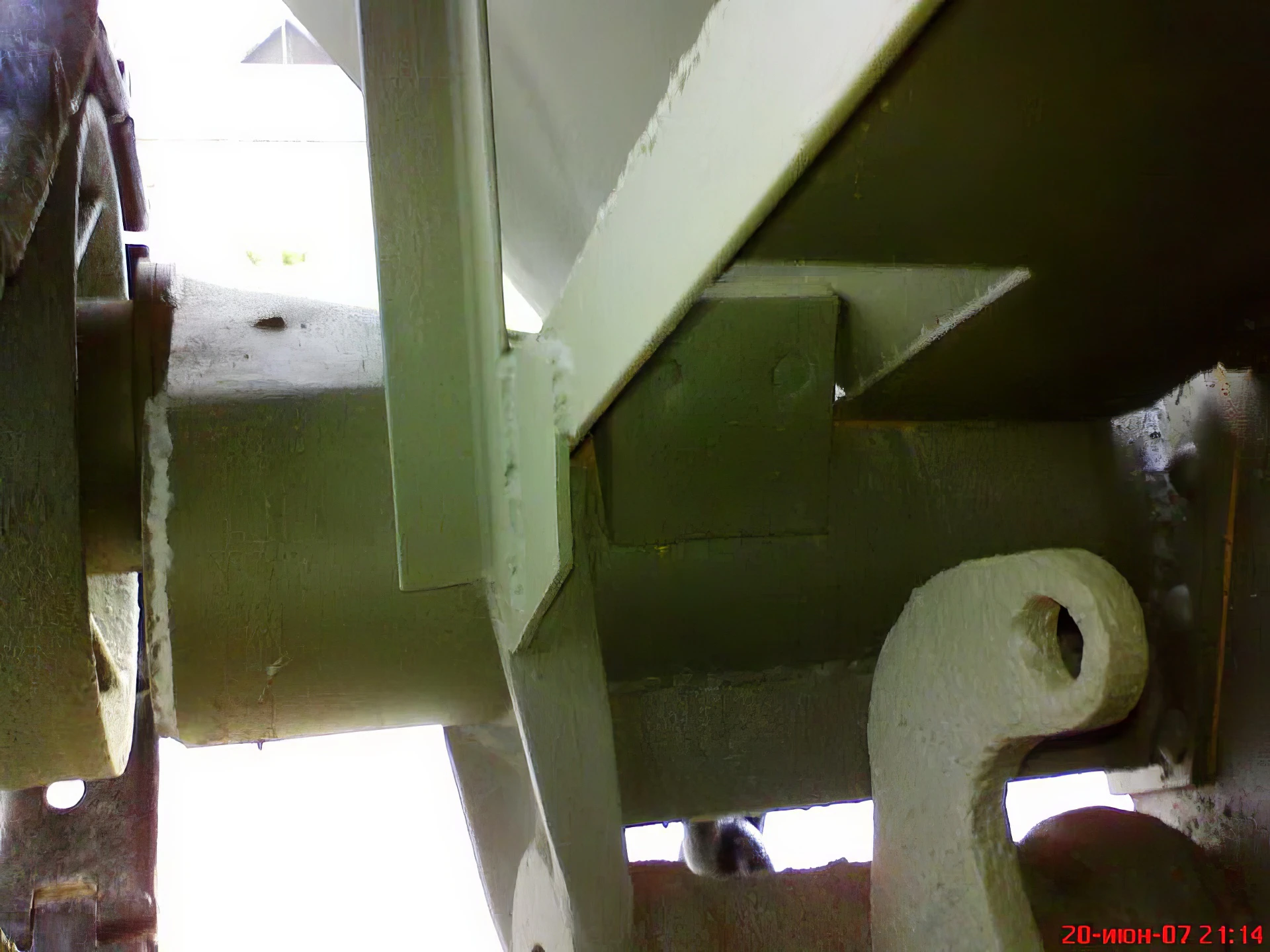
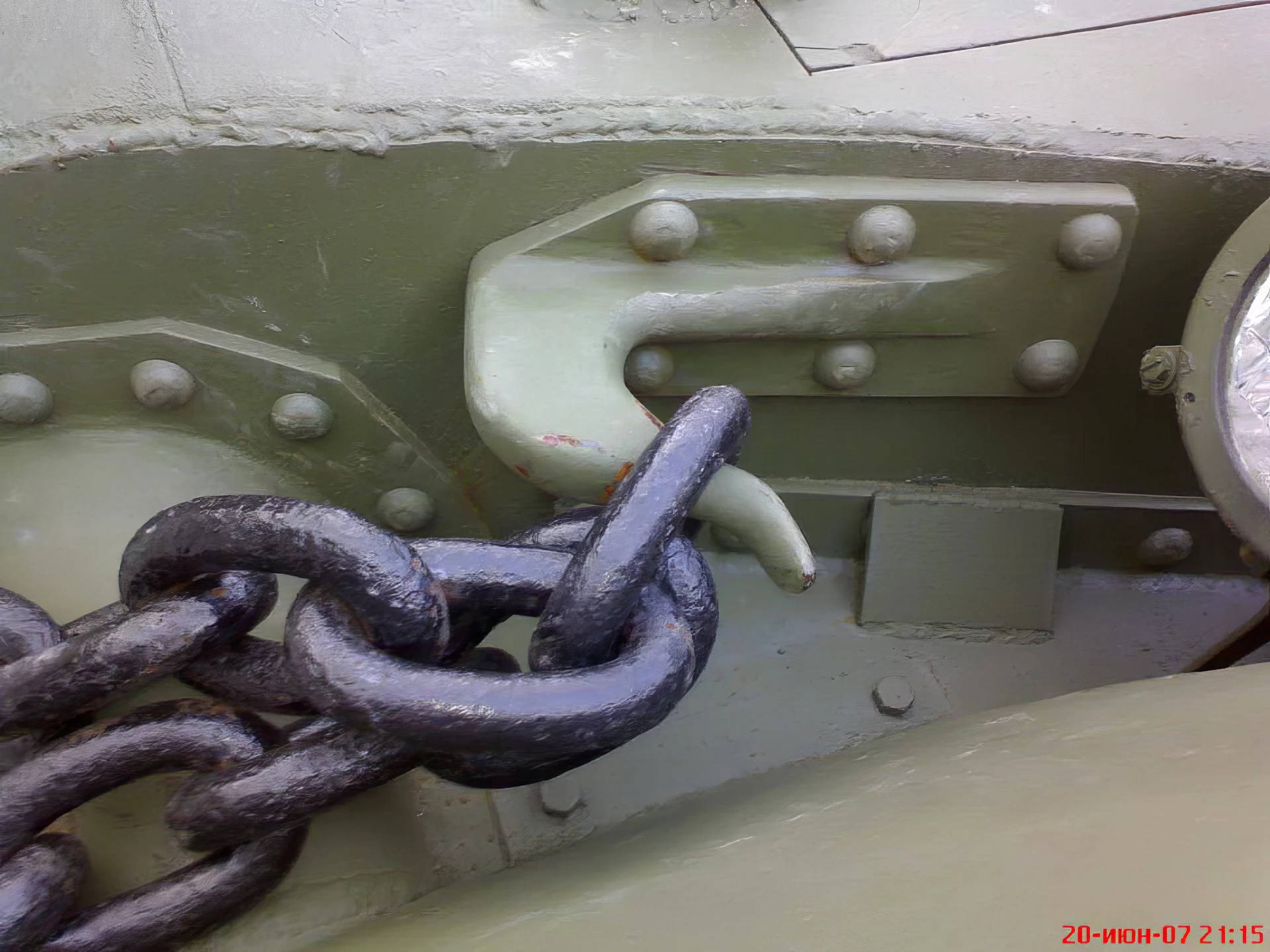
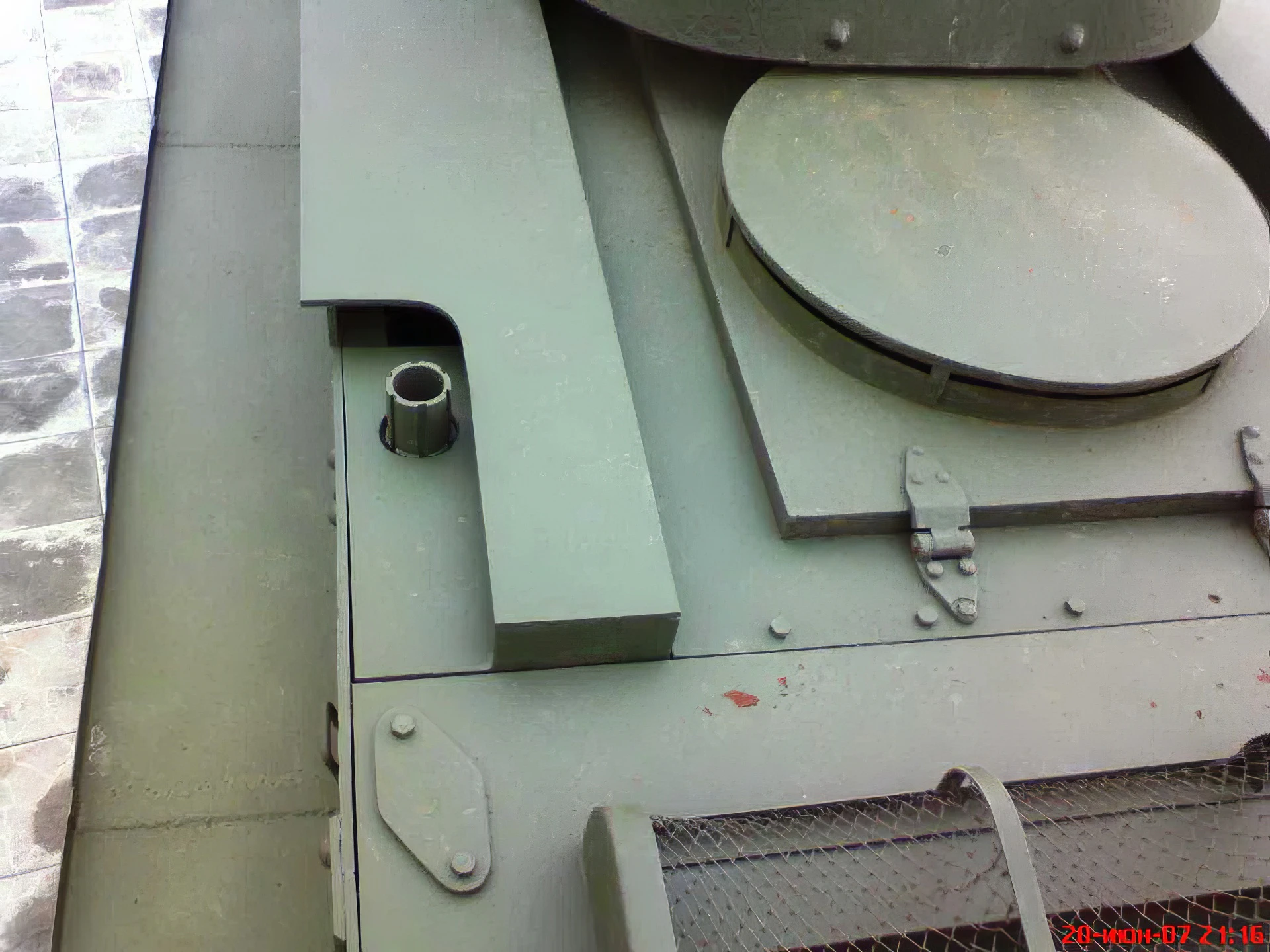
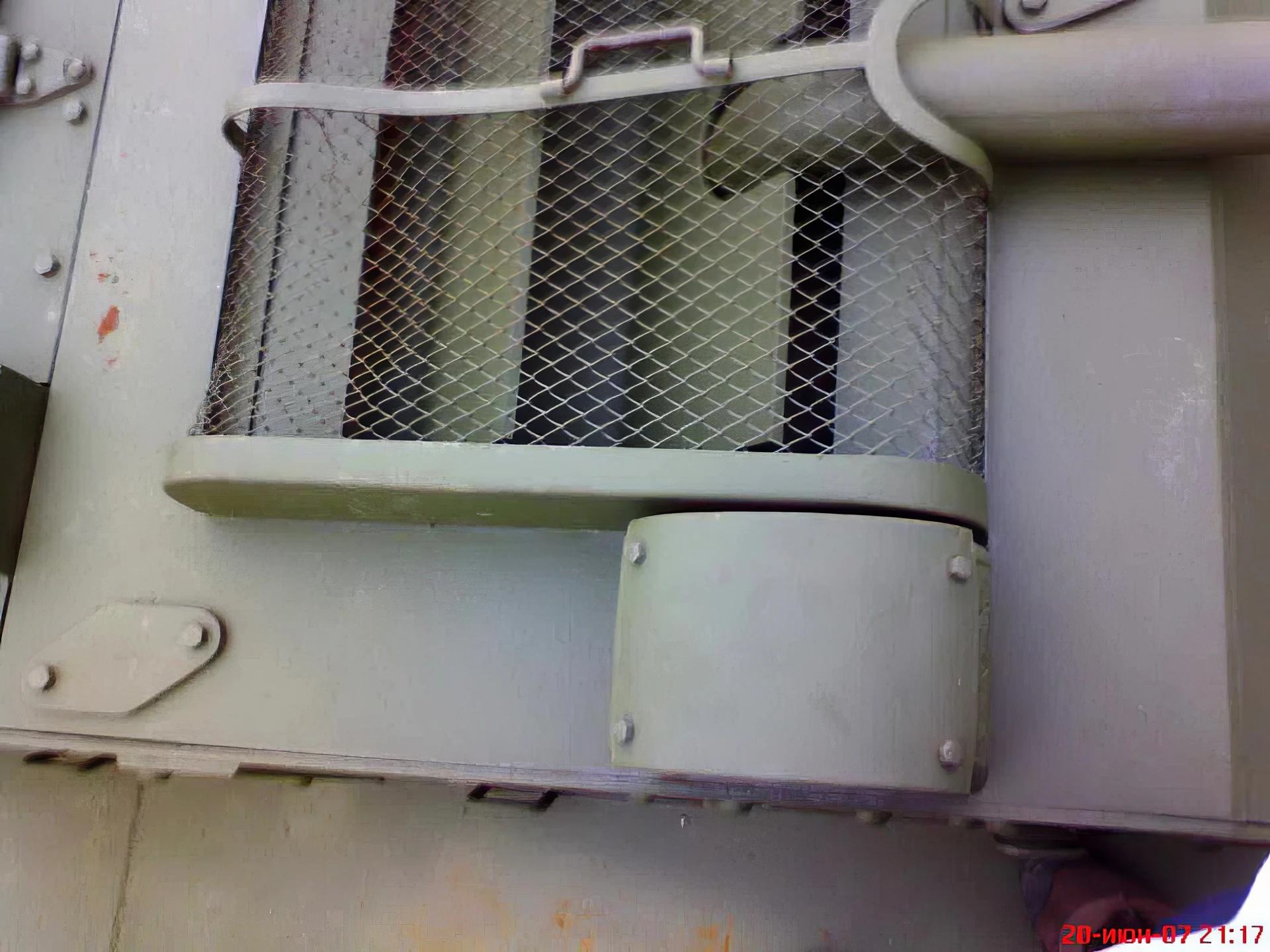
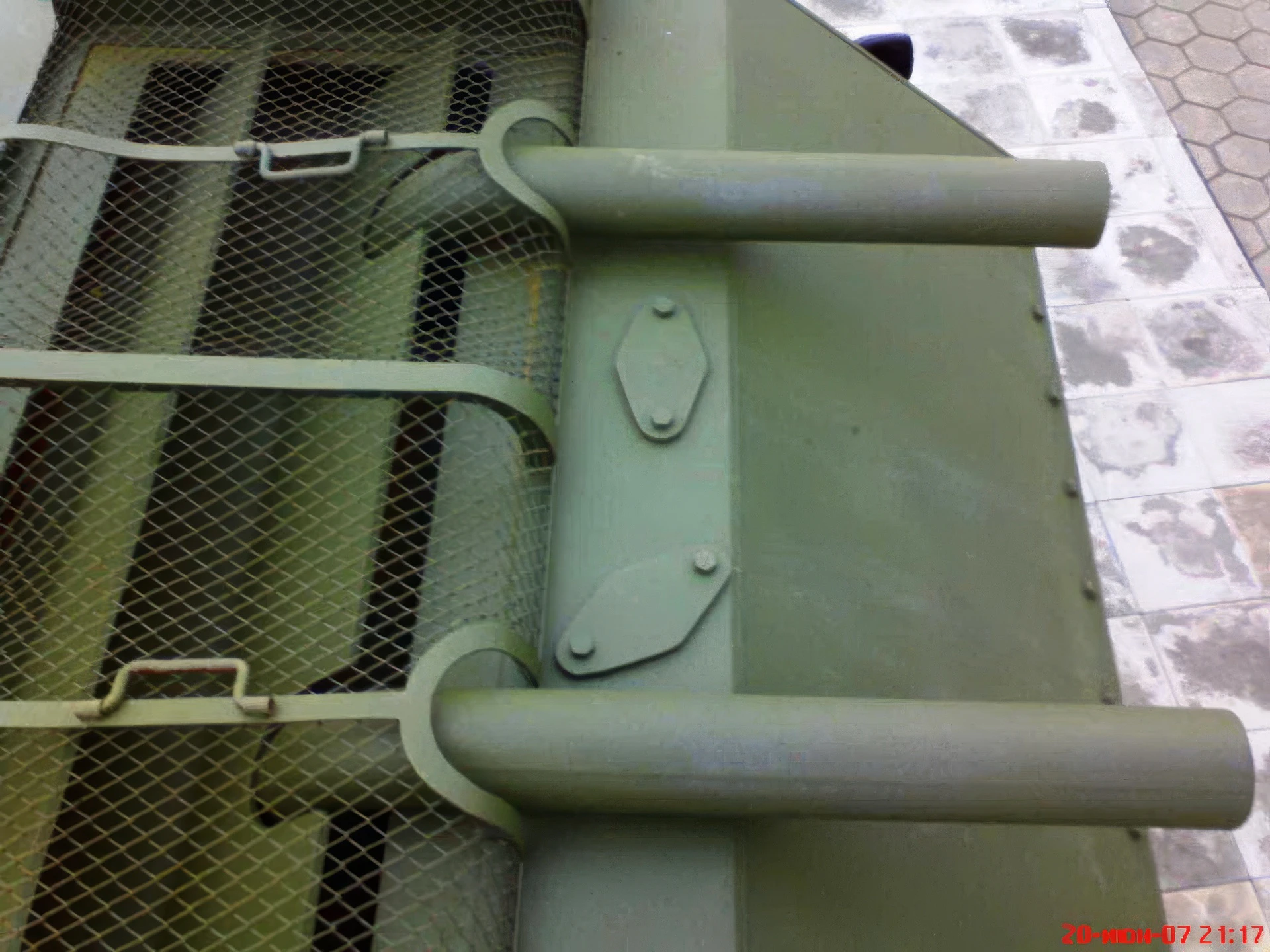
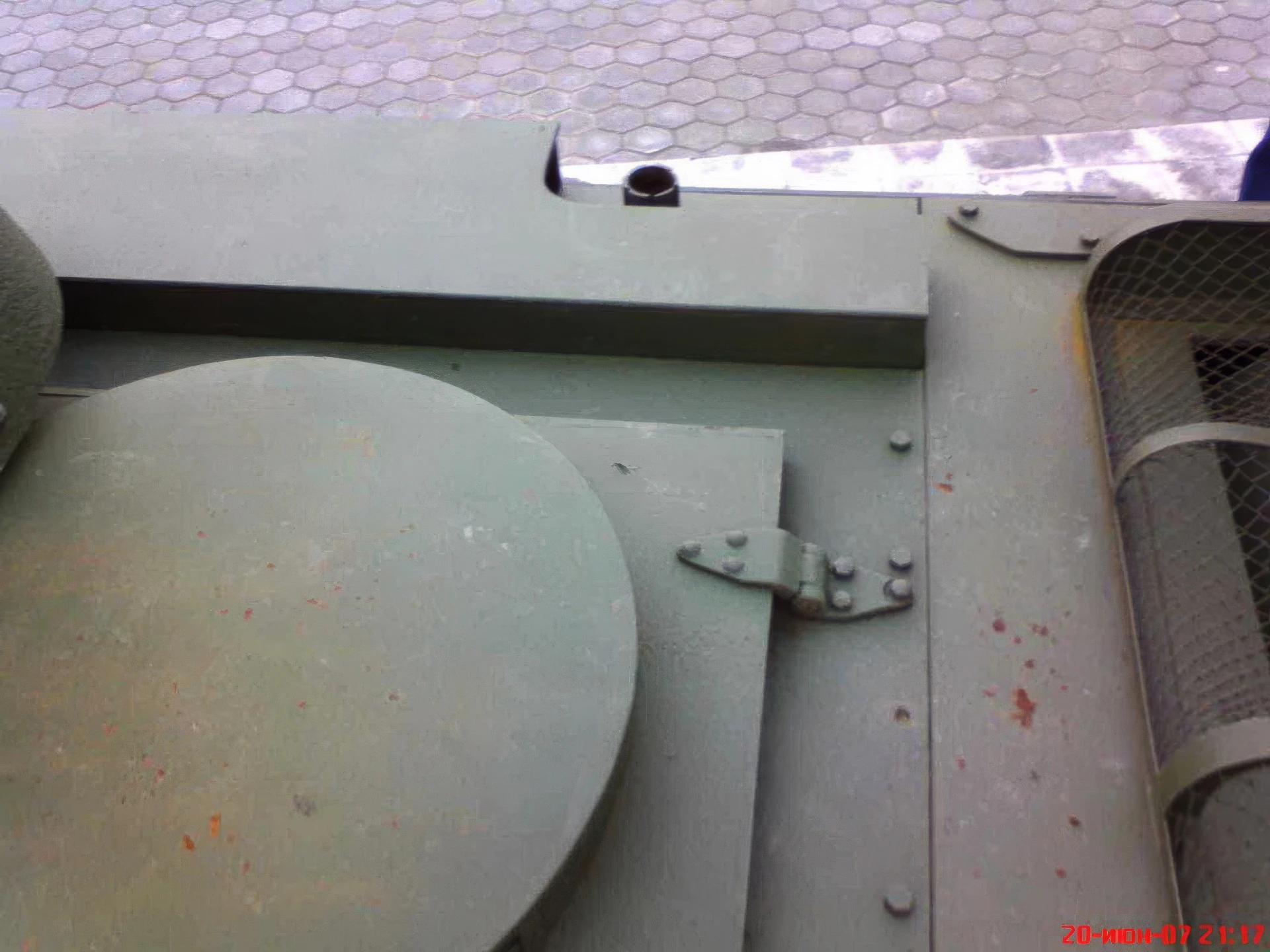
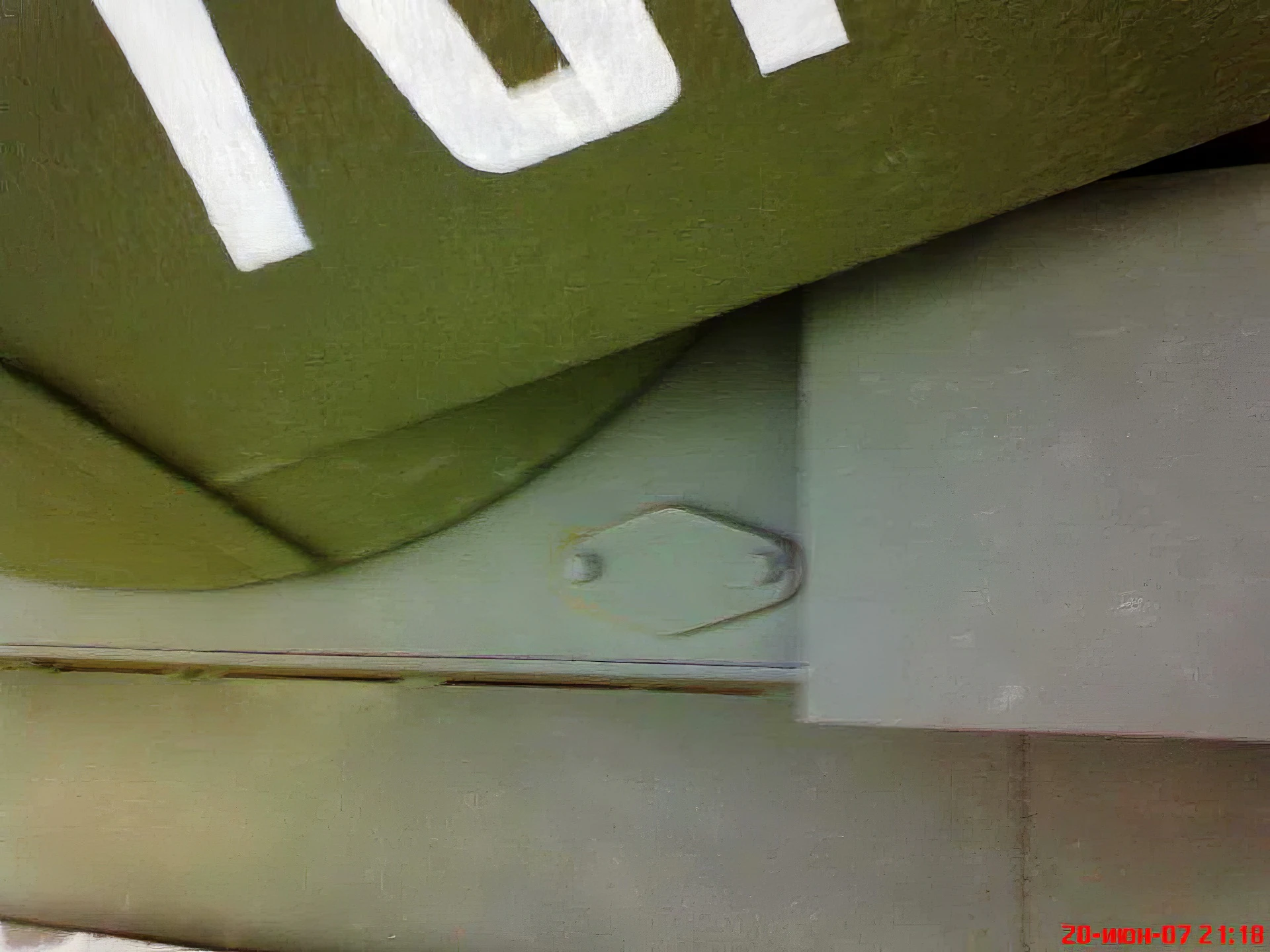
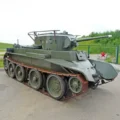
Fotógaléria egy BT-7 gyors harckocsiról, A harmincas évek elején tervezett gyors harckocsikról Bt. nagy szerepet játszott a szovjet páncélos erők fejlődésében. Ezek voltak az első nagy számban elérhető harckocsimodellek, amelyek lehetővé tették a gépesített doktrínák kidolgozását. Bár ezeket a doktrínákat közvetlenül a német invázió kezdete előtt hiteltelenítették és elfelejtették, megnyitották az utat a későbbi doktrínák előtt, amelyek a BT leszármazottját, a T-34-et használták.
Forrás: BT tankok a Wikipédián

Lásd még:


General Overview
| Típus | Light Cavalry Tank (Fast Tank) |
|---|---|
| Place of Origin | Szovjetunió |
| Service History | 1935–1945 |
| Legénység | 3 (Commander/Gunner, Loader, Driver) |
| Production Years | 1935–1940/41 |
| Total Built | Approximately 5,556 (all BT-7 variants) |
| Örökös | T-34 Medium Tank |
Technical Specifications (Standard BT-7 Model 1937)
| Weight (Mass) | Approx. 13.8 tonnes (15.2 short tons) |
|---|---|
| Main Armament | 45 mm 20-K Model 1932/38 tank gun |
| Secondary Armament | 1-3 × 7.62 mm DT machine guns |
| Páncél | 6–22 mm (Lightly armored) |
| Motor | Mikulin M-17T V-12 gasoline engine, 400 hp (298 kW) |
| Top Speed | 72 km/h (45 mph) (on wheels, on road) 50 km/h (31 mph) (on tracks) |
| Felfüggesztés | Christie Suspension (Convertible drive) |
| Operational Range | 200 km (120 mi) on tracks |
Key Characteristic: Convertible Drive
The BT-7 used the Christie Suspension which allowed the crew to remove the tracks and drive the tank directly on its large road wheels when traveling on roads. This capability was designed to reduce wear on the tracks and achieve extremely high speeds.
Note on Vulnerability The tank’s light armor and use of a gasoline engine made it highly vulnerable to enemy fire, a factor that contributed to significant losses early in World War II.
Views : 4341
Láthatjuk azt is:
 ELC projekt – Fotók és videók
 M551 Sheridan - fotók és videók
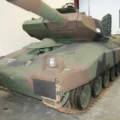 M8 páncélozott fegyverrendszer – Fotók és videók
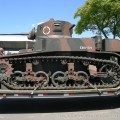 M3A1 Stuart vol2 - Fotók és videó
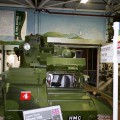 Vickers Mk VIb vol2 – Séta
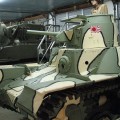 95-ös típusú tartály Ha-Go – WalkAround
 M3A1 Stuart – Sétaaround
 Szovjet lovassági tank BT-7 - Séta körül
 Könnyű tank M24 Chaffee - Séta körül
 Char rapide BT-5 – Séta