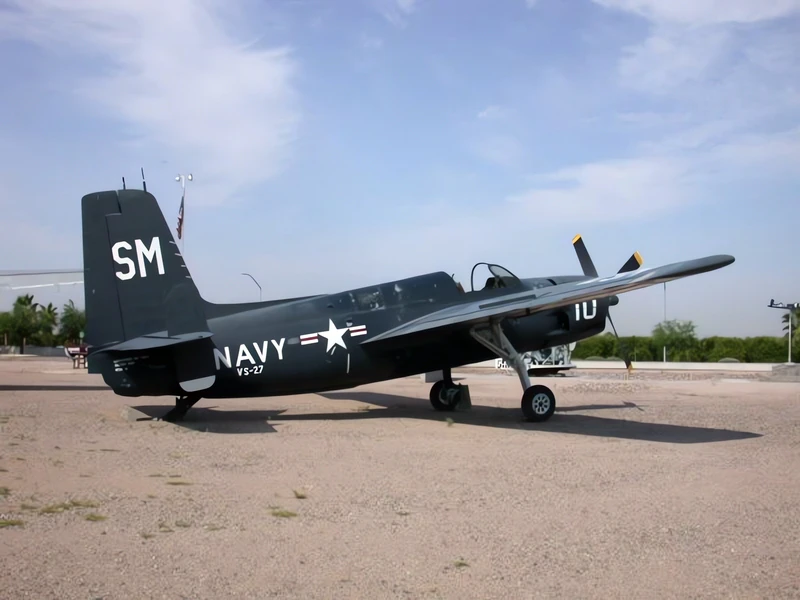
Grumman AF Guardian | |
|---|---|
| Country | USA |
| Role | Anti-submarine aircraft |
| First flight | 19 December 1945 |
| Built | 389 |
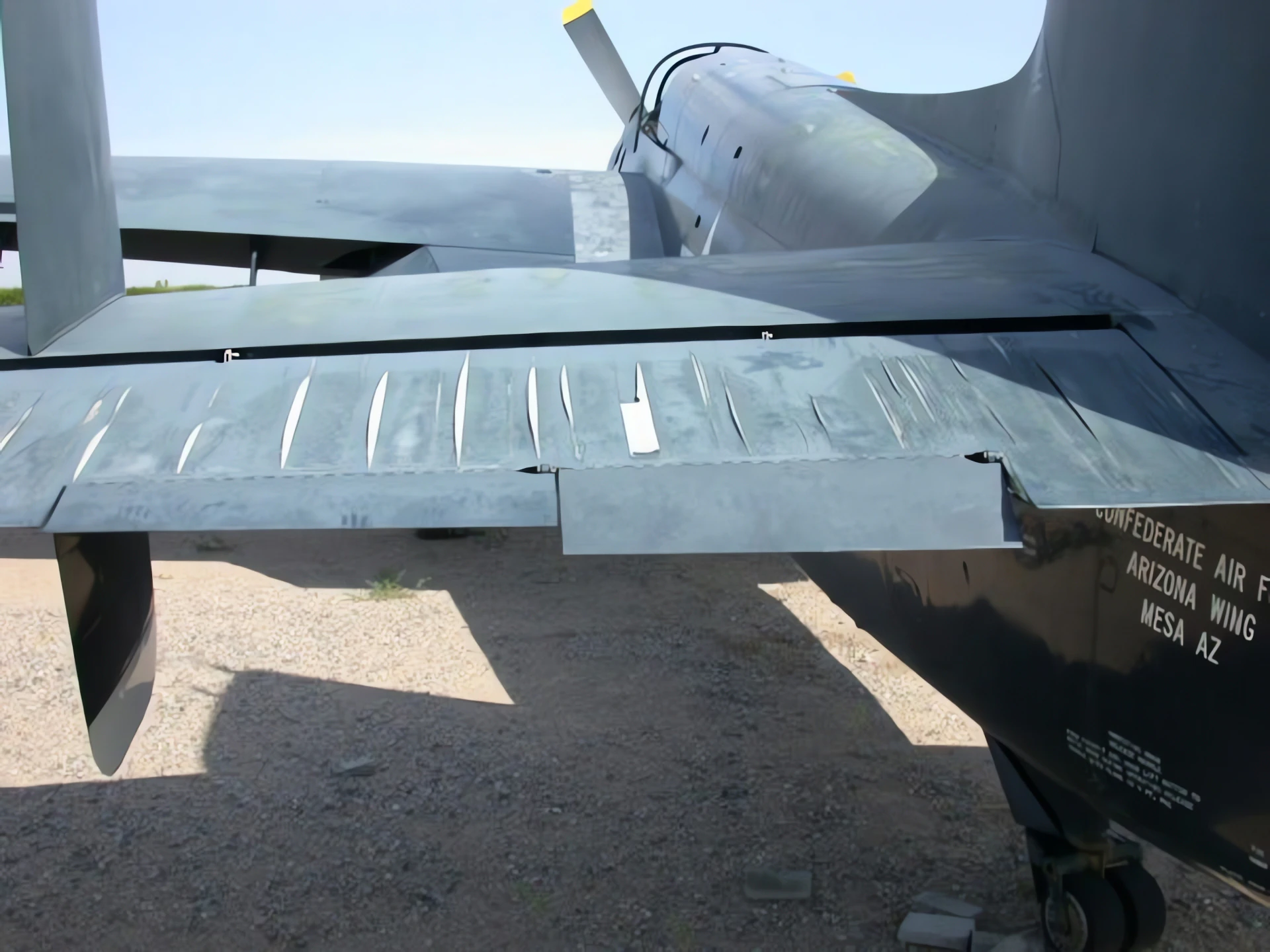
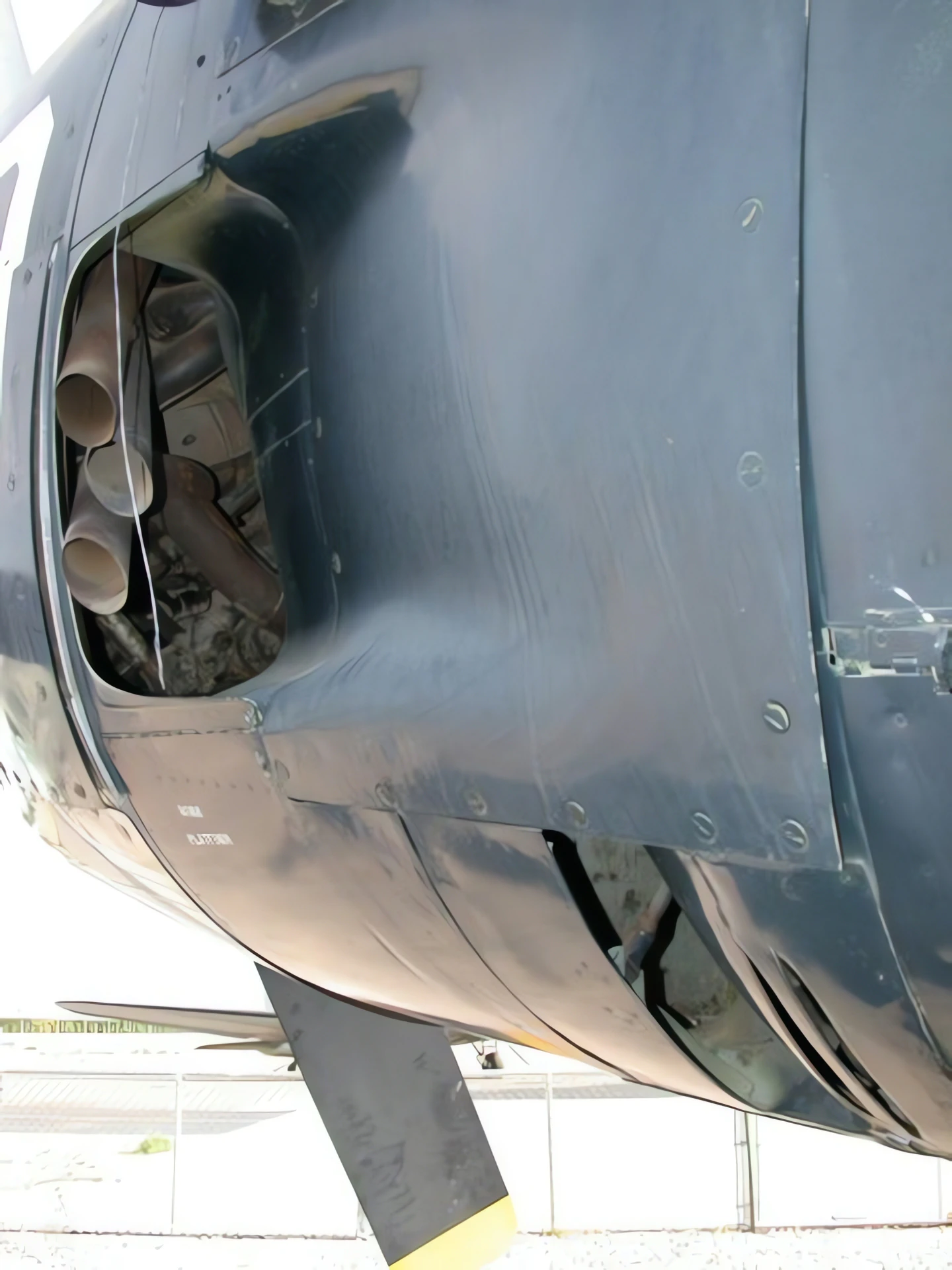
The Grumman AF Guardian was the first purpose-built anti-submarine warfare (ASW) carrier-based aircraft to enter service with the United States Navy. It consisted of two airframes, one for detection gear, the other for weapons. The Guardian remained in service until August 1955, when it was replaced by the twin-engined Grumman S-2 Tracker. The Guardian was the largest single-engine piston-powered carrier aircraft ever to see service.
Source: Grumman AF Guardian on Wikipedia
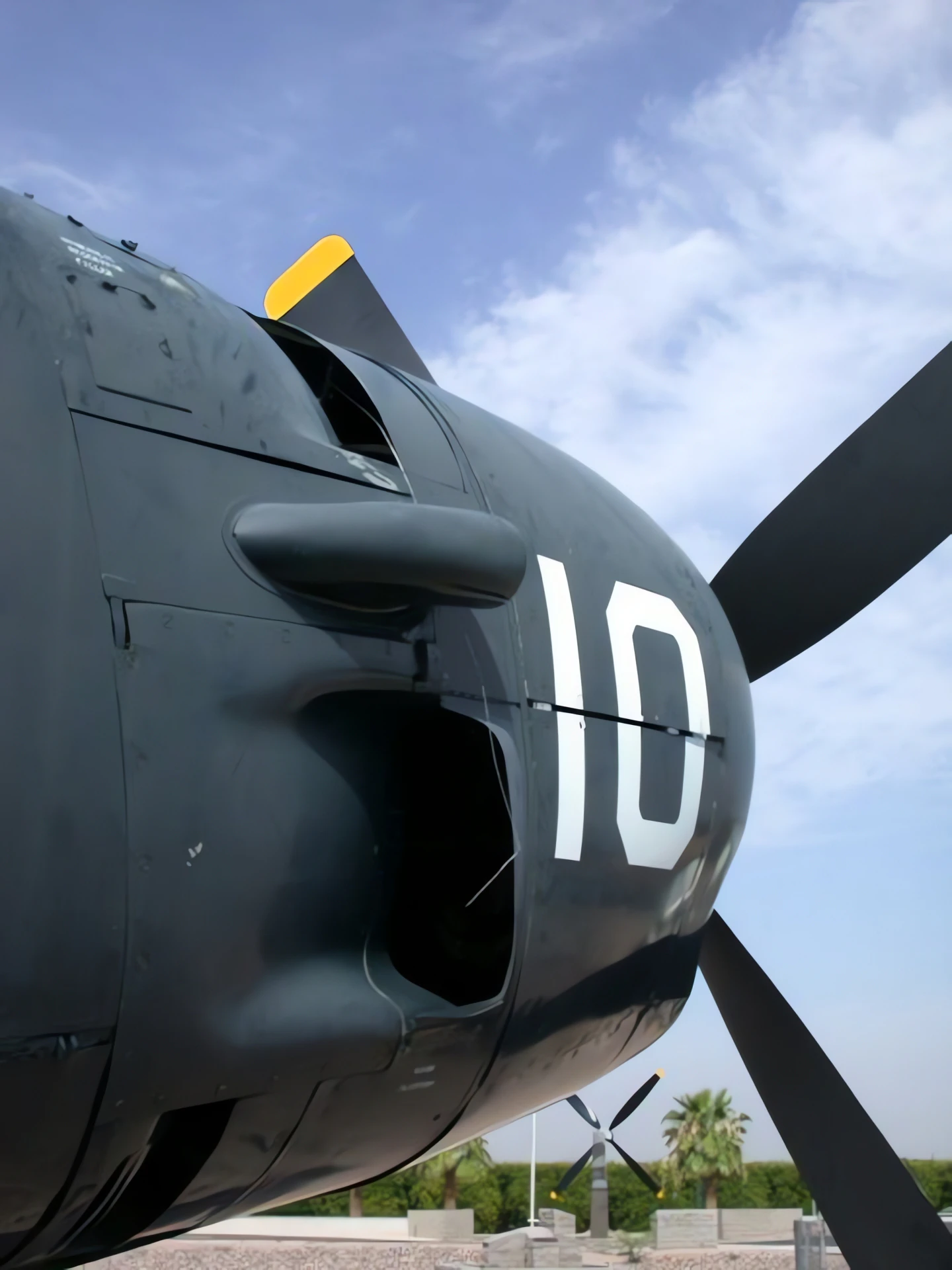
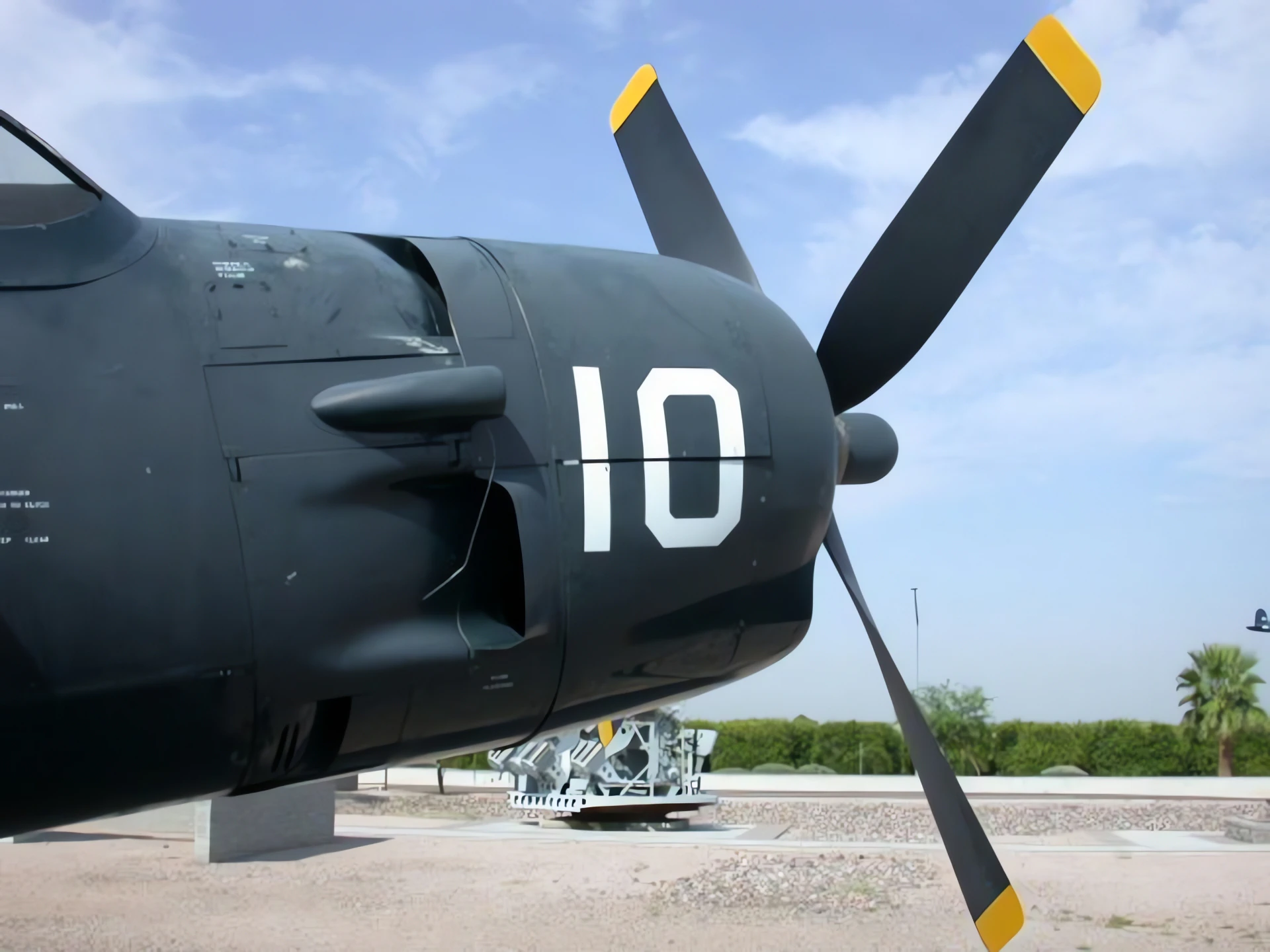
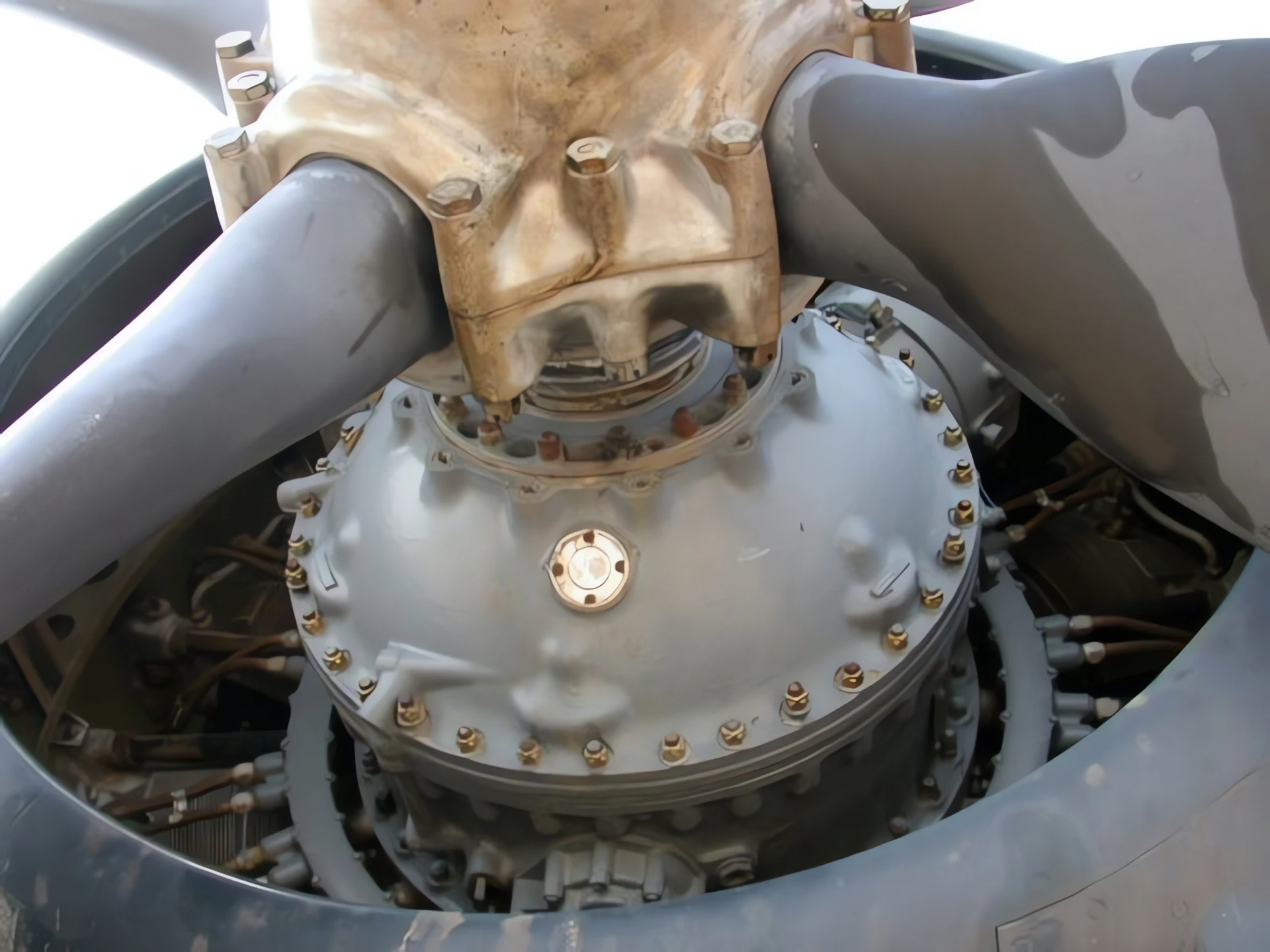
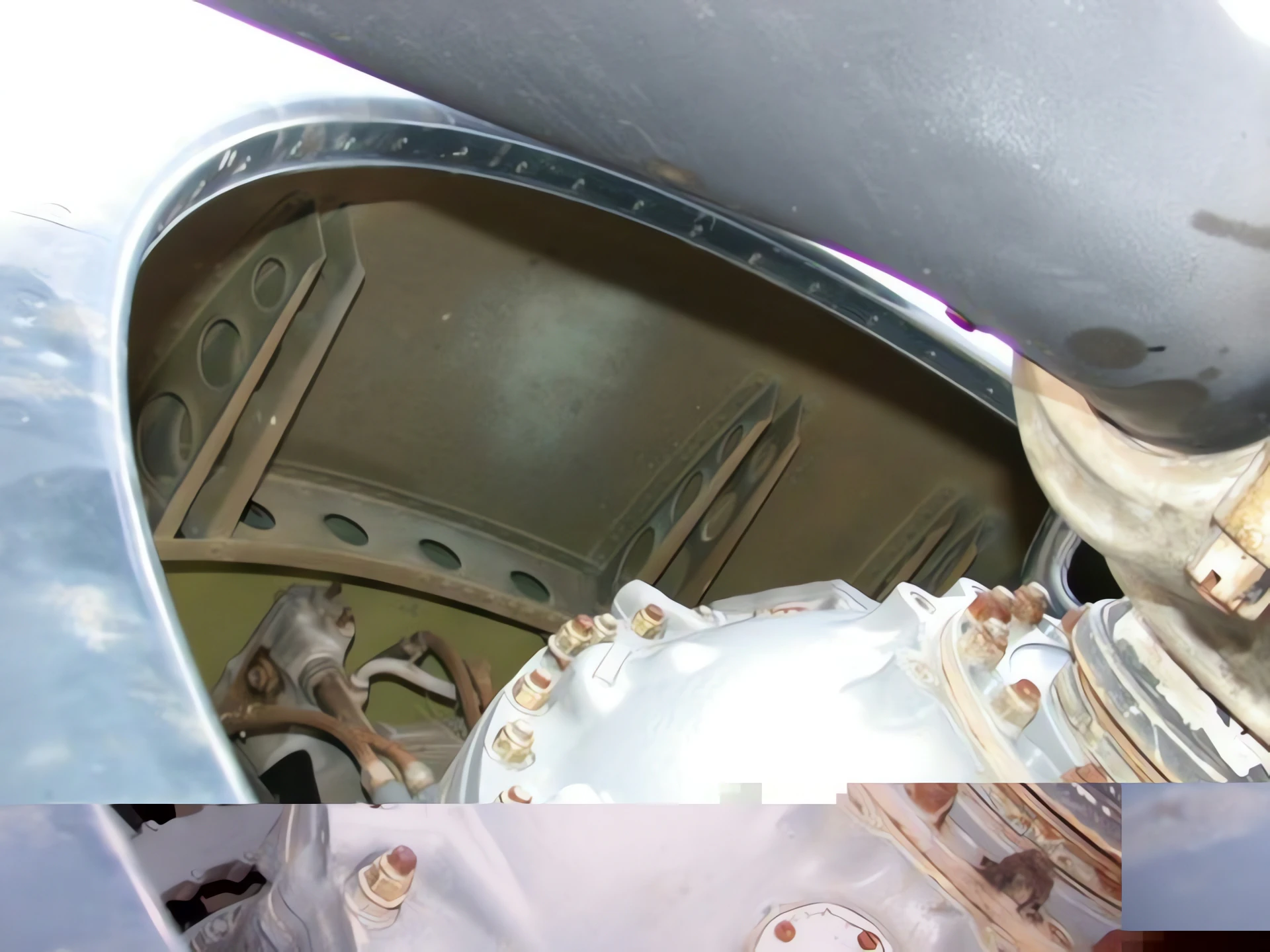
| AF Guardian Walk Around | |
|---|---|
| Photographer | Fotios Rouch |
| Localisation | Unknow |
| Photos | 35 |
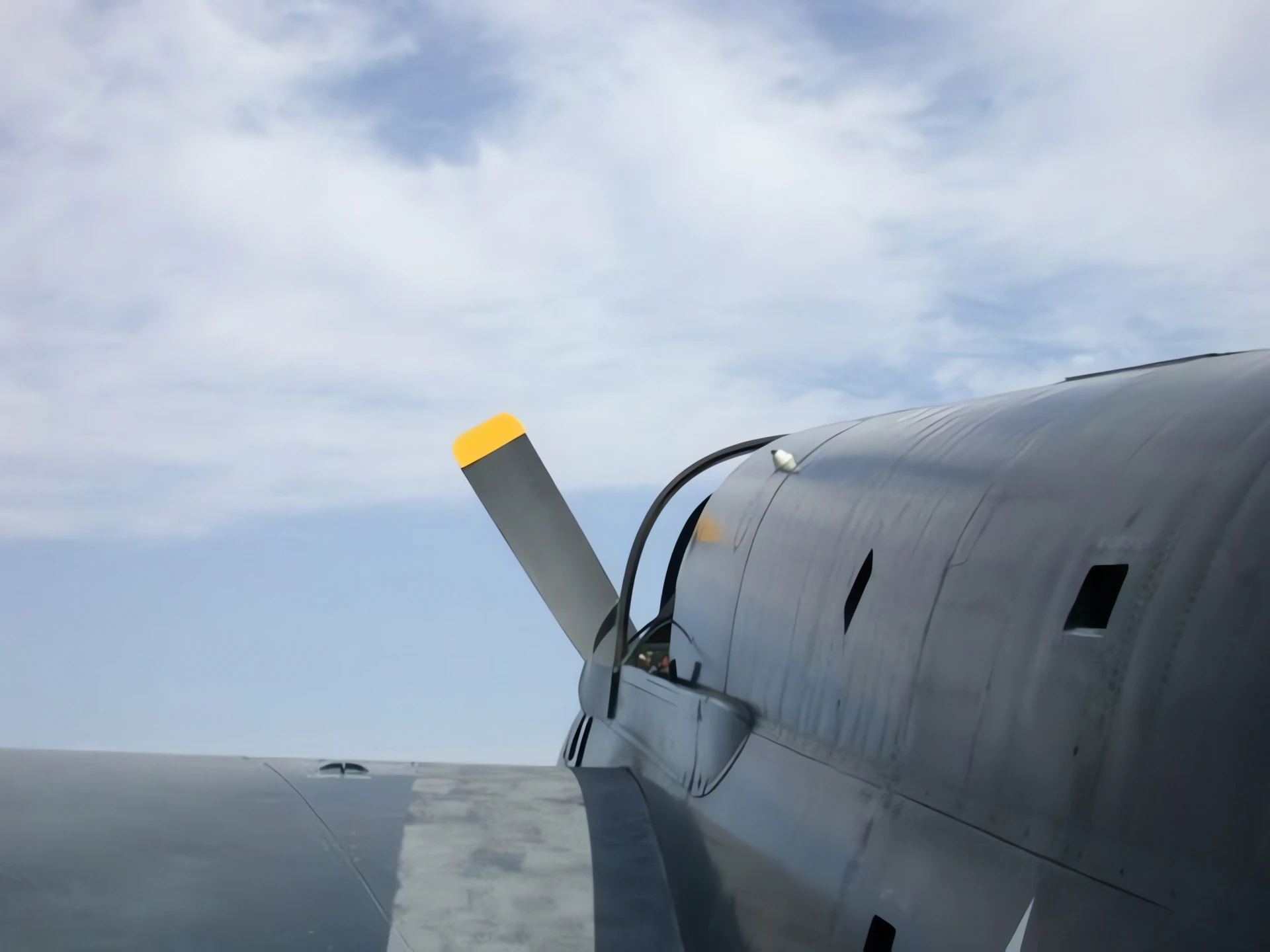
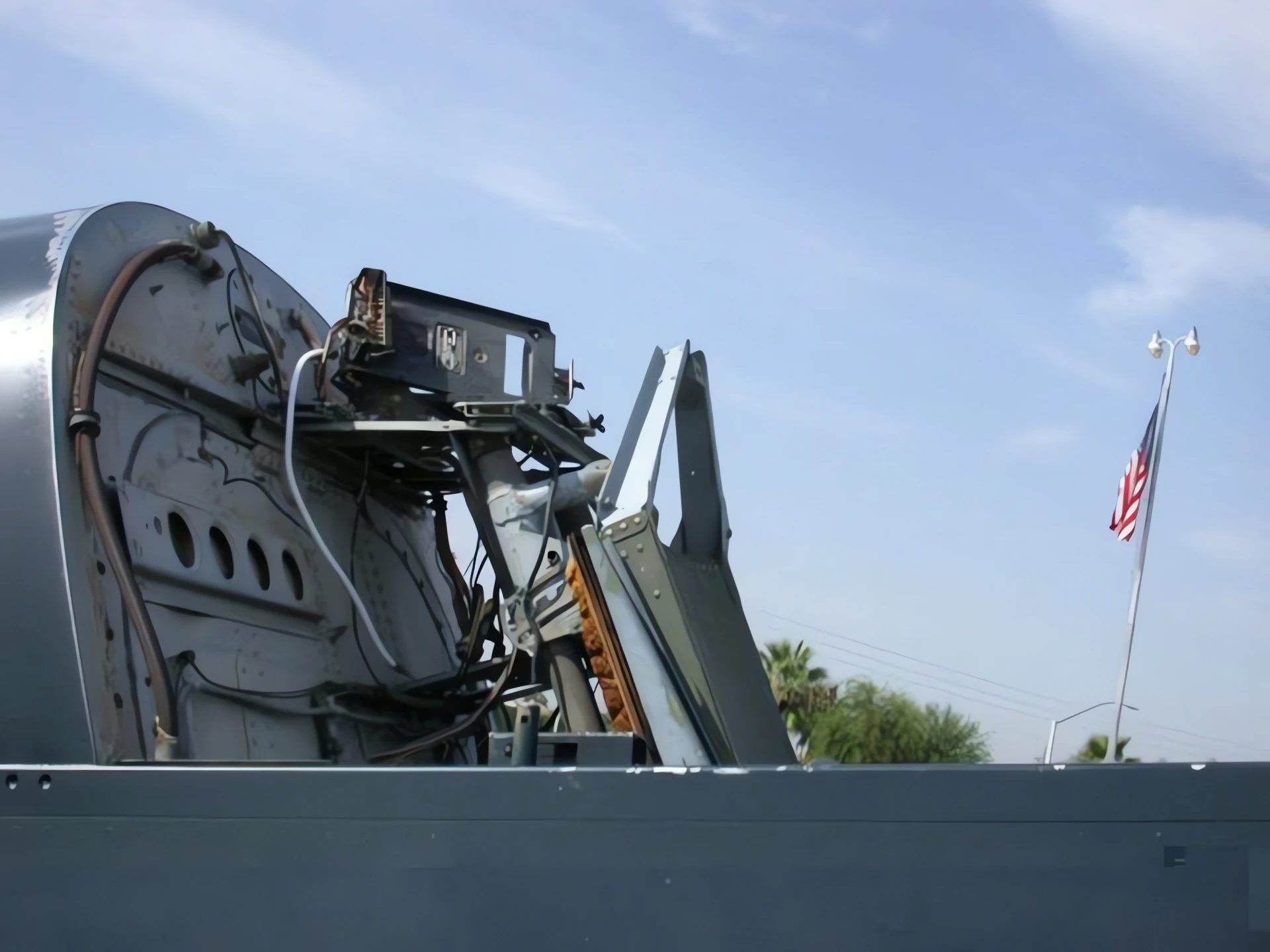
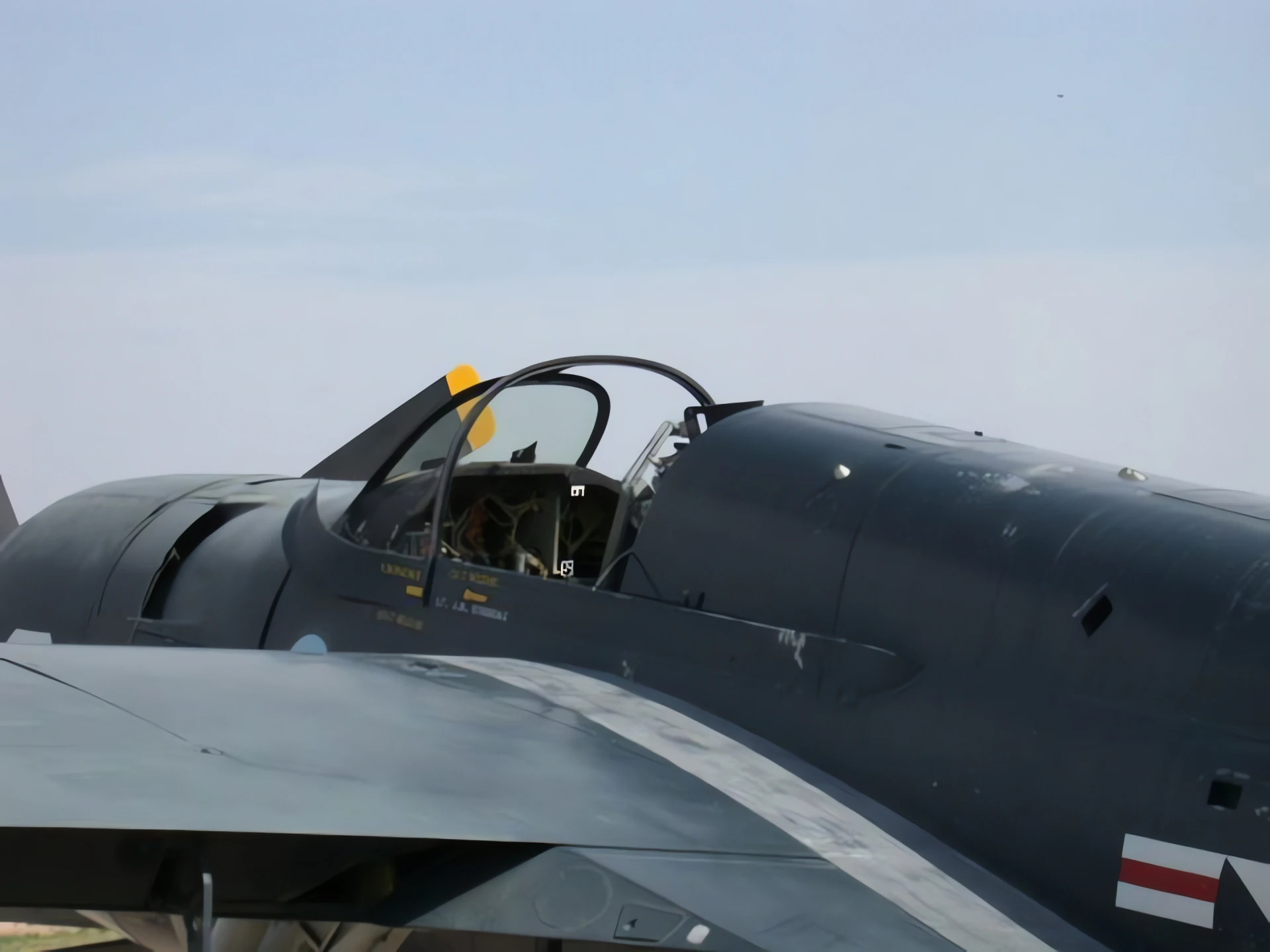


See also:


General Characteristics and Role
The Grumman AF Guardian was the first purpose-built, carrier-based Anti-Submarine Warfare (ASW) system in the world. It was a large, single-engine aircraft that operated as a hunter-killer team consisting of two specialized variants flown in tandem: the AF-2W (Hunter), which carried the radar and detection gear to locate the submarine, and the AF-2S (Killer), which carried the ordnance to attack it. Developed for the US Navy in the late 1940s, it filled a critical gap in capability during the early Cold War era, where the threat of Soviet submarines was rapidly increasing. The Guardian was the last piston-engine aircraft designed for combat roles flown by the US Navy, preceding the shift to twin-engine jet and turboprop ASW aircraft.
| Property | Typical Value (AF-2S / AF-2W) |
|---|---|
| Role | Anti-Submarine Warfare (ASW) Hunter-Killer |
| National Origin | United States |
| Manufacturer | Grumman Aircraft Engineering Corporation |
| Service Entry | September 1950 |
| Crew | 4 (AF-2S) / 3 (AF-2W) |
| Length | 13.21 m (43 ft 4 in) |
| Wingspan | 18.49 m (60 ft 8 in) |
| Height | 5.02 m (16 ft 5.5 in) |
| Empty Weight | 6,776 kg (14,940 lb) |
| Max Takeoff Weight | 10,433 kg (23,000 lb) |
Powerplant and Performance
- Engine: One Pratt & Whitney R-2800-48W Double Wasp 18-cylinder, air-cooled radial engine.
- Power Output: 1,864 kW (2,500 hp).
- Maximum Speed: 507 km/h (315 mph; 274 kn).
- Cruise Speed: 238 km/h (148 mph; 129 kn).
- Range: 2,415 km (1,500 mi; 1,300 nmi).
- Endurance: Up to 5.5 hours, necessary for long anti-submarine patrols.
ASW Equipment and Variants
- AF-2W (Hunter): Featured a large, distinctive radar dome (radome) under the fuselage containing the AN/APS-20 search radar, replacing the bomb bay. It lacked offensive armament.
- AF-2S (Killer): Carried the ordnance. Its large bomb bay could accommodate:
- Torpedoes (e.g., Mk 13).
- Depth charges (conventional or nuclear).
- Rockets (underwing hardpoints).
- Operational Use: Guardians primarily flew from the smaller Escort Carriers (CVEs) or early versions of modern carriers and were gradually replaced by the twin-engine Grumman S-2 Tracker starting in the mid-1950s.
Views : 2135
You can see also :
 Lockheed Model 10 Electra – Photos & Videos
 Lockheed C-5 Galaxy – Photos & Videos
 Northrop Grumman X-47B – Photos & Videos
 Grumman G-73 Mallard – Photos & Videos
 Lockheed LC-130 – Photos & Videos
 Lockheed U-2 – Photos & Video
 Lockheed P-2 Neptune – Photos & Video
 Northrop Grumman EA-6B Prowler – Photos & Video
 Lockheed P-38 Lightning – Photos & Video
 Lockheed F-22A Raptor – Photos & Video