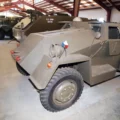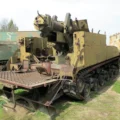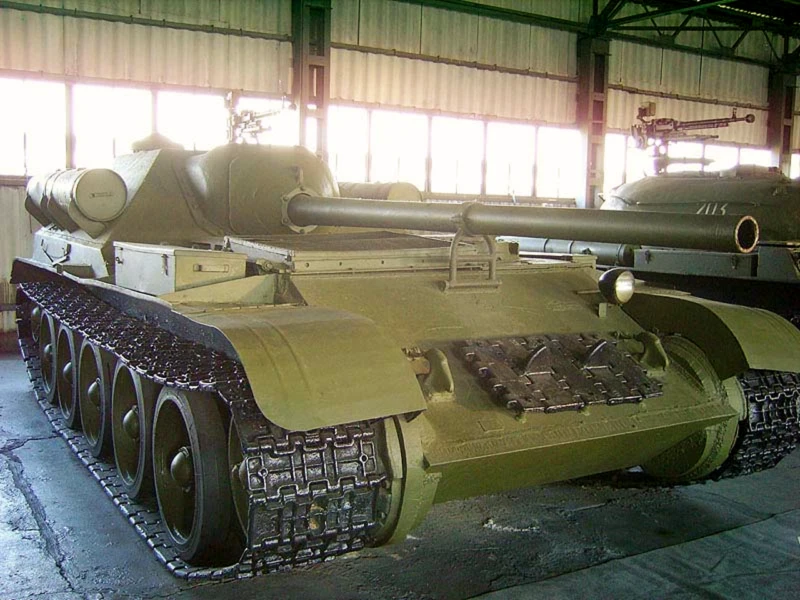
Su-101 ウラルマシュ | |
|---|---|
| 国 | ソ連 |
| 役割 | 自走砲 (試作) |
| 設計 | 1944-1945 |
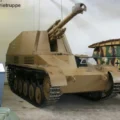
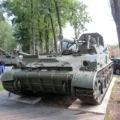
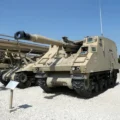
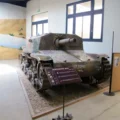
ザ ウラルマッシュ-1 (а-1)は、第二次世界大戦中に開発されたソ連のプロトタイプ自走砲でした。これは、1944年秋から1945年春の間にエカテリンブルクに拠点を置くウラルマッシュ設計局(UZTM)によって設計された砲塔のない、追跡装甲戦闘車両でした。T-44中戦車のシャーシを使用し、1944年後半に赤軍としか就航していなかったSU-100を置き換えることを目的としていた。●1945年初頭に、100mm D-10戦車砲を搭載し、もう1つは122mm D-25S戦車砲を搭載した、異なる武装を備えたウラルマッシュ-1の2つのプロトタイプが建造されました。量産が当初推奨されていたが、1945年5月のドイツとの終戦により、最終的には必要性の欠如によりプロジェクトが中止された。ウラルマッシュ-1が就航していた場合、100mmバリアントはSU-101(СС-101)に指定され、122mmバリアントはソ連の軍事命名法に従ってSU-102(СС-102)に指定され、サモクドナヤ・ウスタノフカ(または自走砲)の「SU」ラベルが立っていた。
| Su-101「ウラルマシュ」ウォーク・アラウンド | |
|---|---|
| カメラマン | ウラジーミル・クビンカ・アーマー博物館 |
| ローカライズ | 知りません |
| 写真 | 29 |
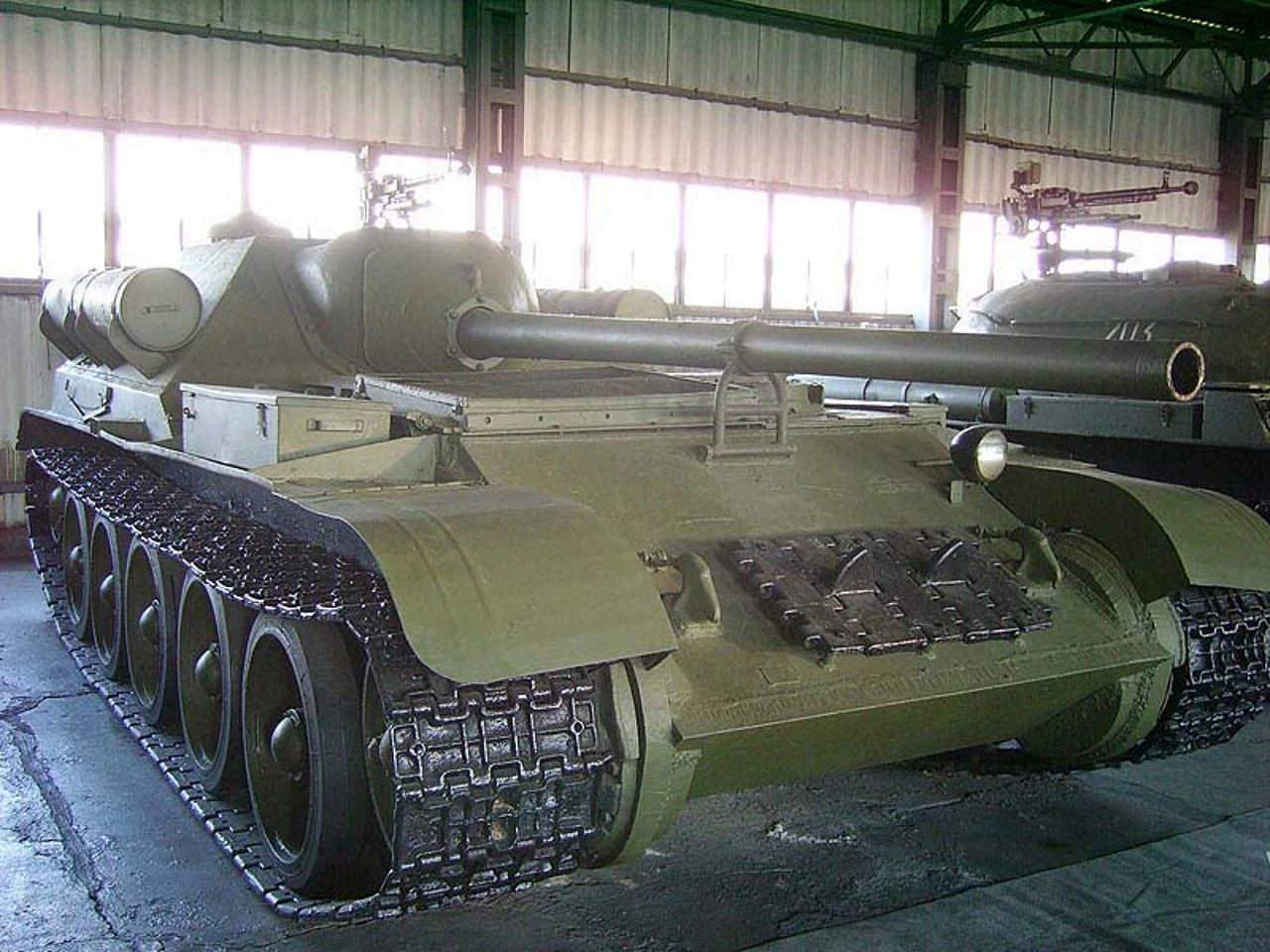
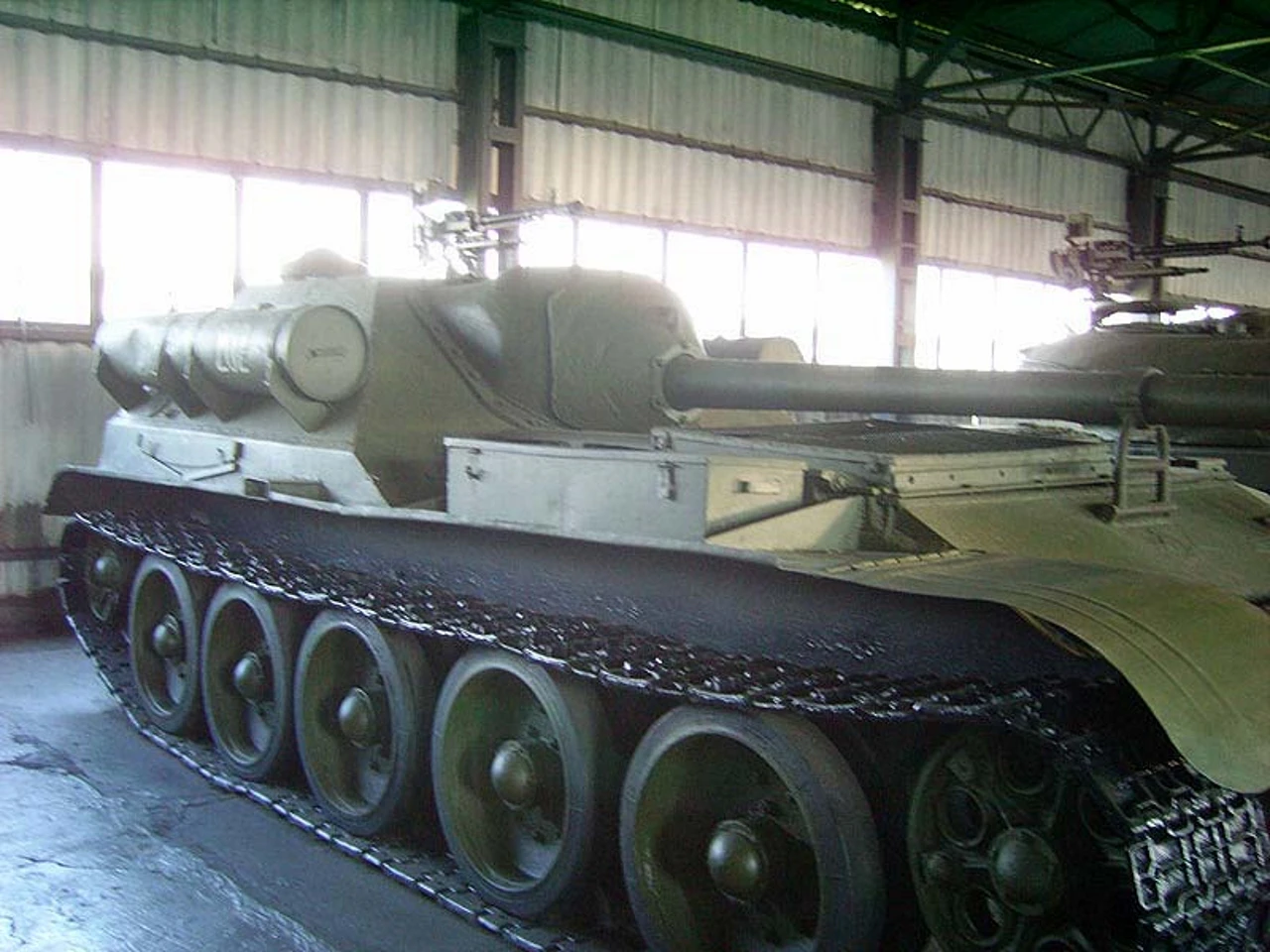
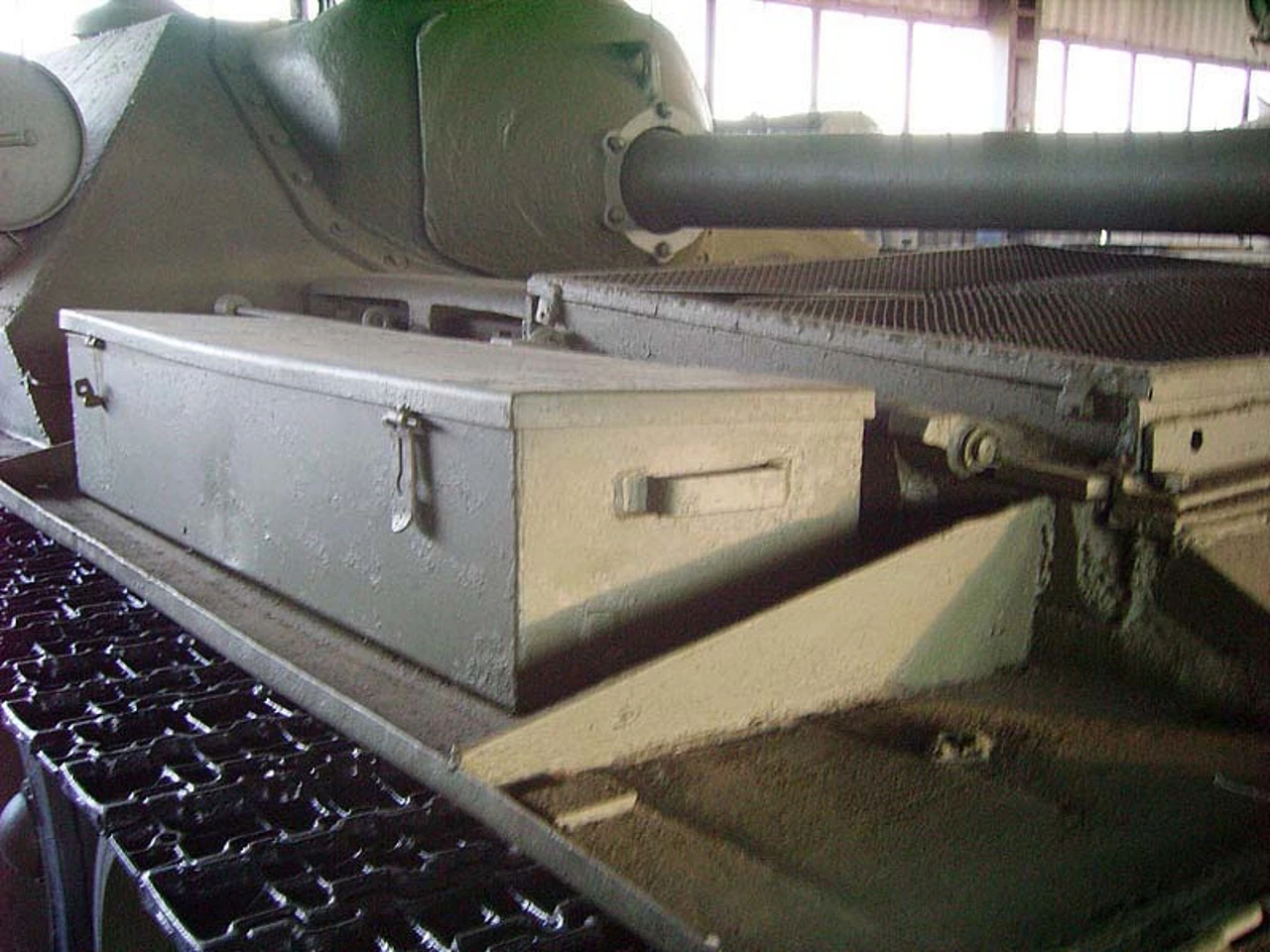
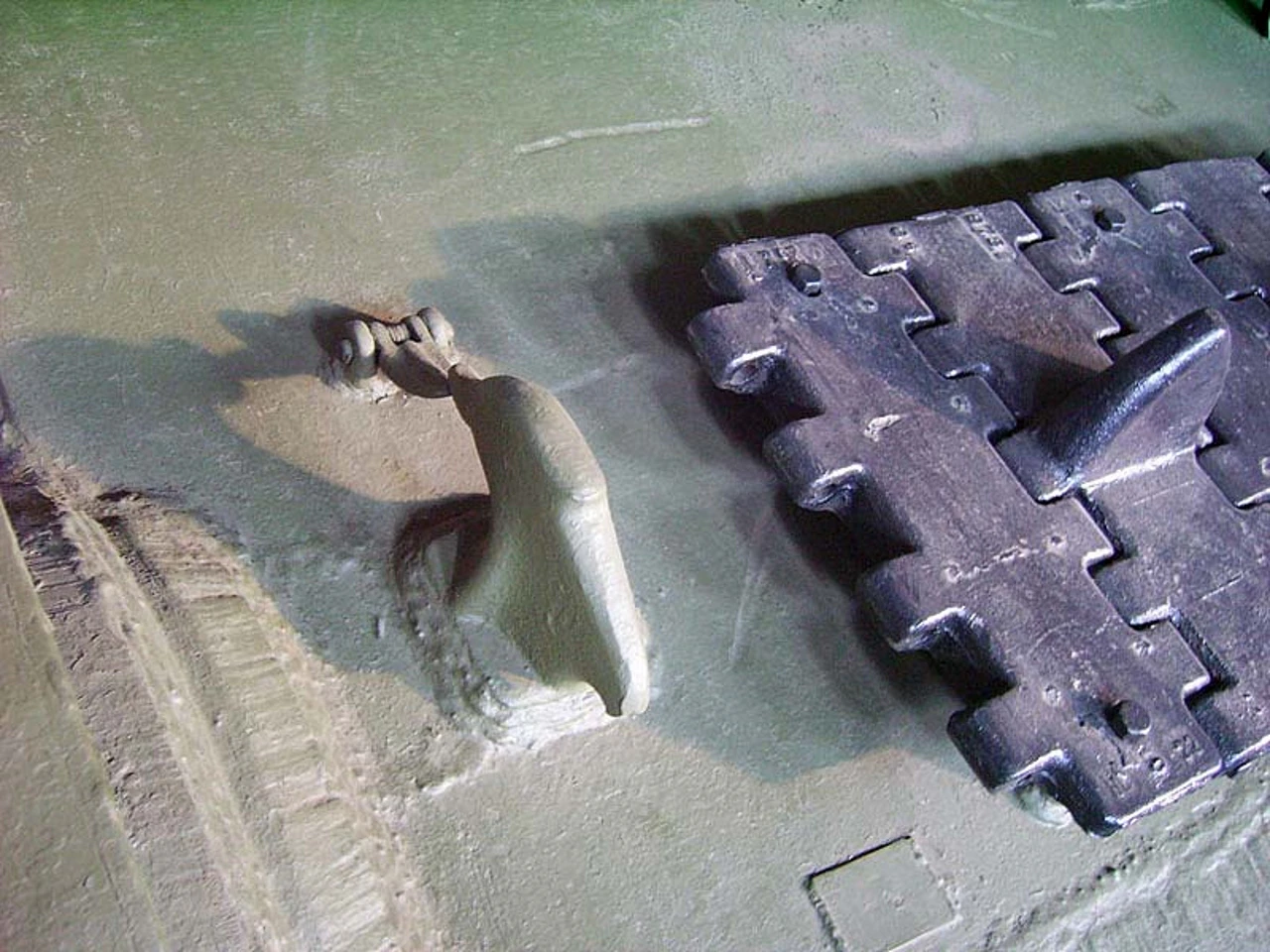
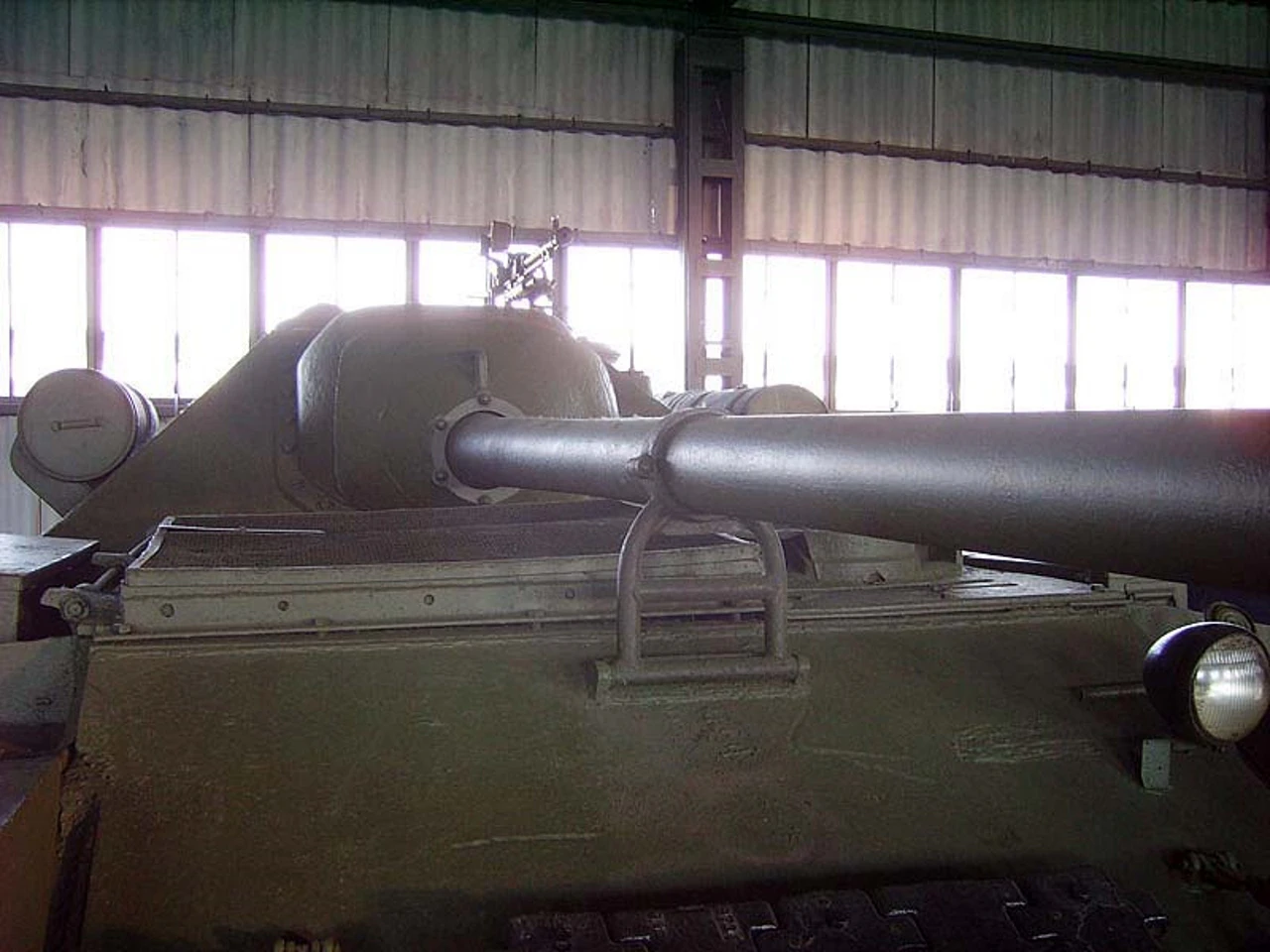
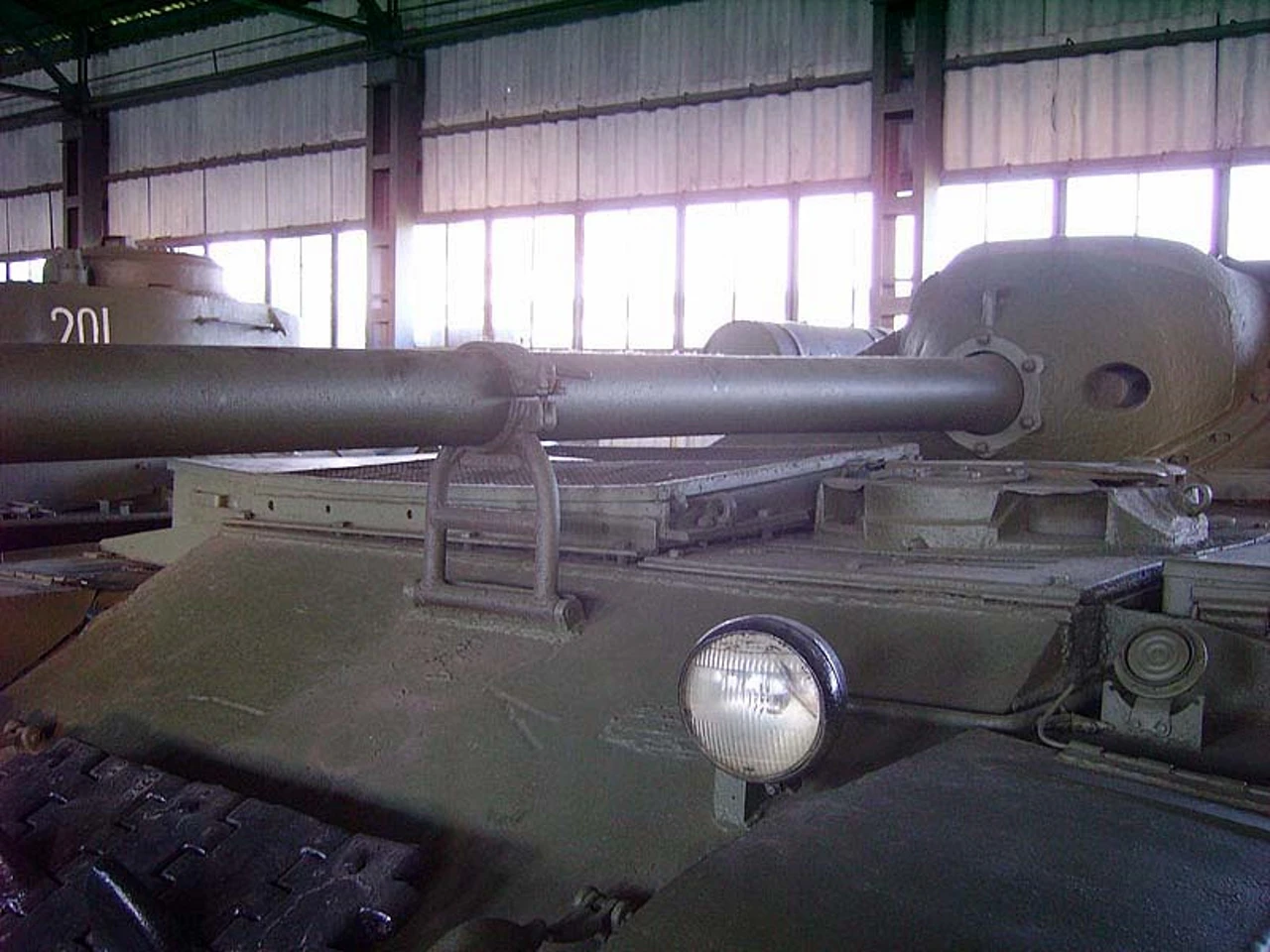
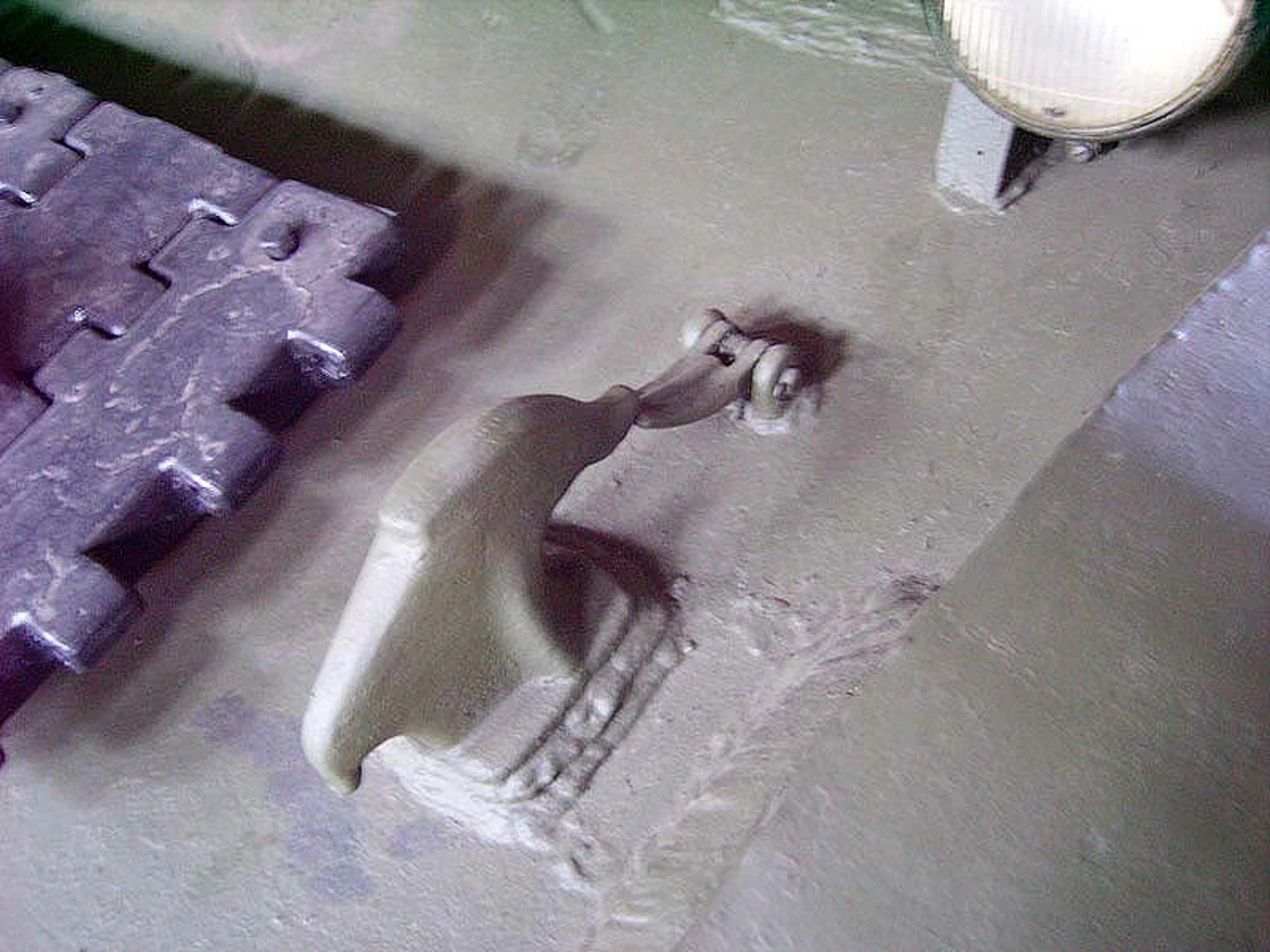
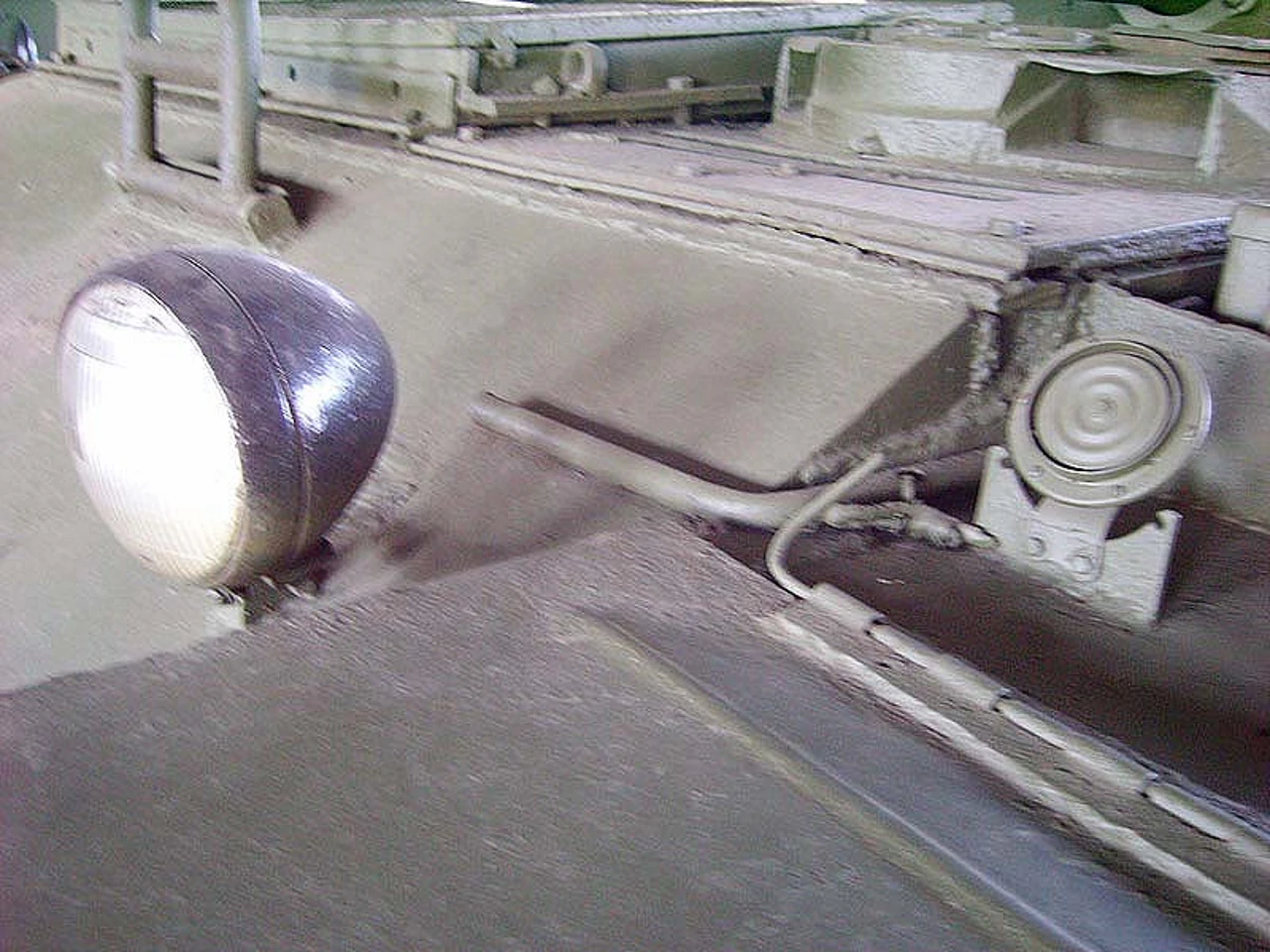
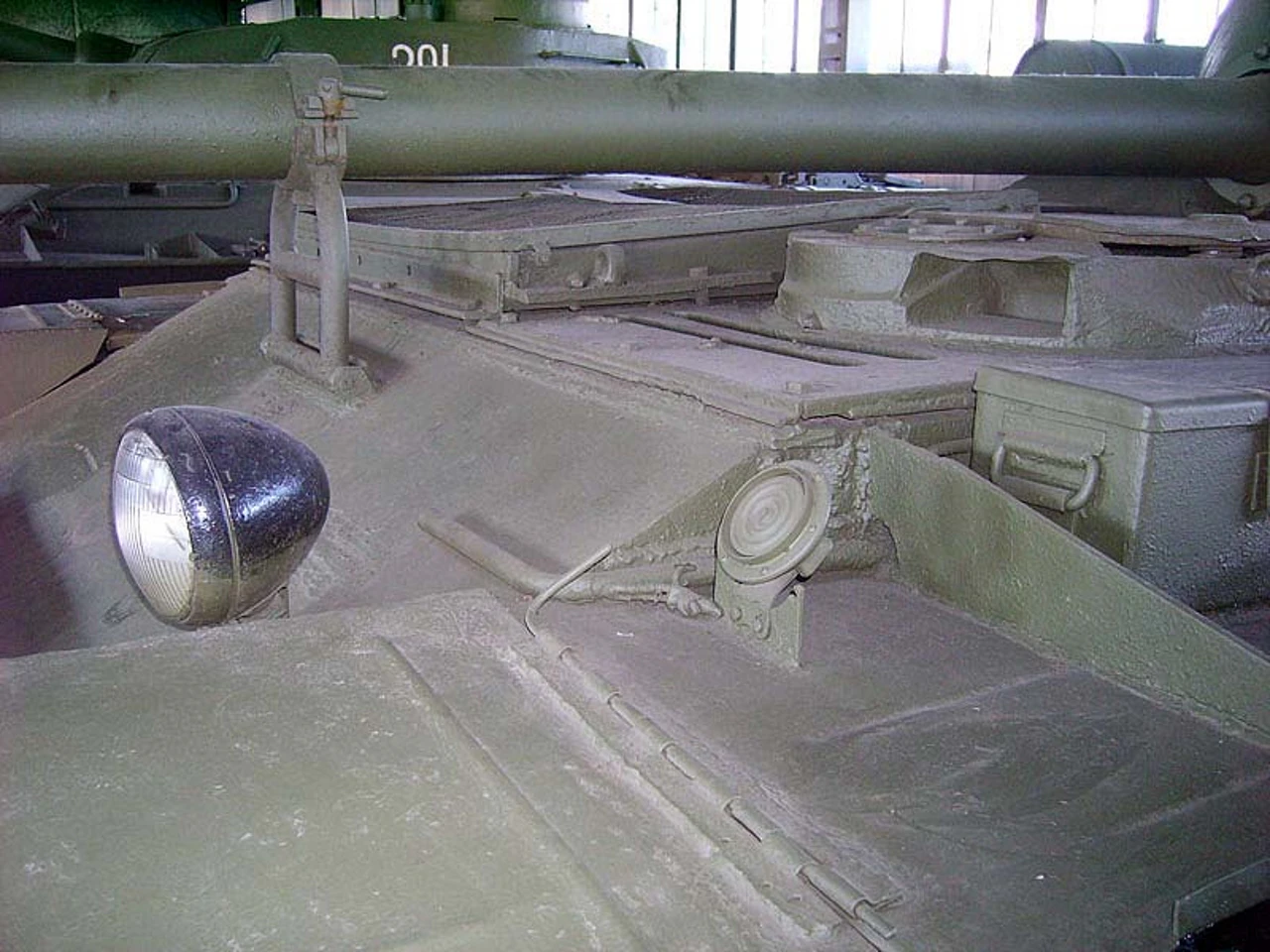

| SU-101 ウラルマッシュ駆逐戦車 ウォークアラウンド | |
|---|---|
| カメラマン | 知りません |
| ローカライズ | |
| 写真 | 32 |
関連項目:


The “Last Word” in Tank Hunting
ザ Su-101 (also known as the Uralmash-1) was an experimental Soviet self-propelled gun developed at the very end of WWII. Based on the chassis of the T-44 tank, it was designed to replace the Su-100. Its most radical feature was the rear-mounted casemate, a complete reversal of Soviet design tradition. This layout was intended to solve the “long-nose” problem of previous tank destroyers, where the gun barrel often stuck out so far it would dig into the ground or hit obstacles during maneuvers.
| Attribute | Technical Specification (Su-101) |
|---|---|
| 役割 | Self-Propelled Gun / Tank Destroyer |
| 乗組員 | 4 (Commander, Gunner, Loader, Driver) |
| First Prototype | April 1945 |
| 主砲 | 100 mm D-10S gun |
| 副武装 | 12.7 mm DShK anti-aircraft machine gun |
| Frontal Armor | 120 mm (sloped at 55 degrees) |
| パワープラント | V-44 diesel (500 hp) |
| Top Speed | 54 km/h (33.5 mph) |
A Masterclass in Ballistic Protection
- Rear-Mounted Casemate: By moving the fighting compartment to the rear, the designers were able to shorten the overall length of the vehicle significantly. This improved the weight distribution and allowed the heavy 100mm (or 122mm on the Su-102) gun to be mounted with minimal overhang.
- Extreme Sloped Armor: The Su-101 featured armor plates sloped at aggressive angles. Its 120mm frontal plate was effectively much thicker against incoming kinetic energy shells, making it nearly invulnerable to the German 88mm PaK 43 from the front.
- Engine-Forward Protection: Like the modern Israeli Merkava, the engine was placed at the front. This provided an additional layer of mechanical “armor” for the crew sitting in the rear compartment.
- Low Silhouette: Despite the powerful gun, the vehicle stood only 2.1 meters high, making it an exceptionally difficult target to spot and hit in an ambush.
The “Oven” Problem
- The Heat Issue: The most significant flaw of the Su-101 was the heat. Because the engine was directly in front of the crew with poor ventilation, the interior temperatures became unbearable during summer testing, sometimes reaching 50°C (122°F).
- Cramped Fighting Compartment: The rear-mounted design and low profile left very little room for the crew. Working the large 100mm shells in such a tight space was exhausting and dangerous during rapid fire.
- The Su-102 Variant: A second prototype, the Su-102, was built using a massive 122mm D-25S gun. The recoil of this gun proved to be so violent for the light T-44 chassis that it caused structural concerns.
- Post-War Fate: By the time the issues were being ironed out, the war was over and the T-54 tank was entering production. The T-54’s rotating turret offered similar firepower with much more versatility, rendering the fixed-casemate Su-101 obsolete. The only surviving prototype is now a star attraction at the **Kubinka Tank Museum**.
ビュー : 2404