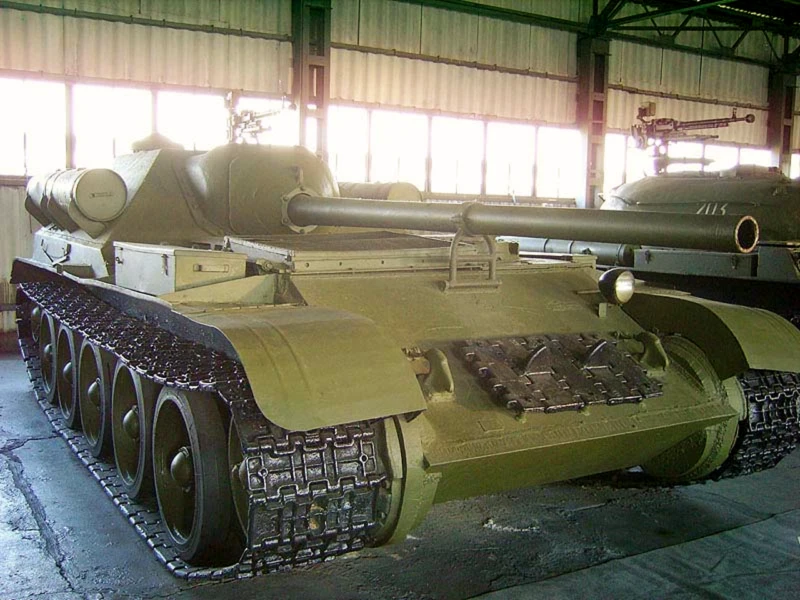
Su-101 Uralmaš | |
|---|---|
| Krajiny | Sovietsky zväz |
| Úlohu | Samohybné delo (prototyp) |
| navrhnutý | 1944-1945 |
Komisia Uralmaš-1 (Уралмаш-1) bol sovietsky prototyp samohybného dela vyvinutý počas druhej svetovej vojny. Išlo o bezvežové, pásové obrnené bojové vozidlo navrhnuté jekaterinburskou konštrukčnou kanceláriou Uralmaš (UZTM) od jesene 1944 do jari 1945. Používal podvozok stredného tanku T-44 a mal nahradiť SU-100, ktorý sám vstúpil do služby Červenej armády až koncom roka 1944. Začiatkom roku 1945 boli postavené dva prototypy Uralmaš-1 s inou výzbrojou, jeden so 100 mm tankovým kanónom D-10, druhý so 122 mm tankovým kanónom D-25S. Zatiaľ čo sériová výroba bola pôvodne odporúčaná, koniec vojny s Nemeckom v máji 1945 nakoniec spôsobil zrušenie projektu pre nedostatok potreby. Ak by Uralmaš-1 vstúpil do služby, 100 mm variant by bol označený SU-101 (СУ-101), zatiaľ čo 122 mm variant by bol označený SU-102 (СУ-102), v súlade so sovietskou vojenskou nomenklatúrou, kde označenie "SU" znamenalo Samochodnaja Ustanovka alebo samohybné delo.
Zdrojový: Su-101 Uralmash na Wiki
| Su-101 “Uralmash” Walk Around | |
|---|---|
| Fotografov | Vladimir Kubinka Armor Museum |
| Lokalizácia | Neznáme |
| Fotografie | 29 |
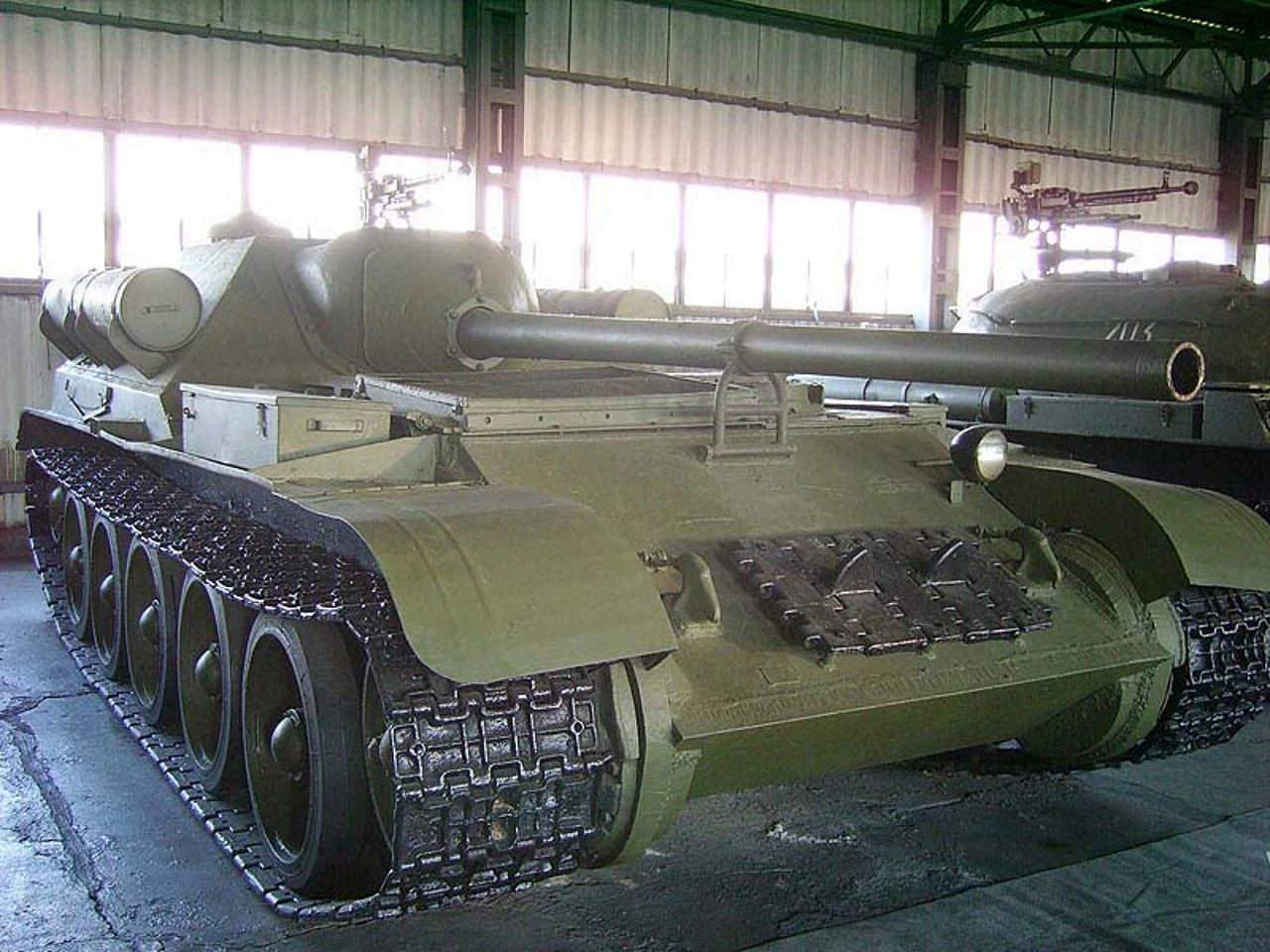
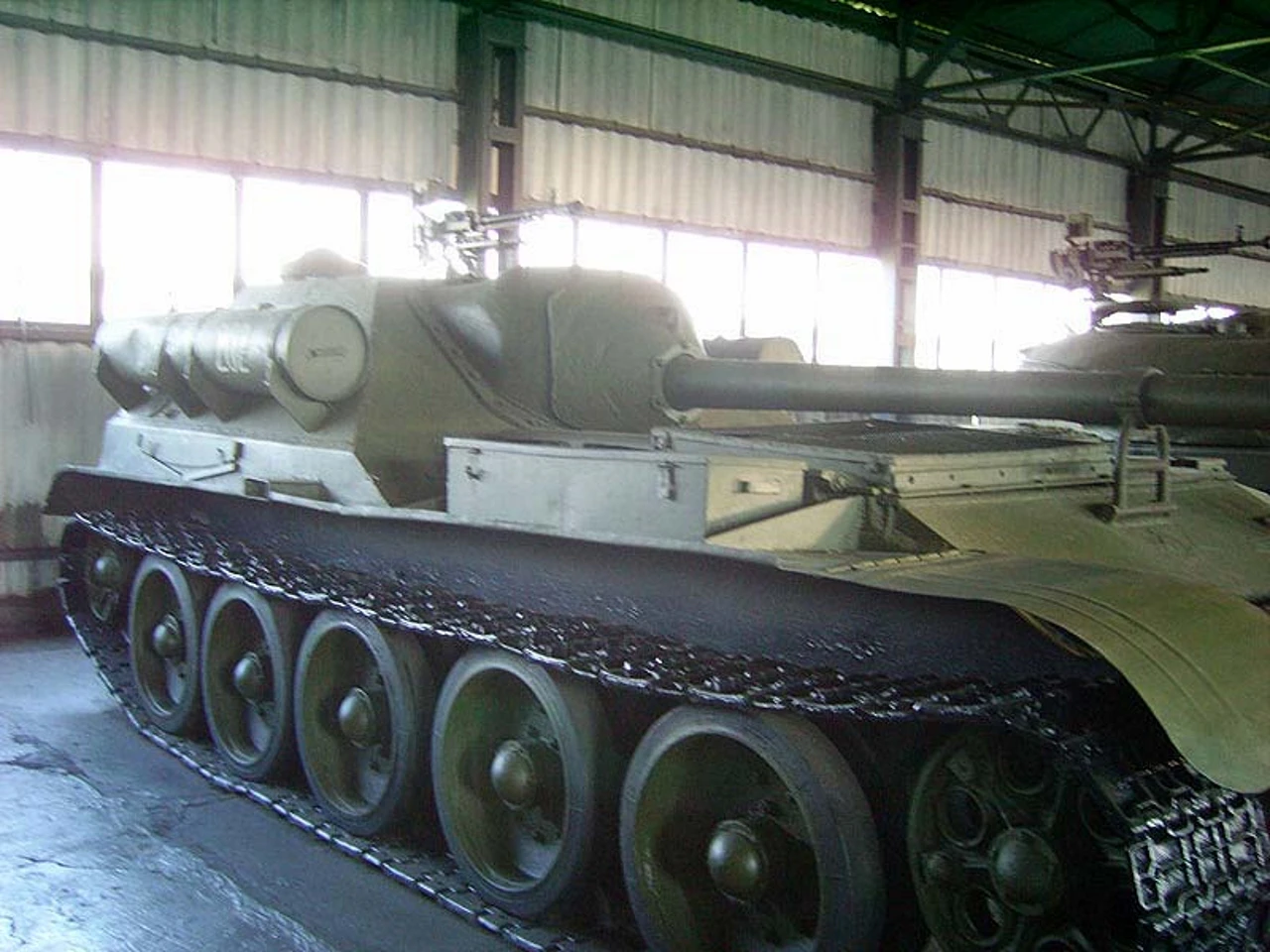
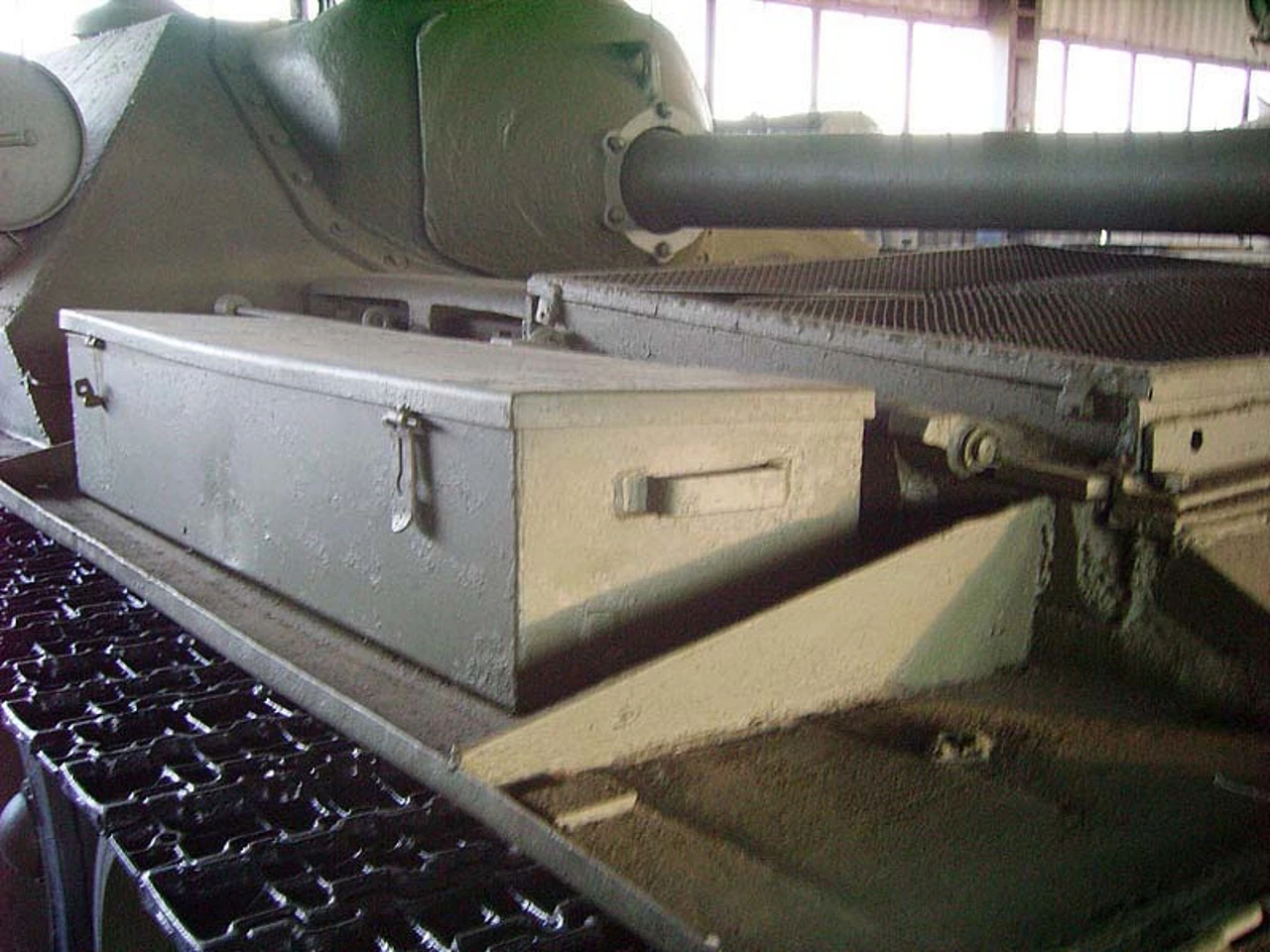
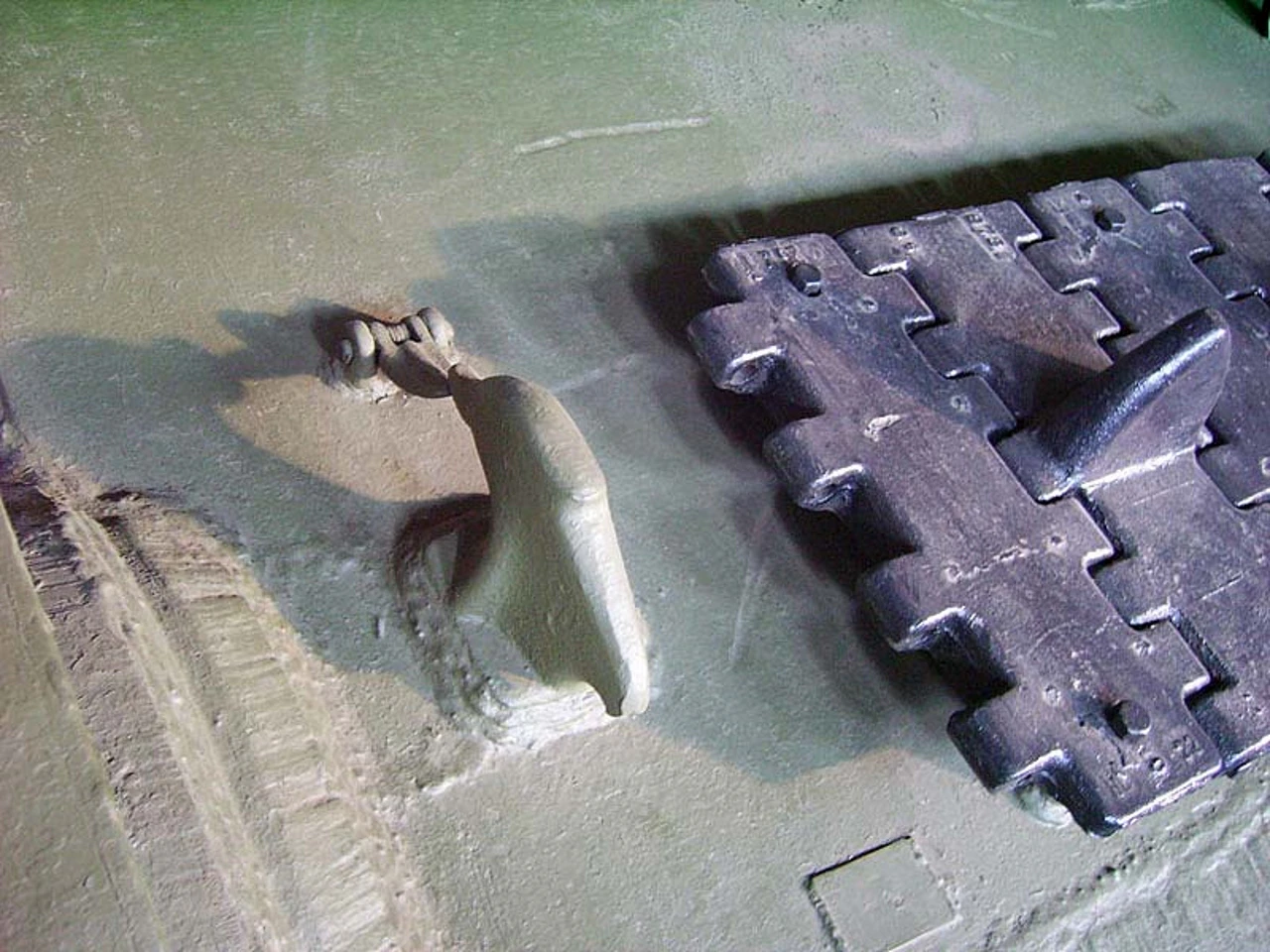
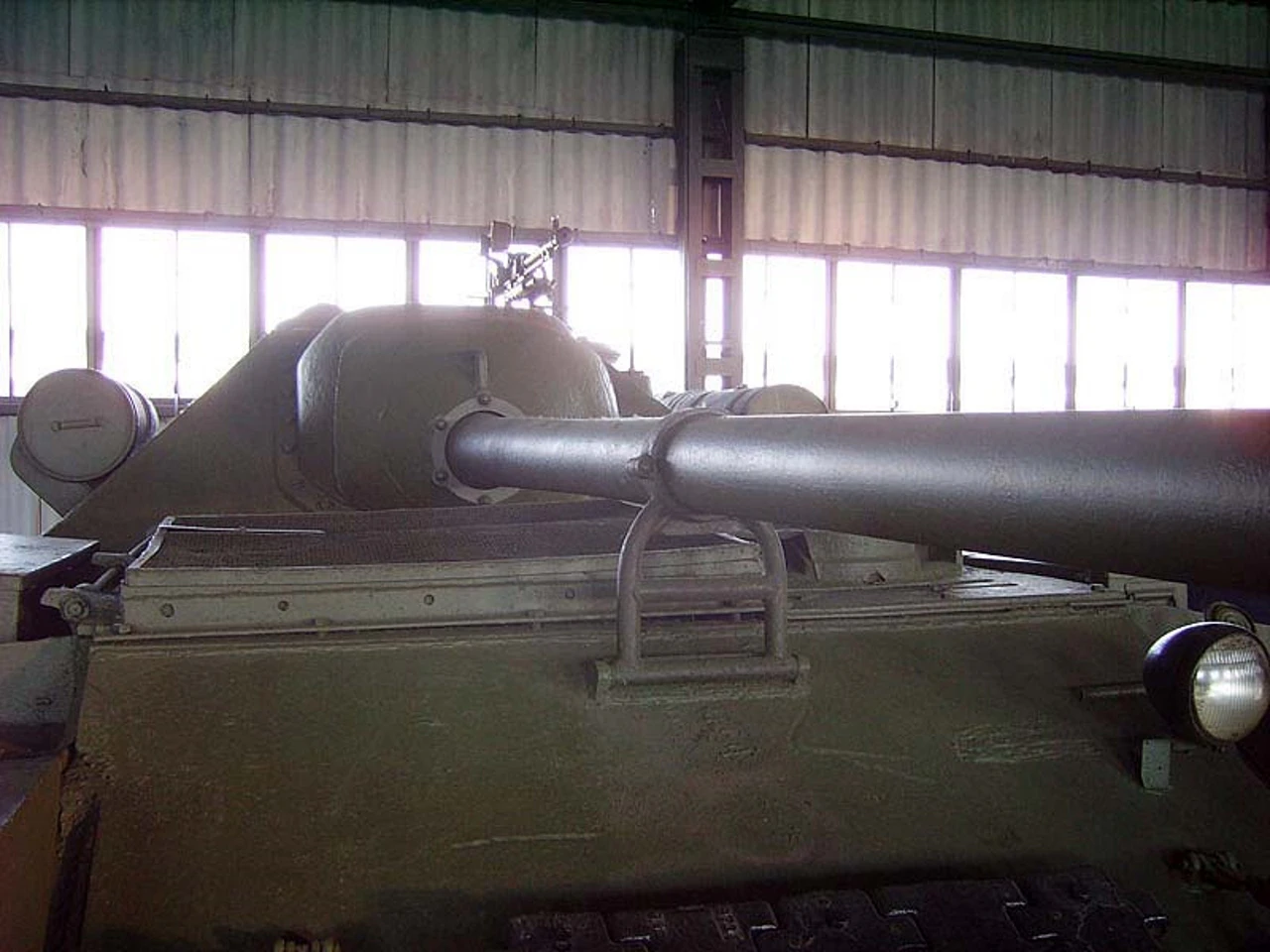
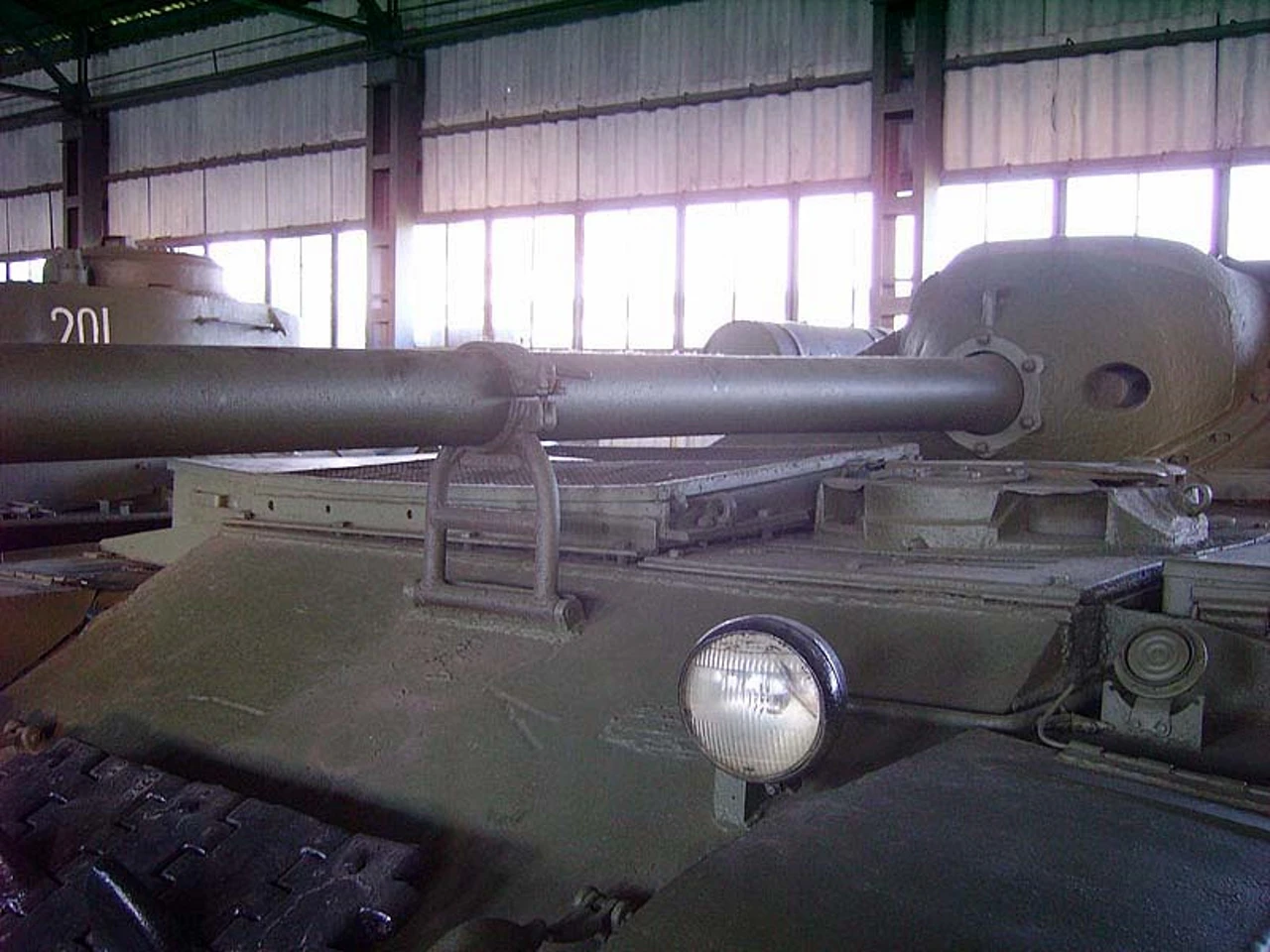
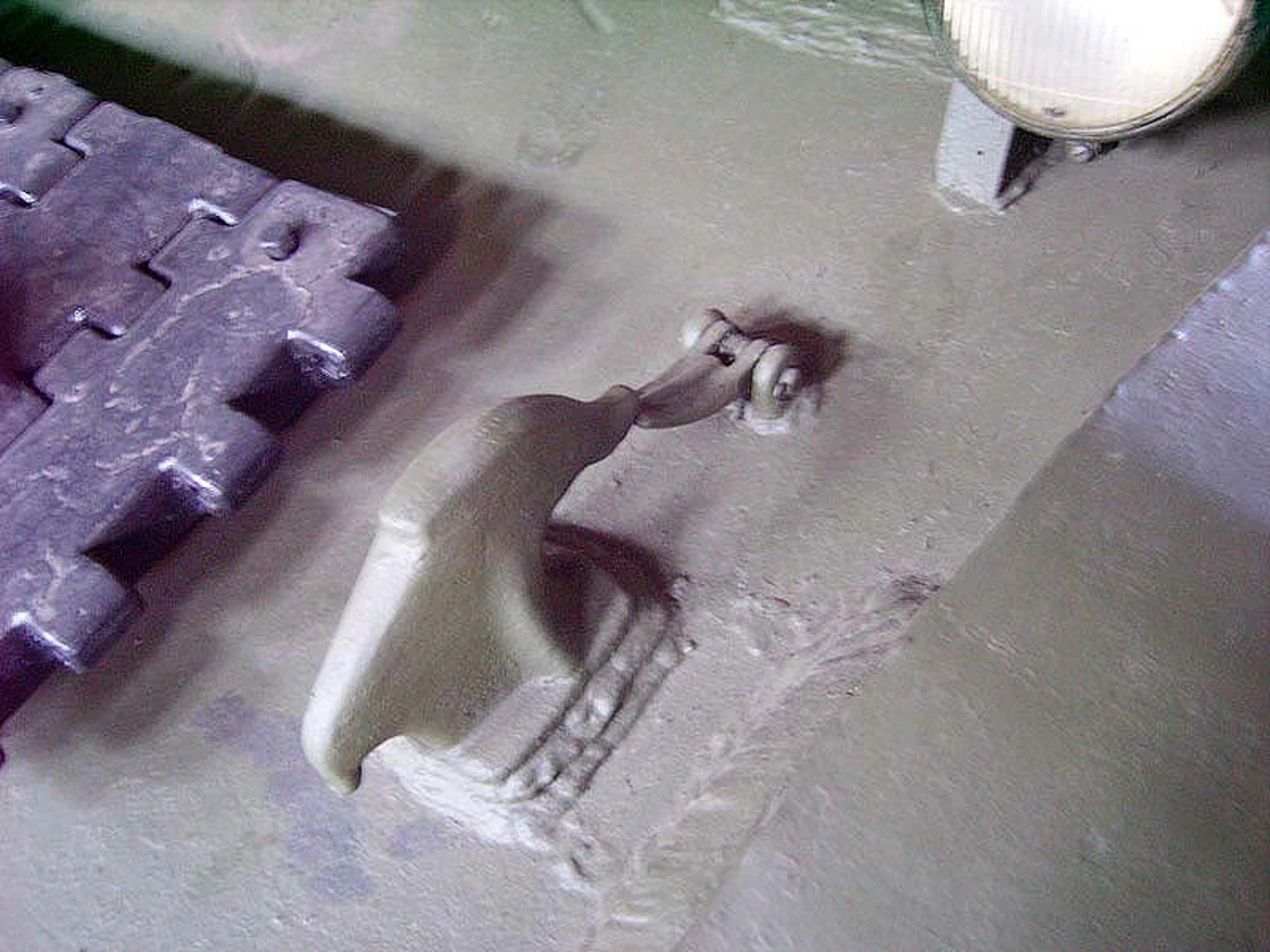
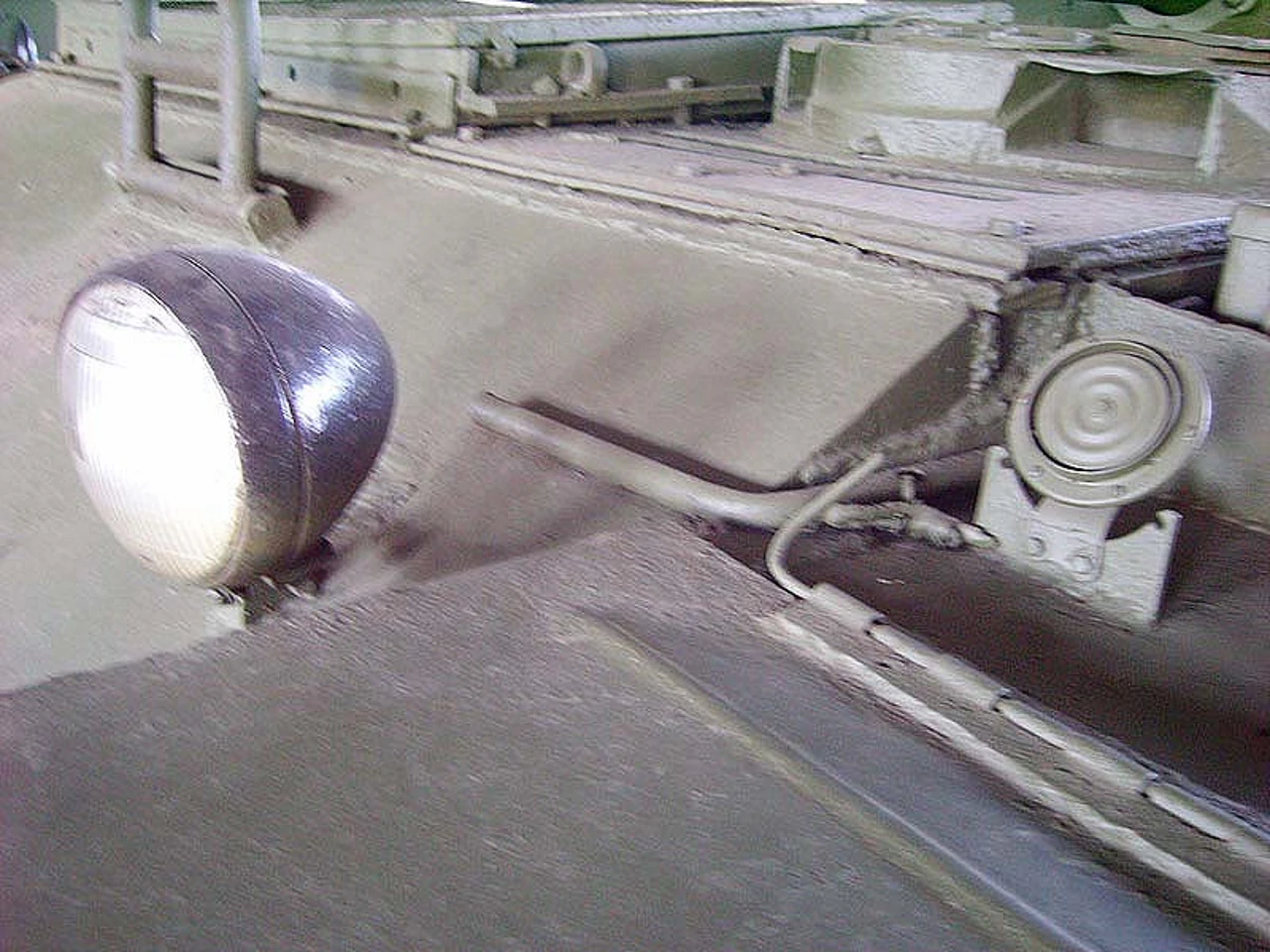
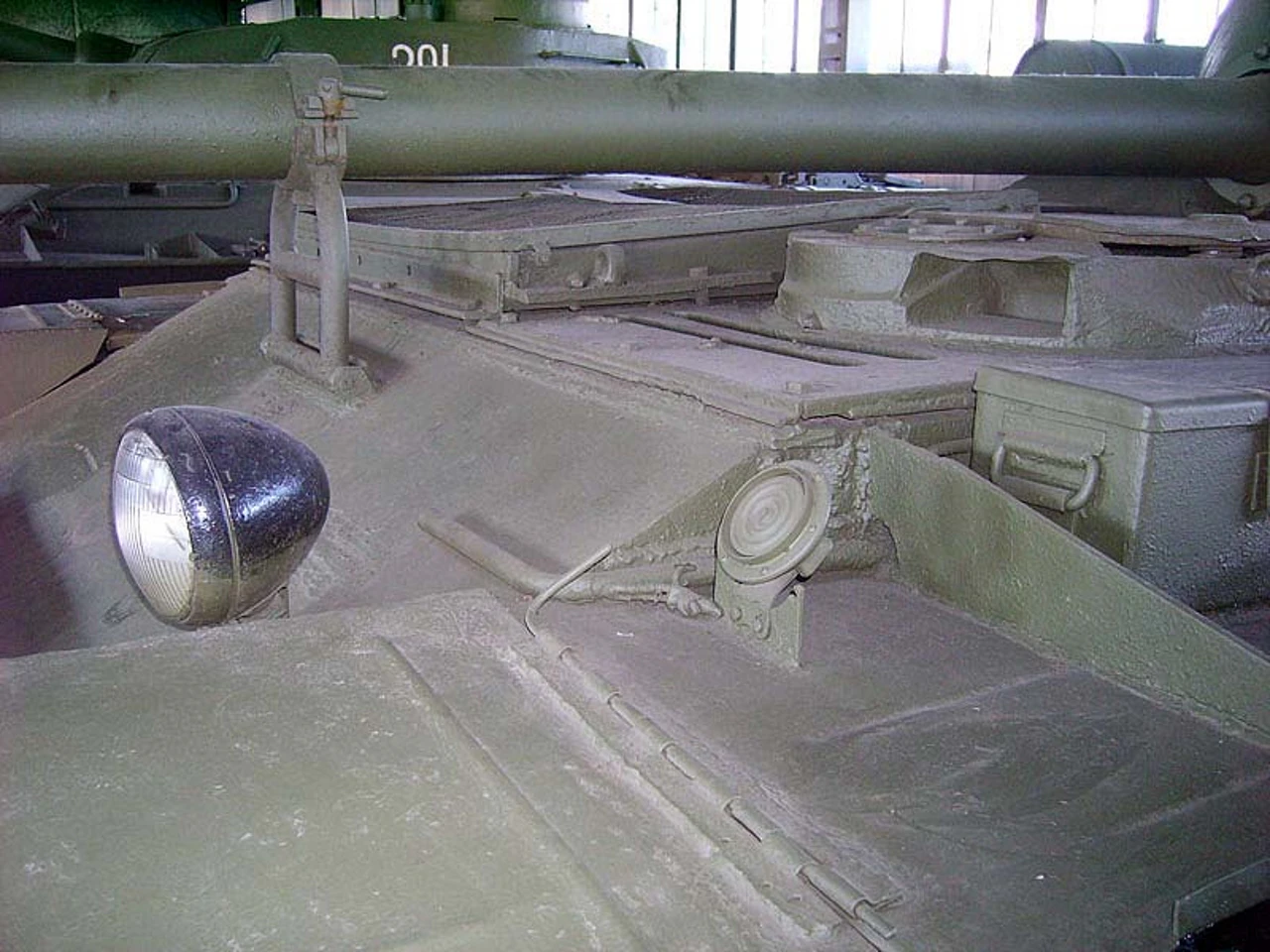

| SU-101 Uralmash Tank Destroyer Walk Around | |
|---|---|
| Fotografov | Neznáme |
| Lokalizácia | |
| Fotografie | 32 |
Pozri tiež:


The “Last Word” in Tank Hunting
Komisia Su-101 (also known as the Uralmash-1) was an experimental Soviet self-propelled gun developed at the very end of WWII. Based on the chassis of the T-44 tank, it was designed to replace the Su-100. Its most radical feature was the rear-mounted casemate, a complete reversal of Soviet design tradition. This layout was intended to solve the “long-nose” problem of previous tank destroyers, where the gun barrel often stuck out so far it would dig into the ground or hit obstacles during maneuvers.
| Attribute | Technical Specification (Su-101) |
|---|---|
| Úlohu | Self-Propelled Gun / Tank Destroyer |
| Posádky | 4 (Commander, Gunner, Loader, Driver) |
| First Prototype | April 1945 |
| Hlavná výzbroj | 100 mm D-10S gun |
| Sekundárna výzbroj | 12.7 mm DShK anti-aircraft machine gun |
| Frontal Armor | 120 mm (sloped at 55 degrees) |
| Pohonná jednotka | V-44 diesel (500 hp) |
| Top Speed | 54 km/h (33.5 mph) |
A Masterclass in Ballistic Protection
- Rear-Mounted Casemate: By moving the fighting compartment to the rear, the designers were able to shorten the overall length of the vehicle significantly. This improved the weight distribution and allowed the heavy 100mm (or 122mm on the Su-102) gun to be mounted with minimal overhang.
- Extreme Sloped Armor: The Su-101 featured armor plates sloped at aggressive angles. Its 120mm frontal plate was effectively much thicker against incoming kinetic energy shells, making it nearly invulnerable to the German 88mm PaK 43 from the front.
- Engine-Forward Protection: Like the modern Israeli Merkava, the engine was placed at the front. This provided an additional layer of mechanical “armor” for the crew sitting in the rear compartment.
- Low Silhouette: Despite the powerful gun, the vehicle stood only 2.1 meters high, making it an exceptionally difficult target to spot and hit in an ambush.
The “Oven” Problem
- The Heat Issue: The most significant flaw of the Su-101 was the heat. Because the engine was directly in front of the crew with poor ventilation, the interior temperatures became unbearable during summer testing, sometimes reaching 50°C (122°F).
- Cramped Fighting Compartment: The rear-mounted design and low profile left very little room for the crew. Working the large 100mm shells in such a tight space was exhausting and dangerous during rapid fire.
- The Su-102 Variant: A second prototype, the Su-102, was built using a massive 122mm D-25S gun. The recoil of this gun proved to be so violent for the light T-44 chassis that it caused structural concerns.
- Post-War Fate: By the time the issues were being ironed out, the war was over and the T-54 tank was entering production. The T-54’s rotating turret offered similar firepower with much more versatility, rendering the fixed-casemate Su-101 obsolete. The only surviving prototype is now a star attraction at the **Kubinka Tank Museum**.
Zobrazenia : 2405
Môžete tiež vidieť:
 Wespe Sd.Kfz. 124 – Prechádzka
 2S4 Tyulpan - fotografie a videá
 Astros II MLRS – fotografie a videá
 L-33 Roem – fotografie a videá
 Semovente da 75/18 – Fotografie a videá
 M53/59 Praga – fotografie a videá
 Panzerhaubitze 2000 – fotografie a videá
 420mm samohybný mínomet 2B1 Oka - fotografie a video
 600mm samohybný mínomet Adam – fotografie a video
 Húfnicový motorový vozík M43 - fotografie a video