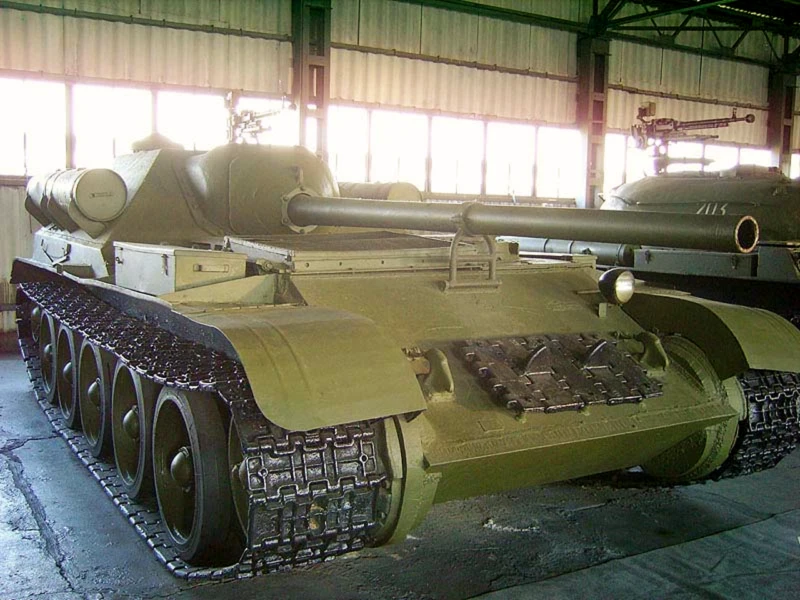
Su-101 Ουράλμας | |
|---|---|
| Χώρα | Σοβιετική Ένωση |
| Ρόλο | Αυτοκινούμενο πυροβόλο όπλο (πρωτότυπο) |
| Σχεδιαστεί | 1944-1945 |
Teh Ουράλμας-1 (Уралмаш-1) ήταν ένα σοβιετικό πρωτότυπο αυτοκινούμενο πυροβόλο που αναπτύχθηκε κατά τη διάρκεια του Β 'Παγκοσμίου Πολέμου. Ήταν ένα ερπυστριοφόρο τεθωρακισμένο όχημα μάχης χωρίς πυργίσκο που σχεδιάστηκε από το γραφείο σχεδιασμού Uralmash (UZTM) με έδρα το Εκατερίνμπουργκ μεταξύ φθινοπώρου 1944 και άνοιξης 1945. Χρησιμοποίησε το σασί του μεσαίου άρματος T-44 και προοριζόταν να αντικαταστήσει το SU-100, το οποίο είχε τεθεί σε υπηρεσία με τον Κόκκινο Στρατό μόλις στα τέλη του 1944. Δύο πρωτότυπα του Uralmash-1 με διαφορετικό οπλισμό κατασκευάστηκαν στις αρχές του 1945, το ένα με το πυροβόλο D-10 των 100 mm, το άλλο με το πυροβόλο D-25S των 122 mm. Ενώ αρχικά προτάθηκε η μαζική παραγωγή, το τέλος του πολέμου με τη Γερμανία τον Μάιο του 1945 προκάλεσε τελικά την ακύρωση του έργου λόγω έλλειψης αναγκαιότητας. Εάν το Uralmash-1 είχε τεθεί σε υπηρεσία, η έκδοση των 100 mm θα ονομαζόταν SU-101 (СУ-101) ενώ η έκδοση των 122 mm θα ονομαζόταν SU-102 (СУ-102), σύμφωνα με τη σοβιετική στρατιωτική ονοματολογία, όπου η ετικέτα "SU" σήμαινε Samokhodnaya Ustanovka, ή αυτοκινούμενο πυροβόλο.
Πηγή: Su-101 Ουράλμας στο Wiki
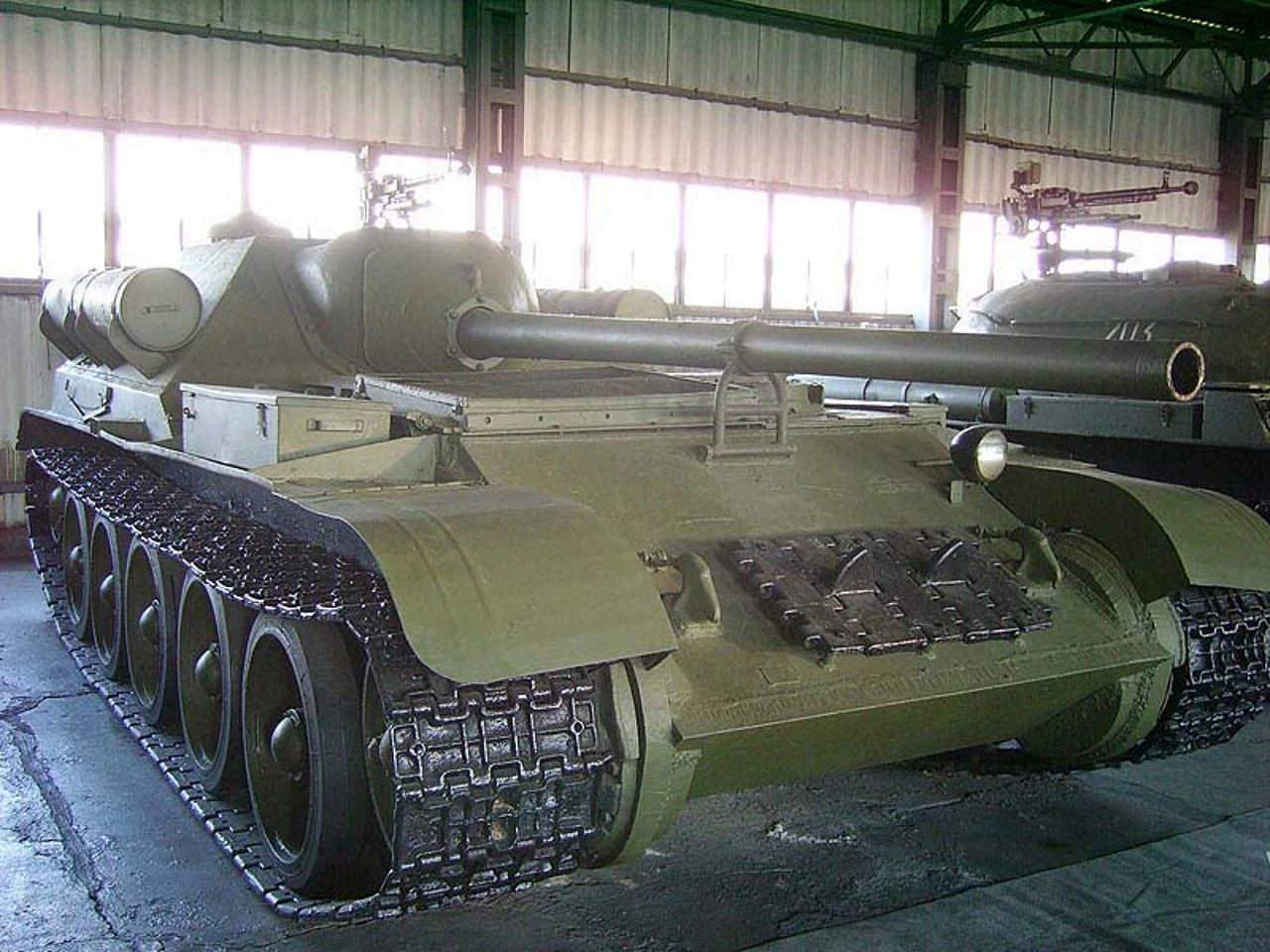
| Su-101 "Uralmash" με τα πόδια γύρω από | |
|---|---|
| Φωτογράφους | Μουσείο Πανοπλίας Βλαντιμίρ Κουμπίνκα |
| Εντοπισμού | Αγνοώ |
| Φωτογραφίες | 29 |
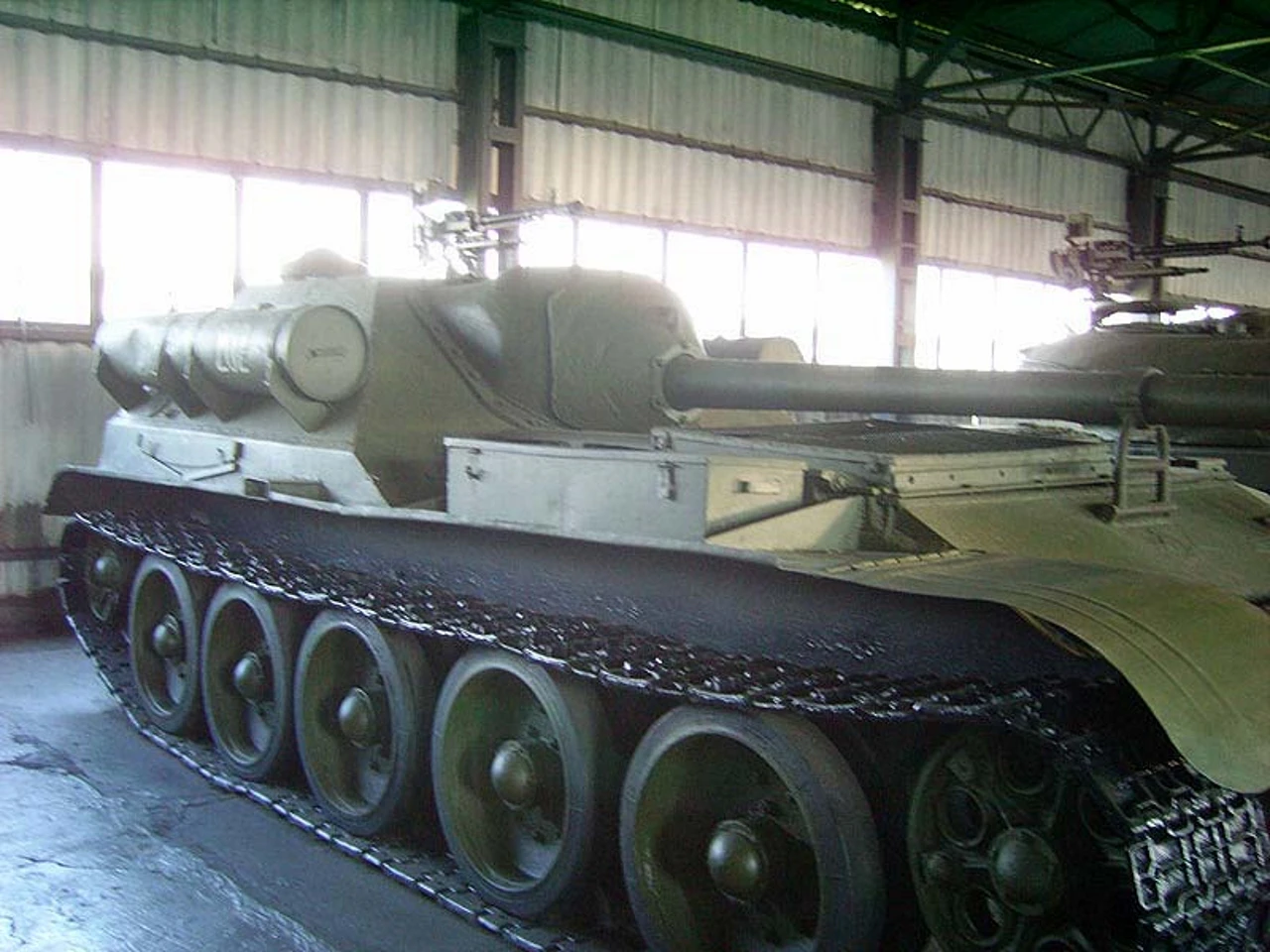
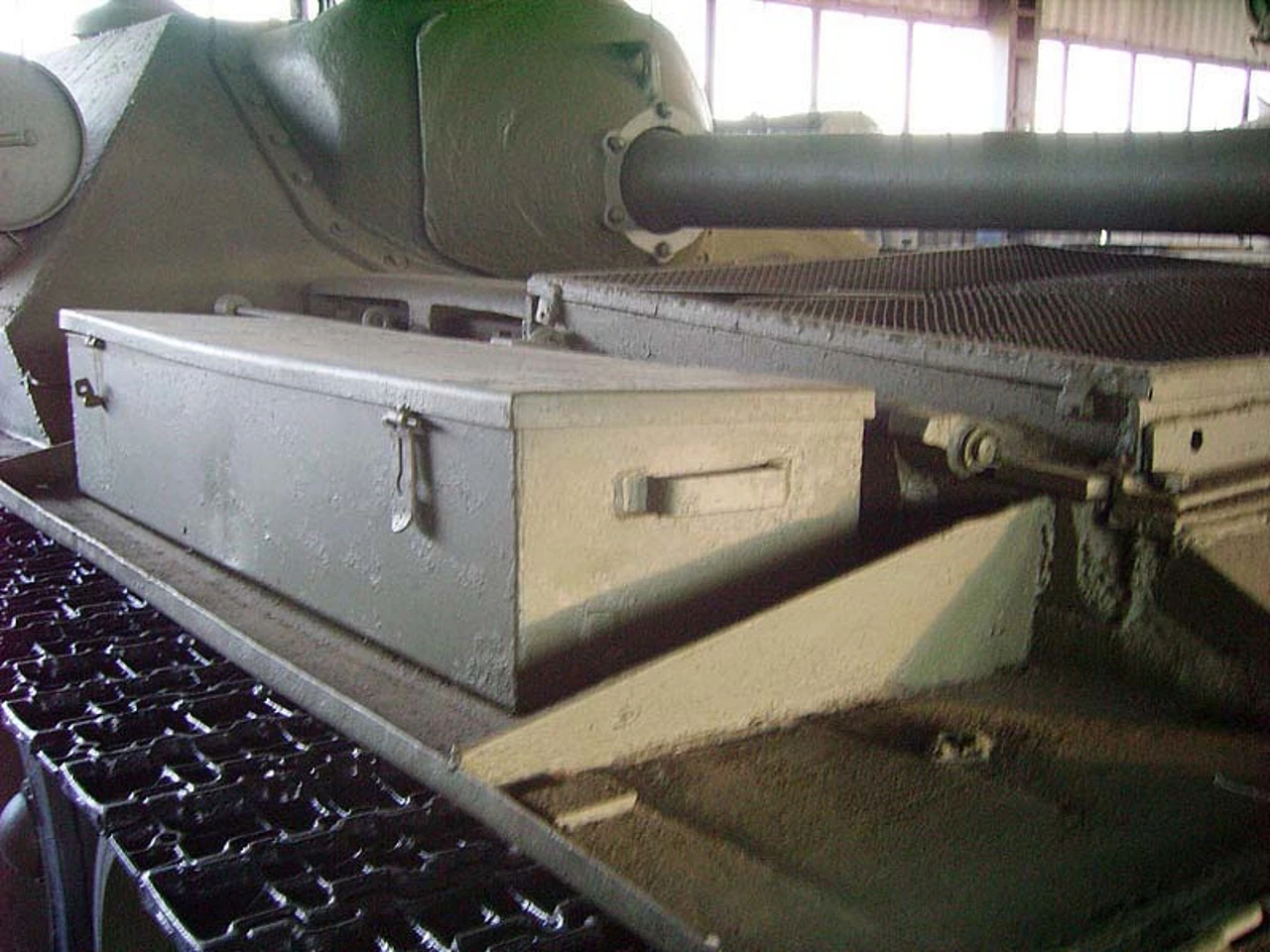
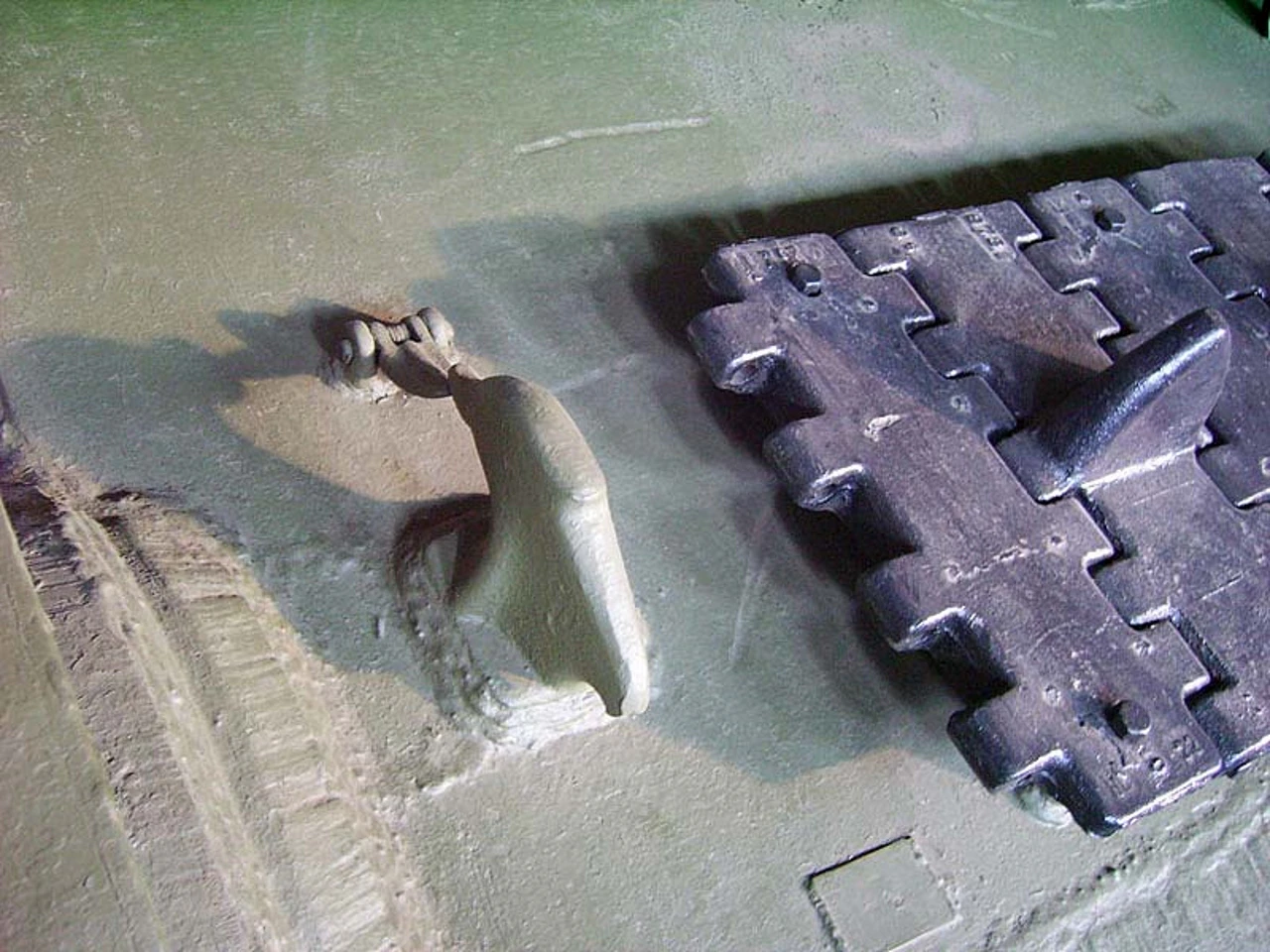
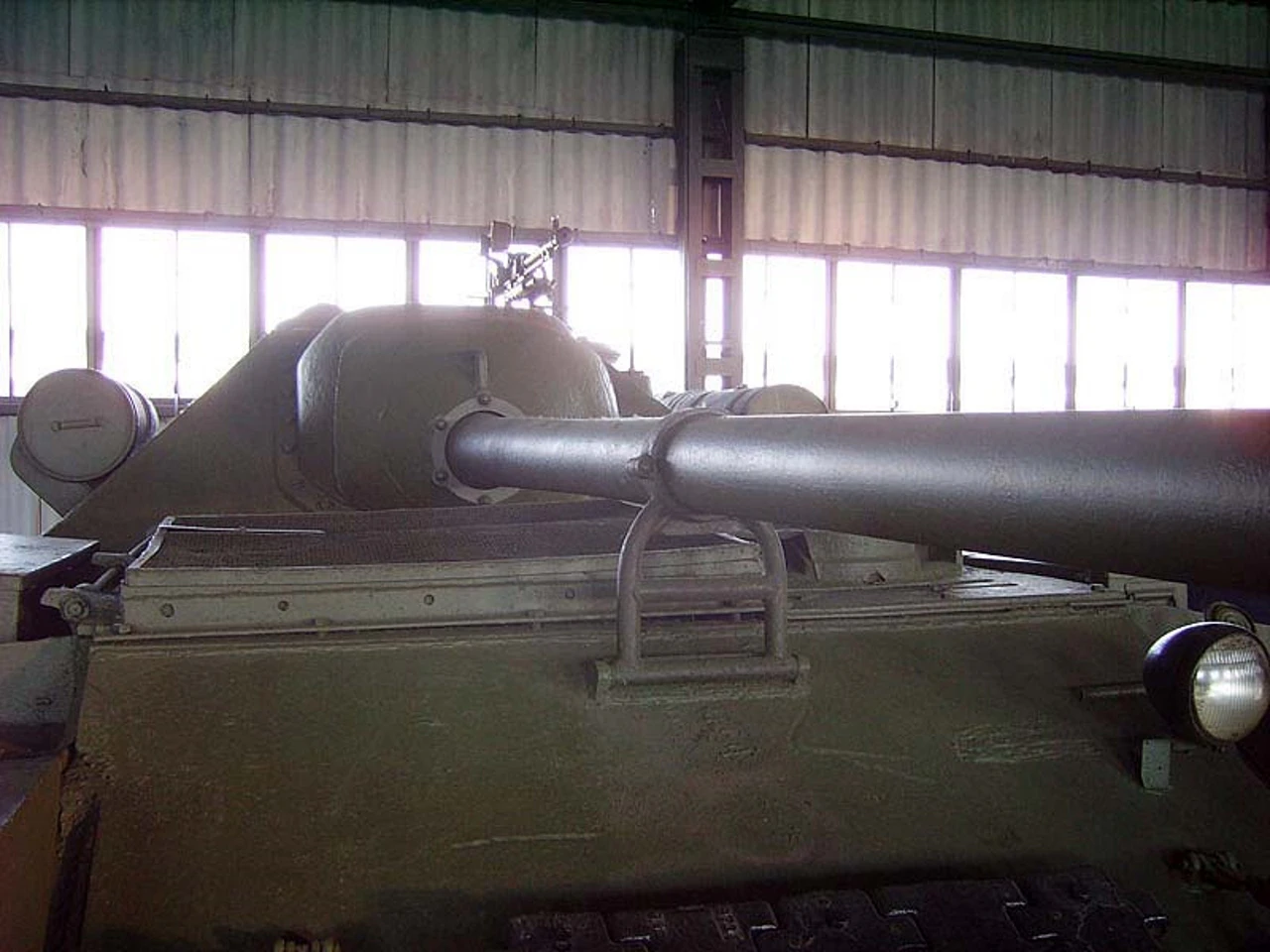
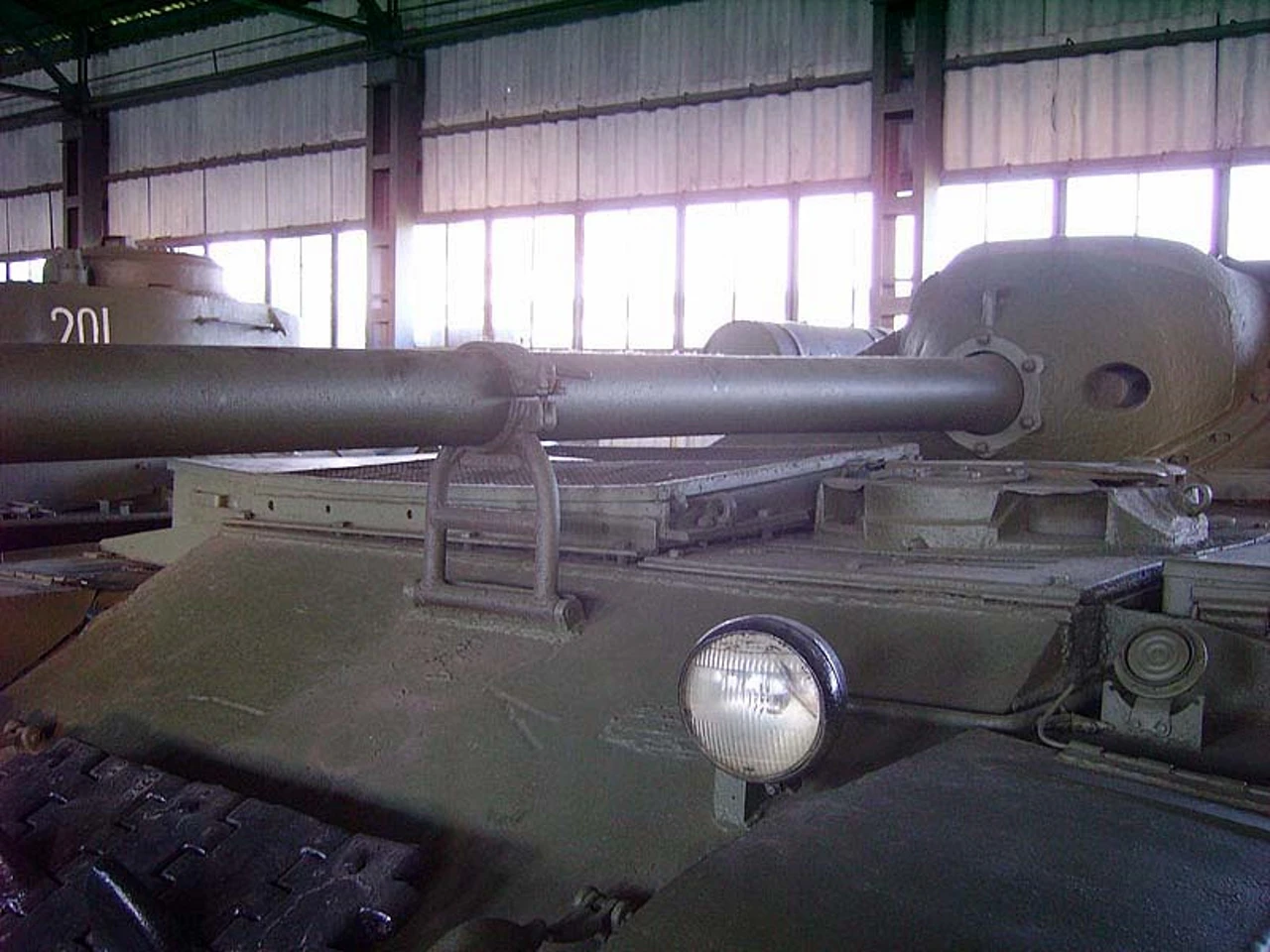
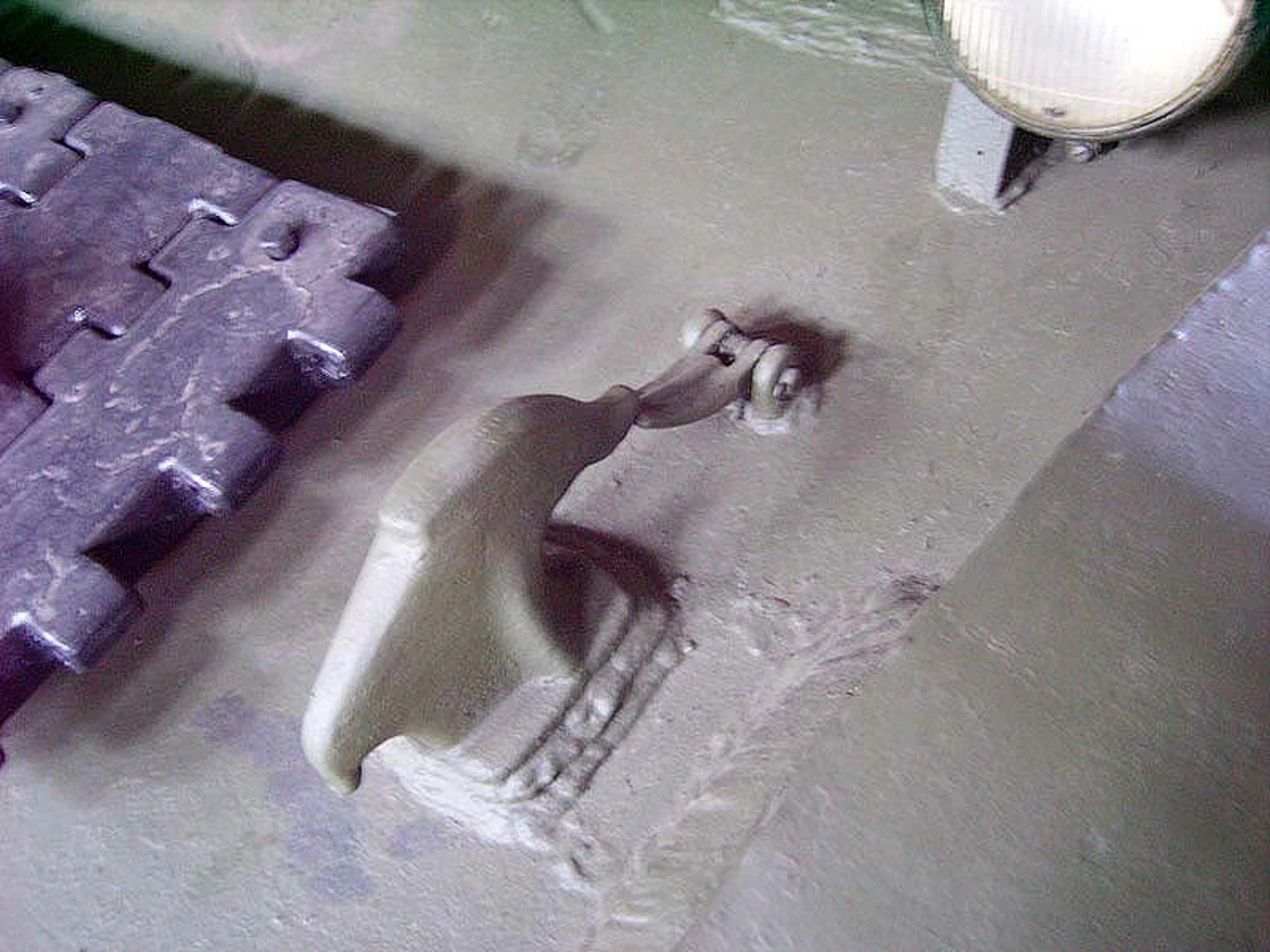
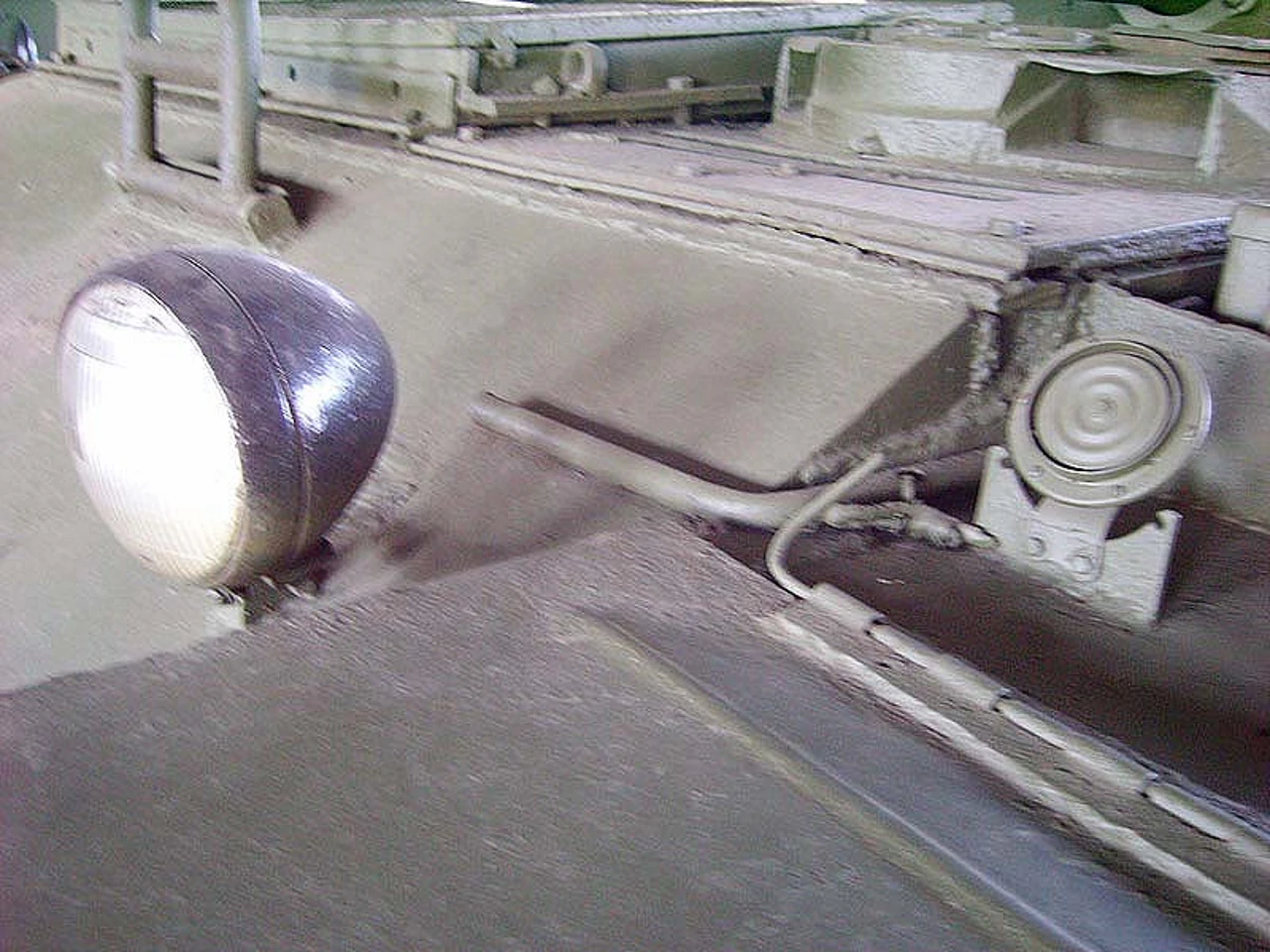
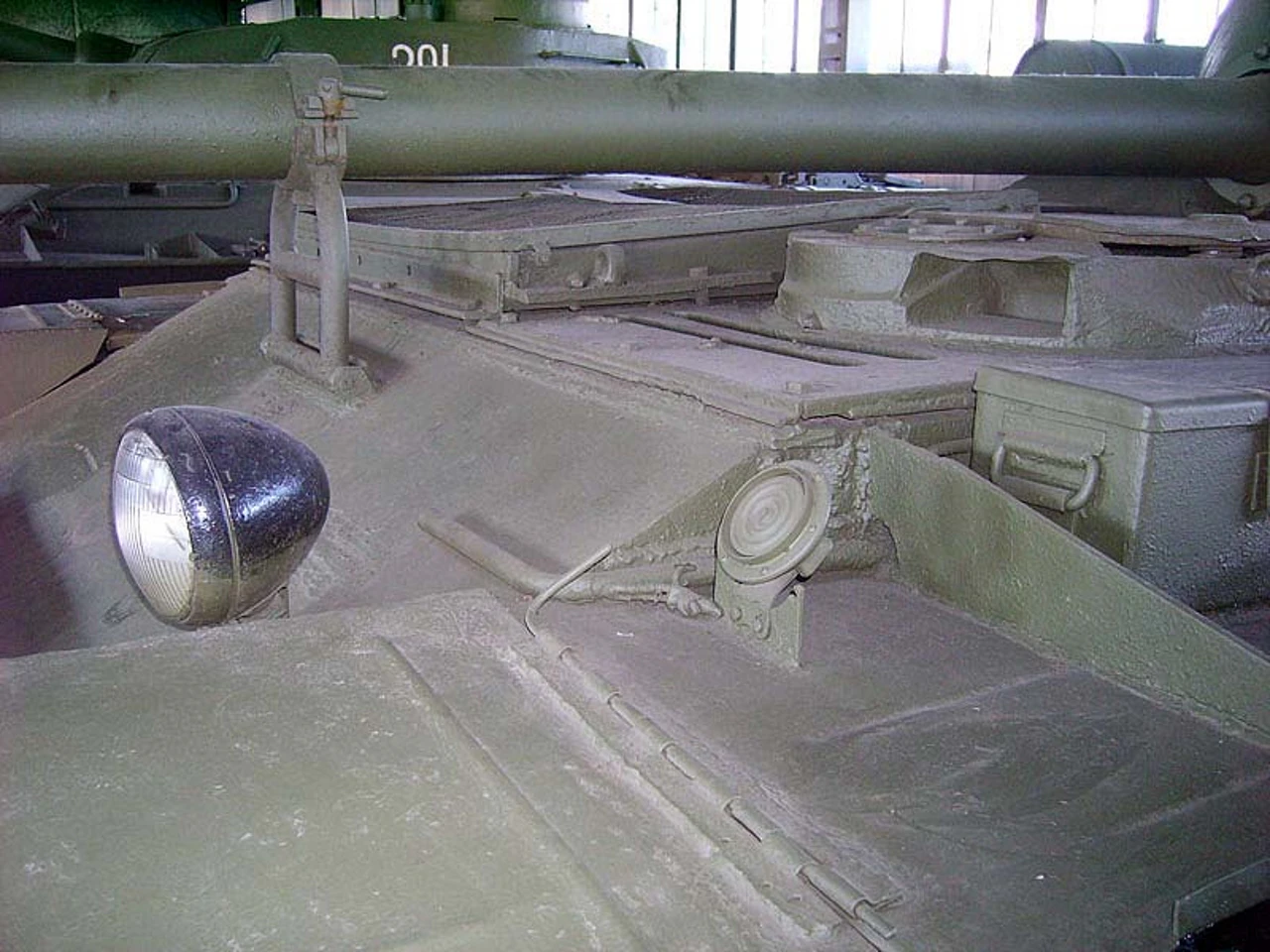

| SU-101 Αντιτορπιλικό δεξαμενών Uralmash περπατάει γύρω | |
|---|---|
| Φωτογράφους | Αγνοώ |
| Εντοπισμού | |
| Φωτογραφίες | 32 |
Δείτε επίσης:


The “Last Word” in Tank Hunting
Teh Κυ-101 (also known as the Uralmash-1) was an experimental Soviet self-propelled gun developed at the very end of WWII. Based on the chassis of the T-44 tank, it was designed to replace the Su-100. Its most radical feature was the rear-mounted casemate, a complete reversal of Soviet design tradition. This layout was intended to solve the “long-nose” problem of previous tank destroyers, where the gun barrel often stuck out so far it would dig into the ground or hit obstacles during maneuvers.
| Attribute | Technical Specification (Su-101) |
|---|---|
| Ρόλο | Self-Propelled Gun / Tank Destroyer |
| Πλήρωμα | 4 (Commander, Gunner, Loader, Driver) |
| First Prototype | April 1945 |
| Main Armament | 100 mm D-10S gun |
| Secondary Armament | 12.7 mm DShK anti-aircraft machine gun |
| Frontal Armor | 120 mm (sloped at 55 degrees) |
| Πλάστης ισχύος | V-44 diesel (500 hp) |
| Top Speed | 54 km/h (33.5 mph) |
A Masterclass in Ballistic Protection
- Rear-Mounted Casemate: By moving the fighting compartment to the rear, the designers were able to shorten the overall length of the vehicle significantly. This improved the weight distribution and allowed the heavy 100mm (or 122mm on the Su-102) gun to be mounted with minimal overhang.
- Extreme Sloped Armor: The Su-101 featured armor plates sloped at aggressive angles. Its 120mm frontal plate was effectively much thicker against incoming kinetic energy shells, making it nearly invulnerable to the German 88mm PaK 43 from the front.
- Engine-Forward Protection: Like the modern Israeli Merkava, the engine was placed at the front. This provided an additional layer of mechanical “armor” for the crew sitting in the rear compartment.
- Low Silhouette: Despite the powerful gun, the vehicle stood only 2.1 meters high, making it an exceptionally difficult target to spot and hit in an ambush.
The “Oven” Problem
- The Heat Issue: The most significant flaw of the Su-101 was the heat. Because the engine was directly in front of the crew with poor ventilation, the interior temperatures became unbearable during summer testing, sometimes reaching 50°C (122°F).
- Cramped Fighting Compartment: The rear-mounted design and low profile left very little room for the crew. Working the large 100mm shells in such a tight space was exhausting and dangerous during rapid fire.
- The Su-102 Variant: A second prototype, the Su-102, was built using a massive 122mm D-25S gun. The recoil of this gun proved to be so violent for the light T-44 chassis that it caused structural concerns.
- Post-War Fate: By the time the issues were being ironed out, the war was over and the T-54 tank was entering production. The T-54’s rotating turret offered similar firepower with much more versatility, rendering the fixed-casemate Su-101 obsolete. The only surviving prototype is now a star attraction at the **Kubinka Tank Museum**.
Προβολές: 2405
Μπορείτε επίσης να δείτε:
 Wespe Sd.Kfz. 124 – Περιήγηση
 2S4 Tyulpan – Φώτο & Βίντεο
 Astros II MLRS – Φώτο & Βίντεο
 L-33 Roem – Φώτο & Βίντεο
 Semovente da 75/18 – Φώτο &; Βίντεο
 M53/59 Praga – Φώτο &; Βίντεο
 Panzerhaubitze 2000 – Φώτο &; Βίντεο
 420mm 2B1 Oka αυτοκινούμενο πυροβόλο – Φώτο &; Βίντεο
 600mm Adam Αυτοκινούμενος Όλμος – Φώτο &; Βίντεο
 M43 Howitzer Motor Carriage – Φώτο &; Βίντεο