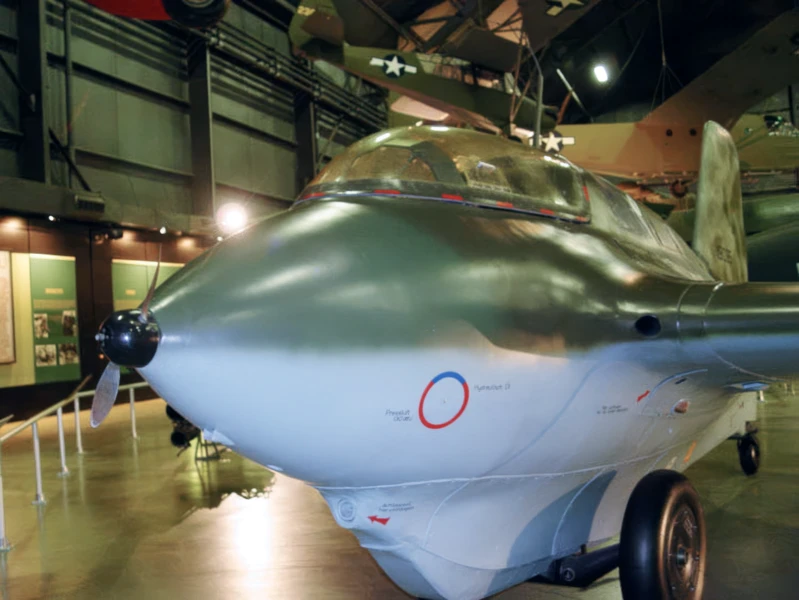
メッサーシュミット・ミー 163B | |
|---|---|
| 国 | ドイツ |
| 役割 | ロケット動力戦闘機 |
| 初飛行 | 1941年9月1日 |
| 構築 | 370 |
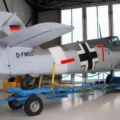
ザ メッサーシュミット・ミー 163 コメット ●ドイツのロケット動力戦闘機でした。アレクサンダー・リッピッシュによって設計され、それはこれまでに運用された唯一のロケット動力戦闘機であり、レベル飛行で1000キロ/h(時速621マイル)を超えるあらゆるタイプの最初の操縦航空機です。そのデザインは革命的であり、その性能は前例のないものでした。1944年7月初旬のドイツのテストパイロット、ハイニ・ディットマーは、ほぼ10年間、ターボジェット機に匹敵する非公式の飛行対気速度記録である時速1,130km(時速700マイル)に達しました。300機以上が建造されたが、コメットは迎撃機としての専用の役割に効果がないことが判明し、10の損失に対して連合軍の航空機約9〜18機の破壊を担当した。戦闘の損失とは別に、多くのパイロットがテストと訓練中に殺されました
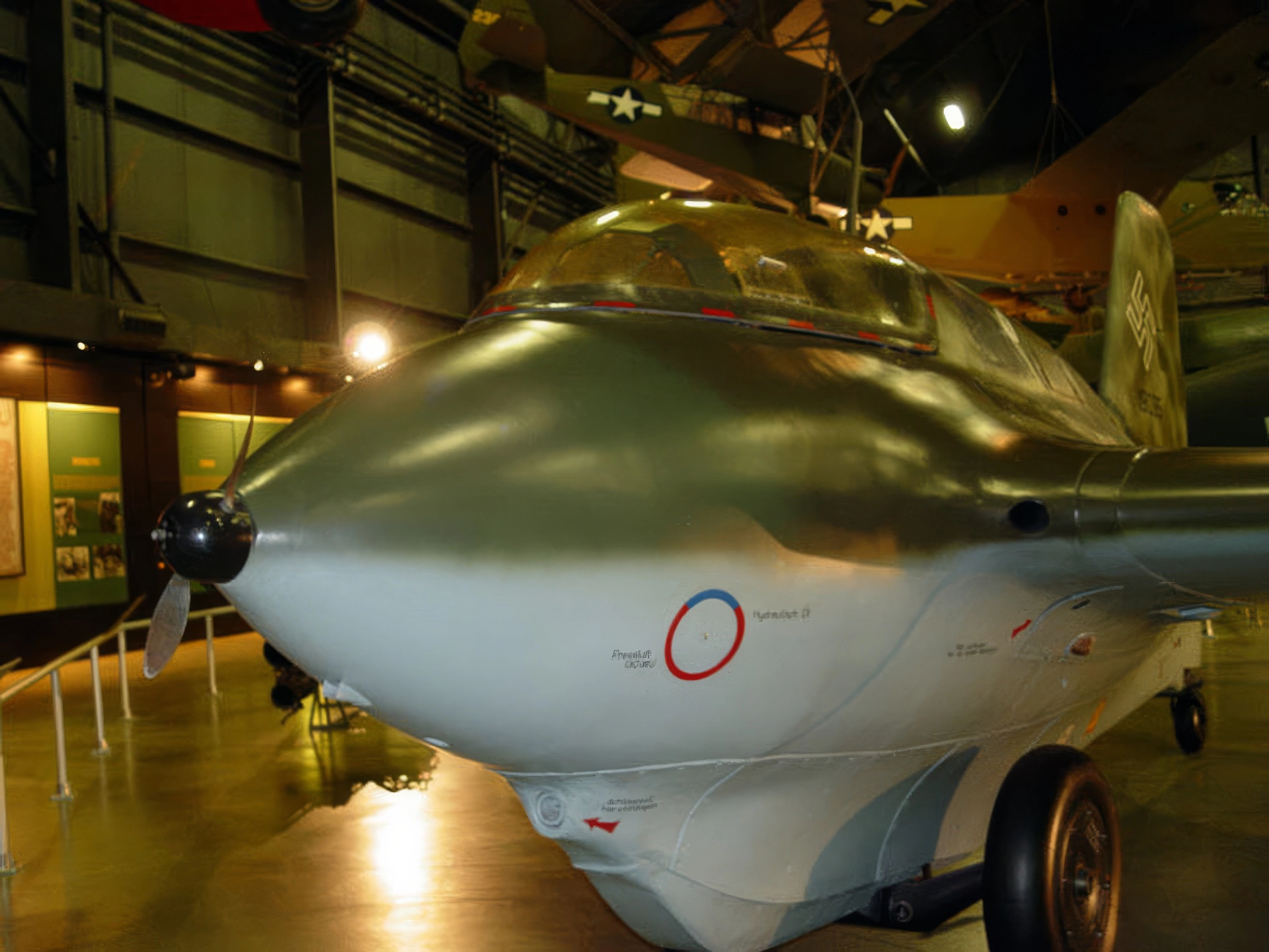
| メッサーシュミットミー163Bコメットウォークアラウンド | |
|---|---|
| カメラマン | ジョン・ヘック |
| ローカライズ | アメリカ国立博物館 |
| 写真 | 23 |






関連項目:


A Flying Bomb in the Service of the Reich
ザ メッサーシュミット Me 163B コメット was arguably the most radical combat aircraft of World War II. Designed by Alexander Lippisch as a tailless, swept-wing interceptor, it utilized a liquid-fuel rocket motor to reach speeds and climb rates that were decades ahead of its time. However, this performance came at a terrifying cost. The Komet was as dangerous to its pilots and ground crews as it was to the Allied bombers it hunted, earning a reputation as a “suicide machine” due to its highly volatile fuels and treacherous landing characteristics.
| Attribute | Technical Specification (Me 163B-1) |
|---|---|
| 役割 | Point-Defense Rocket Interceptor |
| 乗組員 | 1 (Pilot) |
| エンジン | 1 × Walter HWK 109-509A-2 liquid-fuel rocket |
| 最高速度 | 960 km/h (596 mph) — Mach 0.83 |
| Climb Rate | Initial: 81 m/s (16,000 ft/min) |
| Endurance | 7.5 to 8 minutes of powered flight |
| 武装 | 2 × 30mm MK 108 cannons (60 rounds per gun) |
| Landing Gear | Jettisonable takeoff dolly / Retractable landing skid |
Design Engineering: Chemistry vs. Aerodynamics
- The Hypergolic Nightmare: The Komet was powered by T-Stoff (hydrogen peroxide) and C-Stoff (hydrazine hydrate and methanol). These two chemicals were hypergolic, meaning they exploded instantly upon contact. A single drop of one in the other’s tank would destroy the aircraft. They were so corrosive that pilots had to wear special non-organic protective suits to prevent being dissolved alive in the event of a leak.
- Tailless Swept Wings: To minimize drag at high subsonic speeds, the Komet lacked a horizontal stabilizer (tail). Its swept wings provided both lift and control, making it exceptionally stable in high-speed dives but notoriously difficult to land because it simply “wanted to keep flying.”
- The Two-Part Landing: To save weight, the Komet took off on a two-wheeled “dolly” that was jettisoned once airborne. After exhausting its fuel, the pilot had to glide back and land on a retractable belly skid. If the skid failed to deploy or the landing was too hard, the impact could slosh remaining fuel together, resulting in a fatal explosion.
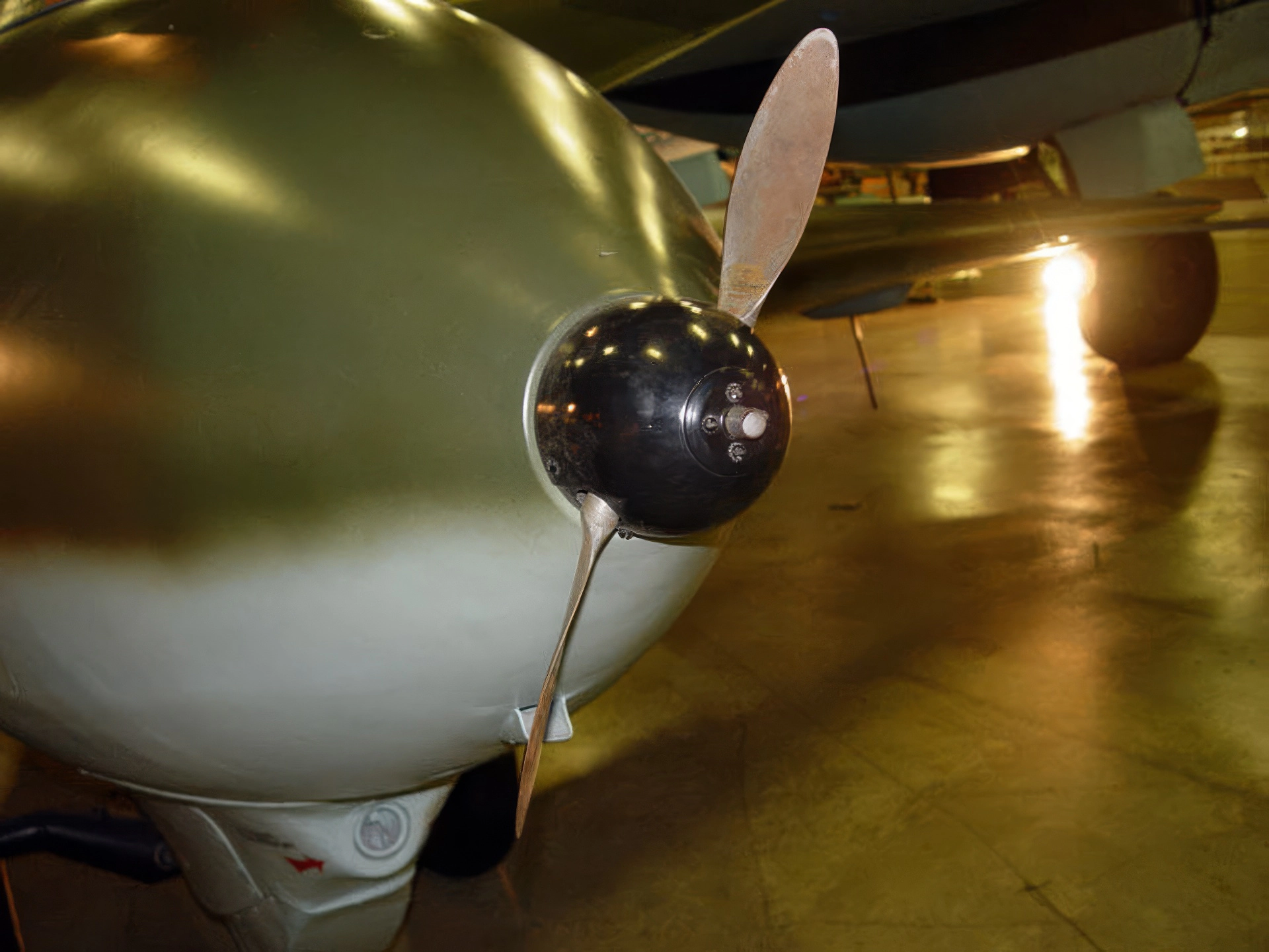
- Nose-Cone Generator: Since the rocket engine produced no electrical power, the Komet featured a tiny wooden propeller on its nose. This “rat” (Ram Air Turbine) spun in the slipstream to power the aircraft’s radio and flight instruments.
Combat History: Seven Minutes of Terror
- The Vertical Intercept: A typical Komet mission lasted less than ten minutes. The pilot would blast off the runway at a 70-degree angle, reaching 30,000 feet in under four minutes. They would then dive through the bomber formation at nearly 600 mph, giving them only a fraction of a second to aim and fire the slow-velocity 30mm cannons.
- The “Gliding Target”: Once the fuel ran out, the Komet became a heavy, unpowered glider. Allied fighter pilots quickly learned to wait for the rocket flame to go out; once the Komet was “silent,” it was a sitting duck as it struggled to reach its home airfield.
- Limited Impact: Despite its psychological terror, the Me 163 was a failure as a weapon system. Fewer than 20 Allied bombers were officially credited to the Komet, while more Komets were lost to landing accidents and engine explosions than to enemy fire.
- Sabotage: Many surviving Komets show evidence of sabotage by the forced laborers who built them, including contaminated glue in the wooden wings and rocks placed between fuel tanks and support straps to cause punctures.
ビュー : 3790
また、次の項目もご覧ください。
 Messerschmitt Me-108 Taifun – Photos & Video
 Messerschmitt Bf 110 – Photos & Video
 Messerschmitt Me 262 – Photos & Video
 Messerschmitt Me208 – Photos & Video
 HA-1112-M1L ブション - 歩き回る
 メッサーシュミット Bf 109G - ウォークアラウンド
 メッサーシュミットBf 109G-2 – 歩き回る
 メッサーシュミットBf 109G-6 – 歩き回る
 メッサーシュミットMe-109E – 歩き回る
 メッサーシュミットBf 109G-4ロット7 - 歩き回る