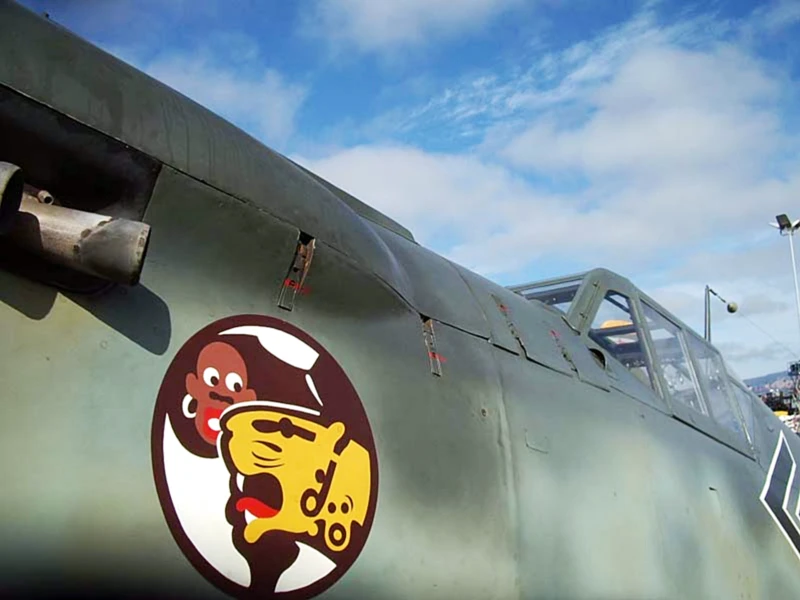
HA-1112-M1L ブション | |
|---|---|
| 国 | スペイン |
| 型 | ライセンスメッサーシュミットAG |
| 初飛行 | 1954年3月29日 |
| 構築 | 239 |
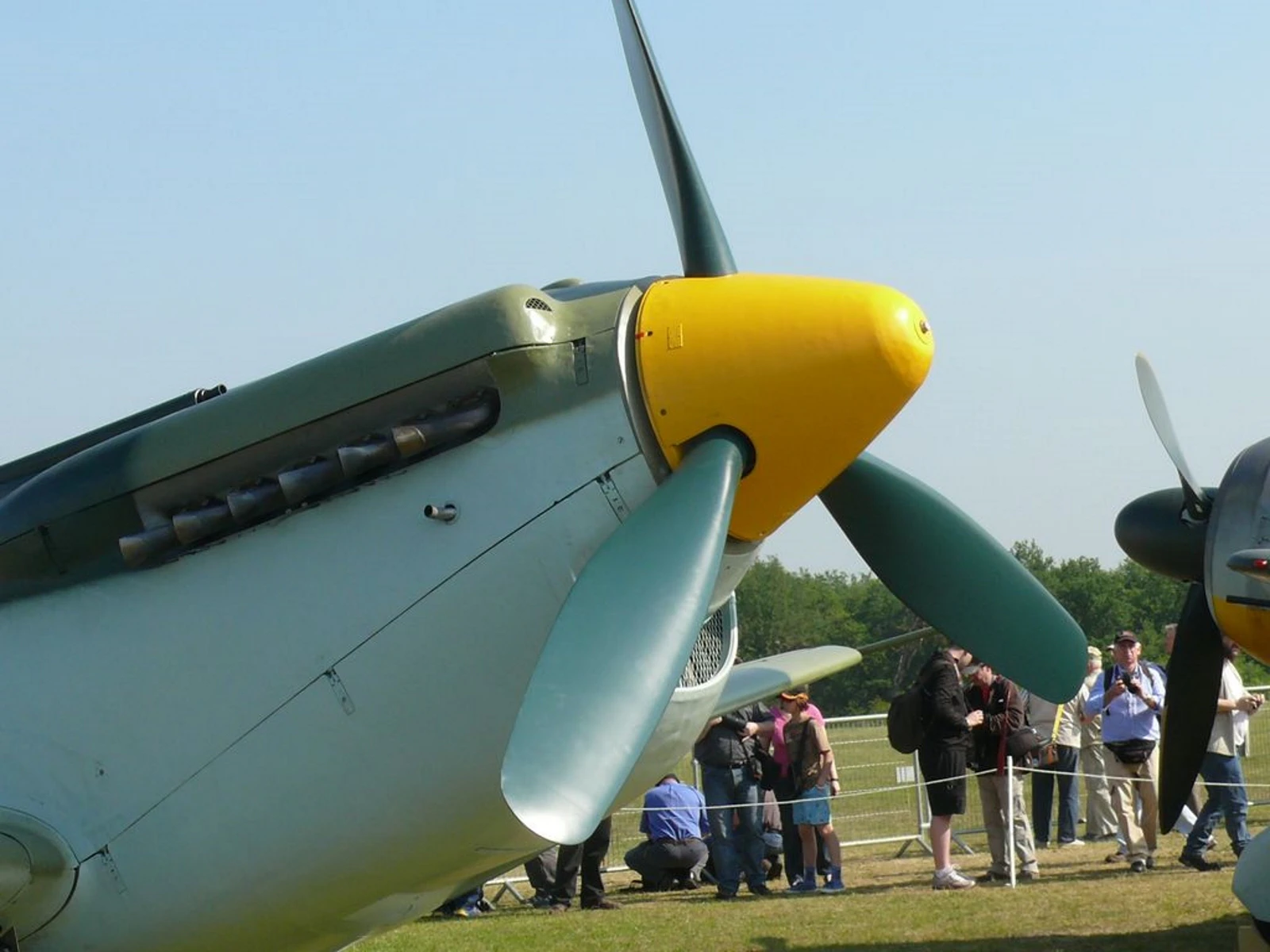
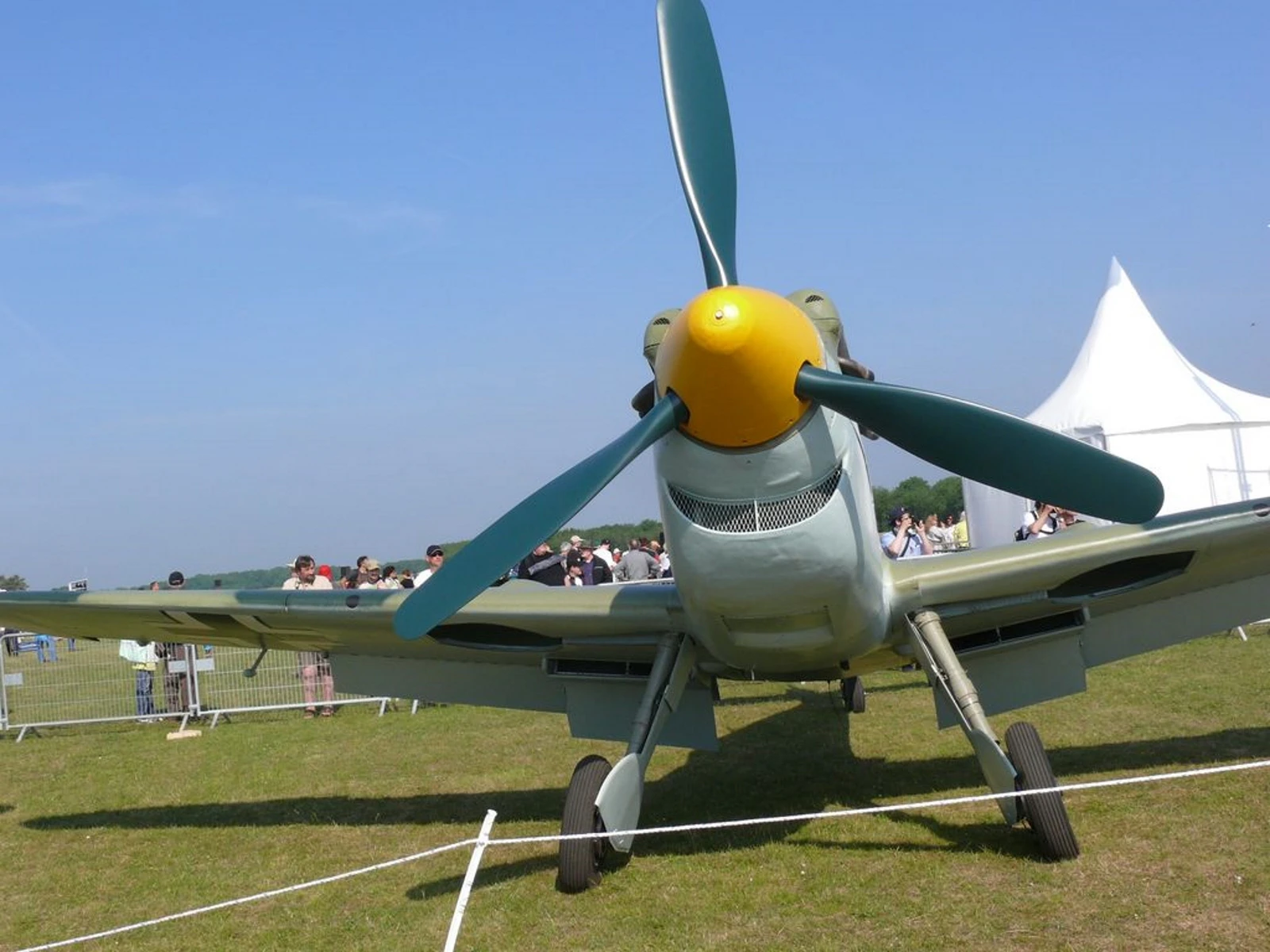
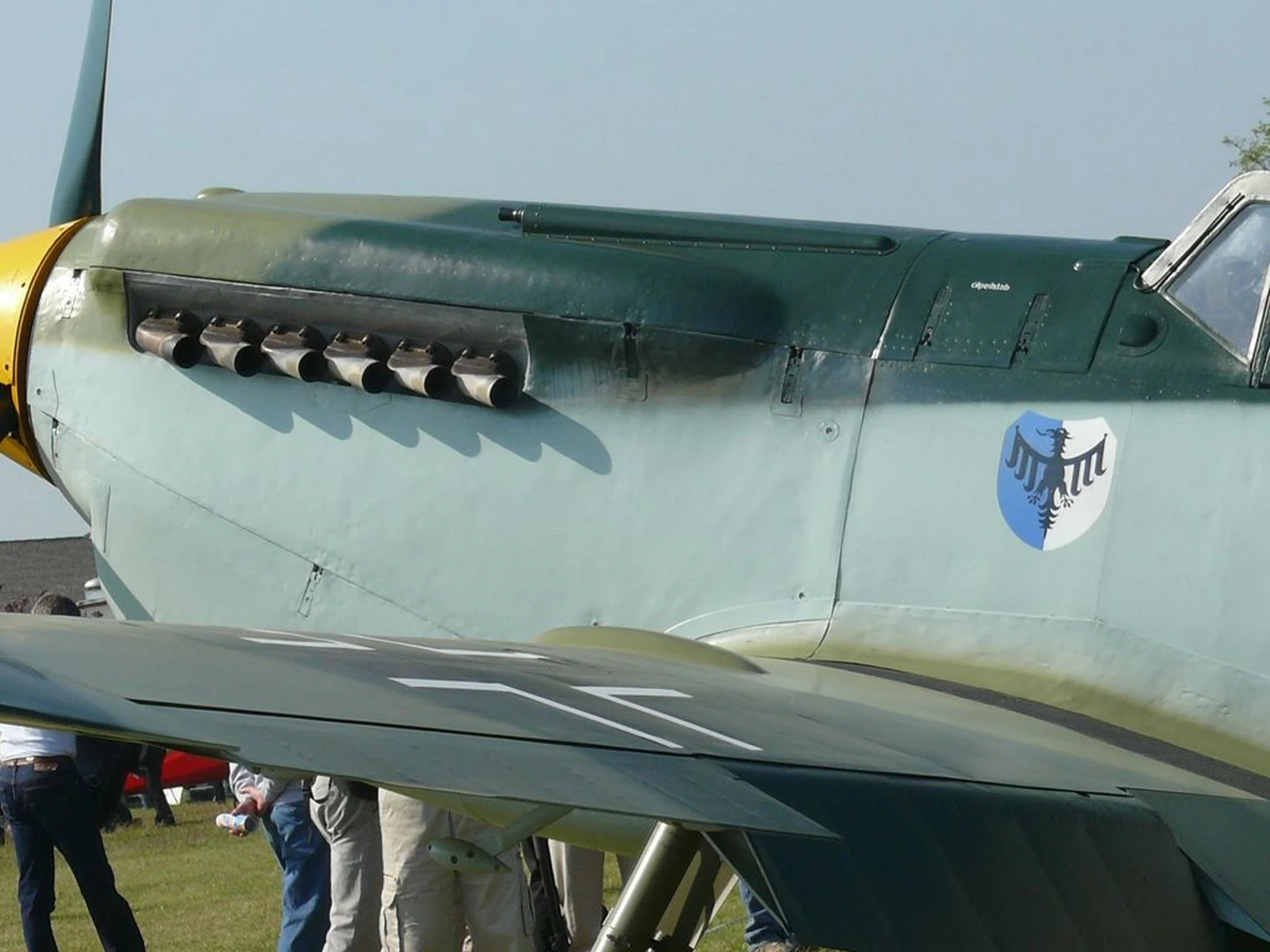
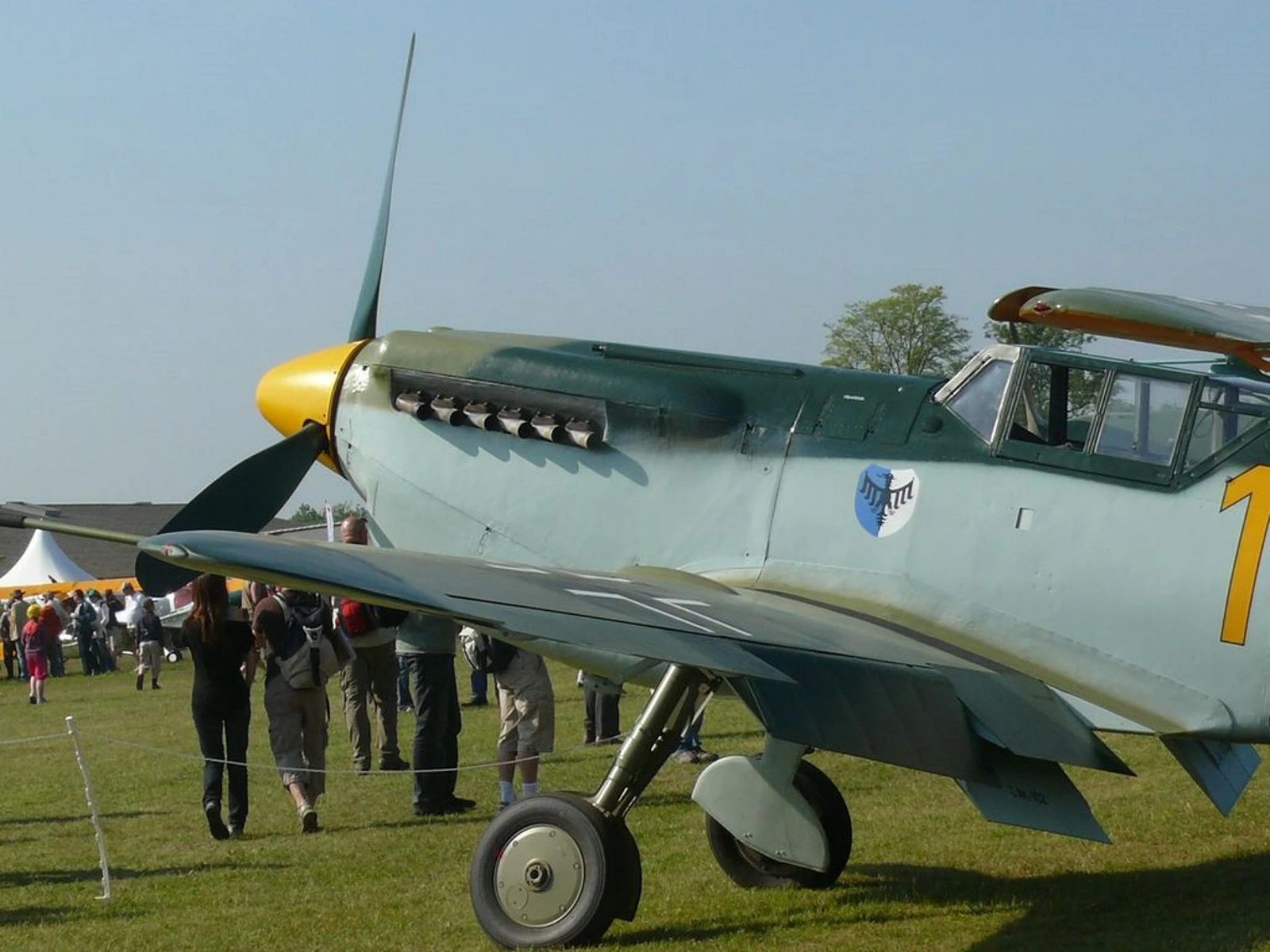
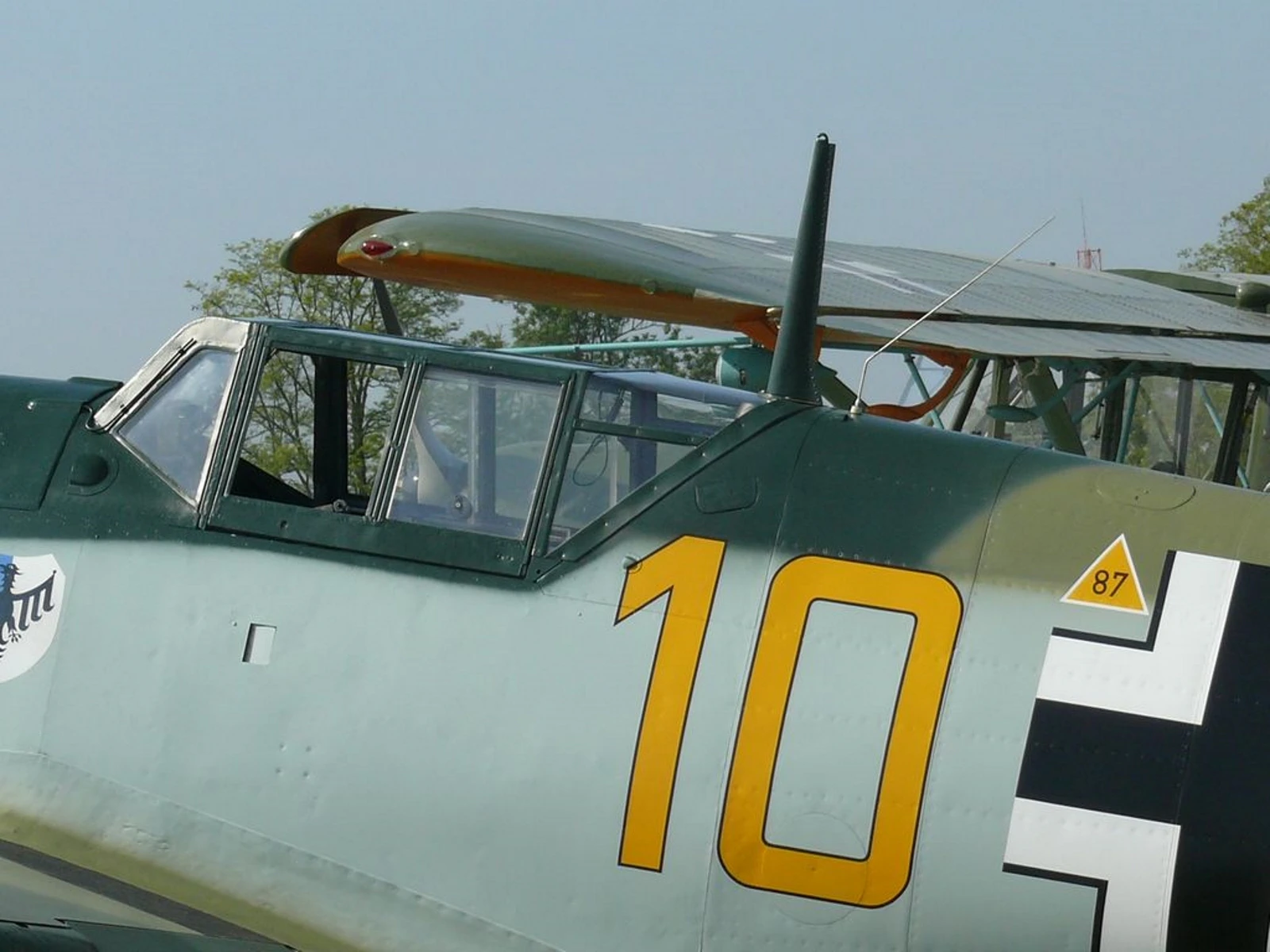
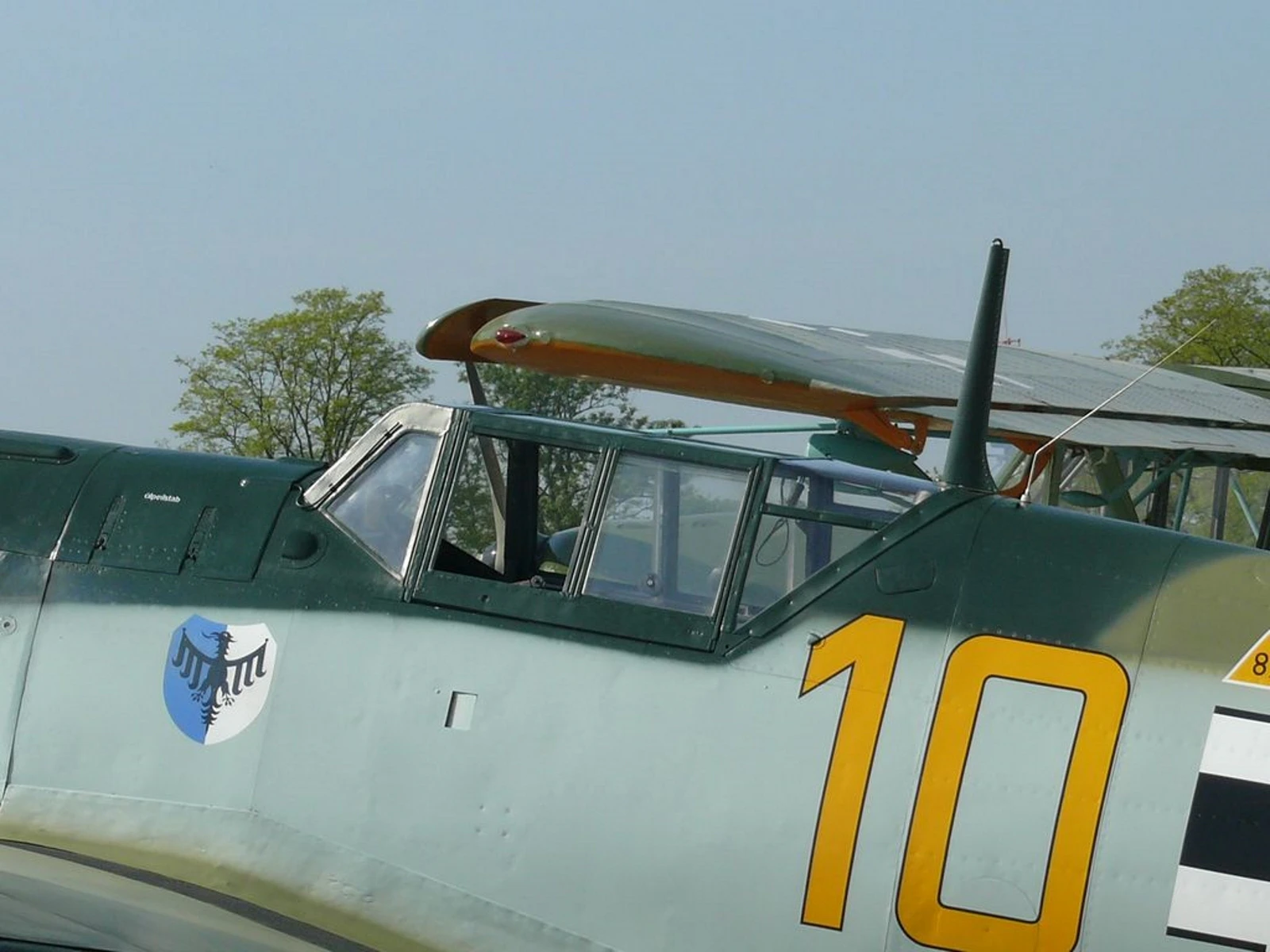
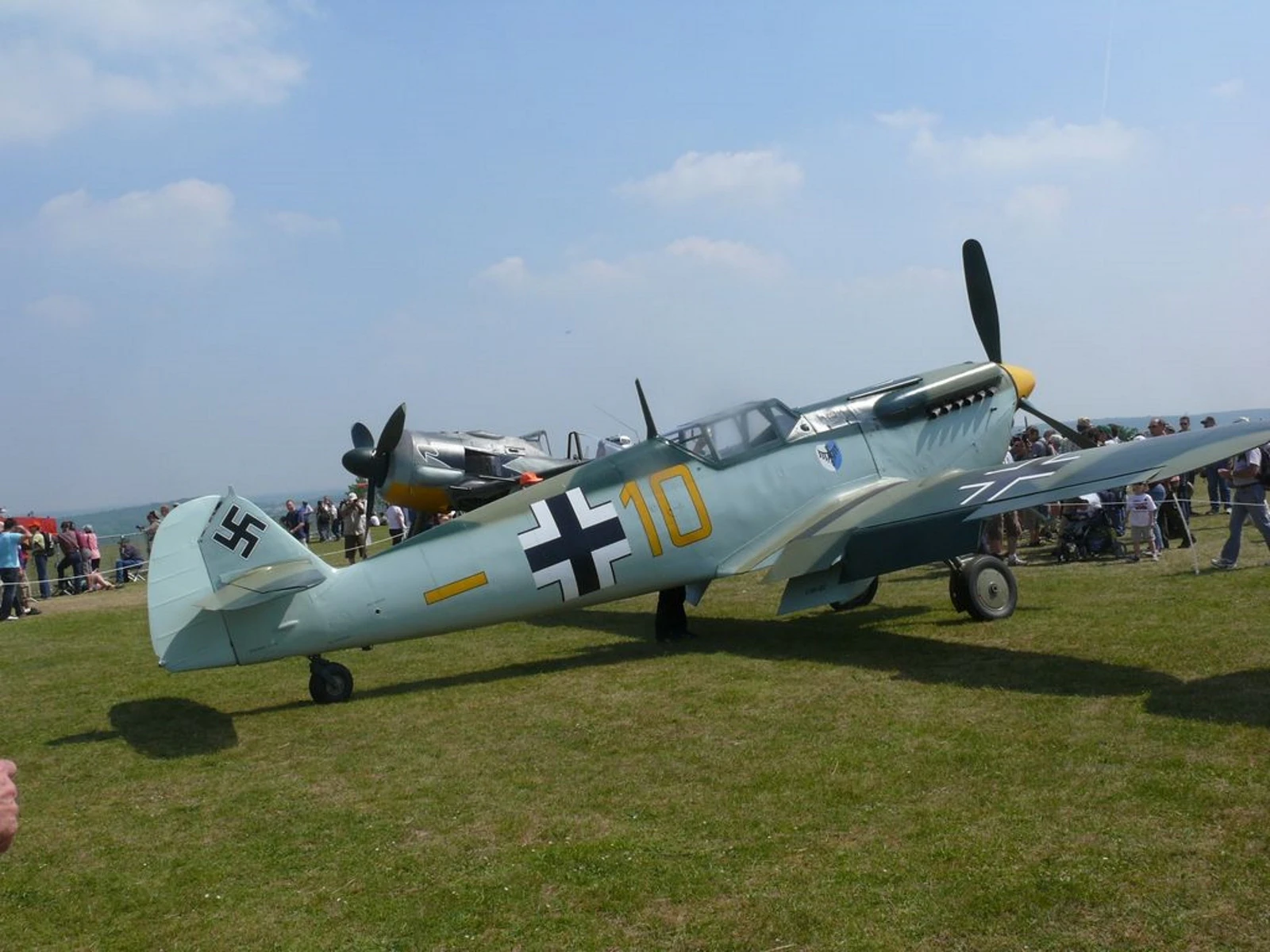
HA-1112-M1Lブチョンのフォトギャラリー、 イッサノ・アヴィアシオン HA-1109とHA-1112は、第二次世界大戦中および戦後スペインで開発されたメッサーシュミットBf 109G-2のライセンス構築バージョンでした。
| HA-1112-M1L Buchon | |
|---|---|
| カメラマン | Unknow |
| ローカライズ | 知りません |
| 写真 | 47 |
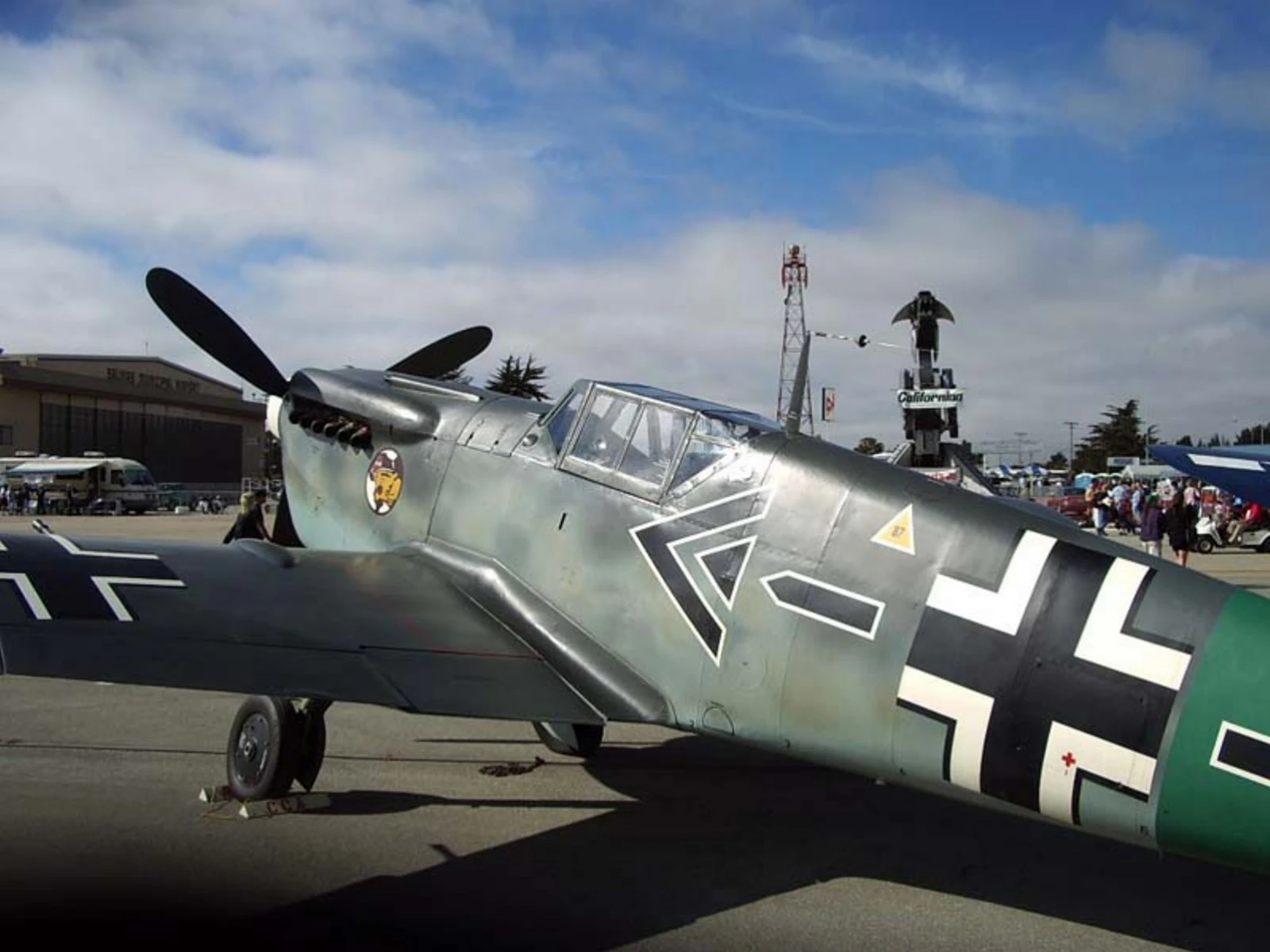
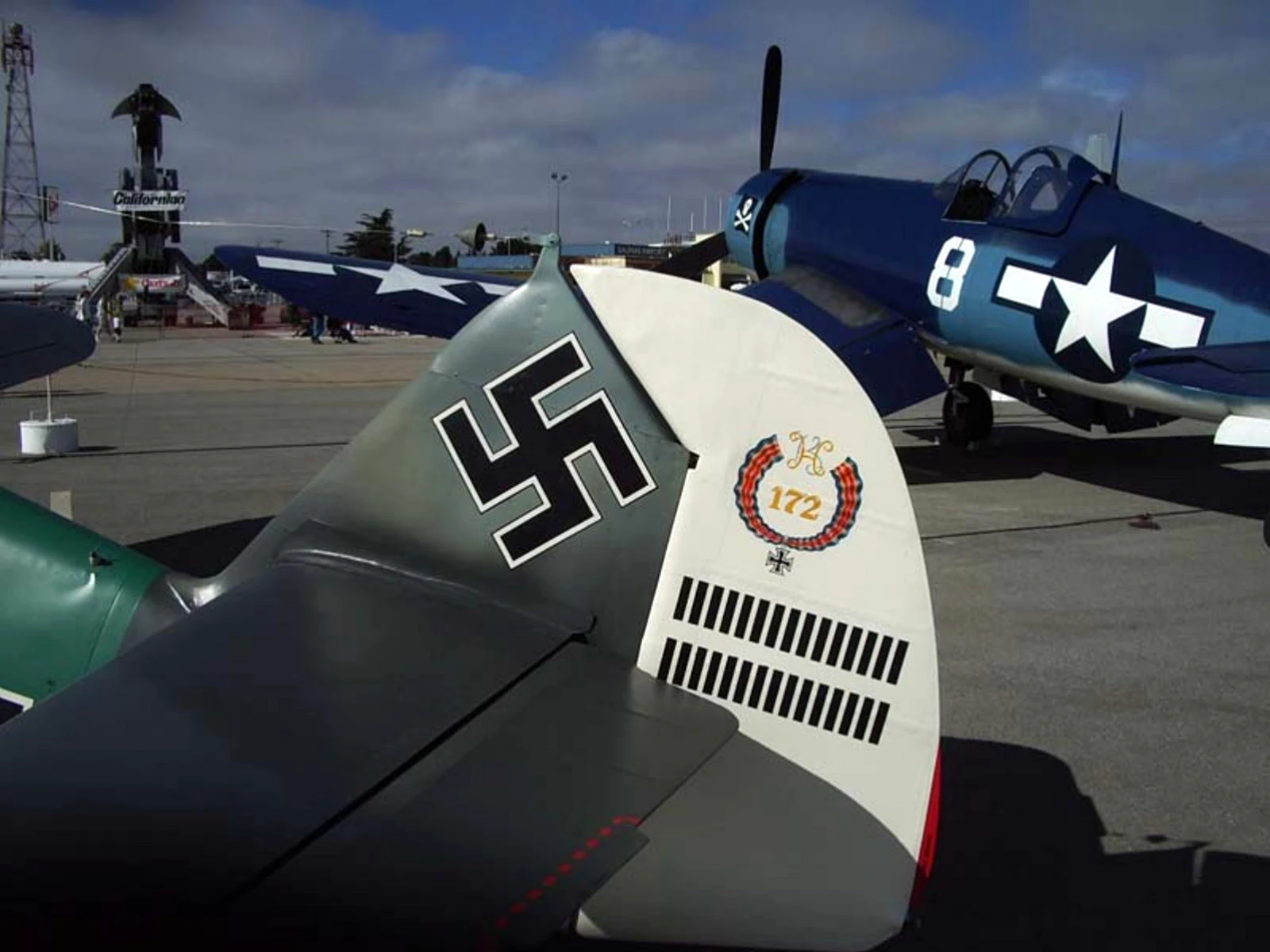
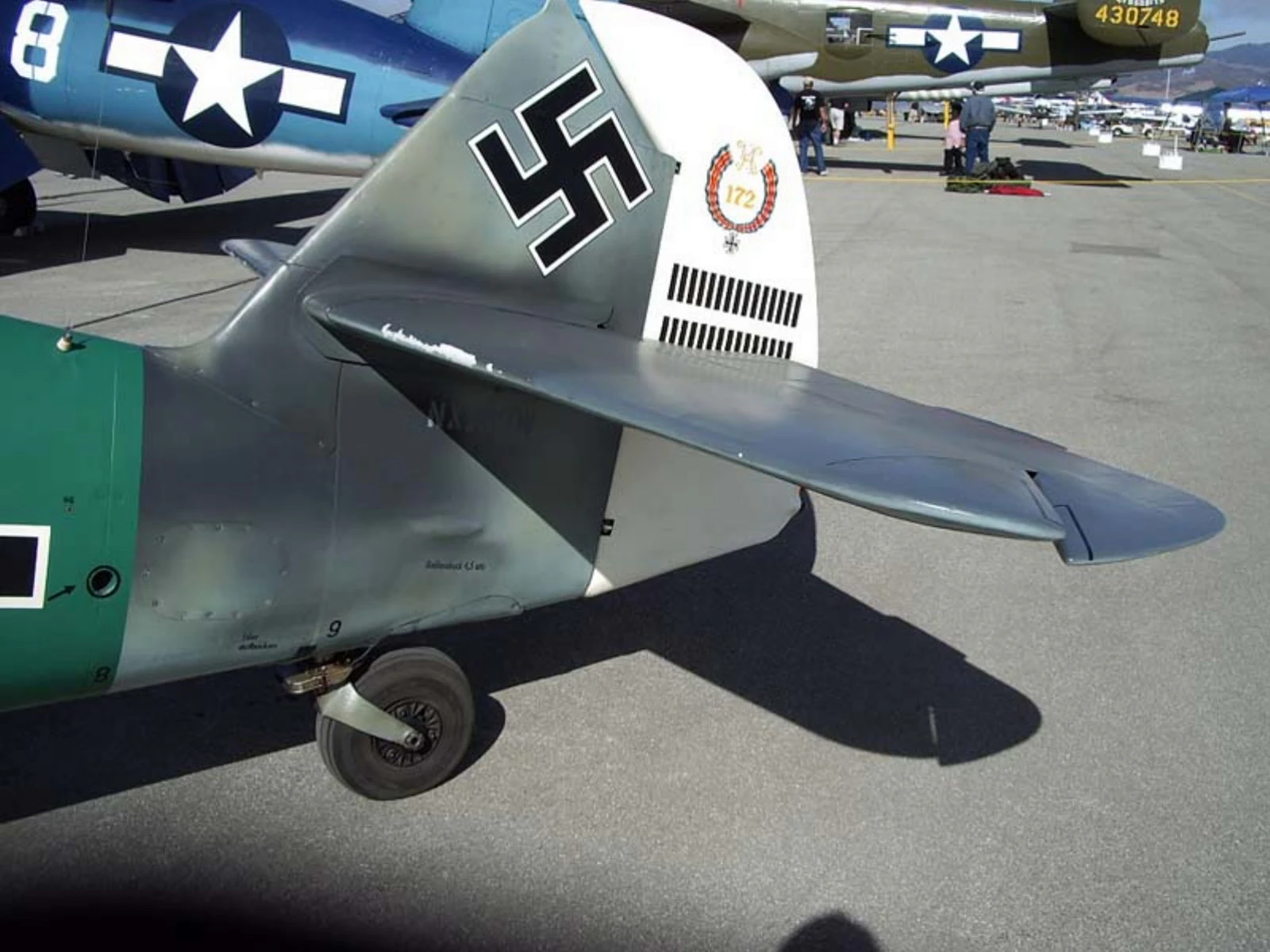
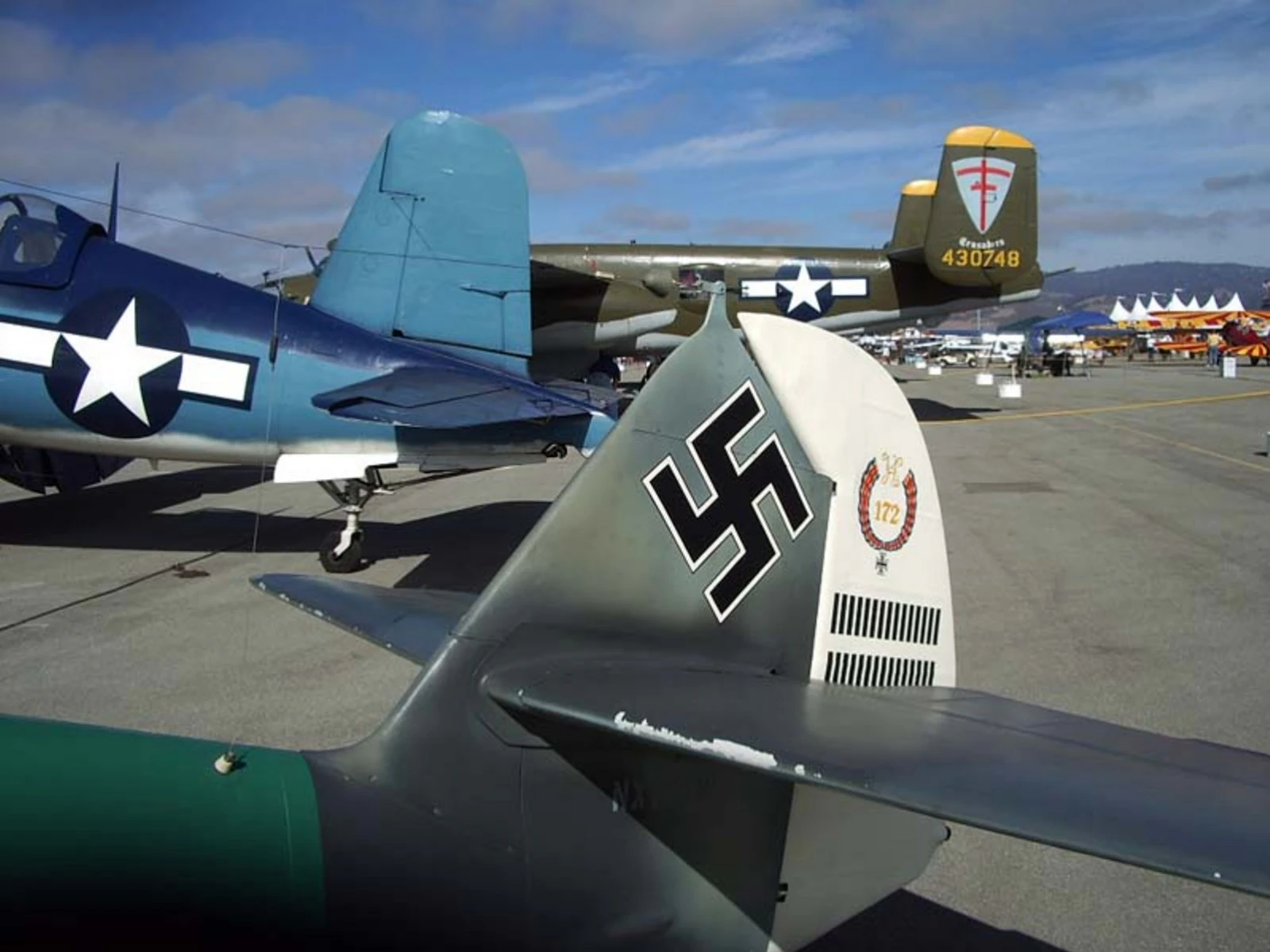
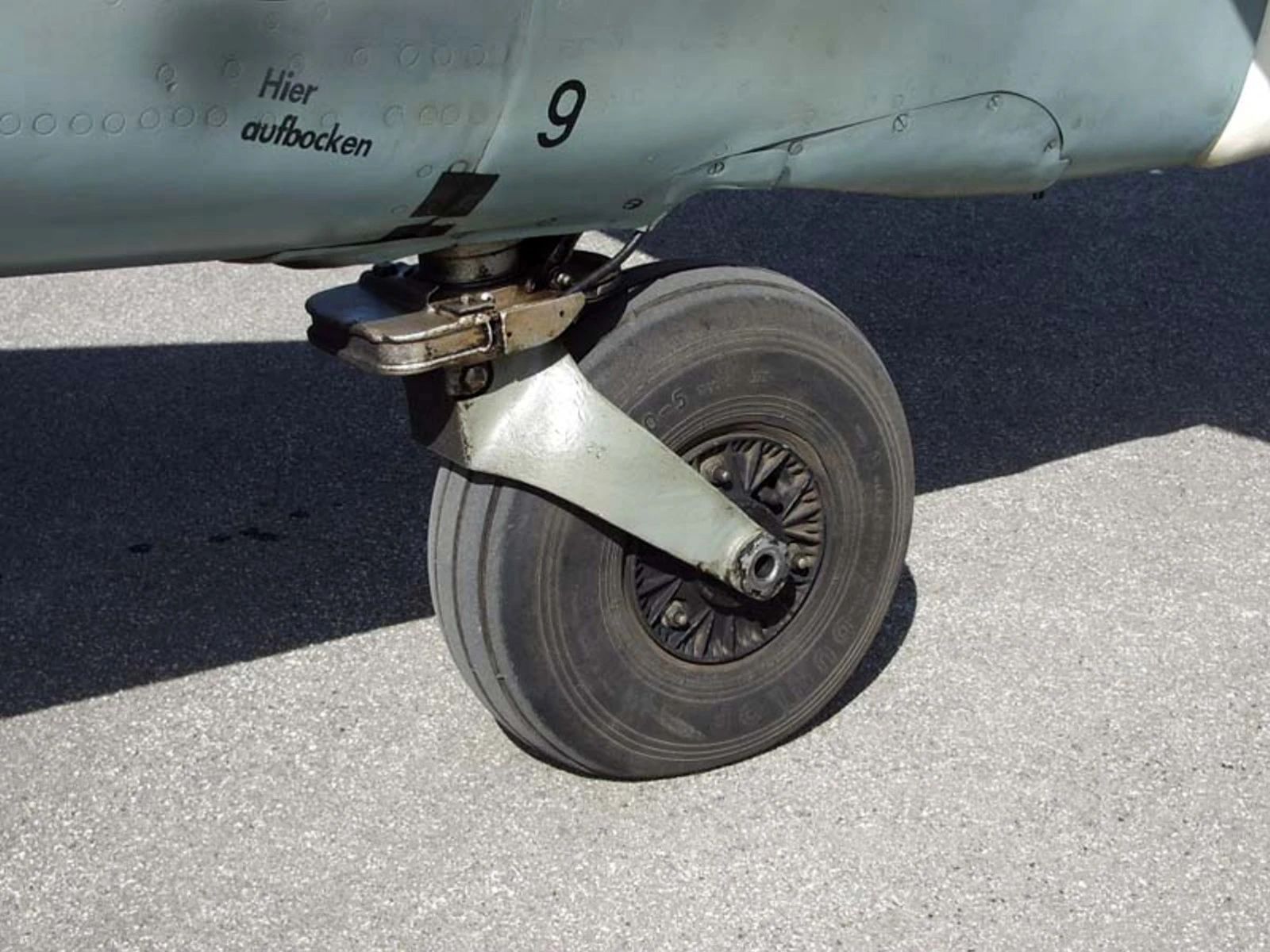
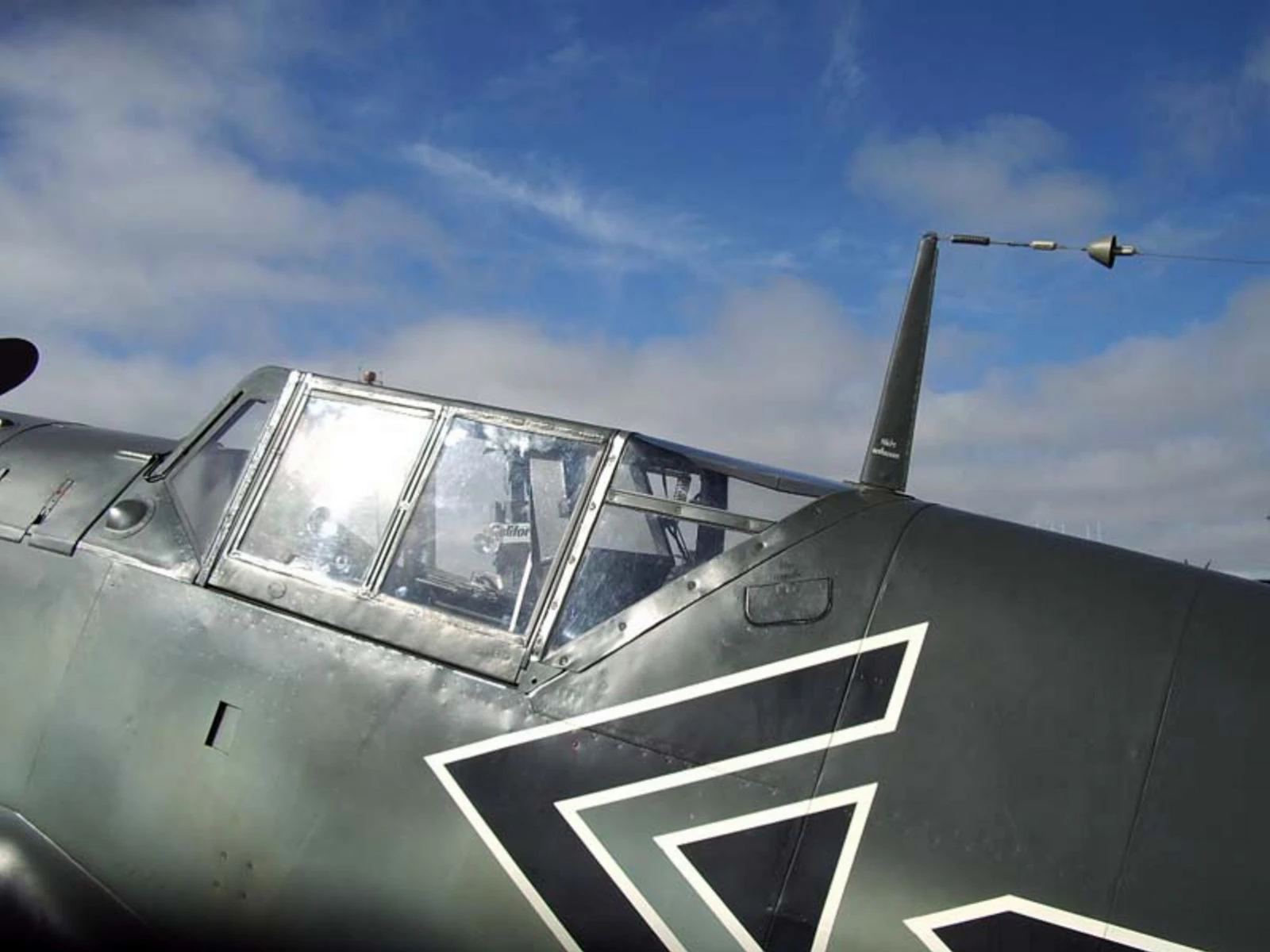
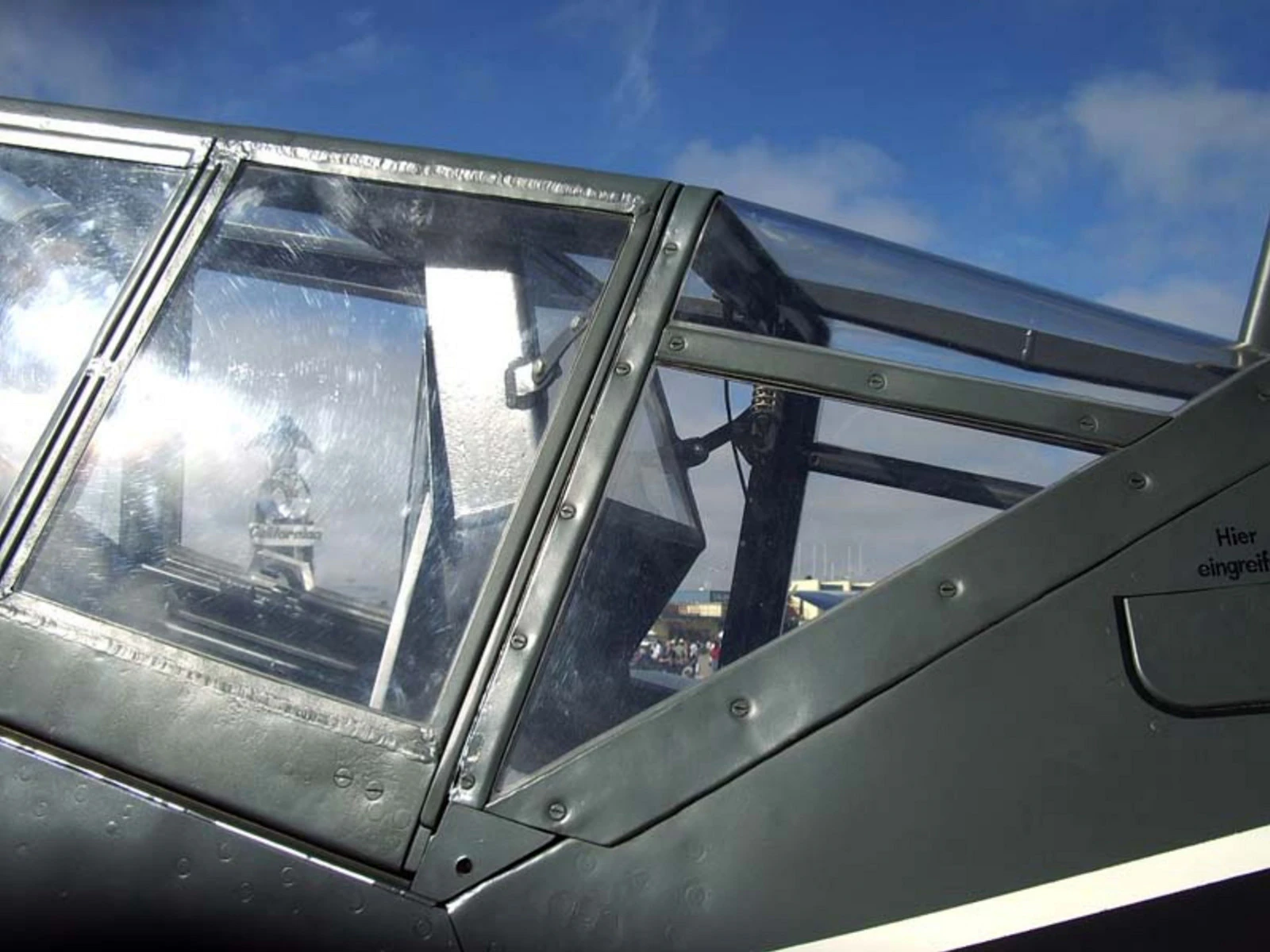
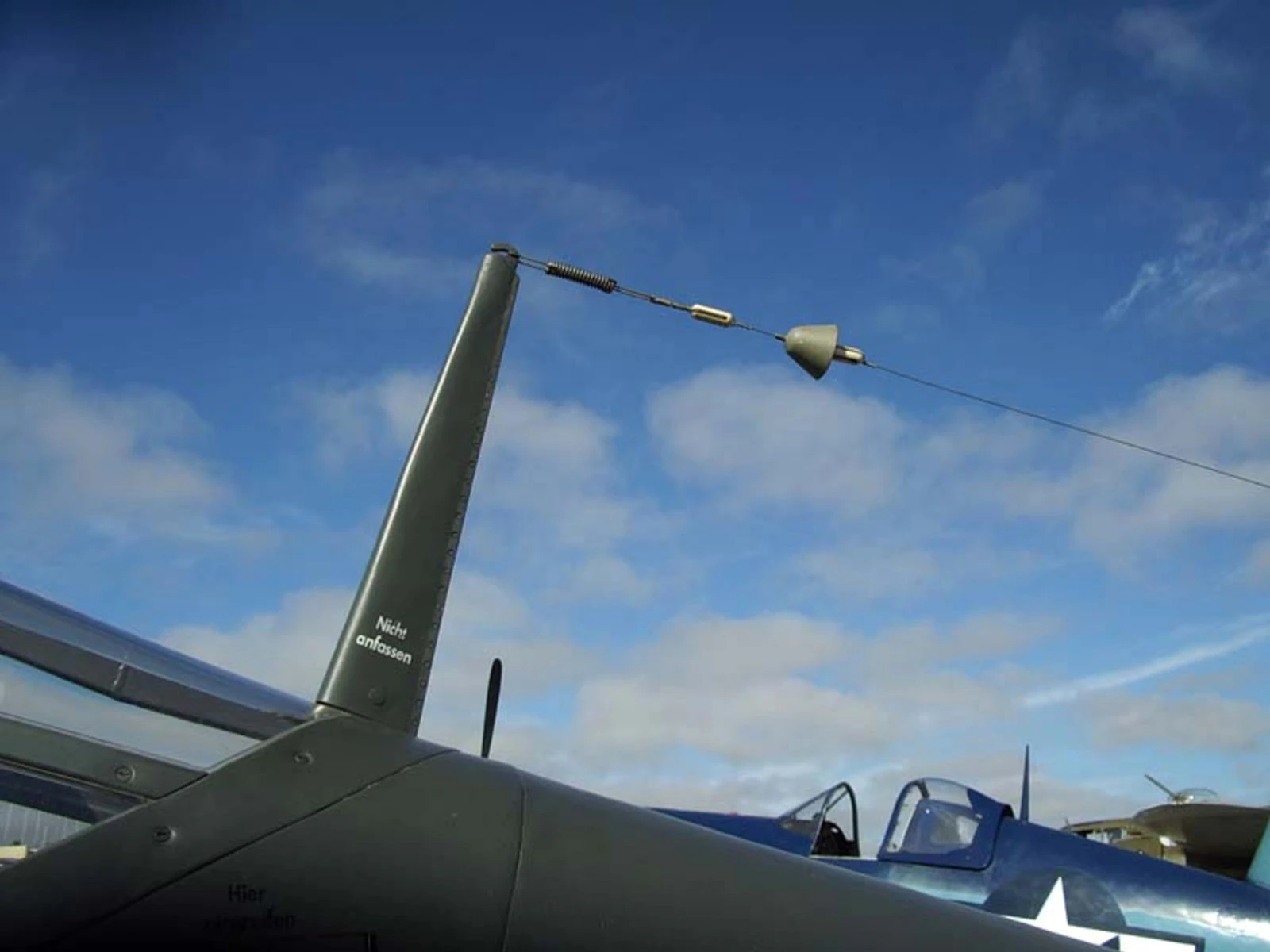
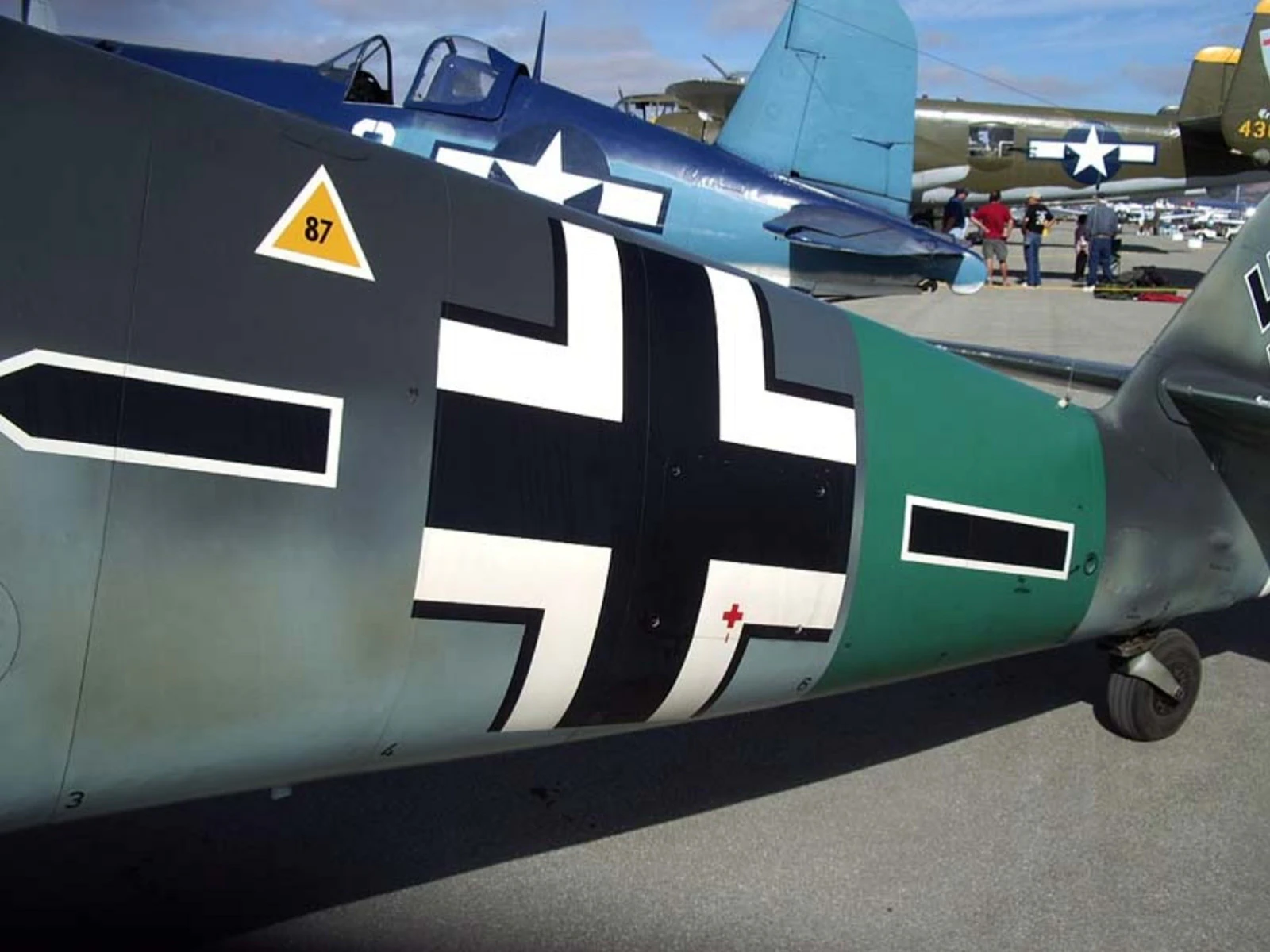

| Hispano Aviacion HA-1112 Buchon Walk Around | |
|---|---|
| カメラマン | Unknow |
| ローカライズ | 知りません |
| 写真 | 25 |
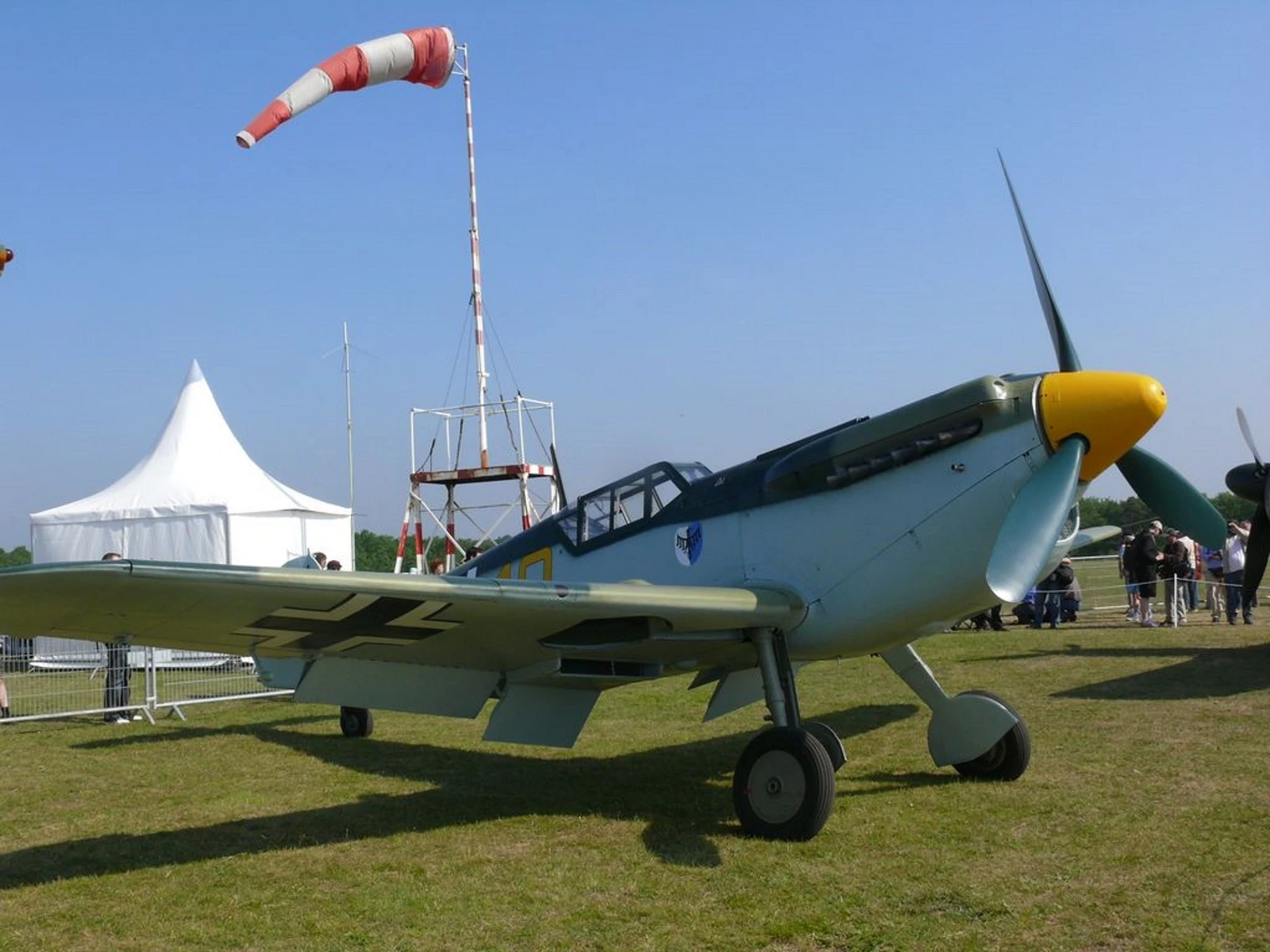
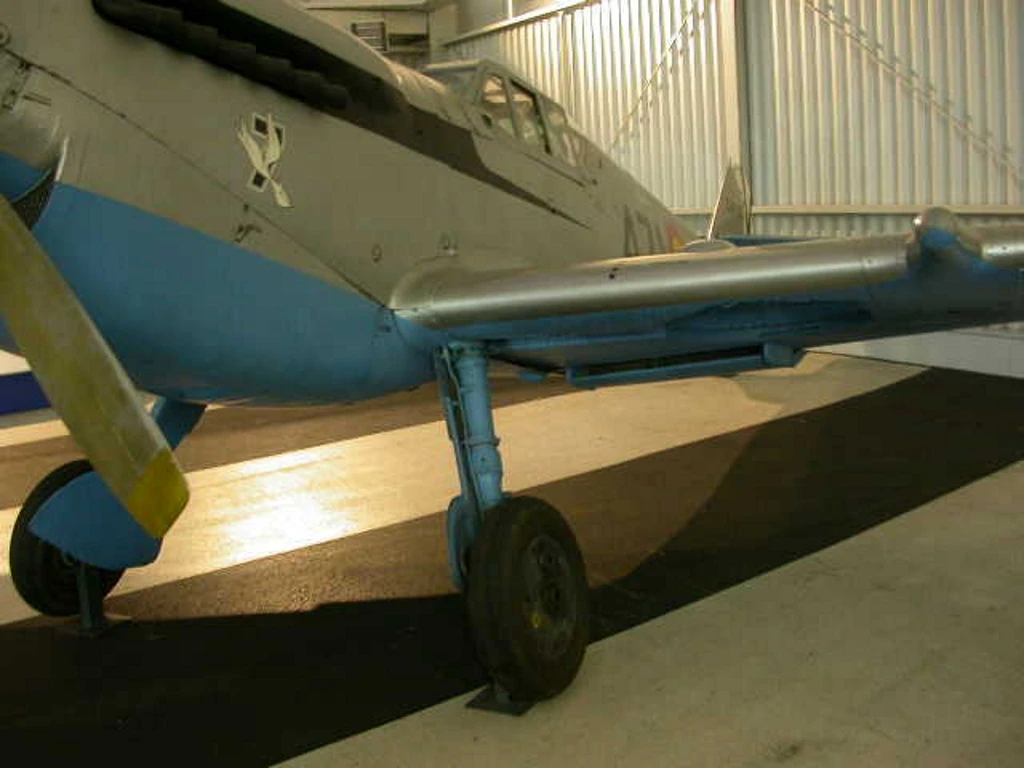
関連項目:


The Hybrid Survivor of Seville
ザ HA-1112-M1L Buchón is one of the most curious “what-if” machines of aviation history. Born from a 1942 license agreement to build the Messerschmitt Bf 109G-2 in Spain, the project stalled when Germany could no longer supply the Daimler-Benz engines. Spain’s solution was to fit the airframes with the British Rolls-Royce Merlin—the very engine that powered its arch-rivals, the Spitfire and Mustang. The resulting “chin” radiator gave the plane a puffed-out look, earning it the nickname Buchón (a male pouter pigeon). It served the Spanish Air Force into the jet age and became the “face” of the Luftwaffe in nearly every major WWII film made in the 20th century.
| Attribute | Technical Specification (HA-1112-M1L) |
|---|---|
| 役割 | Fighter / Ground Attack |
| 乗組員 | 1 (Pilot) |
| エンジン | Rolls-Royce Merlin 500-45 V12 (1,600 hp) |
| 最高速度 | 665 km/h (413 mph) |
| 武装 | 2 × 20 mm Hispano-Suiza HS.404 cannons |
| External Payload | 8 × 80 mm Oerlikon rockets (optional) |
| Propeller | 4-blade Rotol constant-speed |
| Operational Life | 1954 – 1965 |
Design Engineering: An Inverted Challenge
- The “Upright” Problem: The original German DB 605 was an inverted V12, meaning the cylinders pointed down. The Merlin was an upright V12. To fit it, Hispano engineers had to completely redesign the cowling, moving the exhaust stacks to the top of the nose and adding the massive lower intake. This reversed the classic sleek lines of the Bf 109.
- Torque Trouble: The Daimler-Benz engine spun counter-clockwise, and the Bf 109’s tail was offset to compensate. However, the Merlin spun clockwise. This meant the tail offset and the engine torque now worked in the same direction, making the Buchón notoriously difficult to handle during the takeoff roll—it had a violent tendency to swing to the right.
- Wing Fences: Unlike the original Messerschmitts, many Buchóns were fitted with prominent wing fences on the upper surfaces. These were added to improve stall characteristics and stabilize airflow over the wings at low speeds.
- The “Tripala” Predecessor: Before the Merlin version, Spain tried using the Hispano-Suiza 12Z engine (the HA-1112-K1L). It used a three-blade propeller and was nicknamed “Tripala,” but it lacked the performance and reliability that the Merlin later provided.
Operational History: Movie Star of the Skies
- The Ifni War (1957–1958): The Buchón actually saw combat in Spanish West Africa (the Sahara), flying ground-attack missions against insurgents. Armed with rockets and cannons, it was a potent tool for “colonial policing” long after it was obsolete as a fighter.
- 1969 “Battle of Britain”: When the film バトル・オブ・ブリテン was being produced, there were almost no flyable German Bf 109s. The producers bought dozens of recently retired Spanish Buchóns. These planes were modified with mock tail-struts and “squared-off” wingtips to masquerade as 1940-era 109Es.
- Film Legacy: Because they were available and reliable, Buchóns appeared in Dunkirk (2017), Memphis Belle, The Tuskegee Airmen, and even played the role of Hawker Hurricanes in a few distant shots where not enough real Hurricanes were available.
- The “Re-Germanized” Warbirds: Today, many Buchóns in private collections have been “re-engined” with original Daimler-Benz DB 605s. This returns them to the original Bf 109 profile, making the few remaining “pure” Merlin-powered Buchóns increasingly rare historical specimens.
ビュー:3804
また、次の項目もご覧ください。
 Messerschmitt Me 410 – 写真&ビデオ
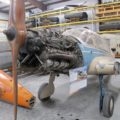 Messerschmitt Me-108 Taifun – Photos & Video
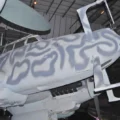 Messerschmitt Bf 110 – Photos & Video
 Messerschmitt Me 262 – Photos & Video
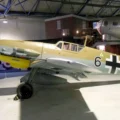 メッサーシュミット Bf 109G - ウォークアラウンド
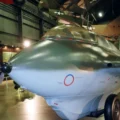 メッサーシュミットミー163B - ウォークアラウンド
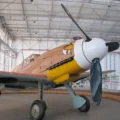 メッサーシュミットBf 109G-2 – 歩き回る
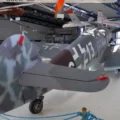 メッサーシュミットBf 109G-6 – 歩き回る
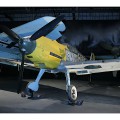 メッサーシュミットMe-109E – 歩き回る
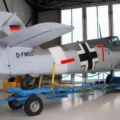 メッサーシュミットBf 109G-4ロット7 - 歩き回る