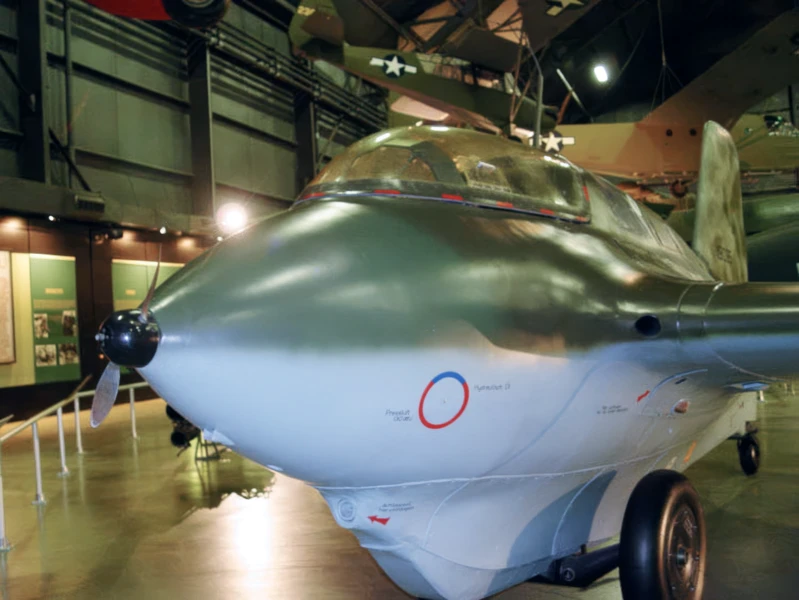
Мессершмітт Мі 163Б | |
|---|---|
| Країні | Німеччина |
| Роль | Винищувачі з ракетним двигуном |
| Перший політ | 1 вересня 1941 р. |
| Побудований | 370 |
У 201 Messerschmitt Me 163 Komet — німецький винищувач з ракетним двигуном. Розроблений Александром Ліппішом, це єдиний винищувач з ракетним двигуном, який коли-небудь експлуатувався, і перший пілотований літак будь-якого типу, який перевищив швидкість 1000 км/год (621 миль/год) у рівному польоті. Його дизайн був революційним, а продуктивність безпрецедентною. Німецький льотчик-випробувач Хайні Діттмар на початку липня 1944 року розігнався до 1130 км/год (700 миль/год), що є неофіційним рекордом швидкості польоту, який не мав собі рівних літаки з турбореактивним двигуном протягом майже десяти років. Було побудовано понад 300 літаків, але «Комета» виявилася неефективною у своїй ролі літака-перехоплювача і була відповідальна за знищення лише від дев'яти до вісімнадцяти літаків союзників при десяти втратах. Окрім бойових втрат, багато пілотів загинули під час випробувань та тренувань
Джерело: Мессершмітт Ме 163 Комет у Вікіпедії
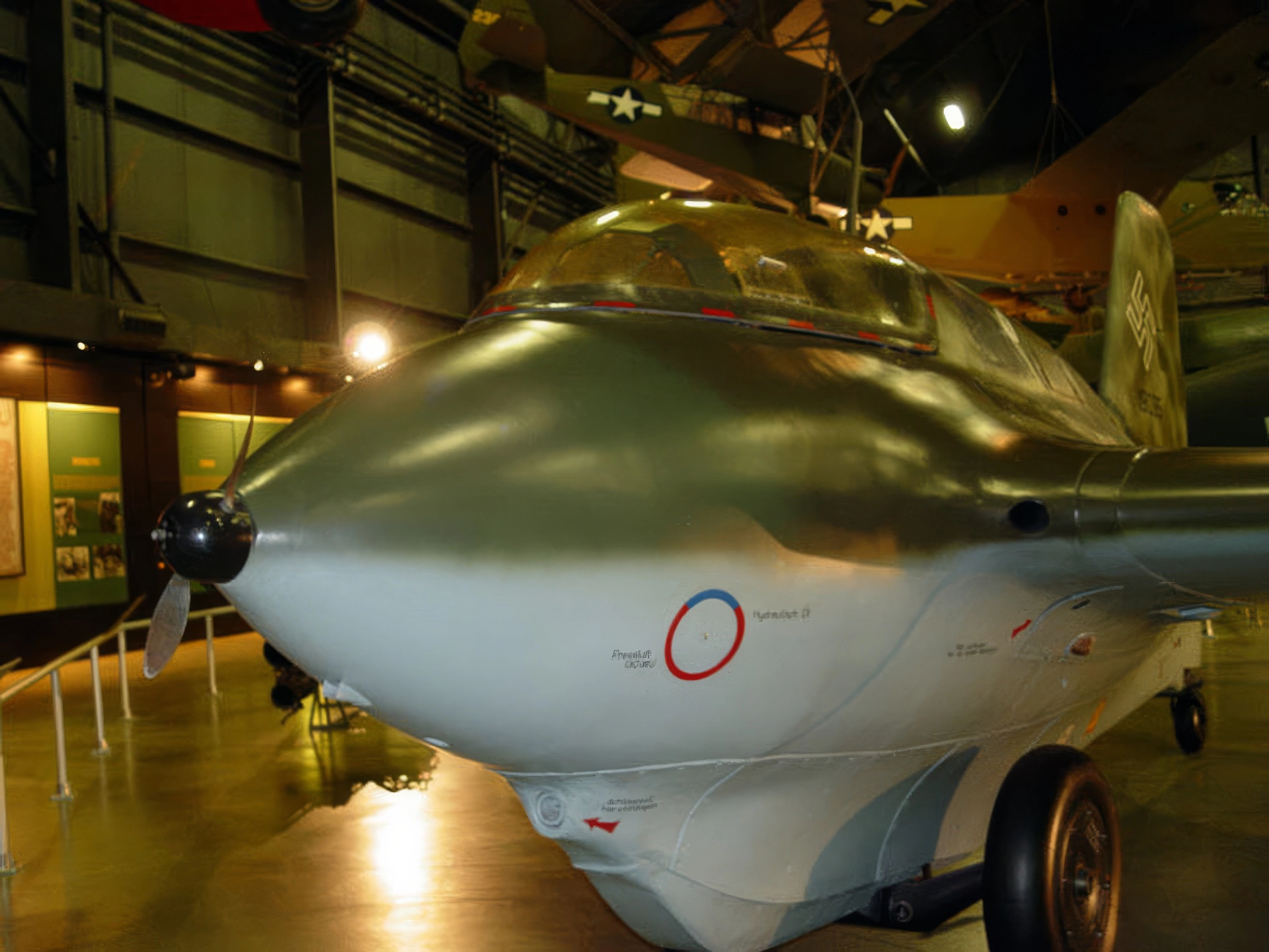
| Мессершмітт Я 163B Комет Прогулянка навколо | |
|---|---|
| Фотограф | Джон Гек |
| Локалізацією | Національний музей ВПС США |
| Фото | 23 |






Читайте також:


A Flying Bomb in the Service of the Reich
У 201 Мессершмітт Ме 163Б Комет was arguably the most radical combat aircraft of World War II. Designed by Alexander Lippisch as a tailless, swept-wing interceptor, it utilized a liquid-fuel rocket motor to reach speeds and climb rates that were decades ahead of its time. However, this performance came at a terrifying cost. The Komet was as dangerous to its pilots and ground crews as it was to the Allied bombers it hunted, earning a reputation as a “suicide machine” due to its highly volatile fuels and treacherous landing characteristics.
| Attribute | Technical Specification (Me 163B-1) |
|---|---|
| Роль | Point-Defense Rocket Interceptor |
| команда | 1 (Pilot) |
| Двигун | 1 × Walter HWK 109-509A-2 liquid-fuel rocket |
| Максимальна швидкість | 960 km/h (596 mph) — Mach 0.83 |
| Climb Rate | Initial: 81 m/s (16,000 ft/min) |
| Endurance | 7.5 to 8 minutes of powered flight |
| Зброя | 2 × 30mm MK 108 cannons (60 rounds per gun) |
| Landing Gear | Jettisonable takeoff dolly / Retractable landing skid |
Design Engineering: Chemistry vs. Aerodynamics
- The Hypergolic Nightmare: The Komet was powered by T-Stoff (hydrogen peroxide) and C-Stoff (hydrazine hydrate and methanol). These two chemicals were hypergolic, meaning they exploded instantly upon contact. A single drop of one in the other’s tank would destroy the aircraft. They were so corrosive that pilots had to wear special non-organic protective suits to prevent being dissolved alive in the event of a leak.
- Tailless Swept Wings: To minimize drag at high subsonic speeds, the Komet lacked a horizontal stabilizer (tail). Its swept wings provided both lift and control, making it exceptionally stable in high-speed dives but notoriously difficult to land because it simply “wanted to keep flying.”
- The Two-Part Landing: To save weight, the Komet took off on a two-wheeled “dolly” that was jettisoned once airborne. After exhausting its fuel, the pilot had to glide back and land on a retractable belly skid. If the skid failed to deploy or the landing was too hard, the impact could slosh remaining fuel together, resulting in a fatal explosion.
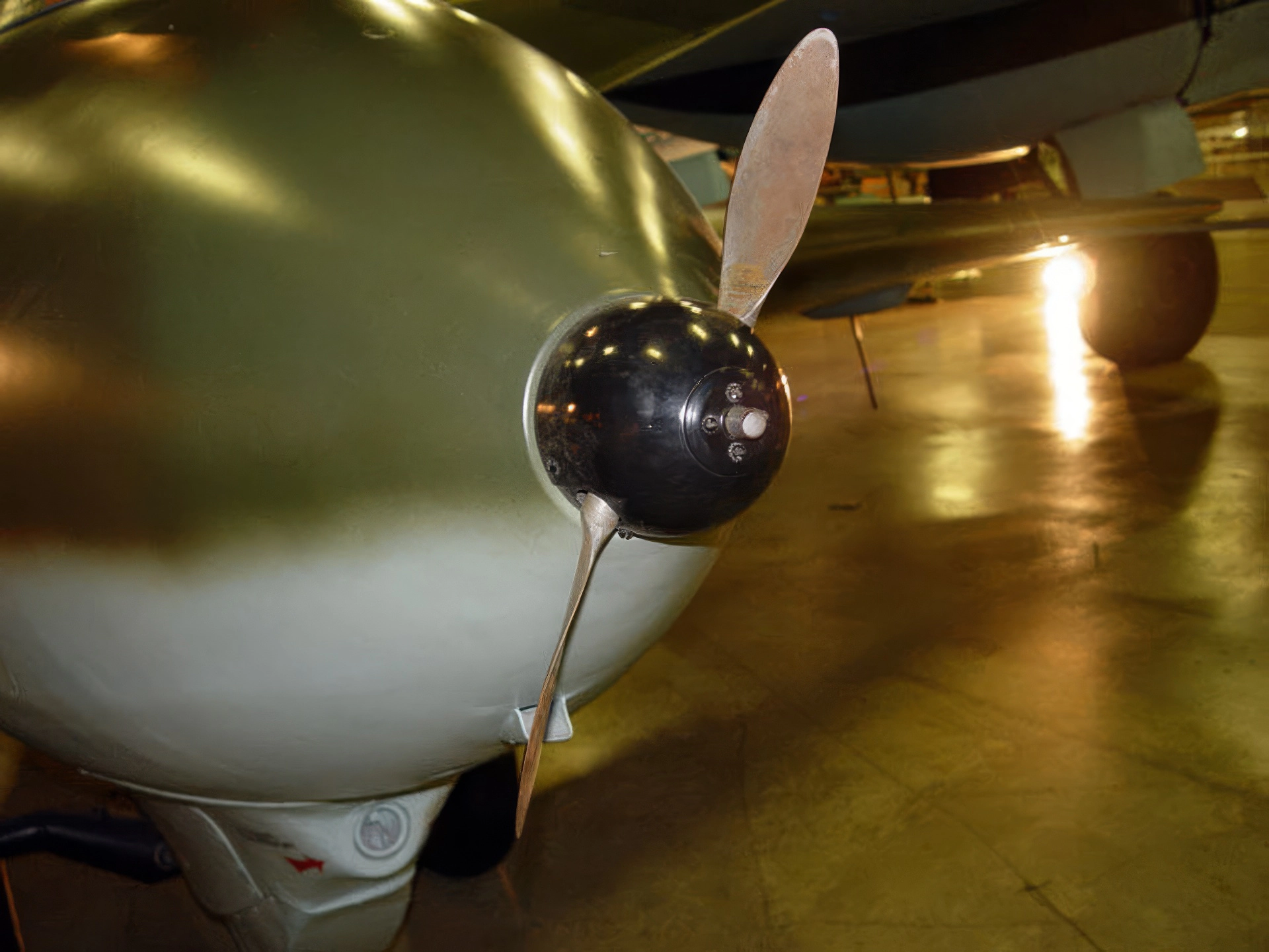
- Nose-Cone Generator: Since the rocket engine produced no electrical power, the Komet featured a tiny wooden propeller on its nose. This “rat” (Ram Air Turbine) spun in the slipstream to power the aircraft’s radio and flight instruments.
Combat History: Seven Minutes of Terror
- The Vertical Intercept: A typical Komet mission lasted less than ten minutes. The pilot would blast off the runway at a 70-degree angle, reaching 30,000 feet in under four minutes. They would then dive through the bomber formation at nearly 600 mph, giving them only a fraction of a second to aim and fire the slow-velocity 30mm cannons.
- The “Gliding Target”: Once the fuel ran out, the Komet became a heavy, unpowered glider. Allied fighter pilots quickly learned to wait for the rocket flame to go out; once the Komet was “silent,” it was a sitting duck as it struggled to reach its home airfield.
- Limited Impact: Despite its psychological terror, the Me 163 was a failure as a weapon system. Fewer than 20 Allied bombers were officially credited to the Komet, while more Komets were lost to landing accidents and engine explosions than to enemy fire.
- Sabotage: Many surviving Komets show evidence of sabotage by the forced laborers who built them, including contaminated glue in the wooden wings and rocks placed between fuel tanks and support straps to cause punctures.
Views : 3817
Ви також можете побачити:
 Мессершмітт Ме-108 Тайфун – фото & відео
 Messerschmitt Bf 110 - Фото та відео
 Messerschmitt Me 262 - Фото & Відео
 Messerschmitt Me208 - Фото & Відео
 HA-1112-M1L Бухон – Прогулянка Навколо
 Мессершмітт Bf 109G – Огляд
 Мессершмітт Bf 109G-2 – Прогулянка Навколо
 Мессершмітт Bf 109G-6 – Прогулянка Навколо
 Мессершмітт Me-109E – Прогулянка Навколо
 Messerschmitt Bf 109G-4 Rot 7 – Прогулянка Навколо