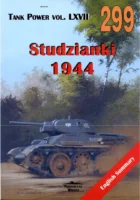
Wydawnictwo Militaria 299 Studzianki 1944

ウィドウニクツー・ムシタ

セリエタンクパワー
件名

ラ・バタイユ・ド・ストゥザンキ

参考29

からの本 ウィドウニクツー・ムシタ «スタッドジアンキの戦い 1944 – ワイドウディッチ2 299» .

The Battle of Studzianki, was a tactical engagement between the elements of the Red Army’s 2nd Tank Army employed as the Cavalry mechanized group of the 1st Belorussian Front and elements of the German 9th Army of Army Group North Ukraine defending south of Warsaw. The battle was part of the Soviet Lublin-Brest Offensive Operation. The 2nd Tank Army was launched through the breach in the German 4th Panzer Army’s front between Parczew and Chełm, and bypassing Lublin attempted to find a crossing over the Visla.

In this it was supported by the Polish First Army, including the Polish 1st Armoured Brigade. In a hasty encounter battle during which the Polish 1st Armoured Brigade was located in the first echelon of the 2nd Tank Army. At the point where the Army was able to occupy the Magnuszew brideghead, the Polish brigade engaged advance elements of the counter-attacking German Fallschirm-Panzer Division 1 Hermann Göring with the express orders to deny Vistula crossings to the Red Army. The German counter-attack tried to dislodge the Soviet engineers, and the Polish troops providing support for them, behind Vistula off the bridgehead. The Soviet and Polish forces held the bridgehead, and German forces suffered heavy casualties before withdrawing. To commemorate the battle, in 1969 the name of the village Studzianki was changed to include the word Pancerne, meaning Armoured in Polish language. The episodes 3-5 of Polish TV series Czterej pancerni i pies (Four Tankmen and the Dog) depict the crew of Polish tank during the battle of Studzianki.

ソース: ウィキペディア

続きを読む

ビュー : 1200

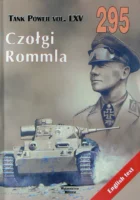
Wydawnictwo Militaria 295 Rommel's Tanks

ウィドウニクツー・ムシタ

セリエタンクパワー
件名

The Tanks of Rommel

参考295

The book “Wydawnictwo Militaria 295: The Tanks of Rommel” focuses on the tanks used by the Deutsches アフリカコルプス (DAK) under General Erwin Rommel’s command during World War II. It provides detailed documentation on the various armored units and their operations in the deserts of Libya, western Egypt, and Tunisia. The author, Janusz Ledwoch, presents information on military tactics, equipment, and the engagements of these tank divisions in the context of the North African campaigns. The book is rich in illustrations and photographs, making it a valuable resource for military history enthusiasts and modelers.

ソース: ウィキペディア

続きを読む

再生 : 729

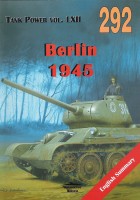
ミリタリー292出版社-ベルリン1945

ウィドウニクツー・ムシタ

セリータンクパワー
件名

ベルリンの戦い1945

参考292

署名付きドキュメント ウィドウニクツー・ムシタ 本「ベルリンの戦い1945-Wydawnictwo292」。

ベルリンの戦い 1945年4月末から1945年5月2日まで行われた。それは第三帝国の軍隊の残りを赤軍に対抗させた。スターリンは、侵略の流れを逆転させるためにソビエトが大きな損失を被った後、ナチス政権へのこの最新の打撃に象徴的な重要性を与えました。

ソース: ウィキペディア

続きを読む

ビュー:1063

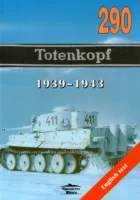
Wydawnictwo Militaria 290頭蓋骨1939-1943

ウィドウニクツー・ムシタ

セリータンクパワー
件名

第3装甲師団 – SSスカル

参考290

署名付きドキュメント ウィドウニクツー・ムシタ le livre «3e Panzerdivision SS Totenkopf – Wydawnictwo 290» .

第3SS装甲師団 トーテンコップフ était l’une des 38 divisions de Waffen-SS durant la Seconde Guerre mondiale. La division Totenkopf avait pour origine les unités de garde des camps de concentrations, les SS-Totenkopfverbände (« unités SS à tête de mort »). Celles-ci étaient dirigées par Theodor Eicke à partir du 4 juillet 1934, lors de sa nomination comme inspecteur des camps de concentration. Rejoignant la Leibstandarte Adolf Hitler (« régiment de garde d’Adolf Hitler ») et la SS-Verfügunsgstruppe (littéralement « troupe SS à disposition »), les unités Totenkopf constituent l’un des trois piliers de la future Waffen SS. Après la réorganisation de la dénomination et de la numérotation des divisions SS en 1943, elle reçoit la dénomination officielle de 第3SS装甲師団 トーテンコップフ, aux côtés, entre autres, de la 1re division SS Leibstandarte Adolf Hitler et de la 2e panzerdivision SS Das Reich, issue de la Verfügunsgstruppe. Le 16 octobre 1939, Adolf Hitler autorise le regroupement des régiments Totenkopf pour former une division Waffen-SS. Cette division est intégrée à la 2e Armée pendant les opérations de la campagne de France en mai 1940.

ソース: 第3SS装甲師団トーテンコップフ on Wikipedia

続きを読む

再生 : 1445

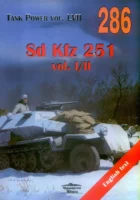
Wydawnictwo Militaria 286 SD Kfz 251巻。I-II.

ウィドウニクツー・ムシタ

セリータンクパワー
件名

Sdkfz.251 – ゾンダークラフトファールツォーク 251

参考286>

署名付きドキュメント ウィドウニクツー・ムシタ le livre «Sdkfz.251 – Wydawnictwo 286» .

ソンダークラフトファーゼウク 251 (SdKfz 251)(文字通り:特殊戦闘車両)は、第二次世界大戦中に製造されたドイツの半追跡戦闘装甲車であり、紛争中に生産されました。主に装甲師団と装甲擲弾兵ユニットを装備することを意図しており、SdKfz 7と多くの機械的要素を共有していました。

ソース: ウィキペディア

続きを読む

再生 : 787

M7プリースト

M7プリースト

米国
自走砲
メーカーアメリカン・ロコモティブ・カンパニー
生産1942年4月~1945年7月

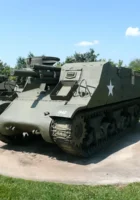
M7プリーストのフォトギャラリー、正式に105mm榴弾砲モーターキャリッジM7と名付けられ、 M7プリースト ●アメリカが第二次世界大戦中に生産した自走砲です。 司祭 ●レールに置かれた機関銃が、戦車にパルピットを装備した印象を与えたという事実により、イギリス人のニックネームです。それは英国のビショップに続き、彼らは正式にそれを105mm SPプリーストと呼びました。(イギリス人は、1960年代までアボット(アボット)と続いた伝統である自走砲(司祭、司教、ビショップ、セクストン)に宗教に関連する名前を与えるのが好きでした。

ソース: ウィキペディアの M7 プリースト

続きを読む

再生 : 7368

ウィドウニクツー-ムシタ-285-フラムパンツァー

ウィドウニクツー・ムシタ

パブリッシャーウィドウニクツー・ムシタ
セリータンクパワー
件名

フランパンザー戦車

参考285

署名付きドキュメント ウィドウニクツー・ムシタ 本 "Flammpanzer – Wydawnictwo 285".

Le Flammpanzer est un char allemand équipé d’un lance-flamme. Avec le souvenir des combats de rues de Stalingrad à l’esprit, une centaine de Panzer III modèle M furent reconvertis en char lance-flammes. Le canon était remplacé par la nouvelle arme et l’équipage fût réduit à trois. Le blindage frontal était renforcé. Ils furent engagés à Koursk, mais la conversion ne fut pas un succès. La plupart des véhicules furent reconvertis par la suite en chars standards ou en véhicules de dépannage. Production 100 unités de février 1943 à avril 1943.

ソース: ウィキペディア

続きを読む

ビュー : 440

Wydawnictwo Militaria 281 Gerat 040-041 ''Karl Morser''

ウィドウニクツー・ムシタ

セリータンクパワー
件名

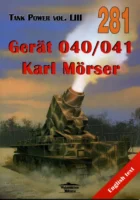
Gerät 040/041 – カール・メルサー

参考281

署名付きドキュメント ウィドウニクツー・ムシタ 書籍「Gerät 040/041 – Karl Mörser – Wydawnictwo 281」。

モルタル カール est la plus grosse pièce d’artillerie automotrice jamais construite. En 1939, une commande fut passée par la Wehrmacht pour créer une arme capable de venir à bout des places fortes. Le résultat fut le mortier “カールゲレット」は6部で日の目を見ました。この132トンの怪物は、積載され、運用を開始するために107人の男性を必要とし、そのうち4人が移動するため、2.5メートルの厚さのセメントと45cmの鋼鉄の装甲を破壊できる予定でした。時速5kmで走行できるこの車は、長距離をカバーするために「レオポルド」砲と同様に、前方と後部の2台の鉄道カートに搭載する必要があります。目的地でのみ、彼らは自分の手段で移動することができます。彼の射撃操作では、彼が使用する2.2トンの発射体を装填できるジャッキを装備した弾薬運搬車を伴わなければなりません。この作業は、この機能のために改造されたIV号戦車のシャーシに委ねられました。

ソース: モルティエ・カール・シュール ウィキペディア

続きを読む

再生 : 694

Wydawnictwo Militaria 275 T34-85

ウィドウニクツー・ムシタ

セリータンクパワー
件名

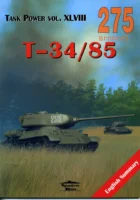
シャア T-34/85

参考265

署名付きドキュメント ウィドウニクツー・ムシタ le livre «Char T-34/85 – Wydawnictwo 275»。

●T-34は赤軍とともに1940年に就航した中戦車です。当時、装甲車の品質を定義した3つの主要な要因、すなわち火力、保護、機動性の間の顕著なバランスでした。この成功は、ドイツ国防軍の侵攻に直面してソ連の強みの一つになりました。それに対抗するために、後者はまた、T-34からその技術的特性の一部を借りたパンツァーV'パンサー'を開発することによって、そのタンク設計方針を見直す必要があります。T-34は1940年から1958年まで生産を続け、合計84,070部で生産され、後継のT-54とT-55のすぐ後ろで2番目に生産されたタンクとなっています。

ハリコフのI.コシュキンのチームによって設計された高速BT戦車の子孫であるT-34は、アルミニウム合金ディーゼルエンジンの使用、広いトラック、装甲板の傾きなど、多くの技術革新を導入しました。さらに、例えば2人乗りの砲塔やトランスミッション装置の欠如など、その戦術的使用を非常に主要なものにし、多くの損失を引き起こしたが、機械的信頼性も疑わしい。しかし、アメリカのシャーマンM4と同様に、それは進化のための一定の能力、特にそれを非常に大量に利用可能にした建設の容易さを示し、それはそれを例外的な長寿を保証し、27カ国は1996年にまだそれを使用しています。それはしばしば主力戦車の概念を定義するために使用される戦車の一つと考えられているので、戦闘戦車の開発に対するその影響も確かでした。

ソース: ウィキペディア

続きを読む

景色 : 1096

Wydawnictwo Militaria 274 - Petlyakov Pe-8 TB-7

ウィドウニクツー・ムシタ

セリー航空機
件名

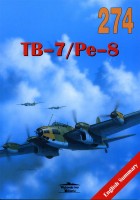
Bombardier TB-7 – Petliakov Pe-8

参考274

署名付きドキュメント ウィドウニクツー・ムシタ le livre «TB-7 – Petliakov Pe-8 – Wydawnictwo 274» .

Petliakov Pe-8 (ANT-42, également TB-7) est un bombardier lourd quadrimoteur soviétique conçu en 1934 par le bureau de conception de V. M. Petliakov dirigé par A. N. Tupolev. La première unité vit le jour en automne 1936, effectua son premier vol le 27 décembre de cette même année. Les essais réalisés révélèrent qu’à des altitudes élevées le Pe-8 surpassait tous les bombardiers lourds connus en vitesse, et que ses performances de vol correspondaient à celles des meilleurs chasseurs de l’époque.

Le premier prototype fut appelé « TB-7 » et ce n’est qu’en 1941 ou 1942 que, Vladimir Petliakov prenant la direction du projet, l’on décida d’appeler le bombardier « Petliakov Pe-8 ». « ANT-42 » était la désignation interne du bureau d’études, en référence à Andreï Nikolaïevitch Tupolev. Cependant, l’un des défauts du bombardier résidait dans l’installation d’origine des moteurs AM-34FRN qui ne parvenaient pas à fournir une puissance suffisante. C’est la raison pur laquelle l’appareil fut équipé dès 1940 de moteurs AM-35A avec lesquels il fut produit en série. Au cours de la production en série, les dimensions et la conception de l’appareil ne subirent pratiquement aucun changement, a l’exception de l’installation de différents types de moteurs et de modifications dans l’armement. La production dura jusqu’en 19445. Au total, 93 appareils furent produits6.

ソース: Petliakov Pe-8 sur Wikipedia

続きを読む

ビュー : 537